
Emergency Fund vs Savings: Key Differences You Should Know
Navigating personal finance starts with understanding the unique tools designed to keep your cash safe. Comparing an emergency fund vs savings is crucial for your success. Both options hold money, but they serve different purposes. Managing your money well means knowing when to stash cash for crises versus saving for a fun vacation. According to the Consumer Financial Protection Bureau, maintaining separate financial reserves is vital. It reduces stress and builds long-term stability. This article answers key questions. We cover whether they are the same, the 3 6 9 rule, separate accounts, best emergency accounts, and high-yield choices.
Is an emergency fund vs savings the same account?
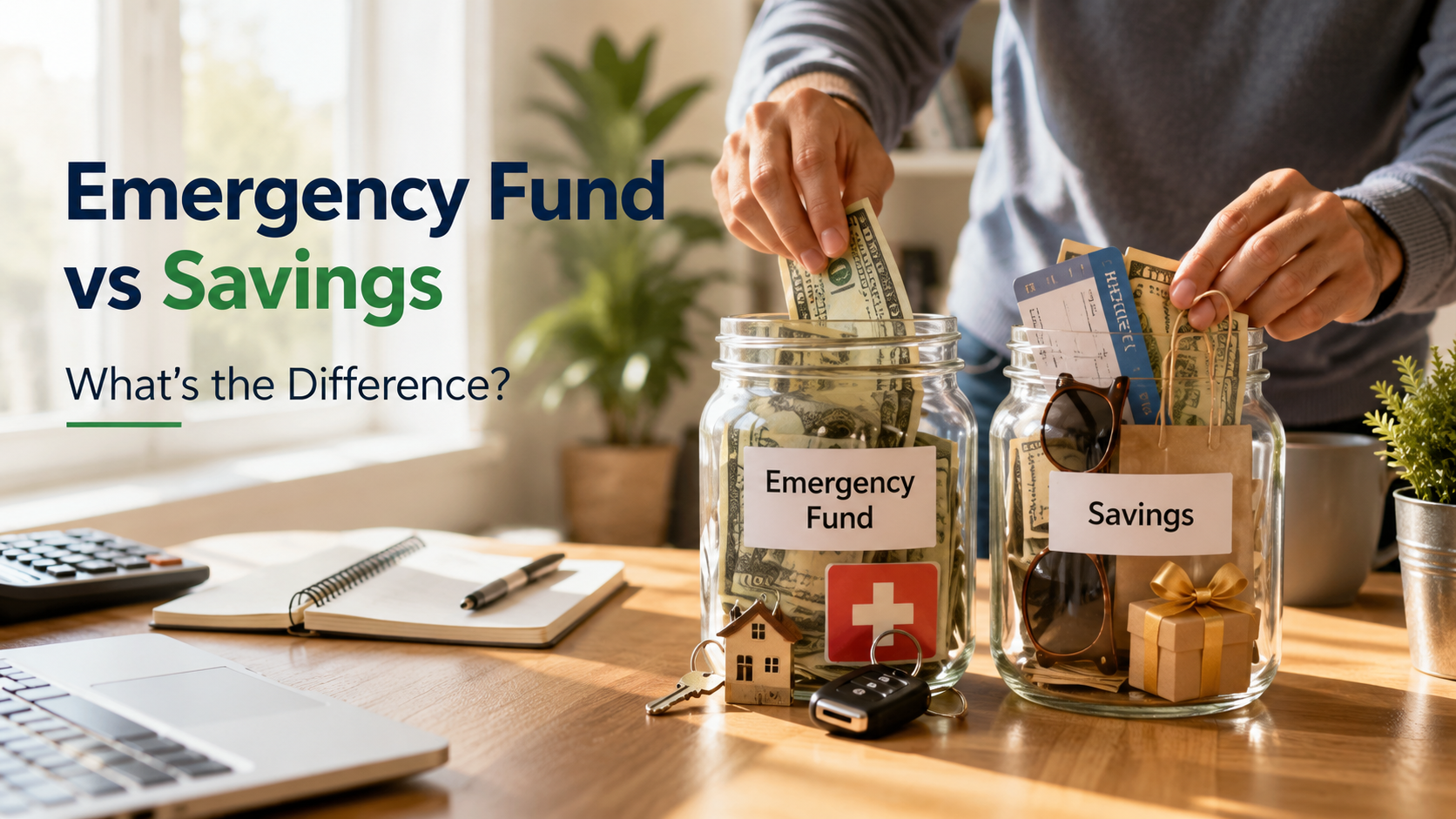
An emergency fund is not the same as general savings. They often share the exact same physical bank structure. A standard savings account acts as a flexible holding bucket for short-term goals. You might buy holiday gifts or fund a weekend getaway with it. Conversely, an emergency fund is a strict pool of money. It is reserved for urgent crises like job loss or medical bills. Treating them as identical leads people to spend their safety net. Your emergency fund can live inside a high-yield account. However, it requires strict mental boundaries to remain untouched.
The Purpose Behind Your Money
Separating cash by its specific purpose prevents accidental spending. General savings fluctuate constantly as you withdraw funds for everyday upgrades. Your safety net remains frozen in place to protect your livelihood.
What is the 3 6 9 rule for emergency fund vs savings?
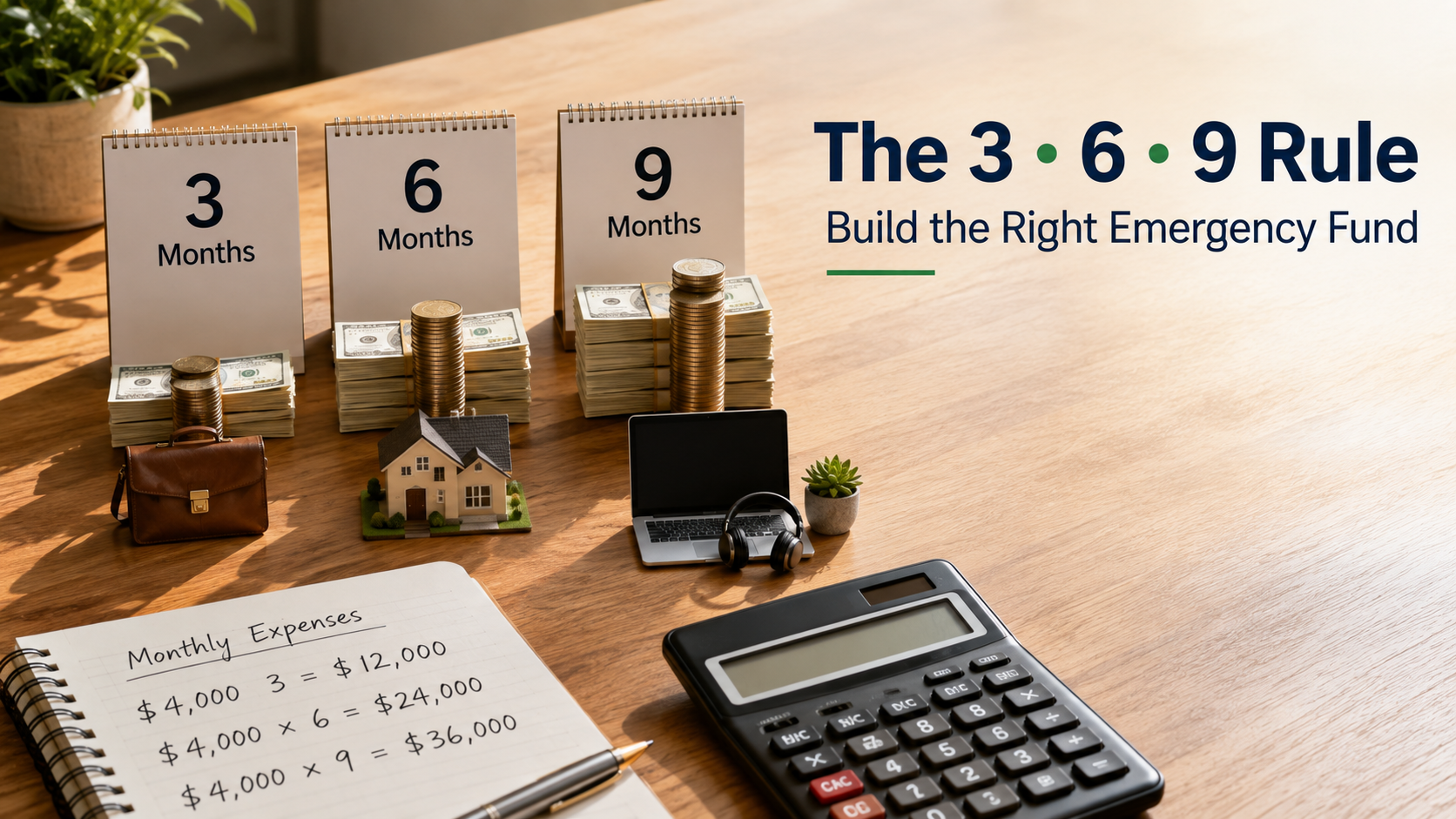
The 3 6 9 rule is a popular framework for living expenses. It helps individuals calculate how many months of cash to save. The three-month mark is the minimum target. It suits dual-income households with stable jobs. The six-month tier is the gold standard for most earners. Finally, the nine-month target provides security for freelancers. Navigating a volatile industry takes time, making this tier wise. Following this tiered approach removes guesswork from planning. You can scale your safety net gradually over time.
Choosing Your Target Timeline
Assessing your personal job security determines your ideal tier. If you have dependents, aiming high provides profound peace of mind. Economic downturns will feel much less stressful.
Should your emergency fund vs savings be separate?
Keeping your emergency fund separate from savings is a smart habit. When all money sits in one place, overspending happens easily. This commingling results in accidental depletion of your safety net. Establishing a distinct account creates a helpful psychological barrier. Many online banks allow you to open multiple sub-savings accounts. This makes it effortless to isolate your emergency money. Keeping everything organized in a single dashboard helps you track progress.
Creating Clear Financial Boundaries
Visible separation helps you monitor your true discretionary savings. Opening a secondary account protects your cash from impulse shopping. You avoid lifestyle inflation completely.
Which account is best for emergency fund vs savings?
A high-yield savings account is the best home for emergencies. It offers a unique mix of safety and growth. Traditional banks offer dismal interest rates that fail against inflation. High-yield accounts provide significantly higher annual percentage yields. They keep your cash completely liquid for rapid access. Furthermore, choosing a federally insured institution ensures your principal balance remains secure. You avoid market volatility and unexpected financial challenges.
Liquidity Meets Strong Returns
Your emergency cash must remain accessible within two business days. High-yield options strike the ideal balance for users. They offer rapid transfers alongside competitive interest earnings.
Best High-Yield Savings Account for Emergency Fund vs Savings
Finding the best high-yield savings account for your emergency fund requires careful comparison. First, compare current interest rates to identify consistently competitive returns. Next, review monthly maintenance fees and minimum balance requirements before opening an account.
In addition, many leading online banks offer zero monthly fees and no minimum opening deposit. As a result, they are suitable for both new and experienced savers. Meanwhile, a user-friendly mobile app makes it easier to monitor your balance and transfer money when needed. Likewise, responsive customer support can simplify account management if problems arise.
Before making your final decision, read independent financial reviews and compare customer experiences. Furthermore, check whether the advertised annual percentage yield (APY) is a long-term rate instead of a short promotional offer. Overall, choosing the right account helps your emergency fund remain secure, accessible, and steadily growing.

Maximizing Your Interest Earnings
Choosing a reputable financial institution allows your emergency fund to earn more through compound interest. At the same time, avoiding unnecessary bank fees helps preserve every dollar you save. Additionally, depositing money regularly increases your balance and your future interest earnings.
However, interest rates can change throughout the year. Therefore, review your account annually to confirm it still offers a competitive APY. If necessary, switch to a better high-yield savings account with lower fees and higher returns. Ultimately, these small reviews help your emergency fund grow faster while remaining safe and easily accessible.
Frequently Asked Questions
Can I invest my emergency fund in stocks?
Investing your emergency fund in stocks is generally not recommended. Although stocks can generate higher long-term returns, they also experience sudden price swings. As a result, your investments may lose value just when you need the money most.
Instead, keep your emergency savings in a secure and easily accessible account. Selling stocks during a financial crisis could force you to accept unnecessary losses. Therefore, protecting your emergency fund should always take priority over chasing higher returns.
How often should I fund my emergency account?
The best approach is to contribute to your emergency fund every time you receive a paycheck. Even small, automatic transfers add up over time. In addition, automation removes the temptation to skip contributions.
Treat each transfer like a fixed monthly expense. As your income grows, consider increasing your contribution amount. Consequently, your emergency fund will reach its target faster without creating unnecessary financial stress.
What counts as a true financial emergency?
A true financial emergency involves an unexpected and essential expense that affects your health, safety, or ability to earn an income. For example, emergency medical treatment, major car repairs, or a sudden job loss all qualify.
However, planned purchases, vacations, or holiday shopping are not emergencies. Keeping this distinction clear helps ensure your emergency fund remains available when you genuinely need it.
Do high-yield savings accounts charge fees?
Many reputable high-yield savings accounts charge no monthly maintenance fees. Likewise, many online banks have no minimum balance requirements, making them accessible for most savers.
However, account features vary between financial institutions. Therefore, always review the fee schedule, withdrawal limits, and account terms before transferring your money. Doing so helps you avoid unexpected charges while maximizing your interest earnings.
Conclusion
Understanding the difference between an emergency fund vs savings account helps you make smarter financial decisions. While a general savings account supports planned expenses and short-term goals, an emergency fund protects you from unexpected financial setbacks.
In addition, following the 3 6 9 rule can help you determine the right savings target based on your financial situation. Keeping your emergency fund in a high-yield savings account also allows your money to remain safe, accessible, and productive. If you are just getting started, read our guide on how to build an emergency fund for practical steps to create a reliable financial safety net.
Finally, review your current savings strategy today. Separate your emergency fund from your general savings, automate regular contributions, and build your financial safety net one deposit at a time. Over time, these consistent habits can provide greater financial security and peace of mind.