
Crystal Energy and Healing: A Guide to Traditions, Science, and Practice
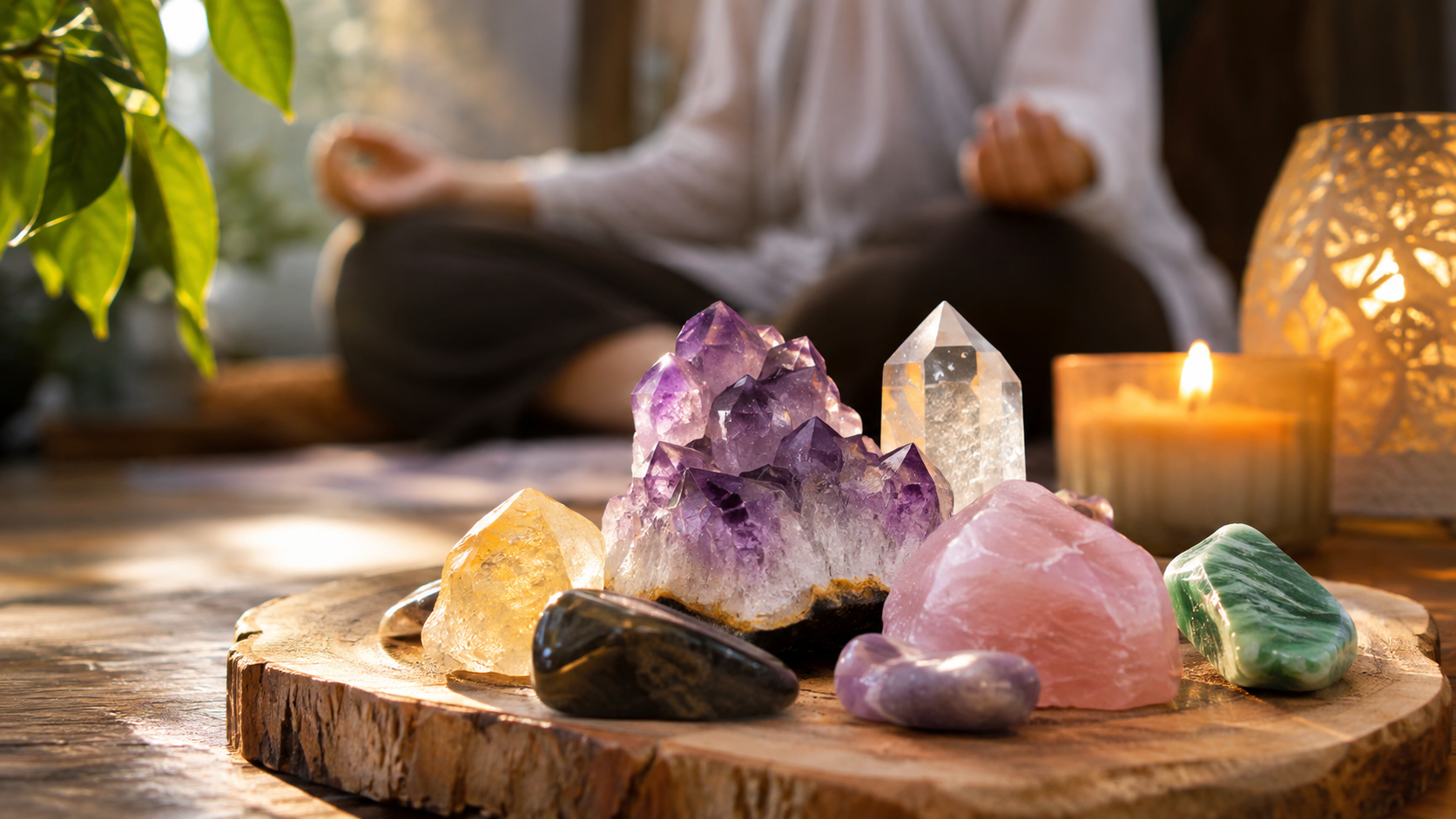
Crystals have fascinated humanity for thousands of years. They have evolved from ancient ornamental objects into popular elements of modern wellness culture. Today, many people explore crystal energy and healing to encourage mindfulness, emotional balance, and inner calm. These colourful minerals attract attention through their natural beauty, cultural history, and spiritual associations.
However, understanding crystal healing requires examining both traditional beliefs and scientific evidence. Many practitioners associate particular stones with emotional balance, protection, and positive energy. Others appreciate crystals as decorative objects or tools for meditation. These different perspectives explain their continued popularity.
According to the National Center for Complementary and Integrative Health (NCCIH), complementary health approaches should be evaluated through reliable scientific evidence. Personal experiences alone cannot establish medical effectiveness.
Can crystals genuinely interact with human biology, or does their perceived influence come from personal beliefs and focused intention? This guide explores crystal traditions, common spiritual practices, and the science behind mineral properties. It also examines Nikola Tesla’s observations, popular healing stones, and practical safety precautions.

Why do people believe in crystal healing?
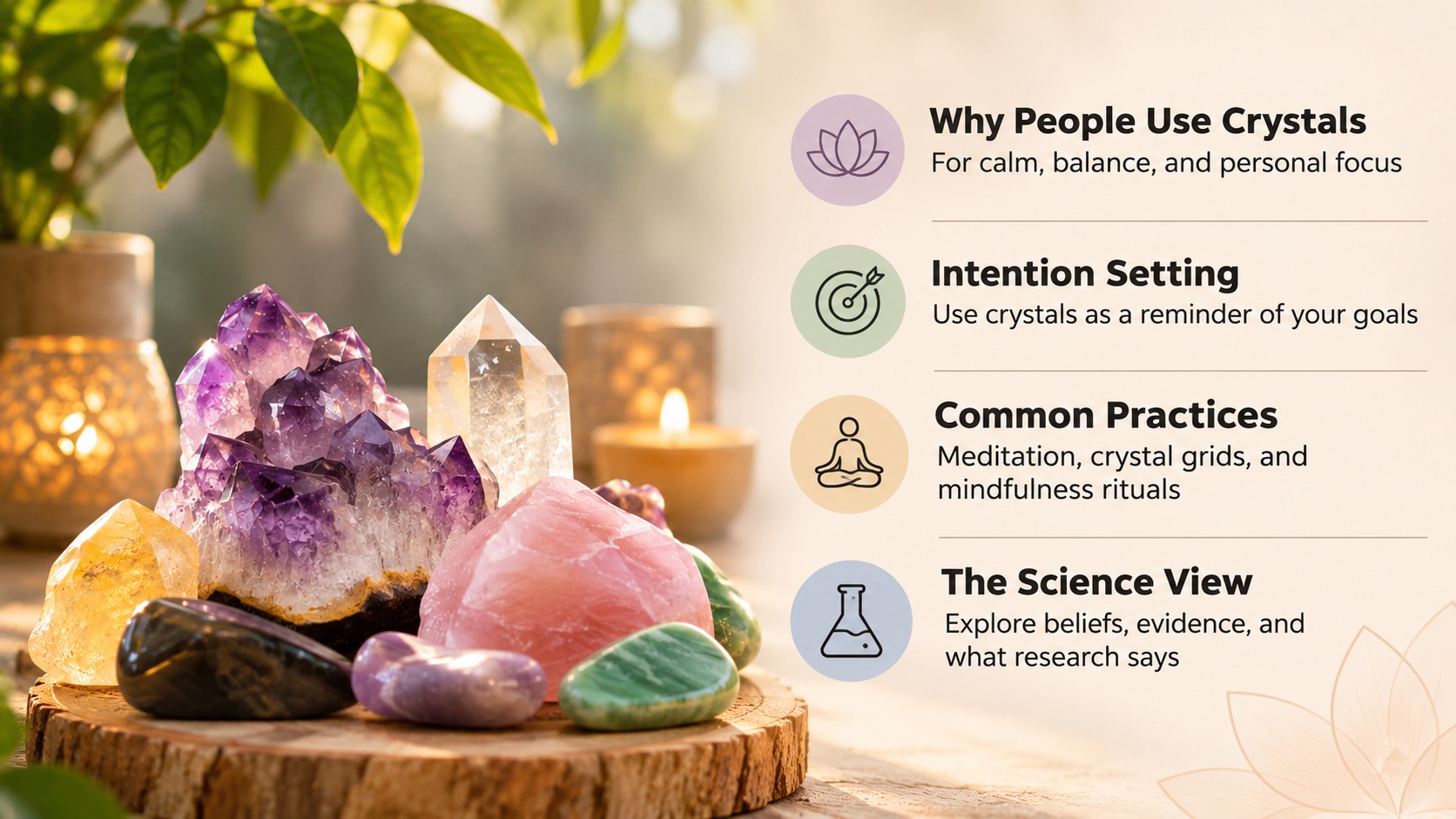
People believe in crystal healing for several cultural, psychological, and personal reasons. Many associate crystal energy and healing with peace, protection, positivity, and emotional balance. Crystals also offer calming colours and natural textures. Holding a smooth stone may help someone concentrate during meditation or relaxation.
Another possible explanation involves the placebo effect. When people expect a particular experience, their expectations can influence how they perceive their feelings. A crystal associated with calmness may become a meaningful reminder to relax. However, this does not prove that minerals produce healing energy.
Cultural traditions also influence these beliefs. Different civilisations have associated gemstones with spiritual protection for centuries. Today, social media and wellness communities continue these traditions. Personal rituals and individual expectations help explain the popularity of crystal energy and healing.
The Power of Intention Setting
Intention setting gives crystal practices a personal purpose. People associate individual stones with goals like confidence, patience, gratitude, and emotional balance. For example, someone might choose rose quartz to represent self-compassion. Another person might use amethyst during evening meditation.
The crystal becomes a visible reminder of that commitment. Whenever someone notices or holds the stone, they can reconnect with their intention. This simple habit encourages deliberate thinking and greater self-awareness. It also gives crystal energy and healing practices a more personal meaning.
These activities can support consistent mindfulness routines. Someone seeking emotional balance might combine intention setting with journaling or breathing exercises. Such activities provide practical ways to reflect on thoughts and behaviours.
However, the psychological value comes from personal engagement. There is no reliable scientific evidence that crystals independently fulfil intentions or generate measurable healing effects.
What do people do with crystals spiritually?
People use crystals in spiritual practices to encourage mindfulness, reflection, and personal connection. Different traditions associate minerals with specific emotional and spiritual qualities. Practitioners often explore crystal energy and healing according to their personal beliefs and intentions. Colour also plays an important role in these associations, and the frequencies of colours and their hidden power are explored in other wellness traditions.
Meditation is one common way to incorporate crystals into daily routines. Some people hold a stone while concentrating on their breathing. Others place crystals near meditation spaces to create a peaceful atmosphere. These arrangements can make personal rituals feel more meaningful.
Another popular practice involves crystal grids. These arrangements use multiple stones in geometric patterns. Practitioners believe their placement helps focus intentions towards particular goals. Some also incorporate crystals into prayer, yoga, breathwork, and journaling.
People may place decorative stones around bedrooms, workspaces, or living areas. These objects can provide visual reminders of personal values. Although the spiritual claims surrounding crystal energy and healing remain scientifically unproven, these activities can encourage structured reflection and relaxation.
Meditative Alignment Practices
Meditative alignment practices involve placing crystals near or along different areas of the body. Some practitioners connect these positions with the seven chakras. Each chakra traditionally represents a particular aspect of physical, emotional, or spiritual experience. People exploring this tradition may also learn about healing of the seven chakras with sounds as another approach to chakra-focused meditation.
During a session, participants may lie comfortably while placing selected stones around themselves. Others hold crystals during guided meditation. They concentrate on breathing, bodily sensations, and personal intentions. The stones provide a physical focal point during the exercise.
This approach can encourage people to slow down and focus on the present moment. It may also make meditation feel more structured for beginners. Some people also explore music therapy for mental and physical well-being as another way to incorporate sound into relaxation practices. However, there is no established scientific evidence that placing crystals along chakra points balances measurable energy systems.
People interested in crystal energy and healing should treat these practices as relaxation activities. They can combine them with established mindfulness techniques. Comfortable positioning, gentle breathing, and consistent practice matter more than the particular minerals selected.
What are people who believe in crystals called?
People who believe in or practise crystal healing are commonly called crystal healers, crystal enthusiasts, or holistic practitioners. The terminology depends on their personal beliefs and involvement in spiritual practices. Some individuals use crystals occasionally during meditation. Others incorporate them into broader wellness routines.
Within modern spiritual communities, crystal practices are sometimes associated with the New Age movement. This movement includes different approaches to spirituality, mindfulness, alternative healing, and personal development. Other traditional approaches, such as oriental medicine and its holistic approach to health and healing, also explore connections between physical and emotional well-being. Energy workers may also use crystals during sessions involving meditation or relaxation.
However, not everyone who collects or uses crystals believes in supernatural energy. Some people simply appreciate their geological formations, colours, and historical significance. Others use them as reminders of personal goals or positive habits.
There is no single formal label for everyone interested in crystals. Their motivations can range from scientific curiosity and mineral collecting to spiritual exploration and personal wellness.
What did Nikola Tesla say about crystals?
Nikola Tesla famously remarked in a 1900 article that in a crystal, we have clear evidence of the existence of a formative life principle. He noted that although we cannot understand the life of a crystal, it is nonetheless a living being. Tesla arrived at this poetic observation while studying molecular coherence, resonance, and energy transmission across distinct physical states. He frequently emphasized that understanding the universe requires thinking in terms of energy, frequency, and vibration. Crystal proponents regularly cite Tesla’s work because his physical insights into crystalline symmetry and frequency resonate strongly with metaphysical beliefs regarding universal interconnectedness and vibrational frequencies.
What are the 7 main healing crystals?
Seven commonly discussed healing crystals are associated with traditional spiritual practices and the body’s seven chakras. Each stone carries different symbolic meanings within crystal healing communities. These associations are based on spiritual traditions, not scientifically demonstrated medical effects.
Here are seven popular choices:
-
Clear Quartz: Often called the master healer. Practitioners associate it with clarity, focus, and energy amplification.
-
Amethyst: Traditionally connected with intuition, relaxation, and spiritual awareness.
-
Lapis Lazuli: Associated with wisdom, communication, and honest self-expression.
-
Rose Quartz: Symbolises compassion, emotional connection, and unconditional love.
-
Citrine: Commonly associated with optimism, confidence, creativity, and prosperity.
-
Carnelian: Represents motivation, courage, creativity, and personal strength.
-
Black Tourmaline: Traditionally associated with grounding, protection, and emotional stability.
People often select stones according to their personal intentions. Their colours, textures, and symbolic meanings can also influence individual preferences.
Who should not wear crystals?
Most ordinary polished crystals can be worn safely as decorative jewellery. However, certain precautions are important. People experiencing serious medical conditions should never use crystal healing instead of professional healthcare. Delaying medical treatment can allow treatable conditions to become more serious.
Individuals experiencing significant anxiety or obsessive thoughts should also consider how spiritual practices affect their well-being. If crystal rituals increase fear or encourage constant worries about invisible negative energies, taking a break may help. Professional mental health support is more appropriate when distress becomes difficult to manage.
Physical safety matters too. Keep small crystals away from young children and pets. They can present choking hazards or cause injuries if swallowed. Some minerals also contain substances that require careful handling.
Additionally, avoid wearing dangling crystal jewellery around machinery. Necklaces, bracelets, and loose accessories can become caught in moving equipment. Always follow workplace safety requirements. Treat crystals as decorative or personal wellness objects, not substitutes for medical advice or established safety practices.
Do crystals have power?
Crystals have genuine physical properties, but their supposed supernatural healing abilities remain scientifically unproven. Their usefulness is well established in several areas of modern technology. For example, quartz demonstrates piezoelectricity, a property that allows it to generate an electrical charge under mechanical stress.
This property makes quartz useful in electronic devices. Quartz crystal oscillators help maintain accurate frequencies in watches, communication equipment, and electronic circuits. Other crystalline materials also play important roles in semiconductors, optical equipment, and scientific instruments.
However, these physical properties do not demonstrate that crystals can heal diseases or balance invisible human energy fields. Scientific evidence has not established reliable medical benefits from wearing or placing healing crystals.
People may still find personal meaning in crystal practices. Holding a stone during meditation can provide a sensory reminder to pause and reflect. Ultimately, crystals have measurable scientific properties and cultural significance. Their spiritual healing claims, however, should remain separate from established scientific findings.
Frequently Asked Questions
How do you cleanse and recharge crystals safely?
Cleanse your stones by using gentle, non-invasive methods such as sound vibrations from a singing bowl or moonlight exposure. Avoid soaking soft or porous minerals like selenite, malachite, or calcite in water, as moisture can degrade their structural finish. Alternatively, you can pass crystals through smudging smoke or rest them alongside dense purifying stones like clear quartz or selenite slabs overnight.
Can crystals help reduce daily stress and anxiety?
Crystals reduce daily stress by serving as grounding tactile tools during moments of overwhelming tension. Holding a cool, smooth palm stone directs cognitive attention away from intrusive thoughts and reconnects you with physical sensations. When paired with deliberate, slow breathing exercises, this tactile interaction stimulates the nervous system’s natural relaxation response, significantly easing temporary feelings of emotional distress.
Does the physical size of a crystal change its effectiveness?
The physical size of a crystal does not alter its effectiveness for mindfulness and spiritual practices. Because personal results rely primarily on human focus, sensory engagement, and intentionality, a small tumble stone carried in your pocket works just as well as an expensive cathedral geode. Choose a size that feels comfortable, practical, and functional for your daily habits.
What is the best crystal for a beginner to buy?
Clear quartz is widely considered the best initial crystal for beginners due to its structural durability and wide adaptability. Often recognized as a versatile foundational stone, clear quartz is ideal for exploring meditation, setting mindful daily intentions, and learning proper tactile grounding methods without requiring complex handling precautions or specialized care routines.
Conclusion
The enduring appeal of crystal energy and healing lives at the fascinating intersection of ancient geological appreciation and contemporary holistic lifestyle practices. While modern laboratory research confirms that minerals cannot magically replace clinical medical therapies, their utility as sensory wellness companions remains undeniable. Integrating these colorful stones into your life creates quiet moments for meditative reflection, deliberate stress relief, and intentional personal growth.
Whether you admire crystals strictly for their remarkable natural geometry, technological significance, or calming tactile presence, their greatest value lies in how thoughtfully you utilize them. By establishing clear daily intentions and treating these geological treasures as psychological grounding anchors, you can build meaningful rituals that enrich your overall mental clarity. Treat these stones as supportive lifestyle tools rather than medical cure-alls, and enjoy the tranquil perspective they bring to your personal self-care journey.