
Is There Any Point in Buying a Landline in 2026?
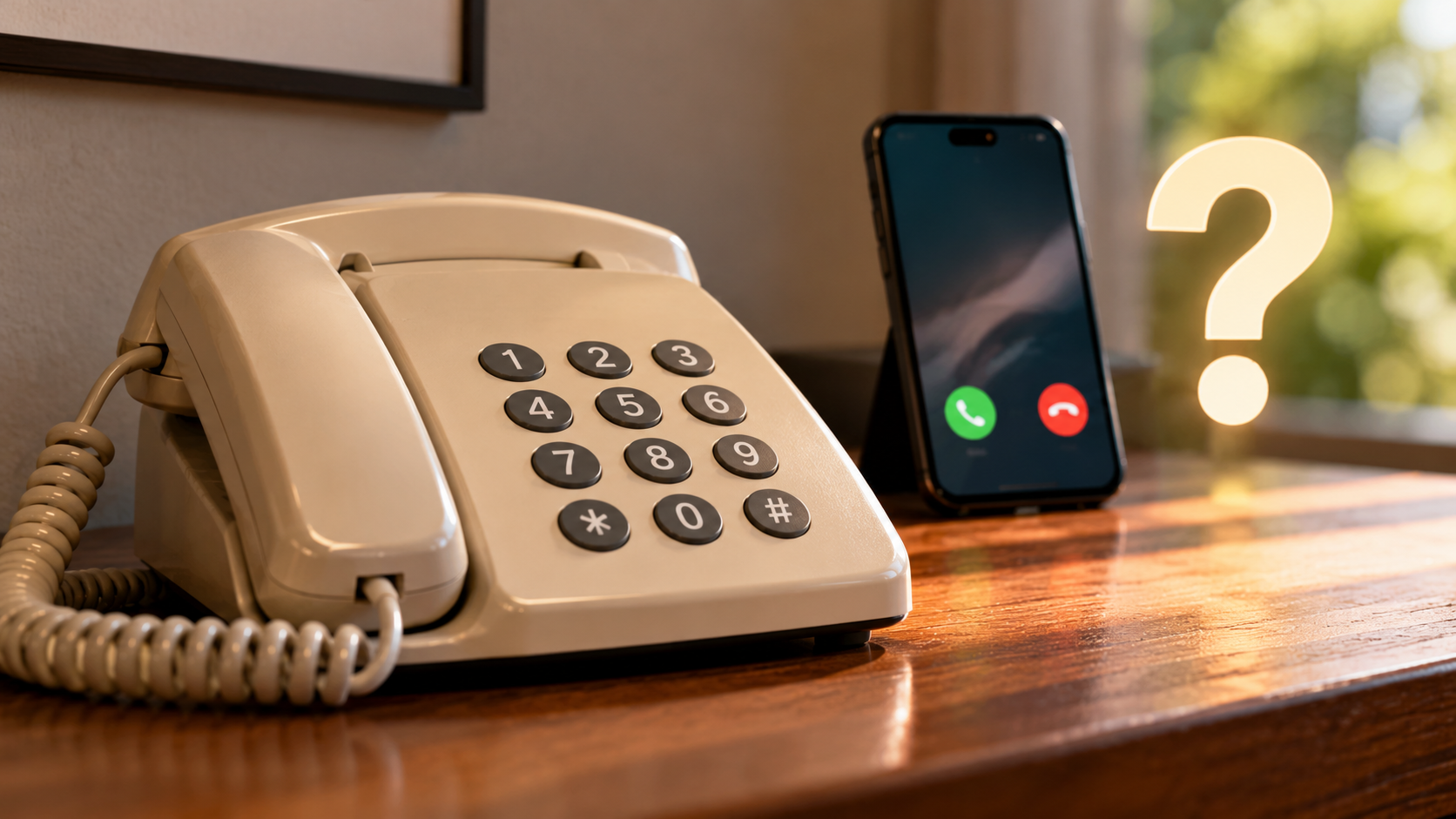
Is buying a landline in 2026 still worth considering? Smartphones dominate modern communication, but home phones continue to serve specific needs. Some households prefer having a dedicated telephone for family calls, emergencies, and everyday convenience.
Traditional copper telephone networks are gradually giving way to fiber-optic connections and digital voice services. Therefore, buying a landline today may involve different technology than it did a decade ago.
You might wonder whether a home phone offers better reliability or simply adds another monthly expense. The answer depends on your location, budget, and communication needs.
This guide explains whether you can still get a landline, how much home phone service costs, and what happens to traditional telephone networks. It also explores the benefits, limitations, and alternatives to help you decide whether a home phone deserves a place in your household.

Can I Still Have a Landline in 2026?
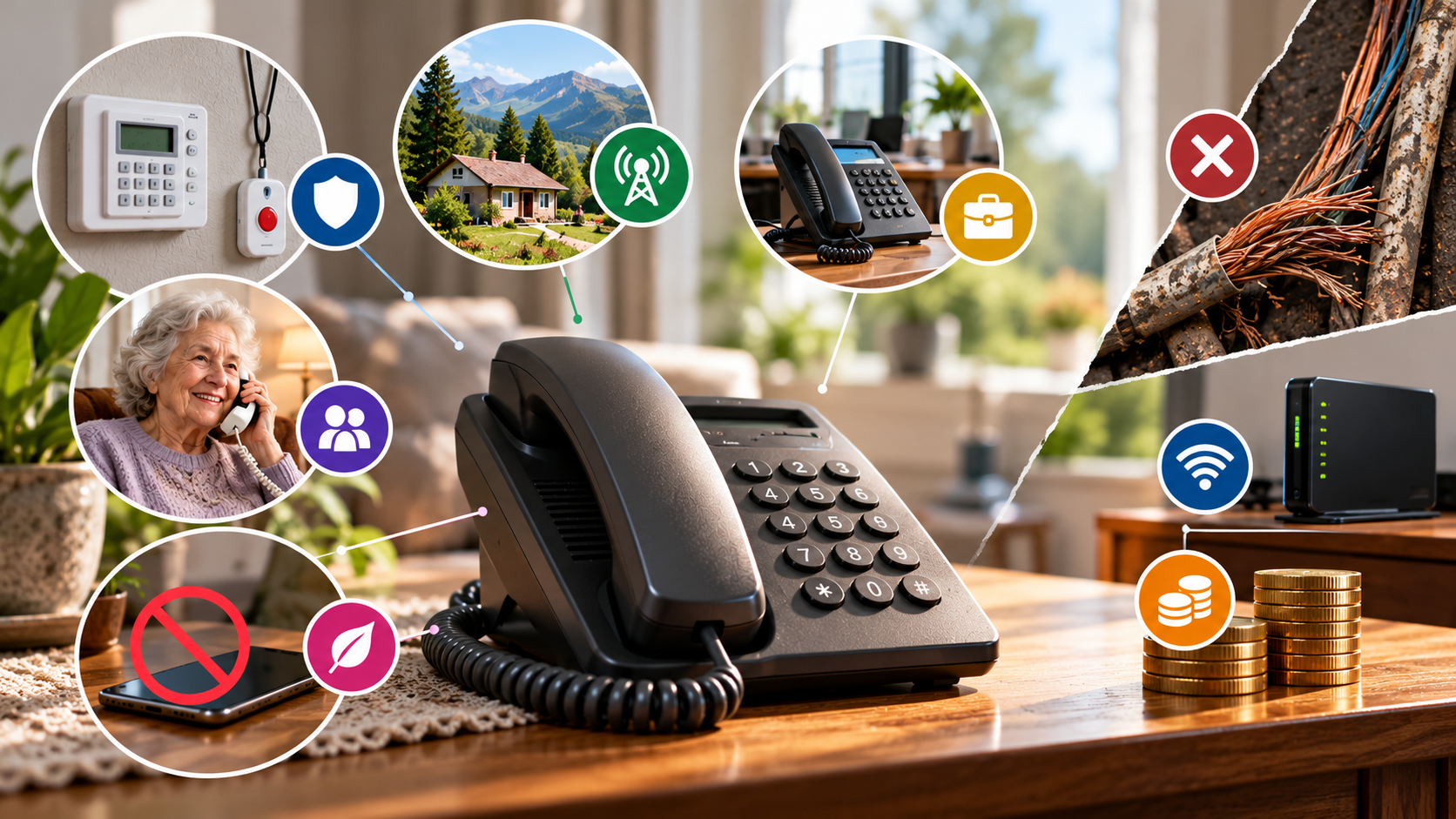
Yes, you can still get a landline in 2026, although the technology behind the service may differ from older telephone systems. Many providers now offer digital voice services instead of traditional copper-wire connections.
These services can operate through fiber-optic networks, cable broadband, or Voice over Internet Protocol (VoIP). Depending on your provider, you might connect your telephone directly to a router or use a dedicated adapter.
Some internet providers also bundle home phone service with broadband packages. This arrangement can reduce the overall cost if you already subscribe to home internet.
However, availability varies by location. Some areas still support copper-based telephone connections, while others rely primarily on digital alternatives.
Before choosing a service, check what local providers offer. Ask about monthly charges, emergency calling, power requirements, and number portability. These details will help you choose a suitable home phone service without paying for unnecessary features.
Modern Fiber and Digital Voice Options
Modern landline services often use fiber-optic networks, cable connections, or internet-based telephone systems. These technologies transmit calls digitally rather than relying entirely on traditional copper telephone lines.
With a digital home phone, you may connect your existing handset to a broadband router or a provider-supplied adapter. Some services also support dedicated telephone equipment designed for digital networks.
Digital voice services can provide clear calls and useful features, including voicemail and call forwarding. Depending on your phone service, you may also have options for managing unwanted callers. Our guide explains how to block spam calls using practical steps. However, performance depends on your provider, internet connection, equipment, and local network conditions.
Emergency calling also requires attention. Providers may support emergency services with location information, but the arrangements vary. Confirm how your service handles emergency calls if your internet connection or electricity fails.
Before switching, check whether you can keep your existing telephone number. Also, confirm that any alarm systems or other devices connected to your current landline will remain compatible.
Do I Really Need a Landline Anymore?
Most households do not need a traditional landline for everyday communication. Smartphones allow people to make calls, send messages, and access online services almost anywhere with cellular coverage.
However, a home phone can still provide practical benefits in certain situations. Households with unreliable mobile reception may appreciate having another way to make calls.
Families with children might prefer a shared telephone that does not depend on someone owning a smartphone. Older adults may also find a familiar handset easier to use than a mobile device.
A landline can help separate personal calls from work calls. It may also suit people who prefer keeping a dedicated household number.
Still, a home phone is not automatically more reliable than a mobile phone. Modern digital landlines often depend on electricity and broadband connectivity.
Before buying a landline in 2026, consider how often your household would use it. If everyone has reliable mobile coverage, a separate home phone may offer limited additional value.
Safety and Emergency Reliability Benefits
A home phone can provide an additional communication option during emergencies. However, its reliability depends on the technology behind the service.
Traditional copper landlines often receive power through the telephone network. A compatible corded phone may therefore continue working during some household power outages, provided the external network remains operational.
Digital landlines work differently. Many depend on a powered router, an optical network terminal, or other equipment inside your home. If electricity fails, the phone may stop working unless backup power is available.
Consider these precautions to improve your household’s emergency preparedness:
- Keep a charged mobile phone available as a backup.
- Ask your provider whether its landline service works during power outages.
- Check whether battery backup is available for digital phone equipment.
- Confirm how emergency services receive your location when you call.
A home phone can be useful, but it should not be your only emergency communication method. Reliable backup options matter more than the type of handset you choose.
Will Landlines Work After 2027?
Yes, landline services are expected to continue after 2027, although traditional copper connections may become harder to obtain in some areas. Telecommunications providers are gradually replacing aging infrastructure with newer network technologies.
This transition does not mean every home phone will stop working. Instead, some customers may need to switch from copper-based service to fiber, cable, or digital voice alternatives.
The timing depends on your country, region, provider, and existing network. There is no single worldwide date when all traditional landlines will disappear.
If you currently use a copper landline, contact your provider about planned network changes. Find out whether your service will remain available and whether you need new equipment.
You should also check whether your existing telephone number can transfer to a replacement service. This step can help prevent unnecessary disruption when your provider changes its network.
Planning ahead is particularly important if you rely on a landline for emergencies, medical alert devices, security systems, or other connected equipment. Check compatibility before switching providers or technologies.
The Shift to Digital Networks
Telecommunications companies are moving away from older copper infrastructure for several reasons. Maintaining aging networks can be expensive, while newer technologies can support modern communication services more efficiently.
Fiber-optic connections carry data using light, while broadband-based voice services transmit calls digitally. These systems allow providers to deliver home phone services without relying on the same copper infrastructure used by traditional landlines.
However, digital networks introduce different requirements. Your telephone may depend on a working broadband connection, powered equipment, and compatible hardware.
Before your provider retires a copper connection, ask which replacement services are available. Check whether your existing phone, alarm system, or other connected devices will continue to work.
If you need reliable emergency communication, ask about backup power and emergency location support. Do not assume that a digital replacement will behave exactly like your previous landline.
The important distinction is that traditional copper landlines may decline, but home phone services can continue through newer technologies. Understanding this difference will help you make an informed decision about your household’s communication needs.
How Much Does a Landline Cost in 2026?
The cost of buying a landline in 2026 depends on your location, provider, and chosen service. A standalone home phone plan may cost more than adding voice service to an existing broadband package.
In some markets, traditional landline plans cost around $20–$40 per month. Digital voice packages may cost less, particularly when bundled with home internet. Some independent VoIP services also advertise plans below $15 per month.
These figures are general examples, not guaranteed current prices. Actual costs vary by country, provider, calling allowance, and available promotions.
You should also consider the total cost of ownership. Installation charges, telephone equipment, taxes, regulatory fees, and international calling can increase your monthly bill.
Before choosing a plan, compare the complete price rather than focusing on its advertised starting rate. Check contract length, cancellation charges, and any price increases after promotional periods.
If you rarely make calls, paying for a dedicated home phone may not be worthwhile. Compare the expense with your existing mobile plan before making a decision.
Bundling Options and Extra Fees
Bundling landline service with broadband or television can reduce the overall cost of home communications. Providers sometimes offer discounted voice packages to customers who already subscribe to their internet services.
However, a bundle is not always the cheapest option. Some providers advertise low introductory prices that increase when promotional periods end.
Compare the total monthly cost of each available option. Include equipment rental, installation, taxes, activation fees, and any required broadband subscription.
Before signing a contract, check these details:
- Monthly charges: Confirm the standard price after promotional discounts expire.
- Calling allowances: Check whether domestic, international, or premium-rate calls cost extra.
- Equipment costs: Ask whether you need to rent a router, telephone adapter, or other device.
- Contract terms: Review cancellation fees and minimum subscription periods.
- Power backup: Determine whether backup equipment costs extra.
Independent VoIP services may offer greater flexibility, but they can require a reliable internet connection and compatible equipment.
The best option depends on your usage. Compare standalone plans, bundled packages, and mobile alternatives before committing to a new service.
How Long Will Landlines Exist?
Landline services are likely to remain available for many years, although their underlying technology will continue to change. Households, businesses, and organizations may still need dedicated telephone numbers for communication.
However, the future of home phones does not guarantee the survival of every traditional copper network. Providers can retire older infrastructure when regulations and local conditions permit.
Digital voice services offer another way to maintain home phone numbers without relying on the original telephone network. Fiber, cable, and internet-based systems can support calls through compatible equipment.
For consumers, this means the familiar concept of a home phone can survive even as its technology changes. You may continue using a handset and telephone number while your provider delivers calls through a digital connection.
Still, availability, pricing, and reliability will differ across regions. Some households may eventually find mobile services more convenient than maintaining a separate home phone.
Before buying a landline in 2026, consider how you expect to use it over the next few years. Choose a service that fits your needs rather than assuming traditional copper infrastructure will remain available indefinitely.
The Future of Stationary Voice
Stationary voice communication is evolving alongside broadband networks and connected devices. Rather than relying exclusively on copper telephone lines, home phone services can now use fiber, cable, and internet-based technology.
This change allows providers to offer calling features that older telephone systems may not support as easily. Depending on the service, these features can include voicemail, call forwarding, and integration with compatible applications.
However, a digital home phone is not automatically more secure or reliable. Its performance depends on network availability, equipment quality, provider support, and power backup.
Future home phone services may also work more closely with mobile applications and other connected devices. These developments could make dedicated telephone numbers useful for households that prefer separate personal and professional communication.
For consumers, the main consideration is practical value. A home phone may suit families, people with weak mobile reception, or users who prefer a stationary handset.
Ultimately, landlines are changing rather than simply disappearing. Buying a landline in 2026 can still make sense, provided the available service meets your needs and its ongoing costs justify the convenience.
Conclusion
Buying a landline in 2026 can still be worthwhile if you need a dedicated home phone, experience unreliable mobile reception, or prefer a shared telephone for your family. However, most households can manage everyday communication with a smartphone alone.
Before choosing a home phone service, compare monthly costs, local availability, emergency calling features, and backup power options. The Federal Communications Commission (FCC) provides useful information about telecommunications services and network changes.
Ultimately, the right choice depends on your household’s needs and budget. A landline is no longer essential for everyone, but it can still provide convenience and an additional communication option when chosen carefully.