
Best Trees for Natural Cooling
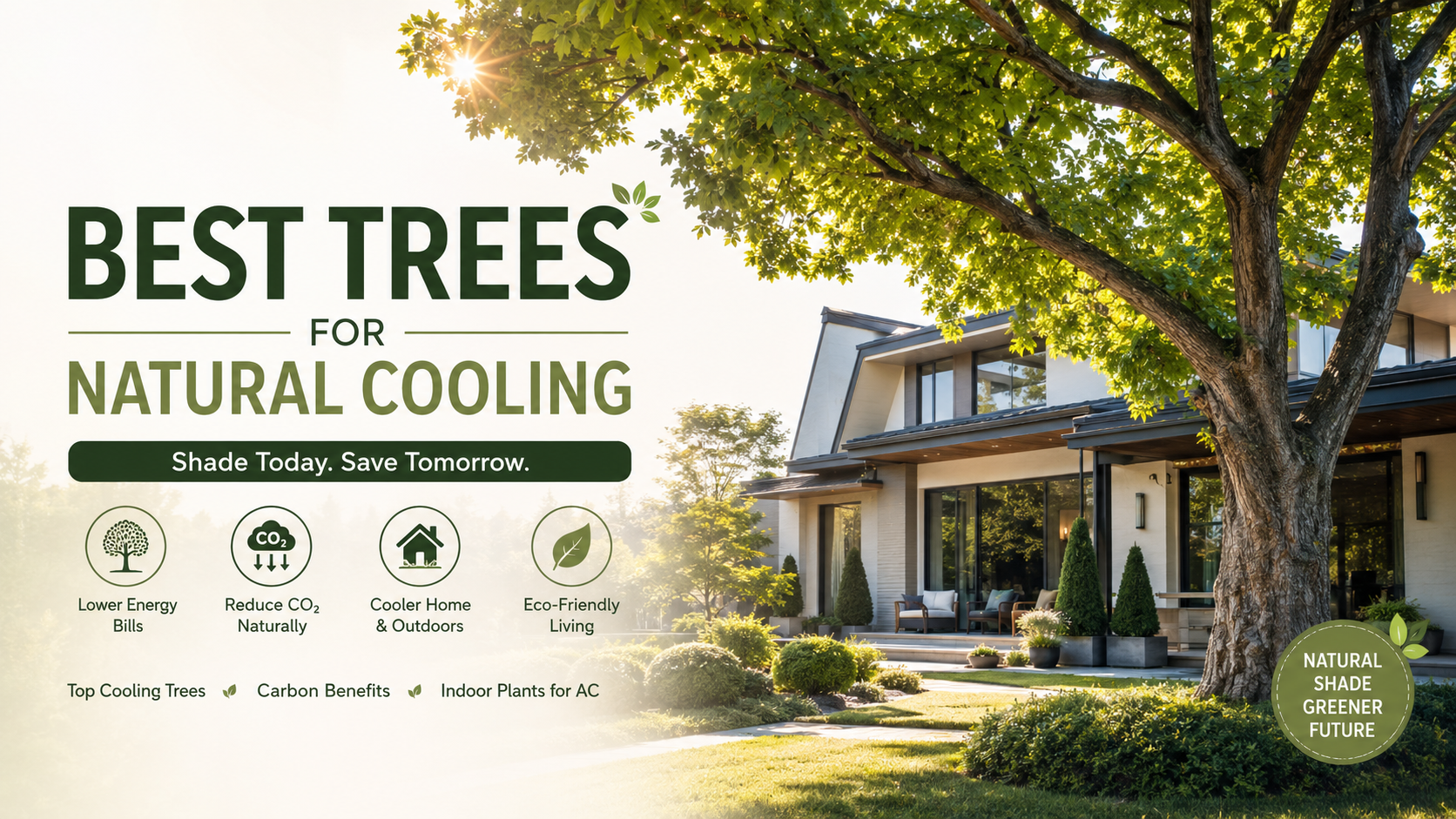
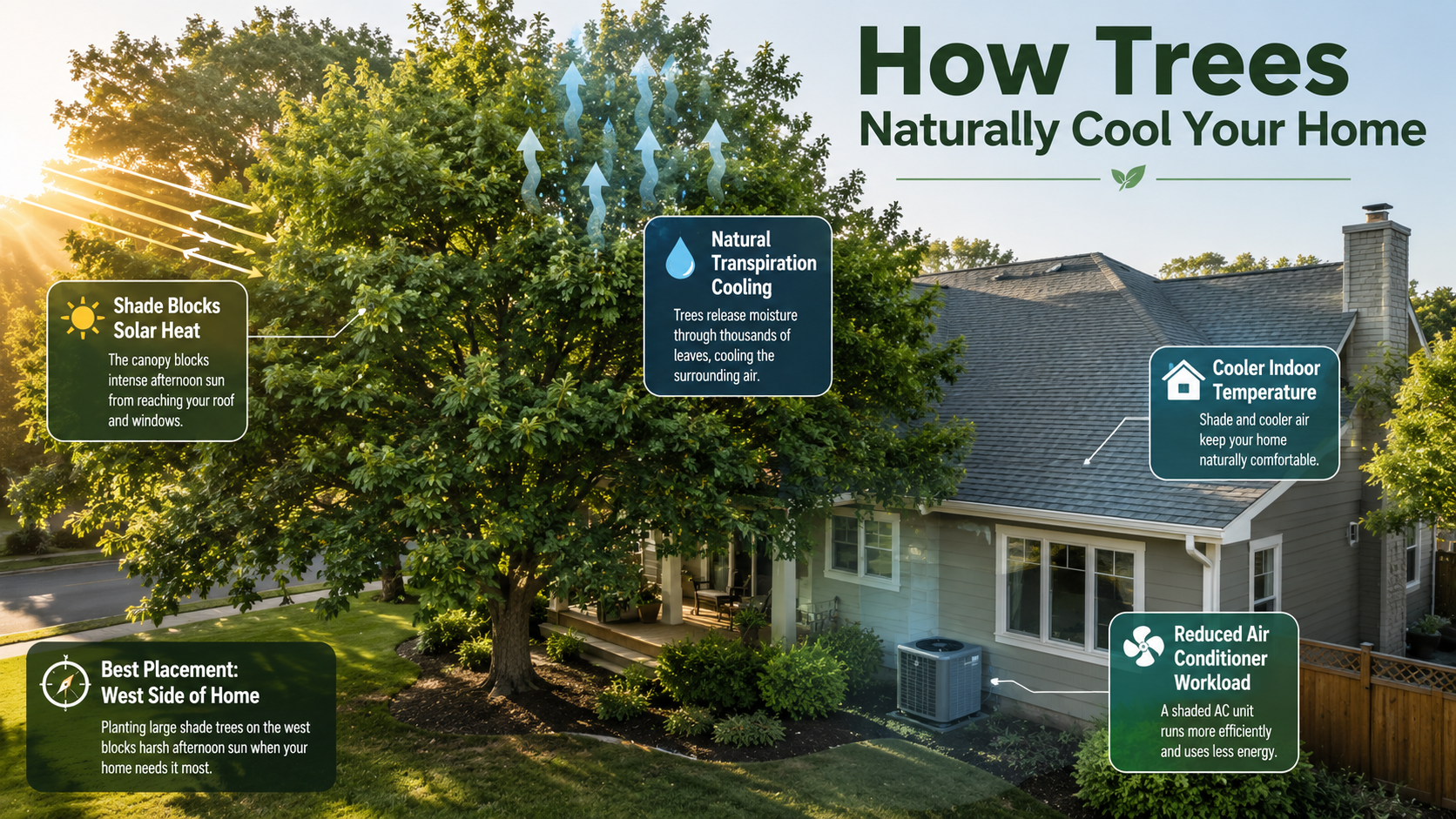
Summer heat can drive energy bills through the roof. Consequently, many homeowners rely heavily on their air conditioning units to stay comfortable. However, strategic landscaping offers a highly effective, eco-friendly alternative. If you want to lower your cooling costs, finding the best trees for natural cooling is a smart first step. In fact, these trees act as nature’s air conditioners. First, they block harsh sunlight from hitting your roof and windows. Furthermore, they release moisture into the air through a process called transpiration. According to the U.S. Department of Energy, carefully positioned shade trees can reduce a household’s energy consumption for cooling by up to 25 percent. Ultimately, that translates to massive savings over time.
Beyond saving money, planting shade trees improves your overall property value. For instance, a lush, well-shaded yard creates a relaxing outdoor oasis. Additionally, this natural canopy protects your home’s exterior paint and siding from severe sun damage. Moreover, adding the best trees for natural cooling also reduces your household’s overall carbon footprint. In this comprehensive guide, we will explore the top eco-friendly cooling plants that thrive in various climates. Specifically, we will look at fast-growing options, broad-canopy varieties, and low-maintenance species. By the end of this article, you will know exactly which tree suits your yard best. Therefore, let’s dive into the top choices for keeping your home cool naturally.
Which Tree Is Best for Cooling?
The best tree for cooling depends on your local climate, soil type, and available space. In most regions, deciduous shade trees are the top choice because they provide dense shade during summer and shed their leaves in autumn. This natural cycle allows warm winter sunlight to reach your home, improving year-round energy efficiency. Popular choices include oak, maple, and ash trees, all known for their broad canopies and excellent shade coverage. Their large crowns block direct sunlight before it reaches your roof, walls, or paved surfaces, helping reduce surrounding temperatures. Choosing a healthy tree with a wide canopy can noticeably improve outdoor comfort over time. While no tree cools an area instantly, mature shade trees can lower nearby temperatures by several degrees through shade and natural evaporation, making them one of the most effective long-term cooling solutions for residential landscapes.
Choosing the Right Deciduous Canopy
A large-canopied deciduous tree offers the most effective shade during the hottest part of the day. Fast-growing species such as hybrid poplar and maple establish shade more quickly than slower-growing varieties, although they may require additional maintenance. Consider the tree’s mature height, spread, and root system before planting.
For the best results:
- Plant large shade trees 15–20 feet away from your home’s foundation.
- Position them to block the strongest afternoon sunlight.
- Choose species suited to your local climate and soil.
- Water young trees regularly until they become established.
Proper placement maximizes cooling while reducing the risk of root damage or interference with buildings.
Which Tree Reduces CO₂ the Most?
Trees play a vital role in reducing atmospheric carbon dioxide (CO₂) by absorbing it through photosynthesis and storing carbon in their trunks, branches, roots, and leaves. Trees that grow quickly and produce a large amount of biomass generally capture more carbon during their early and middle years. Species such as the empress tree, loblolly pine, and white oak are often recognized for their strong carbon storage potential. However, long-lived native trees can provide even greater lifetime carbon benefits because they continue storing carbon for decades. Healthy trees also improve air quality, support biodiversity, and help reduce the effects of climate change. While planting a single tree makes a difference, creating diverse, well-maintained landscapes has a much greater environmental impact than relying on one species alone.
Maximizing Carbon Sequestration Potential
A tree’s ability to capture carbon depends on its health and growing conditions. Healthy trees grow faster and store more carbon throughout their lives.
To improve carbon sequestration:
- Plant species that thrive in your local climate.
- Provide deep watering during dry periods.
- Use nutrient-rich, well-drained soil.
- Apply mulch to conserve moisture.
- Protect young trees from pests and disease.
Proper care helps trees remain healthy and continue absorbing carbon efficiently for many years.
Which Plants Can Survive in AC?
Many indoor plants struggle in air-conditioned rooms because cooling systems reduce humidity and create dry air. Fortunately, several hardy houseplants adapt well to these conditions. Popular options include the ZZ plant, snake plant, and cast iron plant. These species tolerate lower humidity, inconsistent watering, and cool indoor temperatures better than many tropical plants. They also require relatively little maintenance, making them ideal for homes and offices. Although these plants can survive near air conditioning, they should not be placed directly in front of cooling vents where constant drafts may dry out their leaves. With basic care, these resilient plants can remain healthy while adding greenery and helping improve indoor air quality.
Thriving in Air-Conditioned Spaces
Plants that store moisture in their leaves or underground stems usually perform best in air-conditioned environments. Thick-leaved foliage plants are generally more tolerant than delicate ferns or moisture-loving tropical species.
Help indoor plants thrive by:
- Keeping them away from direct AC vents.
- Watering only when the soil begins to dry.
- Grouping plants together to increase humidity.
- Occasionally misting humidity-sensitive plants.
- Using a humidifier if indoor air becomes extremely dry.
These simple steps reduce moisture loss and support healthy growth.
Which Tree Absorbs the Most Heat?
Trees help cool outdoor spaces by providing shade and through evapotranspiration, a natural process where water moves from the soil through the tree and evaporates from its leaves. This process absorbs heat from the surrounding air, creating a cooler microclimate. Trees with large canopies and high transpiration rates are especially effective. Species such as the American sycamore, weeping willow, and silver maple are widely recognized for their strong cooling performance because they combine broad shade with high water movement. While no tree literally absorbs heat like a machine, these species significantly reduce surrounding temperatures by limiting solar radiation and increasing evaporative cooling. Their combined effects make parks, streets, and residential landscapes noticeably cooler during hot summer months.
The Power of Natural Evapotranspiration
Evapotranspiration is one of nature’s most effective cooling mechanisms. As water evaporates from tree leaves, it removes heat from the surrounding air in the same way perspiration cools the human body.
Large, healthy trees can:
- Release significant amounts of water vapor during hot weather.
- Lower nearby air temperatures by several degrees.
- Reduce heat reflected from buildings and pavement.
- Improve outdoor comfort in gardens and urban areas.
The cooling effect becomes even stronger when several mature trees grow together, creating shaded, greener environments.
Which trees reduce temperature in India?
Selecting the right flora to combat scorching weather requires understanding which trees reduce temperature in India through dense canopies and high transpiration rates. Native species like the Neem, Peepal, and Arjun are legendary for their ability to thrive in harsh, dry climates while casting deep, cooling shadows. The Neem tree acts as a gold standard, offering a wide crown that blocks direct sunlight and requires very little water to survive. Similarly, the majestic Peepal tree and the sturdy Jamun tree create expansive shade networks that significantly lower surface and ambient air temperatures. Planting these climate-resilient trees along the southern and western perimeters of your property intercepts harmful solar rays before they heat up your exterior walls. This natural barrier protects your living spaces from turning into concrete heat sinks during peak afternoon hours.
Maximizing Shade and Transpiration Benefits
Trees cool the environment not just by blocking sunlight, but also through transpiration, a process where they release water vapor that absorbs ambient heat. Species with lush foliage, such as the Mango tree or Indian Rosewood, excel at pumping moisture into the dry summer air. Positioning these natural coolers strategically ensures maximum breeze flow toward your windows.
Frequently Asked Questions
Can I plant cooling trees close to my house?
Large trees should not be planted too close to a home. Their roots may affect foundations, while mature branches can interfere with roofs and gutters. In most cases, plant large shade trees 15–20 feet away from the house. Smaller ornamental trees may be planted closer if their mature size will not create structural problems.
How long does it take for shade trees to cool a house?
The timeline depends on the tree species and its growth rate. Small saplings often need several years before providing meaningful shade. Larger nursery-grown trees usually begin delivering noticeable cooling benefits within three to five years after they become well established.
Do evergreens provide good natural cooling?
Yes, evergreen trees provide reliable shade throughout the year. They also work well as windbreaks and privacy screens. However, because they keep their leaves year-round, they block winter sunlight as well. In temperate climates, deciduous trees often provide a better balance between summer cooling and winter solar heating.
How much water do large cooling trees need?
Large shade trees require regular watering, especially during hot, dry weather. Deep watering once a week is generally more effective than frequent shallow watering because it encourages deeper root growth. Well-watered trees stay healthier, produce denser foliage, and maintain their natural cooling and carbon-absorbing abilities throughout the growing season.
Conclusion
Lowering your energy bills does not require expensive home renovations or complex technology. Sometimes, the absolute best solution comes straight from nature. By carefully selecting the best trees for natural cooling, you invest in your property’s long-term comfort and value. Trees provide an eco-friendly, highly effective way to block harsh sunlight, cool the surrounding air through transpiration, and enhance your landscape with lasting beauty. If you’re looking for more sustainable ways to create a greener home, check out this guide on building an eco-friendly household for additional practical ideas.
Throughout this guide, we explored several excellent options for your yard. For example, fast-growing species like the Hybrid Poplar deliver rapid results, while sturdy hardwoods like the Northern Red Oak provide generations of shade, beauty, and stability. Remember that strategic placement is crucial for success. Plant deciduous shade trees on the west and south sides of your house, and always maintain a safe distance from your foundation and underground utilities.
Transforming your yard into a shaded oasis takes thoughtful planning, but the financial and environmental benefits make the effort worthwhile. Over time, you’ll enjoy a more comfortable home, lower electricity bills, and a healthier outdoor environment. Start by evaluating your yard’s soil and sunlight conditions, then visit your local nursery and plant the best trees for natural cooling. Your home, your wallet, and the planet will all benefit from the investment.