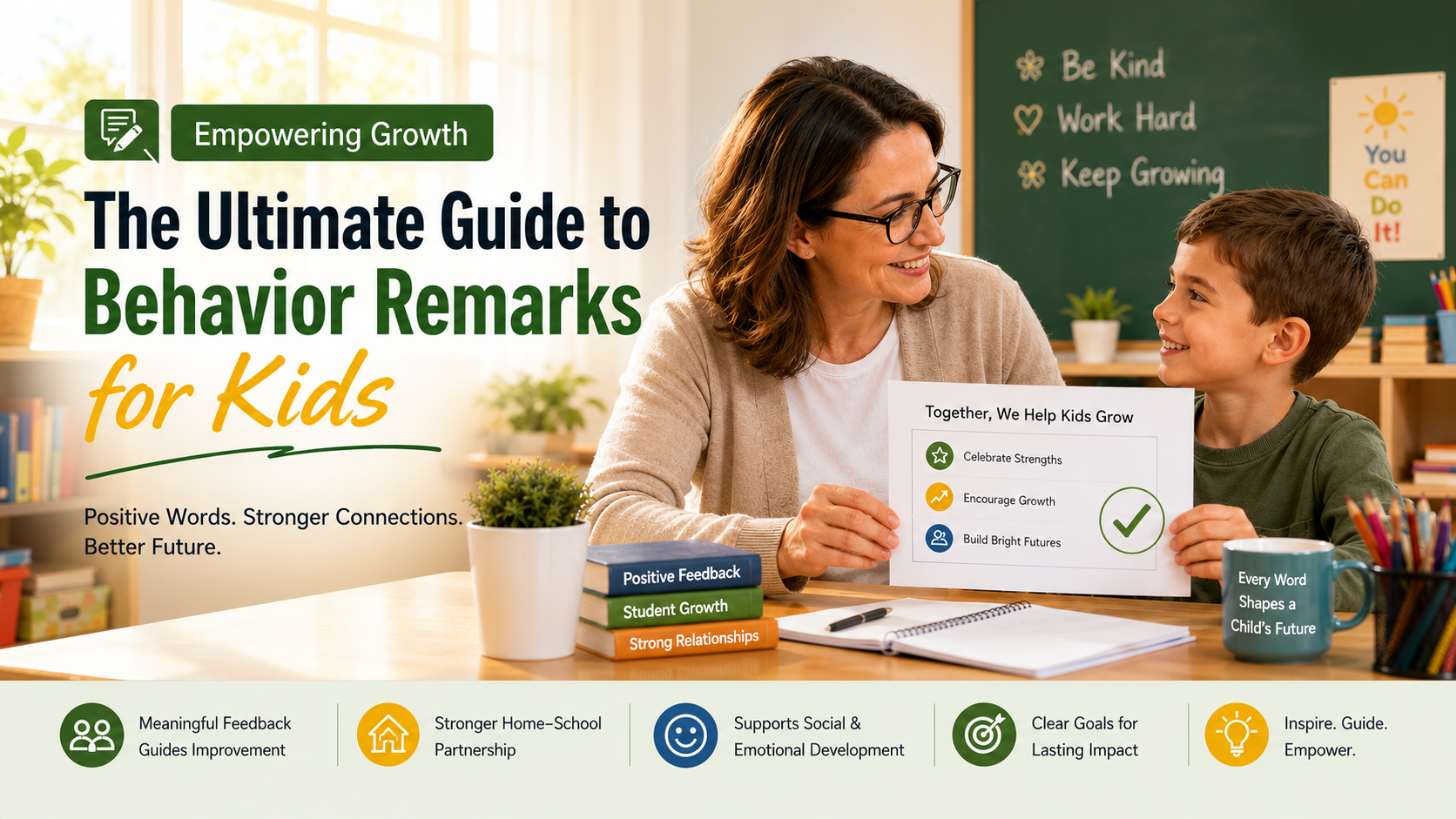
Empowering Growth: The Ultimate Guide to Behavior Remarks for Kids
Every educator knows that report cards are vital tools. They are much more than just a collection of grades. Consequently, they form a critical communication bridge between the classroom and the home. Finding the right behavior remarks for kids can transform a stressful evaluation. Indeed, it creates a constructive roadmap for a child’s personal and academic growth. When teachers frame feedback effectively, they help parents significantly. Furthermore, they explain a child’s social development and emotional needs clearly.
The National Association for the Education of Young Children (NAEYC) emphasizes a key point. Specifically, positive guidance and clear communication support healthy social-emotional development in early childhood. This comprehensive guide will help you craft meaningful comments. As a result, these ideas inspire improvement while celebrating every child’s unique strengths.
By using intentional language, teachers can highlight areas that need attention. Obviously, they can do this without making the student feel like a failure. This careful balancing act requires time, empathy, and deep understanding. A well-written comment does not just summarize the past few months. Instead, it sets a hopeful tone for the future.
Therefore, it helps parents see your genuine care for their child’s holistic development. It balances academic achievements with emotional growth beautifully. Over time, these written insights foster stronger relationships between families and schools. Ultimately, they build a supportive network that helps children thrive in every single aspect of school.
Why Constructive Behavior Remarks for Kids Matter
The words teachers choose have a profound impact. For example, they shape a student’s self-esteem and future classroom performance. Traditional, vague comments like “needs improvement” often cause problems. Unfortunately, they leave parents completely confused and children deeply discouraged. Conversely, well-crafted student conduct comments offer clear, actionable insights. These insights empower families to take positive steps early on.
When you write specific observations, you bridge a major gap. Thus, you connect school expectations directly with parental support at home. Parents cannot help their children improve without clear information. Clearly, they must know exactly what happens during the school day. Therefore, transparency is absolutely essential for success.
Providing balanced feedback ensures that everyone stays on the same page. Similarly, you can track behavioral milestones together accurately. When comments are constructive, they switch the focus entirely. Instead of focusing on mistakes, they move from punishment to active skill-building. This shift radically changes how a child views their learning journey.
Students begin to understand that behavior is an ongoing skill. It can be practiced and perfected over time, just like math. Moreover, detailed remarks prevent misunderstandings during parent-teacher conferences. Consequently, they create a peaceful and collaborative atmosphere for everyone involved. Ultimately, investing effort into meaningful remarks creates an inclusive classroom culture.
Formula for Writing Student Conduct Comments
Writing report card comments becomes much easier with a framework. Naturally, a reliable structure works well every single time. A balanced approach ensures that your feedback feels supportive. It should never sound purely punitive to the reader. For this reason, you can use the popular “Sandwich Method” here. This tool helps deliver your observations effectively to parents.
In practice, this strategy involves surrounding a difficult critique with genuine praise. The method helps maintain a positive relationship with the family. Meanwhile, it respects the child’s efforts completely. At the same time, it maintains high standards for classroom engagement.
-
Start with a strength: Highlight a positive trait or a unique talent. Mention a recent behavioral accomplishment to build immediate confidence.
-
State the area of growth: Clearly explain the specific behavioral challenge. Use gentle, objective language to describe the issue.
-
Provide a future goal: Offer a practical next step. The student, teacher, and parents should work on this together.
By combining these three distinct elements, you create a holistic view. Thus, you capture the student’s daily classroom experience perfectly. This formula prevents the report card from feeling like a list of complaints. Instead, it turns the document into an educational strategy.
Parents appreciate knowing what their child does well first. Specifically, they read this before learning about areas that require extra attention. Furthermore, providing a clear future goal gives families a tangible starting point. As a result, it ensures that school expectations are mirrored in the home environment. This consistency leads to maximum positive results.
Examples of Behavior Remarks for Kids by Category
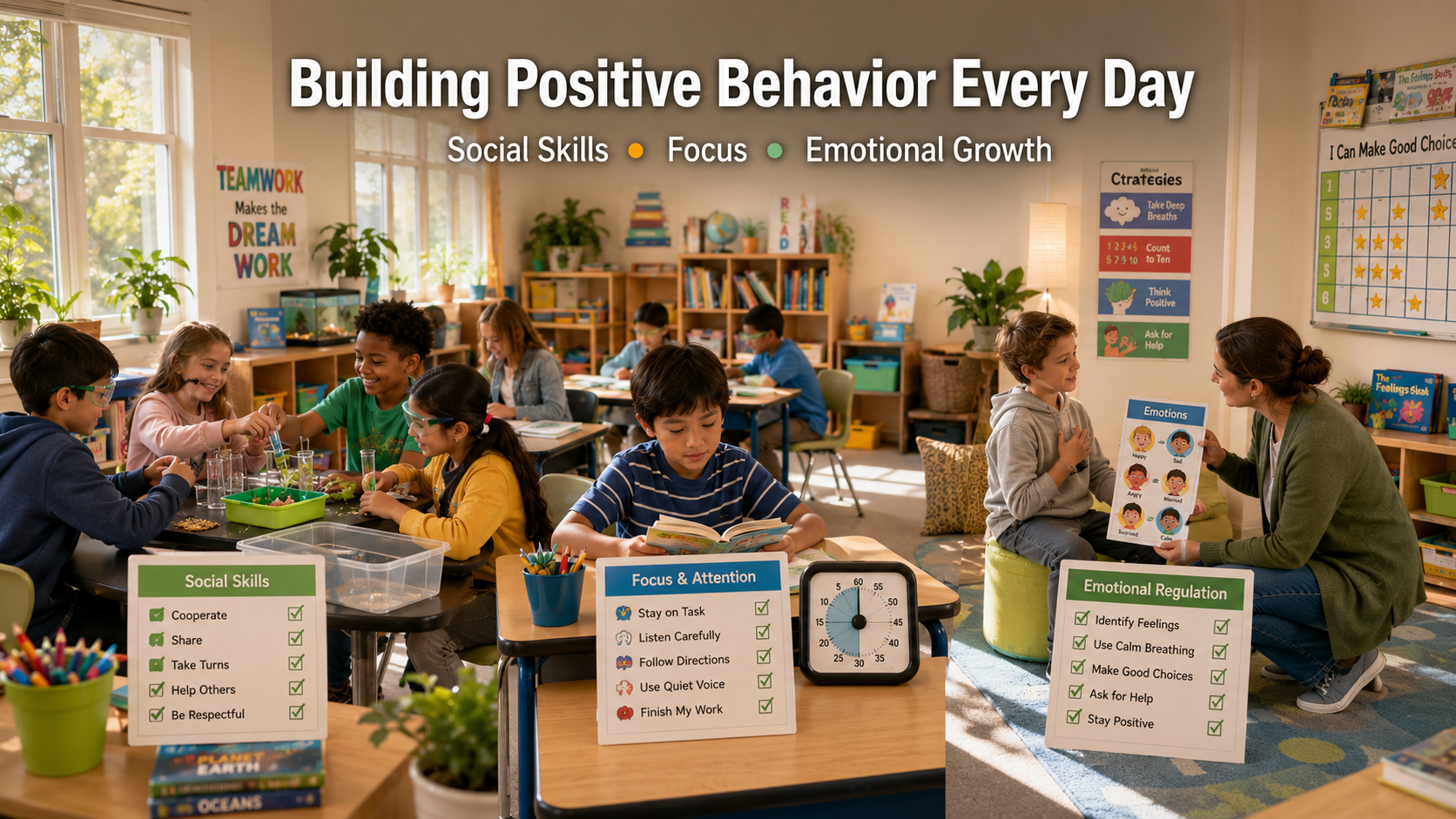
To save you valuable time, here are categorized examples. You can quickly adapt these phrases for your classroom. Certainly, these pre-made comments cover a wide variety of standard scenarios. They ensure you always have the right words handy. Each category targets a specific domain of childhood development. Consequently, this allows you to address specific needs with precision.
| Behavioral Category | Positive Comment Example | Area for Growth Example |
|---|---|---|
| Social Skills | Cooperates well and shares willingly. | Needs reminders to respect boundaries. |
| Focus & Attention | Sustains focus during independent work. | Easily distracted during transitions. |
| Emotional Growth | Manages frustrations constructively. | Benefits from guidance when upset. |
Using clear examples helps maintain professional standards across all report cards. In addition, it keeps each comment distinct and tailored. When teachers use well-defined categories, they can systematically evaluate every student. Thus, they will not leave out critical social milestones.
This structure helps you remain completely objective. Furthermore, it ensures that personal biases do not cloud your professional judgment. By looking at these specific examples, you can learn to pivot easily. For instance, you can turn a negative observation into a growth-oriented statement. This transforms your entire communication style into something far more effective.
Behavior Remarks for Participation and Social Skills
Positive social interaction is critical for a thriving classroom. Therefore, it creates a collaborative environment where every student feels secure. Highlighting these skills encourages students to remain helpful community members. Moreover, it teaches them that their daily social choices matter. These choices have a direct impact on the collective happiness of their peers.
-
Demonstrates excellent leadership skills during group activities and consistently includes everyone in classroom games.
-
Treats peers with kindness, empathy, and genuine respect on a daily basis.
-
Growth Area: Is learning how to take turns during complex group conversations without interrupting others.
-
Growth Area: Benefits from gentle reminders to respect the personal space and boundaries of classmates.
When writing about social skills, emphasize the community aspect. Children are constantly learning how to navigate peer relationships. However, these dynamics can change drastically from week to week. By documenting these interactions, you give parents a clear window. Specifically, they see how their child functions within a larger social structure. This feedback helps parents guide their children through friendship difficulties. Likewise, it teaches them how to cooperate effectively with diverse personalities.
Student Conduct Notes for Focus and Attention
A student’s ability to focus impacts their long-term success. It also directly affects their daily classroom comfort. Thus, these phrases address productivity, attention span, and organizational habits directly. They help parents see the connection between focus and final grades. Undoubtedly, good work habits established early form a strong foundation for the future.
-
Consistently displays a strong work ethic and stays focused on tasks until final completion.
-
Manages independent study time wisely and always follows complex classroom routines with ease.
-
Growth Area: Struggles to maintain focus during long lectures but thrives with visual checklists.
-
Growth Area: Needs encouragement to stay on task rather than chatting with neighbors during study time.
Improving work habits requires a joint effort. Therefore, the teacher, student, and parents must work as a team. When a child struggles to focus, it is rarely an ability issue. Instead, they often just need better structural tools. By highlighting these needs, you help parents understand the solutions. For example, this allows parents to replicate successful classroom strategies at home, like breaking homework into chunks.
Behavioral Comments for Emotional Regulation
Helping children navigate big emotions is a core part of modern education. Consequently, these comments reflect emotional maturity, resilience, and adaptability. They show how well a student copes with frustration. In addition, they track reactions to sudden changes in their daily environment. Developing emotional intelligence is just as critical as hitting traditional academic benchmarks.
-
Handles unexpected changes in the daily schedule with a calm, flexible attitude and a positive mindset.
-
Expresses feelings constructively and seeks help appropriately from teachers when feeling overwhelmed.
-
Growth Area: Frequently requires adult support to resolve minor conflicts and misunderstandings during recess.
-
Growth Area: Is working on using calming strategies when faced with challenging or unfamiliar material.
Emotional growth is rarely linear. Instead, children will naturally experience setbacks as they grow. Documenting these moments with empathy shows your holistic view of the student. Thus, you do not see them as just an academic score. When parents read about these emotional milestones, it opens up valuable conversations. Furthermore, this shared focus on emotional regulation helps students build psychological resilience. Then, they can face future academic pressures with confidence.
Tips for Delivering Behavior Remarks for Kids to Parents
Sharing sensitive observations about a child’s behavior requires immense tact. Indeed, it demands professional empathy from an educator at all times. Always remember that parents care deeply about their children. Therefore, they can become highly defensive if feedback feels overly critical or unkind. To prevent this, approach the conversation as an educational partner. Remember, you are not a harsh critic.
Establishing a baseline of trust early makes a big difference. Consequently, it makes delivering tough feedback much easier when report cards arrive. First, focus entirely on observable behaviors. Avoid making assumptions about the child’s character. Instead of calling a student “disruptive,” be highly specific. For example, state clearly that they “frequently speak out of turn during quiet study hours.”
Second, position yourself as an active ally in the child’s development. Use collaborative language like “we can work together” frequently. This shows parents that you are deeply invested in their child’s ultimate success. Ultimately, this cooperative approach lowers defenses quickly. It encourages parents to implement your behavioral suggestions at home, creating a consistent routine.
Frequently Asked Questions
What are some examples of positive behavior remarks for kids?
Positive behavior remarks for kids focus heavily on a child’s strengths, social cooperation, and daily work ethic. For instance, you might write a specific comment like the following one: “Emma brings a joyful energy to our classroom community. She consistently helps her peers during daily cleanup time and models excellent behavior.” Another great option highlights different traits: “Jackson displays wonderful curiosity and always listens attentively during story time, showing great respect for his teachers.” These behavior remarks for kids reinforce good behavior effectively.
As a result, they make the child feel noticed, respected, and deeply valued. They also show parents that you appreciate their child’s unique personality traits. Consequently, this builds a strong foundation of trust between the home and school. When students see that their positive actions are recorded, they feel motivated. Therefore, they work hard to maintain those excellent habits consistently over time. Using thoughtful behavior remarks for kids throughout the school year also helps teachers document growth while encouraging children to continue making positive choices.
How do you write a remark for a child who is easily distracted?
When addressing distraction, it is crucial to remain completely objective. Teachers should be helpful rather than overly critical or dismissive. A constructive remark might read like this example. “Lucas shows great creativity in his assignments. However, he is frequently distracted by his immediate surroundings during independent work time. This slows his progress. We are currently working on using visual timers to help him stay on task.
Therefore, practicing short, focused activities at home would support this developmental goal beautifully.” This approach identifies the issue clearly for the family. Furthermore, it offers a concrete classroom solution and gives parents a practical path. It reframes the distraction as a skill that needs practice. Indeed, it is not a permanent character flaw, which keeps the tone highly supportive.
What should I write for a student who struggles with social skills?
Social struggles should always be reframed as valuable learning opportunities. Clearly, they are not permanent behavioral failures. You could write a comment like this one. “Sophia enjoys being around her classmates and genuinely wants to participate in games. At times, she finds it difficult to share toys and compromise during play. We are actively practicing taking turns during recess.
Consequently, reading books about friendship at home would be highly beneficial for her growth.” This format validates the child’s natural desire to connect with peers. At the same time, it gently points out the specific social skill needed. Thus, it shows that the school is actively coaching the student. It also invites parents to reinforce those exact same social lessons through casual storytelling.
How can teachers make behavioral feedback sound less robotic?
To make feedback sound truly human, avoid generic templates. Instead, incorporate specific, memorable anecdotes from the daily classroom routine. Mention a particular project the student thoroughly enjoyed. You can also share a specific moment where they showed exceptional kindness to a classmate. Avoid using dry, clinical educational jargon in your text.
Instead, write in a warm, professional tone that sounds like a natural, caring conversation. For example, change your phrasing slightly. Instead of writing “Student exhibits poor impulse control,” use better words. Specifically, you should say, “Oliver is full of wonderful, brilliant ideas. However, he sometimes gets so incredibly excited that he forgets to raise his hand.” This adjustment preserves the truth of the observation beautifully. As a result, it sounds like it comes from a teacher who truly knows the child.
How do you handle writing comments for severe behavioral issues?
For severe behavioral issues, the report card should never be a surprise. Surely, it must not be the very first time a parent hears about the problem. Keep the written remark professional, brief, and heavily focused on future growth. For instance, you might state something like this comment. “Nathan is capable of doing excellent work when fully engaged in the lesson.
However, he currently experiences significant difficulty following basic safety rules during recess periods. We are actively implementing a daily behavior plan in class. Therefore, I look forward to discussing our continued progress during our upcoming parent-teacher conference next week.” This keeps the official record completely professional. It avoids emotional language and focuses entirely on the structured steps being taken to fix the issue safely.
Conclusion
Crafting the perfect behavior remarks for kids requires a delicate balance. It needs honesty, empathy, and professional communication. By focusing on individual strengths, you can achieve great results. Identify clear areas for growth and provide actionable next steps. Consequently, this turns standard report cards into powerful tools for personal development. Remember that your written words have immense power. They shape how a child views their own academic capabilities and self-worth.
When parents and teachers collaborate, students feel incredibly supported. This constructive, positive communication works well both at school and at home. Keep your commentary specific, deeply personalized, and focused on future improvement. Thus, this inspires lasting, positive change in every single student. Over time, these thoughtful remarks build a detailed historical record.
They show exactly how far the child has come. As an educator, your insights guide this journey closely. Therefore, you ensure that every child receives the validation they need and the direction required to grow into confident, capable, and compassionate individuals. If you’re looking for creative ways to celebrate children’s progress and encourage hands-on learning, explore our guide on 10 Mason Jar Projects You and Your Kids Will Love for fun activities that inspire creativity and development.