
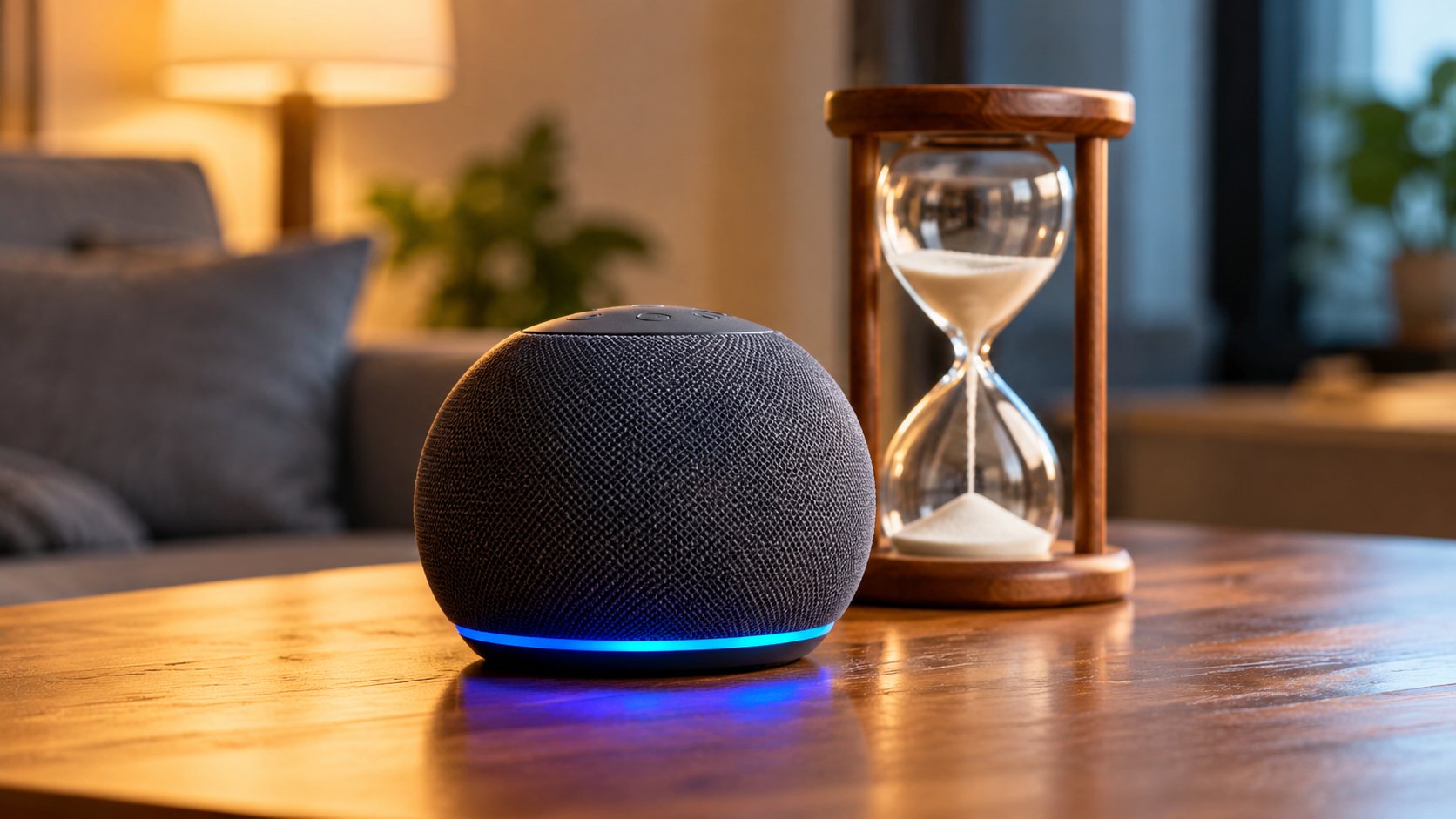
What Is the Average Lifespan of a Smart Speaker?
Smart speakers have transformed how people manage daily routines, control smart home devices, and access information. However, these convenient gadgets have a limited useful life. Understanding the average lifespan of a smart speaker helps you plan upgrades and get better value from your investment.
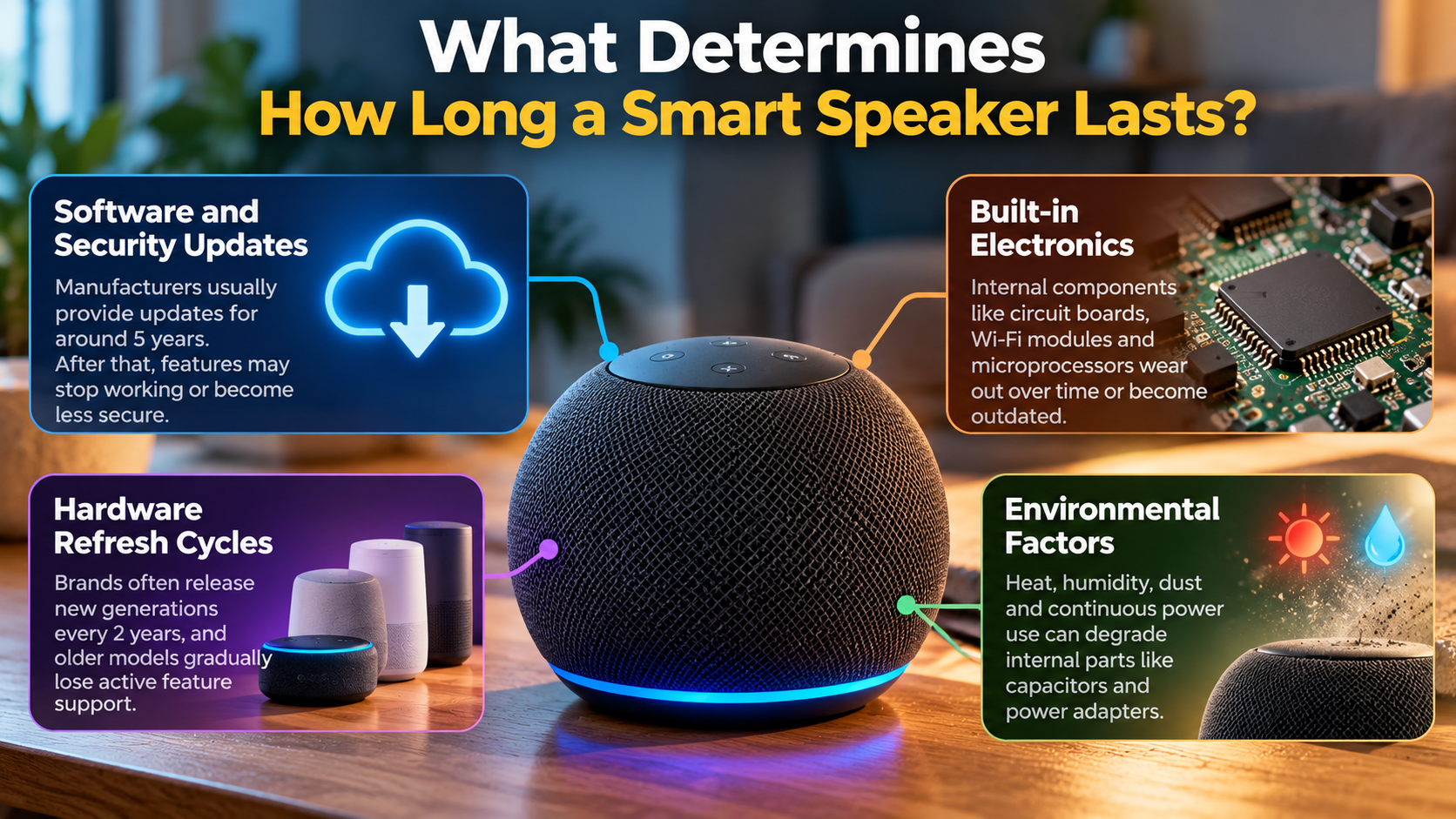
Several factors influence how long a smart speaker remains useful. These include hardware quality, software support, internet connectivity, and everyday usage. Environmental conditions, such as excessive heat and moisture, can also affect device durability.
Some speakers continue producing sound long after their smart features become outdated. However, discontinued software updates or cloud services may reduce their functionality. This means a device can remain physically operational without providing its original features.
In this guide, we examine smart speaker longevity, common disadvantages, leading speaker brands, and the expected lifespan of JBL products. You will also discover practical maintenance tips to help your speaker perform reliably for longer.
How Many Years Can a Smart Speaker Last?
The average lifespan of a smart speaker is often estimated at around three to five years, although actual results vary by model and usage. Some devices remain functional for considerably longer when their hardware and software continue receiving adequate support.
Physical components, including speaker drivers and amplifiers, can last for many years under normal conditions. However, software updates and cloud services often determine how long a smart speaker remains fully functional. Manufacturers may eventually discontinue updates or remove certain online features.
Environmental conditions also influence longevity. Dust, moisture, excessive heat, and electrical surges can damage internal components. Speakers placed in clean, well-ventilated indoor spaces generally face fewer environmental risks.
You can help extend your device’s useful life through regular care. Keep it away from direct heat, clean it according to the manufacturer’s instructions, and use a reliable power source. Checking software support before purchasing can also help you avoid premature replacement.

The Impact of Software Support on Smart Speaker Longevity
Software support plays an important role in determining how long a smart speaker remains useful. Even when its hardware works correctly, outdated software can limit functionality and create security concerns.
Manufacturers release firmware updates to fix bugs, improve performance, and address security vulnerabilities. When support ends, your device may no longer receive these improvements. Some voice assistant features may also become unreliable as online services change.
However, discontinued support does not always mean immediate replacement is necessary. Basic audio playback may continue working, depending on the model and its available connections. Voice commands, smart home controls, and cloud-based services may become limited or unavailable.
Before buying a device, check the manufacturer’s software update policy. Consider whether the speaker supports Bluetooth or auxiliary connections, where available. If you plan to use Bluetooth regularly, understanding Bluetooth range and how far a wireless connection can reach can help you choose a suitable placement for your speaker. These features may allow continued audio playback even when certain smart functions stop working.
What Are the Disadvantages of Smart Speakers?
Smart speakers offer convenience, but they also have several disadvantages. Privacy concerns, internet dependence, security risks, and compatibility problems can affect the overall user experience.
Most smart speakers use microphones to detect wake words and respond to voice commands. Depending on the device and its settings, audio recordings may be processed or stored through cloud services. Accidental activations can sometimes trigger unintended recordings.
Internet connectivity is another limitation. Many voice assistant features require an active connection, so network outages can prevent access to online services. Choosing suitable networking equipment can help improve home network performance, and understanding the differences between dual-band and tri-band routers can help you select a router that meets your smart home’s connectivity needs. Compatibility issues may also arise when different devices use separate smart home platforms.
Other drawbacks include dependence on manufacturer services and possible changes to supported features. Some models collect usage data to improve voice recognition or personalize responses. These practices may concern users who prefer greater control over their personal information.
Before purchasing a smart speaker, review its privacy settings and supported integrations. Check whether you can delete recordings, disable the microphone, and manage data collection. These precautions can help you balance convenience with privacy and security.
Privacy Concerns and Data Collection Risks
Privacy is an important consideration when using voice-activated devices at home. The average lifespan of a smart speaker is not determined by hardware alone; privacy protections and ongoing software support also influence how useful and trustworthy a device remains. Smart speakers generally listen for a wake word, but accidental activations can sometimes occur. Depending on the device, these events may trigger audio recording or cloud processing.
Manufacturers may use voice recordings and related information to improve speech recognition or provide personalized features. Their data collection practices differ, so review the relevant privacy policy before making a purchase.
Encryption can help protect information during transmission, but it does not eliminate every privacy risk. Account compromise, insecure network settings, and excessive data collection can still create concerns.
You can take several practical steps to improve privacy:
- Review voice history: Check and delete stored recordings when appropriate.
- Adjust privacy settings: Disable optional recording storage or personalization features when available.
- Mute the microphone: Use the physical microphone control when voice activation is unnecessary.
- Secure your Wi-Fi: Use a strong password and keep your router’s software updated.
- Check account access: Remove unfamiliar devices and enable additional security features where supported.
These precautions help reduce potential exposure while allowing you to continue using your smart speaker.
Which Is the No. 1 Speaker Brand?
There is no single number-one speaker brand for every buyer. The best choice depends on your priorities, including sound quality, smart home integration, portability, durability, and price.
In the smart speaker category, Amazon’s Echo range is a prominent competitor. Google Nest devices suit users who prefer Google’s services, while Apple HomePod models integrate closely with Apple’s ecosystem. Each product family offers different features and levels of compatibility.
For traditional audio products, JBL, Bose, Sony, and Sonos are established brands. Their products cover various needs, from portable Bluetooth speakers to home audio systems and premium wireless speakers. Sound performance, build quality, and pricing vary between models.
Rather than relying on a universal brand ranking, compare individual products before purchasing. Look at independent sound tests, warranty coverage, software support, and repair options. Understanding how bitrate affects audio quality can also help you evaluate sound performance when comparing speakers and audio sources. These details provide a more useful basis for evaluating long-term value.
Market Dominance of Amazon Echo Devices
Amazon Echo devices have helped establish Alexa as a prominent voice assistant in the smart speaker market. Their popularity is supported by a broad product range, smart home integrations, and compatibility with many third-party services.
Entry-level Echo models generally focus on affordability and everyday voice commands. More expensive options may provide improved audio performance or additional smart home capabilities. This range allows buyers to select devices according to their budgets and household requirements.
However, Amazon’s market presence does not automatically make every Echo speaker the best choice. Google Nest may suit households that rely heavily on Google services. Apple HomePod can be appealing to users who already own several Apple devices. If you already own an Echo device, understanding what it means when Alexa glows red and how to fix it can also help you troubleshoot a common indicator light issue.
Market leadership also depends on the country, product category, and reporting period. Therefore, claims about the world’s leading speaker brand should include current, reliable market data.
When comparing Echo devices, consider privacy controls, software support, and compatibility with your existing smart home equipment. These factors influence long-term usefulness more than popularity alone. Choosing a model that meets your needs can help reduce unnecessary upgrades.
What Is the Average Lifespan of a JBL Speaker?
The average lifespan of a JBL speaker depends on its design, usage, and maintenance. Many portable Bluetooth speakers can remain useful for several years, while wired home speakers may last a decade or longer under suitable conditions.
Portable JBL speakers use rechargeable batteries that gradually lose capacity through normal use. Frequent charging, high temperatures, and heavy usage can accelerate battery degradation. Consequently, battery performance may decline before the speaker’s audio components fail.
Wired speakers do not face rechargeable battery degradation, although their drivers, connections, and other components can still wear out. Their longevity depends on build quality, operating conditions, and how carefully they are used.
JBL offers products designed for different environments, including portable speakers intended for outdoor use. However, water and dust resistance vary by model. Before using a speaker near a pool or in wet conditions, understanding the differences between IP67 and IP68 water resistance ratings can help you interpret the protection specified for your device.
To extend your JBL speaker’s useful life, avoid excessive volume for prolonged periods. Keep it away from extreme temperatures and follow the manufacturer’s charging and cleaning instructions. Regular care can help preserve performance and delay replacement.
Factors Influencing JBL Battery Durability
Battery condition is one of the main factors affecting the lifespan of portable JBL speakers. Most rechargeable models use lithium-ion batteries, which gradually lose capacity as they age and complete charging cycles. This also raises a broader question about why tech companies stopped using removable batteries, particularly when battery degradation can eventually affect a device’s useful life.
Heat can accelerate battery degradation. Leaving a speaker inside a hot car, exposing it to direct sunlight for extended periods, or charging it in a poorly ventilated location may reduce battery health.
Charging habits also matter, although modern battery management systems help prevent some forms of overcharging. You do not need to follow a rigid charging schedule. Instead, avoid extreme temperatures and follow the instructions for your particular model.
Use these practical battery-care tips:
- Avoid excessive heat: Store and charge the speaker in a cool, dry location.
- Use suitable charging equipment: Follow JBL’s recommended charging specifications.
- Prevent prolonged deep discharge: Recharge the battery when needed instead of leaving it empty for extended periods.
- Keep charging ports clean: Protect them from dust, dirt, and moisture.
- Monitor playback time: Noticeable reductions in battery life may indicate normal battery aging.
These recommendations can help preserve battery capacity, but rechargeable batteries naturally deteriorate over time. Reduced playback time does not necessarily mean the entire speaker has failed. Depending on the model, battery replacement may or may not be practical.
Conclusion
The average lifespan of a smart speaker depends on its build quality, software support, usage, and maintenance. Many smart speakers remain useful for around three to five years, although proper care can help extend their functionality. However, discontinued updates or cloud services may limit features before the hardware fails.
Before purchasing a smart speaker, consider its durability, privacy controls, and long-term software support. You can also explore the Consumer Reports website for independent product reviews and buying advice. For JBL speakers, protecting the battery from excessive heat and following recommended charging practices can help maintain performance.
Ultimately, choosing a reliable model and maintaining it properly will help you get the most value from your investment and reduce unnecessary replacements.