Resume and Interview Tips: A Complete Beginner’s Guide
Entering the job market can feel incredibly overwhelming for beginners. You might wonder how to stand out among hundreds of other applicants. Mastering effective resume and interview tips is the crucial first step toward landing your dream job. According to recent employment data from the World Bank, navigating the modern global labor market requires highly strategic preparation as workforce participation shifts. Therefore, candidates must present themselves professionally on paper and in person to secure meaningful employment.
Many talented individuals struggle to get hired simply because they do not know how to market their skills. Your application serves as your personal sales pitch. It must grab a recruiter’s attention within seconds. Following that, your meeting performance determines whether you actually secure the position. Consequently, you need a solid strategy that covers both of these vital stages.
This comprehensive beginner’s guide covers everything you need to know to succeed. We will explore exactly how to format your CV, highlight your biggest achievements, and answer tricky questions with complete confidence. Moreover, we will provide actionable advice that you can apply immediately to your job search. For additional guidance, check out our interview preparation tips and strategies to improve your confidence and performance.
By the time you finish reading, you will possess the tools necessary to tackle any application process. Furthermore, applying these resume and interview techniques consistently will help you stand out from other candidates. Let us dive into these strategies and transform your career prospects today.
Essential Resume and Interview Tips for Job Seekers
Every successful job hunt relies on two main pillars. First, you need an outstanding application document. Second, you must deliver a strong interview performance. By combining expert resume and interview tips, you can gain a significant competitive advantage in today’s job market. Moreover, employers look for candidates who communicate clearly and demonstrate value immediately. Therefore, mastering both areas helps you stand out from other applicants and leave a lasting impression on hiring managers. In addition, a strong resume can open doors to new opportunities, while effective interview skills can help you secure the position. Ultimately, developing these essential skills increases your chances of career success. Let us now break down these two critical phases.
How to Craft a Standout Resume
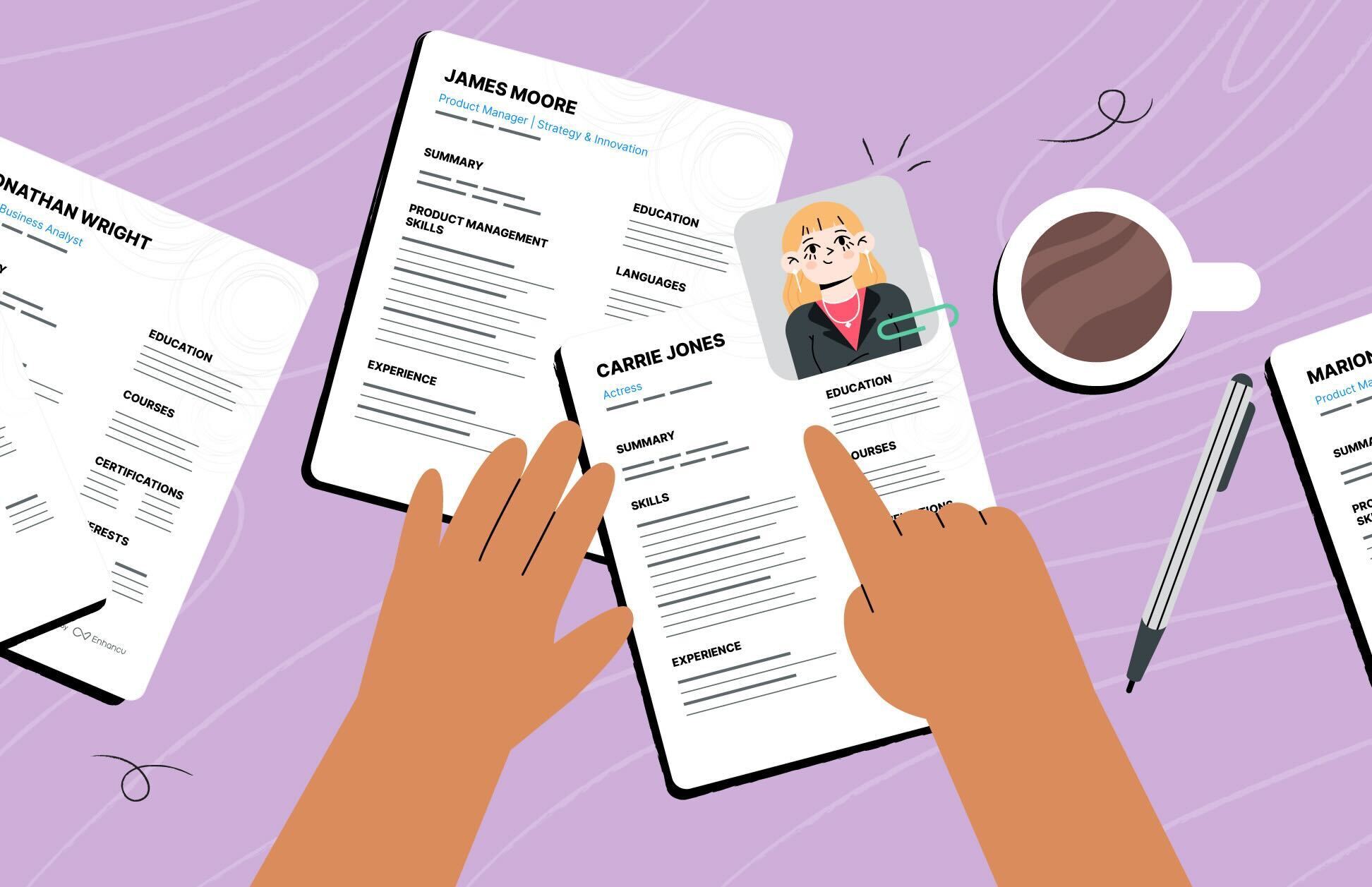
Writing a great CV requires focus and clarity. Hiring managers usually scan applications in less than ten seconds. You must make every single word count to secure an interview.
Tailor Your Application to the Role
Never send the exact same document to fifty different companies. You must customize your application for each specific role. Read the job description carefully. Identify the main keywords the employer uses. Next, weave those specific phrases into your summary and experience sections naturally. This strategy helps you pass through automated applicant tracking systems (ATS). Furthermore, it shows the recruiter that you genuinely care about their specific position.
Highlight Achievements Over Duties
Listing your daily tasks is a common beginner mistake. Anyone can list basic job responsibilities. Instead, focus on what you actually achieved during your previous roles. Use quantifiable data to prove your impact. Did you increase sales by twenty percent? Did you resolve customer complaints faster than the team average? Include these specific numbers. Consequently, employers will easily understand the tangible value you bring to their organization.
Keep Formatting Clean and Simple
Visual clutter distracts recruiters from your actual qualifications. Therefore, you should avoid using complex graphics, bright colors, or unusual fonts. Stick to standard fonts like Arial, Calibri, or Times New Roman. Use clear headings and plenty of white space. Bullet points are your best friend because they make information easy to digest. A clean, professional layout immediately builds trust and demonstrates your attention to detail.
Resume and Interview Tips for Beginners: Preparing for a Successful Job Interview
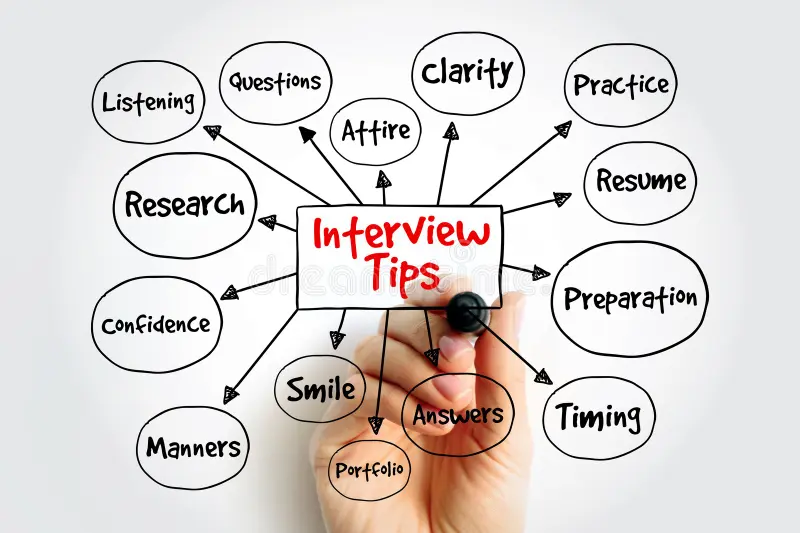
Once your tailored CV secures a meeting, your focus must shift entirely to verbal communication. Proper preparation significantly reduces anxiety and boosts your confidence.
Research the Company Thoroughly
Walking into a meeting without company knowledge is a massive error. You must research the organization extensively beforehand. Explore their website, read recent press releases, and review their social media profiles. Understand their core mission, main products, and company culture. Furthermore, try to identify current challenges the industry faces. This knowledge allows you to position yourself as a proactive problem solver during the conversation.
Master the STAR Method for Behavioral Questions
Interviewers frequently ask behavioral questions. They usually start with the phrase, “Tell me about a time when…” To answer these effectively, you should use the STAR method. STAR stands for Situation, Task, Action, and Result.
-
Situation: Briefly describe the background context.
-
Task: Explain the specific challenge you faced.
-
Action: Detail the exact steps you took to resolve the issue.
-
Result: Share the positive outcome, preferably using numbers.
This framework ensures your answers remain focused, concise, and highly impactful.
Ask Thoughtful Questions at the End
At the end of the meeting, the hiring manager will ask if you have any questions. You must always say yes. Asking thoughtful questions demonstrates your genuine interest in the role. You might ask about the daily responsibilities of the position. Alternatively, you could inquire about the company’s plans for future growth. Consequently, this flips the script and turns the interrogation into a professional dialogue.
Resume and Interview Tips for Beginners: Post-Interview Etiquette and Follow-Up Advice
The application process does not end when you walk out of the room. Your follow-up strategy can often make or break your chances of getting hired.
Send a Prompt Thank-You Note
Always send a polite thank-you email within twenty-four hours of your meeting. Keep the message relatively brief and highly professional. Express your gratitude for their time. Briefly reiterate your excitement for the opportunity. Mention one specific topic you discussed to personalize the message. This simple gesture keeps your name fresh in their minds. Moreover, it reinforces your professionalism and strong communication skills.
Handle Rejection with Grace
Job hunting involves facing inevitable rejections. If a company chooses another candidate, maintain a positive attitude. Send a brief reply thanking them for the opportunity to meet. You can politely ask for constructive feedback to improve your future performance. Sometimes, the person they hired does not work out. If you handled the rejection gracefully, they might call you back for another opening.
Frequently Asked Questions
What are the best resume and interview tips for a complete beginner?
For complete beginners, the most vital tip is to focus strictly on transferable skills. Even without formal job experience, you possess valuable abilities from school projects, volunteering, or extracurricular activities. Highlight your teamwork, communication, and problem-solving skills clearly on your CV. Additionally, practice your verbal answers out loud with a friend or in front of a mirror. Confidence matters just as much as experience. Research the company beforehand and prepare two thoughtful questions to ask the interviewer. This proactive approach immediately separates you from other entry-level candidates and shows genuine enthusiasm for the position.
Resume and Interview Tips: Should You Use a Resume Template or Create Your Own Design?
You should absolutely use a clean, professional template rather than designing one from scratch. Templates ensure your document maintains proper margins, readable fonts, and logical spacing. However, avoid heavily designed templates with distracting graphics, charts, or photos. Applicant Tracking Systems (ATS) often struggle to read complex visual designs, which might cause your application to be rejected automatically. Choose a simple, text-based template that relies on clear headings and bullet points. Ultimately, hiring managers care much more about the quality of your content than the artistic flair of your document’s layout.
How do I answer the “tell me about yourself” question?
You should answer this common question by using the “Present, Past, Future” formula. First, start with the present by briefly explaining your current role or educational status. Next, touch on your past by highlighting one or two significant achievements or previous experiences that relate directly to the job. Finally, discuss the future by explaining why you are excited about this specific opportunity. Keep your entire answer under two minutes. Avoid sharing overly personal details or rambling about your childhood. Keep the focus strictly on your professional journey and relevant qualifications.
Resume and Interview Tips for Beginners: What Should You Wear to a Modern Job Interview?
You must dress appropriately for the specific company culture, which requires a bit of prior research. As a general rule, you should dress one step slightly more formal than the company’s daily dress code. If the office environment is casual, wear smart-casual attire like nice trousers and a button-down shirt. If you are applying at a traditional corporate firm, you should wear a full business suit. Ensure your clothes are clean, wrinkle-free, and fit properly. When in doubt, it is always better to be slightly overdressed than unprofessionally underdressed.
How long should my resume be if I have no experience?
If you are a beginner with very little to no professional experience, your document must never exceed one single page. Hiring managers only spend a few seconds scanning each application, so brevity is crucial. Fill that single page with relevant academic achievements, volunteer work, internships, and relevant hobbies. Focus heavily on your education and any technical skills you possess. Use concise bullet points to describe your academic projects. Adding unnecessary fluff to stretch the document onto a second page will only annoy recruiters and dilute your strongest selling points.
Conclusion
Securing a new job in today’s competitive market requires patience, dedication, and the right strategy. Therefore, by implementing these foundational resume and interview tips, you will dramatically improve your chances of success. First, remember that your application document serves as your initial introduction. As a result, it must remain clear, concise, and heavily tailored to the specific role you desire. Additionally, highlight your tangible achievements rather than simply listing basic daily duties.
Once you secure that crucial meeting, thorough preparation becomes your greatest asset. For this reason, research the organization deeply, practice the STAR method for behavioral questions, and always prepare thoughtful questions for your interviewers. Furthermore, following up with a polite thank-you note can strengthen your reputation as a courteous and professional candidate. Although job hunting is undoubtedly a challenging process, rejection is simply part of the journey. Therefore, do not let setbacks discourage you from pursuing your career goals.
Instead, treat every single application and meeting as a valuable learning experience. Moreover, refine your approach continuously based on the feedback you receive. Meanwhile, take the time today to update your CV using the strategies discussed in this guide. Also, practice your verbal responses until they feel completely natural. Ultimately, with persistence and these essential resume and interview tips in your toolkit, you are ready to confidently step into the job market and pursue the career you deserve.