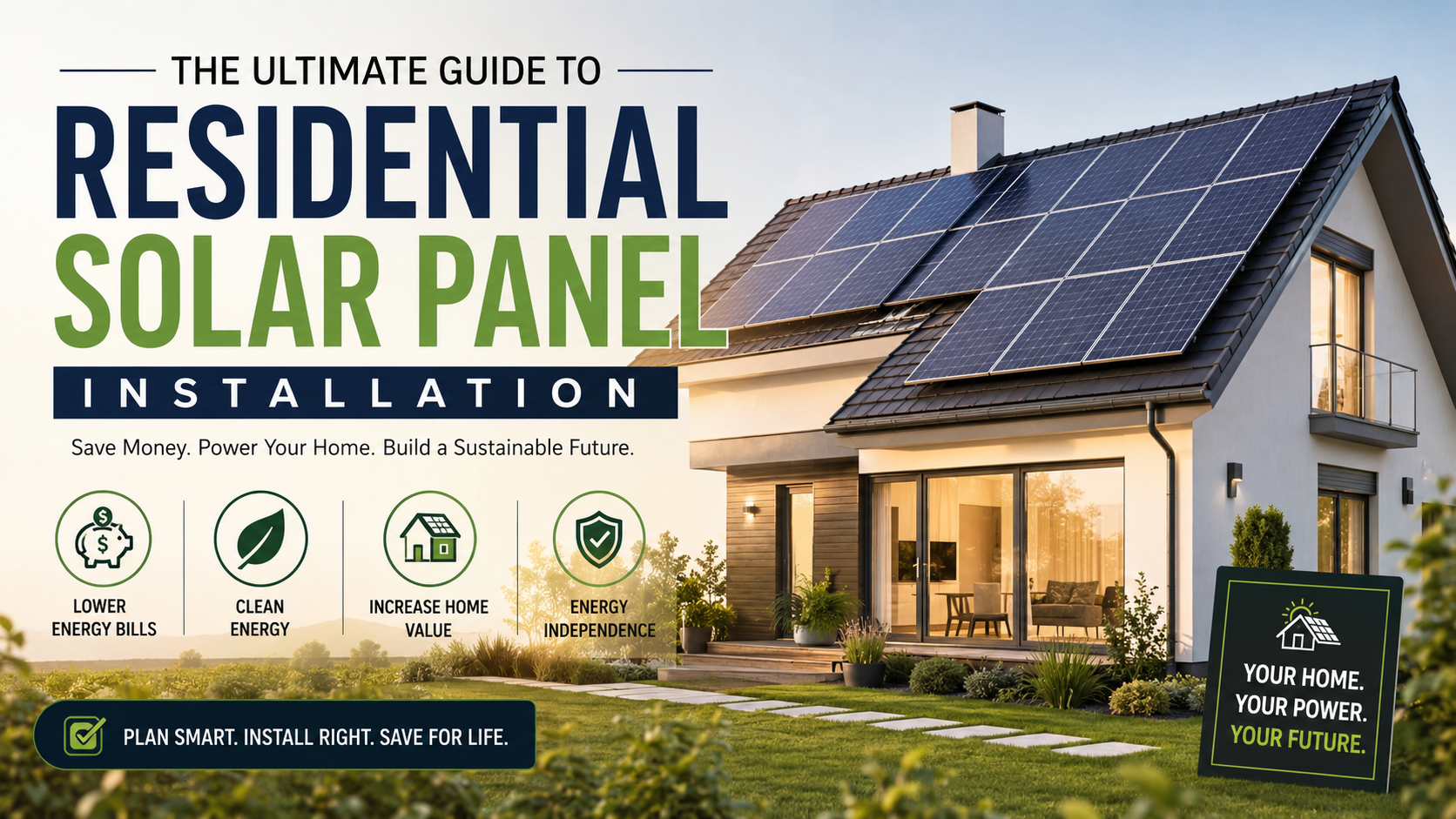
Residential Solar Panel Installation: Ultimate Guide

Links

The Ultimate Guide to Residential Solar Panel Installation

Switching to solar power is one of the smartest upgrades you can make for your home. As traditional electricity bills continue to rise, homeowners actively search for better energy alternatives. A complete residential solar panel installation offers a reliable way to reduce utility costs and gain long-term energy independence. However, the transition process can feel overwhelming if you do not know exactly where to start.

From choosing the right rooftop equipment to understanding local utility regulations, you must consider numerous variables. Fortunately, resources from the U.S. Department of Energy demonstrate that transitioning to solar power is more accessible today than ever before. This comprehensive guide will walk you through every critical step of your solar journey. We will cover how to evaluate your property’s potential and explain the available financial benefits. You will also learn exactly what happens on the actual installation day.

A successful project requires careful research and planning. You must accurately calculate your current household energy usage. You must also evaluate your roof’s physical condition before starting. Furthermore, hiring a qualified, certified contractor is crucial for long-term safety and performance. By the end of this article, you will possess the foundational knowledge needed to make a confident, informed decision. Let us dive into the details so you can power your home efficiently.

Can I Run a 1.5 Ton AC on a 3kW Solar System?

Running a 1.5-ton air conditioner on a 3kW solar system is generally impractical without grid support or a large battery backup. A standard 1.5-ton AC typically consumes 1,500–1,800 watts during normal operation. However, when the compressor starts, its surge power can briefly rise to two or three times its normal consumption.

A 3kW solar system can produce up to 3,000 watts under ideal sunlight. In real-world conditions, actual output is usually lower. Dust, high temperatures, cloud cover, and panel orientation often reduce production to around 2,000–2,400 watts during peak sunlight hours.

This leaves very little power for other household appliances, including lights, fans, refrigerators, or electronics. In addition, solar panels do not generate electricity at night. Without a substantial battery bank or grid connection, running your AC after sunset is not possible.

If air conditioning is a major part of your daily electricity use, a 5kW or larger solar system usually provides a more practical and reliable solution.

Understanding Inverter Capacity Limitations

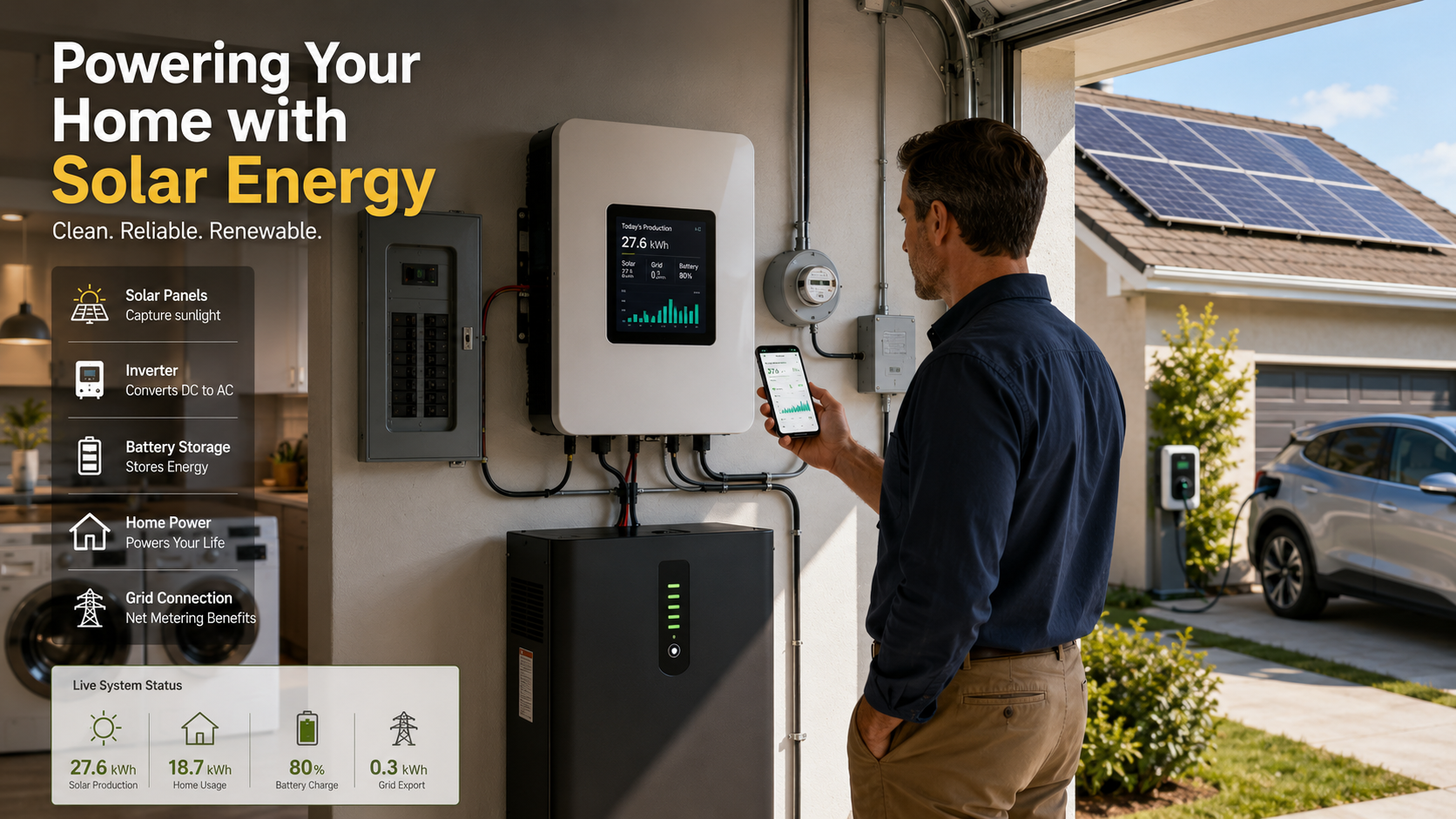
The solar inverter is just as important as the solar panels. It converts the DC electricity produced by your panels into AC power for your home. A standard 3kW inverter can continuously supply about 3,000 watts of power.

The challenge comes when your air conditioner starts. The compressor requires a high surge current during startup. Even though this surge lasts only a few seconds, it can overload an undersized inverter and cause the system to trip or shut down.

A larger inverter provides additional capacity to handle these temporary power spikes while maintaining stable performance. It also gives you more flexibility to operate other household appliances at the same time.

If you plan to use a 1.5-ton AC regularly during daylight hours, upgrading to a 5kW solar system with an appropriately sized inverter offers better reliability, improved energy management, and room for future household electricity needs.


What Is the Cost of a Solar Panel Installation?

The cost of solar panel installation depends on several factors, including your location, equipment quality, roof design, and household energy consumption. In the United States, a typical residential solar system usually costs between $15,000 and $25,000 before applying available tax credits or incentives.

Solar pricing is commonly measured on a cost-per-watt basis. Most homeowners pay approximately $2.80 to $3.20 per watt for a professionally installed system. For example, a standard 6kW solar system generally costs around $18,000 before incentives.

Adding battery storage increases the total investment. A home battery backup typically adds $7,000–$12,000, depending on battery capacity and installation requirements.

Other factors that affect pricing include roof complexity, local labor costs, permitting fees, equipment brand, and whether additional electrical upgrades are needed.

Federal Incentives and Rebates

Government incentives can significantly reduce the overall cost of installing solar panels. In the United States, the Residential Clean Energy Credit allows eligible homeowners to claim a federal tax credit that lowers the total project cost.

Many state governments and local utility providers also offer additional financial benefits. These may include:

  • State rebates
  • Net metering programs
  • Solar Renewable Energy Certificates (SRECs)
  • Low-interest financing options

These incentives can shorten the system’s payback period and improve long-term savings. Since available programs vary by location and may change over time, it is always worth checking local incentive programs before purchasing a solar energy system.


What Are 5 Disadvantages of Solar Power?

Although solar power offers long-term savings and clean energy, it also has several disadvantages that homeowners should understand before investing.

Some of the most common drawbacks include:

  • High upfront installation costs
  • Reduced electricity production during cloudy or rainy weather
  • No energy generation at night without battery storage
  • Roof condition may require repairs before installation
  • Gradual efficiency loss over the lifespan of the panels

Most modern solar panels lose only about 0.5% of their efficiency each year, allowing them to continue producing electricity for decades. However, this gradual decline should still be considered when planning long-term energy production.

Understanding these limitations helps homeowners choose the right system size, battery capacity, and financing options for their specific energy needs.

Evaluating Weather and Geographic Limitations

Your geographic location has a major impact on how much electricity your solar panels generate each year. Homes in areas with abundant sunshine generally produce more energy than those in regions with frequent cloud cover, heavy rainfall, or shorter winter days.

Seasonal weather also affects daily production. Even well-designed systems generate less electricity during winter due to reduced daylight hours and lower sun angles.

Homeowners living in less sunny regions often compensate by installing larger solar arrays or adding battery storage to improve energy availability. In some cases, maintaining a grid connection remains the most practical solution for ensuring reliable electricity throughout the year.


What Is the 20% Rule for Solar?

The 20% rule for solar is a planning guideline that helps balance system performance, future energy needs, and long-term value. Many installers recommend sizing a solar system to meet approximately 100% of your annual electricity consumption while allowing about 20% additional capacity for future increases in energy use.

Some professionals also apply this guideline when sizing battery storage or inverter capacity. The additional margin helps the system handle seasonal variations in solar production and occasional increases in household electricity demand.

Although the exact application varies among installers, the goal remains the same: creating a solar system that performs efficiently today while remaining flexible for future expansion.

Applying the Buffer for Future Needs

Planning for future electricity demand can prevent expensive system upgrades later. Many homeowners eventually purchase electric vehicles, install heat pumps, or add new household appliances that significantly increase energy consumption.

Including a reasonable capacity buffer during the initial installation allows your inverter, wiring, and electrical infrastructure to accommodate these future additions more easily.

This forward-thinking approach improves long-term system value, reduces retrofit costs, and helps ensure your solar investment continues meeting your household’s changing energy requirements for many years.


Can I Run 2 ACs on a 5kW Solar System?

A 5kW solar system can generally run two air conditioners, provided your overall household electricity consumption remains within the system’s capacity. Two 1.5-ton inverter ACs typically consume around 3,000 watts while operating under normal conditions. Under ideal sunlight, a 5kW solar panel system can generate approximately 5,000 watts, leaving enough capacity to power essential appliances such as lighting, fans, and a refrigerator.

Actual performance depends on weather conditions, panel efficiency, inverter capacity, and the time of day. Solar power production decreases during cloudy weather and after sunset, so battery storage or grid electricity may be needed. Running additional high-power appliances, such as electric water heaters or ovens, at the same time can overload the inverter. Proper energy management helps maximize system efficiency while maintaining reliable operation.

Managing Power Surges and Inverter Capacity

The solar inverter plays a critical role in determining how many appliances your solar system can operate simultaneously. Although a 5kW solar system may generate sufficient electricity, the inverter has a maximum continuous output that should not be exceeded. High starting currents from multiple appliances can temporarily increase power demand.

Using inverter air conditioners helps reduce startup surges because they gradually adjust compressor speed instead of drawing maximum power immediately. Smart energy management devices and programmable timers can also distribute electrical loads more efficiently throughout the day.

Scheduling high-power appliances during peak sunlight hours improves solar energy utilization and reduces dependence on grid electricity. Monitoring your inverter’s performance regularly ensures safe operation and helps extend the lifespan of both your solar system and connected appliances.


Solar Panel Installation Government Scheme

Many governments offer solar panel installation government schemes to encourage homeowners to adopt renewable energy. These programs reduce installation costs through subsidies, tax incentives, net metering policies, or low-interest financing options. Financial assistance makes residential solar systems more affordable and improves the return on investment.

In many regions, eligible households can receive support for installing approved rooftop solar systems through certified vendors. Program benefits and subsidy amounts vary depending on local government policies and system capacity.

Before applying, homeowners should review eligibility requirements, compare approved installers, and understand the application process. Taking advantage of a solar panel installation government scheme can shorten the payback period while reducing long-term electricity expenses and supporting cleaner energy generation.

Navigating Subsidy Applications and Eligibility Criteria

Applying for a solar panel installation government scheme requires careful preparation and accurate documentation. Most programs require applicants to use certified equipment and approved installation companies that meet national quality standards.

Applicants are commonly asked to provide identity documents, recent electricity bills, proof of property ownership or occupancy, and other supporting paperwork. Submitting complete and accurate information helps avoid unnecessary delays during the approval process.

Before signing any installation agreement, verify that both the equipment and installer qualify under the relevant government scheme. Following official guidelines improves your chances of receiving financial assistance while ensuring your solar system complies with applicable regulations and safety standards.


Frequently Asked Questions

Do solar panels require heavy maintenance?

No. After residential solar panel installation, solar panels require very little maintenance because they have no moving parts. Occasional cleaning removes dust, leaves, pollen, and other debris that can reduce energy production. Many modern systems also include monitoring apps that notify homeowners if performance drops unexpectedly after residential solar panel installation.

Will my solar system work during a power outage?

Most grid-tied solar systems automatically shut down during a power outage to protect utility workers. If you want backup power during blackouts, you’ll need a hybrid inverter paired with a home battery storage system. During your residential solar panel installation, your installer can recommend the right backup solution for your home’s energy needs.

How long do residential solar panels last?

Most high-quality residential solar panels include a 25-year performance warranty. After residential solar panel installation, they typically continue generating electricity for 25 years or more, although at a slightly lower efficiency over time. Solar inverters generally need replacement every 10–15 years, depending on the model and operating conditions.

Can I install solar panels myself?

DIY residential solar panel installation is generally not recommended. Installing a solar system involves electrical wiring, rooftop work, permitting requirements, and local building codes. Hiring certified professionals improves safety, ensures code compliance, and helps protect your manufacturer warranties.


Conclusion

Transitioning to renewable energy is a brilliant financial and environmental decision. A properly executed residential solar panel installation provides decades of reliable, clean power directly to your home. You dramatically reduce your monthly utility bills and proactively protect yourself against relentlessly rising energy costs. Furthermore, you significantly lower your household carbon footprint, actively contributing to a much healthier planet.

While the entire transition process involves several distinct phases, working with a qualified, licensed contractor makes it incredibly simple. They seamlessly guide you through the initial property assessment, the complex equipment selection, and the tedious permitting paperwork. Before moving forward, it’s also worth ensuring your home is ready for a long-lasting installation. Evaluating your roof’s condition is essential, and understanding how to select a sustainable roof system can help you choose a durable, energy-efficient roofing solution that complements your new solar panels and enhances your home’s overall sustainability.

Remember to analyze your historical energy consumption carefully and always choose high-quality equipment that accurately matches your specific residential needs and budget constraints. You must also take full advantage of available federal tax credits and local state incentives. These lucrative financial tools maximize your overall return on investment.

Now is the perfect time to explore your property’s solar potential. Modern panel technology is more efficient than ever, and financial incentives remain highly favorable. Start your journey by gathering comprehensive quotes from reputable, certified local installers. Compare their proposed system sizes, hardware brands, and long-term warranties. By taking these proactive steps today, you secure a brighter, more sustainable energy future for your home.

Leave a Reply

Your email address will not be published. Required fields are marked *