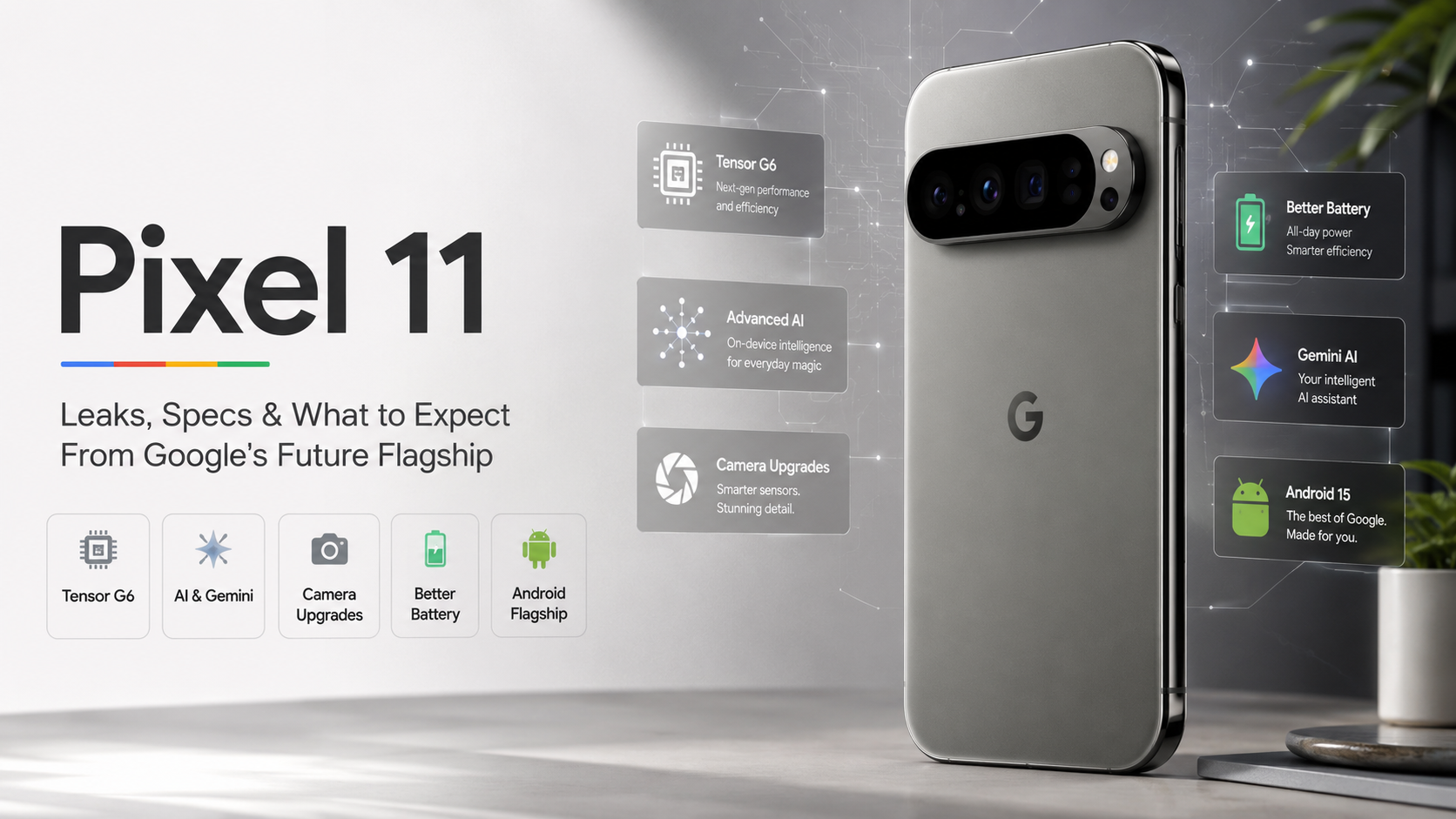
Pixel 11 tech promo concept

Pixel 11: What to Expect From Google’s Next Flagship

Links

Pixel 11: Leaks, Specs, and What to Expect From Google’s Future Flagship

The smartphone industry moves quickly, and interest in the Pixel 11 is already growing among Android fans and technology enthusiasts. Although Google has not officially revealed the device, early discussions around its possible features, hardware improvements, and AI capabilities have created strong anticipation.

Google has built a unique position in the premium smartphone market through computational photography, clean Android software, and artificial intelligence integration. You can follow official hardware announcements through the Google Store, where Google highlights its latest devices and technology updates.

The Pixel lineup has always focused on improving the overall user experience instead of competing only through hardware specifications. With every generation, Google continues refining camera processing, software intelligence, and custom Tensor chips.

The upcoming Pixel 11 could represent another major step in Google’s smartphone strategy. It may introduce better performance, improved efficiency, advanced AI features, and stronger camera capabilities.

For everyday users, the device could offer a smarter and more reliable smartphone experience. For photographers and mobile professionals, improvements in image processing and performance may make it an attractive upgrade.

In this guide, we will explore everything expected from Google’s next flagship phone. We will cover the possible Pixel 11 release date, Tensor G6 processor, camera upgrades, design changes, battery improvements, and software features.


Is There a Google Pixel 11 Coming?

Google has followed a reliable flagship release schedule for several years, making the arrival of the Pixel 11 highly likely. Although the company has not officially confirmed the device, its annual hardware cycle strongly suggests that a new Pixel generation is already in development. As with previous launches, Google is expected to reveal the phone during its usual flagship launch window. Until then, most details come from industry reports, supply chain information, and historical release patterns rather than official announcements.

The Pixel 11 is expected to build on Google’s strengths in artificial intelligence, computational photography, and clean Android software. Buyers can also expect improvements in performance, battery efficiency, and on-device AI features powered by the next-generation Tensor chipset. While specifications remain unconfirmed, Google’s consistent product roadmap makes the arrival of another flagship smartphone a realistic expectation for users planning their next upgrade.

Expected Timeline and Development Phases

Developing a flagship smartphone takes years of planning, testing, and software optimization. Google typically begins work on future Pixel models long before their public announcement. Engineers refine the hardware, improve camera systems, and optimize Android to deliver a polished experience at launch.

Before production begins, prototype devices undergo extensive testing to identify performance, battery, and reliability issues. Once the design is finalized, manufacturing partners prepare for large-scale production ahead of the official launch. Although Google has not shared the Pixel 11 development timeline, previous generations indicate that this process follows a predictable schedule. Buyers should expect more reliable information as the expected launch window approaches and official announcements begin to replace early speculation.

Is Pixel 11 Worth Waiting For?

Whether you should wait for the Pixel 11 depends on your current smartphone and upgrade needs. If your existing device performs well, receives regular software updates, and still delivers good battery life, waiting could be worthwhile. Google’s next flagship is expected to introduce a new Tensor processor, improved AI capabilities, and camera enhancements that may offer a better long-term experience. Recent reports also suggest the Pixel 11 lineup will launch soon, making the wait relatively short for many buyers.

However, if your current phone struggles with performance, has poor battery health, or no longer receives security updates, upgrading now may be the better option. Delaying a purchase can become frustrating if your device no longer meets your daily needs. Compare the expected Pixel 11 features with your current phone before deciding. Choosing the right time to upgrade ensures you get the best balance of value, performance, and longevity.

Assessing Your Current Upgrade Timeline

A smartphone typically delivers its best value during the first two to three years of daily use. After that, battery health often declines, and performance may become less consistent. Software support also plays an important role, especially if you rely on the latest Android features and regular security updates.

Before waiting for the Pixel 11, evaluate how well your current phone handles everyday tasks. Consider battery life, app performance, storage availability, and update eligibility. If these areas still meet your expectations, waiting for Google’s next flagship could be a smart decision. On the other hand, frequent slowdowns, poor battery life, or outdated software may justify upgrading sooner. Reviewing your current device objectively helps you choose the most practical and cost-effective upgrade path.


Will There Be a Pixel 11A?

Google’s A-series smartphones have become a popular choice for buyers who want flagship-inspired features at a lower price. Although Google has not confirmed a Pixel 11a, the company has consistently released an A-series model after its flagship lineup. If Google follows its established strategy, the Pixel 11a could arrive several months after the Pixel 11 and offer many of the same software features at a more affordable price.

The device would likely inherit Google’s latest Tensor processor or a variant of it, along with the company’s renowned computational photography and clean Android experience. To keep costs down, Google may use different materials or make small hardware compromises. Even so, the A-series has built a reputation for delivering excellent value. Buyers looking for premium software, reliable cameras, and long-term updates without paying flagship prices may find the Pixel 11a worth waiting for once Google officially announces its plans.

Mid-Range Strategy and Market Impact

Google’s mid-range strategy allows the company to reach a wider audience while strengthening the Pixel ecosystem. By offering premium software features at a lower price, the A-series appeals to students, professionals, and users upgrading from older Android devices. This approach also helps Google compete with other brands in the highly competitive mid-range smartphone market.

If the Pixel 11a follows previous generations, it will likely share many core features with the flagship model. Buyers can expect excellent camera performance, regular Android updates, and useful AI-powered tools, although some premium hardware features may be reserved for the flagship devices. This balanced strategy gives consumers more choices across different budgets while maintaining the signature Pixel experience. As always, the final specifications and release schedule will depend on Google’s official product roadmap.


Which country banned Google Pixel?

Regional restrictions and court rulings have occasionally impacted Google’s hardware footprint, leading many tech enthusiasts to ask which country banned Google Pixel. Legal disputes and stringent domestic manufacturing laws can abruptly halt smartphone sales in specific territories. For instance, a Japanese district court issued a sales injunction on specific older generation models following patent litigation involving communication technology. Meanwhile, regulatory bodies in other regions have implemented strict domestic content thresholds that block devices lacking localized manufacturing footprints. These legal actions demonstrate that even globally recognized brands must navigate complex local legislation. As the Pixel 11 approaches its official launch, monitoring how international compliance evolves helps clarify why certain regions experience retail roadblocks while others enjoy seamless device availability.

International Trade Rules and Local Compliance Mandates

Regulatory frameworks often enforce strict local content laws to protect domestic industries and manufacturing ecosystems. When major tech corporations fail to meet these specific thresholds, local authorities restrict commercial distribution. Consequently, understanding these compliance mandates reveals why certain hardware lineups face barriers before reaching store shelves.


Why is Google Pixel not popular in India?

Despite aggressive global marketing campaigns for devices leading up to the Pixel 11, the brand historically faced unique adoption hurdles in the subcontinent. Consumer preferences in the region heavily lean toward aggressive hardware pricing, extensive offline retail presence, and rapid after-sales service networks. Competitors like Samsung and various Chinese original equipment manufacturers established deep-rooted distribution channels decades ago, capturing immense market share through aggressive local retail partnerships. Furthermore, earlier Pixel generations faced inconsistent supply chains, higher price tags relative to bundled hardware specifications, and limited service center density outside major metropolitan hubs. While consumer interest in pure Android software remains high, these operational and pricing dynamics historically restricted mainstream market penetration across tier-two and tier-three Indian cities.

Retail Infrastructure and Competitive Pricing Pressures

Succeeding in the highly price-sensitive Indian consumer market requires robust offline distribution networks and localized manufacturing to dodge heavy import tariffs. Brands that rely heavily on online-only sales models often struggle to capture the massive offline consumer base that prefers hands-on retail demonstrations before making purchase commitments.


Frequently Asked Questions About Pixel 11

How does the Pixel 11 compare to older generations?

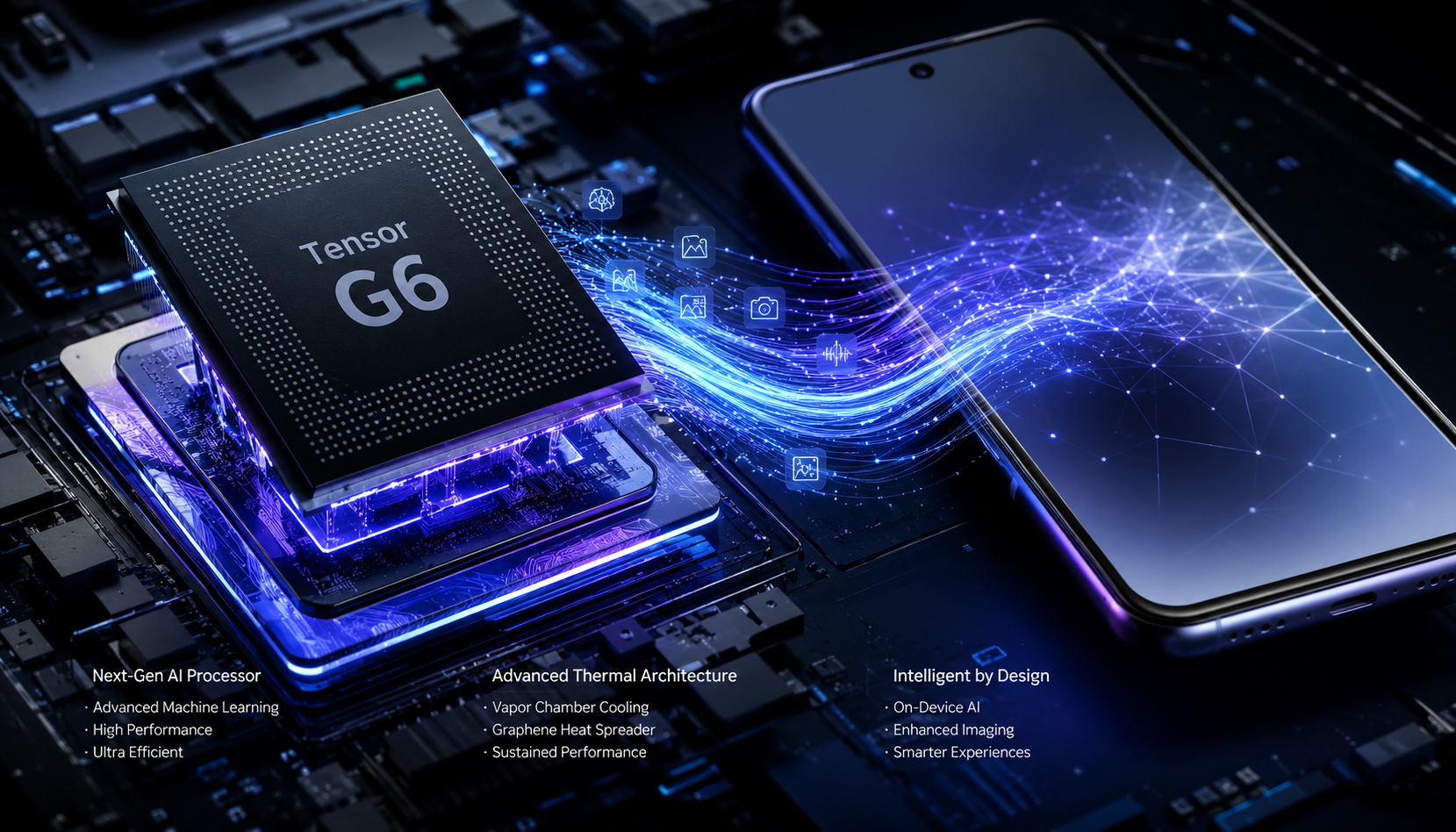
The Pixel 11 is expected to deliver noticeable improvements over earlier Pixel models. Although Google has not confirmed the final specifications, the next-generation Tensor chipset is likely to provide better performance, improved energy efficiency, and faster on-device AI processing. Users upgrading from older devices may also benefit from smoother multitasking, longer battery life, and enhanced thermal management.

Google is also expected to refine its computational photography system with improved image processing and new AI-powered camera features. Combined with future Android updates, these enhancements should provide a more responsive and capable user experience. Buyers using an older Pixel or another Android phone will likely notice meaningful improvements once the device becomes available.

Will older accessories work with the new model?

In most cases, accessories designed for older Pixel phones are unlikely to fit the Pixel 11 perfectly. Even small changes to the phone’s dimensions, button placement, or camera module can prevent older cases and screen protectors from fitting correctly. Manufacturers often adjust the external design to accommodate new hardware and improve durability.

If Google changes the device’s overall design, buyers should purchase accessories made specifically for the Pixel 11. Using compatible cases, chargers, and screen protectors helps ensure proper protection and the best user experience. Waiting for accessories from trusted manufacturers after the official launch is the safest option.

What software support can buyers expect?

Google has built a strong reputation for providing long-term software support for its flagship smartphones. While the official support policy for the Pixel 11 has not been announced, buyers can reasonably expect multiple Android OS upgrades and regular security updates based on recent Pixel releases.

Long-term software support keeps a smartphone secure, stable, and compatible with new Android features. It also extends the usable life of the device and improves its overall value. Choosing a phone with reliable software updates ensures continued performance, enhanced security, and access to the latest AI-powered features introduced by Google.

Where can I buy the device upon release?

Once officially launched, the Pixel 11 is expected to be available through the Google Store, authorized retail partners, and major online marketplaces in supported regions. Availability may vary by country, so buyers should check official sales channels for the latest information.

Early launch promotions often include trade-in offers, bank discounts, cashback deals, or bundle offers with Pixel accessories. Purchasing from authorized retailers ensures you receive a genuine device with official warranty coverage and customer support. Comparing launch offers across trusted sellers can also help you secure the best overall value when the Pixel 11 becomes available.


Conclusion: Is the Pixel 11 Worth Waiting For?

The Pixel 11 represents an exciting future direction for Google’s smartphone ecosystem. While official details are still unavailable, expectations suggest that the device will focus on meaningful improvements rather than simple hardware upgrades.

Google’s biggest strengths are likely to remain artificial intelligence, camera innovation, and software integration. A more efficient Tensor G6 processor could improve performance while supporting advanced AI features directly on the device.

Key expected highlights include:

  • Improved processor efficiency
  • Better thermal management
  • Advanced computational photography
  • Enhanced video processing
  • Deeper Gemini AI integration
  • Long-term software support

Google’s approach has always focused on creating a smarter smartphone experience. Instead of competing only through specifications, the company aims to make devices more helpful and personalized.

For users considering a future flagship upgrade, keeping track of official Pixel announcements will be important. The Pixel 11 could become another major step in Google’s vision for AI-powered mobile technology.

As smartphones continue becoming more intelligent, connected devices such as AI-powered fitness trackers and smart wearables are also shaping the future of personal technology. Explore how wearable technology is evolving in our guide to Google Fitbit AI fitness tracker technology.

Leave a Reply

Your email address will not be published. Required fields are marked *