
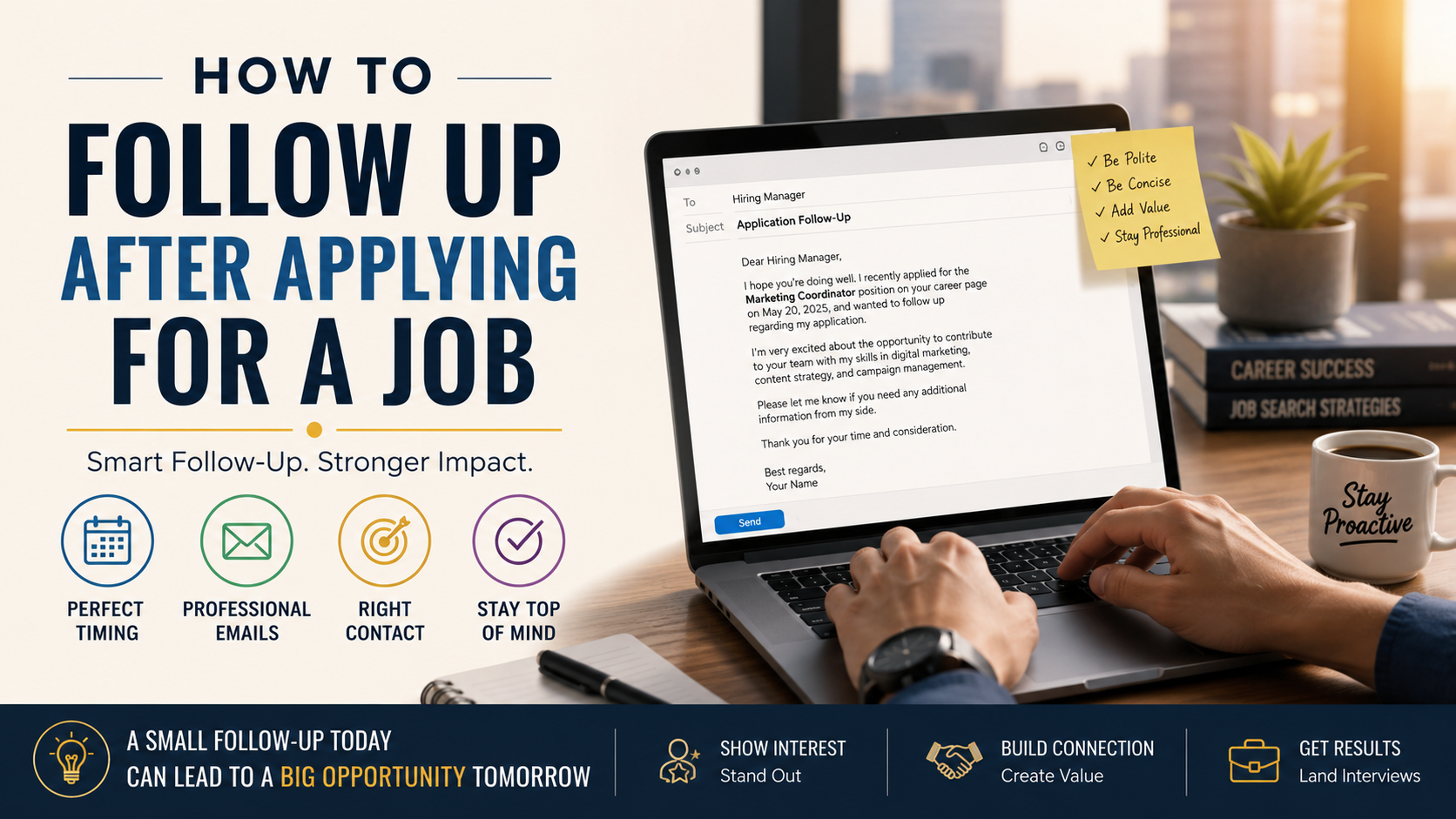
How to Follow Up After Applying for a Job
When you want to land your dream role, learning how to follow up after applying for a job is critical. The modern job hunt is fast-paced and highly competitive. Because of this, hundreds of excellent applications often vanish into digital black holes. Human eyes may never see them. By reaching out to the hiring team strategically, you demonstrate genuine enthusiasm. You also actively keep your application at the top of their minds during the selection process.
According to data and recruitment insights shared by major professional networks like LinkedIn, a well-timed message makes a difference. A professional note can significantly differentiate you from hundreds of silent applicants. Those candidates simply wait for a response. It showcases proactive communication. This is a highly sought-after trait that every hiring manager values across every industry. This comprehensive guide breaks down the exact timing, channels, and templates you need. You will master the delicate art of the post-application check-in without being pushy.
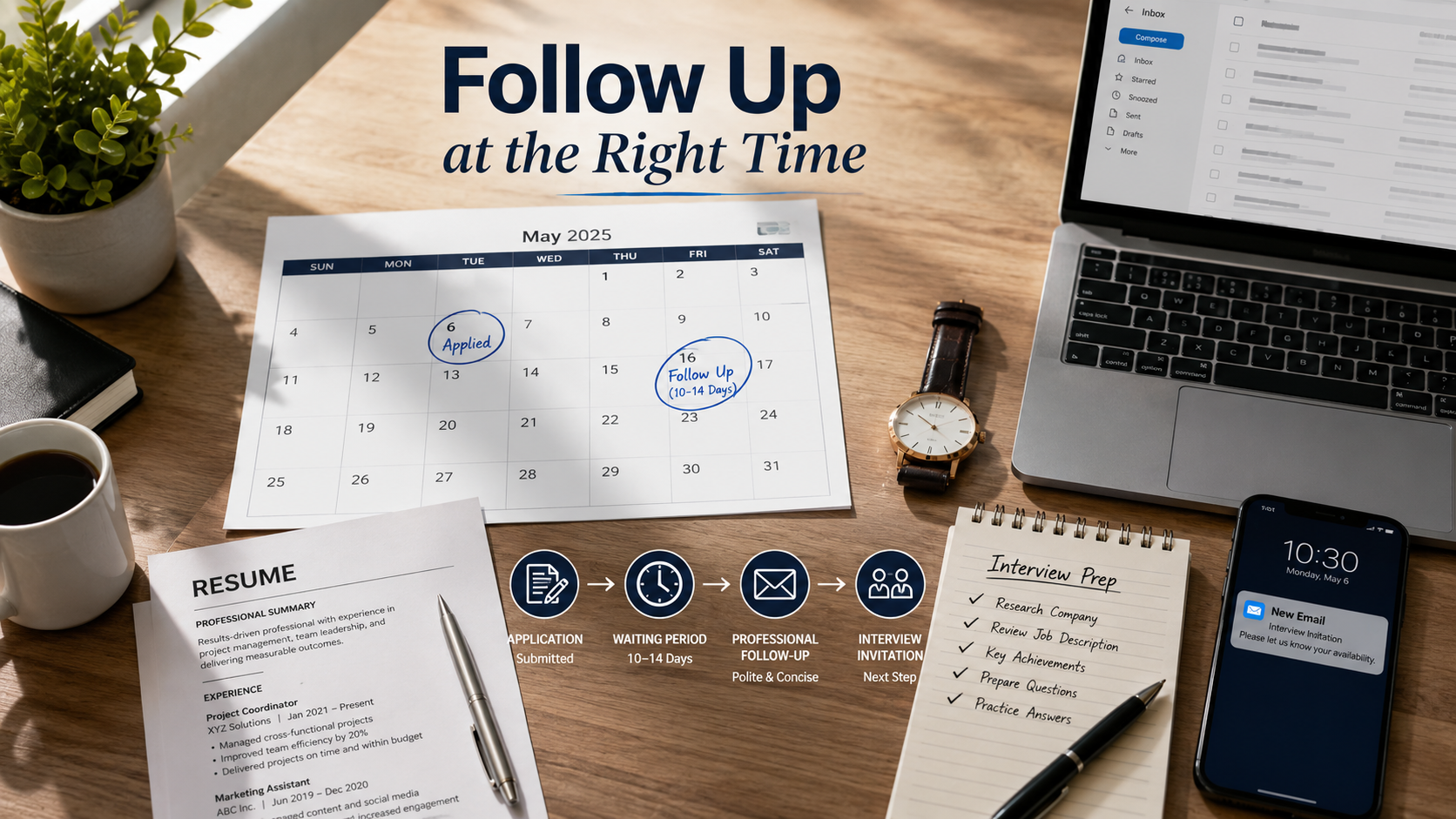

Why You Should Send a Job Application Check-In
Many job seekers hesitate to reach out to employers. They harbor a deep fear of annoying the recruiter. Others worry about appearing overly desperate for employment. However, a polite and structured inquiry serves as a powerful differentiator. It can instantly elevate your professional profile. Most modern corporations utilize automated applicant tracking systems (ATS). These platforms handle hundreds of resumes daily. Unfortunately, human eyes might miss your qualifications entirely due to arbitrary keyword algorithms.
When you take the initiative to reach out, you change the game. You effectively encourage a manual, human review of your application materials. Moreover, this proactive step highlights your soft skills in a real-world scenario. It proves to the hiring team that you are resourceful and highly organized. It shows you are genuinely interested in their specific company culture. You are not just blasting your resume to every open listing on the internet. Employers want to hire people who specifically want to work for them. A targeted message demonstrates that precise intentionality.
Tracking Your Submission Timeline: How to Follow Up After Applying for a Job
Timing is absolutely everything when you decide to follow up after applying for a job. If you reach out too soon, you risk seeming impatient. You might also appear disorganized or incapable of respecting internal HR processes. Reaching out too early simply clogs their inbox. It disrupts their established workflows. Conversely, if you wait too long to make contact, the position might already be filled. The hiring committee may have already finalized their interview shortlist, leaving you completely out of the running.
The Standard Waiting Period
As a general rule of thumb, you should wait exactly one to two weeks after submitting your initial application. Do not send your first follow-up message before this window closes. This specific timeframe gives the human resources team or internal recruiters enough time to collect a healthy pool of applications. They can sort through the initial influx and begin their preliminary screening process with ease.
Paying Attention to Job Post Closings
Sometimes, the original job listing explicitly states a firm closing date for submissions. Do not reach out before that calendar date passes under any circumstances. The hiring team will rarely review resumes individually before then. They do not make interviewing decisions until the application window officially closes for everyone. Respecting these explicitly stated boundaries shows that you pay close attention to detail. It proves you can follow corporate guidelines seamlessly from day one.
Locating the Hiring Manager or Recruiter
Your outreach will be significantly more effective if it lands in a direct inbox. Avoid sending it to a generic, unmonitored “jobs@” or “careers@” email address. Finding the correct point of contact requires a bit of digital detective work. However, the payoff is immense. It ensures your message is actually read by a true decision-maker.
-
Utilize LinkedIn Search: Navigate to the company’s official page and look through their employee directory. Filter your search using titles like “Technical Recruiter,” “Talent Acquisition Specialist,” “HR Manager,” or the specific director of the department.
-
Check the Job Description Carefully: Look closely at the text. Hidden in plain sight at the bottom of the listing, the posting often states a title. It will reveal the individual this role reports to, giving you a direct name to search for.
-
Examine Company About Pages: Smaller startups and boutique agencies often list their entire team online with photos and bios. This makes it incredibly easy to deduce exactly who handles hiring for your specific department.
Writing a Professional Application Follow-Up Email
When writing your message, keep it brief and highly professional. Focus entirely on the unique value you can bring to the table. Recruiters are incredibly busy individuals. They manage multiple open roles simultaneously. Because of this, your email should take them less than thirty seconds to completely read and comprehend.
Key Elements to Include
-
Clear Subject Line: State the job title and your full name clearly (e.g., Application Follow-Up: [Your Name] – [Job Title]).
-
The Hook: Remind them exactly when you applied and for which specific location or department.
-
The Value Proposition: Briefly reiterate one or two core strengths or recent achievements that make you a perfect fit for the role.
-
The Call to Action: Politely ask about the next steps in their hiring timeline.
Sample Email Template
Subject: Application Follow-Up: Jane Doe – Marketing Coordinator Role
Dear [Recruiter Name],
I hope this email finds you well and that you are having a productive week. I submitted my formal application for the Marketing Coordinator position two weeks ago, and I wanted to enthusiastically reiterate my interest in joining your team.
Given my three years of experience managing successful digital campaigns and driving brand engagement, I am confident I can help scale your upcoming Q4 initiatives seamlessly. I have attached my resume here for your convenience.
Could you please provide a brief update on your hiring timeline for this position? Thank you for your time and consideration.
Best regards,
Jane Doe
Choosing Communication Channels: LinkedIn vs. Email
Traditional email remains the most formal channel for corporate communication. It is universally preferred. However, LinkedIn has emerged as an excellent alternative. It works perfectly if you cannot find a direct email address. Both platforms require a slightly different approach to ensure you maintain professionalism.
When using LinkedIn, you must keep your message significantly shorter. Make it more conversational than a traditional email. Do not send a massive wall of text. Instead, send a personalized connection request with a brief note attached to it. Focus heavily on professional networking and mutual connections. Do not demand an immediate update on your interview status. A simple, polite message expressing admiration for their recent company growth works beautifully. It opens the door for a natural conversation about open roles.
Best Practices to Follow Up After Applying for a Job Successfully
To achieve the best results, you must streamline your strategy. Knowing exactly how to follow up after applying for a job requires precision. Your outreach should be tailored to the organization. Always match the tone of the company culture. If you apply to a creative agency, your note can have more personality. If you apply to a financial institution, stick to strict corporate formality.
Furthermore, keep meticulous records of your outreach. Create a spreadsheet to track application dates, contact names, and the dates of your follow-up messages. This high level of organization prevents you from messaging the same recruiter too frequently. It also ensures you never miss a critical window to check in on a high-priority role.
Managing the Silence: What to Do If You Hear Nothing Back
Silence can be incredibly frustrating and disheartening. However, it is an inevitable and common part of the modern job search landscape. Every professional experiences it. Handling rejection or silence with grace is a true testament to your professionalism. It also showcases your emotional intelligence.
Suppose a full business week passes after you attempt to follow up after applying for a job. You still receive absolutely no response. In this case, it is acceptable to send one final check-in. Keep this second message incredibly brief. Simply state that you are following up on your previous note. Reiterate that you remain highly interested in the company. If that second message also goes completely unanswered, it is time to move on. Focus your valuable energy on other opportunities. Continual messaging will only damage your professional reputation and blackball you from future openings.
FAQs
How long should I wait to follow up after applying for a job?
You should typically wait between 10 to 14 days after submitting your initial application before sending a follow-up message. This timeframe respects the recruiter’s internal schedule while ensuring your application remains highly relevant. If the job posting includes a specific closing date, always wait until after that date has passed before reaching out to the company, as they rarely look at resumes beforehand. Giving them this two-week buffer shows that you understand corporate workflows and are giving them ample time to process the influx of candidates professionally.
Is it professional to follow up on a job application over the phone?
Generally, email or LinkedIn is vastly preferred over a direct phone call in the modern hiring landscape. Phone calls can severely disrupt a recruiter’s busy workday, interrupt important meetings, and put them on the spot unexpectedly without their applicant tracking database open. Writing a concise digital message allows the hiring manager to review your resume at a time that suits them best, creating a much better and less intrusive first impression. Stick to written communication channels unless the original job posting explicitly invites candidates to call their office directly.
What should the subject line of a follow-up email look like?
Your subject line must be incredibly clear, concise, and professional to avoid being ignored or marked as spam. It should immediately tell the reader exactly who you are and why you are writing to them before they even open the email. A great, proven formula to use for success is: Application Follow-Up: [Your Full Name] – [Job Title Group/ID Number]. This ensures the recruiter can categorize your email instantly, find your application file within their software, and provide you with a swift and accurate update on your status.
Should I attach my resume again when I follow up?
Yes, it is highly recommended to re-attach your resume as a clean PDF file to your follow-up email. Doing this simple task saves the recruiter the hassle of logging into their applicant tracking system or searching through older emails to find your original paperwork. Making things as easy as possible for the hiring manager significantly increases the likelihood of receiving a quick, positive response. It shows foresight and a helpful attitude, which are excellent traits to demonstrate before you even land an interview with the team.
Can I follow up if the job posting explicitly says “No phone calls or emails”?
No, you should never attempt to follow up if the job description explicitly asks candidates not to contact the company directly. Disregarding this specific rule demonstrates an inability to follow basic instructions and a lack of respect for company boundaries. In these cases, you must trust their internal review process and allow your resume to speak for itself within their system. Focus your proactive energy on other job applications where companies welcome candidate outreach and value the extra initiative you show.
Conclusion
Mastering the exact method of how to follow up after applying for a job is a vital professional skill. It can dramatically alter the trajectory of your entire career. It successfully transforms you from an anonymous, easily forgotten name into an active candidate. You become a highly motivated professional who stands out from the crowd. Taking this extra step shows employers that you possess the drive. It proves you have the communication skills and determination necessary to excel in a modern workplace environment.
Always remember to keep your written communication concise and incredibly polite. Center it completely on how your specific skills can solve the employer’s current business problems. Always respect their internal corporate timelines. If you do not receive a response after two polite attempts, maintain your professionalism. Leave the door open for future opportunities. Finally, channel your valuable energy into your next big application. Consistency, resilience, and patience will eventually yield the right career breakthrough for you. If you’re also exploring alternative career paths with strong earning potential, check out our guide to the highest-paying blue-collar jobs to discover in-demand opportunities across skilled trades.