All posts by Anish

Personal Perspective of Religion through the Social Psychology

Religion, as a deeply personal and subjective experience, has garnered significant attention from social psychologists seeking to unravel its complexities. In their revised edition of “A Social-Psychological Perspective,” Batson, Schoenrade, and Ventis employ social psychology methods to explore the personal perspective of religious experience. By adopting a scientific approach, they aim to describe, analyse, and understand religion in a manner that transcends institutional boundaries.

Despite its importance in the development of communities and cross-cultural interactions, psychology texts mostly ignore religion. Globally, the patterns in modern religion are evolving quickly. For instance, fewer people are practising conventional religions; atheism and secular beliefs are growing more prevalent and respectable. Acts of terror are frequently thought to have religious undertones. The article concludes with suggestions for measuring this complicated variable and a discussion of the difficulties facing this field going forward.


Sources of Personal Religion

  • Social Sources of Personal Religion

(Photo from iStock)

One of the fundamental aspects of personal religion is its social foundation. Human beings are inherently social creatures, and our beliefs and values are often shaped by the society we inhabit. Batson et al. delve into the social sources of personal religion, examining how cultural, familial, and community influences contribute to the development of individual religious beliefs. By understanding the social roots of personal religion, we gain insights into the diverse ways in which religious experiences manifest.

  • Individual Development and Personal Religion

(Photo from iStock)

Another crucial factor in the formation of personal religion is individual development. As individuals grow and navigate their lives, their religious beliefs and practices evolve. Batson et al. explore the intricate relationship between personal development and religious experience, shedding light on how personal growth and transformation intersect with an individual’s religious journey. Especially, by examining the interplay between individual development and personal religion, we gain a deeper understanding of the dynamic nature of religious experiences.

Nature of Personal Religion

  • Religious Experience and Personal Transformation

(Photo from iStock)

Religious experiences have the power to profoundly transform individuals, and this aspect of personal religion is a central focus of Batson et al.’s work. They delve into the various types of religious experiences individuals may encounter, ranging from moments of transcendence to encounters with the divine. By examining the transformative power of religious experiences, we gain insight into the profound impact religion can have on an individual’s sense of self and purpose.

  • Facilitators of Religious Experience

(Photo from iStock)

Music and language have long been recognized as powerful tools that facilitate religious experiences. Batson et al. dedicate a section of their book to exploring the role of music and language in enhancing religious experiences. By examining the ways in which music and language are intertwined with religious practices. Despite, we gain a deeper understanding of how these cultural elements contribute to the richness of personal religious experiences.

  • Dimensions of Personal Religion

(Photo from iStock)

To comprehensively analyse personal religion, Batson et al. present their three-dimensional model for assessing personal religion. This model considers personal religion as a means, an end, and a quest, providing a holistic framework for understanding the multifaceted nature of religious experiences. Since, exploring the dimensions of personal religion, we gain insights into the various motivations and aspirations that drive individuals in their religious pursuits.

Consequences of Personal Religion

  • Personal Freedom or Bandage?

(Photo from iStock)

The concept of personal freedom is often intertwined with religious experiences. Batson et al. explore the relationship between personal religion and individual freedom, delving into how personal religious beliefs and practices can either liberate individuals or serve as constraints. Altogether, by understanding the potential for personal freedom or bandage within religious experiences. Correspondingly,  gain a nuanced perspective on the impact of religion on individual autonomy.

  • Mental Health or Sickness

(Photo from iStock)

The connection between personal religion and mental health has been a subject of considerable debate. Batson et al. present a comprehensive analysis of the relationship between personal religion and mental well-being. Considering both the positive and negative implications. Specifically, by examining the evidence, we gain insights into the complex interplay between personal religion and psychological well-being.

  • Brothers-and-Sisters or Sheep-and-Goats

(Photo from iStock)

Religion has the power to shape social dynamics, either fostering a sense of unity or perpetuating divisions. Batson et al. explore how personal religion influences individuals’ perceptions of others. Furthermore, examining the potential for religious beliefs to promote inclusivity or exclusivity. By understanding the social consequences of personal religion. We gain valuable insights into the role of religion in shaping interpersonal relationships.

  • Concern for Others or Self-Concern

(Photo from iStock)

One of the central tenets of many religious traditions is the emphasis on concern and care for others. Batson et al. delve into the relationship between personal religion and altruism. Further, exploring how religious beliefs and practices influence individuals’ propensity to prioritize the well-being of others over self-concern. By examining the impact of personal religion on concern for others. We gain insights into the moral dimensions of religious experiences and social psychology.

Implications

  • Is Religion on Our Side?

In the concluding chapter, Batson et al. address the implications of their research and analysis. They delve into the question of whether religion is on the side of progress. Examining the potential contributions and drawbacks of personal religion in contemporary society. Moreover, by critically evaluating the implications of personal religion. We gain a deeper understanding of its role in shaping individuals and communities.

In conclusion, a social-psychological perspective on religious experience offers valuable insights into the personal dimension of religion. By exploring the social sources, nature, consequences, and implications of personal religion. We gain a comprehensive understanding of this complex and deeply personal aspect of human experience. Evidently,  Batson et al.’s work serves as a thought-provoking exploration of the intersection between social psychology and religion. Challenging and enlightening students of social psychology, sociology, and religious studies. This article helps a better understanding of religion from perspective of social psychology.


Reference:

ResearchGate

Want to know about creation of the world, click on the link below:

How Can Religion Be Created? Exploring the Origins and Evolution

White Water Rafting: Guide for a Safe Adventure 

White Water Rafting: Guide for a Safe Adventure

White water rafting can be the ideal pastime for you if you’re searching for an exhilarating pastime that incorporates rivers and the outdoors. It is an excellent group activity for older kids and adults.

It involves utilizing an inflatable raft to travel through harsh seas. At lower difficulty levels, white water rafting is actually rather safe, despite its daunting initial reputation. You can enjoy this outdoor sport in safety if you prepare yourself with rafting expertise, pay attention to your guide, and carefully plan your trip.

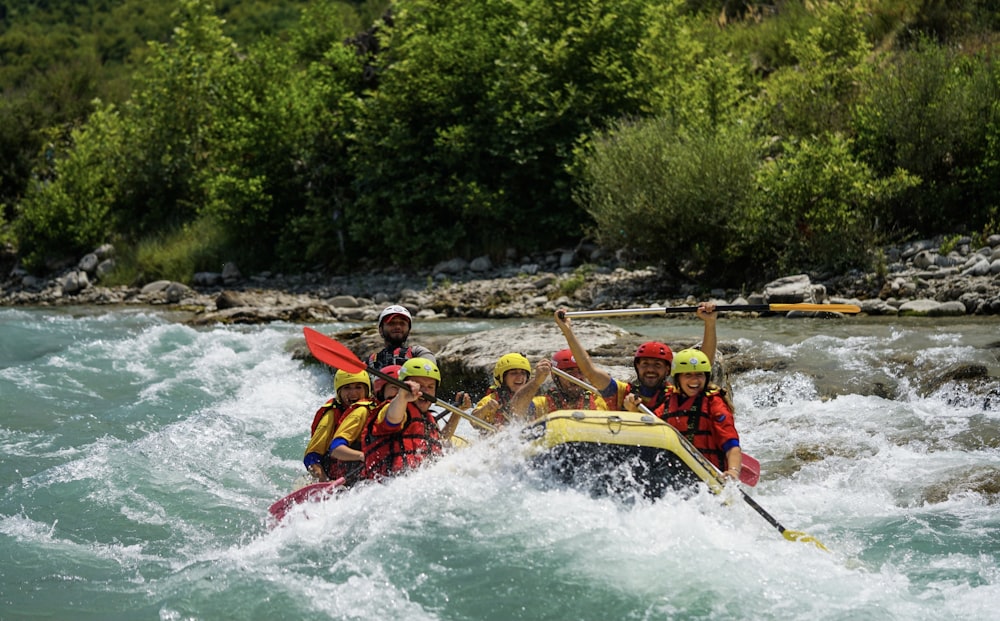
Sitting on outer rim of raft: white water rafting

Image via Unsplash.com

Although your first instinct might be to sit inside the raft, doing so will actually make you more likely to be flung overboard. Rather, take a seat on the outside edge of the raft and place your feet inside using the foot cones or cross tubes. Place your foot closest to the inside of the raft under any foot cones if your raft has them. You can put one foot under the cross tubes on your raft, also known as a thwart, if they are there to help stabilize you. For stability, place your other foot under the outer tube.

You can reduce your risk of being thrown overboard by sitting in the middle.

Correct hand position: white water rafting

If you hold the paddle incorrectly while your raft is moving downstream, it could endanger the safety of people nearby. Ensure that one hand is securely gripping the paddle’s shaft and the other is covering the “T” grip at the end.

If the “T” grip escapes your hand, it could hurt other rowers’ bodies and faces.

Try alternating between the two hands to find the most comfortable position for you.

Learn pedaling

Image via Unsplash.com

You’ll become tired of using your arms alone very quickly. Lean into the stroke as you paddle and use your entire weight to lean back, rather than relying just on your arms. You can control your raft more effectively if you paddle in unison with several people. When you execute a backstroke, you should also lean into the stroke. Lean forward, drag your paddle backward, and use your leg as an anchor to execute a backstroke.

To keep your raft stable as you go down the rapids, paddle aggressively.

Those in the raft ought to make an effort to paddle in unison with those at the front.

Bracing over the bump: white water rafting

A knowledgeable white water rafter or instructor will frequently shout “bump” as your raft is about to pass over a rock or other rough surface. In this situation, you should lean in towards the center of the raft and remove your paddle from the water.

As you cross the rocky area, keep your grip on your paddle by placing it in the “T” grip on the ground.

Safety equipment

Image via Unsplash.com

A helmet, a personal flotation device, the appropriate size paddles, a throw bag or rope, and a first aid pack are necessities when riding the rapids. Obtaining these necessities is advised by most guides and instructors and can help ensure your safety during your expedition.

Listen to your guide

You will probably have an instructor if this is your first time white water rafting, who can provide you with the basic safety instructions. More significantly, as your raft is down the rapids, they will probably call out directions and determine the pace. Try not to panic if the going gets rough and adhere to the raft instructor’s instructions exactly as they are laid out.

Frequently, the instructor will gesture in the direction they want the raft to go. We refer to this as “positive pointing.”

Avoid rafting in the dark alone: white water rafting

Rafting should never be done in the dark or by yourself since it might be quite dangerous. Experienced rafters can assist you and answer your questions if this is your first time white water rafting. White water rafting in the dark is extremely risky. Since you cannot see potential obstacles, such as distant rocks, or where someone may end up if they are tossed overboard.

Do not panic

Image via Unsplash.com

Shock and panic are your body’s first reactions when you’re flung overboard from your raft and find yourself submerged in frigid water. This can make it more difficult to climb back into your raft. Since it throws off your breathing pattern and impairs your judgement. Try to reach the water’s surface while remaining calm. After you’ve done that, you’ll be in a better position to decide how to proceed and avoid danger.

In order to focus on the task at hand rather than the fact that you were tossed overboard, try to control your breathing.

Moving towards the raft: white water rafting

As soon as you are able to breathe and reach the water’s surface. Take a moment to collect yourself and locate the raft. If you are tossed overboard, it’s common to land right next to the raft. You can try to convince someone else to pull you closer to the boat if you are farther away from the raft by extending your paddle towards it.

Make sure you give the person pulling you in the “T” grip when you extend your paddle.

Grab onto the safety line

Image via Pexels.com

To stabilize yourself, hold onto the line that is fastened to the raft’s edge. Give your paddle to someone inside the raft if you still have it so you can use both hands to grip onto it. Await being pulled in by someone by hanging onto the raft’s side.

Planning a budgeted trip: white water rafting

Reduce the number of vacations you are considering and pick one that you can afford. Visit their website to find out when white water rafting is offered. Furthermore, you should confirm that it works with your timetable. It’s wise to set aside a whole day for white water rafting. As it might take anywhere from three to six hours.

A one-day guided white water rafting trip typically costs between $25 to $115 per person.

USEFUL LINKS:

Click here to know more tips on White Water Rafting 
Improve Your Stroke in Swimming 


Abseiling: Rock-Climbing Tips to Start With

Abseiling: Rock-Climbing Tips to Start With

Climbing natural or artificial rock structures, such as walls, is the sport of abseiling. It puts a climber’s strength, endurance, agility, and balance to the test and is psychologically and physically taxing. In spite of this, anyone can begin rock climbing regardless of prior experience.

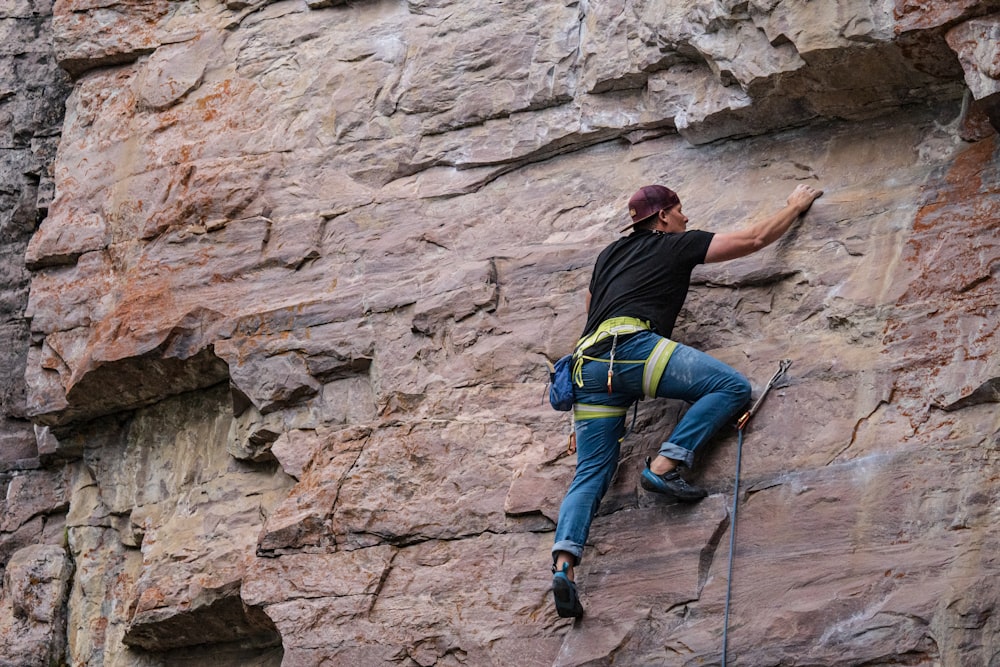
Visit a Bouldering gym: abseiling tips

Image via Unsplash.com

Visit a rock or bouldering gym to acquire fundamental skills and safety in a safe manner. You can boulder outside as well, but before you step onto a rock, you should research safe, well-known bouldering locations. Furthermore, outdoor locations are typically more challenging, requiring guidance and a greater understanding of rock formations. Rock gyms are well-designed, secure areas that cater to a range of skill levels. They frequently offer personnel and classes to aid in learning.

Bouldering routes are quick rock-climbing challenges without the need for ropes or harnesses. They’re an excellent method to develop your climbing abilities safely without having to learn complicated belaying or equipment techniques. Certain limitations associated with roped climbing are circumvented because these challenges don’t require ropes. Bouldering routes are enjoyable and an excellent method to learn to climb, but they don’t offer the same level of safety as roped routes.

Snug shoes and chalk bag: abseiling tips

Snug shoes are essential for rock climbing in order to feel the precise edges of the rock. Since the toes are frequently pointed to help you stay on little chips and edges, they could feel awkward at first, but you’ll get used to them quickly. Just watch out that they don’t stop the flow of blood.

Wearing shoes, a size smaller than your typical shoe size is usual. Though they are not required, chalk bags are meant to keep your hands dry, which is important for gripping the rock as you become tired. To lightly dust your hands with chalk, just dip your fingers into the material and clap them together.

Climb to the top of ball

Image via Unsplash.com

Routes, or distinct groups of rocks that you must follow to reach the top, are typically used to identify walls. Even if these are more difficult and enjoyable for specialists, you must first become accustomed to the height, the grips, and the whole experience of climbing. Ignore the tape marks and focus on your form fundamentals as you make your way up the wall. When you feel confident enough to climb, you can begin taking on some beginner routes.

For top-roping, start by looking for routes with the good beginner ratings of 5.4 or 5.5, or for bouldering, V0 or V1. Fontainebleau grades are widely used in Europe. These grades begin at 2a and increase by one number for every “c” grade.)

Pushing your legs: abseiling tips

The most important and challenging rule for excellent climbing is this one. Your fingers feel more securely latched onto the holds, so it feels natural to move your body up the wall. However, your legs are made of considerably stronger muscle, thus attempting ten pull-ups in a row will wear you out halfway up the wall. Here are a few tried-and-true methods to help you become used to using your legs:

Hold out your arms. Lean your knees for strength and let your weight hang low while holding onto the handholds alone for balance.

Planning your moves and position

Image via Unsplash.com

You don’t have to transform into Mr. Fantastic to grasp a handhold if you’re having trouble reaching it with your left hand. To extend your left side and facilitate the reach, you must raise your left foot. Gaining momentum up a wall by force is not a good strategy for climbing, which is a deliberate and thoughtful activity. Take a moment to consider the best path up a route or consult with more seasoned climbers.

It’s never too early to start honing the crucial ability of reading a route from the ground up, which involves anticipating where your hands and feet will go.

You’ll get more exhausted the longer you clutch the wall, not knowing where to go.

Resting points to relax: abseiling tips

There are one or two places along most routes where you can take a breather and relax your muscles. Anywhere you can stand comfortably and support the majority of your weight on your feet is a wonderful place to relax. To obtain chalk and stretch, you should be able to remove one arm off the wall without discomfort. While you’re sleeping, make plans for your future steps. Make a mental note of the footholds that are approaching and decide which limb to use. Seek guidance from someone at the bottom if necessary.

Chalk your hands again. On rocks, chalk wears off, so grab some extra.

Moving up the wall

Image via Unsplash.com

These are sophisticated moves for later in your career that call for quick reflexes, quick speed, and even tiny leaps (called “dynos”). Right now, you should concentrate on fluid mobility. Moving your body after concentrating on each limb is the optimal method for achieving this. Often referred to as “static climbing technique,” you shift your body into the new position after moving each limb to get set. Imagine yourself climbing the wall like a slinky, coiling and uncoiling.

Building climbing muscles: abseiling tips

The fact that novice climbers become weak after just one or two runs is one of their largest obstacles. You won’t feel like you can even hold on to the wall because your forearms and fingers will be blistering and aching. But this makes sense—you don’t normally use your forearms to this extent in daily life. But you’ll rapidly get over this hump and be able to concentrate on your climbing technique rather than how sore your arms are if you climb a few routes two or three times a week.

Learning to tie and belay

Image via Unsplash.com

Although belaying is not a tough procedure, it is necessary if you take climbing seriously. To belay someone, you must typically pass a supervised test at most climbing gyms. Typically, they provide short, free courses in addition to classes. Always get belaying practice from a qualified professional. Regardless of your level of experience, you should know how to tie into your rope even if belaying requires in-person instruction.

USEFUL LINKS:

See more tips on rock-climbing 
Improve Your Jump Shot in Basketball

Cultural Specifics of Religions: A Multifaceted Exploration

Religion has always played a fundamental role in shaping the cultural fabric of societies across the world. It serves as a guiding force for individuals, influencing their beliefs, values, customs, and practices. The interplay between religion and culture is intricate, with each influencing and enriching the other. Basically, this article delves into the cultural specifics of various religions, highlighting how these unique aspects contribute to the diversity of human civilization.

  • Hinduism: The Celebration of Diversity

(Photo from iStock)

Hinduism, one of the world’s oldest religions, reflects a profound cultural diversity. It has no single founder, central religious authority, or universally accepted doctrines. Instead, it encompasses a plethora of beliefs, rituals, and customs that differ from region to region and even from one household to another. The cultural specifics of Hinduism reveal the multifaceted nature of the religion.

One striking aspect of Hindu culture is the reverence for nature. Hindus worship a myriad of deities representing various elements of the natural world, such as the sun, moon, and rivers. This cultural affinity with nature is evident in festivals like Holi, where people celebrate the arrival of spring by throwing coloured powders and water, and in Diwali, the festival of lights, symbolizing the victory of light over darkness.

  • Islam: Unity in Diversity

(Photo from iStock)

Islam, one of the world’s major religions, unites its followers through a common set of religious principles and practices. However, it’s important to recognize that the cultural expressions of Islam vary widely across different regions, reflecting local traditions and historical influences.

The call to prayer, or Adhan, is a quintessential cultural specific of Islam that resonates around the world. Five times a day, the Adhan is broadcast from mosques, marking the times for daily prayers.  Especially, the soothing sound of the muezzin’s call is not only a religious duty but also an integral part of the Islamic culture, creating a sense of unity and shared identity among Muslims.

  • Christianity: Sacred Art and Architecture

(Photo from iStock)

Christianity, with its roots in the life and teachings of Jesus Christ, has left an indelible mark on world culture. Besides, one of the most prominent cultural specifics of Christianity is its rich tradition of sacred art and architecture. Christian churches, cathedrals, and religious artwork have influenced and inspired countless artists and architects over the centuries.

The architectural marvel of the Gothic cathedrals, such as Notre-Dame in Paris or the Milan Cathedral, showcases the height of Christian art and culture. These magnificent structures, with their towering spires and intricate stained glass windows. Specifically,  serve as a testament to the devotion of the faithful and the artistic achievements of their time.

  • Buddhism: The Pursuit of Inner Peace

(Photo from iStock)

Buddhism, founded by Siddhartha Gautama (Buddha), is characterized by its emphasis on the pursuit of inner peace and enlightenment. The cultural specifics of Buddhism revolve around meditation, mindfulness, and the quest for personal transformation.

Buddhist temples and monasteries, often situated in serene natural settings, are places where individuals can seek solace and engage in meditation. The architecture and design of these religious sites reflect the culture of simplicity and tranquillity. Certainly,  encouraging practitioners to focus on their inner selves.

  • Judaism: A Tapestry of Traditions

(Photo from iStock)

Judaism, the oldest monotheistic religion, is characterized by its rich tapestry of traditions and cultural specifics. Central to Jewish culture is the Sabbath, a day of rest and worship that begins at sunset on Friday and ends on Saturday evening. The Sabbath is a time for family gatherings, communal prayer, and the lighting of candles to welcome the day of rest. Furthermore, the traditional Jewish meal, the Shabbat dinner, includes rituals and blessings that have been passed down through generations, emphasizing the importance of family and community.

The Passover Seder, a significant cultural specific of Judaism, is a ritual meal that commemorates the liberation of the Israelites from slavery in Egypt. The Seder plate, with its symbolic foods and the retelling of the Exodus story, serves as a reminder of Jewish history and identity.

  • Sikhism: The Sikh Way of Life

(Photo from iStock)

Sikhism, a relatively young religion founded in the 15th century by Guru Nanak Dev Ji, combines spiritual teachings with a distinctive way of life. The cultural specifics of Sikhism emphasize equality, community service, and a commitment to ethical living.

The Golden Temple in Amritsar, India, is one of the most iconic cultural symbols of Sikhism. Further, this stunning place of worship is known for its golden façade, open to people of all backgrounds and faiths. It embodies the Sikh principle of equality and hospitality, where all are welcome to partake in a communal meal, or Langar, regardless of their social or economic status.

  • Confucianism: Moral Values and Family

(Photo from iStock)

Confucianism, which originated in ancient China. It is a philosophical and ethical system that has had a profound impact on Chinese culture and beyond. The cultural specifics of Confucianism revolve around moral values, filial piety, and the importance of family.

The Confucian concept of Ren, often translated as “benevolence” or “humaneness”. Emphasizes the importance of treating others with kindness and compassion. This virtue is deeply ingrained in Chinese culture and societal interactions.

  • Jainism: Non-Violence and Asceticism

(Photo from iStock)

The cultural specifics of Jainism reflect a profound respect for all living beings. And a commitment to living a life of simplicity.

The reverence for life extends to the temple’s sanctuaries. Altogether,  where people go to meditate and offer prayers.

The Jain festival of Paryushana is a cultural event that focuses on self-reflection and spiritual growth. During this period, Jains engage in fasting, prayer. And self-discipline, reaffirming their commitment to non-violence and self-purification.

Conclusion

Religion is a multifaceted and integral part of human culture, influencing values, traditions. And practices that vary widely across the world. Each religion has its unique cultural specifics, contributing to the rich tapestry of human civilization. From the diverse customs of Hinduism to the moral values of Confucianism.  Evidently, the cultural aspects of these religions offer insights into the beliefs and practices that shape our global cultural landscape. Moreover, the understanding and respecting these cultural specifics can foster greater appreciation. For the diversity of religious traditions and promote intercultural understanding and harmony.

Reference:

Springer Link

Want to know about creation of the world, click on the link below:

How Can Religion Be Created? Exploring the Origins and Evolution


Mountain climbing: Small Steps to Reach Heights 

Mountain climbing: Small Steps to Reach Heights

Until you’ve seen the sun from the summit of a mountain, you haven’t truly lived! When you reach the summit, you get an amazing sense of accomplishment. It is not an issue if you are a novice mountain climber. Contrary to popular belief, it’s really simple to enter into.

In little time at all, you’ll be climbing a mountaintop with the appropriate equipment and strategy. We’ve created a helpful list that you can utilize to reach the top in order to assist you in doing so.

Starting from the start: mountain climbing

Image via Unsplash.com

Seek out and enroll in any introductory courses that are offered in your region. If none are available, try searching online for virtual classes. They will provide you with some of the basic equipment and information required for a safe and effective mountain climb.

A course can also help you master the many various phrases and lingo used in mountaineering.

You can take crash courses in mountain climbing offered by the American Alpine Club at several locations across the United States.

Meet other climbers: mountain climbing

Beginners are very welcome at many clubs and regional chapters of national organizations like the American Alpine Club. To find out how to join a club in your region, search online for one. Attend meetings and group events to connect with other climbers who can offer advice and guidance when you’re getting started.

Additionally, you can search for online communities that you can join to communicate with other climbers on platforms like social media.

Work out months before

Image via Unsplash.com

Because mountain climbing requires a lot of physical exertion, increasing your strength and conditioning is an excellent method to get ready for a climb. Start your training at least a year in advance if you haven’t worked out in a long time. It might just take three to six months of training if you’re already quite active. Aim for both strength and aerobic capability, and use exercises specifically designed for climbing to replicate the types of motions you’ll encounter on the mountain.

Try running, cycling, or high-intensity interval training (HIIT) as aerobic activities. Strengthening yourself with weightlifting is a terrific idea, but if you’re not competent, train with an experienced partner to avoid injury.

Simulate mountain climbing

Put on a rucksack that is filled with weights or equipment. To improve your physical fitness and climbing muscles and to better prepare yourself for mountaineering, walk uphill while wearing a pack. To improve your alpine climbing skills, try hiking through the snow if you live somewhere with a lot of snowfall.

Find some hiking routes that you can explore in your neighborhood. It’s a fantastic way to take in the scenery while getting ready for your mountain climbing excursion.

To shake things up, incorporate hiking with a weighted pack into your overall training regimen.

Carry all the necessities while climbing mountain

Image via Unsplash.com

Look into a local mountaineering supplies store. To discover a pair of hiking boots or shoes you like, try on a few different pairs. Make sure you have a harness that fits you perfectly if you intend to climb parts of a mountain. To utilize them, you’ll also need some strong climbing ropes. Crampons are spikes that connect to your boots to increase their grip in snowy circumstances. You should also buy an ice axe.

Verify that the boots are a comfortable fit! You don’t want your feet to feel squeezed or constricted because you’ll be wearing shoes for a long period.

A waterproof membrane, synthetic material, or leather can be used to make hiking boots and shoes. While synthetic materials are lighter but may degrade more quickly, leather is more resilient and can be heavier; waterproof membranes are made to withstand water. Select the material that best meets your requirements.

Utilize rope that is graded and intended for climbing mountains. When things count most, you want to be able to rely on it.

Check route difficulty rating

The National Climbing Classification System (NCCS) and the Yosemite Decimal System (YDS) are the two primary classification systems used in North America. A “class” system is used by the YDS, with Class 1 being the easiest and Class 5 being the most challenging. The NCCS employs a “grade” system and bases it on the anticipated length of a climb. While Grade VII is the hardest and requires scaling massive alpine walls, Grade I is the easiest and should take less than half a day to complete. Select a route based on the level of experience you have.

For example, if mountain climbing is new to you, stick to Class 1 or Grade I route.

Areas with special permission

Image via Unsplash.com

To find out what licenses and costs are necessary, get in touch with the park ranger’s office or visit their website. To enable you to concentrate on climbing when you get to the mountain, make sure you pay the price and obtain the permit beforehand.

Most parks take online payments.

Save your receipt in case you ever need to prove to someone that you were the recipient of the needed payment.

Camping at mountain

Contact the park ranger’s office or check their website to see what fees and licenses are required. Make sure you pay the fee and get the permit in advance so that you can focus on climbing when you arrive at the peak.

Most parks accept payments online.

Keep your receipt handy in case you ever need to provide evidence to someone that you received the required payment.

Learn as much as you can

Image via Pexels.com

If you can, ask to climb with other, more seasoned climbers. They may help you make sure you’re doing things correctly, respond to inquiries, and offer advice on how to get better at climbing. Benefit from their expertise! Observe their actions, probe with inquiries, and take in as much information as you can.

Ask an experienced climber why they seem to be moving more slowly than you anticipate, for example. They might be taking it slow to conserve energy.

USEFUL LINKS:

Check out more information on mountain climbing 
Increase Your Power in Surfing with these tips 

Motor Racing: Right Way To Fulfill Your Passion

Motor Racing: Right Way To Fulfill Your Passion

If you’ve ever dreamed of motor racing cars, it’s possible that fast cars make your heart race. Even though a lot of people begin racing at an early age, you can still start when you’re a little older.

Nevertheless, before you compete in a race, you must master driving and maintain good physical health.

Try go-kart driving for motor racing

Image via Unsplash.com

Go-kart tracks are where many race car drivers learn the fundamentals of driving, despite the fact that they may seem like kid’s toys.

Even go-kart races, which are essentially miniature versions of race car races, are open to competitors.

In actuality, a lot of elite race car drivers start out as “go-karters”. Sponsors will take attention if you can win races when you’re young, and you might be able to pursue a career as a race car driver.

Qualify for full driving school

You might be able to go into driving school if you improve your kart driving. A few of these schools accept adults as well as teenagers as young as 13 and 14 for their 3-day sessions. They give you a crash course in race car driving fundamentals.

You will learn how to take corners, approach your visual field, brake and accelerate correctly on a racecourse and the fundamentals of passing in driving school.

You should be able to get some notion of when you’re prepared for the track from your instructor. You might require additional time in school if you’re not learning the fundamentals.

Learn seating positions of motor racing

Image via Unsplash.com

Although the majority of novice drivers don’t give it much thought, posture matters. The seat supports you when driving and helps you endure the forces of the vehicle in an accident.

Align your torso with the seat. In other words, avoid bending or twisting in any direction. Ensure that your shoulders, head, and legs—as well as the rest of your body—are in contact with the seat.

Make sure your arms are properly positioned in relation to the driving wheel. Your wrists should be resting on top of the wheel as your shoulders are pushed back into the seat. You can make turns with this additional room without having to turn away from your seat.

Learn steering

Put your hands in positions 9 and 3. In other words, if you imagine the steering wheel to be a clock, position your hands between 9:00 and 3:00 to offer yourself the most control over the wheel.

Ascend into the curves. Use the hand away from the turn to push the wheel rather than pulling with it. To add more control, use your other hand.

Pushing instead of pulling allows for smoother steering, which increases speed and gives you greater control over the vehicle.

Basics of shifting for motor racing

Image via Unsplash.com

When shifting, only place your hand on the shifter. You lose 50% of your steering skill if you don’t. Additionally, only use as much force as is necessary when shifting. You will slow down if you are forcing the shifter too much.

Learn to use pedals

The accelerator, brake, clutch, and rest pedals are the four pedals found on most race cars. When applying pressure to the pedal, use the ball of your foot and press it smoothly in one motion.

The rest pedal is on the left, much like in a standard car. You can rest your leg there, away from the clutch.

The rest pedal is to the right of the clutch. On a racecourse, you must heel-toe downshift in order to turn a corner. You use your right hand to downshift and your left foot to apply the clutch as you break into the bend.

The car has been losing speed, so you also need to crank the engine. You place the ball of your right foot back on the brake and use the heel of your right foot to lightly press the accelerator. You shift your right foot to the accelerator as you come out of the corner after fully putting your foot back on the brake and releasing the clutch.

The clutch is on the right side of the brake. First, apply a steady, smooth pressure before applying the brakes. After then, use the brakes until you feel a vibration that indicates they are about to lock. Release the brakes progressively as you slow down to enable you to make a pit stop.

Know how to take corners while racing

Image via Unsplash.com

Drawing the simplest possible path from the input point to the exit point is the best technique to cut corners. The farthest point inside the turn is known as the apex.

Approach the bend on the outside of the track as fast as you can to take the corner. Proceed to the outside of the track after cutting across the inside of the bend.

It is essentially the same as making an arching cut on a piece of paper to remove the corner.

When you are taking a corner, use a reference point. When practicing runs, pick a reference point for the apex and departure, as well as for when to turn. You’ll remain steady if you do this throughout the race.

Finding money

You’ll need money to race because entries to races are expensive. If you’re talented enough, you might be able to get sponsors. If a team sees your potential and pays your entry cost, they may also be eligible to enter alongside you. But, in order to pursue either of those alternatives, you must already have proven yourself as a talented racing car driver.

Local races, however, are far less expensive. At a local racecourse, for example, you might get away with a few hundred bucks a day.

Be ready to train for motor racing

Image via Pexels.com

Just like in any sport, you need to put in a lot of practice. Some drivers work on their skills seven days a week.

In addition to spending several hours on the racecourse, race car drivers practice with simulators. In order to achieve optimal physical condition, you should also anticipate engaging in some physical training, such as swimming, weightlifting, or running.

USEFUL LINKS:

See more useful link about motor racing 
Best Car Rental Companies In India 

Surfing Like a Pro: A guide Like Never Before

Surfing Like a Pro: A guide Like Never Before

Surfing is currently a popular sport practically any place in the world where waves break, despite once being exclusive to Hawaiian nobility. Some people say that learning to ride a wave and get across the lake can change your life.

If you want to learn how to surf, make sure you have the necessary equipment, practice your surfing techniques, and get ready to catch your first waves.

Rent your surfboard: surfing tips

Image via Unsplash.com

If you have never surfed before, do not purchase a surfboard. Rental sites are typically accessible near the shore in surfable beaches, with hourly or daily rental rates that are fairly priced.

Typically, your options will be fiberglass surfboards and soft surfboards, also referred to as “soft tops” or “foam.” Soft surfboards are significantly less expensive and lighter than epoxy or fiberglass models. Soft boards are a fantastic option for novices because of their exceptional buoyancy and durability.

It depends depend on your weight and size which kind of board is best for you to learn on.  The larger the board volume required, the heavier you are.

Try a longboard for surfing

The longest and most traditional kind of surfboard that is readily accessible are longboards, which have a length of 8 to 12 feet (2.4 to 3.7 meters). Longboards are frequently suggested for novices due to their ease of use, even though they’re not quite as adaptable or maneuverable as other types of boards.

A longboard is simpler to balance and paddle into waves if it has more volume. For the majority of learners, this results in more enjoyable experiences.

A funboard is a better option if you’ve tried a longboard and want something a little nimbler. Funboards are hybrid boards that are usually 7–8.5 feet (2.1–2.6 meters) shorter than longboards. Funboards blend some of the agility of a shortboard with the stability and smoothness of a longboard.

Then try a shortboard

Image via Unsplash.com

Shortboards have several fins and a pointed nose. They are shorter than seven feet. Though some elite surfers use longboards as well, shortboards are thought to be the ultimate high-performance board for pros. Mastering a shortboard requires more practice than a longer surfboard.

Fish boards are significantly wider and even shorter than shortboards. The fish board’s compact profile and flat surface make it perfect for riding small waves that other boards can find challenging. For intermediate and experienced surfers, this is an excellent board.

Another more sophisticated board is The Gun. These are expert-level surfboards, made of thin material with extremely narrow noses for surfing the largest waves. It can easily manage fast speeds and steep drops.

Get a wetsuit for surfing

In many locations, having a wetsuit is almost as important to having fun surfing as the board itself. In chilly water, the wetsuit helps keep your body warm and helps stave off chills and hypothermia. Get fitted and buy or rent a wetsuit before heading to the beach if the neighborhood surf shop suggests one. It does depend on your location, though, as wetsuits can limit your range of motion and should only be worn in extremely cold water. If the water is too warm, you risk overheating.

Surfboard wax

Image via Unsplash.com

An essential and reasonably priced product is surfboard wax, which is applied to the top of a surfboard to improve foot grip and balance in the water. Find out from your surf store which kind is suitable for the water temperature where you plan to surf.

Take care not to get any sand in the wax! This can cause stomach pain and makes it extremely abrasive.

Leash for your board: surfing tips

In the water, a leash prevents you and your board from getting separated. You don’t want to be left in the pounding surf without a board if you wipe out. Additionally, you don’t want your board to crash into other surfers or the rocks. Anyone in the water could be seriously hurt by a runaway board, not to mention the financial risk.

Additionally, make sure you have a leash line that attaches your leash to the plug at the board’s tail.

Practice on ground

Image via Unsplash.com

After fastening the leash to both your rear foot and the board’s tail, lay down on the board with your body parallel to the center of the board. To gain an understanding of the muscles you will be using, practice your paddling action with both arms while in this position.

Your back foot is often your right foot if you are right-handed. It is known as the “regular” stance. The “goofy” stance is what you do when you place the leash on your left foot. When in doubt, follow your gut instinct.

When you’re first beginning to surf, don’t just dive in; you’ll rapidly lose patience. Spend some time honing your skills in the sand.

Practice getting up: surfing tips

It takes some getting used to “taking off” (or “popping up”) on the wave and getting to the board. Raise your hands from paddle to place them below your chest, palms down on the board’s flat surface and fingers curled over the surfboard’s sides, while you lie on the board.

Tuck your feet under you and raise your body up with your arms in one swift motion. Put one foot in the spot where your hands came up and the other at least shoulder-width apart behind.

It could be simpler for you to start by rising to your knees and then raise each foot one at a time until you are standing.

Learn to stand on surfboard

Image via Pexels.com

After you lift off, maintain your feet firmly planted on the board, your arms outstretched and loose, your knees bent, and your torso pushed forward to reduce your center of gravity.

You’ll either be a “regular foot” or a “goofy foot” depending on which foot is naturally in front. When you have a regular foot, your left foot leads, whereas a goofy foot indicates your right foot leads.

When they are first starting out, they often take a squat posture. From the bow to the stern of their boards, their feet are widely spaced apart. Although this may feel cozy, it really becomes more difficult to manage

USEFUL LINKS:

Learn more surfing tips here 
Exercise to improve upper body strength  


Wakeboarding Made Easy: Tips to Remember

Wakeboarding Made Easy: Tips to Remember

Wakeboarding is a quick-to-learn, thrilling, and enjoyable water sport. For beginners, this is wonderful news because it means you can quickly get up on your board and begin gliding across the wake.

All you need to do before you start flipping and executing tricks in the air is have the proper equipment and learn a few wakeboarding fundamentals.

Owing a wakeboard

Image via Unsplash.com

Select a wakeboard that is longer than you are; these boards land softly and are easier to handle. Your weight will also determine the board’s size. Your wakeboard should be longer the heavier you are.

For a more comfortable and easier ride, get a board with continuous rocker. If the contour of the object is one continuous curve from tip to tail when viewed from the side, it has a continuous rocker.

Wakeboarding boats

Wakeboarding boots, sometimes referred to as bindings, fit over your feet and fasten onto your wakeboard to keep you stable while you ride. For your first pair of boots, look for something stiffer and less flexible. Keeping your ankles firmly in position will make it easier to steer and maintain balance on the board.

Your wakeboard has tiny holes that your boots will screw into. Before attempting to attach your boots to your board, make sure you follow the directions that came with them. Not all bindings attach to a board in the same way.

Talk to a boat driver before wakeboarding

Image via Unsplash.com

Assure them of your status as a novice and request that they proceed cautiously with you. Never speed with a novice wakeboarder when operating a boat. In order to avoid getting caught in any choppy waves, urge the driver to slow down before turning around to come get you, as you will probably fall multiple times during your first few attempts.

Finalize your stopper: wakeboarding tips

The person on the boat who acts as the spotter when you are wakeboarding is someone other than the driver. When there are boats or other objects nearby, or if they witness you falling while being towed, the spotter is supposed to notify the driver.

Decide your forward foot

In other board sports like snowboarding and surfing, your wakeboarding skills will likely be similar to those of a regular or foolish person. If you’re unsure, consider the foot you often use to kick a ball and position that foot behind you. Your non-dominant foot should be pointed forward. Make sure your left foot should be facing forward on the board if you are a normal footer.

Your right foot should face forward on the board if you have flat feet.

Do drills on land: wakeboarding tips

Image via Unsplash.com

With your feet flat on the ground in front of you, take a seat on the ground with your knees bent. As though you were grasping a tow rope, extend your arms straight ahead, putting your legs in between. Assume that you are being pulled up onto your board by a boat using the tow line, and have someone grasp your hands and bring you to a standing position.

Being able to relax when being hauled up to a standing position is essential for the land drills. Don’t try to resist the pull or get up on your own. Leave all the labor to the person who is hoisting you up.

Try it on water

Slide your feet into your boots and take a seat on the swim platform of the boat. Put your board in the water after you’re strapped in, then carefully glide off the swim platform’s edge until you’re off the boat. The front edge of your board should be in the water as it floats on its side. Stretch your arms out in front of you as though you’re grasping a tow rope handle, and bend your knees until they touch your chest.

Practice drills on water: wakeboarding tips

Image via Unsplash.com

Practice in the water with someone you trained with on land, but with your board strapped into you this time. Ask someone to stand on the boat’s swim platform while you both grasp onto opposing ends of a tow rope. Ask them to use the tow line to bring you as near to the swim platform as they can, then pull you up onto it so you can stand on your board.

Have the person on the swim platform release you back into the water if you tense up or resist the pull. Repeat the drill until you can come to terms with it and allow yourself to be hauled up onto the platform without resistance.

Some useful steps:

  • When the driver tosses the tow rope into the water, grab hold of the handle. While you wait for the driver to maneuver the boat into place, try to relax.
  • Maintain a bent kneeling position and extend your arms in front of you. Your knees ought to be in contact with your chest or very near it. Verify that your body is at ease. The wakeboard’s front edge need to be slightly above the water’s surface and perpendicular to the tow rope.
  • When signaling the driver, the majority of seasoned wakeboarders will raise their hands; but, if you’re a novice, you run the risk of losing your hold if you release the tow rope with just one hand. Instead, when you’re ready to start, raise the tow rope handle into the air while holding onto it with both hands.
  • Like in your practice drills, let yourself to be drawn up onto your board as soon as the boat starts to move ahead and you feel the tow line starting to tug. Remain calm and bend your knees. Take your time getting up. You risk losing your equilibrium if you move too quickly.

Raising gradually

Image via Pexels.com

Keep in mind that the boat is moving faster, therefore you should position yourself to maintain a steady, balanced stance. Don’t lock your knees; instead, keep them slightly bent. You should continue to hold your arms out in front of you. If you are having difficulty standing up onto the board, you might lock your elbows around your knees.

USEFUL LINKS:

Click here to know more tips 
Increase your endurance in swimming 

The Role of Religion in Poetry and Literature

Religion and literature have long been intertwined, with each influencing the other in profound ways. The intersection of these two realms has yielded some of the most enduring and powerful works of art in human history. Throughout the ages, poets and writers have drawn upon their religious beliefs, questioned the nature of divinity, and explored the complex relationships between faith, doubt, and human existence. In this article, we will delve into the role of religion in poetry and literature, exploring the rich tapestry of themes, motifs, and perspectives that religion has offered to writers and poets.

  • Religion as a Source of Inspiration

(Photo from iStock)

Religion has consistently served as a wellspring of inspiration for writers and poets. The sacred texts of various religions contain profound stories, teachings, and wisdom that have motivated countless authors to explore themes of spirituality, morality, and the human condition. These texts, such as the Bible, the Quran, the Bhagavad Gita, and the Tao Te Ching, have provided a rich source of material for literary works.

One of the most famous examples of religious inspiration in literature is John Milton’s epic poem, “Paradise Lost.” Milton drew upon his deep knowledge of Christianity to craft a narrative that explores the Fall of Man and the eternal struggle between good and evil. Through the characters of Adam, Eve, and Satan, Milton delves into complex theological and philosophical themes. Specifically, demonstrating how religious motifs can give rise to profound works of art.

  • Religious Allegory and Symbolism

Religion has also served as a powerful source of allegory and symbolism in literature. Writers often use religious symbols and stories to convey deeper meanings and explore universal truths. Although, these symbols and allegorical elements can be found in works from various cultural and religious traditions.

For instance, in Nathaniel Hawthorne’s “The Scarlet Letter,” the scarlet letter ‘A’ that Hester Prynne is forced to wear serves as a symbol of her sin, reminiscent of the mark of Cain in the Bible. Altogether, the novel grapples with themes of sin, guilt, and redemption, using religious symbolism to drive its narrative.

  • Theological Exploration and Doubt

Many poets and writers have used their works to explore the complexities of religious belief and doubt. They delve into questions about the nature of God, the existence of evil, and the meaning of life. Through their writings, these authors confront the challenges and ambiguities of faith.

In his poem “Dover Beach,” Matthew Arnold reflects on the erosion of religious faith in the face of scientific and philosophical advancements. Especially, the poem expresses a sense of melancholy and loss, suggesting that the “Sea of Faith” is receding, leaving humanity in a state of spiritual desolation.

  • Exploration of Morality and Ethics

(Photo from iStock)

Religion has played a central role in shaping moral and ethical values throughout history, and many works of literature use religious themes to explore questions of right and wrong, good and evil. Moreover, authors have examined the ethical dilemmas faced by their characters, often in the context of religious teachings and beliefs.

In “Les Misérables” by Victor Hugo, the character Jean Valjean undergoes a profound moral transformation influenced by the kindness of a bishop. The novel explores themes of redemption, forgiveness, and the ethical imperative to help those in need, reflecting the Christian principles of love and mercy.

  • Religious Diversity and Pluralism

Literature provides a platform for exploring the rich tapestry of religious diversity and pluralism. As societies become more multicultural and interconnected. Authors have increasingly drawn from a variety of religious traditions to depict the complexity of human beliefs and experiences.

Salman Rushdie’s “The Satanic Verses” is a notable example of a work that explores religious diversity and the clash of cultures. The novel incorporates elements of Islamic history and mythology. And it delves into the experience of immigrants in a Western world. Reflecting the challenges of assimilation and cultural identity.

  • Social and Political Commentary

Religion has often been intertwined with social and political issues, and literature has served as a means of commentary on these matters. Writers have used their works to critique religious institutions. Furthermore, challenge societal norms, and advocate for social justice.

Mark Twain’s “The Adventures of Huckleberry Finn” is a satirical commentary on the religious. And moral hypocrisy of the pre-Civil War American South. Twain’s portrayal of the character “The King” and “The Duke” highlights. Further, the way people can exploit religion for their own gain, critiquing the ethical implications of such behaviour.

  • Personal Spirituality and Transcendence

(Photo from iStock)

For many writers and poets, religion provides a framework for exploring their own personal spirituality and experiences of transcendence. They use their work to communicate a sense of connection with the divine. Or the numinous, often drawing on their own religious or spiritual experiences.

The poetry of Jalaluddin Rumi, a 13th-century Sufi mystic, is a profound example of personal spirituality in literature. Rumi’s poetry reflects his deep connection with God. Evidently,  his experience of divine love, serving as a source of inspiration for readers seeking their own spiritual path.

  • Cultural and Historical Significance

Religion has played a crucial role in shaping the cultural and historical landscape of societies around the world. Literature. In turn, has captured the essence of religious traditions and their impact on the human experience. Making it a valuable source for understanding the cultural and historical significance of religion.

Homer’s epic poems, “The Iliad” and “The Odyssey,” delve into the beliefs and practices of the ancient Greeks. Reflecting the polytheistic worldview of the time.

Conclusion

In conclusion, the role of religion in poetry and literature is a multifaceted and enduring one. Authors have drawn from religious traditions.  And beliefs to explore a wide range of themes, from inspiration and allegory to theological exploration, morality, diversity, and personal spirituality. Eventually, religion has served as a source of inspiration. A means of exploring the human condition, and a platform for social and political commentary. It has been both a source of comfort and a subject of critique. Hence, literature and poetry is influenced greatly by religion.

Reference:

Encyclopedia.com

Want to know about creation of the world, click on the link below:

How Can Religion Be Created? Exploring the Origins and Evolution


Kite Surfing Tips for Every Beginner Out There

Kite Surfing Tips for Every Beginner Out There

A fascinating sport that requires a range of skills is kite surfing. It’s a common misconception that being in excellent physical condition is a prerequisite for learning. Beginner kitesurfing isn’t for people who don’t enjoy adventure and requires a moderate level of physical fitness and endurance. However, anyone who enjoys adventure and lives near the ocean—men and women of all ages—should give kite surfing a try!

Select right surf kite

Image via Unsplash.com

A novice or training kite with good stability, a broad wind range, and a moderate turning speed is what you should be looking for. Typically, beginner kites are smaller and marketed as such. Moreover, maximum upwind drive is crucial. You can choose a board that best fits your demands and personal style as you get more skill.

Make sure the kite you choose fits your body weight. They ought to have legible labels.

A novice will typically start out practicing with a soft trainer kite, which is between 0.5 and 1.5 meters squared. Afterwards, you’ll purchase a larger one based on the wind conditions in your area. The size of this will be between 7 and 13 square meters.

Surfing board

Selecting the appropriate kite surfing board is crucial. Each kite surfer is unique, so you’ll need to locate one that suits your comfort level. Typically, larger, more sturdy boards are what beginners prefer.   Make sure the board you choose is appropriate for your weight.

Don’t let your board weigh too much. It needs to be manageable to hold in one hand.

To ensure that your feet stay attached to the board, make sure the bindings are tight.

As your skill level increases, you might wish to upgrade to a smaller, more rocker board so you can practice tricks.

Safety equipment

Image via Unsplash.com

You’ll need safety gear in addition to your board having tight bindings. If nothing else, especially as a beginner, you should at least have an impact vest and a helmet. To utilize the safety release feature on your kite, make sure you have a safety leash attached as well.

Wearing a wetsuit might also be a good idea, particularly in chilly water.

You need a bathing suit that fits securely. Most likely, a string bikini won’t work.

Inflating your kite

You must assemble and launch your kite before you can take any further action. After placing your kite on its back, attach the pump, and blow air into it. Although it is easier if you have an experienced friend to assist, setting up a surf kite for the first time is not that difficult.

To prevent your kite from blowing away during inflation, tether it down.

You can learn on land at a park or even on the beach.

This generally consistent wind doesn’t require you to be close to the water.

Launching the kite

Image via Unsplash.com

Reverse your direction and head downwind towards the launch location, making sure to neatly lay out your line behind you.  To capture the wind, your partner should flip the kite over and position it at the edge of the wind window. Give your pal the go-ahead to launch it when you’re ready. It should fly up, as high as it can go, staying in the middle.

Practice flying

Acclimatize to flying your kite on solid ground. At all times, you should be in charge of the kite. To practice turning, try flying the kite at both the left and right angles without losing control. Your wind window is the region over which you have control. Continue practicing until the wind window on your particular kite becomes comfortable.

The window for the majority of kites will be situated at roughly 11 o’clock on the left and 1 o’clock on the right.

You can practice flying your kite while riding a skateboard, if that’s what you’d like to do and the space permits it.

Wet yourself with water

Image via Unsplash.com

It’s time to get in the water once you are familiar with the kite’s fundamental operations. At first, you’ll do this in wind speeds under 20 knots without a board.  Make sure the water is generally clear where you are. Nobody within a hundred yards is what you want.  Repeat the flying drills you performed on the ground.

Make sure there is no obstruction in the region directly downwind of you. That’s most likely where you’ll wind up!

Practice body dragging

Practice pulling yourself back and forth through the water with the kite while it’s in the air. Without a surf board, it will be “kite surfing” for you. Continue doing this until you feel at ease handling your kite. Before moving forward, make sure you have experience with this as it is crucial for safety.

If you ever need to recover a lost board, you’ll need to know how to do this.

Hop on the board

As your kite soars, recline in the water with the assistance of your harness. Next, place your feet on the board and float to acclimatize yourself to the sensation. When you’re prepared, raise yourself to a standing position. Before trying to steer or surf, keep your center of gravity low to keep your balance.

Avoid standing up too quickly too forcefully as you could topple over!

You can use a skateboard to hone your “board skills” during the off-season.

Change direction

Image via Pexels.com

Now that you are on your board, it will be more difficult to turn the kite. To bring the it above your head, push the steering bar forward. As a result of slowing down, you will be able to start in the opposite direction and more easily move the kite to the other side of the wind window.

Rome wasn’t built in a day, and getting good at surfing takes a lot of practice. Your skills will increase with more time spent on a board and with the kite in the air. At start, go slowly, and always exercise caution.

USEFUL LINKS:

Check out more description on surfing 
See exercises to improve your shoulder strength 


How Can Religion Be Created? Exploring the Origins and Evolution

Religion has been a fundamental aspect of human society for millennia, serving as a source of comfort, guidance, and a framework for understanding the world. The origins of religious belief have puzzled scholars, theologians, and philosophers for centuries. While many existing religions claim divine revelation and supernatural origins, it is important to explore the question of how religion can be created from a historical, psychological, and sociological perspective. This article aims to delve into the complex process of creating religion, examining the key factors that contribute to the formation and evolution of religious beliefs.

Cognitive Factors in Religious Creation

  • Pattern Recognition

(Photo from iStock)

Humans possess a remarkable ability to recognize patterns, even in seemingly random or chaotic phenomena. This cognitive trait has played a significant role in the development of religious beliefs. Early human societies faced many uncertainties, such as natural disasters, illness, and death. To make sense of these phenomena, our ancestors began to discern patterns and connections in the world around them. When repeated occurrences were associated with particular actions, objects, or places, they often developed religious significance.

  • Agency Detection

The human brain has evolved to detect agents, or beings with intention and purpose, in the environment. This inclination to perceive agency is thought to be an adaptive trait that helped our ancestors survive and anticipate threats. When early humans encountered unexplained events or powerful natural forces, they often attributed them to invisible, supernatural agents. These supernatural beings were the precursors to the gods and spirits of later religious systems.

  • Theory of Mind

Humans have a well-developed “theory of mind,” which allows them to attribute mental states, such as beliefs, desires, and intentions, to others. This cognitive ability also extends to attributing mental states to non-human entities. In the development of religion, this often involves attributing thoughts, emotions, and intentions to deities, spirits, or other supernatural entities. The concept of gods who are pleased or angered by human actions is a common theme in many religions, arising from our innate capacity to understand the intentions of others.

Sociocultural Factors in Religious Creation

  •  Collective Belief Systems

(Photo from iStock)


Religion is inherently a collective phenomenon. It is not just an individual pursuit but a communal endeavour, as it involves shared beliefs, rituals, and practices. The creation of religion often arises from the collective experiences and beliefs of a community or society. Shared myths, stories, and rituals help bind individuals together and create a sense of belonging.

  • Cultural Evolution

Cultural evolution plays a significant role in shaping religious beliefs and practices. Over generations, cultural traits, including religious traditions, are transmitted and modified. When these religious traditions provide a sense of identity, meaning, and social cohesion, they are more likely to persist and evolve. Cultural factors such as trade, conquest, and migration have also contributed to the spread and transformation of religious beliefs.

  • Authority Figures

Religious leaders and figures often play a pivotal role in the creation and propagation of religious beliefs. These figures provide guidance, interpretation, and legitimacy to the religious tradition. In many cases, charismatic leaders or prophets have emerged, claiming special insights or connections with the divine. The influence of such figures can be instrumental in the formation of new religious movements.

Psychological Factors in Religious Creation

  • The Need for Meaning and Purpose

(Photo from iStock)

Humans have an inherent need for meaning and purpose in their lives. Religion provides a framework for understanding the world, the self, and one’s place in the universe. It offers answers to profound questions about the nature of existence, the afterlife, and the meaning of suffering. As individuals seek to make sense of their lives, they may turn to religion as a source of ultimate meaning and purpose.

  • Coping with Uncertainty and Fear

Religion often serves as a coping mechanism for dealing with uncertainty and fear. It offers solace and a sense of control in the face of life’s unpredictability and the inevitability of death. The belief in an afterlife, the idea of divine protection, and the promise of rewards for moral behaviour all contribute to the psychological comfort that religion can provide.

  • Moral and Ethical Frameworks

Religion often provides a moral and ethical framework for individuals and communities. It offers guidelines for behaviour, establishes a moral code, and reinforces a sense of right and wrong. Furthermore, these ethical principles, often attributed to divine authority, play a crucial role in shaping the values and norms of a society.

The Evolution of Religious Belief

  •  From Animism to Polytheism

(Photo from iStock)

Animism is the belief that natural objects, such as trees, rocks, and animals, possess spirits or supernatural qualities. This animistic worldview likely emerged from the human tendency to perceive agency in the environment. The Transition to Monotheism

The transition from polytheism to monotheism, the belief in a single, all-powerful deity, marked a significant shift in religious evolution. This transition is evident in the development of religions such as Judaism, Christianity, and Islam. Monotheism often involves the assertion of one supreme God who reigns over all other deities, spirits, or forces. This transition can be attributed to a variety of sociocultural and psychological factors, including the desire for a singular, all-encompassing explanation of the universe.

The Role of Revelation and Sacred Texts

Many religions claim to have received divine revelations or sacred texts that serve as the foundation of their beliefs. These revelations often come in the form of visions, dreams, or direct communication with deities. The development of sacred texts, such as the Bible, the Quran, or the Vedas, has been instrumental in the codification and preservation of religious traditions. Evidently, the influence of these texts on the beliefs and practices of religious communities cannot be understated.

Conclusion

The human capacity for pattern recognition, agency detection, and theory of mind provides the cognitive foundation for religious belief. Sociocultural elements, including collective belief systems, cultural evolution, and authority figures, play a significant role in shaping religious traditions. On a psychological level, the need for meaning and purpose, coping with uncertainty. Eventually, the establishment of moral and ethical frameworks all contribute to the creation and evolution of religious beliefs.

Reference:

BBC

Want to explore the role of religion, click on the link below:

The Role of Religion in the History of Education and Science

The Role of Religion in the History of Education and Science

The relationship between religion, education, and science is a complex and multifaceted one that has evolved over centuries. Throughout history, religion has played a significant role in shaping both educational systems and scientific endeavours. While the interaction between religion and education has often been harmonious, there have also been periods of tension and conflict. This article explores the intertwined history of religion, education, and science, highlighting how religious institutions have influenced the development of education and scientific thought while also experiencing challenges from scientific advancements.

Ancient Foundations of Education and Science

  •  Ancient Civilizations and Religious Education

(Photo from iStock)

In ancient civilizations such as Mesopotamia, Egypt, Greece, and Rome, education was often closely tied to religious beliefs. Temples served as centres of learning where priests and scholars provided instruction in various subjects, including mathematics, astronomy, and medicine. The religious elite played a key role in preserving and transmitting knowledge, emphasizing the divine origin of wisdom. In ancient Greece, for example, philosophers like Pythagoras and Plato saw connections between mathematics and the divine, paving the way for the integration of religion and education.

  •  Religious Cosmologies and Early Science

The cosmologies of ancient religions influenced early scientific thought. For instance, in ancient Hinduism, the concept of a cyclical universe and the pursuit of knowledge through meditation and contemplation contributed to early understanding of mathematics and astronomy. In ancient China, Confucianism, Taoism, and Buddhism promoted observation of the natural world and the development of technologies like papermaking and printing.

Medieval Europe: The Marriage of Religion and Education

  • The Monastic System

During the Middle Ages in Europe, Christianity played a central role in education and the preservation of knowledge. Monastic orders, such as the Benedictines, established centres of learning where religious instruction and academic pursuits went hand in hand. Monasteries were repositories of manuscripts and acted as schools for the clergy, nurturing a tradition of education intertwined with faith.

  • Scholasticism

(Photo from iStock)

Scholasticism, a medieval school of thought, sought to reconcile faith with reason and applied critical thinking to theological and philosophical questions. Figures like Thomas Aquinas drew on classical and religious texts to create a synthesis of knowledge that was influential in both the church and academia. The scholastic tradition fostered an environment where religious beliefs were integrated into the study of natural philosophy, laying the foundation for the future relationship between science and religion.

The Renaissance: A Bridge between Religion and Science

  • The Revival of Classical Learning

The Renaissance, a period of intellectual and artistic rebirth in Europe, saw a revival of interest in the classical Greek and Roman texts. This rekindled fascination with antiquity provided a bridge between religion and the emerging scientific world. Figures like Galileo Galilei, a devout Catholic, engaged with religious authorities while advancing the field of astronomy. Galileo’s support for the heliocentric model put him in direct conflict with the Church, demonstrating the complexities of balancing religious beliefs and scientific exploration.

  • Humanism and Religious Tolerance

Humanism, a movement emphasizing the value of human reason and individualism, sought to balance religious faith with intellectual inquiry. Prominent humanists like Erasmus and Thomas More advocated for religious tolerance and the pursuit of knowledge. The printing press, a technological advancement of the era, facilitated the spread of both religious and scientific ideas, allowing for a more open exchange of information.

The Enlightenment: A Period of Conflict

  • The Age of Reason

(Photo from iStock)

The Enlightenment, an intellectual movement of the 17th and 18th centuries, emphasized reason and empiricism as the primary sources of knowledge. This era witnessed a significant shift in the relationship between religion and science. Thinkers like Voltaire and Denis Diderot questioned religious authority and promoted secularism and scepticism. The Enlightenment fostered a climate in which science began to challenge religious dogma.

  •  Conflict and Resolution

The clash between science and religion became most evident in the debates over the heliocentric model and Charles Darwin’s theory of evolution. The Catholic Church’s condemnation of Galileo’s heliocentric view and the subsequent trials symbolized the tensions between religious orthodoxy and scientific discovery. Similarly, Darwin’s theory of evolution challenged religious interpretations of creation. While conflicts emerged, religious institutions eventually adapted to accommodate new scientific discoveries. This adaptability led to a more harmonious relationship between religion and science.

Modern Education and Science: A Delicate Balance

  •  The Development of Modern Education

The modern education system emerged with a focus on secularism and the separation of church and state. Public education, based on Enlightenment ideals, prioritized scientific literacy and secular curriculum. This shift contributed to the advancement of scientific knowledge, as it allowed for more objective and evidence-based inquiry.

  • Religious Institutions and Higher Education

(Photo from iStock)

Religious institutions continue to play a significant role in higher education today. Many universities and colleges have religious affiliations, providing a diverse educational landscape. These institutions offer an environment where students can explore both faith and reason, allowing for a harmonious coexistence of religious beliefs and academic pursuits.

Contemporary Challenges and Opportunities

  • Evolution and Creationism

The debate over the teaching of evolution in schools, especially in the United States, has been a contemporary flashpoint between science and religion. Advocates for the inclusion of creationism or intelligent design alongside evolutionary theory. That have sought to reconcile religious beliefs with scientific knowledge. The legal battles surrounding this issue underscore the enduring tension between science education and religious beliefs.

  •  Ethical and Moral Dilemmas

Religious and ethical considerations continue to shape scientific research and its applications. Issues like genetic engineering, stem cell research. And artificial intelligence raise moral and religious questions about the boundaries of scientific progress. Religious leaders and scholars often engage in dialogue with scientists to address these ethical challenges. Navigate the intersection of faith and scientific advancement.

Conclusion

The history of education and science is deeply entwined with religion. Ancient civilizations, medieval monasteries, and the Renaissance all bore witness to the harmonious integration of faith and learning. However, with the Enlightenment, the relationship became more contentious, as science challenged religious orthodoxy. Yet, religious institutions have adapted, and today, we see a more balanced coexistence between religion and science in education.

Reference:

Jstor

Want to know about creation of the world, click on the link below:

How Can Religion Be Created? Exploring the Origins and Evolution

Should the Government Control the Internet?

The internet has transformed our world in ways that were unimaginable just a few decades ago. It has become an integral part of our daily lives, impacting communication, commerce, education, and entertainment. However, with its immense power and influence, the internet also raises crucial questions about regulation and control. One of the most contentious debates centres around whether or not the government should control the internet.

In this article, we will explore the arguments for and against government control of the internet, analysing the various aspects of this complex issue. The central question is: Can government intervention help ensure the internet is a safe and free space for all, or does it risk infringing upon our rights and stifling innovation? Striking a balance between security and freedom in the digital age is a formidable challenge, and we will examine the arguments from both perspectives.

The Case for Government Control

  • National Security and Cybersecurity

(Photo from iStock)

Governments play a crucial role in protecting national security. The internet, with its vast potential for cyberattacks, poses a significant threat. The government’s involvement can help establish standards for cybersecurity and facilitate information sharing among different agencies and private companies. This can lead to a more coordinated defence against cyberattacks.

  • Combatting Online Crime

The internet has also become a haven for various criminal activities, such as cyberbullying, identity theft, and the distribution of illegal content. Government intervention can help law enforcement agencies trace and apprehend criminals who exploit the internet for illegal activities. This control can act as a deterrent for potential wrongdoers and can aid in prosecuting those who engage in illegal online activities.

  • Regulating Harmful Content

The internet is host to a wide range of content, not all of which is beneficial or appropriate. Some argue that government intervention is necessary to protect vulnerable populations from harmful content, such as hate speech, pornography, or extremist ideologies. Regulations can also help curb the spread of misinformation, disinformation, and fake news that can have serious real-world consequences.

  • Ensuring Universal Access

Government control can help ensure that the internet remains accessible to all citizens, regardless of their economic or social status. It can help bridge the digital divide by subsidizing internet access in underserved areas. Specifically,  promoting equal opportunities, and ensuring that no one is left behind in the digital age.

  • Protecting Intellectual Property

(Photo from iStock)

The internet is a vast marketplace for intellectual property, including music, movies, and software. Government regulation can help protect the rights of content creators and prevent online piracy, ensuring that artists and innovators are fairly compensated for their work.

The Case Against Government Control

  • Freedom of Expression and Information

One of the primary arguments against government control of the internet is the potential infringement on freedom of expression and information. A government that has the authority to control the internet can use this power to censor dissenting voices, stifle criticism, or limit access to information. Furthermore, this can undermine democracy and lead to authoritarian control.

  • Innovation and Creativity

The internet’s rapid growth and innovation are often attributed to its decentralized and open nature. Government control could stifle this innovation by introducing bureaucratic red tape, making it harder for start-ups and small businesses to compete. Overregulation may also discourage the development of new technologies and services, limiting the internet’s potential for economic growth.

  • Privacy Concerns

Government control of the internet can raise significant privacy concerns. Specially, surveillance and data collection can become more pervasive, infringing on individuals’ privacy rights. Further, this erosion of privacy can discourage people from freely expressing themselves online and engaging in open discourse.

  • Potential for Abuse

(Photo from iStock)

Government control of the internet can be susceptible to abuse, as it concentrates power in the hands of a few. A government with unchecked authority can use it to target political opponents, suppress minority voices, or manipulate public opinion. Moreover, such abuse undermines the principles of democracy and can lead to human rights violations.

  • International Disputes

In an interconnected world, the internet often transcends national borders. Government control can lead to conflicts between nations over jurisdiction and regulations, potentially undermining international cooperation and diplomacy.

Finding a Balance

The debate over government control of the internet is far from clear-cut. Striking a balance between security and freedom in the digital age is a formidable challenge. So, how can we address the concerns raised by both sides of the argument?

  • Transparency and Accountability

Governments should be transparent about their internet regulations and their reasons for implementing them. Clear guidelines and oversight mechanisms can help prevent abuse and maintain accountability. Citizens should be informed about the extent of government control, and they should have the right to challenge unjust or overreaching regulations.

  • Protecting Fundamental Rights

(Photo from iStock)

While governments must address security concerns, they must also respect and protect fundamental rights, such as freedom of expression, privacy, and access to information. Especially, regulations should be designed to strike a balance between these rights and security concerns, and any infringement on these rights should be rigorously scrutinized.

  • International Collaboration

The global nature of the internet calls for international collaboration. Nations should work together to establish common standards for cybersecurity, data protection, and other critical issues. Eventually, this can reduce conflicts and promote a more open and interconnected digital world.

  • Decentralized Regulation

Rather than granting a single government unchecked control over the internet, a more decentralized approach to regulation can be considered. This approach could involve a multi-stakeholder model where various entities, including governments, civil society, and the private sector, work together to develop and implement regulations.

  • Education and Digital Literacy

Promoting digital literacy and education is essential to empower individuals to navigate the online world safely and critically. Informed users are better equipped to protect themselves from online threats, recognize disinformation, and engage in productive digital citizenship.

Conclusion

The question of whether the government should control the internet is a complex and multifaceted one. Balancing national security, privacy, freedom of expression, and economic growth requires careful consideration of the advantages and disadvantages of government intervention. Ultimately, the key is to find a balance that respects individual rights while addressing legitimate security concerns. Evidently, in our rapidly evolving digital age, the pursuit of such balance is an ongoing challenge that demands careful attention from governments, civil society, and individuals alike.

Reference:

Forbes
Thinking about why we need Political Parties, click on the link below:
Why do we need Political Parties

The Role of the United Nations in World Politics

The United Nations (UN) stands as a symbol of international cooperation and diplomacy, founded in the aftermath of World War II to prevent the horrors of global conflict from recurring. Since its establishment in 1945, the UN has played a pivotal role in shaping the world’s political landscape. Addressing a wide array of global issues, and promoting peace, security, human rights and sustainable development. This article delves into the multifaceted role of the UN in world politics, exploring its historical evolution, structure, functions, challenges, and the impact it has had on international affairs.

  • The Foundation of the United Nations

The foundation of the United Nations can be traced back to the catastrophic aftermath of World War II. As the war concluded in 1945, the international community recognized the urgent need for a new, more effective system for maintaining global peace and security. This vision led to the establishment of the UN.  Furthermore, which replaced the failed League of Nations and aimed to create a more robust international organization that could prevent future conflicts.

The UN’s creation was formalized through the United Nations Charter, signed by 51 countries on June 26, 1945, in San Francisco, California. During, the Charter outlined the principles and objectives of the UN. Emphasizing the sovereignty of nations, the peaceful resolution of disputes, and the promotion of human rights. It also established key UN organs, such as the General Assembly, the Security Council, and the International Court of Justice.

  • Structure of the United Nations

(Photo from iStock)

The United Nations is a complex organization consisting of multiple organs and specialized agencies, each with distinct roles and responsibilities.

  1. General Assembly: The General Assembly serves as the UN’s principal deliberative body, where all member states have equal representation. It discusses and makes recommendations on various global issues, including peace and security, development, human rights, and international law.
  2. Security Council:  It has 15 members, five of which are permanent (China, France, Russia, the United Kingdom, and the United States) with veto power, and ten are elected by the General Assembly for two-year terms. The Security Council can authorize military action and impose sanctions.
  3. Secretariat: The Secretariat is the UN’s administrative arm, headed by the Secretary-General, who is appointed by the General Assembly upon the Security Council’s recommendation. The Secretariat oversees the day-to-day operations of the organization, carries out peacekeeping missions, and facilitates international cooperation.
  • The Multifaceted Roles of the United Nations

(Photo from iStock)

The United Nations plays a multifaceted role in global politics, addressing a wide range of issues and challenges. Its core functions can be broadly categorized into the following areas:

  1. Maintaining International Peace and Security:
  1. Conflict Prevention: The UN aims to prevent armed conflicts through diplomatic negotiations, peacekeeping missions, and mediation efforts.
  2. Peacekeeping: UN peacekeeping missions are deployed to conflict zones to help maintain ceasefires, protect civilians, and facilitate post-conflict reconstruction and reconciliation.
  3. Sanctions: The Security Council can impose sanctions on countries or entities that pose a threat to international peace and security, ranging from arms embargoes to economic restrictions.
  • Promoting Human Rights and Rule of Law:

(Image from iStock)

  1. Universal Declaration of Human Rights: The UN has been instrumental in establishing and promoting human rights standards through documents like the Universal Declaration of Human Rights and various international treaties.
  2. Human Rights Council: The UN Human Rights Council is responsible for monitoring. Moreover,  addressing human rights violations worldwide.
  3. International Criminal Court: The International Criminal Court (ICC) prosecutes individuals for genocide, war crimes, and crimes against humanity.
  • Sustainable Development:

(Photo from iStock)

  1. Sustainable Development Goals: The UN’s 2030 Agenda for Sustainable Development includes 17 Sustainable Development Goals (SDGs) aimed at ending poverty, protecting the planet, and ensuring prosperity for all.
  2. Environmental Protection: The UN addresses environmental issues and climate change through organizations like the United Nations Environment Programme (UNEP) and the Intergovernmental Panel on Climate Change (IPCC).
  • International Cooperation and Diplomacy:

(Photo from iStock)

  1. Conflict Resolution: The UN mediates disputes, facilitates negotiations, and provides a platform for dialogue between nations.
  2. Treaties and Conventions: The UN helps negotiate and enforce international agreements, such as the Paris Agreement on climate change and the Nuclear Non-Proliferation Treaty.
  3. Humanitarian Diplomacy: The UN collaborates with governments, non-governmental organizations, and other actors to address humanitarian crises and deliver aid.
  • Challenges and Criticisms

(Image from iStock)

While the United Nations has made significant contributions to global politics, it is not without its challenges and criticisms:

  1. Ineffectiveness in Conflict Resolution: The Security Council’s veto power held by the five permanent members has been a source of criticism. As it can impede timely and decisive action in cases of mass atrocities or conflicts.
  2. Resource Constraints: Further, leading to budget constraints and uncertainties in funding its operations.
  3. Bureaucracy and Inefficiency: The UN’s bureaucracy and complex decision-making processes can slow down its ability to respond to urgent global issues.
  • Impact on International Affairs

(Photo from iStock)

Despite its challenges, the United Nations has had a significant impact on international affairs:

  1. Peace and Security: The UN has helped prevent major interstate conflicts. And has played a crucial role in ending numerous civil wars and conflicts. Particularly through its peacekeeping missions.
  2. Human Rights: The UN’s efforts have contributed to the development of human rights norms and the protection of individuals from state abuse.
  3. Sustainable Development: The UN has set a global agenda for sustainable development. Which has led to significant progress in areas such as poverty reduction, health, education, and gender equality.

Conclusion

The United Nations occupies a central position in world politics. Representing the collective efforts of the international community to address global challenges.  Evidently, the organization continues to evolve. And adapt to meet the ever-changing dynamics of the global political landscape. The United Nations remains a crucial forum for dialogue, cooperation. And action in a world marked by both unprecedented opportunities and complex challenges. Its role in shaping the future of our interconnected world is undeniably significant.

Reference:

United Nations
Thinking about why we need Political Parties, click on the link below:
Why do we need Political Parties


The Political Causes of Terrorism: Explaining the Complex Web

Terrorism has been a persistent and devastating global challenge, posing significant threats to national and international security. While it is crucial to address the immediate security concerns posed by terrorist acts, it is equally important to delve into the underlying causes that fuel terrorism. One of the most critical aspects of this inquiry is the examination of the political causes of terrorism. This article seeks to explore the complex web of political factors that contribute to the rise of terrorism.

Defining Terrorism

Before we delve into the political causes of terrorism, it is essential to have a clear understanding of what terrorism is. Terrorism is a multifaceted phenomenon with no universally agreed-upon definition, but it generally involves the use of violence or the threat of violence to achieve political, religious, or ideological objectives. Terrorism is characterized by its deliberate targeting of civilians or non-combatants to generate fear and disrupt society. Understanding this definition is crucial to analysing its political causes.

  • Political Extremism and Radicalization

(Photo from iStock)

One of the primary political causes of terrorism is political extremism. This involves the belief in radical, often extremist ideologies, which can manifest in various ways, including religious extremism, ethnonationalism, and extreme political ideologies. Such extremism can be a breeding ground for terrorism when individuals or groups adopt a willingness to employ violence as a means to further their political goals.

  1. Religious Extremism: Religious terrorism is a prominent example of political extremism. Groups like Al-Qaeda and ISIS, who operate under the banner of radical interpretations of Islam, have been responsible for numerous terrorist attacks. Religious extremists often argue that their actions are justified by religious doctrine, and they seek to establish a theocratic state or impose their religious ideology on others.
  2. Ethnonationalism: Ethnonationalist movements, rooted in the belief of a particular ethnic or national group’s superiority, can give rise to political violence. These groups may resort to terrorism in their quest for autonomy, independence, or dominance over other groups. The Basque separatist group ETA in Spain and the Irish Republican Army (IRA) in Northern Ireland are examples of ethnonationalist movements that have employed terrorism to further their political objectives.
  • State-Sponsored Terrorism

States can play a significant role in fuelling terrorism, either directly or indirectly, by supporting or harbouring terrorist organizations. State-sponsored terrorism is a complex issue, and it often blurs the line between state actors and non-state terrorists.

  1. Proxy Warfare: Some states may engage in proxy warfare by supporting non-state actors to achieve their political goals without overtly declaring war. These state-sponsored terrorist groups may carry out attacks on behalf of the state or pursue the state’s interests. During the Cold War, for example, both the United States and the Soviet Union supported various proxy groups in conflicts around the world.
  2. Covert Support: States can provide financial, logistical, and ideological support to terrorist organizations while maintaining plausible deniability. This covert support allows states to advance their political agendas through terrorism without being held directly accountable for the violence. Pakistan’s alleged support for the Taliban in Afghanistan is a case in point.
  • Failed or Weak States

(Photo from iStock)

The absence of effective governance and the presence of weak or failed states create environments conducive to terrorism. Weak state institutions, a lack of rule of law, and political instability can create a power vacuum that terrorist groups exploit.

  1. Safe Havens: Weak or failed states can serve as safe havens for terrorist organizations. In the absence of a strong government, terrorists can establish training camps, recruit members, and plan and execute attacks with relative impunity. Afghanistan’s role as a safe haven for Al-Qaeda before the U.S. invasion in 2001 is a well-known example.
  2. Recruitment Grounds: Political instability and the absence of legitimate political outlets can drive individuals toward extremist ideologies and radicalization. In such environments, terrorist organizations may find it easier to recruit disaffected individuals who see terrorism as a means to address their grievances.
  • Nationalism and Separatism

Nationalism and separatism, rooted in political or ethnic identity, have been drivers of terrorism in various regions.  Eventually, these movements often seek to establish or protect a distinct political entity based on their identity.

  1. Tamil Tigers: The Liberation Tigers of Tamil Eelam (LTTE) in Sri Lanka was a separatist group. Over the years, they employed terrorism as a means to further their cause. Including suicide bombings and guerrilla warfare.
  2. Kurdish Separatism: The Kurdish population is divided among several countries in the Middle East. Including Turkey, Iraq, Iran, and Syria. The Kurdistan Workers’ Party (PKK) in Turkey. And other Kurdish groups have pursued separatist goals through acts of terrorism, with the aim of establishing an independent Kurdish state.
  • Occupation and Conflict

(Photo from iStock)

Political grievances arising from foreign occupation and conflict can provide a fertile ground for terrorism. When a population perceives itself as occupied, oppressed, or marginalized, terrorism can emerge as a response to the perceived injustice.

  1. Palestinian-Israeli Conflict: The protracted Israeli-Palestinian conflict has seen the emergence of several Palestinian terrorist groups, including Hamas and Islamic Jihad. The occupation of Palestinian territories, ongoing conflict, and disputes over land and resources have fuelled terrorism in the region.
  2. Kashmir Conflict: The disputed region of Kashmir has been a source of political tension and terrorism for decades.  Leading to conflict and acts of terrorism by groups seeking independence. Or integration with one of the two countries.

Conclusion

The political causes of this are deeply interconnected and multifaceted. It often emerges as a response to perceived political injustices. And the motives behind terrorist acts can be complex, with political, religious, and ideological dimensions. That considers the various political factors discussed in this article.

Efforts to counter this should involve a combination of political, economic, and social strategies. Evidently, diplomacy, conflict resolution, and the promotion of inclusive. And just governance are crucial in addressing political grievances. Additionally, addressing economic and social inequalities can help reduce the appeal of extremist ideologies and radicalization.

Reference:

Jstor 
Thinking about why we need Political Parties, click on the link below:
Why do we need Political Parties


A Comprehensive Guide to Different Cooking Techniques

Cooking is not just a necessity; it’s an art form that has evolved over centuries, influenced by diverse cultures, ingredients, and innovations. Whether you’re a novice in the kitchen or a seasoned chef, understanding various cooking techniques is essential for mastering the craft of culinary preparation. From sautéing and roasting to sous-vide and fermenting, each technique offers a unique way to transform raw ingredients into delicious, well-balanced dishes. In this comprehensive guide, we will delve into the world of cooking techniques, exploring their history, principles, and practical applications. By the end of this journey, you’ll have a deeper appreciation for the culinary arts and the skills to take your cooking to the next level.

  • Sautéing

(Photo from iStock)

History: Sautéing, derived from the French word “Sauter” (to jump), involves cooking small pieces of food in a minimal amount of fat over high heat.

Principle: Sautéing relies on rapid heat transfer and direct contact between the food and the hot cooking surface. The high heat quickly sears the food, locking in its natural juices, flavors, and nutrients.

Application: Sautéing is perfect for vegetables, small pieces of meat or poultry, and seafood. The key is to maintain constant motion to prevent burning, ensuring an even sear and maintaining the food’s texture and color.

  • Roasting

History: Roasting is one of the oldest cooking techniques, dating back to ancient civilizations that roasted food over open flames or on hot stones.

Principle: Roasting involves cooking food in an oven or over an open flame. The high, dry heat envelops the food, creating a beautifully browned exterior and a juicy, tender interior.

Application: Roasting is perfect for meats, poultry, vegetables, and even fruits. It imparts a rich, complex flavor and is often accompanied by seasonings, herbs, and aromatic ingredients.

  • Boiling

.(Photo from iStock)

History: Boiling is a fundamental cooking technique with ancient origins. Early humans boiled food using water heated with hot stones.

Principle: Boiling involves immersing food in rapidly bubbling water at or near 100°C (212°F).

Application: Boiling is suitable for pasta, rice, vegetables, eggs, and various grains. It’s also the foundation of creating stocks, broths, and soups.

  • Steaming

History: Steaming has been practiced for centuries in Asian cuisine, particularly in Chinese cooking, where bamboo steamers were used.

Principle: Steaming involves cooking food by exposing it to steam.

Application: Steaming is ideal for preserving the color, flavour, and nutrients of delicate ingredients like seafood, vegetables, and dumplings. It is a healthy cooking technique, as it doesn’t require additional fats or oils.

  • Grilling

(Photo from iStock)

History: Grilling is a cooking technique with a long history, going back to the early days of fire.

Principle: Grilling is the process of cooking food over an open flame, typically using a grill or barbecue. The direct heat sears the food, creating distinct grill marks and a smoky flavour.

Application: Grilling is perfect for meat, poultry, seafood, vegetables, and even fruits. It’s a beloved cooking method during summer barbecues and outdoor gatherings.

  • Baking

History: Baking is an ancient technique, with evidence of ovens dating back to ancient Egypt.

Principle: Baking involves cooking food by surrounding it with dry, indirect heat inside an enclosed space, like an oven. The even heat distribution allows for consistent cooking and browning.

Application: Baking is used for bread, pastries, cakes, casseroles, and more. It transforms raw dough and batter into fluffy, golden creations.

  • Frying

(Photo from iStock)

History: Frying has been practiced for centuries, with various forms of deep frying and shallow frying appearing in different cultures.

Principle: Frying involves submerging food in hot oil or cooking it in a shallow pool of oil. The high temperature quickly crisps the exterior while sealing in moisture and flavour.

Application: Frying is used for foods like French fries, donuts, tempura, and fried chicken. There are two main types of frying: deep frying (submerging food in oil) and shallow frying (cooking food with a smaller amount of oil).

  • Braising

History: Braising has a long history, with ancient civilizations using slow-cooking methods to tenderize tougher cuts of meat.

Principle: Braising combines both dry and wet cooking methods.

Application: Braising is ideal for tougher cuts of meat, such as pot roast and short ribs, as well as vegetables.  Indeed, the slow, gentle cooking process yields tender, melt-in-the-mouth results.

  • Sous-Vide

(Photo from iStock)

History: Sous-vide, meaning “under vacuum” in French, was developed in the mid-20th century as a method for preserving the flavour.  Especially, the texture of food during cooking.

Principle: Sous-vide involves vacuum-sealing food in plastic bags and cooking it in a precisely controlled water bath at a low and constant temperature. Moreover, this method ensures even cooking and precise control over the final texture.

Application: Sous-vide is used for a wide range of ingredients, from steak and chicken to eggs and vegetables.

  • Fermentation

History: Fermentation is one of the oldest food preservation and flavour-enhancing techniques. Furthermore, with evidence dating back thousands of years to civilizations like the Egyptians and Chinese.

Principle: Fermentation is a microbial transformation of food. Beneficial microorganisms, such as yeast, bacteria, and moulds, break down carbohydrates and other organic compounds in food, producing alcohol, lactic acid, and other by-products. Subsequently, this process can preserve, flavour, and transform the texture of ingredients.

Application: Fermentation is used in producing a wide range of foods and beverages, including bread, cheese, yogurt, pickles, sauerkraut, and kombucha.  Evidently, it introduces unique flavors and textures to culinary creations.

Conclusion

Culinary mastery involves more than just following recipes; it requires a deep understanding of the various cooking techniques at your disposal. Each technique offers a unique approach to transforming raw ingredients into delectable dishes, and the knowledge of when and how to apply them can elevate your cooking to an art form. From sautéing to fermenting, these techniques provide a rich tapestry of flavors, textures, and aromas to explore in your culinary journey. Embracing the diversity of cooking techniques opens the door to endless possibilities. And allows you to create extraordinary dining experiences. Eventually, get into the kitchen, experiment, and savour the delights of cooking, as you embark on a voyage through the captivating world of culinary arts.

Reference

MasterClass

Want to know tips for meal prep, click on the link below:

https://theperfectblogger.com/how-to-do-your-meal-prepping-routine-at-home-everyday/

10 Major Current Environmental Problems on Our Planet

The Earth’s environment is facing numerous challenges, many of which are escalating in severity and impact as the global population continues to grow and industrialization accelerates. From climate change to pollution and biodiversity loss, these environmental issues pose a significant threat to our planet’s health and well-being. In this article, we will explore 10 major current environmental problems and delve into their causes, consequences, and potential solutions.

  • Climate Change

Climate change, driven primarily by human activities, is one of the most pressing environmental issues of our time. The burning of fossil fuels, deforestation, and other industrial processes release greenhouse gases like carbon dioxide (CO2) into the atmosphere, trapping heat and causing global temperatures to rise. This phenomenon has far-reaching consequences, including more frequent and severe weather events, rising sea levels, and disruptions to ecosystems and agriculture. Mitigating climate change requires transitioning to cleaner energy sources, reducing emissions, and implementing sustainable land-use practices.

  • Air Pollution

(Photo from iStock)

Air pollution, resulting from the release of pollutants into the atmosphere, poses a severe threat to public health and the environment. Emissions from vehicles, industrial facilities, and agriculture release harmful substances such as particulate matter, nitrogen oxides, sulfur dioxide, and volatile organic compounds into the air. These pollutants can lead to respiratory diseases, cardiovascular problems, and damage to the environment. Addressing air pollution involves stricter regulations on emissions, increased use of clean energy, and promoting public transportation.

  • Water Pollution

Water pollution is the contamination of water bodies like rivers, lakes, and oceans with harmful substances, including chemicals, pathogens, and nutrients. Agricultural runoff, industrial discharges, and inadequate waste management are significant contributors to water pollution. The consequences of water pollution are dire, affecting aquatic ecosystems, endangering drinking water sources, and harming human and wildlife health. To combat water pollution, we need better wastewater treatment. Consequently, sustainable farming practices, and responsible waste disposal.

  • Deforestation

(Photo from iStock)

Deforestation is the deliberate removal of forests to make way for agriculture, urban development, and other activities. This practice not only leads to the loss of biodiversity but also contributes to climate change, as forests play a crucial role in sequestering carbon. Deforestation disrupts habitats, releases stored carbon into the atmosphere, and can lead to soil erosion and water quality issues. Halting deforestation necessitates sustainable land management, afforestation efforts, and the enforcement of anti-deforestation laws.

  • Biodiversity Loss

The ongoing loss of biodiversity is a global crisis that threatens the stability of ecosystems and our planet’s ability to sustain life. Factors contributing to biodiversity loss include habitat destruction, overexploitation of natural resources, pollution, and the introduction of invasive species. The consequences of this loss are profound, affecting food security, disease control, and overall ecosystem resilience. Addressing biodiversity loss involves establishing protected areas, implementing sustainable fishing and logging practices, and conserving endangered species.

  • Ocean Acidification

(Photo from iStock)

Ocean acidification is a direct consequence of the increased concentration of atmospheric CO2. As the oceans absorb excess CO2, their pH levels decrease, making the water more acidic. This change has a detrimental impact on marine life, particularly organisms with calcium carbonate shells or skeletons, such as corals, mollusks, and some species of plankton. Ocean acidification disrupts marine food chains, harming fish populations and the livelihoods of coastal communities. To combat this issue, we must reduce CO2 emissions and protect vulnerable marine ecosystems.

  • Land Degradation

Land degradation refers to the deterioration of land quality, resulting from a variety of factors, including soil erosion, deforestation, and unsustainable agricultural practices. This problem reduces the productivity of land, leading to food insecurity and displacement of communities. Sustainable land management, reforestation, and responsible agriculture are vital to mitigating land degradation and preserving arable land for future generations.

  • Plastic Pollution

(Photo from iStock)

The widespread use and improper disposal of plastic products have led to a global crisis of plastic pollution. Plastics do not readily biodegrade, and they persist in the environment for hundreds of years, leading to plastic waste accumulation in oceans, rivers, and landscapes. This pollution harms wildlife, disrupts ecosystems, and poses risks to human health through microplastic ingestion. Solutions to plastic pollution involve reducing plastic production and consumption, improving waste management. Furthermore, promoting the development of biodegradable alternatives.

  • Resource Depletion

Human consumption of finite natural resources, such as minerals, metals, and fossil fuels, is outpacing the Earth’s ability to regenerate them. Resource depletion not only drives environmental problems like deforestation, water pollution, and air pollution but also threatens economic stability. Specifically, transitioning to a circular economy, reducing waste, and promoting sustainable consumption can help alleviate the strain on our planet’s resources.

  • Overpopulation

(Photo from iStock)

The world’s population is steadily increasing, and this demographic trend exacerbates many environmental problems. Overpopulation places greater demands on resources, leads to urban sprawl, and results in increased pollution and habitat destruction.  Especially, to address this issue, we need to promote family planning, education, and equitable access to healthcare and contraception.

Solutions and Conclusion

The 10 major environmental problems discussed in this article are interlinked, and addressing them requires a coordinated effort at the individual, community, national, and global levels. Moreover, while it may be challenging to tackle these issues. It’s essential to recognize that many solutions exist, and we have the capacity to mitigate and even reverse some of the damage that has already been done.

Individual actions, such as reducing energy consumption, recycling, and supporting sustainable products and practices, can make a difference. Communities can implement local initiatives to reduce pollution, conserve resources, and protect ecosystems. Governments and international organizations must enact and enforce policies.  Evidently, that encourage responsible environmental stewardship. Promote renewable energy sources, and incentivize sustainable agriculture and forestry.

In conclusion, our planet’s environmental problems are urgent and pressing, but they are not insurmountable. With concerted effort, innovation, and global cooperation, we can work towards a more sustainable and harmonious relationship with the Earth. It is our responsibility to address these challenges and protect the environment for current and future generations. Eventually,  by taking action now, we can build a brighter, more sustainable future for our planet.

Reference:

Ecobin

Your little friend needs a toy, confused between what to choose?, what are you waiting for click on the link below:

How to choose right dog toy on your own


15 Best Science Projects for Students

Science is all about curiosity, exploration, and discovery. It’s a subject that fuels our understanding of the world around us and opens up doors to countless possibilities. Engaging in science projects not only enhances students’ knowledge but also fosters critical thinking, problem-solving skills, and a passion for learning. Whether you’re a parent looking for fun activities to do with your child or a student seeking an exciting project for a science fair, here are 15 of the best science projects for students.

Science projects for students are a perfect blend of education and entertainment, offering a hands-on approach to understanding complex scientific concepts. Whether you’re a parent looking for engaging activities or a student preparing for a science fair, here are 15 science projects that promise both learning and fun.

  1. Volcano Eruption

(Photo from iStock)

Creating a volcanic eruption model is a classic and visually captivating project. It helps students understand the basics of chemical reactions. You’ll need baking soda, vinegar, and a small model volcano made of clay or papier-mâché. Add the baking soda to the volcano, then pour in vinegar to simulate an eruption.

  1. Solar System Model

Build a scale model of the solar system to comprehend the relative sizes and distances of planets. You can use various materials like Styrofoam balls, paint, and a wooden dowel. Research each planet’s characteristics and arrange them according to their distance from the Sun.

  1. Homemade Slime

Slime-making experiments are both fun and educational. Create a non-Newtonian fluid by mixing white school glue, water, borax, and food coloring. Discuss the science behind polymers and how they interact with the ingredients.

  1. Growing Crystals

Growing crystals is a fascinating way to learn about chemistry and mineral formation. Common household items like sugar, salt, or alum can be used to grow crystals. Students can experiment with different solutions and conditions to optimize crystal growth.

  1. Potato Battery

(Photo from iStock)

Demonstrate the basic principles of electricity generation using a potato battery. Insert two different metal electrodes into a potato and connect a small LED or clock. This project helps students understand the concept of chemical energy conversion into electrical energy.

  1. Water Filtration System

Develop a DIY water filtration system to understand the importance of clean water. You’ll need materials like sand, gravel, charcoal, and containers. Show how these components can effectively filter impurities from dirty water.

  1. Paper Airplane Aerodynamics

Explore the science of aerodynamics by designing and testing paper airplanes. Students can modify their planes to improve stability, distance, and accuracy. This project is an excellent introduction to the principles of physics and engineering.

  1. Electromagnetic Train

Construct a simple electromagnetic train using a battery, a coil of wire, and a magnetic object. When the circuit is closed, the electromagnetic field propels the train forward. It’s a great way to learn about electromagnetism and its applications.

  1. Egg Drop Experiment

(Photo from iStock)

The egg drop experiment challenges students to design a contraption that protects a raw egg from breaking when dropped from various heights. This project teaches about the principles of physics, engineering, and impact forces.

  1. Dissolving Candy

Explore the concept of solubility by dissolving different types of candy in water. This project allows students to observe and record how different candies dissolve at various rates, teaching them about the science of solutions.

  1. Static Electricity

Investigate static electricity by creating a simple static electricity generator. You’ll need a plastic comb, a piece of fabric, and some small pieces of paper. Rub the comb against the fabric to generate static electricity and observe its effects on the paper pieces.

  1. pH Experiments with Cabbage Juice

Use cabbage juice as a natural pH indicator to test the acidity or alkalinity of common household substances. This project offers hands-on experience with acids and bases and can be a great introduction to chemistry.

  1. Magnet Experiments

(Photo from iStock)

Explore the properties of magnets and magnetic fields through various experiments. Test different materials to see if they are attracted to magnets, make a compass, or build a simple electromagnetic crane to pick up small objects.

  1. Sound Vibrations

Discover the science behind sound by building musical instruments. Create a simple drum, a xylophone, or even a kazoo to explore how vibrations create different sounds. This project introduces students to the physics of sound waves.

  1. Density Tower

Construct a density tower with layers of liquids like oil, water, and syrup. This project showcases the concept of density and the principle that objects of higher density sink in substances of lower density. It’s a visually striking way to teach this fundamental scientific concept.

Conclusion

Engaging in science projects is a fantastic way for students to explore the wonders of the natural world and develop critical thinking skills. These 15 science projects cover a broad range of scientific principles, from chemistry to physics, and are suitable for students of various ages and skill levels. Whether you’re a teacher, a parent, or a student looking for an exciting project, these ideas can inspire a lifelong love of science and learning. So, roll up your sleeves, gather your materials, and start exploring the fascinating world of science through these engaging projects.

These 15 projects are not only informative but also incredibly entertaining. They foster a love for science while encouraging students to explore the intriguing world of scientific phenomena. So, gather your materials, let your curiosity run wild, and embark on a journey of discovery through these delightful science projects.

In conclusion, science kits are invaluable tools that foster a love for learning and exploration in the field of science. These kits provide students with a hands-on, immersive experience that goes beyond textbooks and traditional classroom teaching. They inspire curiosity, critical thinking, and problem-solving skills, making science not only understandable but also enjoyable.

By offering a wide range of experiments and activities, science kits cater to different ages and skill levels, making science accessible to all. They instill a sense of wonder and discovery that can lead to a lifelong passion for scientific inquiry. Additionally, science kits are a fantastic resource for parents and teachers, simplifying the process of teaching complex concepts in a fun and engaging way. Overall, science kits play a pivotal role in nurturing the next generation of scientists and innovators, making the world of science more accessible and exciting for everyone.

Reference:

Byjus

Your little friend needs a toy, confused between what to choose?, what are you waiting for click on the link below:

How to choose right dog toy on your own


Improve Your Running Form: A Step-by-Step Guide

Improve Your Running Form: A Step-by-Step Guide

Running is a fun and effective method to remain in shape; in fact, it’s nearly become a fashion statement. However, it’s crucial to use the right approach. Want to follow the crowd yet follow the rules? Utilize this manual to learn how to improve your strength and avoid accidents. Here are some more resources to get you started.

Achieve basic fitness level: improve running-form

Image via Pexels.com

Starting from scratch, rushing out the front door and onto your first 10k will make you angry, upset, and sore that you’ll never do it again. To put it another way, don’t take on more than you can handle. Without any prior workout habits, if you start running, you’ll definitely wind up hurting yourself and giving up before you ever get going.

The easiest course of action would be to begin walking. But that doesn’t matter; as long as you exercise regularly, your body will be able to withstand the upcoming pavement pounding. Go swimming, dancing, or hiking. The more fun the better!

Good pair of shoes

According to several studies, running barefoot causes fewer injuries than jogging in running shoes of any kind, even the most expensive ones. You won’t likely be sprinting barefoot though, unless you’re pursuing a child or a meatball that accidentally rolled away. So try to find running shoes that can mimic barefoot jogging. More power to you if you’re willing to wear Vibram, but there are plenty other minimalist running shoes available without toe sleeves. A good pair of running shoes shouldn’t interfere with your stride.

Warm up: improve running-form

Image via Pexels.com

The last thing you need are hamstring or shin splint tears, or any other avoidable injuries. Spend five to ten minutes warming up before your run. This does not, however, entail stretching. In actuality, static stretching prior can be harmful!

Instead, warm up your muscles by performing exercises like lunges, deadlifts, and other similar movements that both stretch and activate your muscles. Put off stretching until after your run.

Always keep a relaxed stance

Maintain a loose, relaxed, but not hunched-over body. Try to maintain a relaxed posture with your back straight and your shoulders and arms free. Remain calm and relaxed throughout. Holding stress there causes your spine and the rest of your body to become tense, which can cause you to become fatigued far earlier than you would otherwise.

Steady and deep breath: improve running-form

The most important thing is to breathe regularly so that your body receives a steady supply of oxygen. Be a belly breather rather than a chest breather. Utilizing your diaphragm, make an effort to swell your stomach. Your heart and other muscles will receive more oxygen, and you’ll feel less fatigue.

You shouldn’t worry about using your mouth or nose to breathe. Others discover that breathing in through the nose and out through the mouth works best for them in terms of getting the most oxygen when running. Find whatever strikes you as being effective.

If you’re running comfortably, you should be able to talk briefly with another runner without stopping.

Look ahead: improve running-form

Image via Pexels.com

Keep your head level and avoid gazing up or down. If you’re sprinting more than 400 meters, look around 35 feet in front of you. Avoid looking down at your feet or the controls while using a treadmill to avoid straining your back.

Know arm movement

Keep your elbows close to your body and at a 90-degree angle. For extended distance, use a 110-degree angle (apart from when you are climbing a hill). Swing your arms back and forth in time with the leg on the other side to create propulsion and keep your body from twisting.

Avoid clenching your fists. Your palms will start to perspire and you’ll squander energy. Consider that each of your hands contains two delicate goods, and that if you clench your muscles too much, you will break the items.

Avoid having your hands cross your torso’s midline to prevent a twisting motion. Possibly leading to cramping.

Improve your cadence: improve running-form

Image via Pexels.com

Aim for 180 ground contact points per minute. Keeping your feet off the ground as much as possible is the simplest approach to achieve this. It’s up to you whether you’re jogging leisurely or sprinting away from a mob; just be careful not to push yourself too hard.

Follow your comfort level. Be easy on yourself if you can’t run a mile in under eight minutes. With time, it will happen. It’s fantastic that you’re out there exercising! Every time you hit the pavement, just try to get a little bit better.

See how your feet land

As you run, let your feet touch the ground. When you go for your actual runs in the gym or on the trail, try to imitate it.

Be careful not to exercise excessive control, though. It ought to seem natural. Avoid trying to impose a particular strike type because doing so will put more stress on your body.

You should sprint while maintaining as much contact with the ground as you can with your balls of your feet. The closer you get to flying, the less you’ll even be touching the earth. But even if you’re going far, it’s advisable to avoid jogging on your heels. Injury might result from the angle formed between the foot and calf when you fall on the rear of your foot.

Cool down and stretch: improve running-form

Image via Pexels.com

Over the course of around 5 minutes, gradually reduce your pace from running to jogging and from jogging to walking before finishing your workout. This reduces the amount of work your heart has to do while your breathing and circulation return to normal following your run.

It’s time to stretch right now. Since your calves, glutes, and hamstrings were the ones that worked the hardest, pay attention to them. Because the muscles tend to tense up when running, it is crucial to stretch afterward. They become more at ease and return to normal after being stretched out. Tomorrow, you’ll need them so much!

USEFUL LINKS:

Check more tips to improve your running-form 
Benefits and drawbacks of Electric cars

Ultimate Guide to Building Strength for Athletes

Ultimate Guide to Building Strength for Athletes

Everybody wants to look well and have a powerful body. Having a muscular build may seem unattainable in comparison to the rippling, toned bodies of athletes and fitness models. But anyone can improve their physique by starting an ultimate resistance training program and making the right dietary decisions.

Plan a weightlifting program: ultimate guide

Image via Pexels.com

The first thing you should do after deciding to work on your physique is to begin a focused strength training regimen. All the major muscle groups in your body should be the focus of your workout plan. And you should exercise regularly, only taking days off to relax. Weight training needs to become a habit if you want to gain muscle.

it is crucial to have a firm grasp of proper form and body mechanics before you advance to lifting bigger weights,. Injury can occur if an unmanageable load is chosen.

Multiple workouts a week: ultimate guide

You should initially try to lift weights about three days a week. Weight training may be hard for untrained muscles and joints. So acclimatization is typically required to get the body ready to consistently overcome resistance. You can add another workout or two every week as you gain experience. And your body gets accustomed to the stress. But you should still take a few days off to enable your muscles to heal.

Consider executing a typical bodybuilding “split” workout. In  this 2 or more muscle groups are exercised sequentially during the same workout. This is to make the most of your time in the gym.

Bodyweight movements

Image via Pexels.com

Use bodyweight exercises like pushups, pullups, crunches, unweighted squats, and lunges to finish your weight training sessions. Bodyweight exercises are particularly good in building muscle and transition well into athletic endeavors. Because they require you to stabilize and regulate the movement of your own body. Don’t overlook the fundamentals as you progress with your weight lifting.

Many people who don’t have access to gym equipment or who have prior injuries that make heavy weight-bearing activities difficult might benefit from bodyweight exercises; all you need is a few feet of space at home and the motivation to work hard.

Mind-Muscle connection: ultimate guide

When you lift weights, you should try to pay attention to how the muscle feels as it works during the activity. This is what strength coaches and scientists mean when they talk about the “mind/muscle connection.” The fundamental idea is that you’ll get more out of a muscle and receive greater results if you focus more on actively engaging it during a certain lift. Gaining higher productivity through the mind-muscle link will enable you to work effectively rather than just hard.

Fix your attention on the actual contraction of the muscle when doing a movement, such as a bicep curl. Also, pay attention to how the activity feels throughout.

Eat plenty of protein

Image via Pexels.com

Every tissue in your body is made up of cellular proteins. Which it is put under stress during exercise are broken down and depleted. Lean meats, eggs, nuts, and dairy products should be consumed with every meal. It helps to replenish lost proteins and give your body enough to produce new muscular growth. The main component of every bodybuilder’s diet is protein.

Excellent low-cost, high-protein options include grilled, skinless chicken breasts, eggs cooked in olive oil.

Use supplements: ultimate guide

To make sure you’re getting the nourishment you need, try including these simple vitamins in your diet. Obtaining the daily requirements for protein and other elements from typical cuisine can be challenging. In this situation, vitamins are useful. Without having to meticulously prepare a meal, you may easily obtain 30 or 40 g of pure protein by consuming a protein smoothie or bar. These vitamins are always available and work well to ward off hunger pangs. If you’re in a rush, you may even use them to substitute meals.

A high-quality whey protein supplement and probably some creatine. And if you’re serious about gaining weight, will be sufficient for the majority of people to supplement a typical diet.

Eat green vegetables

Image via Pexels.com

This is advice you were always given as a youngster, and it is still sound now. Vegetables with vibrant colors are a great source of vitamins, minerals, iron, potassium, dietary fiber, and antioxidants. You should consistently include these in your diet.

Generally speaking, the biggest amounts of healthful elements are found in veggies that are green, leafy, or have very vivid or dark colors. Produce like spinach, broccoli, kale, and sweet potatoes are therefore ideal for developing a healthy body.

Right fat and carbohydrates: ultimate guide

Because they are calorie-dense food groups, fats and carbs give the body both instant and long-lasting energy. Although it may be argued that most people rely too heavily on the accessibility and gastronomic allure of these foods, they are essential for those who are active.

As opposed to enriched grains, starchy pastas, processed sugar, etc., the majority of your carbohydrates should come from “clean” sources like whole grains, fruits, and vegetables. As for fats, you should mainly stick to the mono- and polyunsaturated variety, which includes foods like avocados, almonds, and olive oil.

Check unhealthy food

Although this should go without saying, everyone occasionally needs a gentle reminder, particularly in light of the resurgence in popularity of processed foods like pizza, cupcakes, and mac and cheese.

Save these pleasures for a well-deserved cheat day. Or the first meal after a strenuous workout. Because then the majority of the extra calories will be used to replenish the energy that the muscles have lost. A strong body requires discipline in addition to work. It would be regrettable to waste a week’s worth of sweat on a few poor dietary decisions.

Take rest days: ultimate guide

Image via Pexels.com

At least two days of the week should be free from weightlifting and other forms of exercise. Rest is one of the most crucial factors in developing lean, healthy muscle mass. Weight-bearing activity really causes wear and tear on the muscles and joints. And it can build up if given insufficient time to recuperate.

USEFUL LINKS:

See more tips for building a muscular body 
How to prevent ideological conflict?

Overcome a Plateau in Your Weightlifting Progress

Overcome a Plateau in Your Weightlifting Progress

The scale suddenly stops moving even though you have been exercising, eating healthily, and otherwise following all the correct procedures to lose weight. How annoying! Most dieters experience weight loss plateaus at some point, and they can last for a few days or even weeks. Want to know how to overcome it?

Try the suggestions below to get your body back on track to achieving your weight-loss objectives after taking some time to consider why you may have reached your weight-loss plateau.

Understand how weight loss develops: overcome plateau

Image via Pexels.com

In the first few weeks of a new routine, the majority of people see rapid weight loss. This weight is made up primarily of extra water, though some of it is genuine body mass. It is common for the rate of weight reduction to considerably slow down after your body has gotten rid of this extra water.

Follow your progress and consider whether your weight reduction has actually ceased or has simply stalled.

Perhaps your plateau isn’t a plateau after all since experts agree that one to two pounds per week is the best rate for safe, long-lasting weight loss.

Caloric intake: overcome plateau

Perhaps you started off by counting calories religiously, or perhaps you were able to lose weight without paying close attention to what you ate at first. In either scenario, you might be eating more calories than you realize. Carefully monitoring your intake using a food journal or one of the numerous readily available, free calorie counter websites and apps will help you figure out exactly how much and when you are eating.

You can start looking for problem areas and making modifications after you have a decent handle on what you are consuming.

Caloric needs

Image via Pexels.com

You will need to consume fewer calories as your body gets smaller in order to maintain the calorie deficit that causes weight reduction. If you haven’t recently, input your weight and level of exercise into a calorie counter to receive an accurate estimate of how many calories you need.

For steady, long-lasting weight loss, the majority of specialists advise a daily calorie deficit of 500 calories.

If the calculator indicates that you need 2200 calories per day, you should aim to eat about 1700 calories daily in order to lose a pound per week.

Revaluate your exercise routine: overcome plateau

Have you been working out regularly? Do you always engage in the same type of exercise? Are you exercising with resistance in any way? Last but not least, do you rely on the elliptical machine’s calorie counter to tell you how many calories you truly burned during your workout?

Consider how you may improve or adjust your fitness regimen. Last but not least, be aware that calorie counters on exercise equipment can be seriously inaccurate, so if you’ve been using them to budget your calories, you might have been misled.

Look at other factors

Image via Pexels.com

Even if the number on the scale may not be changing, there may be other signs that your body is still improving. Have your garments changed in fit? Are you developing bigger arms? Your body will shrink if you are building new muscle, even when the weight on the scale stays the same. And even better, your weight reduction will likely resume shortly because the additional muscle will burn more calories than fat.

Never weigh oneself too frequently. Weight fluctuates for a number of reasons, and it can be deceptive. More than enough is one per week. Try to weigh yourself on the same day and at the same time every week.

Consult doctor: overcome plateau

Make an appointment with your doctor if you’ve considered all the options and tried everything but still can’t restart your weight reduction. She could also request blood tests to check for a hormone imbalance in addition to offering you some further suggestions. Your inability to lose weight could be caused by an unidentified condition such thyroid illness, insulin resistance, or polycystic ovarian disease.

Change your workout

Your body becomes more adept at the exercise it performs as a result of repetition, which may result in your calorie expenditure decreasing. You’re more likely to observe progress if you change things up and add some diversity to your daily activities.

For a significant calorie boost, incorporate some interval training into your regular walking or jogging routine.

Try a different fitness class or exercise.

Strength training: overcome plateau

Image via Pexels.com

Gaining muscular mass enhances your daily calorie burn and facilitates weight loss. To get the scale moving once more, include some resistance or strength training in your program.

An costly gym membership is not necessary for strength training. Start with some lightweight, affordable dumbbells and work your way up from there.

Concentrate on performing a lot of reps with light weights to prevent gaining a lot of muscle bulk.

Women frequently worry that weightlifting would make them excessively “bulky,” but this won’t happen unless they are purposefully aiming to put on muscle. Lifting will help women grow muscle, but because their testosterone levels are lower than men’s, they won’t bulk up.

Break out good rut

It’s simple to get into the habit of eating the same thing every day, which can result in boredom and overeating as well as teach your body to become overly adept at breaking down particular meals. To break through your weight loss stall, consider making dietary changes.

Try introducing some new foods, particularly fruits and vegetables, into your diet.

reorganize your eating schedule. Consider eating your largest meal of the day for breakfast or dividing your three larger meals into six smaller ones.

Having meals frequently maintains your metabolism active.

Instead of serving your entrée on a large plate and your salad on a tiny one, switch up the dishes!

Eat heavy breakfast: overcome plateau

Image via Pexels.com

Moving more of your calories to the morning can aid in weight loss if you generally skip breakfast or only consume a light breakfast. Protein-rich breakfasts have been demonstrated to be very helpful for people who want to lose weight.

Eat some scrambled eggs or drink a protein shake to start your day.

USEFUL LINKS:

See more tips for overcoming plateau in weightlifting 
How to preserve your fruits and vegetables

Secrets to Improving Your Vertical Jump

Secrets to Improving Your Vertical Jump

If you’re an athlete, working to increase your vertical leap can help you progress in your sport. You can excel in several sports, like volleyball, basketball, and gymnastics, by building a strong vertical leap that doesn’t require any special techniques.

It will also help to improve your general athleticism and flexibility. Your vertical leap can be enhanced by weight training, plyometrics, and calisthenics.

Polymetric exercises: secrets to improve jump

Image via Pexels.com

Plyometric exercises are one of the finest strategies to improve your vertical leap. These exercises use explosive force to teach and build your muscles. These exercises all require you to jump, and their effectiveness is based only on your own body weight.

Plyometric workouts should only be done twice a week, with at least two days off in between.

Make time for uninterrupted rest on at least one day of the week for yourself.

Jump squats: secrets to improve jump

With your feet hip-width apart, squat as low as you can. But instead of gingerly getting back to your feet, leap out of your squat and try a 180-degree spin. After the jump, stoop down rather than trying to land upright. Continue, hopping in various directions. For example, begin by turning right, then left, and so forth.

Work on 3 sets of 5 until it seems natural, then go to 3 sets of 8.

Bulgarian Squats

Image via Pexels.com

Standing a few steps away from a bench or chair, place your non-working leg up on the seat with the top of your foot flat on the surface. Lower your torso until your back knee nearly touches the floor, then push back up through the heel of your front foot that is on the ground. This equals one rep.

Complete three sets of eight repetitions.

Box jumps: secrets to improve jump

Invest in a box or platform that can hold your weight. Place the box in front of you. Leap abruptly onto the box or platform. Make the most of the electricity that you have. Turn around and drop to your knees.

Begin with three iterations. Give quality precedence over quantity.

Jump rope

Image via Pexels.com

You can improve your jumping technique by using a jumping rope to strengthen the muscles needed to make a vertical leap. Where there is sufficient room for the rope over your head, like on a solid surface like a hardwood floor, is where you should jump. Jump for ten minutes every day. If you can’t finish it all at once, break it up into jumping segments that last two to three minutes each, interspersed with rest periods and/or other exercises.

Don’t “skip” rope, which is the practice of jumping while keeping one foot planted to mimic running. Instead, try to maintain a firm ankle-to-foot contact while simultaneously hopping with both feet.

Do calisthenics: secrets to improve jump

Calisthenics includes basic bodyweight movements that promote muscular development. With no specific equipment needed, calisthenics is a great way to improve your strength and agility anywhere. Engage in leg-focused resistance training to improve your vertical leap.

Climbing activities include lunges, sit-ups, jumping jacks, and push-ups.

Trap bar deadlifts

Image via Pexels.com

Trap bars are not the same as regular barbells since they have an open center that allows the user to enter. You’ll be positioned in the middle of the barbell. Reach for the barbell, bend over, and rise. Lift the trap bar as you go up, keeping the barbell near your torso. Arms ought to stay by your sides. Before lowering the weight, hold it for a little period of time.

Use the largest weights you are capable of lifting during a deadlift.

Keep the bar close to your torso and your arms extended downward. Don’t tie your elbows up.

Single arm dumbbell stretches: secrets to improve jump

Place the dumbbell on the ground in front of you. As you squat down, grab the dumbbell with one hand. raising the dumbbell while standing. Hold a dumbbell above your head. After a brief period of holding, release the weight to its starting position.

Complete three sets of eight repetitions. Start out slowly and focus on your speed.

Weighted squats

Place your feet hip-width apart. A barbell or two dumbbells should be raised to shoulder height and set down there. As much as possible, lower yourself while maintaining the same position for the weights. Return to your feet and take a stance.

Try three eight-piece sets. When using dumbbells, start with 5-lb (2.25 kg) weights and work your way up to 7-lb (3 kg) or 8-lb (3.5 kg) weights. If you are using a barbell, begin with the bar by itself.

Measure your current vertical jump: secrets to improve jump

Stand close to a towering wall or pole and raise your hand as high as you can. Get a friend to measure how high your hand extends, then mark the measurement with chalk or another marking instrument. Then, jump while extending the same hand, and ask a friend to predict the point at which your fingertips will make contact with the wall. Subtract your beginning measurement from your leap measurement. This represents your current vertical leap.

Track your progress

Image via Pexels.com

Your measurements and the time they were taken must be documented. Don’t forget to mention the height you leaped from and the measurement day. There are several methods to record your measurements, depending on your preferences. You might use a paper document, computer, or phone.

Simply said, put your figures in writing. Enter your numbers into a spreadsheet or document on the computer if you’d rather.

To keep track of the numbers, use a word processing app on your phone or the notes.

Take measurements weekly: secrets to improve jump

How often you analyze your vertical leap is up to you, but once a week will guarantee consistency and allow you to improve in between.

Make sure to measure the next time if you forget to do so on an ordinary day.

Practice your jump

Image via Pexels.com

Every few days, try a few vertical leaps to see how much you’ve improved. Don’t make vertical leaps your main training strategy, even though doing so will slow down your growth compared to doing targeted exercises to prime your body for athletic performance.

USEFUL LINKS:

See more tips to improve your vertical jump 
Perfect beach-body: How to achieve a sizzling figure 

Top General Knowledge Questions and Answers About Science

Science is the systematic pursuit of general knowledge through observation, experimentation, and analysis. It has played a pivotal role in shaping our understanding of the natural world and the universe. Science is not only about complex equations and laboratory experiments; it is an integral part of our daily lives, influencing everything from technology and medicine to the environment. In this article, we will explore the top  general knowledge questions and answers about science to broaden our understanding of this fascinating field.

(Photo from iStock)

  • What is the scientific method?

It entails gathering data through experiments, generating hypotheses, collecting observations, and drawing conclusions.

  • Who is considered the father of modern physics?

Answer: Albert Einstein is often regarded as the father of modern physics.

  • What is the fundamental unit of life?

The cell is the fundamental unit of life. It is an organism’s smallest functional and structural unit.

  • Who developed the periodic table of elements?

Answer: Dmitri Mendeleev, a Russian chemist, is credited with developing the periodic table of elements.

  • What is the Earth’s closest celestial body?

Answer: The Moon is the Earth’s closest celestial body, located approximately 238,855 miles (384,400 kilometres) away.

  • What is the process by which plants convert sunlight into energy?

Photosynthesis is the process by which plants convert sunlight into energy. Nevertheless, they use sunlight to convert carbon dioxide and water into glucose and oxygen.

  • What gas do plants absorb from the atmosphere during photosynthesis?

Answer: Plants absorb carbon dioxide (CO2) from the atmosphere during photosynthesis.

  • What is the chemical formula for water?

Answer: The chemical formula for water is H2O, indicating that it consists of two hydrogen. Henceforth, atoms and one oxygen atom.

  • What is the Earth’s largest organ?

Subsequently, the skin is the Earth’s largest organ, serving as a protective barrier and regulating body temperature.

  • Which gas is the most prevalent in the atmosphere of Earth?

Answer: Nitrogen is the most abundant gas in Earth’s atmosphere, comprising approximately 78% of the air we breathe.

  • What is the heart’s main purpose in humans?

Answer: The primary function of the human heart is to pump oxygenated blood throughout the body, providing oxygen and nutrients to cells.

  • What is the smallest planet in our solar system?

Mercury is the smallest planet in our solar system, characterized by its extreme temperatures and lack of a substantial atmosphere.

  • Which is the largest organ in the human body?

Answer: The liver is the largest internal organ in the human body, playing a crucial role in metabolism, detoxification. Finally,  various other functions.

  • Who formulated the laws of motion?

Answer: Sir Isaac Newton formulated the laws of motion, which are fundamental principles in physics that describe the relationship between an object’s motion and the forces acting upon it.

  • What is the world’s most widely spoken language?

With over a billion native speakers, Mandarin Chinese is the most commonly spoken language in the world.

  • What is the smallest particle in an element?

Answer: An atom is the smallest particle in an element. It is made up of an electron-orbiting nucleus that is composed of protons and neutrons.

  • What is the study of fossils called?

It involves the examination of ancient life forms and the reconstruction of Earth’s prehistoric past.

  • What is the Earth’s largest ocean?

The Pacific Ocean is the Earth’s largest and deepest ocean, covering approximately one-third of the planet’s surface.

  • What is the study of the Earth’s physical structure and processes called?

Answer: Geology is the study of the Earth’s physical structure and processes, including the study of rocks, minerals, and the forces that shape the planet.

  • Who discovered penicillin, the first antibiotic?

Sir Alexander Fleming discovered penicillin in 1928, revolutionizing medicine and leading to the development of antibiotics.

  • What gas do humans exhale when they breathe out?

Answer: When humans breathe out, they exhale carbon dioxide (CO2), a waste product of cellular respiration.

  • Which metal is the most prevalent in the crust of the Earth?

Answer: Aluminium is the most abundant metal in the Earth’s crust, making up approximately 8.2% of the Earth’s solid surface.

  • What is the process by which plants and animals convert food into energy?

Cellular respiration is the process by which plants and animals convert food into energy. Explicitly, it involves the breakdown of glucose to produce ATP (adenosine triphosphate).

  • What is the world’s largest desert?

Answer: The world’s largest desert is the Antarctic Desert, covering the continent of Antarctica.  Conversely, it is a cold desert characterized by its extreme climate and low precipitation.

  • What is the second law of thermodynamics?

Answer: The second law of thermodynamics states that in any energy transfer or transformation, the total entropy (disorder) of a closed system will always increase over time.

  • What mechanism allows plants to lose water through their foliage?

Especially, it is part of the plant’s water and nutrient transportation system.

  • What is the world’s largest land animal?

Answer: The African elephant is the world’s largest land animal. Specially,  with males reaching weights of up to 13,000 pounds (5,897 kilograms).

  • What is the human lung’s principal purpose?

Answer: The primary function of the human lungs is to exchange oxygen and carbon dioxide with the blood. Despite, enabling the body to receive oxygen and eliminate waste carbon dioxide.

Conclusion

Undoubtedly, Science is a vast and ever-evolving field that offers a profound understanding of the natural world and its many facets. Essentially, these  general knowledge questions and answers about science cover a wide range of topics. Hence,  from basic principles to complex phenomena. Certainly, by delving into these questions, we gain a deeper appreciation for the world around us and the role that science plays in shaping our lives and our understanding of the universe. Eventually, science continues to push the boundaries of general knowledge, and the quest for answers to new questions is a testament to the enduring curiosity of humanity. Hence, this helps you to increase your knowledge.

Reference:

Examsbook
Making your home fireproof is important, searching for some effective tips?, your wait is over click on the link below:
Tips to make your home fireproof

Train for Your First 5K Race with these Tips

Train for Your First 5K Race with these Tips

A fantastic method to accomplish a goal and engage in some beneficial activity at the same time is to run a 5K. No matter if you’ve never run before or are an experienced runner, you can train for a 5K.

Choose a race, register a few months beforehand, begin your training regimen, and get ready for race day. You’ll feel successful after the experience is through and eager to sign up for the following race!

How much time is needed to train yourself

Image via Pexels.com

You might need 8 to 12 weeks to catch up as you aren’t used to running or lead a generally sedentary lifestyle and might be prepared to go in 4 to 6 weeks or less because you already regularly run a mile or two. You can look at events in the appropriate month and prepare if you know how much time you’ll need to train.

Most runners finish a 5K in between 25 and 40 minutes. You’ll need some practice to increase your distance if you can only jog for about 10 minutes without stopping.

Decide an event: train yourself for long race

You may find many websites that list all the local 5K races in your area simply typing “5K races near me” into a search engine. Some races give their winnings to a good cause, while others put more of an emphasis on entertainment, such as a color run, an obstacle course, or a seasonal theme, such as a turkey trot.

You might also want to think about what season of the year you prefer to run. Avoid signing up for any autumn or winter races if you dread the cold. Avoid summertime runs if you’d prefer to avoid the intense sun.

Ask for friends’ support

Image via Pexels.com

Asking people to participate alongside you is a terrific approach to keep motivated. Find a friend who will join you in the race and make plans to go for a few runs together to prepare.

Even if your friends aren’t interested in participating in the race, they may help hold you accountable while you prepare and support you on race day.

You could even sign up for a neighborhood running group to hold yourself responsible and meet new people in the process.

Starting to train yourself

Once you’ve decided on a race day, you’ll have the advantage of a specific deadline. Make a list of the things you’ll need to get ready and mark the remaining weeks on your calendar:

  • training program
  • running attire
  • jogging boots
  • bottle of water
  • Stopwatch or a comparable timepiece
  • If you’ll be running outside, wear sunscreen.
  • sunglasses if you want to run outside.

Set your goal when you train

Image via Pexels.com

Your objective may be as straightforward as simply completing the race, or you might set a personal best time that you’d like to better. It will be simpler to keep on track with your training if you are aware of your goals.

For instance, if you wish to run 10 minutes each mile, your objective might be to complete a 5K in 30 minutes. You would complete a mile in just under 10 minutes with that time.

Check race track beforehand

Is the course mostly level or are there a lot of hills? Are you going to be running on unpaved terrain? The answers to these queries can assist you in creating a training schedule that will improve your performance on race day.

If the race is particularly steep, for instance, you should mix your training runs to avoid running on flat terrain every day.

A playlist for motivation: train yourself for long race

Of course, you are not required to listen to any music or other audio while running. However, if you want to, preloading a playlist of songs onto your phone or music device can help you maintain your pace while running. Choose songs that will keep you entertained for 30 to 45 minutes so that your playlist doesn’t finish in the middle of your run.

You can psychologically prepare for the marathon by practicing to the same songs. Once you’ve committed the playlist to memory, you’ll be able to tell when, for instance, that particular song will start playing throughout the middle of your run.

Build your endurance

Image via Pexels.com

You’ll be feeling anxious the day of the marathon. The presence of other individuals and potentially unfavorable weather may all have an impact on how you perform. You’ll be more assured that you can complete the race if you know you can run for 3.5 miles (5.6 km) or even 4 miles (6.4 km) continuously.

Even if you can’t exactly run the entire 5K yet, keep trying to run! You could need the pressure of the race to overcome that obstacle and accomplish your objective.

Warm up and cool down: train yourself for long race

Stretch your arms, legs, and back for five to ten minutes before and after each run. Injury prevention is crucial, especially when running because those injuries frequently require more time to heal.

Perform some easy exercise for two to three minutes, such as jumping jacks, to warm up. To warm up your muscles, perform a few mountain climbers and squats.

Walk for five minutes to get your heart rate back down and to cool off. Stretch your shoulders, hamstrings, and quadriceps to make recuperation simpler.

Plan your rest days

You don’t have to do nothing on rest days; take use of the time to practice some mild workouts like yoga or walking. The main objective is to give your running muscles a break.

Your performance will improve if you take rest days because your muscles won’t be overworked or stressed.

Try working out on Monday and Tuesday, taking it easy on Wednesday, working out on Thursday and Friday, taking it easy on Saturday, and running your long run on Sunday.

Check weather forecast: train yourself for long race

Image via Pexels.com

Depending on the weather, you might need to modify your planned attire. Wearing lighter clothing may be beneficial if the temperature will be significantly higher than usual. If it’s going to be cold, you might want to add a long-sleeved, breathable top that you can take off if you start to become too warm.

USEFUL LINKS:

See some more beneficial tips to train for long race
Organic pet foods which are healthy and effective 

Best Exercises for Increasing Speed and Agility

Best Exercises for Increasing Speed and Agility

If you wish to hone your athletic abilities or if you’re an athlete, agility is a talent you might want to develop. Being nimble entails having quick reflexes for movement, stopping, and direction changes. There are best activities you may do to improve your skills if you wish to be nimbler.

You can move more swiftly and easily by engaging in both strength training exercises (such as bodyweight exercises) and aerobic activities. To improve your coordination and performance in sports requiring agility, like beach volley ball, tennis, or hockey, start adding additional agility training activities to your workout program.

Clapping pushups: best workout

Image via Pexels.com

Try pushing yourself to perform clapping push-ups if you can already perform several conventional push-ups. These call for the coordination of your upper body and the ability to move swiftly enough to allow you to clap in between push-ups.

Get on a carpeted floor or a fitness mat and sit down. Your hands and wrists will be more comfortable as a result.

Put your hands flat on the ground, palms up. Shoulder-width distance should separate your arms. Keep your legs straight and extended all the way behind you.

Your elbows should be extended out from your body. Keep your core tight and straight as you lower your body until your nose is just a few inches from the ground.

Box jumps: best workout

Box jumps are a strength- and precision-demanding exercise. Over time, this exercise will teach your leg muscles to become more agile while also aiding in the development of muscular strength.

In order to begin this workout, locate a fairly strong box. Start with a modest box that is just 4 inches above the ground, then progressively move up to higher boxes. You may begin by leaping up to the curb and then returning. A ply-box, a fitness box designed expressly for this exercise, is another choice; it is sturdy and won’t slide on the floor. A solid crate, a low wall’s side, or a bench are more options.

Try burpees

Image via Pexels.com

Burpees are a good additional bodyweight exercise to include. You need to be quick, coordinated, and agile to complete this activity. Burpee exercises might help you become more agile in general.

Put yourself in a squat position to begin a burpee. With your toes pointed outward and little wider than hip-width apart, stand with your feet together.

Until your thighs are parallel to the ground, squat down. Hands should be placed on the ground in front of your knees.

To get into the push-up position, jump your legs straight back behind you. Perform one pushup.

Jump your feet back up to your hands as soon as possible. You should once more be in a squat position by straightening your torso.

Medicine ball throws: best workout

Try throwing medicine balls as a bodyweight exercise. This needs you to coordinate your legs, feet, arms, and eye-hand coordination even though it’s not only a bodyweight workout.

Place yourself a few feet from a fairly solid wall. It’s an excellent idea to use a building’s side or a concrete wall. Your knees should be slightly bent so that you’re practically in a squat position.

Grab a medicine ball with the right weight. It should still offer some resistance but not be so heavy that you can’t toss it or catch it.

Toss the ball at the wall by doing a chest press pass. You must push the medicine ball at the wall firmly while holding it at chest height for this kind of pass.

Ladder drills

Image via Pexels.com

Ladder drills come in a variety of varieties. All versions improve quickness, agility, and overall foot-eye coordination. To assist you enhance your agility, incorporate a mix of these drills throughout your routines.

You can use a few different kinds of ladders for these drills. A ladder made specifically for agility training is available to purchase, or you can construct your own by painting the grass or spreading up wooden dowels on the ground.

Try performing side shuffles. Put both of your feet into the ladder’s first box. Step with your right foot into the following box. As quickly as you can, continue to shuffle your feet together before moving aside to make room for the next box.

Use the ladder to perform high knee jumps.

Suicide runs: best workout

These are excellent cardiovascular exercises for enhancing agility. You need to sprint as fast as you can during suicide runs, halt in an instant, and quickly shift directions.

Set up your path and then begin the exercise. Four markers should be evenly spaced apart on the ground (like a cone or bean bag). Your starting location will be the first marker. Next, set the second marker roughly 20 feet (6 meters) from the starting location. The third and fourth markers should then be placed after that.

Sprint from the starting point to the second marker. To place your hand on the marking, kneel down. After that, spin around and run back to the starting point.

Jump rope

Image via Pexels.com

Jumping rope is a fantastic cardio activity to try. For several of these exercises, grab a jump rope to help you increase your general agility.

Jump rope normally to begin. Turn the jump rope so that it only passes once in front of your feet. Once you’ve mastered that, try the “double under” by swinging the rope twice beneath your feet before landing.

Try crisscrossing the rope in front of you for another option. Cross your arms in front of you after each jump.

Additionally, attempt mixing the crisscross and double under versions. It will take practice to become proficient in this much more sophisticated skill.

Aerobic exercise: best workout

Agility can be improved through a number of individual exercises, but there are also some group or class exercises that can be beneficial.

Studies have shown that aerobics and dance classes, such as Zumba, can help you become more agile.

You must memorize a rather complex step or dance routine in order to take one of these types of classes. Your feet will be moving in one direction while your arms are moving in another.

USEFUL LINKS:

See more exercises to improve your speed and agility 
Finding happiness without having children 

10 Top High-Paying Courses After 12th Grade Science

Introduction

Top 10 high-paying courses after 12th Science is one of the most searched topics among students today. After completing Class 12, Science students face many career choices. Therefore, selecting the right course becomes very important for future success.

Moreover, Science stream opens doors to multiple high-income and stable careers. In addition, these careers offer growth, job security, and global opportunities. However, students often feel confused due to the wide range of options.

Because of this, understanding each career path clearly helps in making better decisions. This guide explains the top 10 high-paying courses after 12th Science in detail. As a result, students can choose a career that matches both interest and earning potential.

1. Engineering – Top Career in High-Paying Courses After 12th Science

(Photo from iStock)

Engineering remains one of the most popular choices in the top 10 high-paying courses after 12th Science. Moreover, it offers multiple branches such as Computer Science, Mechanical, Civil, and Electrical Engineering.

Engineers design, build, and maintain systems that support modern life. Therefore, they are in high demand across industries. In addition, engineering provides strong salary growth from the beginning of a career.

However, the earning potential depends on specialization. For example, Computer Science Engineering often leads to higher-paying tech jobs. Meanwhile, Mechanical and Civil Engineering offer stable government and private sector opportunities.

Moreover, engineering is a global career path. As a result, graduates can work in India or abroad. Therefore, it remains one of the safest and most rewarding choices after 12th Scienc

2. Medicine – High-Paying Healthcare Career After 12th Science

Medicine is one of the most respected options in the top 10 high-paying courses after 12th Science. Moreover, it requires dedication, long study years, and strong academic performance.

Doctors diagnose and treat diseases, which makes their role extremely important. Therefore, medical professionals are always in demand. In addition, specializations like Cardiology, Neurology, and Orthopaedics offer very high salaries.

However, becoming a doctor requires completing MBBS followed by specialization. Consequently, the journey is long but rewarding. Moreover, doctors gain social respect along with financial stability.

In addition, healthcare demand is increasing globally. As a result, medical careers offer long-term job security. Therefore, Medicine is a top choice for Science students seeking both income and purpose.

3. Computer Science – Fast-Growing Tech Career After 12th Science

Computer Science is one of the fastest-growing fields in the top 10 high-paying courses after 12th Science. Moreover, it powers industries like software, AI, and cybersecurity.

Students learn programming, algorithms, and system design. Therefore, they become eligible for high-paying tech roles. In addition, companies worldwide hire Computer Science graduates.

However, this field requires continuous learning. Because technology evolves quickly, professionals must upgrade skills regularly. Consequently, those who stay updated earn higher salaries.

Moreover, careers like Software Engineer, AI Developer, and Cybersecurity Expert are in high demand. As a result, Computer Science offers global job opportunities. Therefore, it is one of the most future-proof careers after 12th Science.

4. Pharmacy – Stable Healthcare Option After 12th Science

(Photo from iStock)

Pharmacy is another strong option in the top 10 high-paying courses after 12th Science. Moreover, it focuses on medicine development, distribution, and patient safety.

Pharmacists work in hospitals, research labs, and pharmaceutical companies. Therefore, they play a key role in healthcare systems. In addition, demand for medicines ensures job stability.

However, students must study subjects like chemistry and biology deeply. Consequently, pharmacy requires strong academic focus. Moreover, higher qualifications lead to better salaries.

In addition, the pharmaceutical industry is growing globally. As a result, career opportunities are increasing rapidly. Therefore, Pharmacy is a secure and rewarding career path.

5. Aerospace Engineering – Elite Career After 12th Science

Aerospace Engineering is one of the most advanced options in the top 10 high-paying courses after 12th Science. Moreover, it involves designing aircraft and spacecraft.

Engineers in this field work with organizations like ISRO, NASA, and SpaceX. Therefore, the career is highly prestigious. In addition, salaries are among the highest in engineering fields.

However, the field is highly competitive. Consequently, students need strong mathematics and physics skills. Moreover, advanced training is often required.

In addition, space technology is expanding rapidly. As a result, job opportunities are increasing. Therefore, Aerospace Engineering is ideal for students interested in innovation and space science.

6. Data Science – Future-Oriented Career After 12th Science

Data Science is one of the most in-demand fields in the top 10 high-paying courses after 12th Science. Moreover, it focuses on analyzing large data sets to find patterns and insights.

Data scientists work in finance, healthcare, and e-commerce industries. Therefore, their skills are highly valuable. In addition, companies use data science for decision-making.

However, this field requires knowledge of mathematics, statistics, and programming. Consequently, it demands analytical thinking. Moreover, professionals must keep learning new tools.

In addition, demand for data experts is increasing worldwide. As a result, salaries are very competitive. Therefore, Data Science is a top modern career option.

7. Biotechnology – Science Innovation Career After 12th Science

(Photo from iStock)

Biotechnology is a growing field in the top 10 high-paying courses after 12th Science. Moreover, it combines biology and technology to create new solutions.

Biotechnologists work in medicine, agriculture, and environmental science. Therefore, they contribute to important global challenges. In addition, research roles offer high earning potential.

However, the field requires strong biology knowledge. Consequently, students must focus on life sciences. Moreover, advanced degrees improve career growth.

In addition, biotechnology is expanding rapidly. As a result, research opportunities are increasing. Therefore, it is a strong choice for science-oriented students.

8. Architecture – Creative Career After 12th Science

Architecture is a creative option in the top 10 high-paying courses after 12th Science. Moreover, it combines design, mathematics, and construction.

Architects design buildings, cities, and infrastructure. Therefore, their work shapes the environment. In addition, experienced architects earn high salaries.

However, the course requires creativity and technical skills. Consequently, students must balance both art and science. Moreover, practical experience is very important.

In addition, construction industries are always active. As a result, job opportunities remain stable. Therefore, Architecture is ideal for creative Science students.

9. Geology – Earth Science Career After 12th Science

Geology is a lesser-known but valuable option in the top 10 high-paying courses after 12th Science. Moreover, it studies Earth’s structure and natural resources.

Geologists work in mining, oil, and environmental sectors. Therefore, their work supports major industries. In addition, fieldwork plays a big role in this career.

However, it requires strong knowledge of physics and geography. Consequently, students must be interested in Earth sciences. Moreover, field conditions can be challenging.

In addition, natural resource industries offer high salaries. As a result, geology professionals are well paid. Therefore, it is a strong but underrated career option.

10. Actuarial Science – High-Salary Analytical Career After 12th Science

(Photo from iStock)

Actuarial Science completes the top 10 high-paying courses after 12th Science. Moreover, it uses mathematics and statistics to assess financial risks.

Actuaries mainly work in insurance and finance sectors. Therefore, they play a key role in risk management. In addition, salaries are among the highest in analytical fields.

However, the profession requires passing multiple exams. Consequently, it demands patience and discipline. Moreover, strong math skills are essential.

In addition, global demand for actuaries is increasing. As a result, job opportunities are expanding. Therefore, Actuarial Science is a highly rewarding career choice.

Conclusion

Education plays a pivotal role in shaping your future, and choosing the right course after 12th Science is a significant milestone in this journey. The fields we’ve explored are known for their high earning potential, but they also come with unique challenges and opportunities.

Engineering, for example, offers a wide range of specializations, from civil engineering, which involves the design and construction of infrastructure, to computer engineering, where you develop cutting-edge software and hardware. The demand for engineers remains strong across the globe.

In conclusion, a career in Science can open doors to a wide variety of high-paying and rewarding opportunities. Consider your interests, strengths, and long-term goals as you choose a path that not only offers a generous salary but also aligns with your passion and purpose. With dedication and continuous learning, you can embark on a fulfilling and prosperous career journey after completing your 12th-grade education in Science.

FAQ – High Paying Courses After 12th Science


What are the best high paying courses after 12th Science?

The best high paying courses after 12th Science include engineering, medicine, computer science, data science, pharmacy, and biotechnology. Moreover, actuarial science and aerospace engineering also offer excellent salary opportunities. However, students should choose based on interest and skill set for long-term success.


Which career has the highest salary after 12th Science?

Medicine, data science, and computer science offer some of the highest salaries after 12th Science. Moreover, specialized fields like surgery, AI engineering, and actuarial science provide even higher income. However, experience and skills play a major role in salary growth.


Is computer science a good career after 12th Science?

Yes, computer science is one of the best career options after 12th Science. Moreover, it offers jobs in software development, AI, cybersecurity, and data science. Therefore, it provides high salary packages and global career opportunities.


Is biotechnology a good career option?

Biotechnology is a good career option for students interested in biology and research. Moreover, it offers opportunities in healthcare, agriculture, and pharmaceuticals. However, strong scientific knowledge is required for success in this field.


Can I get a high salary without engineering or medicine?

Yes, many high-paying careers exist outside engineering and medicine. Moreover, fields like data science, pharmacy, actuarial science, and architecture offer excellent income opportunities. Therefore, skill development is more important than just degree choice.

Reference:

Brainwonders
Making your home fireproof is important, searching for some effective tips?, your wait is over click on the link below:
Tips to make your home fireproof


Avoid Common Injuries in Basketball

Avoid Common Injuries in Basketball

The basketball season can be spent training as hard as you like, but all it takes is one injury to prevent you from playing the sport you love. Learning the right way to avoid injury. It is as crucial for basketball as perfecting your free throws.

Basketball is one of the sports where injuries happen rather frequently. Ankle sprains, foot fractures, shoulder overuse injuries, tendonitis, knee problems, and more are all typical basketball injuries. Here are a few methods for preventing injuries that can help you play basketball with less risk of harm.

Warm up yourself properly: avoid injuries

Image via Pexels.com

A warm-up must be a crucial element of your pre-game routine, despite the fact that you might desire to start the game or practice right away.

Give your warm-up at least 5 to 10 minutes before you begin playing. Prepare your body for action by going for a short jog, performing some gentle dynamic stretches, or doing anything else. Consider this during your warm-up session if you are recuperating from an injury or know you are vulnerable to a certain kind of harm.

Right footwear: avoid injuries

Sports-specific footwear is essential for avoiding injuries. Basketball shoes must be incredibly supportive, shock-absorbing, and long-lasting. It’s time to buy a new pair of shoes as soon as possible if your current ones are beginning to deteriorate and become unsupportive.

The most frequent cause of ankle sprains is colliding with another player’s foot. The ankle usually curves inward. It’s common to feel pain around the bony prominence on the outside of your ankle. You could have bruising or edema. Your ankle can seem shaky.

An abrupt stop or direction shift might injure the knee. They can occur whether or not another player makes touch with you. After an injury, your knee could feel unstable and if it gave out or popped.

One tiny area of the knee may be painful, or the entire knee may be. It may feel like there is pressure behind the kneecap or in the joint itself when there is swelling. Swelling might or might not be apparent.

Strength and conditioning

Image via Pexels.com

Preventing injuries requires both muscular and flexibility development. The suppleness of the connective tissue surrounding and linking the muscle fibers will increase as a result of a strength and conditioning program, which will also assist stabilize and strengthen your muscles while lowering the risk of injury. These workouts will not only help you stay injury-free, but they will also help you become a better, stronger, and more complete basketball player.

Pay attention to technique: avoid injuries

Basketball is a fast-paced game with many quick movements, direction changes, and micromovements that can injure even the most fit player. Basketball injuries are common and often result from poor technique.

In this sport, repetition is the key to success, so make sure you are consistently employing excellent technique when practicing your shooting, dribbling, and other drills. If you see yourself becoming careless, you probably overexerted yourself. At this point, it’s crucial to take a rest so you can return to the game with your all and use good technique.

Listen to your body

Image via Pexels.com

A great way to avoid getting hurt when playing basketball is to pay attention to your body. Having a little discomfort? When you toss the ball or pivot, does something seem off? Feeling really worn out?

These are all indications that you need to take a break and slow down. While you might choose to ignore any of the aforementioned feelings and continue playing, doing so will most certainly aggravate an injury and make it worse. Since you won’t be aggravating your injury, taking care of your body right away will allow you to reduce the overall amount of time you need to sit out.

It is possible to have a concussion without losing consciousness or being “knocked out.” Your youngster or teen has to cease playing immediately away if they think they may have suffered a concussion.

Prepare for injuries: avoid injuries

No matter how well you may have protected yourself or prepared, accidents will inevitably happen. Everyone should be ready for them, coaches in particular.

Anyone dealing with the injuries needs to be familiar with basic first aid procedures for minor wounds like facial cuts, bruises, or mild strains and sprains as well as be ready for serious injuries including concussions, dislocations, contusions, sprains, abrasions, and fractures.

When a player is hurt, they should wait until all symptoms have subsided, including any pain or swelling they may have experienced, before returning to play. In order to return safely, they must also regain their complete range of motion and regular strength.

Proper equipment

Image via Pexels.com

It’s crucial to wear the necessary protective gear, such as properly fitted shoes, ankle supports, knee and elbow pads, mouth guards, and other items, to prevent injuries. By using the proper tools, you can prevent more serious injuries from occurring and lessen the number of bruises and sprains you could sustain otherwise.

Feet injuries: avoid injuries

Inverting the ankle joint jarringly causes the classic lateral ankle sprain. A abrupt change in direction, tripping over an opponent’s foot, or awkward landings are the main causes of lateral ankle sprains.

The anterior talofibular ligament (ATFL), calcaneofibular ligament (CFL), and/or posterior talofibular ligament (PTFL) are the lateral ankle ligaments that are most frequently injured in lateral ankle sprains. Similar to how muscular strains are rated on a scale of I to III, ligamentous sprains are rated on a scale of I to III, with Grade I sprains being mild and Grade III sprains being severe.

Knee deep injuries

Image via Pexels.com

Despite being one of the four major ligaments that stabilize the knee joint, the anterior cruciate ligament (ACL) is the one that receives the most attention in the sporting world. Basketball players that frequently change direction quickly, pivot, cut, or jump may sustain an ACL damage.

A thorough strength and conditioning program and a sufficient warm-up routine performed by athletes before dynamic activity can help athletes lower their risk of ACL damage.

USEFUL LINKS:

See more information on avoiding basketball injuries 
How to buy a Guitar with our beginner’s guide

Ultimate Guide to Building Endurance for Athletes

Ultimate Guide to Building Endurance for Athletes

Your body will burn more calories rapidly and efficiently as a result of endurance exercise, which also enhances your body’s aerobic activity. Some ultimate exercise routines are needed to develop an efficient endurance regimen.

Concentrate on aerobic, complex, and interval exercises that work several muscular groups at once. Exercises at a high rate of speed swiftly raise your heart rate and force your body into the perfect state for constructing endurance. Exercise safely by warming up, drinking plenty of water, and cooling down completely after each session.

Compound workouts: ultimate workout

Image via Pexels.com

In contrast to isolation exercises, which primarily target one muscle group, compound workouts target two or more muscle groups. In comparison to solitary exercises, these workouts put greater stress on your body, increase heart rate more quickly, burn more calories, and generally build endurance. Create a routine that emphasizes complex exercises to increase your endurance.

Lunges, squats, pullups, and deadlifts are examples of common compound exercises. Include these workouts in your regimen.

To create a compound routine, you can also combine isolation workouts. For instance, combining two motions into one exercise would be to perform a dumbbell curl followed by an immediate shoulder press.

Reduce rest time between sets: ultimate workout

Between sets, there should be 60 to 90 seconds of rest. Aim for 30–60 seconds of rest each hour during an endurance program. Your heart rate remains elevated as a result, enhancing your aerobic activity. Reduce the amount of time you rest between all of your workouts, whether you are lifting weights or performing sit-ups, to incorporate more endurance training into your regimen.

Even if you aren’t specifically attempting to increase your endurance, this still works. Your stamina and endurance will improve if you follow a strength-focused routine that includes isolated weight training.

But if you’re exhausted, don’t make yourself work out. If you’re experiencing pain or difficulties breathing, stop and take a rest.

Carry out multiple workouts

Image via Pexels.com

A more intensive workout eliminates the rest entirely rather than taking shorter breaks between sets. During your downtime, perform a different exercise. Connect several exercises, then come full circle to the first. Circuit training is what we refer to as. Before returning to the first exercise in a circuit, perform all the exercises in a row.

Utilize activities that work out various muscle groups in your circuit to give each muscle group a break. Don’t, for example, perform two bicep exercises back-to-back. Alternately, work on your triceps.

Curls, sit-ups, rowing, push-ups, and then curls again are a few examples of a circuit. For a challenging endurance workout, complete several circuits.

Changing your workout routine: ultimate workout

Every time you begin a new exercise program, you run the risk of plateauing. This occurs when your body adjusts to the exercises you perform and your results start to decline. By varying your routines at least once every month, you can avoid reaching a plateau. This prevents your body from becoming accustomed to your regimen and keeps it guessing.

It’s crucial to vary your workouts when following an endurance program. If your body becomes accustomed to your regimen, your stamina won’t continue to increase.

Try a variety of stamina-building workouts. Try swimming if you typically run.

Sprints over distance running

Image via Pexels.com

Even though running is a great cardiac exercise, sprints are excellent for increasing endurance. Rapidly increasing activity shocks the body and quickly builds endurance. Measure out a 200-400 m (220-440 yd) stretch rather than going on a 10 mi (16 km) run. Then, after stopping to recuperate, run back the same way you came. For a decent sprint regimen, perform this exercise 4-5 times.

For your sprints, precise distances are not necessary. A city block serves as a good estimate. After running the entire block, take a break, cross the street, and then run the next block.

Wind sprints are a typical endurance exercise. After 4-5 minutes of steady jogging, sprint for 30 seconds as hard as you can. Five to six times, then repeat.

Cycling to burn calories: ultimate workout

Your heart rate increases and a significant amount of calories are burned during intense stationary cycling. One of the best things you can do to improve your endurance is this. Pedal steadily for a few minutes to begin an endurance cycling workout. After that, pedal as arduously as you can for one minute. For as long as you can, keep repeating this cycle.

Alternate between rapid and smooth pedaling for different lengths of time. More than persistent work, keeping your body on its toes improves endurance.

Use a mountain or race bike to complete the same exercises if you want to work out outside. When you ride, never forget to wear a helmet and other safety gear.

Interval training

Image via Pexels.com

Interval training, also referred to as HIIT (High-Intensity Interval Training), alternates between periods of steady activity and quick bursts of intense activity. This exercise method causes your heart rate to rise and burns more calories than maintaining a constant pace. Due to the fact that you can fit a lot of action into a short amount of time, it is particularly convenient for those who don’t have much time to exercise.

Include the interval training in your other exercises. Cycling and sprinting are both effective interval exercises.

Warming up prior to exercise is usually advised, but interval training calls for it even more. You risk straining and hurting your muscles if you don’t warm up properly.

Polymetric exercise: ultimate workout

Exercises called plyometrics make use of quick, explosive movements. These strengthen your muscle endurance while burning more calories than regular exercises. For greater endurance, incorporate at least 2 plyometric workouts into your routine.

Burpees, jump squats, clapping pushups, jumping rope, and box jumps are examples of common plyometric workouts. Include routines like these exercises.

Consider swimming

Image via Pexels.com

Your joints are put under a lot of strain when you run and perform plyometric workouts. Swimming is a fantastic alternative exercise if you have joint problems. Your weekly schedule should include two or three swim workouts for the best endurance program.

Swim sprints—quick, shorter distances—should be your primary focus.

USEFUL LINKS:

Check out more workout tips here
Study hacks for becoming a great student 

The Evolution and Impact of Personal Finance Apps

In today’s fast-paced, digitally-driven world, managing one’s finances has never been easier, thanks to the proliferation of personal finance apps. These digital tools have transformed the way people budget, save, invest, and track their financial goals. With the touch of a screen, individuals can now take control of their financial futures. In this article, we will explore the evolution and impact of personal finance apps, highlighting their benefits, features, and the factors to consider when choosing the right one for your needs.

The Evolution of Personal Finance Apps

(Photo from iStock)

Personal finance apps have come a long way since the first digital calculators and spreadsheets. The evolution of these apps can be broken down into several key phases:

  1. Early Financial Calculators: Before the era of smartphones and personal computers, people relied on basic financial calculators to perform basic arithmetic calculations like budgeting and simple savings projections.
  2. Spreadsheet Software: With the advent of personal computers, spreadsheet software like Microsoft Excel allowed users to create more sophisticated financial models and budgets.
  3. First-Generation Personal Finance Software: In the late 1980s and 1990s, personal finance software like Quicken and Microsoft Money emerged. These programs offered more comprehensive financial tracking and budgeting tools, though they were still tethered to desktop computers.
  4. The Rise of Web-Based Tools: The 2000s saw the emergence of web-based personal finance tools, such as Mint and Personal Capital, which allowed users to track their finances from any device with an internet connection. These services offered real-time account syncing, categorization of expenses, and basic budgeting features.
  5. The Era of Mobile Apps: The proliferation of smartphones marked a significant shift in personal finance management. By the early 2010s, mobile apps like YNAB (You Need A Budget), Acorns, and Robinhood had begun to reshape the landscape. Users could access their financial data and perform transactions on the go.

Key Benefits of Personal Finance Apps

(Photo from iStock)

  1. Convenience and Accessibility: One of the primary advantages of personal finance apps is the convenience they offer. Users can access their financial information at any time, from anywhere with an internet connection. This convenience enables real-time monitoring and decision-making, contributing to better financial habits.
  2. Goal Setting and Tracking: Personal finance apps enable users to set financial goals, such as saving for a vacation, paying off debt, or building an emergency fund. They track your progress and offer guidance on how to achieve those goals.
  3. Expense Tracking: Keeping track of expenses is essential for managing one’s finances effectively. These apps make it easy to see where your money is going, helping you identify areas where you can cut back and save.
  4. Investment Management: Some personal finance apps, like Robinhood, Acorns, and Stash, offer investment management services. Users can invest in stocks, bonds, and other assets through these platforms. They often feature educational resources and tools to help users make informed investment decisions.
  5. Debt Management: Apps like Credit Karma and Mint offer tools to manage and monitor debt, including credit card balances, loans, and mortgages. They help you create a strategy to pay down your debts efficiently.

Factors to Consider When Choosing a Personal Finance App

(Photo from iStock)

With the plethora of personal finance apps available, selecting the right one can be a daunting task. Consider the following factors to make an informed choice:

  1. Data Security: Ensure the app uses encryption and strong security measures to protect your financial information. Read user reviews and check if the app complies with industry standards for data protection.
  2. Cost: Some personal finance apps are free, while others come with subscription fees or transaction charges. Understand the pricing structure and assess if it aligns with your budget.
  3. Device Compatibility: Ensure the app is compatible with your devices, whether you use iOS, Android, or both. Cross-platform functionality is a plus.
  4. Integration: If you already use other financial services or apps, consider whether the new app integrates with your existing accounts. This can streamline your financial management.
  5. Customer Support: In case you encounter issues, it’s important to have reliable customer support to turn to for assistance. Check if the app offers responsive customer service channels.
  6. Reviews and Reputation: Read user reviews and check the app’s reputation in the financial industry. A well-established and well-reviewed app is more likely to meet your needs.
  7. Privacy Policy: Read the app’s privacy policy to understand how your data will be used and whether it will be shared with third parties.

Notable Personal Finance Apps

(Photo from iStock)

  1. Mint: Mint, owned by Intuit, is one of the most popular personal finance apps. It offers budget tracking, expense categorization, investment monitoring, and credit score tracking. It’s known for its user-friendly interface and is free to use.
  2. You Need A Budget (YNAB): YNAB is a budgeting-focused app that follows a zero-based budgeting approach. It helps users allocate every dollar to a specific purpose and offers financial education and support.
  3. Personal Capital: This app provides a holistic view of your financial life, including investment tracking, retirement planning, and net worth analysis. It’s particularly useful for those with complex financial portfolios.
  4. Acorns: Acorns is an investment app with a unique twist. It rounds up your everyday purchases to the nearest dollar and invests the spare change in a diversified portfolio. It’s a great way to start investing with small amounts.
  5. Robinhood: Robinhood is a commission-free stock trading app. It’s known for its easy-to-use interface and is a good choice for those interested in DIY investing.
  6. Stash: Stash is an investment app that focuses on education and long-term investing. It offers a variety of themed ETFs (exchange-traded funds) to help users build  portfolios.

Conclusion

Personal finance apps have transformed the way we manage our money.  These tools have made budgeting, saving easy. However, it’s important to choose personal finance apps wisely, considering factors like features, data security, and reputation.

As personal finance apps continue to evolve, we can expect even more sophisticated features, further enhancing our ability to manage our finances effectively. With the right app and a commitment to financial literacy, individuals can achieve greater financial stability and make informed decisions about their money in the digital age.

Reference:

Quytech 

Making your home fireproof is important, searching for some effective tips?, your wait is over click on the link below:
Tips to make your home fireproof


Improve Your Hitting Mechanics in Baseball

Improve Your Hitting Mechanics in Baseball

Every baseball player wishes they could hit with more power, but not all of them are born with Bryce Harper’s innate ability. There are many components that go into a strong baseball swing, and not every hitter responds well to a certain swing technique or form. You can improve your hitting mechanics easily.

There are, however, a few “Cream and Clear”-free techniques that can aid all players in gaining strength. Regardless of your favorite stance or swing, you can improve your technique and strengthen your mind and body for power hitting with the right plan and preparation.

Stand in batter’s box: improve baseball hitting

Image via Unsplash.com

When facing the pitcher, choose a position in the box on the left side of home plate, which will place you on the third-base side of the plate if you are a right-handed batter. Choose the right, first-base side, if you are left-handed. Affect home plate. With the end of your bat, touch the far side of home plate. until your arm is fully extended, step back.

Feel free to try standing on the opposing sides of the box. Right-handed hitters may favor standing on the right side of home plate, and left-handed hitters may favor standing on the left side.

Avoid placing yourself too near or too far from the plate. Outside pitches will be significantly more challenging to hit if you are too far away.

Determine dominant eye: improve baseball hitting

Place anything close to you at a distance of about 20 feet (6 meters), such as a batting tee or another player. Straighten your arm in front of you. Raise your thumb into a thumbs-up while keeping both eyes open to obscure the thing from view. Close one eye. Open that eye and close the other if your perspective does not change. Your dominant eye is whichever one can view the object for the first time.

Right eyes are frequently more dominant in right-handed folks. People that are left-handed usually have a dominant left eye.

Selecting the ideal stance at the plate will be aided by knowing which eye is dominant.

Choose your stance

Image via Unsplash.com

Choose between the closed, open, or neutral attitudes. Decide which one makes it simpler for you to maintain your dominant eye on the ball when making your choice. Think about how your foot positioning in each position impacts your swing. Additionally, depending on how quickly or slowly the pitcher is throwing, you might need to alter your posture. Whichever one you pick, bend your knees a little. Spread your feet to shoulder width or a few inches wider and point your toes towards the plate.

Holding bat properly: improve baseball hitting

Instead of cradling the grip in your hands, do so with the middle of your fingers. If you are right-handed, place your left fingers a few inches or so above the bottom of the bat. Next, position your right hand’s fingers over your left. Arms outstretched in front of you, as if you’ve just taken a swing. Make sure the palms of your left and right hands are facing up and down, respectively. Do the opposite if you are a left-handed person.

While maintaining a firm hold on the bat, make sure your grip is also free enough to allow your muscles to unwind.

Your grip should be adjusted to have a precise line between the second knuckles on both hands.

Raise your bat

Image via Unsplash.com

Maintain a straight line with your shoulders aimed at the pitcher. Bend each elbow. Draw the back of your elbow up and back until it is level with your back shoulder and facing squarely backward. Keep both elbows about 15 to 20 cm (six to eight inches) out from you. 45-degree angle with the bat over your back shoulder.

Your swing will be less powerful if you rest the bat on your shoulder or hold it horizontally.

Although it could be difficult for novices, holding the bat vertically might result in a more forceful swing.

Be sure to use the appropriate size bat. Using a bat that is overly heavy will prevent you from swinging through the strike zone.

Keep eyes on the ball: improve baseball hitting

Over your front shoulder, tilt your head towards the direction of the pitcher. Do not cock your head to one side; keep it straight and still. From the time the ball leaves the pitcher’s hand until you make contact with the bat, keep both eyes fixed on the ball.

Before batting in a game, try to swing a baseball bat as much as you can. Train until the swing comes effortlessly to you, without requiring any conscious effort. By doing this, you are better able to focus entirely on the ball rather than having to plan out your next move.

Load and stride

Image via Unsplash.com

Consider yourself the hammer of a gun pointed at the pitcher. Now picture yourself being cocked to fire as the ball draws near. Once your rear knee and shoulder are in line, shift your body’s weight on that leg (this is the “load”). Take a quick step towards the direction of the pitcher by lifting your front foot now (this is the “stride”).

Shorten your stride so that when you start to swing, your body can more readily transfer its weight from your back leg to your front leg.

Front leg stable: improve baseball hitting

Put your front foot down and hold it there all the way through your swing. If maintaining your knee straight causes discomfort, bend it a little. Utilize this leg to stop yourself from overflowing forward as a result of your swing’s forward momentum.

You’ll swing the bat slower if you move your front foot during the swing.

It will also be more difficult for you to maintain head stability if your front leg is unstable.

Swing with your hips

Image via Pexels.com

Swing the bat using your entire body, not just your arms. Lead with your back hip as you start to swing, and then follow through with your arms and hands.  Maintain as near to your sides as you can with your elbows bent and tucked in.

As you swing, pivot such that your rear toes are looking in the direction of the pitcher.

USEFUL LINKS:

Check out more useful tips here 
How to preserve fruits and vegetables