All posts by Aarshiya Jaidka

Top environmental organizations in India

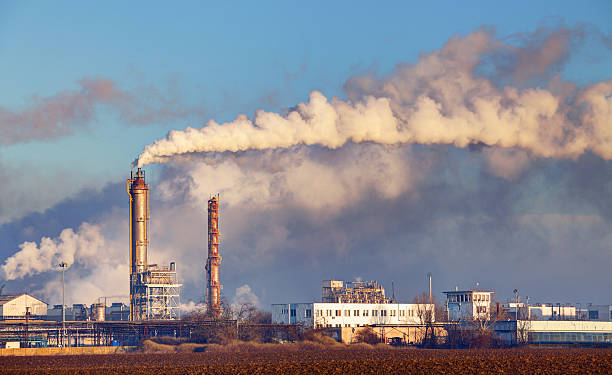
What are India’s leading environmental organizations? An extensive list of Indian environmental organizations that strive to make India a cleaner, pollution-free nation is provided below. The environment can be defined as the natural world. Whether it is healthy or unique to a certain location. Humans and their actions have a major impact on this natural environment.

This natural environment contains both living and non-living materials. Because they grow naturally without human interference.

Human activities significantly alter the natural order of things and frequently result in environmental degradation. For instance, the ecosystem is negatively impacted by deforestation. Excessive reliance on fossil fuels, excessive mining, and improper disposal of non-biodegradable garbage.

A select few of these human acts are the main causes of the current climate change problem. Which puts the future of our entire planet in jeopardy. Yet, a number of organizations and people have developed to aid in the preservation of the environment as we know it.

The top environmental organizations in India that are actively advocating environmental protection will be examined in the following article.

  • List of Top Indian Environmental Organizations is as follows:

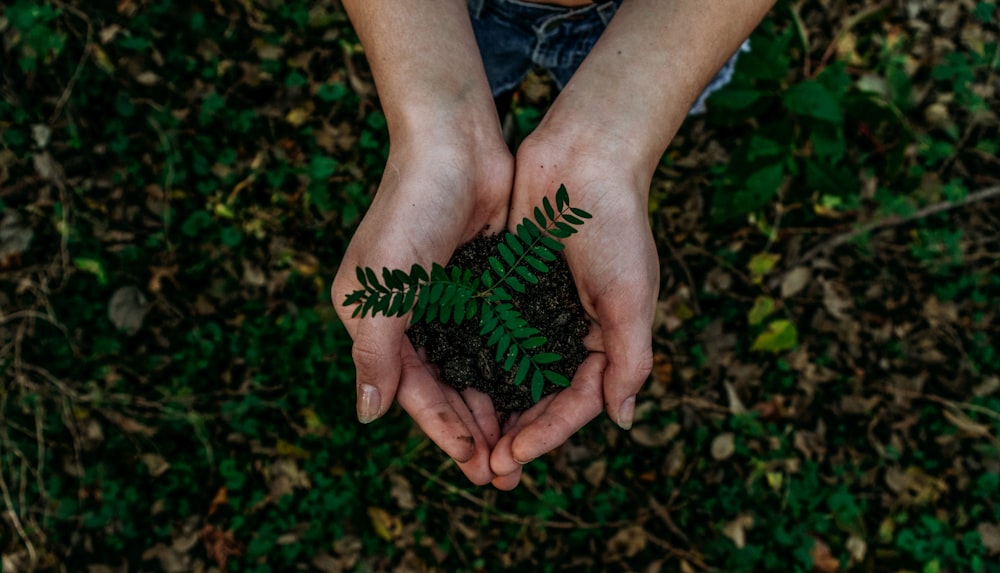
(Photo from istock)

CHINTAN one of the best amongst organizations

The organization works to ensure more responsible resource use that doesn’t burden the planet or the less fortunate. Its objective is to lessen trash production and unsustainable consumption. Also, it collaborates with local governments to improve trash management, which in turn reduces environmental and air pollution. The poorer populations, women and children, and marginalized groups are more in the center of CHINTAN’s attention.

The organization primarily focuses on environmental justice and partners with several local individuals or groups. One of the most well-known environmental groups in India, it aims to achieve sustainable production, consumption, and waste disposal.

GREENPEACE INDIA

One of the top environmental NGOs in India, it has a global reach of more than 55 other nations. It is a branch of the global environmental group Greenpeace, which has operations in the Americas, Europe, Asia, and the Pacific.

Greenpeace India asserts that it does not take funding from businesses, political parties, or other intergovernmental organizations to lessen its exposure to political meddling. They might continue to protect the environment in an impartial manner in this way.

HELP DELHI BREATHE

This non-profit environmental organization was founded in 2015 to help with the air pollution crisis in Delhi, India. Delhi’s air pollution reaches historic highs, making it one of the world’s most polluted cities. This circumstance served as the catalyst for the Help Delhi Breathe movement.

The organization’s main goal is to educate city dwellers about the dangers of these levels of air pollution and to foster in them a drive to find lasting solutions to the problem. The program develops a number of campaigns that all encourage people to band together and change this circumstance.

CLEAN AIR ASIA, INDIA

It has a significant influence and is one of the top environmental organizations in India. They focus on, and try to improve conditions in, places like Delhi where populations are at risk from air pollution.

One of the organization’s main duties in India is to collaborate with various Indian cities to maintain quality air control. To help local governments improve air quality, inform the public about cleaner air, and support sustainable mobility, this requires providing scientific advice.

In order to implement clean air action plans, Clean Air Asia, India is now evaluating the management capacities in more than 30 cities across the country.

THE WILDLIFE PROTECTION SOCIETY OF INDIA

The vast ecological calamity in India is being reframed by the Wildlife Preservation Society of India (WPSI), which was established in 1994. Before becoming concerned about conservation, Belinda Wright worked as a photographer and filmmaker before founding WPSI.

WPSI, one of India’s foremost environmental organizations, works with many government organizations to stop poaching and the growing illicit wildlife trade. For instance, as tigers are one of the most traded wild animals in India, their continued existence in the wild is constantly in danger.

WPSI has shifted its attention to the issue of conflicts between people and animals and financed a number of research projects.

NAVDANYA one of the unique amongst organizations

(Photo from istock)

Navdanya is a different organization working to protect the environment in India. Its objectives are to enhance farmers’ rights, organic farming, seed conservation, and biodiversity preservation. Its main objective is to support and provide direction for environmental protection and action in India and other countries.

The group, which is a component of the “Terra Madre slow food movement,” is made up of a network of organic farmers and seed savers spread throughout about 16 Indian states. More than 500,000 farmers were also trained by the organization in sustainable farming and food sovereignty, and 122 community-based seed banks were established across the country.

TOXICS LINK

By ridding the environment of pollutants, this group of individuals hopes to advance environmental justice. Toxics Link gathers information on the various environmental poisoning sources and makes it available to the public.

In addition, they seek to create environmentally friendly, wholesome alternatives for both India and the rest of the world. Toxics Link develops a range of public awareness initiatives, such as film festivals, media campaigns, and educational initiatives with the goal of fostering the next generation of environmentalists. The methods and projects of this environmental Charity in India have the potential to bring about immeasurable change in the future.

ENVIRONICS TRUST

This environmental NGO also works to ensure the protection of the environment in India. The fundamental objective of Environics Trust is to develop novel, scientifically supported responses to urgent environmental issues. According to Environics Trust, there are reciprocal affects between the environment and social behaviour.

The organization makes an effort to investigate this important topic through a number of programs that concentrate on various communities that collaborate with the NGO. In addition to working directly with underprivileged groups, it provides national and international institutions with research and evaluation services.


References:

Our Endangered World 
Worried with water pollution, want to lessen its hazardous effects? What are you waiting for!, click on the link below:
How to Lessen Water Pollution

How to promote the environment more powerfully

Recent years have seen a rise in the prominence of young environmental campaigners. Young people are driving the effort promote our world. Starting with Greta Thunberg and the many people she has inspired to promote. You can contribute to promote the movement of environmental action in a variety of ways. Such as by giving your time to environmental causes. Here are a few ideas to get you going.

The only way to truly combat conservation and climate change is through legislation changes, organized environmental campaigning, and large-scale education campaigns.

Knowing the science and politics of climate change is essential if that is the level of environmental involvement you’re interested in. The greatest method to firmly establish your idealistic beliefs in the realm of science is to delve into the ideas of biology, chemistry, geology, and physics.

(Photo from Unsplash.com)

The majority of colleges and institutions that offer a major in environmental studies offer an interdisciplinary curriculum that includes courses in environmental sciences, politics, economics, urban planning, ethics, and communication. Beyond the actual degree, graduating from a formal program gives you access to a network of academics and students who share your idealistic outlook.

You will research ecological systems, energy cycles, and sustainability objectives with your peers. You’ll build practical answers in addition to knowing the problems. Both lab experiments and field research will be taught to you. You’ll also see the career paths that fit with your values.

  • Following are a few ideas by which you can become an effective environmental advocate:

PLANT TREES

If The Lorax taught us anything, it is the importance of speaking out in favor of trees. We owe these leafy creatures a debt of gratitude for all the benefits they bring to the environment. They provide food and habitat for wildlife, minimize soil erosion, and balance carbon emissions, to name a few. Get your hands dirty by planting and maintaining trees in your neighborhood.

STOPPING PLASTIC POLLUTION

 The Surfrider Foundation’s Rise Above Plastics Activist Toolkit is a step-by-step manual for implementing single-use plastic reduction in your community. It gives advice on raising awareness of plastic pollution issues through education and outreach, and it will assist you in passing a plastic bag ban (or a measure of a similar nature).

PROTECT PUBLIC LANDS

(Photo from Unsplash.com)

Unbeknownst to you, the US National Parks are quite gorgeous. Look at this! These parks are home to buffalo, mountain goats, foxes, bears, and occasionally even us. Their sizes range from canyons to mountain peaks.

WILDLIFE AND PROTECTING LAND

Threats to our public lands include those posed by pollution, climate change, exploitation of natural resources, and development. If we want to save certain wild lands for future generations, Americans must be willing to fight for them.

HOST A CLEANUPTO PROMOTE ENVIROMENT

You don’t necessary need to put together a crew and concentrate on a broad area to have a great cleanup (but it’s wonderful if you do!). It could be as easy as asking a few friends to help you pick up rubbish in your neighborhood. By picking up trash, you protect the quality of habitats, lower groundwater pollution, and remove direct dangers to species. Also, it is possible to perform it everywhere, even on beaches and in rivers.

SUSTAINABLE AGRICULTURE TO PROMOTE ENVIROMENT

(Photo from Unsplash.com)

The Beyond Pesticides Action of the Week offers a specific action you can take each week to make your opinion known about laws that harm the environment and public health, increase the use of pesticides in general, or impede the development of organic, sustainable, and regenerative practices and laws.

GROW A COMMUNITY GARDEN TO PROMOTE ENVIROMENT

Those with green fingers, unite! People can come together to cultivate a variety of things in communal gardens, such as fruits, vegetables, and herbs. In addition to enhancing neighborly ties, they also support pollinator habitats, absorb carbon, and reduce the need to transport food over great distances. You can either start your own garden or work in a local one as a volunteer.

HELP OUT WILDLIFE TO PROMOTE ENVIROMENT

(Photo from istock.com)

This one is for anyone who periodically cries when watching lovely animal videos on social media (it couldn’t be just us, could it?). Volunteer to help with office or animal-care tasks for wildlife rescue and rehabilitation initiatives. Bird rehabilitation is one popular type of rescue effort.

  • These are a few of the more well-liked environmental activism routes:
  • Restoration of forests, grasslands, wetlands, and watersheds; control of land use; environmental reclamation; and ecological restoration are all part of the conservation of national resources.
  • Researching various fuels and energy systems, such as bio energy and sustainable engineering, and studying renewable energy regulations within the context of the national conversation about climate change are examples of alternative energy.
Further:
  • Water filtration, waste management, recycling, and environmentally friendly manufacturing are all examples of environmental engineering, which aims to minimize the effects of technology and engineering on the built environment and the natural environment.
  • To protect the health of the oceans and atmosphere, oceanic and atmospheric scientists collaborate with governmental organizations, consulting firms, and aviation businesses.
  • Whatever niche you choose, you and your coworkers will share a deep sense of stewardship and accountability for the planet, whether that entails reducing pollution, repairing habitat damage, conserving finite resources, or enhancing education and outreach.

(Photo from istock.com)

The public is becoming more and more interested in goods and services that are more environmentally friendly. Students have a wide range of possibilities to obtain practical experience while taking part in and producing cutting-edge sustainability projects for both the public and private sectors because to our metropolitan city location.

To provide a thorough learning experience, field visits, guest lecturers, and practical experiences are blended with classroom instruction, internships, fieldwork, and research projects.

There is an increasing need for environmental professionals due to the seriousness of the worldwide situation. Depending on their interests, qualifications, and work history, environmental studies graduates pursue professions in a wide range of industries.

References:

To know how to protect our environment, click here
Know some recycling tips by visiting here
Visit this site to know irrigation methods


Should nuclear weapons be banned?

International Day for the Complete Elimination of Nuclear Weapons is celebrated by the UN on September 26. One year after the historic approval of a treaty aimed at outlawing these weapons. It is critical that we speed up the treaty’s implementation and remind ourselves of the reasons why these weapons of mass destruction must be outlawed in order to create a peaceful world.

One should consider the following points regarding the nuclear weapons:

Nuclear creates havoc

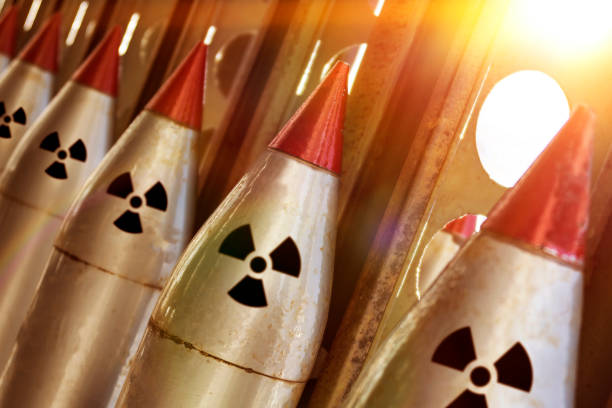
(Photo from istock)

“My lovely Hiroshima instantly turned into a wasteland, with piles of ash and ruins, skeletons, and burned bodies,” the poet wrote. Hibakusha (survivor) of the Hiroshima bombs is Setsuko Thurlow.

This chilling eyewitness story serves as a reminder of the nuclear weapons’ immense devastation potential. They cause destruction, have long-term radioactive impacts that damage future generations. And strike soldiers and civilians without discrimination.

When it was used twice during the war, in 1945, on the Japanese cities of Hiroshima and Nagasaki, around a quarter of a million citizens were instantly destroyed. Or died horribly in the days and weeks that followed the attacks.

Nuclear weapons

What protection does the atomic bomb offer against the great concerns of our time, such terrorism, climate change, and cyberattacks? Nuclear weapons are completely out of date and unable to handle the problems of today. On the contrary, they do the opposite. Of preserving peace by fostering mistrust and anxiety among nations.

These weapons cost a lot

Since the middle of the 1980s, nuclear arsenals have shrunk, but the cost of maintaining nuclear weapons is steadily rising. Each nation that has nuclear weapons follows this trend of public spending. During the ten-year period of 2010–2020, estimates (Global Zero, 2011) place it close to $1000 billion.

Imagine if this money were used to support programmes that would assure human security. Such as those that promote health, education, the fight against climate change, and help to survivors.

Weapons are catastrophic

(Photo from istock)

The risk of proliferation is that nuclear-armed states will build up their arsenals or that new governments will acquire nuclear weapons. An international non-proliferation pact went into effect. In 1970 with the goals of preventing non-nuclear states from developing nuclear weapons. And persuading nuclear powers to reduce their arsenals in order to battle these enormous hazards.

Regrettably, most of these initiatives are still just platitudes. How is it possible to assert that a country’s security is based on a nuclear deterrence strategy. While simultaneously requesting that other countries refrain from using this form of “security”?

Weapons of mass destructions not banned yet!

(Photo from istock)

But everything might soon change. Nuclear weapons have not been restricted as of yet, although biological. And chemical weapons have been outlawed on a global scale since 1972 and 1993, respectively. This is a legal quirk that will eventually be entirely rectified with the entry into force of the Treaty on the Prohibition of Nuclear Weapons in 2020. Which was accepted in 2017 by 122 governments at the United Nations.

Of course, nations that possess nuclear weapons, like France, have abstained from signing this Treaty. Yet, pressure is mounting on the nine nuclear-armed states, with thousands of individuals speaking out against them around the world and an increasing number of countries and financial institutions refusing to support the development of these weapons systems.

Treaty to prohibit nuclear weapons

The Treaty on the Prohibition of Nuclear Weapons, as it is officially known, has entered into force and outlaws the use, threat of use, development, testing, production, manufacturing, acquisition, possession, and stockpiling of nuclear weapons. Additionally, it is banned from aiding, motivating, or inducing anybody to engage in any of the Treaty’s prohibited activities.

The Treaty will become enforceable as of January 22, 2021 for the 51 States that have ratified it or joined it, and it will also become enforceable as other States join it in the future.

In particular, by mandating governments to assist victims of nuclear testing and use and clear polluted areas, the Treaty is the first piece of international legislation to help limit the disastrous humanitarian effects of using and testing nuclear weapons. It codifies a widespread consensus among States and civil society that any use of nuclear weapons, regardless of its justification, is unacceptable.

The TPNW sends a strong message that using nuclear weapons would not only be unacceptable from a moral and humanitarian perspective, but also illegal under international humanitarian law by expressly and unequivocally forbidding such use.

But will the treaty destroy the weapons?

No and yes. The TPNW’s provisions will become enforceable once it enters into force for the states that have ratified or acceded to it. States that possess nuclear weapons would have to either destroy them before ratifying the Treaty or promise to do so in accordance with a “legally binding, time-bound plan” that would completely end their nuclear weapons development.

The nuclear weapon states, who have yet to sign the Treaty, must do so in order for this to go into effect.

Monitoring and controlling

Efforts to better control nuclear weapons can reduce the risk even more by reducing the frequency of close calls. Better monitoring systems would also lessen the possibility of erroneous warnings.

Putting nuclear weapons off “hair-trigger alert” would lessen the possibility that any catastrophe may quickly get out of hand.

Reducing nuclear stockpiles

(Photo from istock)

Experts believe that continued inventory reduction is a crucial and doable objective. Because lower stockpiles would still offer the advantages of nuclear weapons’ deterrence, it is thought to be feasible. Also, it is crucial because it lowers the possibility of mishaps and the possibility that a nuclear war could wipe out civilization.

Make world a peaceful place

Several parts of the world where our ancestors waged ruthless wars for many centuries are now remarkably tranquil. Some of the factors credited with this development include the democratization of societies, the expansion of trade and diplomacy on a global scale, and a cultural movement away from the glorifying of war.

Lessening the likelihood of nuclear conflict will make the world a more peaceful place.

References:

International Committee of the Red Cross 

Thinking about why we need Political Parties, click on the link below:
Why do we need Political Parties

Electoral systems around the world

In India, there are two electoral systems combined. While proportional representation is utilised for Rajya Sabha and presidential elections, first-past-the-post is used for Lok Sabha and state assembly elections.

According to Indian Express, an all-party parliamentary commission is currently looking into “other systems of elections” in addition to the first-past-the-post (FPTP) system.

All parties and the Election Commission have received a six-page “Questionnaire on Electoral Reforms” from the Parliamentary Standing Committee on Personnel, Public Grievances, Law and Justice.

The many electoral methods used around the world are briefly explained below:

(Photo from istock)

First-past-the-post:

It is a very basic system. The winning candidate is the one who receives the most votes. Unlike other systems, it is simple to comprehend. Other than India, numerous African nations as well as the US and Canada use it.

Single Transferable Vote: as electoral method

Based on the total number of valid votes cast and the number of seats to be filled, a minimum number of votes must be obtained in order to proclaim a winner. Candidates who obtain enough first-preference votes to meet the required threshold are declared elected. According to a paper by Canadian MP Linda Duncan, a two-step count is carried out if there are still seats open.

Extra Member System: as electoral method

It combines party lists and first-past-the-post districts. Two ballots are provided to each voter. The voter selects their chosen candidate from a list of candidates representing various political parties. The other is a list of parties, each of which has a candidate list prepared in advance. In this case, choosing a party on the second ballot also means choosing that party’s candidate list.

The Alternative Vote Plus:

is another convoluted voting mechanism. To make the total result more proportional, voters use the Alternative Vote, rank candidates in order of preference, and then vote again on a short top-up list. Voters may select their preferred party or candidate from the top-up list, and the votes are then distributed to fairly reflect each party’s share of the vote, according to the top-up list.

Additional Vote:

This is a system of preferential voting. The first box in each column is used by voters to indicate their favourite candidate, while the second box is used to indicate their second favourite. When all of the votes for the candidates with the most support have been counted, the winner is declared if they receive more than 50% of the vote. The top two candidates advance to the run-off round if no contender can pass the halfway point. This continues until one candidate receives the most votes, according to electoral-reform.org.uk.

Two-Round System:

This is much easier to understand. Voters mark the candidate they choose. A candidate is declared elected if they receive 50% of the vote. If not, another vote is taken. Just the top two candidates advance to the second round in some nations.

Alternate Vote:

It’s a little difficult to understand this one. Each contender is given a number by the voter. Whoever receives the most support from voters wins. Your votes will be cast for the second-place contender if the required number of candidates is not met. This goes on until a candidate is victorious.

Supplementary Vote:

This is a system of preferential voting. The first box in each column is used by voters to indicate their favourite candidate, while the second box is used to indicate their second favourite. When all of the votes for the candidates with the most support have been counted, the winner is declared if they receive more than 50% of the vote. The top two candidates advance to the run-off round if no contender can pass the halfway point. This continues until one candidate receives the most votes, according to electoral-reform.org.uk.

Borda Count:

This one isn’t too challenging to understand, according to Borda Count. Voters rank candidates in this form of preferential voting according to their preferences, and those preferences are then translated into points. The winner is the contender with the highest rating.

Party List Proportional Representation:

Each district in this elects a number of MPs, and each area is rather large. Both closed and open lists exist.

  • Closed List: On election day, the ballot paper will include a list of the parties, as well as a list of candidates for each area. Voters mark the party they support.
  • Open List: A list of candidates is provided by each party. In certain systems, voters have the option to select a specific candidate. In others, voters have the option of supporting a party or a particular candidate.

A little something about electoral system

(Photo from istock)

One of the primary causes of institutional variety among democratic nations is the voting system. The most widely used distinction is between plurality-majoritarian regimes and proportional representation systems. A party’s vote share determines their share of election seats under proportional representation, a system that frequently results in multiparty coalition governments.

In contrast, in plurality systems the party that receives the most votes usually has sole control over policy. Even if the results have been somewhat conflicting, it is not surprising that the election system influences the incentives for choosing particular types of exchange-rate strategies.

According to several studies, majoritarian electoral systems in democracies are more likely to favor stable exchange rates and to see less exchange-rate volatility during cabinet reshuffles than proportional ones.

Majoritarian, plurality, and proportional electoral systems are the most common varieties. Party-list and single transferable vote (STV) systems are the two primary variations of the former; plurality, majoritarian, and (so-called) semi proportional systems are the three primary variations of the latter.

References:

Governance Now

Thinking about why we need Political Parties, click on the link below:
Why do we need Political Parties

How to chase insect pests away without using insecticides

Every home eventually deals with a pests issue, whether it be ants, roaches, spiders, or bed bugs. But, you don’t need to look for the harshest insecticides available every time an insect is skulking around. Almost any pest problem can be treated at home with natural remedies that are widely accessible. We’ll show you how!

Despite the fact that powerful insecticides and pesticides are quite effective, you may not always want to use them inside or around your home. While some people find smells to be unsettling, others won’t use chemicals around their children or animals. Whatever your reason, natural treatments provide a safe solution to your pest problem.

  • Following are a few natural insecticides:

Oil essentials insecticides

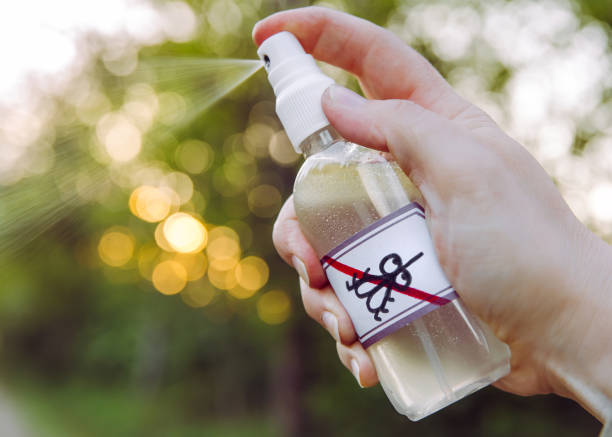
(Photo from istock)

Essential oils, such those from lavender, peppermint, spearmint, and eucalyptus, not only have pleasant scents but may also be used to kill bedbugs and dust mites in addition to purifying the air and enhancing mood. You can mix a few drops of the oil with water and spray it directly on trouble spots like sofas, mattresses, carpets, rugs, and mats because these oils are typically found in highly concentrated form.

Use salt

Another fantastic element for ant and flea control is salt. To keep ants out of your house, scatter salt around the windows and doors. The easiest way to get rid of fleas—which typically hang out around the carpet—is to sprinkle salt directly onto carpets and rugs.

(One additional suggestion: Sprinkle some finely powdered rosemary leaves on your pets’ bedding to help repel fleas.)

Vinegar as an insecticides

(Photo from istock)

Vinegar is one of nature’s best remedies for cleaning and keeping pests like ants and fruit flies away. In fact, according to HGTV, ants are deterred from leaving scent-based trails. For navigation by the potent stench of vinegar. It attracts fruit flies, which you may use as bait to catch and kill them at the same time.

Usage of lemon to control pest

(Photo from istock)

Lemon and lime juice work well as deodorizers and are effective in keeping ants, spiders, and snails away. Spiders don’t like citrus, so if you lightly spritz either kind of juice around your doors and windows. They won’t go there. Since it typically comes in concentrated solutions. You can mix this juice with water and spray it all over your window glass and door frames.

Mint

Another excellent component that deters a variety of pests without creating a mess is mint. It deters common annoyances including flies, mosquitoes, and ants. Just place mint leaves around your windows, doors, and any potential entry points for insects into your home. Even better, you can grow mint plants close to home doors. It will not only keep bugs out. But it will also give your entranceways a revitalizing aroma!

Baking soda as an insecticides

An effective remedy for roaches is baking soda. Also, it is the most effective at getting rid of them when coupled with powdered sugar. The two elements can be mixed together and applied liberally to the region where the pests are visible. It is one of the best, however slightly filthy, ways to get rid of bugs.

Cucumber peels

Also, very powerful against ants are cucumber peels, particularly the bitter ones. Pest control companies like Planet Natural even strongly advise it. To keep ant colonies away, place peels around windows and doors.

Detergent as an insecticides

Although not entirely natural, detergent is less harsh than the potent chemicals found in pesticides and insecticides. They can easily be used to trap and eliminate fruit flies. Along with adding some detergent to your bait, you may also leave out some wine or apple cider vinegar to attract flies. This will quickly capture and destroy the pests.

A clean soil

Pest garden insects can actually be discouraged by good soil. But getting ready takes time. Here’s a technique that really works:

  • When the growing season starts, turn organic stuff like compost into the soil first. By including natural components and pest-repelling substances. This will help keep your soil clean.
  • After tilling, cover your garden for six months with cardboard or black plastic. The majority of garden pests, including their eggs, weeds, parasites. And a variety of other dangerous germs, will be killed by the heat that accumulates underneath it.
  • Lightly cultivate the soil after removing the plastic. You are now prepared to plant.

Disease and pest-resistant seeds

Pests and illnesses are simpler to prevent than to eradicate after they have invaded your garden. Look for letters like V, F, N, or T after a seed’s name when browsing through a seed catalogue. These letters denote the issues to which the seed is most resilient. The letters V and F stand for the tomato illnesses verticillium and fusarium, respectively; N is for nematodes; and T stands for the tobacco mosaic virus, which causes the plant’s leaves to wilt and turn yellow as well as causing harm to the roots.

Watering plants in the morning

Why? Well, plants use water primarily to promote photosynthesis, which occurs during the day. Also, watering later in the day will result in damp leaves during the chilly night-time. Which is excellent for the growth of fungus and other illnesses. As you water, make sure to drench the roots rather than the foliage. Hoses that drip or soak are a wise investment. Use these recommendations to save water in your garden.

Keep your garden clean

Because decaying plant waste serves as a perfect habitat for fungus, garden bugs, and diseases, it is crucial to remove faded blossoms, fallen leaves, and weeds. Every time you enter your garden, bring a small pail or bucket with you and use it to gather garden waste.

Try using insect traps

Almost all garden centres sell yellow “adhesive” cards. If you put them on the ground and in between plant shoots or branches, they will catch a lot of garden pests that are running around your garden. Contact your local garden center or county extension agent to learn how to identify between good and hazardous garden bugs.

References:

Birds&Blooms
Worried with water pollution, want to lessen its hazardous effects? What are you waiting for!, click on the link below:
How to Lessen Water Pollution


How to Dispose of Medical Waste Items Appropriately

Produced in hospitals, laboratories, and other healthcare facilities. But, it’s crucial to remember that any institution that works with needles and/or syringes. Including families, generates its own clinical waste.

As always, using the services of medical waste removal businesses will ensure that you don’t pollute the environment or put yourself or your co-workers in any danger.

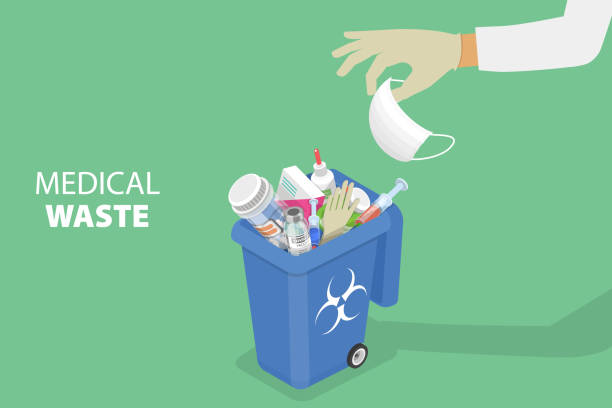
(Photo from istock)

They are the ones with the most resources and the most appropriate knowledge to effectively manage your clinical waste. So, how do they manage to do it?

  • Following are a few ways for medical waste disposal:

Collection and segregation of medical waste

The best practices for managing trash begin at the point of generation, which is when garbage is formed, as is the case with all waste. As each category of medical waste needs to be segregated from the other sorts. It is first necessary to be aware of precisely what should be collected. In actuality, this implies employing the appropriate containers.

  • Sharps waste collection in red bins (e.g., needles, blades, razors).
  • Collecting infectious garbage in red containers marked with the biohazard sign (e.g., blood, contaminated equipment, IV tubing).
  • Yellow containers: collection of trace chemotherapeutic waste (e.g., empty vials, gloves, gowns).
  • Black containers: collection of hazardous trash (e.g., hazardous meds, P-listed drugs, bulk chemo)
  • Pharmaceutical trash collecting in blue containers (e.g. pills, injectables, antibiotics).
  • Radioactive waste collection uses yellow shielded containers with a radioactive emblem (e.g. lab research liquids, anything contaminated by radiotherapy).

Transportation and storage

(Photo from istock)

If you have a relationship with a medical waste disposal business, they will take care of the secure storage. And transportation on your behalf. Warehousing is necessary while waiting for bulk disposal of medical waste. Regarding transportation, the majority of medical waste management businesses offer specialized cars with cutting-edge protective equipment.

Waste disposal and treatment

This is why it’s crucial to work with a reliable rubbish removal company. In addition to incineration, there are other biomedical waste disposal methods available, such as the use of autoclave chambers (used to dispose of sharps and infectious material) or the use of a medical waste shredder (used for the disposal of pathological and pharmaceutical waste).

(Photo from istock)

There are various-sized autoclaves available here at Celitron. For instance, large autoclaves like the Azteca A are better suited for large hospitals and Central Sterile Supply Departments, and medium-sized autoclaves like the Azteca AC are great for dental and veterinary clinics. There is no performance difference, so don’t worry.

Of course, Celitron Integrated Sterilizer and Shredder, which cleverly combines the advantages of steam sterilization and shredding, can manage hazardous medical waste disposal (such sharps waste) with ease if you’re seeking for the best on-site equipment.

Autoclaving

Autoclaving merely introduces very hot steam for a set period of time as opposed to expensive incineration. This procedure is especially efficient because it is far less expensive than alternative approaches and poses no dangers to the individual’s health.

Incineration

One of the key benefits of incineration is that it is quick, easy, and straightforward. It safely eliminates any bacteria while completely removing the trash. Yet, emissions while burning poisonous materials might be extremely harmful.

Chemical disinfection

Chemical disinfection is a typical biomedical waste management technique for liquid waste. In this technique, chlorine is frequently used to destroy diseases and microorganisms by adding it to the liquid waste. Solid wastes can also be disposed of chemically, although for the best disinfection, it is advisable that they be ground first.

Microwaving

To remove bacteria and other potentially harmful elements, waste is cut into little bits, mixed with water, and then internally heated. The shredding component of this procedure reduces the amount of biomedical waste and is said to be more energy-efficient than incineration. This is one of its key advantages.

But which method to choose?

Autoclaving, according to some, may be the most sensible and secure option. Steam is much less expensive, has no pollutants, and is not toxic. It’s also crucial that it functions for the majority of biological waste. To make sure that all biological waste is suitable for disposal, BWS performs autoclaving. Contact us right away if you’re searching for the ideal biomedical waste collection service so we can get to work cleaning up and securing the planet.

Types of medical waste

Laboratory waste

(Photo from istock)

Research facilities frequently have laboratory trash, as do hospitals and academic labs. This waste could be solid, liquid, or compressed gas.

Pharmaceutical waste

Based on its ignitability, corrosivity, reactivity, and toxicity, certain pharmaceutical waste is regarded as hazardous.

Chemotherapy waste

Controlled chemicals like morphine and hydrocodone are examples of chemotherapeutic waste, as are trace materials such IV bags, tubing, vials, and syringes.

Reference:

Celitron
Worried with water pollution, want to lessen its hazardous effects? What are you waiting for!, click on the link below:
How to Lessen Water Pollution


How to properly dispose of your plastic wastes

A significant amount of plastic garbage has been produced by the widespread use of plastic products. We must educate people about their applications and regular management as part of our way of life.

Such as packaging for goods produced by various food and beverage, cosmetics, pharmaceutical, and other manufacturing industries. In order to convey goods to the public more effectively and safely. If processed and managed improperly, post-use plastic trash has a number of negative effects on the environment.

(Photo from istock)

Plastics have several uses in commercial and industrial products and are an important commodity due to their exceptional physical and chemical properties. Worldwide, large-scale production of fibbers. And resins has increased as a result of increasing community demand. However, due to poor waste management practices and the production of plastics, their use has a number of negative environmental effects.

  • Following are a few ways of plastic disposal:

Recycling plastic

(Photo from istock)

Recycling is a waste management practice that involves gathering waste materials and turning them into raw materials that may be used again to create other useful products. In order to safeguard the environment and society, it is also referred to as “renewing or reusing.”

Due to their carbon-based composition and use of additional polymers, plastics are not biodegradable. It includes bottles and other items that can be melted down and used to make furniture made of plastic, such as tables and chairs.

When plastic waste is recycled rather than disposed of in undesirable locations, the world can benefit in a number of ways. One of these benefits is the protection of human life by reducing carbon dioxide and other harmful gases in the atmosphere, which can occur during incineration or combustion of the wastes.

Incineration of plastic

The term “waste incineration process” refers to the burning of wastes in oxygen, sometimes referred to chemically as “full combustion,” which emits carbon dioxide and water vapor into the environment [51]. A small amount of hydrochloric acid, ash, and other volatile chemicals make up the waste created by incineration. Generally speaking, not all plastic garbage is a viable candidate for combustion; some of it is explosive and oxygen heating resistant.

To prevent these unforeseen explosive mishaps, we must be cautious when choosing plastics for incineration among non-combustible garbage. Energy, commonly referred to as fuel, can be produced through the combustion of organic molecules. The fuels utilised in the propulsion of cars and airplanes can be found in a variety of physical states, including liquid, solid, and gas. Instead of producing energy, this method of incineration has a number of positive effects on society.

Landfills

Landfills are any locations or areas where we discard all disposable plastic garbage after use before burrowing it beneath the surface of the earth

It necessitates a lot of work on the part of the community, such as excavating a deep pit or dumping in it, filling it with waste, and allowing it to decay. Each organic molecule goes through biodegradation and decomposition throughout this landfill processing. In landfill processing, plastic bags and other long polymer wastes can take ten to one hundred years to breakdown.

Pyrolysis

Pyrolysis is the process of converting gases and fatty oils in order to extract hydrocarbons and recover crude petrochemicals. There are media types based on high temperature, medium temperature, and low temperature.

This is based on their simple molecular reformation capability during heat treatment and their changeability.

Bioremediation

(Photo from istock)

The term “bioremediation” refers to a subfield of biotechnology that uses microorganisms to treat all-natural substances through the biodegradation of plants, algae, fungi, and bacteria. Its main principles are detoxification and decontamination. It requires a variety of culture medium parameters.

These speeds up the process of trash biodegradation. Enzymes function as a chemical catalyst in the bioremediation process by lowering the activation energy and turning substrate into product.

Hazards of plastic

(Photo from istock)

Plastics are useful in everyday life in various communities.  Some of these consequences could be detrimental to the environment and even to people. Prior to managing plastic waste, it is crucial to go into detail. About some of the negative consequences that improper plastic management can have. Poor waste management and non-biodegradability can lead to a number of environmental risks. Including clogged sewers in urban areas and other production locations. Plastics’ durability advantage, which supports their usefulness and wastes after utilization.

Conclusion

In conclusion, the responsible disposal of plastic waste is not just an environmental obligation but a moral imperative in our modern world. As our planet grapples with the devastating consequences of plastic pollution, it is crucial that we all play our part in mitigating its impact. By following the principles of reduce, reuse, and recycle, we can significantly reduce the volume of plastic waste that ends up in our oceans and landfills.

Properly disposing of plastic waste is not only about segregating it for recycling but also reducing our overall plastic consumption and reusing items whenever possible. Furthermore, raising awareness about the importance of plastic waste management and supporting policies and initiatives aimed at reducing single-use plastics can make a significant difference.

In our collective efforts to safeguard the environment, we must embrace sustainable alternatives, encourage innovation, and educate ourselves and future generations about the importance of responsible plastic waste disposal. Only through concerted global action can we hope to create a cleaner, healthier planet for ourselves and for generations to come.

In our pursuit of convenience, we’ve unwittingly unleashed an environmental crisis. Beyond the three “Rs” (reduce, reuse, and recycle). Adopting biodegradable alternatives and supporting government policies to curb plastic production and encourage eco-friendly practices is essential. The onus is on individuals, businesses, and governments to collaborate in finding sustainable solutions. By collectively embracing responsible plastic waste disposal and reducing our reliance on single-use plastics, we can pave the way for a greener, cleaner, and more sustainable future for our planet.

References:

Science Direct

Worried with water pollution, want to lessen its hazardous effects? What are you waiting for!, click on the link below:
How to Lessen Water Pollution


The beginners guide for vegetable gardening in your backyard

Home vegetable gardening can help you save money and get closer to the natural world. Also, you’ll discover that garden-grown produce has an even greater flavour and texture than what you’re used to buying at the supermarket.

Also, maintaining food garden counts as exercise! Consider using these advices to start your vegetable garden off right. We go over how to build a vegetable garden from beginning, which vegetables to grow, and when to plant what in this extensive guide. A “beginning” garden layout with simple-to-grow crops, companion planting methods, and some pretty flowers has also been added!

Although it might at first appear overwhelming, gardening is a tremendously gratifying activity. The fundamentals of vegetable gardening and planning are covered on this page. Including how to choose the best location for your garden, how to design a garden that is the proper size, and how to decide which veggies to grow.

  • Following are a few steps you should consider while vegetable gardening:

Choose the Proper Place

It is crucial to choose a decent site for your garden. Subpar vegetables might come from a substandard location! Here are some guidelines for choosing a good site:

(Photo from istock)

  • Sunny Spot: Vegetables often require 6 to 8 hours of direct sunshine every day. A few vegetables will endure some shadow, mainly the green varieties.
  • Drains effectively and dries quickly: Planting vegetables on a raised bed or elevated row will improve drainage. If your soil is poorly drained and water pools there. Wet soil leads to moist roots, which can eventually decay. If your soil is rough. Till it and remove the rocks because they will obstruct root development and result in weaker plants.
  • Take care of wind: Avoid locations that are unstable or windy. Since these conditions may cause your young plants to topple over or prevent pollinators from doing their work. Also, you don’t want to plant in an area that sees a lot of foot activity or frequently floods.
  • Rich in nutrients soil: Your plants are fed by the earth. You’ll get poor, unwell plants if your soil is shallow and deficient in nutrients. To aid in the growth of your plants, add lots of organic matter.

Start with a Small Space for Vegetable Gardening

Start small if you’re just getting started gardening. It’s better to enjoy a small garden’s benefits than to find a huge one time-consuming. It’s also advisable to gain a basic understanding of gardening before devoting a lot of time and money to this new activity. You’ll be able to estimate how long gardening will take. You’ll discover if you prefer spending time outdoors planting, watering, and weeding.

Also, you’ll discover how much produce you and your family can consume in a summer. Another excellent approach to begin is to grow vegetables in containers. With these, a sunny deck or balcony will do instead of a yard.

Choose Your Vegetable Varieties Smartly

Take particular attention to the seed packet’s label, tag, or description. Each vegetable type has a unique set of qualities. Some breed plants that are smaller, perfect for little gardens or containers. Some kinds have higher yields, better heat or cold tolerance, or better disease resistance. Start by picking vegetables you enjoy eating, then research their sizes and maintenance requirements.

Productivity

(Photo from istock)

Take into account how much food you and your family will consume as well as whether any extra produce will be canned, frozen, or donated. Then, be honest about how many seeds or plants you actually need to sow many newbies make the error of planting excessively. It may not take many plants to meet your needs because vegetables like tomatoes, peppers, and squash remain producing throughout the growing season. Some vegetables, like corn, radishes, and carrots, can only be harvested once before needing to be replanted.

Successive Crops

You can harvest vegetables and herbs all through the spring, summer, and fall if you plant both warm- and cool-weather plants. Grow lettuce, greens (like arugula), peas, radishes, carrots, and broccoli in the early spring.

You should plant hot-weather favourite vegetables like tomatoes, peppers, eggplant, and herbs. Do that after harvesting your cool-weather crops, such as lettuce. Kale, cabbage, and potatoes are all harvestable in the fall. Test Garden Tip: By growing crops on vines, such as green beans and peas, you may maximize your garden’s vertical area boost your yield per square foot and area.

A lot of sunlight is essential for Vegetable Gardening

(Photo from istock)

Like to other plants, vegetables rely on the sun to begin photosynthesis. Rapidly growing plants need full sun—at least 6 to 8 hours daily of direct sunlight—without any shade provided by fences, bushes, or trees. Planting vegetables that prefer the sun in areas that get little to no direct sunlight won’t be very successful.

You should plant vegetables and herbs that can withstand partial shadow in your yard, such as lettuce, kale, chard, spinach, chives, cilantro, parsley, and thyme. If your site receives at least 4 hours of direct sunlight every day, root crops like carrots, radishes, and beets might also work. Hence, you can plant herbs and vegetables that benefit from the sun, such as tomatoes, cucumbers, beans, basil, dill, and rosemary.

Consider On Easy Access of Water

(Photo from istock)

The closer to a water supply your plot may be situated, the better. You’ll need to be able to water often for these delicate plants to grow strong roots and stems during the first few weeks after seeds germinate or seedlings are transplanted. Once your plants have established themselves, a deep soaking every few days is better to a gentle misting every day.

Deeper soil penetration by the water encourages root development and makes it easier for them to access the nutrients they need to be healthy. In order to reduce water loss and the amount of time you need to spend watering, think about installing soaker homes or drip irrigation on a timer.

References:

HGTV

Worried with water pollution, want to lessen its hazardous effects? What are you waiting for!, click on the link below:
How to Lessen Water Pollution

How to segregate your trash properly

There are various forms of waste, and each type requires a particular approach to management. Thus, it is crucial to comprehend how to segregate waste and how to implement it. In the waste management process, this comes first. It alludes to the procedure by which various wastes are first sorted and then collected in various ways.

Separating dry from wet trash is referred to as waste segregation, and it opens the way for other waste management ideas like composting, recycling, and incineration. Its ultimate objective is to lessen the amount of waste sent to landfills and eventually stop air, water, and land contamination.

Why Should Waste Be Segregated?

(Photo from istock)

Just 43 million tons (MT) of India’s annual trash production are collected. Just 11.9 MT of the collected garbage is scientifically processed, while over 31 MT is disposed of in landfills or waterways.

As a result, our landfills are overflowing with urban rubbish to the point where, in 2050, India will reportedly require a landfill the size of New Delhi, according to a joint report by Assocham and accounting company PwC. Separating garbage so that it can be handled scientifically at the source is the first and most important step in reversing this alarming projection.

  • Here are a few ways To Segregate Waste properly:

Wet/Kitchen Waste

(Photo from istock)

Fruit peels, leftovers, vegetable skins, uncooked meals, coffee or tea powder, and yard garbage like leaves and twigs are included in this. Keep such waste in a drum, container, or bin so that it can be turned into rich organic compost. Your composting method is up to you. Vermin composting, aerobic composting and anaerobic composting are a few examples.

Kitchen waste can also be used as a compost, hence, one can put the waste in separate basket or small pit. Which will eventually act as a compost pit and can be used in number of ways. This is also eco-friendly.

Dry waste

Pet bottles, plastic tote bags, newspapers, glass bottles, shoes, plastic cutlery, tires, cardboard, and more are examples of dry recyclable garbage.

Further sorting the recyclable rubbish can get you cash or other rewards. You can submit your dry garbage to a variety of sources to receive something in return, including internet kabadiwalas, neighbourhood scrap dealers, recycling facilities, raddiwalas, and municipal corporations. Keep a recycle bin and dispose of it once or twice a week as dry waste only makes up 30–40% of total household waste.

Sanitary Waste

Sanitary trash includes adult and baby diapers, synthetic sanitary goods, hygiene-related items, condoms, tampons, and dirty napkins. Linens, bedding, objects tainted with blood or bodily fluids, contaminated plaster casts, and other types of dressing make up medical waste.

It is necessary to burn, microwave, or autoclave medical and sanitary waste in order to prevent the spread of infections. The most effective technique to get rid of them is to wrap them in newspaper and mark them with a red dot for simple identification because not every Indian city or hamlet has the resources to manage the garbage scientifically.

E-waste

You need to be aware of three different kinds of electrical waste:

  • Bulky: A refrigerator, microwave, or any other heavy object.
  • Tube lights, light bulbs, toner, batteries, monitors, and screens are dangerous. anything that contains chemical elements.
  • Unrisky: Cables, chargers, microwaves, and electronic devices like laptops and phones. You might follow a weekly, monthly, or yearly disposal method after gathering all the electronic garbage in a container.

You can give or trade your electronic waste at any number of public drop-off locations, online collection services, and recycling facilities, just like you can with dry waste.

Following are a few ways to Segregate Waste at Work:

In the majority of offices, recyclable waste goes in one container and wet trash goes in the other. But as in your home, waste management gets better with more segmentation.

  • Here are four bins that every office should have:
  • A container in the cafeteria or canteen for wet trash, such as leftover food, vegetable or fruit peels, tea bags, etc. If there is a significant amount of moist waste, an office can also practice on-site composting.
  • To further sort dry waste, separate it into plastic, metal, glass, and paper. Every week, send each form of trash to recycling facilities or services.

  • The office shall collect and deliver electronic trash such as CDs, pen drives, bulbs, tube lights, computer systems, electric cables, keyboards, batteries, motherboards, etc. to e-waste collection facilities.
  • Bathrooms should have bins for sanitary waste, such as used pads. Some offices even have incinerators to deal with it right where it starts.
The best way to practice waste management is to create a group of people who share your interests.

(Photo from istock)

To your family and the neighbours in your apartment complex or neighbourhood, you should thoroughly explain the trash segregation process. Inform the residents and staff of the apartment buildings to make the procedure easier. Investing in separate storage drums for dry and wet trash is the best approach to store bulk waste. Contact the local scrap dealer to arrange for the collection of the dry waste.

We might state as a conclusion that it is imperative to separate garbage. It is essential for enhancing both health and the environment. We must not disregard it. So let’s all set aside some time each day to organize our rubbish. All parties gain from waste separation, which also makes cities more habitable and sustainable.

References:

the better india 
Worried with water pollution, want to lessen its hazardous effects? What are you waiting for!, click on the link below:
How to Lessen Water Pollution


How to make your garden greener

Becoming green is a desirable idea, but it can also be intimidating. Do you have to entirely change how you grow your vegetables and only use organic fertilizers in order to have less of an impact on the environment? No, not always true. The good news is that you can make your garden greener by doing a lot of simple steps.

  • Top tips to keep your garden greener are as follows:

Plant as many trees as possible

Planting trees isn’t as difficult as you would imagine, because they provide habitat for wildlife and help clean the air. From digging the hole to caring for your young tree, this lesson will assist in guiding you through the procedure. Trees are said to be lungs for earth, hence, growing more trees is always an excellent choice.

Make your own compost pit

(Photo from istock)

Kitchen leftovers are transformed into nutrient-rich nourishment for your soil through composting. Your plants will be content, and you’ll contribute less garbage to the dump. Instead of letting your vegetable waste get hauled off to the landfill, compost like a pro by adding it to the pile.

Compost, also referred to as “gardener’s gold,” improves soil fertility by injecting it with potent, plant-friendly nutrients. Rich, earthy compost enhances soil texture, aeration, and water retention in addition to promoting the growth of healthy roots.

Use methods as rainwater harvesting to make your garden greener

Saving rainwater is a terrific strategy to produce a greener garden while having a smaller environmental effect. A rain bucket is a DIY project that is also rather simple. Putting a rain barrel is an easy and inexpensive way to gather mineral- and chlorine-free water for cleaning and rinsing windows, watering gardens, lawns, and cars.

By utilizing the rain that is physically pouring from the sky, you’ll see a considerable reduction in water costs as well as a reduction in storm water runoff, which in turn helps prevent erosion and flooding. Insects, garbage, and bird missiles can be kept out by installing a screen over the barrel’s top. Water should be used frequently to maintain the barrel aerated and running.

Use a reel mower instead

(Photo from istock)

You can save money and lessen the quantity of toxic gases released into the atmosphere by switching to a non-gas powered reel mower. Also, it’s a great workout! Even if you only use the reel mower once every other time you mow, the ecology and air quality in your area will benefit.

Water carefully to make your garden greener

Give your garden a drink in the morning or afternoon when it’s the coldest so that more water may soak into the soil before it evaporates. Long-term water savings are achieved. Further advice for effective and environmentally responsible watering is provided in this post.

Since we’re talking about water, establishing a few wise watering practices will help you conserve it, especially during the summer’s dry and hot spells. Your soil will retain water and reduce evaporation if you add compost and mulch to it. Moreover, soaker hoses or drip irrigation only utilize 50 percent of the water used by sprinklers.

Reduce the grass in your garden

Easy-care ground cover plants, wildflowers, stone, pavers, and/or other materials can be used to create non-grass lawns. What will be the outcome? Less labour, less watering, and less mowing are required. Consider using moss as a ground cover and meadowing.

Try organic seeds

(Photo from istock)

One easy method to get your garden off to an eco-friendly start is by planting organic seeds. Organic seeds are best to go to, as despite of their environment friendly attributes, they are also health enriching.

Use one fewer chemical-based product

If you typically use chemical fertilizers, insecticides, or herbicides, set a goal for yourself to switch to one of these techniques. See this post on using natural weed killers in the garden or this one on using natural alternatives to herbicides.

Go organic on a smaller scale

Get your feet wet by experimenting with organic gardening techniques in a container garden first if the thought of cultivating a complete organic garden seems like a bit too much to take on all at once.

Add on the bees and butterflies to make your garden greener

(Photo from istock)

Grow a wide range of natural flowers that our pollinator friends like butterflies and bees, are especially drawn to, such wild lilac, goldenrod, and lemon balm, to give them a pesticide-free haven.

If you haven’t heard, a significant bee loss crisis is currently driving beekeepers in North America and Europe to shake their heads in concern. Extending a little neighbourhood hospitality could go a long way because pollinators impact 35 percent of global agricultural production and boost the productivity of 87 of the top food crops.

Buy Recycled

If the idea of utilizing yoghurt or takeout containers to house your hydrangeas offends your delicate aesthetic sensibilities, consider one of the many environmentally friendly planters and raised-garden kits that are now readily available.

Using recycled copper, plastic, or even rubber to support your tender shoots is acceptable because it consumes less energy than mining virgin materials. Relax on repurposed lawn chairs while admiring your craftsmanship and environmental prudence.

Keep it real for greener garden

You’ve heard the saying, “Mom knows best”? To keep her act together, Mother Nature never needed to sneak sips from a chemical cocktail of pesticides, weed killers, and chemical fertilizers. Put an organic compost layer down in place of the toxins. Bring in more helpful insects to wrestle annoying garden pests to the ground. When you can watch the action on the battlefield in real time, who needs to play Command & Conquer?

References:

Better Homes & Gardens

Worried with water pollution, want to lessen its hazardous effects? What are you waiting for!, click on the link below:
How to Lessen Water Pollution

How to recycle plastic at home

According to the EPA, recycling can contribute to resource conservation, trash reduction, pollution prevention, energy conservation, employment creation, and environmental sustainability for future generations. Economic logic also supports recycling. To start, recycling plastic bottles in Australia generated an estimated $730 million in 2014! Recycling enables us to continue utilizing limited resources while also increasing local income and preserving local recycling jobs.

DIY projects are a great way to save money and lessen your impact on the environment. Recycling plastics is crucial for this reason.

Uncertain where to begin for  recycling? We got your back. We’re giving you the complete information on how to recycle, reuse, and repurpose plastic things because there are so many easy and inventive methods to do it!

The process of recovering and repurposing discarded or recycled  into a valuable product is referred to as plastic recycling. Recycling is crucial in efforts to minimize the amount of plastic and other solid waste in the environment because plastic is not biodegradable.

Process of Plastic Recycling

  • The following is a step by step process of plastic recycling:

Collecting

(Photo from istock)

For instance, plastics come in a variety of shapes and sizes, including plastic bottles, glasses, bags, packaging materials, and big industrial plastics, to mention a few. Because of their availability and existence, there are collection centre’s, and some entrepreneurs have entered the plastic collection industry as a source of income.

Many tons of used plastic are collected, transported to a recycling yard, and then loaded into facilities that process plastics. Sadly, not all nations have the ability to recycle. In actuality, relatively few impoverished nations are able to recycle. This indicates that plastic trash is a significant problem in some international locations.

Sorting to recycle plastic

(Photo from istock)

Sorting various plastic items according to their color and resin content is the first step in the real recycling process. The technique is frequently used to make sure that all contaminants are removed. The plastics are sorted according to the resin type using specialized equipment. The recycling facility then arranges the plastic scrap according to symbols at the bottom of the plastics.

Rubbing

The plastics are then broken up into small chunks or pieces after being sorted. Following that, the containers and plastic bottles are pulverized and reduced to powder or flakes. Employing a particular machine to separate the heavier and lighter plastic flakes is efficient. The separation procedure aids in preventing the mixing or joining of various plastics in the finished product. Please be aware that different goods are produced using different polymers.

Clean-up

Following a thorough separation, the flakes or chunks are subsequently cleaned with detergents to get rid of any leftover contamination. Following washing, the clean flakes are run through specialized machinery to further separate the various types of plastic resins. Next, a moderate heat is used to dry the plastic flakes.

The Fusion

The flakes that are dry melt. Both melting and moulding into a new form as well as melting and processing into granules are options. At controlled temperatures, fusion takes place. Modern plastic melting technology exists without causing damage to the materials.

Create pellets to recycle plastic

The plastic fragments are first crushed into tiny pellets called nurdles during the melting process. The  pellets can either be recycled into new plastic products or used again in this environment. It’s crucial to keep in mind that recycled plastics are infrequently used to create new plastic products or restore their original shape. Plastics are shipped in this pellet form to plastics companies where they are redesigned and used to create various practical plastic items.

TIP: Recycling programmes differ across the nation, so make sure to check with your neighbourhood recycling facility to learn what materials are permitted there.

  • Easy Ways to Start Recycling plastic at Home

(Photo from istock)

You’ll most likely require specialist equipment to make the most of recycling plastic. But, this does not preclude you from contributing to the recycling process in any way. Here are some easy recycling ideas you and your family can use to streamline the recycling process in your home:

  • Get knowledgeable: Study up on different sorts of plastics. Study its features and wait for inspiration to strike;
  • Go online for inspiration. There are a ton of places where you can learn what to do with waste. The majority would involve decorating. Yet, some of them will even show you how to use the items you’d be using on a daily basis;
  • Every craft supply, including scissors, glue, and other materials, would probably be needed. You can perform at your best if you enjoy yourself while doing it. Make sure you have ample free time and resources to work with;
  • Have fun teaching your family how to determine whether an object is recyclable. Make a creative map or list, and put it next to the cans for recycling and trash.
Further steps:
  • Alternatively, just get rid of your  garbage. If you don’t recycle plastics at home, you may still get the benefits by simply sorting your garbage and keeping your plastic waste in one location.
  • Carry your own bag or a backpack when you leave the house. avoid using this method to obtain a plastic bag;
  • If you already have a lot of plastic bags at home, use them once again for your subsequent supermarket run or for anything else. Using them as litter bags is a clever idea;
  • If your local store has recycling bins, bring all of your bags there.
  • Rinse bottles. As long as you don’t take action, make sure the bottle is fully cleaned.
  • Break the bottles to progress more quickly.
  • If you pack your  bottles creatively while recycling them, you can transform them into useful items.

References:

Dirt2 Tidy
Worried with water pollution, want to lessen its hazardous effects? What are you waiting for!, click on the link below:
How to Lessen Water Pollution


How to make good irrigation in your garden

India’s water crisis-like situation highlights the urgent necessity for maximum water conservation. Water is a resource that is becoming increasingly scarce all throughout the world, not just in India. Compared to other home activities, our gardens tend to require irrigation.

You may have an environmentally conscious outdoor space with some preparation and uncomplicated upgrades. Have a look at these eight clever strategies that will help you create gardens that are water-wise.

  • Following are a few steps that will help in good irrigation of your garden:

Avoid wastage of water while irrigation

(Photo from istock)

It’s critical to ensure that the water used for gardening is not being misused. Overwatering is harmful to plants and is not a sustainable technique. Be sure sprinklers do not flood other unplanted areas if you have them installed.

The needs of the plants you have grown and the local weather must be taken into account when programming automated systems to distribute water effectively. Consider using cans to water small and medium-sized gardens rather than hoses. You can use leftover kitchen water (from cooking, washing dishes, and other uses) in the garden as well. This also has the repercussions at the level of environment. Wastage of water while irrigation is very common phenomenon in crop yielding states of India. This problem should be addressed and proper and effective measures should be taken for the issue.

Go for native, low-maintenance plants

Obviously, plants that thrive in the region’s soil and climate require less upkeep. Search for local plants that are found there. You need to water in quantities according to the plant and soil type. Alternatively, choose low-maintenance, drought-tolerant plants that only require occasional attention.

Some low-water-consumption plants that are suited to the Indian climate include bougainvillea (Bougainvillea spectabilis), jarul (Lagerstroemia speciose), paradise tree (Simarouba glauca), spider plant (Chlorophytum comosum), sadabahar (Catharanthus roseus), and many others.

To minimize evaporation from the sun, it is better to water the plants early in the morning or early in the evening. By adding more ground cover plants and shade-loving trees, you can also keep the soil cool.

Start mulching

In order to keep the soil’s supplied moisture in place, mulching requires covering the soil with a porous layer of material. By spreading mulch to the base of the plant or tree so that the soil is evenly covered, it can be used on both tiny and large trees. The requirement for frequent watering is immediately decreased by decreased evaporation. Mulching reduces the growth of weeds and pests as well as saves water (as the non-planted area of soil is shielded). In domestic gardens, pebbles, rocks, straw, wood chips, compost, and fabric are some common types of mulch.

Build more hardscapes

Lawns and sparsely planted areas require more water and care in large gardens. Think of constructing decks, covered walkways, or outdoor seating areas in place of these spaces. As a result, less water is used, and temporary outdoor places are created.

Make sure your addition of hardscapes does not eliminate the garden-like quality of the area. When remodelling or redesigning your garden, it is always advisable to hire a landscape architect.

Install a drip irrigation system

(Photo from istock)

A drip irrigation system may function effectively in all situations, including small balcony gardens and vast lawns.  Runoff, overwatering, and evaporation are all prevented by the pipe’s tiny apertures, or emitters, which allow watering at a very moderate rate. Both open spaces and boxed planters can accommodate its installation.

Top with a rain water harvesting system

(Photo from istock)

By catching the water that runs off of roofs and other hard surfaces, you may take advantage of the rainy season. An elaborate setup is not necessary for a rainwater collection system. Just direct rainwater that is falling down slopes into a gutter or a conduit that empties into a storage cistern.

Advice: Construct sizable storage cisterns in regions where it rains more frequently. To prevent the accumulation of insects and debris, keep the lids covered and wipe them frequently.

Adopt a rain garden

For this, you can either locate a naturally recessed location or excavate a section of your garden. Fill the depression with loose soil and native plants to make a rain garden. Rainwater can then permeate the soil and seep into the ground, increasing the amount of groundwater.

Advice: Avoid placing the rain garden next to or above septic tanks or buildings because the percolating water could harm the systems’ structural integrity.

Use permeable pavers

Strong, tightly-fitted blocks minimize soil erosion, and the holes make it easier for storm water to seep into the ground rather than collecting in unwelcome pools.

Most plants require frequent watering to survive, and even those that can withstand drought will need a drink now and then. The optimal way to meet your garden’s water needs depends on a variety of factors.

Consider how much water each plant will require when arranging your garden or yard spaces, and put related plants in the same groups. When all the plants in one area receive the same amount of water and at the same frequency, watering will be simpler to manage (and will help save water).

References:

Houzz
Worried with water pollution, want to lessen its hazardous effects? What are you waiting for!, click on the link below:
How to Lessen Water Pollution

How to clean your surroundings even on a hectic schedule

We all enjoy living in a tidy home, but these days it can be challenging to juggle everything in our life while also keeping the surroundings clean. When you’re busy, finding the time to clean might seem impossible. And it’s simple to allow things get to you until you feel as though you have a huge mountain of duties to complete.

Yet this doesn’t have to be your reality! You can maintain a tidy home while having a hectic schedule if you follow the advice provided below. Find out how by reading on.

  • Following are a few points to clean your surroundings in hectic schedule:

Prioritize the cleaning

Finding out what has to be done rather than what you would just like to get done. And prioritizing those needs is the first step in keeping your house tidy even when you’re really busy. In this manner, even if you run out of time, you will still have completed the necessary cleaning.

Of course, if you find that you have more time than you anticipated. You can use it to do the other tasks that you have been putting off. Setting priorities is crucial for completing any activity. To prioritize all the important areas, professional cleaning services employ a cleaning checklist.

Divide tasks into weekly chores and daily routines

(Photo from istock)

Making the bed, clearing clutter, washing the dishes (or at least putting them in the dishwasher) are a few cleaning jobs that should become daily routines. The next stage is to select these actions and practice them every day.

Will you be able to complete each of these activities without missing a beat? Most likely not, but if you practice doing these things every day. It will eventually become second nature and keep your home looking neat.

Finally, decide which tasks, such as cleaning the bathroom, vacuuming, wiping the floors. And washing your bedding and towels, should be completed every week. It’s important not to complete all of these tasks in a single day. Give a day of the week to each of them, and on that day, finish it as rapidly as you can. Chores are much easier to handle when you break them into daily, weekly, and monthly activities.

As Soon as you’re done with Something, Put It Away

It’s simple to leave items lying around the house when you’re busy, but doing so makes the mess you have to clean up later worse.

Your home will stay less crowded and you’ll have one less chore to complete if you put items away as soon as you’re done with them. Such as your shoes and coat as you enter the house or the cereal box after breakfast.

Clean More Often

(Photo from istock)

With your current workload, this one may seem counterintuitive. But keeping your home clean really gets easier the more often you clean. By performing little, frequent actions to avoid the accumulation of dirt and filth, you may accomplish a lot.

Have disinfectant wipes nearby and wipe surfaces everyday or every other day. Although this sounds like a lot of extra effort, it only takes 30 seconds if you do it frequently. If you wait for the dirt to accumulate, the process will be considerably more difficult and time-consuming.

If You Can, Micro Clean to clean your surroundings

Along with cleaning more frequently, you’d be surprised at what you can achieve when you have a brief window of unplanned time. When you wait for your children to dress, do you have five minutes? Vacuum the kitchen.

While dinner is cooking, can you wait another five minutes? Empty the Washing machine. Our preferred pastime is folding laundry while watching Netflix. You’ll quickly have a tidy space!

Take Off Your Shoes

They are filthy. In truth, they’re among the most typical strategies for dirt to get inside your house. Making it a practice to remove your shoes at the entrance will help keep your home cleaner longer by reducing the quantity of dirt that gets inside. It will keep the dust particles outside the room and it will be easier to clean the room on days when you have little time for cleaning.

Maintain Cleaning Supplies to clean your surroundings

You can easily wipe things down anytime you have a moment if you maintain some basic cleaning materials in each of the rooms that require the most cleaning (namely, the kitchen and bathrooms). On the other hand, you won’t likely do it if you have to trek to another part of the house to collect those supplies.

Clean One Room at a Time

(Photo from istock)

One stray item is all it takes to send you off course while cleaning; before you know it, you’ve left the room to put it away and diverted because you noticed something else that needed to be done. Be in one room at a time and don’t leave it to put things away in order to assist you stay on track.

When you’re finished cleaning the room, take care of any misplaced belongings and leave them right outside the door. By avoiding such distractions, you’ll be astounded at how much time you’ll save.

Invest in Good Cleaning Equipment to clean your surroundings

It’s time for an upgrade if you feel like you’re working harder than necessary because you have to clean the same area more than once.

You can do tasks more rapidly by spending money on newer, more effective equipment. This could entail doing anything from buying a more potent vacuum cleaner to replacing a worn-out mop.

Take Comfort in “Clean Enough”

We comprehend. It’s simple to want your house to always be spotless, yet this perfectionism is neither required nor feasible. Even if you have plenty of time on your hands, you won’t be able to keep every last bit of dust off the floor or maintain your mantle properly dusted.

References:

Simply Maid
Worried with air pollution, want to lessen its degrees? What are you waiting for!, click on the link below:
How to Lessen Air Pollution

How to filter out the air in your room naturally

Your health can be significantly impacted by the air you breathe, whether you are indoors or outside. Poor outdoor air quality has been linked in studies to serious health effects. Given how much time the average individual spends at home, it’s crucial to ensure your safety and the safety of your family.

One strategy to reduce stress and promote tranquilly in your house while also reaping natural advantages is to improve the air quality. The Environmental Protection Agency. However, warns that indoor air pollution might be even worse than outdoor pollution (EPA). We spend the majority of our time indoors, according to research, making it even more important to start purifying the air inside.

Following are a few ways which will help to improve your indoor air quality:

Keep Plants inside your home

(Photo from iStock)

Using houseplants brings those benefits indoors, just like stepping outside to get fresh air and decompress. The most crucial function of houseplants in a household is their capacity to act as a natural air filter.

To fully benefit from houseplants’ ability to purify the air, place them in various parts of the house. Weeping fig and snake plants are two common houseplants that filter the air.

Open Windows for fresh air

It is the easiest and least expensive thing you can do to enhance the quality of the air within your home. Open your windows for even just five minutes a day to lessen the accumulation of dangerous air pollutants in your interior air.

To ensure a supply of clean air at night, think about sleeping with a window cracked open (in winter, add more covers at night). Open windows whenever you can when cleaning; the fresh air will enhance the final impression of cleanliness.

Go for Beeswax Candles

(Photo from iStock)

For homeowners who want to have dinner by candlelight, think about switching to beeswax candles from paraffin candles.

In contrast to paraffin candles, which have the potential to produce toxins during combustion. Beeswax is a natural substance that burns cleanly. Remember that burning a candle of any kind still releases soot into the air. So you’ll need to make sure your home has adequate ventilation.

Take off the shoes outside

Pesticides, pollen, fungi, bacteria, and excrement are just a handful of the gross things that the earth outside can carry. It’s recommended to remove your shoes or switch to a pair of slippers when you enter your home because any or all of that may be on the bottom of your shoes. Not to mention your floors, it will help keep your air cleaner.

Go for Essential Oils

Burning essential oils is a fantastic method to improve the air quality in your house as well as the health of everyone who lives there. To obtain the most from the smells of essential oils, think about utilizing pure essential oils of excellent quality. To get the most out of your burners, spread them around throughout your home.

Certain essential oils, like tea tree oil, have antibacterial characteristics and can be used topically to cure cuts on your skin or even used to DIY household cleaners. But did you know that these oils can also lower microorganisms in the air? It has been demonstrated that using essential oils like eucalyptus, clove, and lavender can also help lower the quantity of dust mites in your home.

Activated Charcoal also helps in purifying air

(Photo from iStock)

A fantastic approach to organically filter and purify the air in your house is with activated charcoal air filters, also referred to as active carbon. These carbon air filters are conveniently available in stores and online, and the charcoal will absorb airborne contaminants without emitting any odours.

Keep Your Pets Groomed

In a home with pets, pet dander—the skin cells of your pet—can be found almost everywhere. Dander, more so than pet fur, can worsen pre-existing asthma symptoms or lead to the onset of new ones. If you have a pet, make sure to frequently clean them, brush them outside if you can, and vacuum your floors to reduce dander.

Ceiling Fans

Consider utilizing your ceiling fan to move the air around your house during the moderate summer and fall months. In addition to helping to ensure that more air is being drawn through the ventilation system for cleaning, ceiling fans are an excellent way to cool off a home. These are basic necessity for every home, especially if we talk about nations of Asia.

Window Treatments

(Photo from iStock)

Investing in window coverings that will block the sun’s rays is another excellent way to naturally filter the warm sunshine that enters your house. By using dark window coverings or other light-filtering alternatives, you may keep your house cooler while also limiting the amount of sunshine that comes inside.

Use Salt Lamps to purify air

Because they can remove pollutants from the air, Himalayan pink salt lamps are very popular. For best air filtration benefits, use this natural ionic air purifier anywhere outside of your home. It functions much like a nightlight. These are very helpful to purify air naturally.

Use Natural Cleaners

The weekly usage of cleaning supplies exposes a home to a large number of toxins. To combat filth, think about using natural cleaning items like baking soda or white vinegar. There are several excellent alternatives. Such as hydrogen peroxide and club soda that clean just as effectively without leaving behind chemical residues.

To ensure your family’s health and wellness, make every effort to assist filter the air in your home. Take into account all of these natural strategies to improve your home’s air quality. While also lowering the quantity of pollutants your family is exposed to. Try one or more of these ten natural methods to detoxify your home.

 References:

Never forget to dispose your waste properly, see here
Improve air quality at home 

Worried with air pollution, want to lessen its degrees? What are you waiting for!, click on the link below:

How to Lessen Air Pollution


How to plant your first tree

A tree is a large plant having a woody stem and branches. Trees have a long lifespan. The oldest tree ever found is thought to be around 5,000 years old. The roots, the trunk, the branches, and the leaves are a tree’s four primary components. The roots of a tree are normally under the earth.

Sometimes, like with the banyan tree, roots are specialized into aerial roots that can also act as supports. The trunk is the tree’s main structure. The bark covering the trunk shields it from harm.

The majority of the time, a tree’s leaves is green, but they can also be other colors, forms, and sizes. The tree grows and reproduces as a result of the leaves absorbing sunshine and utilizing the water and nutrients from the roots.

Sugars are formed when trees and plants take in water, carbon dioxide, and give off oxygen in the presence of sunlight. Animals breathe in the opposite direction from this. Similar to how mammals breathe utilizing oxygen, so do plants. They require both carbon dioxide and oxygen to survive. Because trees can grow constantly, they are renewable resources.

(Photo from Unsplash)

  • Important steps to plant a tree:

Planning is important:

Understand your property and the available space. Decide which locations you can shade most successfully, and then pick the appropriate tree for that area.

The term “right tree” refers to a tree whose species, full-grown size, and planting location are ideal for your house. To find out how tall your new tree will get and how the species develops over time, consult our list of yard trees. When choosing the ideal tree for your property, keep in mind the tree’s eventual size.

In order for a tree to be in the “right position,” it must have enough room to expand to its full, mature height and to accommodate its root system’s entire growth without obstructing nearby utilities, underground pipes, or other structures. To assist lower energy expenses and save energy, don’t forget to plant to the west or east of your building.

Digging a hole to plant a tree:

(Photo from Unsplash)

Once you’ve chosen the location and gathered your tools, start digging a planting hole. Any planting hole should be three times broader than the existing root mass and never deeper than where the plant was previously growing.

Searching for the curve of the trunk close to the soil line is also important.  When dealing with trees is an even better indicator. Don’t plant the tree in the hole so deeply that the flare is completely hidden by earth. In actuality, even nurseries occasionally overwater their plants. Make it a routine to check this.

Placement of root ball:

Planting shrubs and trees with up to 25% of their root balls elevated above the surrounding soil. After that, spread a thick layer of mulch on top of the dirt and taper it up to cover all the roots. Shrubs and trees planted at grade risk soon settling below grade and succumbing to root rot or disease because newly disturbed soil has a tendency to settle.

Examine the roots after taking the plant out of its container. Break up the pattern if they are tightly arranged in a circle or have begun to take on the shape of the container (even slightly).

It’s crucial to stop this pattern right now. At this point, the largest error you can do is to bury a root bound plant in the ground as is. You’ve probably given the plant a gradual death if you don’t break the pattern. It will probably never build or realize even a small portion of its potential.

Don’t be concerned about damaging the roots or losing soil when you split or even cut portions of the roots. Giving them a fresh start is preferable to letting the underground constrictive pattern continue to deteriorate. Do what you must to stop the pattern, being careful not to be any rougher than necessary.

Avoid altering the soil:

(Photo from iStock)

Contrary to conventional planting practices, modern research suggests that you should not add more organic material to the hole (unless you intend to amend the entire area where roots will eventually grow).

Rarely do roots from modified soil penetrate the stonier native soil. A less resilient plant and a smaller root system are the long-term effects.

Instead, just break up the soil clumps; take out the rocks, and backfill. According to studies, plant roots grown only in native soil did a better job of establishing themselves and spreading outside of the initial hole.

Eliminate air pockets

To guarantee proper soil-to-root contact, you could carefully tamp or hand-pack the dirt around the plant roots. Nevertheless, I prefer to add a stiff spray of water to the hole after back-filling it halfway. Water not only supplies the necessary moisture, but it also aids in removing air pockets that could otherwise lead to dead roots or even worse.

Properly water your plant in order for it to become a tree:

(Photo from Unsplash)

The most crucial task you will have after planting is to ensure that trees and plants receive adequate water until they are established. This may require several weeks, months, or even a full year.

Deep, gradual irrigation is the secret to optimal plant establishment and watering. The idea of doing that by hand is impractical. Only hoses that have been saturated or drip irrigation can adequately develop trees through irrigation.

By preventing excessive runoff, the slow and deep irrigation allows the soil around the roots to get saturated, giving the roots time to absorb the liquid. Brief, manual water blasts from a sprinkler system or overhead hose just cannot supply water with the same efficiency.

Fertilize your plant to for proper growth as a tree:

I advise against fertilizing newly planted trees or shrubs until you are certain they have successfully adapted to their new surroundings through effective establishment.

References:

For tips on planting tree, click here
Be vigilant and know our current environmental problems, see here
See our article on air pollution here


How to run your first junkshop

When considering what kind of business to open, junkshop is not exactly at the top of the list. Granted, it requires one to literally get their hands dirty, but scrap and dirt can potentially be profitable. Not persuaded? How often do people get rid of old stuff at home? The truth is that people regularly dispose of a sizable amount of trash. Add to that the removal of huge objects like discarded cars and even structures slated for demolition. It’s a company with a healthy market and steady expansion. Making money out of trash, suddenly there’s a solid reason.

(Photo from istock)

These are some essentials for anyone considering opening a junkshop:

Start-up Necessities for junkshop:

Like other businesses, you must register your junk shop with the DTI (sole proprietorship) or SEC (for partnerships and corporations) for the registration of the business name. With the BIR for tax purposes, obtain barangay certifications, and obtain a license to operate from your city or municipal LGUs.

The Business Permits and Licensing Office requires junk shop businesses to sign an agreement promising not to cause neighbourhood complaints (smell, noise, clutter). Not to obstruct the natural flow of traffic in the area, to practice good sanitation. And that the owner must have obtained a location or site clearance order from the local planning office. Which in turn complies with the planning office’s land use plan or with the zoning ordinance.

Trading Practices:

You must understand where and how to get recyclables if you own a rubbish shop or trade scrap. You must first determine the materials you will be gathering. Some people decide to source solely metal, paper, or bottles. While others have a mixture of all three.

Find your local scavengers after deciding on the resources you want to gather. And either hire them to collect the items you need and pay them for their efforts, or simply tell them that you would like to purchase certain goods from them. That they have collected.

After obtaining all the supplies you require for your company, correctly sort them. Put them in good order so that you can trade with them. And store more supplies in your place of business. Even if you are dealing with waste, you still need to keep your workplace tidy and organized.

Locate several recycling centres to sell your materials:

(Photo from istock)

Some recycling facilities exclusively purchase metal, while others only accept paper. Once you’ve discovered them and made your choice, come to an agreement regarding the terms of payment, the timeframe for pickup or delivery of your materials to their recycling facility, and the quantity of materials you must provide.

Sourcing of Potential Clients

Customers are recycling companies to whom the owner of the junk shop will sell the sorted and divided junk goods. To acquire the best bargain possible, the owner of the junk business must research the market for a number of potential recycling agencies, such as a lock-in period on the purchase price of a certain item within one month. The cost of delivery or pickup has an impact on the price as well and should always be taken into account. The owner of the junkyard must haggle for the best price and work with the appropriate recycling representatives to determine the frequency of payments and volume of deliveries or pick-ups.

Retailers’ Walk-in Process

With or without pushcarts, retailers are the scavengers, along with locals from adjacent neighbourhoods and proprietors of small businesses. The company should follow a step-by-step process to prevent theft and have an accurate inventory:

  • The helper will greet and assist the walk-in customer/retailer carrying the recyclable materials. The assistant will examine the things and, if necessary, arrange them. He will be the one to place the objects on the scale for weighing.
  • The actual weighing will then be done by the OIC. He will complete a “weigh slip” on which the type of object and its associated weight are noted, along with his signature. The slip must be given to the Cashier by the OIC.
  • The assistant will then move the weighted objects to the appropriate stock area.
  • The Cashier must determine the full amount owed by the client.
  • The sum must be personally delivered to the consumer, who must also sign the receipt as evidence of payment.
  • Every day, the cashier must file all Weigh Slips.

(Photo from istock)

Accounting on daily basis

The Starting Purchasing Currency (SPC), which must be maintained and renewed at the start of each working day, shall begin with a predetermined amount on the first day of operation.

  • The Cashier shall count the SPC, which shall be the pre-determined amount as indicated, at the beginning of each working day.
  • Based on the filed Weigh Slips, the Cashier must compile a list of every purchase made throughout the course of each working day and record it in a log book.
  • The Cashier must record all day’s expenses, except purchases, in a separate log book.
  • The cash on hand should equal the SPC less all day’s purchases and costs.
  • The Cashier will then total the day’s cash.
  • Any money received from sales made by the Junk Shop to customers must be put immediately into the business’ bank account.
Marketing

Like any other business, finding stores and potential customers requires constant effort. Don’t just wait around for people to buy or sell scrap from your shop. You can go out and search for businesses that have trash and scrap items. You can advertise the scrap items at your junk shop on social media to increase sales.

Beginning a business is difficult. A junkshop operation has the potential to be a lucrative venture. Check it out to find out how you can turn your waste into money. In this way marketing also becomes an important part to run a junkshop.


References:

BusinessCoach, Inc.
Want to do something for environment and struggling to know ideas to lessen the water pollution, what are you waiting for click on the link below:
How to Lessen Water Pollution


How to lessen Air Pollution

Our houses and surroundings are home to a number of tiny but significant sources of air pollution. These sources are close to where we live and work and include cars, trucks, lawnmowers, dry cleaners, backyard fires, and auto body shops. The aggregate total emissions from these more numerous, smaller sources are much higher than those from the state’s whole industrial sector.

The MPCA offers incentives for lowering air pollution as well as education, advice, and guidance to minimize pollution from these sources. We have initiatives that address a variety of environmental issues, including air quality, for corporations, cities, organizations, and communities.
  • Reduce your car usage. In Minnesota, car exhaust is a significant cause of air pollution. Ride a bike, take the bus, carpool, or telecommute, electric cars. What would make you use less fuel?
  • Keep your vehicle in good condition. Repair the oxygen and exhaust sensors right away. Every month, check the pressure in your tires because under-inflated tires have been shown to reduce gas mileage, especially at slower speeds.
  • Stop your car’s engine. A concentrated area of pollutants results from an idle engine. Large trucks and buses emit very harmful pollution. Parents and educators can work with their child care centres and schools to create and implement no-idling rules.

(Photo from istock)

Further:
  • Never burn your trash. It is generally forbidden in Minnesota to burn domestic waste because it is bad for the environment and your health. Contact your county to make arrangements for garbage removal services if you continue to dispose of your trash in a burn barrel, wood stove, or fire pit.
  • Reduce backyard fires in the city. Numerous people may experience health problems due to smoke from backyard fires, particularly when the weather is gloomy. Urban fires are more of a nuisance for those with asthma and other respiratory diseases since cities have higher amounts of pollution than rural places.
  • Plant trees and maintain them. Trees remove toxins and take in carbon dioxide. Moreover, trees help cool our homes and release oxygen into the atmosphere.
  • Use hand-powered or electric lawn equipment instead. Pollution control mechanisms are frequently absent from gas-powered engines, such as those found in lawnmowers, leaves or snow blowers. A lawnmower running for one hour can generate almost as much pollution as a 100-mile vehicle drive! Employ electric or hand-powered lawn care tools instead.

(Photo from istock)

Further:
  • Conserve energy. Choose energy-efficient heating and cooling systems. Get an energy audit and heed the recommendations. Unused electrical equipment should be turned off. All of it adds up.
  • No to plastic bags: Because plastic products are made of oil, which takes a very long time to degrade, using them could be quite hazardous to the environment. Because they decompose rapidly and can be recycled, paper bags are a better option.
  • Utilize chimney filters: The gas that is emitted from households’ and factories’ fireplaces causes serious air pollution and affects the environment. Using filters will at least lessen the influence of harmful gases absorbed in the air if consumption couldn’t be lowered.
  • Avoid using crackers: Sadly, one of the largest sources of air pollution during celebrations and weddings is the use of crackers, which creates a layer of haze that is quite dangerous to one’s health. Thus, the rule of no crackers should be followed.
  • Avoid utilizing products containing chemicals: Merchandise with chemicals in them should be used sparingly or outside the house. Examples include paints and perfumes. Using goods with low chemical content and organic qualities is another option.
Start from your home:

There are numerous strategies to enhance indoor air quality in a house. We can all help make our country a cleaner place by using less energy, buying greener goods, and avoiding chemical exposure.

Air pollution can be decreased by reducing energy consumption. Your bills will go down and fewer pollutants will be released if less gasoline, natural gas, and electricity are consumed (electricity is produced by power plants using fossil fuels).

Also, there are other items in the house, yard, and garage that when used, release compounds that haze the air. Use products with low chemical content and organic properties since the volatile organic compounds (VOCs) and particulate matter (PM) they contain can cause asthma attacks or exacerbate respiratory disorders by penetrating deep into the lungs.

(Photo from istock)

The following ideas will assist you in lowering exposure in your house:
  • When leaving a room, turn off the lights.
  • Compact fluorescent light bulbs can replace incandescent bulbs, which consume a lot of energy.
  • Get a house audit from your energy provider and enquire about renewable energy options like solar or wind.
  • Choose a fan over air conditioning.
  • In the summer, set a programmable thermostat to 78°F, and in the winter, adjust it to 68°F.
  • Put in low-flow showerheads.
  • Recycle organic materials, metals, plastics, and paper.
  • Replace the insert or use a wood stove that has received EPA approval.
  • On days with poor air quality, avoid using your wood stove or replacing it.
  • Avoid using a gas stove to warm your house.
  • While using numerous appliances, turn off the surge protector when not in use.
  • Your home should have insulation.
  • Use cold water to wash and line-dry your clothes.
  • When it comes time to replace, search for energy-efficient equipment.
  • Utilize a natural gas or propane grill as opposed to a charcoal one.
  • For quick dinners, use a microwave or toaster oven.
  • Have your gas heater and appliances checked out and maintained on a regular basis.
  • Instead of using throwaway dinnerware, use washable dishes, utensils, and cloth napkins.
  • Opt for products made of recycled materials.
Things to take care while at work:

There are numerous strategies to cut back on consumption at the office. Given that we spend a significant portion of each week at work, use the advice below to maintain an environmentally friendly workplace:

  • Establish a programme for recycling.
  • Print twice on paper when you copy and print.
  • Carry lunch with you to work to avoid mid-day excursions.
  • After hours, turn off the computers, printers, and fax machines in the office.
  • Open the blinds and switch off the lights to harness the power of the sun.
  • Before adjusting the temperature, dress appropriately and adjust your clothing.

Reference:

Air Quality Index India
Want to know ideas to lessen the water pollution, click on the link below:
How to Lessen Water Pollution


The ultimate guide to proper waste disposal

Waste is unavoidable, at least in almost all industries. But, depending on your company’s needs, disposing of waste in an economical and environmentally friendly manner can be challenging. And ultimately problematic for owners and operators of businesses.

To assist business owners in resolving their own waste issues, whether it be through effective kitchen waste management practices. Or other types of food waste solutions, we will cover everything you need to know about waste management, its various types and techniques, and its benefits in this article.

(Photo from istock)

But what is waste management?

Waste management encompasses more than just categorizing one’s rubbish

In a nutshell, it involves the proper collection and disposal of trash, sewage, and all other types of garbage. Most of which is produced by human activity. Waste management enables individuals to consume sensibly and ensures that leftovers and other garbage products are appropriately disposed. Beyond the usual biodegradable vs. non-biodegradable categories. In this approach, we limit output and consumption as well as the hazards associated with just depositing waste in one location. Preventing future environmental harm like intoxication, poisoning, and other issues.

Waste management techniques:

Composting, recycling, landfills, incineration, waste to energy, waste minimization. And bioremediation are typical waste disposal techniques.

How do we handle waste right now? The most straightforward method is to avoid creating it in the first place, both economically and environmentally. The following are some waste management methods that are thought to be more environmentally responsible than landfill or dumpsite disposal methods:
  • Reusing waste. Conventional reuse is when a substance is used repeatedly for the same purpose. New-life reuse is when a material is used for diverse purposes. Concrete is a fantastic example of reusing demolition waste as the foundation for roads.
  • Waste reduction. This technique can be used to lessen how much garbage a person or business produces. It concerns the production, acquisition, use, and disposal processes of the commodities and services that people depend on.
  • Recycling of waste. This approach, also known as material recovery, entails recovering particular waste materials. Including electronic waste, so they can be used as inputs in another process. Composting is the best illustration of waste recycling.
  • Waste-to-Energy. Anaerobic digestion, gasification, pyrolysis, RDF incineration, and mass-burn incineration are some of the processes used in waste-to-energy systems.

(Photo from istock)

Advantages of management:

It is essential for all types of enterprises to provide responsible waste management, from food garbage  management in restaurants. To construction debris segregation of construction companies and safe disposal of medical garbage from hospitals. It has many advantages for your business, as well as for your customers and staff, beyond just helping the environment. And if you haven’t already guessed it, here are some benefits of waste management:

  • Keep Employees Safe: We cannot reasonably avoid the generation of different sorts of garbage caused by various commercial industries, as was already mentioned.
One of your main responsibilities as a business owner should be your employees’ health and safety. Making sure they’re safe also enables you to lower any expenditures that your company might face in the event that they require medical attention or other services.

  • Dedicated to Environmental Preservation and Solidarity: We must always acknowledge that the Earth needs us more than we need it. It’s time for us as business owners to abandon this profit-only mentality.  As a result, leading by example for other companies can strengthen and facilitate the cause so that the public and private sectors can work together to take both large-scale and small-scale initiatives to ensure that we still have a place to call home, especially for the next generation.
  • Increase Your Chances of Recycling and Upcycling: Businesses can identify which products or materials can actually be reused again by engaging in management practices. Understanding the notion of responsible consumerism can help you, whether it be for aesthetic reasons or repurposed goods that can benefit your store or nearby franchises. Consider repurposing old wood blocks to make a table for your café, or consider using discarded construction supplies to provide a seating area for your personnel. There are countless wonders.
  • Permanent Effectiveness: Every business Diner Trust

(Photo from istock)

Further:
  • Consumers are becoming more aware of the brands and goods they support as a result of the numerous environmental crises that have been occurring throughout the world. For instance, fast-fashion companies are receiving criticism on social media for their unethical practices in the way they manufacture their goods. As a result, certain clients and even movements have begun boycott advocacy efforts.
  •  It’s a win-win situation for your company as well as the environment. Owner must adopt a long-term efficiency perspective since management extends beyond simple rubbish segregation. While though management can initially be laborious and meticulous, it has several long-term advantages. Yet, once you begin the management process, you will undoubtedly see its long-term benefits for the health of your business. When it comes to resources, marketing, and even costs, it aids in the resolution of various issues and bottlenecks.

Management is your way forward:

With what we now know about garbage management—including its different methods, significance, and possible advantages—it is crucial to make sure that all businesses, regardless of size, are engaging in waste management practices.

Responsible waste management can do wonders for your business, as well as for your employees, customers, and society at large, from the smallest amount of garbage created up to the largest and most hazardous ones.

References:

Unilever Food Solutions 
Want to know ideas to lessen the water pollution, click on the link below:
How to Lessen Water Pollution


How to sell recycled products to save environment

Recovery of recycled materials is only one aspect of recycling; it encompasses an entire economic system. Few individuals are aware that the curb side recycling programme in their community is merely the first step in a recycling loop. Recyclable materials now have a considerably greater cost to gather. And process than their worth as a product that may be returned to industry. The markets for the waste that people toss out on the curb or into their office white-paper bin will remain poor unless consumers buy recycled products.

Opportunities to sell recycled goods are more prevalent than ever as many Americans continue their desire to live sustainably. Plastics, used clothing and shoes, toys, and household goods are kept out of landfills. And in use through recycling and reusing them. This lessens the overall amount of garbage generated, avoids home clutter, and might even give you a little additional spending money.

(Photo from istock)

Bring old cars to the nearby junkyard for automotive parts. It might be worth selling for the iron and scrap metal. Junk yards frequently provide a flat payment for the vehicle. And tow it away from your property before disassembling it and making money by recycling the metal.

Look for consignment shops in your neighbourhood that sell gently used items including children’s clothes and toys, adult apparel, books, laptops, and furniture. You can get a profit estimate from the company if you get in touch with them and let them know what products you have to sell. They then keep those worn things out of the garbage by reselling them for reasonable prices.

On a website like Amazon, Craigslist, or eBay, sell recycled goods. The easiest approach to get rid of those unwanted products and make a little more cash is to register for an account with an online source. And post your recycled goods for sale. To get rid of worn stuff in your home, you may also try organizing a yard sale.

 (Photo from istock)

Keep your recyclable plastics, glass, and aluminium cans, then sell the bags to a nearby scrap dealer. The dealer gives you cash on the spot after calculating your profit based on the going rate for scrap and the weight of your bags.

Ask your current mobile service provider about their programme for recycling old phones. In addition to offering credit towards the purchase of a new phone or a reduction in your monthly cost, several service providers also buy back used cell phones.

Ink and printer cartridges can be recycled at your neighbourhood Staples. Up to 10 spent ink cartridges can be recycled monthly at Staples, and doing so earns you savings and shop credit. This can be really beneficial for you and environment.

Your guide for recycled products:

Recycled goods don’t cost as much as you think: –

The most frequent justification provided by purchasing managers for not purchasing recycled goods is that they are too expensive. Nonetheless, the majority of businesses who uphold the values of recycling and trash minimization haven’t increased their costs in order to serve the general welfare.

Instead, they have implemented new procurement practices that provide more business advantages. For instance, American Airlines’ computer division has saved over $100,000 by switching to paper that is 100 percent recycled. By using recycled paper to print its annual report, American has saved an additional $33,000. By communicating the demands of the business to vendors and requesting competitive prices, these savings were made.

Recycled goods aren’t of bad quality: –

Quality control, though formerly a major worry, is no longer a problem when thinking about recycled items. Due to increased conditioning of the paper fibers. And better adaptation to humidity and temperature conditions, office machinery specialists now admit. That recycled-content paper performs better in contemporary copiers and laser printers. Also, a lot of people who use recycled paper say the lessened brightness is easier on their eyes. “Paper does not have to be a light bulb that glows in the dark,” Eleanor Lewis, director of Ralph Nader’s Government Buying Initiative, once said.

Aesthetic definitions of items are another aspect of quality, albeit they are impossible to measure. And cannot be maintained as a constant. Purchase decisions are still heavily influenced by erroneous aesthetic notions. Think about plastic lumber.

Although it can cost up to four times as much as wood, it doesn’t rot, splinter, or crack like wood does. Because to its low care requirements, plastic lumber picnic tables, benches, shelters, trash cans, retaining walls. And fences have all shown to be extremely cost-effective over time. The market has just recently begun to expand, despite the fact that plastic lumber. Represents a significant investment by the plastics sector and one of the greatest product applications for recovered plastics.

Recycles goods are ever-present

When certain organizations, especially publishers, need to order big quantities of materials to fulfil a strict deadline. The availability of recycled items was and still is a significant challenge only a few years ago. However, the majority of common commercial items are still easily accessible today. Leading writing-paper manufacturers like James River now sell a wide range of grades and colors of high-quality paper stock

. And in 1988, Rubbermaid, a well-known manufacturer of cleaning supplies, began making recycling containers. For New York City’s curb side programmes using recycled plastics. The business recognized the market potential for creating recycled versions of a number of its plastic items. Such as garbage cans, buckets, liners, and wheeled carts, based on this early success in New York.

(Photo from istock)

Planning and diligence can solve the availability issue, even in the case of newspaper and magazine publishers who need significant amounts of recycled paper in a short amount of time. For instance, Consumers Union, which publishes Consumer Reports, looked at the viability of using recycled content in the magazine’s paper.

The executive director of Consumers Union, Rhoda H. Karpatkin, was the main factor promoting the adoption of recycled paper. She thought it was crucial for her non-profit organization to take environmental concerns into account. While making purchases and publishing materials.

Reference:

Harvard Business Review
Want to know ideas to lessen the water pollution, click on the link below:
How to Lessen Water Pollution

How to dispose of your old appliances safely

It is possible to recycle, sell, or give obsolete appliances, but each option demands specific preparations before disposal. Despite the fact that some people do slip damaged small appliances into their trash. They should never, under any circumstances, be placed in with the ordinary trash. Fortunately, even if you managed to put huge items at the curb. Most municipal sanitation programmes wouldn’t accept them as trash (such as refrigerators or washing machines).

(Photo from istock)

Following are a few points to can follow to dispose your appliances safely:

Avoid dismantling your appliances

Attempting to disassemble an appliance for parts or other uses is not advised. Bigger appliances could include hazardous components like toxic foam insulation or chlorofluorocarbons (CFCs). Moreover, other appliances might have dangerous substances, such mercury, in their pilot lights. Never combine any of these household cleaners to ensure your safety at home.

Sell or give to someone

In many circumstances, if the item is still functional or is repairable, someone else will desire it. Therefore, think about posting an advertisement on Craigslist or another local website offering the appliance for sale or free pick-up to anyone who wants it. It’s common practice in some neighbourhoods to place items you want to get rid of with a “FREE” sign on the curb or in an alley. Room air conditioners, dishwashers, and washing machines are examples of large equipment with metal bodies and electric motors that can be sold for scrap metal.

Also, you can sell working appliances online provided they are in good shape. People will always be willing to pay less for used goods than to purchase brand-new ones. Not everyone has the financial means to purchase expensive new equipment.

Donate to concerned companies

The Salvation Army frequently accepts working appliances and may even provide pick-up services .If you’d want to donate your item. Appliances can also be donated to “ReStores” run by Habitat for Humanity. You might also want to inquire about whether any nearby charities will accept appliances. Here are 15 items that you ought to consider donating.

Swap your old appliances

When you purchase a new model of a larger appliance, such as a washer or dryer. Many stores will provide removal services as an option. Search for stores that will improve your purchase with a free removal. Also, while some shops could try to charge extra for this service, it’s more typical to include it in the cost of a new model. Check out these suggestions on how to save money while buying new appliances if you need to buy one.

Old appliances are frequently left on the curb by homeowners, only to discover that they are gone by the time sanitation arrives the next morning. Even slightly damaged items are eagerly accepted by people, and many old, broken appliances can be fixed and used again, according to Family Handyman.

Look for service of experts

Inquire about pickup services by giving your neighbourhood landfill, waste disposal facility, or garbage specialists a call. Remember to be explicit about the appliance you want removed when asking how to get rid of it. If they inquire, be prepared to provide the year of manufacturing. This is frequently the most expensive choice, so be sure to ask about costs and look for ways to cut costs.

Contact utility company

In the majority of states, utility companies are quite good at providing recycling services for appliances either independently or through government initiatives. The fact that you can frequently receive a refund, waiver, or even cash for doing this makes it an excellent alternative for what to do with obsolete appliances. Only refrigerators and freezers are normally accepted by utility companies, which is the catch. Yet, if you leave heating and cooling units out at the same time, some people will agree to pick them up.

Dispose at disposal center

You can transport the item yourself to a disposal facility if you own a truck or other vehicle that can carry it. Just be sure to give them a call-in advance and find out if they accept your specific item. Yet it’s frequently impossible to bury equipment containing dangerous compounds in landfills. Thus, you could need a substitute for these. Metal recycling bins can occasionally accommodate small appliances.

Safely dispose in city trash

(Photo from istock)

If your city offers garbage collection, check out their website to learn more about the services they offer and how you may get rid of an old refrigerator or other old equipment in this manner. Although they can add a surcharge to your monthly account, some companies will take up any appliances you leave at the curb. Appliances can be carted out for free pickup on designated days for bulky garbage in other cities. This is also a fantastic solution for obsolete appliance disposal.

Renting dumpster

The delivery of a temporary dumpster for your used appliances and other waste is provided by dumpster rental businesses. If getting rid of your appliance is a part of a larger remodelling project. And you’ll have tons of other building waste to get rid of as well, think about this option. Appliances are frequently accepted by dumpster providers. But it’s crucial to research the specific types and sizes that are accepted.

Reuse and recycle your appliances

For a price, a number of businesses, like 1800-Got-Junk, can collect and recycle your old appliances. Many will even visit your house to provide a free removal cost estimate. The procedure is straightforward, and 1800-Got-Junk promises to recycle and give wherever possible.

There are other choices if you don’t want to pay to recycle your old equipment. According to the EPA, many municipalities, sanitation agencies, and trash management businesses accept appliances for bulk pickup. And actually recycle the parts they gather.

(Photo from istock)

When you purchase newer versions from a merchant, you may be able to recycle outdated models. This is partly attributable to the energy efficiency initiatives put in place to replace outdated, electricity-guzzling home appliances with more environmentally friendly alternatives. Retailers and manufacturers can use it as a tool to encourage customers to purchase newer models.

References:

GreenMatters 
Want to know ideas to lessen the water pollution, click on the link below:
How to Lessen Water Pollution


How to Conserve Electricity Effectively

Fundamentally, energy conservation refers to utilizing less energy to save money and lessen the impact on the environment. Using less gas, electricity, or any other energy source that you purchase from your utility can achieve this. Because to the limited amount of energy resources on our planet. It is advantageous for both individuals and our larger energy systems to actively save energy wherever it is practicable.

There are numerous easy ways to conserve money and energy at home. If you use less energy at home, you can contribute to a reduction in carbon dioxide emissions. And the number of natural resources needed to power your house. There are many things you can do every day at home to reduce energy use. Even though commercial buildings can have a significant influence.

Your behaviour towards electricity

(Photo from istock)

You don’t have to go out and buy energy-efficient equipment to lower energy use in your house and maximize your energy savings. Simple energy conservation measures include turning off lights and appliances when not in use. By doing household chores by hand. Such as washing dishes by hand or hanging up your clothes to dry rather than using an energy-hungry appliance, you can also use less energy overall.

Turning down your thermostat’s heat in the winter and using your air conditioner less frequently in the summer. These are the behavioural changes that have the greatest potential to reduce your energy use.

Following are a few points to conserve electricity:

Change your light blubs to converse electricity

(Photo from istock)

Conventional incandescent light bulbs use excessive amounts of electricity and require more frequent replacement than their energy-efficient counterparts. Compact fluorescent lights (CFLs), halogen incandescent bulbs, and light-emitting diode bulbs (LEDs) all use between 25 and 80 percent less electricity and have a lifespan of three to twenty-five times longer than conventional bulbs.

The government-backed logo for energy efficiency is called ENERGY STAR®. Because of this, if you search for the ENERGY STAR designation, you can be sure that the product or appliance you’re buying has a track record of energy efficiency. An ENERGY STAR-certified LED, for example, uses up to 90% less energy than an incandescent light bulb while producing the same amount of light.

Although energy-efficient bulbs are more expensive when purchased off the shelf, they are less expensive throughout their longer lifespan and efficient energy use.

Install a smart or programmed thermostat

When you are sleeping or gone, a smart thermostat can be programmed to automatically turn off or lessen the heating and cooling. Without having to change your HVAC system, you might save energy by adding a smart thermostat.

A smart thermostat might help you save about $50 a year, or 8% of your heating and cooling costs, according to ENERGY STAR. Savings may vary depending on your location’s environment. Personal comfort preferences. The number of occupants in your house, and the kind and age of your HVAC system. Several versions of smart thermostats can be programmed to meet your weekly plan.

Buy energy-efficient equipment

While purchasing an appliance, you should take into account two numbers. The initial purchase price and the yearly operating cost. Even while they might cost more up front, energy-efficient appliances typically result in lower monthly utility costs and energy costs.

The ENERGY STAR logo is a federal assurance that an appliance will use less energy while in use and when it is in standby than normal versions, so seek for it when buying an energy-efficient appliance. Depending on the appliance, different energy savings apply. In contrast to other washers, ENERGY STAR-certified clothes washers use about 20% less electricity and 30% less water, while ENERGY STAR refrigerators only use 9% less energy.

Your overall energy use is significantly impacted by the heating of your water. Use less hot water, lower your water heater’s thermostat, or insulate your water heater and the first six feet of your hot and cold water pipes are the other two ways to lower your water heating costs outside investing in an energy-efficient water heater.

Decrease the cost of water heating

Consider two things when replacing your old water heater with an efficient one: the fuel it will use and the sort of water heater that best suits your needs. For instance, tankless water heaters are economical in terms of energy use, but they are also a bad option for households with many people because they are unable to provide hot water for several people at once.

Install windows that are energy-efficient

Windows use a lot of energy inefficiently. The DOE points out that 25 to 30 percent of the energy used for heating and cooling typical homes comes from heat gain and loss through windows. To stop heat leaking via your windows, replace single-pane windows with double-pane ones.

“Low-e” storm windows are more insulating for homes in colder climates and can drastically lower your heating costs. Furthermore, interior or exterior storm windows made of low-e glass can reduce wasteful heat loss by 10% to 30%. If extreme weather events happen in your neighbourhood frequently, you should give storm windows additional consideration.

Improve the HVAC system to save electricity

(Photo from istock)

Equipment for heating, ventilation, and air conditioning makes up an HVAC system. By replacing your old heating and cooling equipment with ENERGY STAR certified equipment; you can lower your annual energy costs. Make sure the HVAC system you choose is enough for your environment, whether you choose heat pumps or a natural gas furnace.

Installing heat pumps, which heat and cool your home, is an option for HVAC systems. If not, two systems will be required to do both tasks. Such as an air conditioner to cool your home and a furnace or boiler to heat it.

According to ENERGY STAR, central air conditioners that have earned the certification have higher seasonal energy efficiency ratio (SEER) and energy efficiency ratio (EER) scores and use 8% less energy than comparable new models.

The third part of an HVAC system, ventilation, can also be upgraded to increase energy efficiency. A network of ducts makes up a ventilation system, which distributes hot and cold air throughout your house. Your annual heating and cooling costs may increase by several hundred dollars if these ducts are improperly sealed or insulated. Your heating and cooling costs could be cut by up to 20% with proper insulation and ventilation system upkeep.

Reference:

energysage
Want to take care for your environment, click on the link below:
How to take good care of the environment


How to make a homemade insecticides for your plants

There is no quick fix to keep insect pests away from your indoor plants and garden. I’ve picked up a few tips over the years on how to deal with bugs without using harmful chemicals. Here are some of my suggestions, including some homemade insecticides (soap sprays).

(Photo from istock)

Here a few points to make homemade insecticides:

Consider the following methods to deter insect pests from attacking your plants before using pesticides, even natural ones:
  • Use organic fertilizers like aged compost to feed your plants. Robust plants are less likely to be attracted by insects and are better able to survive their attack than weak ones. If you’re using fertilizer, pay strict attention to the directions. Pests will be drawn to overfertilized plants and consume their lush new growth.
  • To prevent pests from damaging your plants, especially sensitive transplants, use barriers like row covers. When plants are established and in flower, remove the coverings to allow insect pollination. Moreover, placing “collars” made of cardboard from toilet paper or paper towel rolls around the tiny transplants (1 to 2 inches into the soil) may stop pests like cutworms from eating the tender stems.
  • Plantings should be timed to avoid bug population peaks. For instance, so as to avoid squash vine borers, which deposit their eggs in the early to mid-summer, sow squash as soon as feasible. To avoid the carrot fly, plant carrots after June 1 and harvest them by the beginning of September.

About insecticides:

(Photo from istock)

Avoid using harsh chemicals if you have tried all other options and feel you must use a spray. They will pollute the watershed, kill both good and bad bugs, and eventually the insects you are attempting to kill may develop a resistance to those poisons necessitating the employment of more stronger ones, which will do more harm than good. They may also cause harm to you, your kids, and animals and birds.

Making one of these homemade insecticidal sprays can help you take a more natural approach. Remember that although being less hazardous, they are not completely safe. Keep children and pets away from them. Before using them extensively, test them on a few leaves to ensure they won’t harm your plants. They will unquestionably cause foliar damage if you sprinkle them on your plants in the hot, sunny part of the day. When bees and other pollinators are not busy in the evening, spray.
  • Soap bar insecticides: Pour 1 quart of water over 1 tablespoon of a light liquid soap, such as castile soap or pure dish soap (no bleach, degreaser, or other additives). Although Dr. Bronner’s soap is pricey, it doesn’t contain any animal fats, making it a decent option for vegans. Soft-bodied insects can be easily killed using insecticidal soaps. Make sure to cover the entire plant, including the stems and both sides of the leaves. Sprays made of soap must be reapplied every 4–7 days or until you see a decline in population because they only operate when they are moist. If rain hasn’t done this for you after a few applications, spritz the plants with plain water to remove any soapy residue.
  • Oil spray: Combine 1 tablespoon of mild liquid soap with 1 cup of vegetable oil. Spray your plants as before using a quart of water and 2 to 8 teaspoons of this combination. This spray is good against aphids, thrips, mites, and scale because the oil smothers the insects.
Further steps:
  • Tomato leaves insecticide: Tomato leaves can be used as an insecticide since they contain the compounds solanine and tomatine. 2 cups of fresh leaves should be overnight soaked in 1 quart of water. Spray after sifting. In addition to killing aphids and many eating insects, it also draws helpful insects. Because it may transfer illness from plant to plant, avoid using it on other nightshades like potatoes, eggplants, or peppers.
  • Garlic spray: In spite of everything you’ve read, garlic works more as a deterrent than a killer. 2 garlic bulbs and 1 cup of water should be pureed and let to soak the next day. In a quart jar, strain the liquid, then add 1/2 cup vegetable oil, 1 teaspoon liquid soap, and the remaining water. Apply to your afflicted plants by placing one cup in a 1-quart sprayer, filling it with water. Aphids, whiteflies, squash bugs, leaf hoppers, and cabbage worms can all be repelled by it.

(Photo from istock)

Further steps:
  • In addition to working on many insects, hot pepper is a potent deterrent for rabbits, deer, and other animals. 1 quart of water, 1 teaspoon of mild soap, and 1 tablespoon of dried chili powder should be combined. On the plants being attacked, spray vigorously.
  • Pepper Spray: If you have a large number of hot pepper plants in your garden, you can produce a fresh mixture by blending 1/2 cup of the chopped peppers with 1 cup of water. Bring 1 quart of water to a boil with the purée added. After let to cool, strain. Spray plants at full power after adding 1 teaspoon of light soap. When using this spray, it could be a good idea to wear gloves and avoid getting it in your eyes.
  • Neem Oil Spray: Neem oil, which is produced from the seeds of the neem tree and is a fantastic resource for organic gardeners, is a strong natural insecticide that can interfere with an insect’s life cycle at any stage (adult, larvae, and egg).

(Photo from istock)

Neem oil “anti feds” insects that consume leaves and other plant parts by messing with their hormones. This oil is a biodegradable, natural fungicide that works well against a variety of common garden bug pests and is excellent against powdery mildew and other plant fungal diseases. It is also nontoxic to pets, birds, fish, and other wildlife. 3 It is sold in a lot of natural food stores and garden centers.

Even though there are a lot more natural pesticides available, including BT (a soil microbe toxic to some insects), milky spore (also a microbe), nicotine (extracted as a tea from bulk tobacco), pyrethrum (derived from a variety of daisies), and iron phosphate (a natural mineral toxic to slugs and snails), the aforementioned natural and homemade insecticide recipes should give you a good starting point for making your own version. Every organic farmer seems to have their own unique mixture and proportion of elements, thus by carefully observing how a certain recipe behaves, you can adjust it to best suit your personal bug conflicts.

Reference:

Almanac 
Want to take care for your environment, click on the link below:
How to take good care of the environment


How to Save More Water on a Daily Basis

Water is the most crucial component for the survival of life after air. Water is a limited resource that, if improperly managed, will lead to shortages soon. Conserving water can make a significant difference in reducing these projected shortages. Hence, we need to save water for our survival.

Following are a few ways to save water:

(Photo from istock)

Look for leaks in your toilet

Put some food coloring in the toilet’s tank. You can have a leak that uses more than 100 gallons of water per day if the coloring begins to appear in the bowl without flushing. Stop using the toilet as a trash can or an ashtray. Every cigarette butt or tissue that is discarded flushes away five to seven liters of water.

Put a bottle in flush tank

Put a layer of pebbles or sand in the bottom of a one-liter bottle that is approximately an inch thick. The remaining bottle in your toilet tank, safely away from the flushing system. In a normal home, the bottle might save up to five gallons of water daily without impairing toilet operation. In a large enough tank, you could even be able to fit two bottles.

Shorten your showers to save water

A typical shower uses five to ten litres of water every minute. Spend as much time as required lathering up, washing off, and getting out of the shower.

Install flow restrictors or water-saving shower heads

Your local hardware or plumbing supply store carries low-cost flow restrictors or shower heads that will reduce the flow of your shower from five to ten to roughly three gallons per minute. They are easy to install and will leave your showers feeling fresh and clean after installation.

Don’t let the water run for rinsing if you wash dishes by hand

If you have two sinks, fill one of them with rinse water. Put all of your clean dishes in a dish rack and give them a quick rinse with a sprayer or a pan of water if you just have one sink.

 Inspect pipes and faucets for leakage to save water

(Photo from istock)

Every day of the week, without fail, waste water leaks. A inexpensive washer usually suffices to stop them.

Just water your yard as necessary

Rainfall or chilly spells that would normally reduce the need for watering are prevented by routine irrigation. Through some grass, tiptoe. If it springs back up when you step on it, it doesn’t need water.

Avoid watering the gutters to save water

Instead of watering ineffective areas, set your sprinklers such that the water falls on your lawn or garden. Moreover, avoid watering on windy days because a lot of the water may be carried onto the walkways and streets.

Check the couplings, faucets, hoses, and pipes for leaks

Leaks outside the home are easier to ignore because they don’t contaminate the flooring or keep you awake at night. Yet, especially if they happen on your main water line, they might be even more wasteful than internal water leaks.

 Don’t let the hose run when you wash your car

Using a pail of soapy water to wash your car is one of the creative methods to conserve water. Several litters of water are conserved by keeping the hose shut when washing. Just rinse your car when using the hose. Also, for a more effective output when washing your car, utilize a spray nozzle. In addition, you can choose one of the market’s waterless car cleaning systems instead of using the conventional ways.

Use leftover cooking liquid to save water

Reusing cooking liquids is an easy way to reduce water consumption in daily life. For instance, after it has cooled, the pasta cooking liquid can be used to water the plants. Avoid using cold water as it could damage the plants. You may significantly reduce the amount of water you use in your daily life by using these simple yet creative solutions. To protect the interests of every living thing on the planet, every action matters and makes a difference.

Install bathroom fixtures that save water

You may save water in the bathroom in a number of ways without exerting any effort. For instance, dual-flush toilets let you choose how much water to use with each flush. You may conserve water by installing a low-flow showerhead without even altering your daily routine. When replacing bathroom fixtures, search for low-flow or water-saving alternatives.

Use the dishwasher and washing machine only occasionally

The laundry room uses 25% or so of the water in your house overall. Waiting until you have a full load before running your washing machine will help you save money on your water bill. For your dishwasher, the same idea applies: fewer loads equal less water utilised. Another thing to remember is that the majority of contemporary dishwashers don’t demand that dishes be “pre-cleaned” prior to a cycle. By eliminating the pre-clean, you can conserve time and water.

Switch off the water when shaving or using a toothbrush

You can reduce your water cost by altering your morning routine. The water is frequently left running while people shave or brush their teeth. The majority of the water, which might easily total three gallons or more per day, is wasted down the drain. Just remember to turn on the faucet only when you actually need water.

While washing dishes or preparing food, turn the faucet off

(Photo from istock)

If the faucet doesn’t need to be running while you’re in the kitchen, turn it off. To save water, fill the sink or a plastic container with water before washing dishes or rinsing produce. You can repurpose the water used to grow fruits and vegetables to irrigate indoor plants or your yard. Limiting the usage of your garbage disposal and composting your food waste are two other ways to conserve water in the kitchen.

Clean your steps, walkways, and driveway using a brush

You may conserve a lot of water outside your home by doing as much “dry cleaning.” Instead of utilizing a hose or power washer to clean off your deck, patio, sidewalk, or driveway, think about using a broom. While washing your car, use only the hose to rinse it off after cleaning it with a bucket of soapy water. Moreover, you can bring your car to a carwash that reuses water. This will prevent the soap from washing into your grass and down the sewer drain, which will help cut your water cost.

Reference:

Volusia County 
Thinking about why we need Political Parties, click on the link below:
Why do we need Political Parties


How to Efficiently Clean Body of Waters

It’s possible that just going about your everyday business. Using cleaning supplies, taking the dog for a walk—contributes unintentionally to the contamination of our already-challenged waters. Fortunately, there are a few really simple strategies to efficiently clean body of waters.

(Photo from istock)

Water contamination occurs when pollutants contaminate water sources. Moreover, they make the water unsafe for swimming, drinking, cooking, cleaning, and other uses. Pollutants include things like chemicals, trash, bacteria, and parasites. Many forms of pollution eventually taint water. Air pollution contaminates lakes and oceans. An underground stream, a river, and ultimately the ocean could all become contaminated due to land contamination. Hence, garbage dumped on an empty lot has the potential to someday contaminate a water source.

Following are a few ways to keep water bodies clean:

Starting at your outdoor surface to keep water clean

Storm water transports all the debris it has collected along the way into storm. When passing over concrete or asphalt, the water drains. Make use of porous materials like wood, gravel, or paver stones. Avoid allowing these polluted streams to enter your own land whenever you can. Create a shallow trench along the border and fill it with vegetation or gravel to catch runoff before it spreads too far if a hard surface must be present (such as a road).

Keep a check on your toilet flush to keep it clean

Never flush nonbiodegradable items like plastic tampon applicators or baby wipes. They can cause major disruptions in the sewage treatment process and end up polluting the ocean and beaches. Who desires to stroll along a beach while stepping on their own waste? And, never flush expired medications down the toilet. Bring them to a nearby drugstore with a take-back programme instead.

Your sink is not a dustbin

(Photo from istock)

Don’t flush materials like paint, used oil, chemical cleansers, or other dubious household items down the toilet. Some products contain harmful components that we don’t want in our water supply (consider sodium hypochlorite, ammonia, and formaldehyde). You can use Earth911’s product search to find out when and where hazardous waste is collected. Or you can call your local sanitation, public works, or environmental health department.

Environment-friendly disposing

That goes beyond simply being a good neighbour. Pet faeces should be picked up to prevent bacteria-filled sludge from entering storm drains and water systems. Check your local laws first. The most convenient environmentally friendly disposal approach is to tie it in a recycled-plastic pet waste bag and dump it in the garbage.

Check your car waste

The spilling of oil, coolant, antifreeze, and other noxious liquids that are transported by rainwater down driveways. Or through parking lots and eventually seep into groundwater supplies can be reduced by good management. Take it a step further and never wash your car yourself; always use a car wash. Professionals are required to drain their wastewater into sewer systems so that it can be cleaned of any contaminants before being released. Even more people recycle that water.

Dumping the dirty water

(Photo from istock)

Without whistle-blowers, polluters will just keep doing what they’re doing. Contact the Clean Water Network or Waterkeeper Alliance to connect with a local environmental organization that can assist you if you notice questionable conduct in your neighbourhood. Real change can occur when smaller organizations partner with larger ones to pressure companies to adhere to regulations (e.g., the NRDC and the US Environmental Protection Agency). (Besides, it feels really, really wonderful.)

Recycling the goods to keep water clean

Recycling stops goods from entering rivers and oceans, as does properly discarding materials that cannot be recycled. When individuals discard cigarette butts on the ground near a river or beach, the ecology is dramatically affected.

Reduce the water usage

By using fewer chemicals during treatment, you may maintain water supplies cleaner while using less water. Also, it prevents additional water from being drained from the ecosystem by keeping water available in aquifers for when humans actually need it. Contrarily, careless water use can cause droughts.

Reuse the water

Create a grey-water reuse system and a rainwater collection system for your house to help you utilize water more efficiently. A simple rainwater collection device collects water from gutters in a barrel. Professionally designed and installed grey-water systems recirculate water through your house without contaminating it. For instance, water used for showers or dishwashing would always be pure and fresh, but after usage, it might be sent to the toilet and flushed away.

Contribute in community development

Participate in local efforts to design sensible water usage systems and make sure that wholesome waters are a part of any development project. Regularly participate in city council and town hall meetings, or even seek for office on the council or board of supervisors in your county. Even if you are not an authority on water consumption, you can put the topic on the calendar, hire knowledgeable advisors, and inform the public as well as yourself. You’ll defend waters on a worldwide scale by exercising direct influence over local planning.

Contaminations in water

(Photo from istock)


The majority of pollutants are water soluble, which means that water dissolves them. Contaminants can be diluted by water sources to a level that may not be hazardous. Several factors can affect a lake’s retention time, including the lake’s capacity, depth, and the number of rivers that flow into and out of it. Some lakes can hold chemicals for only a few months, while others can hold them for thousands of years.

Cleaning the contaminated water

According to estimates, cleaning up the environmental contamination that already exists in the United States might cost up to one trillion dollars. There are several strategies to achieve this, the most efficient of which is to safeguard water sources against present and potential contamination while enabling natural biological, chemical, and physical processes to degrade any current contaminants.

References:

SFGATE
Thinking about why we need Political Parties, click on the link below:
Why do we need Political Parties


How to Lessen Water Pollution

Everyone is aware of how crucial access to clean water is. But, a variety of the activities we do can cause water pollution in many ways. Taking certain actions at home and in the community, you may safeguard water in a number of simple and affordable ways, as described in this post.

Lakes, rivers, oceans, and groundwater are all considered to be part of the definition of water bodies that have been contaminated. We are all aware that water contamination is a serious problem, particularly as we increase the manufacturing of potentially dangerous compounds. In addition to causing contaminated water, water pollution harms wildlife that depends on clean water for living.

Following are a few points that will help in reducing water pollution:

  (Photo from istock)

Disposing chemicals properly

Chemicals included in cleaners, pesticides, and other home items might not seem like such a huge concern. Yet, a variety of chemicals, such as bleach, paint, paint thinner, ammonia, and others, are starting to pose a serious problem. Millions of individuals flushing or disposing of hazardous materials down toilets each month have a cumulative effect. Thus, proper disposal is essential.

Household chemicals can be recycled. There may be a recycling center in your neighbourhood where you may recycle chemicals like old paint and used motor oil. Also, some places have community collection centres and drop-off points.

Reduce polluting substances in shopping

Initially refraining from acquiring things that comprise harmful and persistent chemicals, you can avoid difficulties with household chemicals and pesticides. Non-toxic, biodegradable cleaners and insecticides are now readily available from several businesses. By paying a little more for specific things, water contamination is automatically minimized.

Grease and oil are harmful

Grease, used cooking oil, and other solid waste should be thrown out with regular garbage or saved in a “fat jar.” Your pipes could clog, resulting in sewer lines backing up into basements and yards. The pollution also contaminates nearby bodies of water.

Use eco-friendly cleaner for less water pollution

You can further lower water pollution by using only the amount of these cleaners required to do the work. Apart from phosphorous, cleansers also include other harmful substances. Phosphates induce algal blooms by reducing the amount of oxygen in the water, which kills fish and other aquatic life.

It starts with your drain

(Photo from istock)


The sanitary sewer systems of the town periodically get waste from these devices. System gets inundated with biological wastes, heavy metals, cleaning agents, and more via this connection. If you have a sump pump or cellar drain and are unsure of where they discharge to, you should inquire with the city’s pollution control department.

Dispose medical waste properly

Never flush drugs down the toilet or dispose of them in the local creek or pond. Medicines have a propensity to accumulate in aquatic environments as well as in fish and other wildlife. Hormones and other compounds end up causing a range of health problems in fish and birds as well as poisoning the drinking water for people and cattle.

Prefer organic diet to reduce water pollution

Organic foods can be treated with chemicals, but few synthetic chemicals are normally used in their production. Consuming organic foods reduces the amount of chemical pollution that gets into the water system. The food we choose to eat has a big impact on environmental quality because of the chemicals used in food production, the fuel used to transport the crops, and the fuel used to drive agricultural machinery on industrial farms.

Check water polluters

Unreported and frequently left unrepaired are numerous instances of unlawful garbage disposal and other types of water pollution. Inform the authorities about anyone who throws trash into a stream, pours oil down a storm drain, etc.

Contribute in environmental charities

There will be non-profit organizations trying to protect watersheds, clean up water pollution, and other causes no matter where you live in the nation. A donation should be made annually to a local organization that is engaged in the community. Even more anti-pollution work could result from your assistance.

Avoid non-veg diet to reduce water pollution

Raising animals for meat requires a lot of water, both to keep them alive and to provide them the grains and other food they need to survive. Moreover, both solid waste and antibiotics commonly enter groundwater and rivers.

Plastic is the enemy

Plastic shopping bags and beverage six-pack rings seriously affect the lakes and oceans of the country. Bottles can last years in water. Rather, spend money on some reusable cloth or plastic grocery bags. These may be acquired for as little as $1 per, thus the cost is really low. Reusable, insulated containers should be used to store beverages, and you should filter your own water at home.

Check your vehicles’ leakage

Vehicles’ oil and other fluid leaks cause the local water table or creeks and streams to become contaminated. Simply be vigilant about keeping and fixing your automobiles to solve this runoff issue. Inexpensive mechanical issues are frequently brought by leaking gaskets, hoses, and seals, so it might be cost-effective to replace the worn components.

Reduce consumption of chemicals

Homeowners take pride in maintaining a lush, healthy yard. Water contamination is caused by this need for a lush lawn in two ways: Pesticides and fertilizers inevitably leach into the water from the bushes and lawns. Choose landscaping that fits the climate. There are undoubtedly beautiful plants that may flourish without much assistance from additional chemicals wherever you live. As a result, it is less expensive to maintain the plants. Also, you won’t waste as much water trying to keep those plants alive.

Reforestation to lessen water pollution

Trees prevent erosion that might otherwise wash pollutants into the water. You may also contribute your time to a neighbourhood tree-planting project. Plant trees, bushes, or grass along the bank of any rivers or ponds that are located on your property.

(Photo from istock)

Cleaning beaches and rivers

Because they can complete tasks that are beyond the capacity of the average household, it is crucial to support organizations that seek to protect the water. Volunteer to assist plant trees, clean up the nearby river, or collect household waste chemicals from the locals if you choose not to provide money or can’t afford to. On collection days, some environmental organizations may require volunteer labour.

References:

Arcadia 
Thinking about why we need Political Parties, click on the link below:
Why do we need Political Parties


How to Prevent Ideological Conflicts?

While differences in things like food preferences, TV station preferences, etc. used to be addressed with easily, they can turn into conflicts during difficult times. Conversations about delicate subjects like politics, racism, religion, and religious intolerance may come up at these times as well. And navigating them can be difficult for any relationship.

It can be awkward to learn that your views and beliefs are different from those of others you care about, and frequently the first response is to question and correct the other person.

(Photo from istock)

Following are a few points to prevent ideological conflicts:

Conflicts stem from the righteousness-based entitlement mentality. Children believe their parents to be traditional, while parents believe they are naïve. Is it possible to engage in productive negotiations?

Finding a concession that is advantageous to us while being inexpensive for our opponent to accept is a key skill in negotiations, according to Negotiations 101. In my most recent study, which was published in the Journal of Experimental Social Psychology. I discuss how, in ideological conflicts, proactively affirming the status of those who don’t share your moral beliefs. May help you work together more successfully and get through tense, challenging situations.

Respect children as unique beings

Children acquire their own knowledge, experiences, attitudes, and beliefs as they mature. In addition to family, there are numerous additional factors that affect a person’s uniqueness. That frequently might not be in line with you, and that’s all well. Children may, for instance, hold distinct political philosophies than their parents.

Try to Have a Positive Conversation

Recognize one another’s viewpoints. This can also be a useful activity to get to know one another better. Which will improve your ability to get along with one another. Examine whether a solution to the dispute or a mutually acceptable compromise is possible.

Disagreeing won’t harm

The most common survival tool is this one. Pay attention, nod your head, then go. For instance, some family members might think it is useless to clatter plates or light candles, whereas other family members might find value in it. Let everyone pursue their own interests.

The case for stupidity cannot be made

And how their actions may endanger others if they are constantly anxious about leaving the house or handling the situation carelessly.

Recognize how authority can be abused

Although forcibly imposing one’s beliefs can be satisfying, it is frequently discovered to be bad for the partnership. Personal egos and insane arguments are reserved for after the quarantine. For. e. g. Teenagers’ self-esteem may be impacted if you give them the impression that their views are foolish. Conversely, if your adolescent chooses to back a cause that runs against to your political ideals, don’t force your views on them.

If the talk turns tense, stop and take a break

Better yet, walk away from the conflict. Losing your minds to one another, particularly when you are compelled to live together under one roof, can lead to unpleasantness and make life difficult for everyone who shares the area.

Understanding ideology of conflicts

Conflict is important to ideology. Common convictions define the objects of animosity, provide a group a feeling of identity, and allow for coordinated action. The secret to efficient conflict management and resolution is understanding ideology.

Sincerity is demanded to prevent conflicts

You must identify a quality about the individual you really admire. Recognize their dedication and passion, for example, or their abilities in a field entirely unrelated to the one with which you disagree, as Sarah did when she praised Kevin for his tact with the dissatisfied client.

Specification will help

It would have been less convincing and credible if Sarah had praised Kevin’s client contacts in general rather than what he accomplished in that particular circumstance.

(Photo from istock)

Your provocation is crucial

Prior to entering into discussions or situations when you require your opponents’ assistance, be proactive by stating your status. The strategy would have been less effective if Sarah had praised Kevin’s handling of the client situation before he left for the meeting to talk about her promotion.

Mere respect can fall short

As a result, express genuine respect in advance without attempting to persuade your opponents to compromise their moral principles.

Status affirmation

Status affirmation, as I refer to it, entails more than just being polite or expressing one’s disagreement with another.

Suppose Sarah and Kevin, two co-workers at a pharmaceutical company, have different opinions on Obamacare. They constantly disagree because of their divergent ideologies, which affects many facets of their working relationship. Sarah anticipates Kevin to decline a promotion she has applied for as a result.

References:

Harvard Business Review 
Thinking about why we need Political Parties, click on the link below:
Why do we need Political Parties

Does an Ideal Political System Exist?

Political confusion is the root of the world’s problems today, whether it be in the Arab world’s quest for democracy. The US and Europe’s struggle with poor decision-making, or China’s lack of reason online.

What makes a political system ideal? Should it be dictatorial, democratic, or another type of government?

In actuality, our understanding of political systems is insufficient. Whilst there are many different varieties, since the Enlightenment. Few political ideas have been developed that truly have historical significance. Compared to well-known scientists, the world has seen fewer philosophers like Jean-Jacques Rousseau and Karl Marx. Large-scale research into political systems is likewise quite uncommon.

(Photo from istock)

Question of ideal political system!

Political structures in contemporary society must simultaneously assure stability, effectiveness, and democracy. Political systems in the West that have been democratic since the industrial revolution were formerly regarded as the pinnacle of government.

Yet as its formidable adversary, the erstwhile Soviet Union, fell apart, issues appeared out of nowhere. Socialism in the mould of the Soviet Union produced astounding efficiency, but it ultimately came to an end because democracy was neglected and living conditions were not addressed.

Although the Western system offers democracy, it is less effective. The ongoing riots in Britain have highlighted the risks associated with social unrest. There are significant obstacles to these systems’ ability to adapt to a changing world.

We strive for a flawless political system that can inspire people, remedy missteps, and alleviate pain. A system like that doesn’t exist, though. Politics cannot be solved by ideals. As the ideal system is unknown, it sometimes rests on luck whether revolutions around the world are successful. Although though copying others can help you succeed, there are much more failures than successes.

America and Europe formerly enjoyed wealth thanks to democracy. Can politics provide an explanation for why these capacities are currently waning? Political discussions across the globe are more heated than ever. Socialism had an aggressive past, but after the Cold War, capitalism took control of politics.

Understanding political system

This is not a theoretical disagreement; rather, it is complicated by too many competing national interests and ideologies. In actuality, no political structure exists that is capable of resolving all global problems. We still don’t comprehend political systems well enough.

Although Western democracy is highly effective in many ways, it is not the only path that nations can take. We may learn from Western democracies as China sits at a reform crossroads, but it’s more crucial that we go past our fundamental national situation.

We must always keep in mind that we do not fully understand what democratic politics actually entail, and that even Western nations can only know their recent history and uncertain future.

Features of perfect democracy

(Photo from istock)

  • The minimum characteristics of a perfect democracy would be:
  • Effective involvement: Members of the démos have the chance to express their opinions about a policy to other members before it is approved or rejected.
  • Voting equality: Voting for or against the policy is available to démos members, and all votes are treated equally.
  • informed populace. Members of the démos have the chance to learn about the policy, its alternatives, and their anticipated repercussions within a reasonable length of time.
  • Agenda-setting by the people. The decision-making agenda’s contents and organization are determined by the démos. So, the democratic process is “open” in that the démos can alter the association’s policies at any time.
  • Every single démos member has the right to take part in the association in the methods previously mentioned.
  • Essential rights:  Every one of the requirements for a perfect democracy specify a right that is also a requirement for a perfect democracy.

Every member of the demos has the right to interact with others, the right to have his vote counted equally with the votes of others, the right to gather information, the right to participate equally with other members, and the right to exercise agenda-setting authority alongside other members.

Ideal democracy

The characteristics of an ideal democracy are, to the extent they exist, achieved through a number of political institutions in contemporary representative democracies. These institutions were essentially new in human history when they made their first appearance in Europe and the United States in the 18th century, despite major disparities in constitutional structure between the various nations.

The institution of representation itself, through which all significant government decisions and policies are made by publicly elected people who are answerable to the electorate for their actions, is undoubtedly one of the most significant of them. Other significant institutes are:

  • Elections that are fair, open, and frequent. Anyone can take part in these elections as candidates and voters.
  • freedom of speech. Without fear of repercussion, citizens are free to publicly express their opinions on a wide range of politically significant issues (see freedom of speech).
  • sources of information that are impartial. There are sources of political information that are independent of the government or any one particular group, whose right to print or otherwise disseminate information is recognized by law, and who are also accessible to all citizens.
  • freedom to assemble. People have the freedom to start and join independent political organizations, such as interest groups and parties.

But as they developed, it became increasingly obvious that they were necessary for any political association as large as a nation-state to achieve a tolerable level of democracy.

Does an ideal political system exist?

In a group as large as a nation-state, representation is necessary for effective participation and citizen control of the agenda; free, fair, and regular elections are necessary for effective participation and voting equality; and freedom of expression, access to independent sources of information, and the right to form associations are all necessary for informed voters, effective participation, and citizen agenda control.

References:

Britannica
Thinking about why we need Political Parties, click on the link below:
Why do we need Political Parties


Is Politics connected to Religion?

Both politics and religion work to further their own causes by gaining political power. Nonetheless, they employ a variety of tactics to do this. Religion mobilizes religious sensibilities of people in order to gain their support to usurp power. Whereas politics uses scheming, diplomacy, and attempts to win public opinion either democratically, if the system permits it, or usurps power with the help of the army, if the society is underdeveloped and backward.

(Photo from istock)

Because of this, when there is a power struggle, politics and religion both try to discredit each other. Religion seeks to use all political influence it may have to advance its divine goals. It claims to have divine power and that as such. It is on a sacred mission to change society with the aid of the divine. On the other hand, politics, which has no inherent value, bases its judgements on social needs and expectations, which leads to changes in the political system and the law.

Three models: relationship between politics and religion

  • When politics and religion band together in an effort to seize control of the government. The term “integration and sharing model” is used.
  • In the second paradigm, politics utilizes religion for its own purposes after subduing and dominating it. According to this approach, politics takes precedence above religion.
  • In the third scenario, both parties clash, which ultimately results in their separation. In this concept, they are portrayed as competitors who battle it out for power.

Every religion was born and developed in a specific place and at a specific point in time. Which means that the primary goal of its teachings is to find solutions to current issues.

A religion must, however, adapt to these new obstacles if it wants to survive as time goes on. It must modify its teachings during this process to reflect changes. As time goes on, a stage develops where a religion is unable to address the issues of the day. And has little room to adapt to novel circumstances. Islam, for instance, required about two and a half centuries to reach its current level of rigidity.
Religion under politics

Every time political, social, or economic pressure pushes religion aside, society responds with philosophy, art, literature, and music. In the past, these were the eras of the Abbasid caliphate, whose ruler valued scholars and scientists. The Mughal era under Akbar is notable because new ideas were permitted to flourish during this time. When religion has little control over society, it becomes liberated. When it has all control and adopts an anti-change stance. It leaves society desolate. It diminishes the significance of modernity and returns society to archaic customs.

Separation of religion from politics?

Politics and religion need not be combined; doing so does not weaken or expose it. The real power of religion is not in courting and protecting the state, but rather in the trust in its veracity.

History demonstrates that anytime politics is asked to assist religion, it utilizes it for its own purposes and attempts to subordinate it, weakening religion and its beliefs in the process. Also, religion is criticized anytime it tries to meddle in politics or the economy and falls behind the times. It is clear that social and natural sciences are developing quickly in the modern era. And religion is unable to keep up with these changes or explain them from a religious perspective.

Adding history to the discussion…..

The concept of establishment has been at the center of political philosophy in the West since at least the time of Constantine, despite its current decline in relevance. The issue of establishment became particularly pressing in the early modern era, although there was also considerable discussion in the Middle Ages, as European societies struggled to determine precisely what roles church and state should play in each other’s spheres in the wake of the Protestant Reformation.

Any of a number of conceivable configurations for a religion in a society’s political life might be referred to as the “establishment.” Included in these arrangements are the following:


  • A religious organization can qualify as a “state” church if it possesses the sole right to practice its religion.
  • Churches may receive government funding through taxes and be governed by it (for example, the monarch is still officially the head of the Church of England, and the Canterbury Archbishop is chosen by the Prime Minister).
  • Some ecclesiastical authorities may play a specific role in political institutions as a result of their position.

Even today, some forms of conservatism promote establishment by highlighting the advantages for the political system or society as a whole (Scruton, 1980). This school of thought holds that a strong level of pre- or extra-political social cohesion is necessary for a polis to be healthy.

More specifically, a certain level of social cohesion is required for citizens to feel sufficiently connected to one another (so that they will desire to work together politically) and to have a shared framework within which to make logical decisions as a society. This cohesion in turn depends on a high degree of cultural homogeneity, particularly in terms of commitment to particular values.

Conclusion

(Photo from istock)

Although if secularism is advancing quickly in many nations throughout the world and even though this development appears to have something to do with the process of economic growth, religion continues to be a significant political phenomenon globally for a number of reasons. There are sizable populations of people who still identify as religious in even the most secularized nations (Sweden is sometimes used as a great example).

Furthermore, a lot of these cultures are currently dealing with immigration from groups who are more religious than the native-born populace and who practice religions that are foreign to the cultural history of the host countries. These individuals frequently receive extensive democratic rights, maybe even official citizenship. Furthermore, there are few indications that the conflict between the West and extreme Islam will soon ease.

References:

Internet Encyclopedia of Philosophy
Want to attract people’s investment in your product, click on the link below:
How to get people to invest in your product


How to take good care of the environment

Bad human behaviour harms not only the environment but also other people’s lives. Examples include generating chemical waste, eroding forests, and overusing natural resources. World Environment Day is observed annually on June 5 in order to increase public awareness of the need of environmental preservation. Hence, one should take care of the environment.
It’s past time for each of us to take personal responsibility for preserving and protecting the environment. These are some quick ways you can make a difference in the world. You can play the right role as a citizen in decreasing pollution by adopting a few simple steps that start at home.

Following are a few points that will help in taking care of the environment:

Grow More Trees

(Photo from istock)

Trees are the main source of oxygen, which also absorbs carbon dioxide to create pure, fresh air. They contribute to lowering ozone levels in the atmosphere, lowering noise pollution, and providing a variety of fruits and flowers that have many health advantages. You can also add indoor plants to your home in order to reduce the number of air pollutants like benzene and nitrogen dioxide and preserve a cozy interior environment.

Use Less Fuel to care of the environment

(Photo from istock)

When you commute to work, school, and other locations by foot or by bicycle, you’ll use less gasoline and burn a few calories, both of which are good for your health. You might also try using public transportation or carpooling. In traffic or at a red light, stop the vehicle. Purchasing a fuel-efficient vehicle is another option.

By implementing these strategies, you can conserve fuel while lowering greenhouse gas emissions. Many nations advise fixing your car’s leaking air conditioning system because it negatively affects the ozone layer above the atmosphere. Also, you must exercise caution when adding gas to your car and watch out that it doesn’t leak from the tank. You can also use energy-efficient motor oil.

Save Electricity

(Photo from istock)

While leaving a room or when they are not needed, always turn off the lights, fans, and air conditioning. Use natural light as much as possible and refrain from using artificial lighting during the day. When not in use, unplug the electronic appliances. It not only benefits the environment, but it also uses less electricity!

Appliances that are both environmentally friendly and energy efficient are available for purchase. One of the best ways to save electricity is to turn off all the lights and appliances when not in use. You can use both warm and cold water in a washing machine to wash your clothes instead of using hot water. Consider using solar energy to heat your water instead of an electrical heater.

Save Water to care of the environment

(Photo from istock)

Since water is a natural resource with a limited supply, it must be conserved if we are to protect our ecosystem and lessen the impact of drought. Shorten your showers. When washing dishes, avoid leaving the faucet running. Avoid wasting a lot of water when flushing. Please don’t squander it and use it sensibly because it takes a lot of resources to bring fresh, clean water to your home.

Reduce the Usage of Wooden Stove

The health of your entire family is negatively impacted by the excessive smoke that wood burners frequently emit into the air. Instead, you can make food using energy-efficient equipment that claims to be inexpensive and quick.

Use Less Paper to care of the environment

We all print out paperwork, tickets, flyers, etc. at work or at home. Often, we discard notepads that have been used only partially. Each year, many trees are felled in order to make paper. Hence, you can do a lot to protect the environment by saving paper. Take printouts only if absolutely necessary. Avoid purchasing magazine subscriptions. Instead of writing down notes on paper for later use, use your mobile device.

Recycle the Waste Products

(Photo from istock)

Recycling helps keep pollution to a minimum and protects our natural resources. Making sensible decisions is the only difficult part of the process. Purchase items that are recyclable or made of recycled materials. Choose items in supermarkets that have the least amount of packing. Gather the recyclable articles and place them in a recycle bin that the city has provided.

Recycling is a viable alternative to throwing away a lot of waste materials like glass, plastic, aluminium, and paper. By doing this, any air pollution created by burning these products will be avoided. In addition, you can use reusable bags and towels in place of disposable ones.

Make Compost to care of the environment

(Photo from istock)

Organic materials break down to produce methane and other greenhouse gases, which absorb solar heat and help to warm the planet. Your food and other organic waste should be tried to decompose. Compost creates a natural fertilizer that improves soil and encourages the growth of wholesome fruits and vegetables.

Reduce usage of chemicals and pesticides

It is always desirable to eliminate as many household pesticides and chemicals that directly harm the environment as possible. Instead, you can create your own cleaning solutions with baking soda, lemon, and distilled vinegar. There are several environmentally friendly “green” cleaning products on the market, as well as traditional cleansers.

Stop burning firecrackers to care of the environment

(Photo from istock)

One of the greatest contributors to noise and air pollution is fireworks. Copper, zinc, lead, magnesium, and other compounds contained in crackers that never fully degrade have a negative impact on the environment and endanger human health. Avoid crackers and celebrate holidays and other special occasions without increasing your carbon footprint.

Reduce carbon footprints

There are many ways to cut back on the extra air pollution that carbon footprints produce. You can lower the temperature of your water heater, wash your dishes by hand rather than in the dishwasher, use your air conditioner or heater less frequently, and buy energy-efficient lighting to cut down on energy use and heat generation.

References:

Ferns and Petals

Want to attract people’s investment in your product, click on the link below:
How to get people to invest in your product


Why do we need Political Parties?

Political parties are one of the most significant institutions in a democracy. Political parties are commonly associated with democracy. Understanding the nature and functioning of political parties is essential. They may have little knowledge of the constitution, but if we study people in remote and rural areas, they will surely be aware of political parties.

(photo from istock)

Political parties shape public opinion and create plans and policies. After winning elections, political parties create governments and implement the party manifestos’ policies. Political parties that do not win elections sit in opposition in Parliament or the state legislature, watching or criticizing the actions of the executive branch.

(photo from istock)

Following are some points about political parties:

What is a political party?

A political party is a group of individuals who unite to seek for office and take over the government. The common good in society is promoted by the policies and programmes of all political parties. They try to convince people that their policies are better than others’. By winning over the electorate during elections, they want to put their policies into action. Political parties are a reflection of the underlying political differences in a society. Partnership results from everyone’s support for one particular group in society.

A party is defined by the segment it represents, the ideologies it backs, and the causes it champions. A political party is composed of three things.

What do political parties do?

The following duties fall under the purview of political parties:

  • In order to run in elections, they nominate candidates. The top party officials may choose candidates, or party members may. A political party’s nominee in some countries, like the United States, is chosen by the party’s members and supporters. Candidates for elections in India are chosen by top party leaders.
  • Voters are given access to the parties’ policies and programmes.
  • In the United States, political parties have a big say in what laws get passed. A majority of parties must endorse a measure for it to pass into law. Legislation is discussed and adopted in the Legislature.
  • Political parties create and run governments. The political executive’s primary policy decisions are influenced by political parties.

What makes these parties important?

A variety of duties must be performed by political parties. Modern democracies cannot function without political parties. The following situations might occur in the absence of parties:

  • Every candidate for office will be impartial.
  • No one will be permitted to promise the public any significant policy changes.
  • Although the government will be established, its effectiveness will still be in doubt. The activities of elected leaders in the community will be held responsible to their constituents. Yet nobody will be in command of how the nation is governed.
  • Non-partisan Panchayat elections are held in many Indian states. In this case, the parties do not formally compete. The hamlet is known to be divided into numerous groups, each of which proposes a list of candidates.
  • Political party emergence is intrinsically linked to the expansion of representative democracies. Communities needed a body to gather and express various points of view on many topics to the government as they grew bigger and more complex.
  • Society needs a framework to create, defend, and reject policies as well as to support or restrain the government. Political parties satisfy the requirements of every representative government.

For instance, in today’s vote-based democracies, these categories are seen as essential components for the configuration and operation of the public power. Evidently, countries like Libya, Oman, Qatar, and the United Arab Emirates have administrations devoid of political parties.

These nations lack elections and have a small number of political parties. As a result, the public’s voice is muted. This does not take place when a political party takes the initiative. They work to make the nation better by paying attention to public voices and thoughts. There wouldn’t be any organizations in such a situation because everyone involved in political decision-making would be free to compete.

Political parties: growth and harmony

(photo from istock)

The primary entry points for candidates to vote in elections are political parties. Hence, parties have a significant impact on the level of youth political participation at the local, regional, and federal levels. Parties often control which candidates are put out for nomination and election as well as which issues gain national attention. They choose which individuals and for which positions they will include on their candidature lists.

Young candidates have not always been favoured by political parties during the nomination process because they frequently appear at the bottom of candidate lists (in proportional representation “closed list” election systems) and have very little chance of winning. They serve as a bridge between the state and civil society, converting public policy preferences into political action.

Political parties and youth

Many things contribute to the continued marginalization of young people, such as “old-boy” networks, seniority-based hiring and promotion practices, a dearth of personal skills, low self-esteem, and low motivation. Long-term commitments are frequently required for participation in political parties, which is challenging for young people who are attempting to pursue an education and make a name for themselves in the workforce.

Due to the fact that they make up a sizable portion of the membership, middle-aged men typically have a larger power base. Youth may experience multiple forms of discrimination depending on their gender identity or membership in other marginalized groups (such as Native Americans, people with disabilities, lesbian, gay, bisexual, or transgender people).

These barriers feed a vicious loop whereby young people become turned off by the exclusivity of political parties and choose not to join them. They lack the internal powerbase to win elections and nominations as a result of their refusal to join. To end the cycle, both problems need to be addressed: youngsters need to be given the tools and drive to successfully participate in political parties, and parties need to be pushed to make room for young people. These procedures can be accelerated by affirmative action policies like youth and women’s quotas and party youth wings.

Political parties could do more to entice young people to seek for office and could think about nominating them for local and provincial/state elections.

References:

GeeksforGeeks

Want to attract people’s investment in your product, click on the link below:
How to get people to invest in your product