How Personal Brand Career Growth Accelerates Success
In today’s highly competitive job market, standing out requires more than just a polished resume. Developing a strategic personal brand career growth plan has shifted from being an optional marketing tactic to a fundamental professional requirement. When you intentionally define and communicate your unique value proposition, you transition from someone who actively seeks opportunities to someone who naturally attracts them. Understanding your unique professional identity is essential, and leveraging resources like LinkedIn can help you broadcast that identity to a global network of recruiters and industry peers.
This strategic approach to professional development ensures that your skills, experiences, and core values are visible to the right people. This comprehensive article explores how to define your niche, create high-impact content, and network authentically. By taking control of your professional narrative, you protect your career against market changes and build lasting professional equity. By the end of this guide, you will possess a practical, step-by-step roadmap to elevate your professional reputation and achieve long-term career advancement.
Why Professional Reputation Matters in Today’s Job Market
The modern workforce is highly dynamic, and traditional job security is evolving rapidly. Employers now seek individuals who possess specific technical expertise and display visible thought leadership within their fields. By focusing intentionally on your professional identity, you establish a digital footprint that acts as a 24/7 portfolio of your capabilities. When decision-makers search your name online, your personal brand dictates their first impression. A weak or nonexistent online presence can make you invisible to talent acquisition teams.
Conversely, a strong brand positions you as a trusted authority within your specific industry vertical, making you a passive candidate for premium roles. This visibility opens doors to exclusive projects, speaking engagements, and career opportunities that never appear on public job boards. Investing time into your professional reputation ensures you remain competitive, relevant, and highly sought after by top organizations looking for specialized talent.
Defining Your Unique Value Proposition
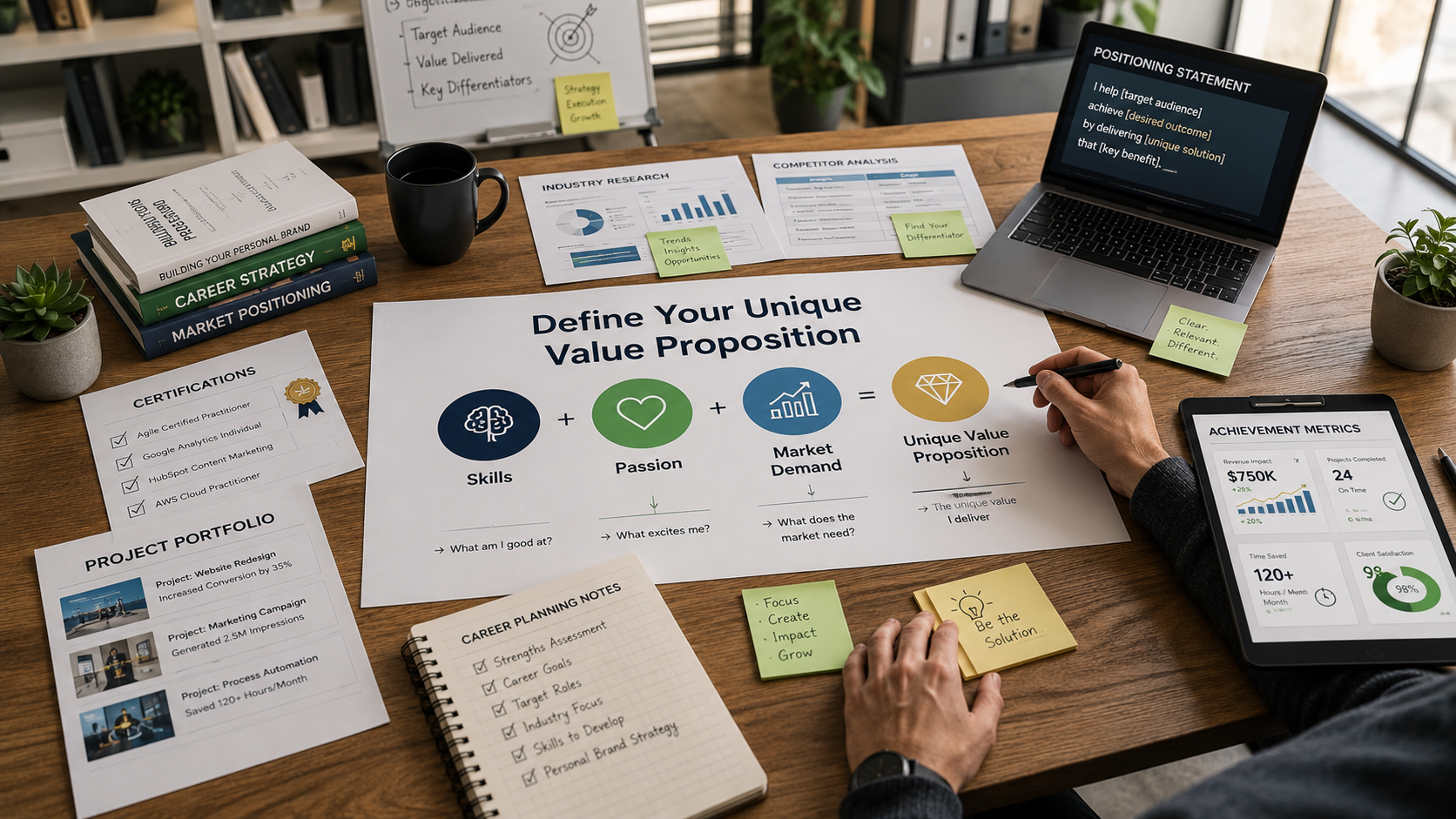
Before you publish content or update your digital profiles, you must clarify what you stand for. Your unique value proposition is the intersection of your skills, your passions, and current market demand. To uncover this value, consider asking yourself what specific problems you solve better than anyone else. Think about the core industries or topics that genuinely excite you and what colleagues consistently praise me for. Once you identify these core strengths, you can craft a compelling narrative that sets you apart from your peers.
This clarity prevents you from blending into a crowded market with generic descriptions. Instead, it positions you as a specialist who delivers distinct, measurable outcomes. A well-defined value proposition serves as the foundation for all your future networking conversations, content creation efforts, and resume updates, ensuring consistency across every single professional channel.
Identifying Your Target Audience
You cannot be everything to everyone, nor should you try to be. To maximize your career progression, narrow your focus to the specific group of people who can directly impact your professional trajectory. This target audience generally includes hiring managers, industry peers, potential clients, startup founders, and prominent mentors. Tailor your message directly to their pain points, organizational challenges, and professional needs.
When you speak directly to a defined audience, your insights resonate much more deeply. For example, if you want to reach tech executives, focus your content on scalability, technical leadership, and team efficiency rather than broad management theories. Understanding exactly who you are trying to reach saves you time and ensures your branding efforts yield high-value connections and relevant opportunities.
Optimizing Your Digital Footprint for Maximum Visibility
Your digital profiles serve as the digital storefront of your professional reputation. If your online profiles are incomplete, outdated, or inconsistent, your networking efforts will yield far fewer results. Recruiters verify your background across multiple platforms, so maintaining a cohesive presence is critical. Ensure that your career history aligns across all networks and matches the professional narrative you want to project.
Optimizing your digital footprint involves using clear terminology that highlights your specific expertise. This systematic optimization increases your chances of appearing in search queries when recruiters look for industry specialists. Think of your digital footprint as an ongoing reflection of your professional dedication; keeping it polished ensures you are always ready for unexpected career breakthroughs.
Transforming Your Social Profiles into Portfolios
Do not treat your social media profiles as static online resumes that simply list past duties. Instead, transform them into dynamic portfolios that actively showcase your achievements and expertise. Use a high-quality, professional headshot with clear lighting and write a compelling headline that states your exact value proposition. In your summary and bio sections, focus heavily on the concrete outcomes you deliver rather than just listing your previous daily tasks.
Example:
- Marketing Consultant helping small businesses generate more qualified leads.
- Career Coach helping recent graduates land their first high-paying job.
- Financial Advisor helping families build long-term wealth.
- Software Developer helping startups build scalable web applications.
Include links to projects you have completed, presentations you have given, or articles you have written. By embedding real evidence of your work directly into your profiles, you provide instant validation to anyone researching your background. This approach changes your profiles from boring lists of historical data into engaging, results-oriented narratives that prove your value.
Creating a Consistent Content Strategy
Content creation is the vehicle that drives your professional brand forward and expands your reach. By sharing your insights consistently, you actively prove your expertise rather than just claiming to have it on a resume. A reliable content strategy establishes you as an active participant in your industry’s ongoing conversations. To begin, establish a sustainable schedule that fits into your current work week without causing burnout.

Focus on topics where you possess genuine experience and can offer a unique perspective. Over time, your consistent output builds an archive of knowledge that demonstrates your professional growth and intellectual curiosity. This ongoing collection of work becomes a highly persuasive asset when you negotiate promotions, apply for new roles, or seek high-level business partnerships.
Choosing the Right Content Formats
Select content formats that align naturally with your personal strengths and communication style. If you enjoy deep analysis and writing, consider publishing long-form articles, case studies, or launching a regular newsletter. If you prefer speaking and visual communication, video content or podcast appearances might suit your style much better.
-
Long-form articles: Perfect for demonstrating deep technical knowledge and solving complex industry challenges.
-
Short-form posts: Ideal for daily tips, industry news commentary, and quick professional updates.
-
Visual infographics: Great for breaking down complex statistics, frameworks, or workflows into easily digestible formats.
Experimenting with different formats helps you discover how your target audience prefers to consume information. Once you identify the format that generates the highest engagement, focus your energy on perfecting that specific medium to build a dedicated professional following.
Networking Authentically to Expand Your Influence
Achieving substantial personal brand career growth relies heavily on genuine human connection and mutual respect. True networking focuses on building authentic, long-term relationships, not just collecting superficial digital contacts. Interact with other professionals by leaving thoughtful, insightful comments on their posts rather than generic compliments. Share their work with your audience when it adds genuine value and tag them to start meaningful conversations.
Over time, these small digital interactions can evolve into collaborative projects, mentorships, and exclusive career opportunities. Approach networking with a mindset of generosity by asking how you can help others before seeking favors for yourself. This supportive approach builds deep trust and establishes a strong professional support network that will naturally champion your career achievements for years to come.
FAQ SECTION
What is the first step in building a personal brand career growth strategy?
The foundational first step is defining your unique value proposition and clearly identifying your target audience. You must spend time analyzing your core strengths, technical skills, and professional passions to understand the specific problems you solve better than your peers. Once you clarify this value, determine who needs your expertise, such as hiring managers, recruiters, or potential business clients. This deep clarity ensures that all your future content creation, profile updates, and networking efforts align with your career goals. Without this initial groundwork, your branding efforts can become fragmented, confusing your audience and diluting your professional impact over time.
How much time should I invest in building my professional brand each week?
You should aim to dedicate approximately two to three hours per week to your personal branding efforts. Consistency matters much more than total volume, so it is better to spend twenty minutes a day than four hours once a month. Use this dedicated time to write high-quality posts, engage thoughtfully with industry peers, and review your digital profiles for necessary updates. This manageable routine ensures your online presence remains highly active and visible without causing professional burnout or distracting you from your primary job responsibilities. Treating branding as a consistent habit makes it a sustainable part of your career development strategy.
Can I build a personal brand if I am an introvert?
Yes, introverts can absolutely build a highly successful professional brand without changing their natural personality. You do not need to be loud or hyper-visible to make a significant impact in your industry. Introverts often excel at creating deep, written content, such as insightful articles, detailed case studies, or structured newsletters. Focus on sharing high-quality, thought-provoking ideas and engaging in meaningful one-on-one digital conversations rather than broad self-promotion. By prioritizing depth of knowledge over constant visibility, you will naturally attract the right professional opportunities, hiring managers, and mentors who appreciate your quiet authority and specialized expertise.
Which social media platforms are best for professional career growth?
LinkedIn is currently the premier platform for professional networking and career growth across almost every industry worldwide. However, the best platform ultimately depends on where your specific target audience and industry decision-makers spend their professional time. For example, creative professionals might find more value on Instagram, Behance, or Pinterest, while software engineers and data specialists often thrive on GitHub, Stack Overflow, and X. Research where the leaders in your specific field are actively publishing and engaging, and focus your primary branding energy on that platform to maximize your career visibility.
How long does it take to see tangible career results from personal branding?
Typically, you can expect to see meaningful, tangible results within three to six months of consistent effort. Early signs of progress include increased profile views, connection requests from industry peers, and higher engagement on your posts. Major career opportunities, such as inbound job offers from recruiters, speaking invitations, or consulting requests, usually develop after six to twelve months of sustained activity. Building a professional reputation takes time because it relies on establishing trust and authority within your network. View personal branding as a long-term career investment rather than a quick fix for immediate employment needs.
CONCLUSION
Executing a strategy centered on personal brand career growth is a powerful, long-term investment in your professional future. By defining your unique value proposition, optimizing your digital profiles, and sharing high-quality content consistently, you actively take control of your career trajectory. This deliberate process transforms you from a passive job seeker into a highly visible, trusted authority in your field.
Remember that authenticity remains the cornerstone of any sustainable professional identity. Stay true to your core values, engage sincerely with your community, and continuously refine your professional skills. If you’re looking to strengthen your qualifications and stand out in the job market, exploring the best professional certifications for beginners can help you build valuable skills and accelerate your career growth. As your reputation expands, new milestones, promotions, and opportunities will naturally follow. Start by updating your primary digital profile today to unlock the next chapter of your professional journey and secure your long-term career success.