
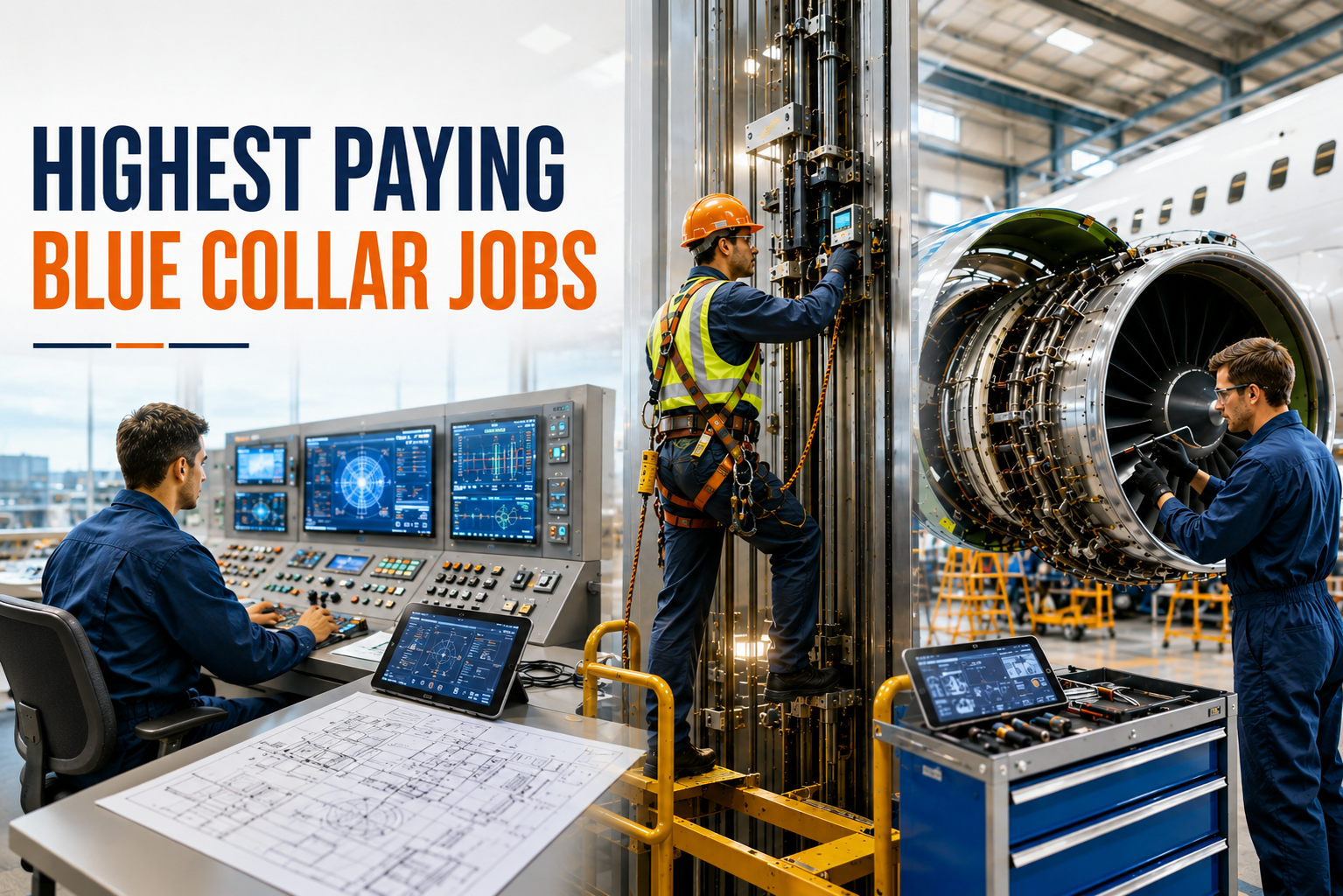
Breaking the Myth: The Highest Paying Blue Collar Jobs
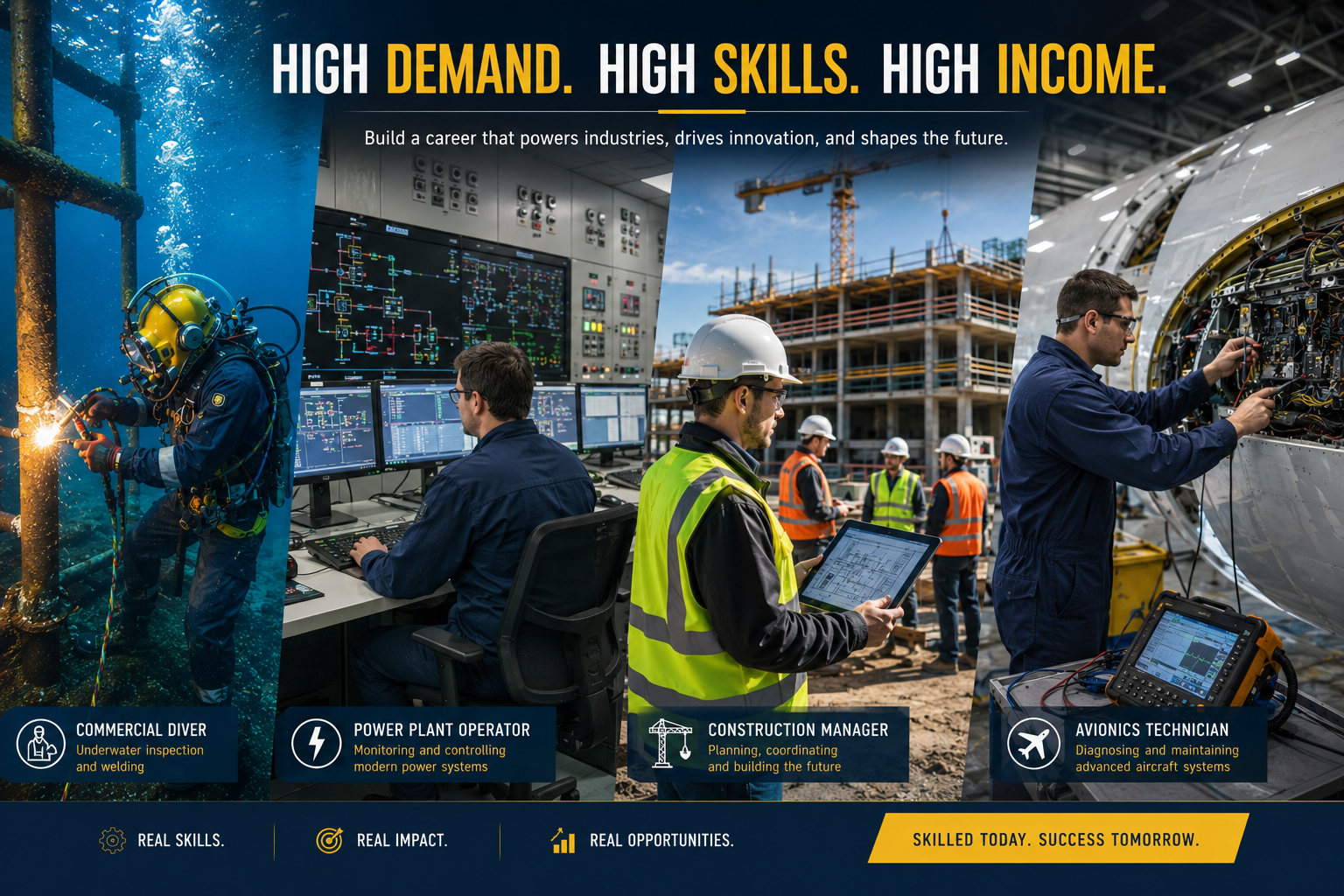
For decades, society pushed a singular narrative: go to a four-year university, get a degree, and sit in an office. Today, that script is flipping. Skyrocketing tuition costs and a massive skills shortage have made trade professions incredibly lucrative. The highest paying blue collar jobs now offer salaries that easily rival or outpace positions requiring a master’s degree. According to data from the U.S. Bureau of Labor Statistics, specialized technical trades are experiencing faster-than-average growth alongside significant wage increases. This shift is creating a unique window of opportunity. Individuals with a knack for practical problem-solving can build highly lucrative careers without taking on crushing student loan debt. This guide breaks down the top skilled trade careers, what they pay, and how you can enter these high-demand fields.
The modern economy increasingly relies on complex technical systems that require hands-on upkeep, installation, and engineering logic. White-collar saturation has left many college graduates with underemployment, while industrial, technical, and construction firms scramble to find capable hands. This structural deficit means companies are paying premium wages, offering robust benefits, and providing fast-tracked career growth to secure skilled personnel. Choosing this vocational trajectory path is no longer a secondary backup plan; it is a calculated, strategic financial move for long-term career stability and personal prosperity.
The Elite Earners: Highest Paying Blue Collar Jobs
Not all trade jobs are created equal. The roles commanding the absolute highest wages require specialized technical knowledge, safety compliance certifications, and niche problem-solving skills. Let us look closely at the careers leading the financial pack. To secure these elite roles, professionals must commit to continuous skill updates and rigorous safety protocols. The technical complexity involved means you are often working with high-value capital equipment, complex machinery, or critical infrastructure systems.
Consequently, the high barrier to entry lies in the mastery of the craft rather than academic credentials. Employers are highly willing to invest in individuals who display mechanical aptitude, analytical thinking, and a strong work ethic. As you gain experience, your earning potential increases exponentially, making these positions some of the most lucrative and reliable paths in the global job market today.
Nuclear Power Reactor Operators
Nuclear power reactor operators control nuclear reactors, monitor logs, and manage emergency protocols. This role requires immense responsibility and meticulous attention to detail, which explains why it consistently ranks at the top of the wage scale. Operators must constantly analyze data readouts, adjust control rods, and ensure absolute compliance with federal safety regulations. Because nuclear facilities run around the clock, these professionals work in shifts to maintain grid stability and prevent hazardous operational failures.
Furthermore, the training process for nuclear operators is incredibly intense, involving years of simulator practice and technical coursework. This intense preparation ensures that individuals can handle extreme pressure and make critical, split-second decisions during an operational crisis. Because a single error can have massive environmental and financial consequences, energy companies compensate these operators with executive-level salaries, comprehensive healthcare packages, and excellent retirement benefits, cementing this as a premier vocational career.
-
Average Salary: $110,000 – $125,000+ per year
-
Training Needed: High school diploma, extensive on-the-job training, and a license from the Nuclear Regulatory Commission (NRC).
Elevator Installers and Repairers
Elevator technicians assemble, install, maintain, and fix elevators, escalators, and moving walkways. Because the work is physically demanding, highly technical, and involves working at extreme heights or in cramped spaces, companies pay a premium for certified talent. These systems rely heavily on complex electronic controls, microprocessors, and hydraulic systems, meaning a modern technician must be part electrician and part mechanical engineer.
Moreover, regular maintenance is strictly mandated by municipal safety codes, ensuring an ongoing stream of recession-proof service contracts. Technicians must troubleshoot complex wiring diagrams, replace worn cables, and test emergency braking mechanisms. The combination of structural risk, technical complexity, and strong labor union backing keeps wages exceptionally high, ensuring that skilled professionals enjoy both top-tier compensation and unmatched long-term job security in expanding urban environments.
-
Average Salary: $95,000 – $115,000 per year
-
Training Needed: A four-year apprenticeship program is standard, usually requiring state licensure.
Power Plant Operators, Distributors, and Dispatchers
These professionals control the systems that generate and distribute electrical power across regional grids. As energy infrastructure modernizes, the demand for technicians who understand both mechanical systems and digital controls continues to surge. Dispatchers monitor the flow of electricity through substations, anticipating heavy load demands and rerouting power during severe weather emergencies to prevent widespread blackouts.
Additionally, this career trajectory demands deep knowledge of safety regulations and electrical engineering fundamentals. Workers must collaborate closely with field engineers and plant managers to optimize energy output while minimizing operational wear on multi-million dollar turbine equipment. Given our absolute societal dependence on uninterrupted electricity, these distribution experts remain central to national infrastructure, allowing them to command exceptional hourly rates, extensive overtime pay, and robust institutional stability.
-
Average Salary: $90,000 – $105,000 per year
-
Training Needed: Extensive long-term on-the-job training and background checks.
High-Demand Skilled Trades With Excellent Wealth Potential
Beyond the absolute top earners, several mainstream trade industries offer rapid career advancement and excellent foundational salaries. These industries span transportation, maritime operations, and structural management, showing the immense diversity available within industrial sectors. These roles are ideal for individuals who prefer dynamic work environments over a standard office desk. Many of these careers offer direct opportunities for entrepreneurship, allowing you to scale a personal trade skill into a thriving local business.
Furthermore, these sectors are currently experiencing rapid technological integration, which elevates the status and precision of the work. From digital diagnostic tools to automated logistics management, modern trade work requires continuous learning and adaptability. This evolution ensures that wages remain competitive with white-collar alternatives, providing a viable framework for generating substantial household wealth while building essential infrastructure that keeps communities safe, connected, and highly productive.
| Occupation | Average Salary Range | Projected Growth Rate |
|---|---|---|
| Aircraft Mechanic | $75,000 – $90,000 | Faster than average |
| Commercial Diver | $70,000 – $95,000 | Steady |
| Construction Manager | $98,000 – $120,000 | Stable |
Aircraft and Avionics Equipment Mechanics
Air travel keeps the global economy moving, and aircraft mechanics ensure those planes fly safely. This hands-on role involves diagnosing mechanical or electrical problems, replacing worn parts, and analyzing flight data. Mechanics must work precisely according to rigid aviation manuals, documenting every turn of a wrench to satisfy strict federal aviation standards. This zero-mistake environment requires high personal accountability and technical mastery.
Moreover, the industry faces an acute shortage of younger workers due to a wave of upcoming retirements. This shortage translates directly into higher entry-level wages, excellent sign-on bonuses, and rapid promotions for certified airframe and powerplant (A&P) technicians. Mechanics can work for major commercial airlines, private cargo carriers, or aerospace manufacturers, enjoying a highly dynamic career that offers excellent global travel benefits alongside exceptional baseline financial compensation.
-
Average Salary: $75,000 – $90,000 per year
-
Training Needed: FAA-approved technical school program or relevant military experience.
Commercial Divers
Commercial divers work underwater to inspect, repair, build, or remove large structures. They use scuba gear, welding equipment, and specialized power tools. As a result, the high risk of deep-water work commands an exceptionally high hourly rate. In addition, these professionals are essential for offshore oil rigs, port construction, underwater salvage projects, and bridge inspections. Therefore, their skills remain in high demand across global maritime industries.
Moreover, the physical and mental demands of the job require specialized training and excellent physical fitness. Divers must also master underwater welding, non-destructive testing, and hyperbaric safety procedures. Because the work environment is challenging, they must coordinate closely with surface support crews. Consequently, employers offer premium wages to attract qualified professionals. Overall, the combination of technical expertise, adventure, and high earning potential makes commercial diving one of the most rewarding careers in the skilled trades.
-
Average Salary: $70,000 – $95,000 per year
-
Training Needed: Commercial diving school certification and rigorous physical fitness exams.
Why Skilled Trades Are Becoming the Ultimate Career Path
Choosing a high-paying vocational path provides distinct financial and lifestyle advantages over traditional corporate employment. While white-collar professionals often face intense corporate competition and shifting workplace trends, trade experts enjoy clear, skill-based advancement. The ability to directly see the results of your daily labor builds strong job satisfaction, which is often missing in digital office roles.
Furthermore, trade careers foster a strong sense of community and professional camaraderie through structured union networks and shared apprentice experiences. This professional framework ensures that safety standards are consistently enforced and fair wages are maintained across the industry. By choosing a career focused on tangible expertise, you align your livelihood with the foundational needs of civilization, protecting your earning power from economic volatility and white-collar downsizing trends.
-
Zero Student Debt: Most trade paths utilize paid apprenticeships. You earn an income while learning your craft, completely bypassing the college debt trap.
-
Artificial Intelligence Insulation: Generative AI tools can automate coding, writing, and administrative tasks. However, AI cannot physically replace a faulty electrical transformer, fix a broken water main, or repair a commercial jet engine.
-
Unparalleled Job Security: The foundational infrastructure of our world—roads, power grids, sanitation, and transport—demands physical, human upkeep.
FAQ Section
What Is the Absolute Highest Paying Blue Collar Job?
Among the highest paying blue collar jobs, nuclear power reactor operators consistently earn the highest salaries. Their median annual wage is about $122,610, while experienced operators can earn $150,000 to $200,000 or more through license premiums and overtime. As a result, this career is widely recognized as one of the highest paying blue collar jobs available today.
Elevator installers and repairers also rank among the highest paying blue collar jobs, with median annual earnings of about $106,580. These careers offer premium pay because they require advanced technical skills, extensive safety training, and specialized certifications.
In addition, many of the highest paying blue collar jobs involve managing complex, high-risk infrastructure. Even small mistakes can have serious environmental, operational, or financial consequences. Therefore, employers offer high salaries to attract and retain experienced professionals.
Furthermore, strong union representation helps many of the highest paying blue collar jobs maintain competitive wages. Regular contract negotiations often increase pay to keep pace with inflation and growing technical demands. Consequently, several of the highest paying blue collar jobs can provide higher lifetime earnings than many traditional office careers.
Can You Make Six Figures in a Blue-Collar Career?
Reaching a six-figure income is achievable, common, and sustainable in many modern skilled trades. Highly specialized fields such as aerospace maintenance, industrial underwater welding, high-voltage electrical grid management, and automated manufacturing systems maintenance often offer base salaries near or above $100,000. A widespread shortage of experienced tradespeople has also increased demand. As a result, employers compete for skilled workers by offering higher wages and better benefits.
Many trade professionals increase their income through overtime, on-call emergency shifts, and holiday pay. Others choose to start their own contracting businesses. Skilled plumbers, electricians, and HVAC technicians can grow from hourly employees into business owners. By hiring crews and securing commercial or municipal contracts, they can earn well into the six figures. This can exceed the earning potential of many middle-management office roles.
Do These Jobs Require a College Degree?
No. Most high-paying skilled trades do not require a traditional four-year college degree. Instead, workers qualify through technical school certificates, community college programs, or registered union apprenticeships. This practical training lets people enter the workforce sooner and avoid the heavy student debt that many college graduates face.
Apprenticeships are especially valuable because they follow an earn-while-you-learn model. Apprentices receive a wage while developing their skills under experienced professionals. This hands-on approach differs from many academic programs, which focus more on theory and may not lead directly to employment. As a result, many trade workers begin earning strong incomes in their early twenties. That early start can make it easier to buy a home, invest, and build long-term wealth.
Are High-Paying Trade Jobs Dangerous?
Some high-paying industrial trades involve physical risks. These include handling high-voltage utility lines, operating heavy machinery, working at great heights, or performing commercial underwater welding. However, modern safety regulations, thorough training, and advanced personal protective equipment (PPE) greatly reduce these risks. Many employers also invest heavily in workplace safety. Accidents can damage equipment, reduce productivity, and result in costly regulatory fines.
Professionals who follow safety procedures and complete regular training can enjoy long, healthy, and rewarding careers. A disciplined approach to safety is essential in every trade. Compared with many sedentary office jobs, skilled trades can also offer health benefits through regular physical activity. Office work is often linked to back pain, metabolic problems, and high stress. By contrast, many modern trades provide an active and well-regulated work environment that supports long-term career sustainability.
How do I start a career in the skilled trades?
The single most effective way to launch a lucrative career in the skilled trades is by applying directly for a registered apprenticeship program through a local trade union or an established private commercial contractor. Alternatively, you can jumpstart the process by enrolling in an accredited vocational technical school to build foundational skills and learn structural safety principles. Both of these paths provide the targeted, hands-on experience and necessary field hours required to pass rigorous state licensing exams.
It is highly beneficial to research which specific industrial trades are currently facing acute labor shortages in your geographic region, as these high-demand gaps often lead to fully subsidized training programs, corporate sponsorships, and immediate career placement. Additionally, developing strong baseline skills in practical mathematics, mechanical drawing, and technical blueprint reading during high school or through online courses can give you a major competitive advantage, allowing you to score exceptionally well on initial union entrance exams.
CONCLUSION
The modern job market is undergoing a significant transformation. The highest paying blue collar jobs prove that you do not need an office cubicle or a university degree to build an excellent financial future. Careers in energy distribution, specialized mechanics, and infrastructure maintenance offer secure and lucrative alternatives to the traditional corporate path. As college costs continue to rise and many office-based roles face technological disruption, skilled trades remain a reliable source of financial stability and long-term career growth.
Ultimately, the skilled trades reward practical skills, dedication, and precision. If you enjoy solving real-world problems and want to avoid student debt, pursuing a specialized trade can be a smart path to financial independence. You can also explore how these careers are evolving by reading our guide to future blue collar jobs in the AI age. By developing essential skills that keep industries running, you can build a resilient career with lasting value in an unpredictable economy.