
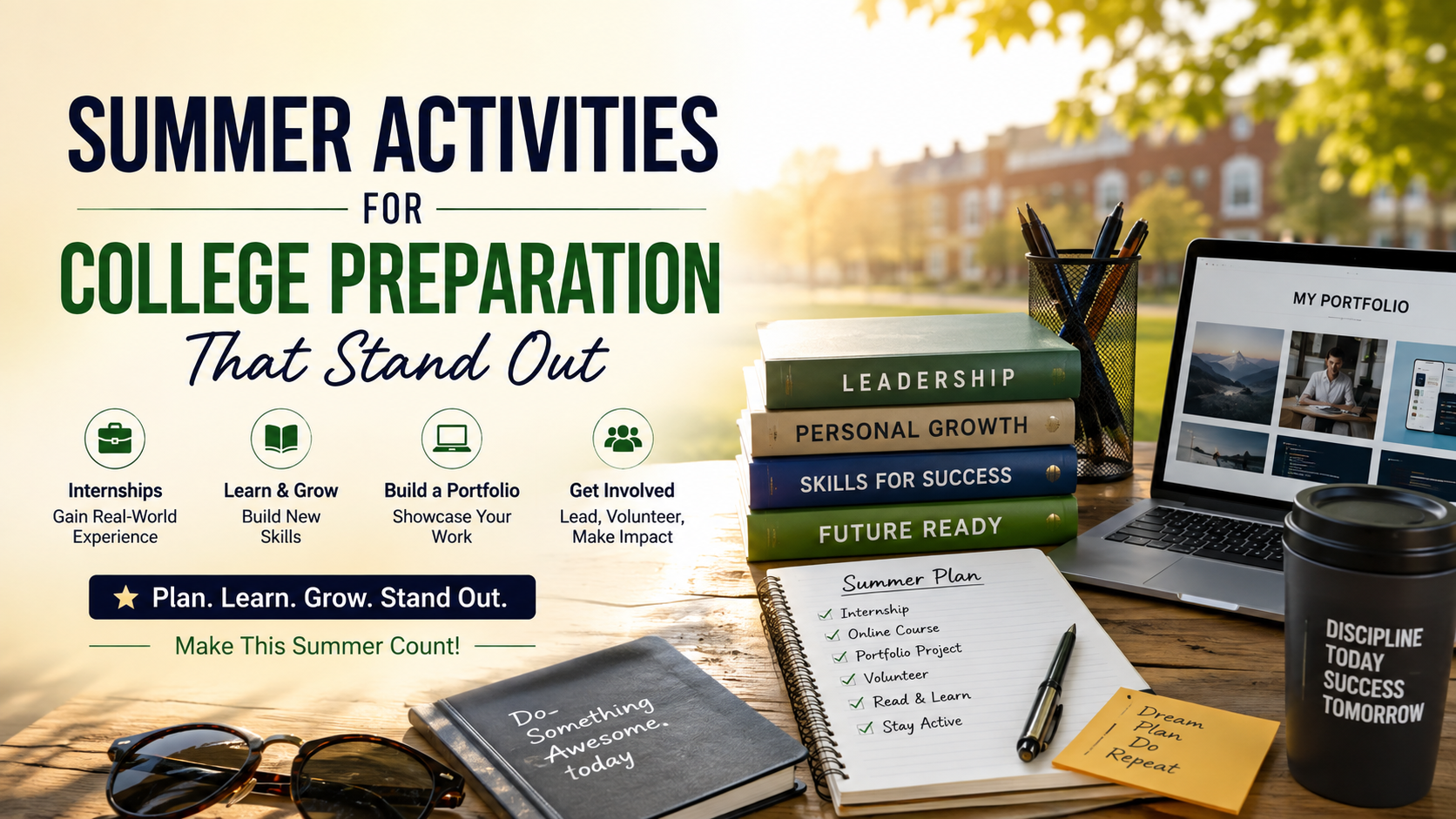
Summer Activities for College Preparation That Stand Out
Summer break serves as a critical window for ambitious students aiming to strengthen their profiles before application season begins, making summer activities for college preparation an essential focus. Utilizing these months effectively allows you to demonstrate leadership, academic curiosity, and genuine personal growth outside the standard classroom environment. Admissions officers look for purposeful engagement rather than passive downtime during extended breaks. Whether you want to explore future career paths, master a new skill, or contribute meaningfully to your community, planning ahead ensures you make every single week count. To understand broader educational strategies and standards, you can review guidelines provided by the U.S. Department of Education. This comprehensive guide addresses what students should do during the summer, highlights effective programs, and details the exact summer activities for college preparation that impress colleges while boosting your overall summer activities for college preparation strategy.
What should a college student do in the summer?
Summer break gives college students an excellent opportunity to grow both personally and professionally. Instead of treating it as a long vacation, create a plan that supports your career goals, academic interests, and personal well-being. A balanced summer helps you gain valuable experience while still making time to relax and recharge before the next semester.
Consider pursuing an internship, enrolling in a summer course, or working on an independent research project. These experiences strengthen your knowledge and improve your resume. You can also develop new technical skills, expand your professional network, or earn an industry-recognized certification.
At the same time, prioritize your physical and mental health. Exercise regularly, spend time with family and friends, and maintain healthy routines. Planning your weeks in advance helps you stay productive without feeling overwhelmed. By using your summer wisely, you can return to campus with stronger skills, greater confidence, and a clear sense of direction.
Prioritizing High-Impact Professional Internships
A professional internship is one of the most valuable ways to spend your summer. It allows you to apply classroom knowledge in a real workplace while developing practical skills that employers expect. Look for internships that provide meaningful responsibilities instead of repetitive administrative tasks.
Choose opportunities where you can contribute to projects, collaborate with experienced professionals, and receive regular feedback. Building relationships with mentors and colleagues can also open doors to future internships or full-time positions.
Keep track of your accomplishments throughout the internship. Record measurable results, completed projects, and new skills you learn. These achievements strengthen your resume, improve your LinkedIn profile, and provide excellent examples for future interviews. Even a short internship can significantly improve your confidence, clarify your career goals, and help you stand out in a competitive job market.
What are some activities we can do in summer?
Summer offers countless opportunities to explore interests beyond the classroom. The best activities combine enjoyment with personal growth, helping you develop skills that benefit both your academic and professional life. Rather than spending the entire break on entertainment, choose experiences that challenge you and expand your knowledge.
You could learn a new language, practice photography, start a blog, build a mobile app, or explore creative hobbies such as painting or music. Outdoor activities like hiking, cycling, or team sports improve physical fitness while teaching discipline and teamwork.
If you enjoy entrepreneurship, consider launching a small online business or freelancing in a skill you already possess. Every meaningful project adds experience and demonstrates initiative. By pursuing activities that genuinely interest you, you create memorable experiences, build confidence, and develop stories that strengthen future college, scholarship, or job applications.
Developing Creative and Technical Digital Portfolios
Creating a digital portfolio is an excellent way to showcase your skills and accomplishments. Unlike a resume, a portfolio demonstrates what you have actually built or created. Employers and academic institutions appreciate seeing real examples of your work.
Spend your summer designing websites, developing software, creating videos, writing articles, producing graphic designs, or completing research projects. Include finished work, project descriptions, and the challenges you solved.
Keep your portfolio organized, visually appealing, and easy to navigate. Update it regularly with your latest achievements and certifications. A strong portfolio reflects your initiative, creativity, and technical abilities. Whether you are applying for internships, scholarships, or full-time jobs, a professional portfolio helps you stand out by providing clear evidence of your capabilities.
What are the best activities for college students?
The best summer activities depend on your major, career goals, and personal interests. However, certain experiences consistently provide long-term value regardless of your field of study. Focus on activities that strengthen your skills, expand your knowledge, and demonstrate continuous learning.
High-impact options include internships, research programs, language courses, leadership positions, coding bootcamps, volunteer work, and professional certifications. These opportunities help you build practical experience while improving your confidence and problem-solving abilities.
Networking is equally important. Attend workshops, industry conferences, or online webinars to connect with professionals and mentors. Strong professional relationships often lead to future career opportunities. Rather than trying to complete many unrelated activities, focus on a few meaningful experiences. Consistent effort and measurable achievements create a stronger impression than a long list of short-term commitments.
Participating in Competitive Academic Research Programs
Joining an academic research program allows you to gain valuable experience beyond regular coursework. Working with professors or research teams develops analytical thinking, problem-solving, and critical research skills that are highly valued in both academia and industry.
You may assist with literature reviews, data collection, laboratory experiments, statistical analysis, or technical writing. These responsibilities help you understand how research contributes to solving real-world problems.
Whenever possible, present your work at student conferences or research symposiums. Publishing research papers or contributing to academic projects further strengthens your academic profile. Research experience also improves graduate school applications and demonstrates your commitment to learning. Even if you do not pursue an academic career, these skills remain valuable across many industries.
What to prepare for summer?
Successful summer planning begins well before your break starts. Preparing early helps you secure better opportunities and avoid unnecessary stress. Start by identifying your goals, whether they involve internships, travel, certifications, research, or personal development.
Research application deadlines and prepare all required documents, including your resume, cover letter, transcripts, and recommendation letters. If your plans involve relocation or unpaid opportunities, create a realistic budget and explore available financial support. You can also use the best educational apps for students to stay organized, improve productivity, and continue learning throughout your summer break.
Develop a weekly schedule that balances work, learning, relaxation, and personal commitments. Set achievable milestones to stay motivated and track your progress. Organize essential resources in advance, including transportation, accommodation, study materials, and equipment. Careful preparation increases productivity, reduces last-minute challenges, and allows you to focus on achieving your goals.
Securing Funding and Managing Logistics Early
Many valuable summer opportunities require careful financial planning. Scholarships, grants, fellowships, and paid internships can reduce expenses and make ambitious goals more achievable. Begin researching available funding several months before applications close.
Compare different funding options and prepare the necessary documents early. If financial assistance is limited, consider a part-time job to support your summer plans.
Logistics also deserve careful attention. Arrange housing, transportation, insurance, and daily schedules before your program begins. Create a checklist to track deadlines and important documents. Good planning minimizes unexpected problems and allows you to focus on learning and professional growth instead of administrative challenges.
What to do during summer break at home
Spending your summer at home can still be highly productive. With the right mindset, you can develop valuable skills, earn income, and prepare for future opportunities without traveling. Creating a structured daily routine helps you stay focused and avoid wasting time.
Consider taking online courses, learning programming, improving communication skills, or studying digital marketing. You can also start freelancing, launch a small online business, or work part-time to gain professional experience and financial independence. If you’re looking for flexible ways to earn while studying, explore these best part-time jobs for students to find opportunities that fit your schedule and career goals.
Summer at home also provides opportunities to strengthen family relationships and develop practical life skills such as budgeting, cooking, and time management. Volunteering in your local community adds meaningful experience while expanding your network. By using your time wisely, your home can become a productive environment for both personal and career growth.


Building Local Community Impact and Volunteer Networks
Volunteering is a meaningful way to develop leadership, communication, and teamwork skills while making a positive contribution to your community. Supporting local organizations demonstrates responsibility and a genuine commitment to helping others.
You can volunteer at food banks, libraries, schools, hospitals, animal shelters, or environmental organizations. These experiences introduce you to people from different backgrounds and help you develop empathy and problem-solving abilities.
Volunteer work also strengthens college and job applications by showing long-term commitment and community involvement. In many cases, supervisors can provide strong recommendation letters based on your contributions. Beyond professional benefits, volunteering creates lasting relationships and gives you the satisfaction of making a meaningful difference.
12 summer activities that impress colleges
Colleges appreciate students who use their summer to pursue meaningful experiences instead of simply filling their schedules. Admissions officers value leadership, intellectual curiosity, creativity, and long-term commitment. Focus on activities that demonstrate measurable growth and genuine interest.
Some of the most impressive summer activities include:
- Completing a professional internship
- Conducting academic or STEM research
- Starting a community service initiative
- Earning industry certifications
- Publishing articles or creative writing
- Learning a new language
- Building a website or mobile application
- Launching a small business
- Holding a leadership position
- Participating in selective summer programs
- Organizing fundraising events
- Developing a professional portfolio
Rather than collecting many short experiences, focus on creating lasting impact. Colleges value consistent effort, leadership, and measurable achievements more than lengthy activity lists.
Demonstrating Leadership Through Initiating Original Projects
Starting your own project is one of the strongest ways to demonstrate leadership. Instead of joining an existing initiative, identify a real problem and create a practical solution. This approach highlights creativity, responsibility, and independent thinking.
You might establish a community tutoring program, launch a nonprofit campaign, create a student club, develop an educational website, or start a small business. Document your planning process, challenges, and measurable results throughout the project.
Successful original projects show colleges and employers that you can take initiative, organize resources, and motivate others toward a shared goal. Even small projects can create significant impact when they solve genuine problems. Strong leadership experiences leave a lasting impression and make your applications more competitive.
Frequently Asked Questions
How early should I start planning my college preparation summer activities?
You should begin planning your summer schedule at least four to six months in advance to secure competitive spots. Many elite programs, internships, and research grants close their application windows early in the spring semester. Early planning gives you ample time to prepare essays, secure recommendation letters, and arrange logistics without unnecessary stress.
Do unpaid volunteer activities look as good as paid internships on applications?
Admissions officers value both unpaid community service and paid professional internships because they highlight different character strengths. Volunteer work demonstrates empathy, civic duty, and selflessness, while internships showcase professional competence and workplace readiness. Balance your summer by incorporating elements of both to present a well-rounded and deeply impressive profile.
How can I prove my summer achievements to college admissions officers?
You can effectively prove your accomplishments by securing detailed letters of recommendation from supervisors or program directors. Additionally, maintaining a digital portfolio, receiving certificates of completion, or publishing your final research work provides concrete evidence. Tangible proof transforms your resume claims into undeniable facts that admissions teams respect and trust.
Is it acceptable to take a summer off entirely to rest?
Taking a short period of rest is essential to prevent severe burnout before a demanding academic year begins. However, leaving the entire summer completely unstructured can signal a lack of initiative to admissions committees. Aim to balance a few weeks of relaxation with targeted, productive activities that align with your personal goals.
Conclusion
Making the most of your break with summer activities for college preparation helps you build valuable skills, gain practical experience, and strengthen your academic profile. Whether you choose internships, research opportunities, community service, or personal projects, each experience can bring you closer to your long-term goals.
Remember that quality matters more than quantity. Focus on activities that match your interests, career aspirations, and strengths. Consistent effort and meaningful achievements leave a stronger impression than a long list of unrelated experiences. If you’re preparing for your first year of college, don’t miss our College Survival Guide for Freshers for practical tips on succeeding both academically and personally.
Start planning your summer early, set realistic goals, and follow through with dedication. The time you invest today can open new opportunities, boost your confidence, and prepare you for success in college and beyond.