
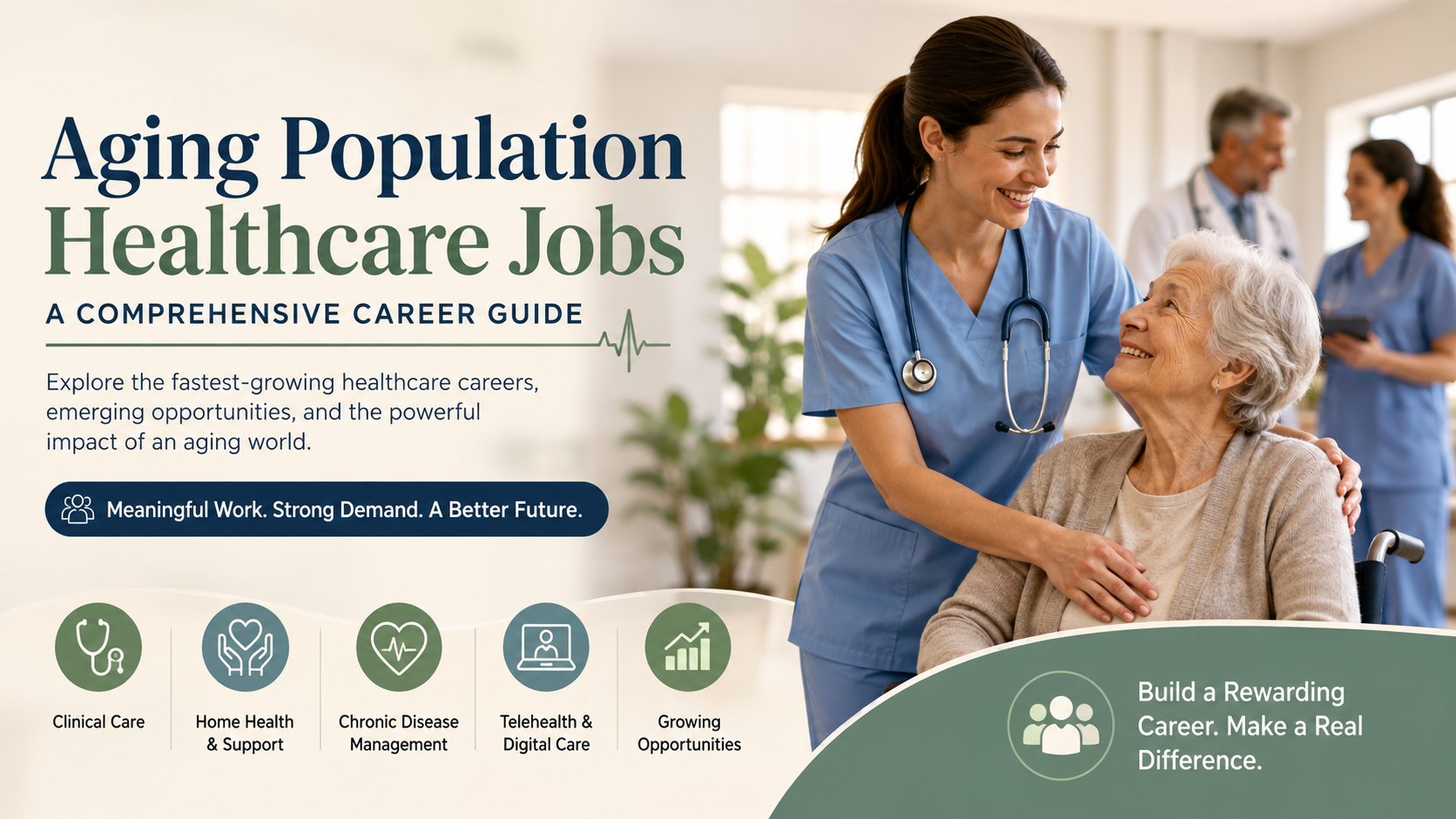
Aging Population Healthcare Jobs: A Comprehensive Career Guide
As global demographics shift dramatically, aging population healthcare jobs have become one of the most vital areas of economic and social growth. People are living longer, which means the demand for specialized medical care, daily assistance, and chronic disease management has reached unprecedented levels. According to the U.S. Bureau of Labor Statistics, the healthcare sector continues to add millions of new jobs to support older adults. This guide examines the driving forces behind this trend, explores emerging career paths, and outlines the top medical roles in high demand. Whether you are entering the workforce or planning a career pivot, understanding these changes will help you navigate a secure and rewarding professional future.

What Is the Fastest Growing Healthcare Profession?
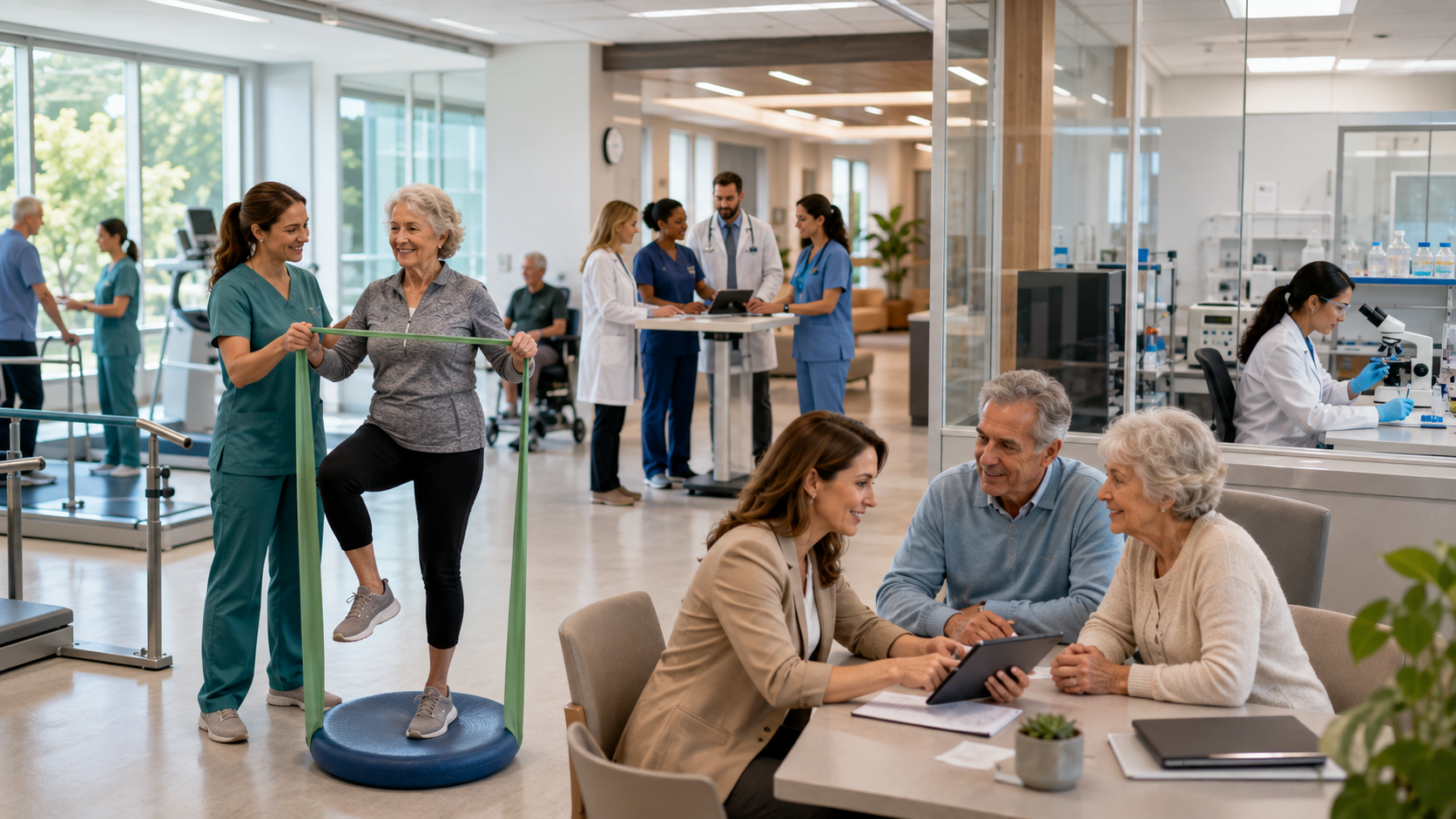
The fastest-growing healthcare professions continue to expand as populations age and healthcare needs become more complex. Among them, nurse practitioners and home health aides consistently rank among the fastest-growing careers. Older adults require more frequent health monitoring, preventive care, and long-term disease management. This creates strong demand for professionals who can provide high-quality, patient-centered care.
Healthcare organizations increasingly rely on advanced clinical roles to improve access to medical services. Nurse practitioners help diagnose illnesses, prescribe medications, and manage treatment plans. Their ability to work independently in many settings reduces physician workloads while improving patient outcomes. At the same time, home health aides support seniors who prefer to remain in their homes instead of moving into care facilities. As the aging population grows, these careers offer excellent job security, competitive salaries, and long-term career opportunities.
Nurse Practitioners Lead Clinical Growth
Nurse practitioners are among the most sought-after healthcare professionals today. They provide both primary and specialty care across hospitals, clinics, and community health centers. Their advanced education allows them to diagnose conditions, prescribe medications, and coordinate comprehensive care.
Healthcare employers value nurse practitioners because they improve access to medical services while maintaining high-quality care. As physician shortages continue in many regions, these professionals fill critical gaps in the healthcare system. Their combination of clinical expertise, patient education, and preventive care makes them essential to modern healthcare delivery, especially for older adults managing multiple chronic conditions.
What Impact Does the Aging Population Have on Health Care?
The aging population is reshaping healthcare systems worldwide. As life expectancy increases, more people require continuous care for chronic conditions such as diabetes, heart disease, arthritis, and dementia. Hospitals experience higher patient volumes, while long-term care facilities and community health services face growing demand.
Healthcare providers must expand their workforce, modernize medical technology, and strengthen preventive care programs. The focus has shifted from treating short-term illnesses to managing long-term health conditions. This requires better coordination among physicians, nurses, therapists, and caregivers.
In response, healthcare organizations continue investing in geriatric medicine, home healthcare, and digital health solutions. These changes improve patient outcomes while helping healthcare systems manage increasing demand. The result is a more patient-centered model that emphasizes ongoing care, early intervention, and improved quality of life for older adults.
Increased Demand for Long-Term Care Facilities
Long-term care facilities and assisted living communities continue to experience rising occupancy rates. As more seniors require daily assistance, providers must expand services and hire skilled professionals.
To meet demand, facilities invest in advanced medical equipment, specialized staff training, and improved patient safety measures. These upgrades help residents receive personalized care while maintaining comfort, dignity, and independence whenever possible.
What Are the Opportunities of an Aging Population?
An aging society creates significant opportunities across healthcare, technology, education, and business. Companies continue developing innovative products and services that improve the quality of life for older adults. At the same time, healthcare professionals benefit from stronger job demand, career advancement, and long-term employment stability.
Medical organizations increasingly invest in telehealth, remote patient monitoring, and assistive technologies that help seniors live independently. Educational institutions also expand programs in gerontology, nursing, rehabilitation, and healthcare administration to prepare future professionals.
This demographic shift encourages innovation across many industries. Businesses that develop senior-focused healthcare solutions, mobility devices, and digital care platforms are well positioned for sustained growth. Overall, the aging population creates new economic opportunities while improving healthcare accessibility and patient outcomes.
Telehealth Expansion Creates Remote Opportunities
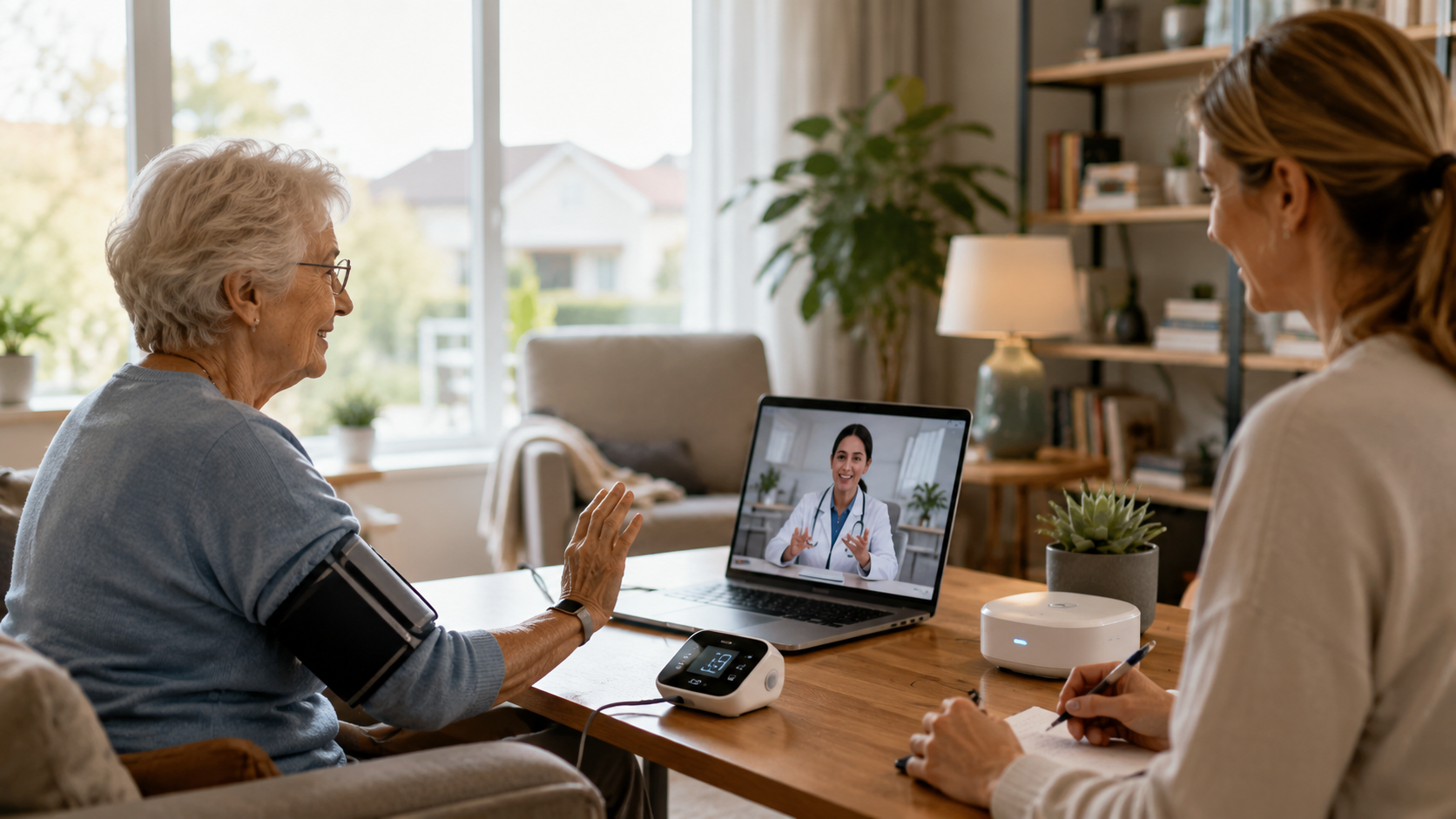
Telehealth continues transforming healthcare delivery. Virtual consultations and remote monitoring allow medical professionals to support older adults without requiring frequent hospital visits.
These technologies improve access to care, especially in rural communities. They also reduce hospital readmissions, encourage early intervention, and help patients manage chronic conditions from the comfort of their homes.
Which Industries Will Benefit From an Aging Population?
The impact of an aging population extends far beyond hospitals and clinics. Several industries benefit from increasing demand for healthcare products, retirement services, and age-friendly technologies. As healthcare needs evolve, businesses across multiple sectors continue expanding their services.
Key industries experiencing sustained growth include:
- Pharmaceutical companies
- Home healthcare providers
- Medical device manufacturers
- Senior housing and assisted living
- Health insurance providers
- Retirement and financial planning services
Each industry plays an important role in supporting older adults through medical treatment, daily living assistance, and financial planning. Together, these sectors contribute to healthier aging while creating millions of new employment opportunities worldwide.
Medical Device Manufacturing Sees Record Growth
Medical device manufacturers continue developing products that improve safety, mobility, and independence for seniors. Demand remains high for mobility aids, hearing devices, wearable health monitors, and home diagnostic equipment.
Continuous innovation makes these devices more reliable, affordable, and easier to use. As a result, older adults can manage their health more effectively while maintaining greater independence at home.
Emerging Careers in Healthcare
Healthcare innovation continues creating entirely new career opportunities. Advances in digital health, artificial intelligence, and data analytics have introduced specialized roles that combine clinical knowledge with modern technology. These careers support more efficient, personalized, and accessible healthcare services.
Growing positions include health informatics specialists, elder care coordinators, remote patient monitoring technicians, and digital health professionals. Employers seek candidates who understand healthcare systems while working confidently with electronic health records, telehealth platforms, and patient data.
As healthcare becomes increasingly technology-driven, professionals with both clinical and technical skills enjoy strong employment prospects. These emerging careers also provide opportunities to improve patient experiences, enhance care coordination, and support aging populations through innovative healthcare solutions.
Elder Care Coordinators Navigate Complex Systems
Elder care coordinators help families manage healthcare decisions with confidence. They coordinate medical appointments, explain insurance options, and recommend appropriate care services.
These professionals work closely with physicians, caregivers, and social service providers to ensure seniors receive coordinated, personalized care. Their guidance reduces confusion while improving health outcomes and overall quality of life.
Top 10 Medical Careers in Demand
Healthcare employers continue hiring across a wide range of clinical and support roles. The following careers remain among the most in-demand due to growing healthcare needs and an aging population:
- Registered Nurses
- Nurse Practitioners
- Physician Assistants
- Physical Therapists
- Occupational Therapists
- Medical and Health Services Managers
- Home Health Aides
- Medical Assistants
- Clinical Laboratory Technologists
- Licensed Practical Nurses
These careers offer excellent employment stability, competitive salaries, and meaningful opportunities to improve patients’ lives. As healthcare systems continue expanding, professionals in these roles will remain essential to delivering high-quality care across hospitals, clinics, rehabilitation centers, and community health organizations.
Physical Therapists Restore Mobility and Independence
Physical therapists help older adults recover from surgery, manage chronic pain, and improve balance. Their personalized rehabilitation programs strengthen muscles, increase mobility, and reduce the risk of falls.
By restoring movement and promoting independence, physical therapists significantly improve the quality of life for aging individuals. Their expertise remains essential as healthcare providers focus on preventive care and long-term wellness.
FAQ SECTION
What Causes the Rapid Growth in Senior Healthcare Jobs?
The rapid growth in aging population healthcare jobs is driven primarily by longer life expectancy and the aging of the large Baby Boomer generation. As a result, more people are entering older age groups and require ongoing medical care. In addition, chronic conditions such as heart disease, diabetes, arthritis, and dementia are becoming more common, increasing the demand for qualified healthcare professionals. Therefore, hospitals, clinics, rehabilitation centers, and home healthcare providers continue expanding their workforce to deliver specialized care and daily living support. Consequently, aging population healthcare jobs remain among the fastest-growing career opportunities in the healthcare industry.
Do All Senior Healthcare Careers Require a Medical Degree?
No, not every role in aging population healthcare jobs requires a medical degree. While physicians and nurse practitioners must complete advanced education, many other careers have more accessible entry requirements. For example, home health aides, medical assistants, patient care technicians, and administrative coordinators often qualify through certificate programs or associate degrees. Additionally, many employers provide on-the-job training for entry-level positions. As a result, individuals can begin a rewarding healthcare career more quickly while gaining valuable experience and advancing through additional education if they choose.
How Is Technology Changing Elderly Healthcare Careers?
Technology continues to reshape aging population healthcare jobs by improving patient care and workplace efficiency. Today, healthcare professionals use telehealth platforms, electronic health records, wearable health devices, and remote patient monitoring systems every day. As a result, providers can monitor patients more effectively without requiring frequent hospital visits. Furthermore, these digital tools improve communication, reduce paperwork, and support faster clinical decisions. Therefore, professionals entering elderly healthcare careers benefit from developing both clinical knowledge and digital skills, making them more valuable in today’s technology-driven healthcare environment.
Is Elderly Care a Stable Long-Term Career Choice?
Yes, elderly care remains one of the most stable career paths available. Because the global senior population continues to grow, healthcare providers will require more skilled professionals for many years. In addition, governments and healthcare organizations continue investing in long-term care, rehabilitation, and home healthcare services. Consequently, aging population healthcare jobs offer excellent job security, competitive salaries, and long-term career growth. Moreover, professionals who specialize in geriatric care often enjoy diverse employment opportunities across hospitals, community health centers, nursing homes, and home healthcare agencies.
Conclusion
The future of aging population healthcare jobs is exceptionally strong as healthcare systems continue adapting to the needs of older adults. From traditional nursing roles to emerging technology-focused careers, the industry offers diverse opportunities for professionals with different skills and educational backgrounds. Moreover, advances in medical technology, telehealth, and preventive care continue creating new career paths while improving patient outcomes. Therefore, understanding these workforce trends helps job seekers make informed career decisions that provide both financial stability and meaningful work. If you want to explore the wider range of healthcare career paths, qualifications, and growth opportunities, read our comprehensive guide on Careers in Healthcare. Ultimately, by building specialized skills, embracing lifelong learning, and staying current with healthcare innovations, you can establish a rewarding career in this expanding field. Now is an excellent time to explore educational programs or job opportunities that match your interests and long-term professional goals.