
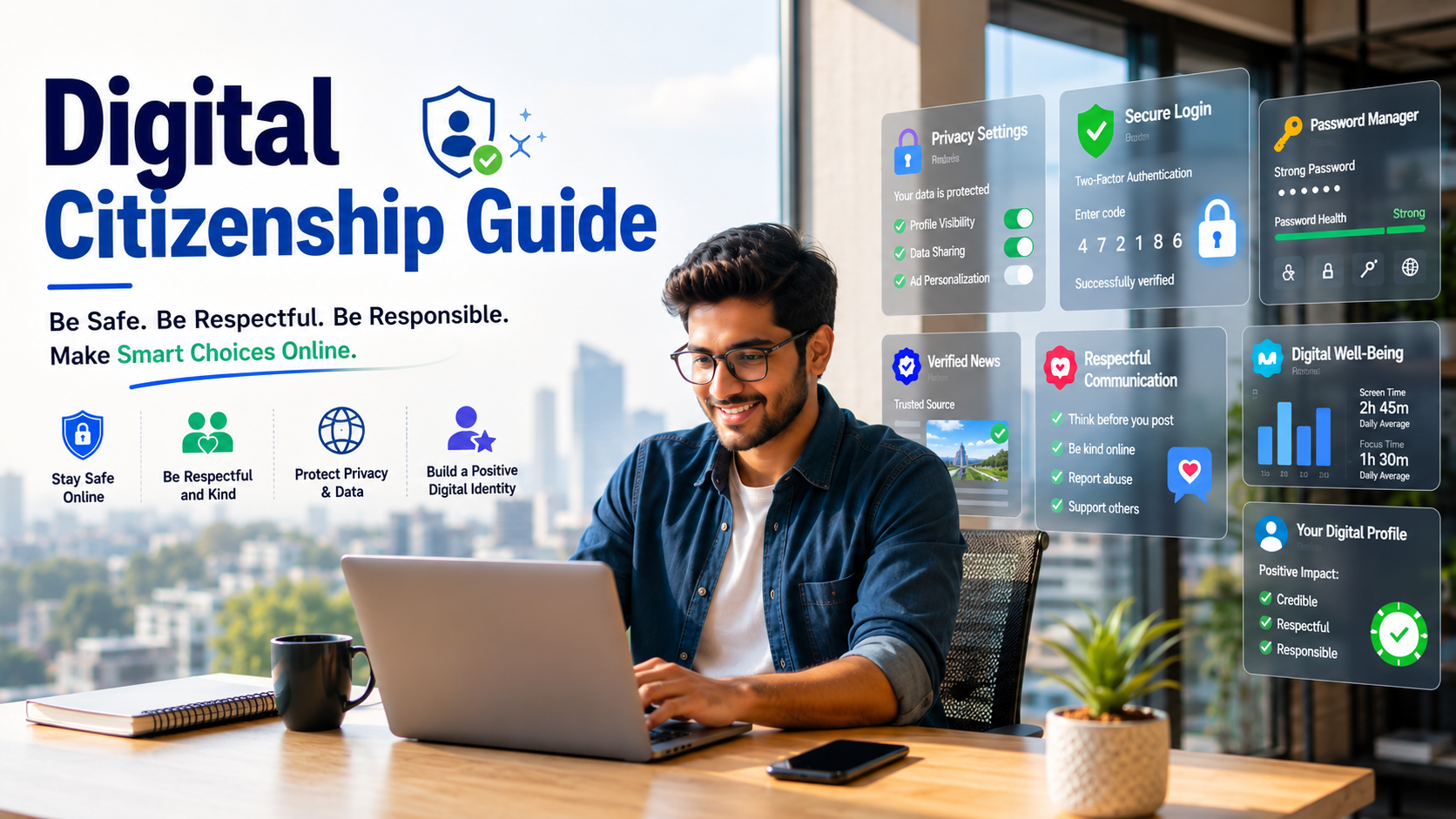
Digital Citizenship Guide: The Ultimate 2026 Manual for Navigating the Online World
The internet is no longer just a separate tool that we access occasionally; it is a dynamic space where we live, work, learn, and build meaningful relationships. Because our offline realities and online lives are now fully integrated, learning how to behave in virtual spaces is a fundamental life skill. This comprehensive digital citizenship guide will help you navigate the internet safely, responsibly, and ethically. By understanding your digital footprint, you can protect your personal information while contributing positively to global online communities.
According to guidelines from the International Society for Technology in Education (ISTE), being a good digital citizen means actively participating in the online world in a way that promotes safety, equity, and respect. It is about much more than just avoiding internet scams or ignoring suspicious emails. It involves deeply understanding how your digital actions affect real people on the other side of the screen.
This guide covers everything you need to know to succeed online today. We will explore the core pillars of digital literacy, online safety, and ethical communication. If you want to learn more about online regulations and internet governance, read our article on Should the Government Control the Internet?. Whether you are a student exploring the web, a professional managing a brand, or a parent protecting a family, these foundational principles will empower you to use the internet with confidence, safety, and purpose.
THE CORE PILLARS OF DIGITAL LITERACY
Protecting Your Privacy and Personal Data
Securing your personal information is the first and most critical step toward responsible internet use. Cyber threats evolve rapidly every year, making strong passwords and multi-factor authentication mandatory for everyone. Hackers utilize sophisticated automated tools to crack simple passwords in mere seconds, which can lead to identity theft and financial loss. Therefore, you should use a trusted password manager to generate unique, complex passwords for every platform you use. Additionally, you must enable biometric logins or dedicated authentication apps on all accounts to add an extra layer of security. Avoid sharing sensitive data like your home address, phone number, or financial details on public forums and social media networks. Being cautious about the permissions you grant to smartphone apps is another excellent way to keep your private data secure from unwanted third-party tracking.
Managing Your Permanent Digital Footprint
Every photo you post, comment you leave, article you share, and link you click contributes to your permanent digital footprint. Many internet users falsely believe that deleting a post removes it forever, but archiving tools and quick screenshots can make data permanent. Employers, universities, and background checkers routinely scan these public records to evaluate an individual’s character and professionalism. Consequently, a single reckless post made years ago can have long-term consequences for your career and personal life. Before hitting the “publish” button, always take a moment to consider how your content might look to someone evaluating your character five years from now. Building a positive digital footprint involves curating a web presence that reflects your true values, achievements, skills, and professional growth in a constructive manner.
FOSTERING ETHICAL ONLINE COMMUNICATION
Practicing Digital Etiquette and Netiquette
Treating others with respect is crucial because virtual communication completely lacks physical cues, facial expressions, and vocal tones. Because of this absence of human context, simple jokes or sarcastic remarks can be misunderstood very easily. Clear, polite, and empathetic language should always be your default choice when interacting with people online. Avoid typing out sentences in all capital letters, which universally mimics angry shouting in text conversations, and never engage in malicious flame wars. Good netiquette also means respecting other people’s time and digital boundaries. Do not tag friends in embarrassing photos without permission and avoid sending unsolicited mass messages. By practicing mindfulness in your daily digital interactions, you contribute to a much healthier, more productive, and supportive online environment for internet users worldwide.
Combating Cyberbullying and Misinformation
The anonymity of the internet sometimes emboldens negative behavior, leading to toxic environments on social media networks. Good digital citizens actively stand up against cyberbullying by reporting abusive behavior to platform moderators rather than joining the conflict. Similarly, fighting the rapid spread of digital misinformation is equally vital for maintaining a healthy online society. Fake news spreads incredibly fast because algorithms often prioritize sensationalist content that triggers strong emotional reactions from readers. Always verify the reliability and bias of a news source before sharing any article on your social media profiles. Check fact-checking websites, look for official government documentation, and read multiple sources to ensure you are not accidentally spreading harmful rumors or false data to your friends and followers.
BALANCING SCREEN TIME AND MENTAL HEALTH
Recognizing the Signs of Digital Fatigue
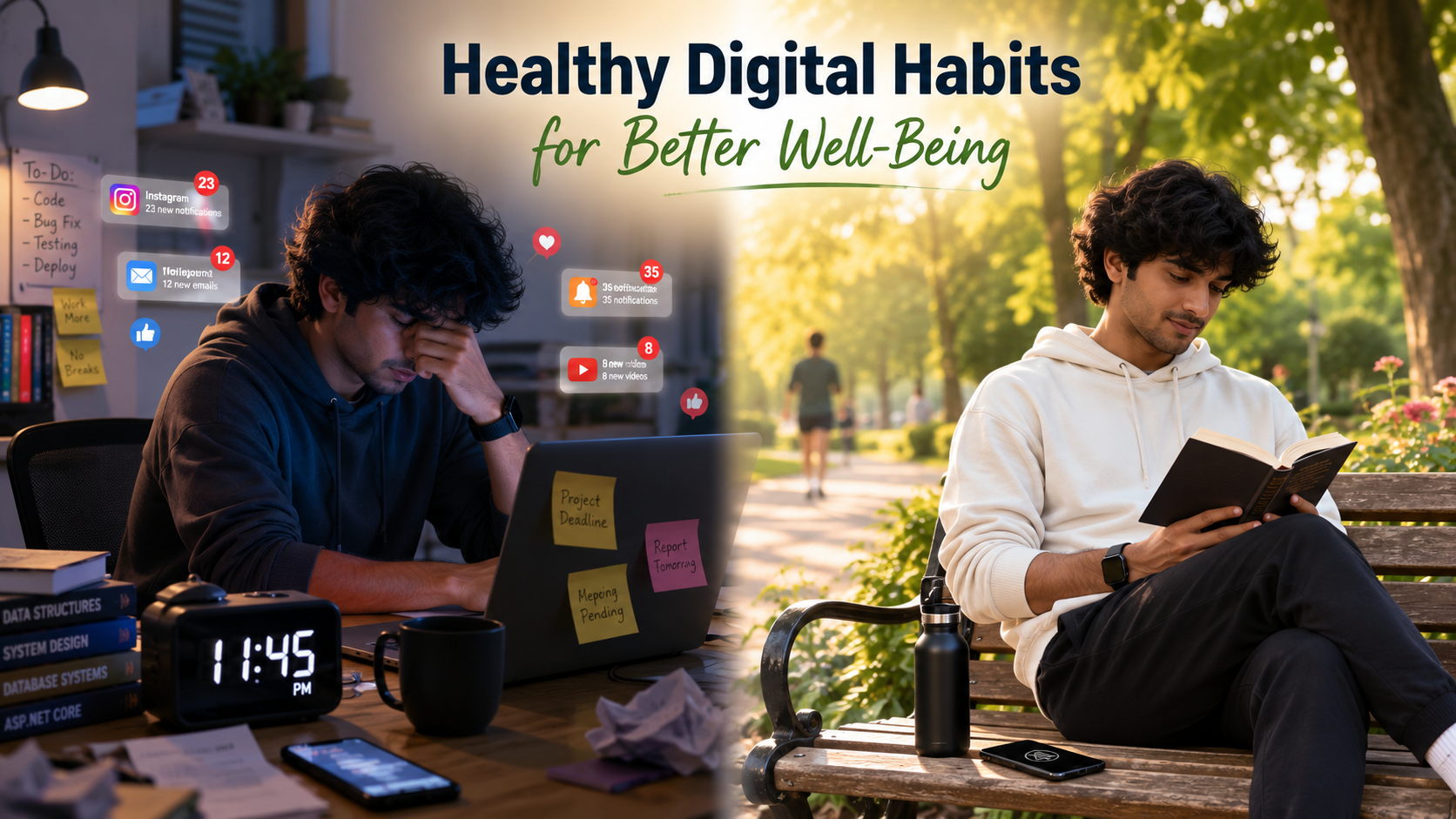
Spending too much time online can harm your physical health, mental well-being, and real-world relationships. Eye strain, persistent headaches, poor posture, disrupted sleep patterns, and increased anxiety are common signs of severe digital fatigue. The constant influx of notifications and notifications triggers dopamine loops that keep us glued to screens for hours on end. Recognizing when technology transitions from a helpful tool into a harmful addiction is vital for your long-term wellness. If you find yourself mindlessly scrolling through media feeds for hours or feeling anxious when away from your phone, it is time to reassess your habits. Acknowledging these symptoms early allows you to take control of your lifestyle before your mental and physical health suffer significant long-term damage.
Tips for a Healthy Digital Diet
Creating a healthy digital diet requires deliberate effort and the establishment of clear boundaries around your personal device usage. First, establish strict tech-free zones in your home, keeping smartphones and laptops entirely out of bedrooms to improve your sleep quality. Second, turn off all non-essential application notifications to minimize daily workplace distractions and regain your focus. You can also use built-in screen time trackers to set daily limits on problematic apps that consume too much of your time. Finally, schedule a regular “digital detox” weekend once a month to disconnect from internet services completely and reconnect with the physical world. Spending quality time in nature, reading physical books, and engaging in face-to-face conversations will rejuvenate your mind and restore your mental clarity.
FAQ SECTION
What is the main purpose of a digital citizenship guide?
A digital citizenship guide teaches people how to use technology safely, responsibly, and ethically. It provides practical steps for protecting personal data, respecting others online, and thinking critically about digital content. These skills help users avoid risks such as identity theft, cyberbullying, phishing scams, and online exploitation. The guide also connects technical skills with ethical behavior. It shows people not only how to use digital tools but also how to use them responsibly. Ultimately, it encourages a safer and more respectful online community where people can learn, collaborate, and share ideas with confidence.
Why is digital citizenship important for students?
Students spend much of their time online for learning, entertainment, and communication. Digital citizenship helps them understand that their online actions can have lasting consequences. It teaches them to recognize cyberbullying, identify online predators, and evaluate the reliability of online information. These skills are essential in a world filled with misinformation. Good digital habits also prepare students for college and future careers, where digital literacy is highly valued. By learning these skills early, students can make better decisions online and build a positive digital reputation.
How can I protect my personal data online?
Protecting your personal data starts with good security habits. Use a unique and strong password for every account. Enable multi-factor authentication whenever possible for added protection. Avoid using public Wi-Fi for banking or shopping unless you use a trusted VPN. Review your social media privacy settings regularly and limit who can see your personal information. Check app permissions before granting access to your location, contacts, or photos. Being careful about what you share online reduces the risk of data breaches and cyberattacks.
What does a positive digital footprint look like?
A positive digital footprint reflects your skills, achievements, and interests. It can include helpful blog posts, professional LinkedIn updates, educational content, or a digital portfolio. Supporting others online and sharing accurate information also strengthens your reputation. A positive online presence shows that you are respectful and responsible. This can benefit you when employers or universities search for your name. A strong digital footprint can create new career, education, and networking opportunities.
How do I handle cyberbullying if I witness it?
If you witness cyberbullying, do not ignore it. Avoid arguing directly with the bully because this may make the situation worse. Instead, save evidence by taking screenshots of harmful posts or messages. Report the content using the platform’s reporting tools. Reach out to the victim with a private message of support. Let them know they are not alone. If the bullying includes threats, blackmail, or hate speech, report it to a trusted adult, school official, workplace representative, or local law enforcement.
Conclusion
Using the internet safely requires more than technical knowledge. It also requires responsibility, empathy, and good judgment. This digital citizenship guide shows how your online actions affect your reputation and influence others. Protect your personal information, communicate respectfully, and manage your digital footprint carefully.
Following the advice in this digital citizenship guide helps create a safer and more welcoming online environment. Technology can improve lives when used responsibly. Start today by updating your passwords, reviewing your privacy settings, and thinking carefully before sharing content. By applying the lessons from this digital citizenship guide, you can help build a safer internet based on trust, respect, and responsibility.