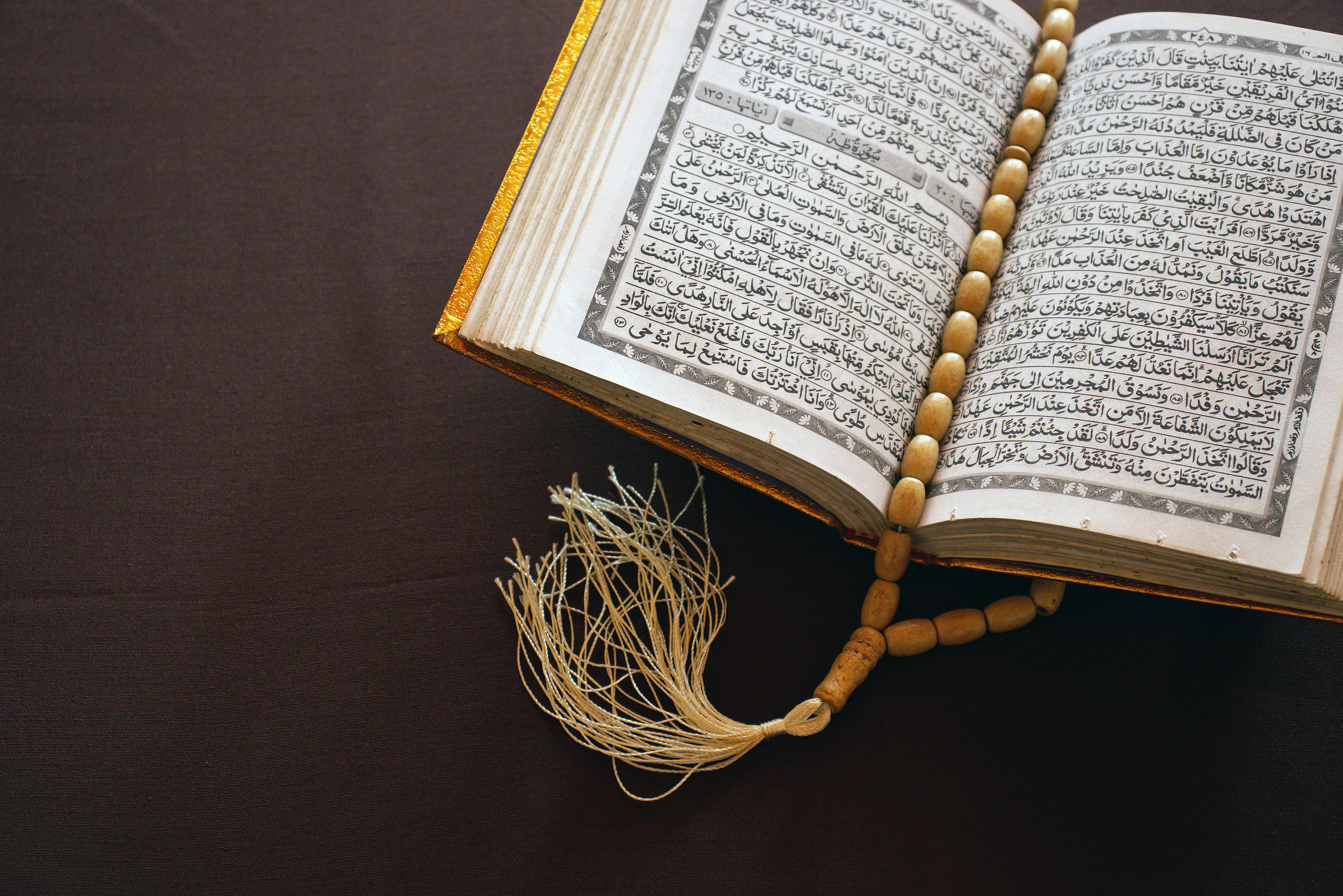
Category Archives: Religion

Myths and Rituals in Christian Church

Myths and Rituals in Christian Church

In the vast tapestry of Christianity, the interwoven threads of myths and rituals create a rich and profound narrative that shapes the identity and practices of believers. This article delves into the dynamic relationship between myth and rituals within the Christian Church and unraveling the significance, origins, and transformative power embedded in these essential aspects of the faith.

 Biblical Narratives as Foundational Myths:

Image via Unsplash.com

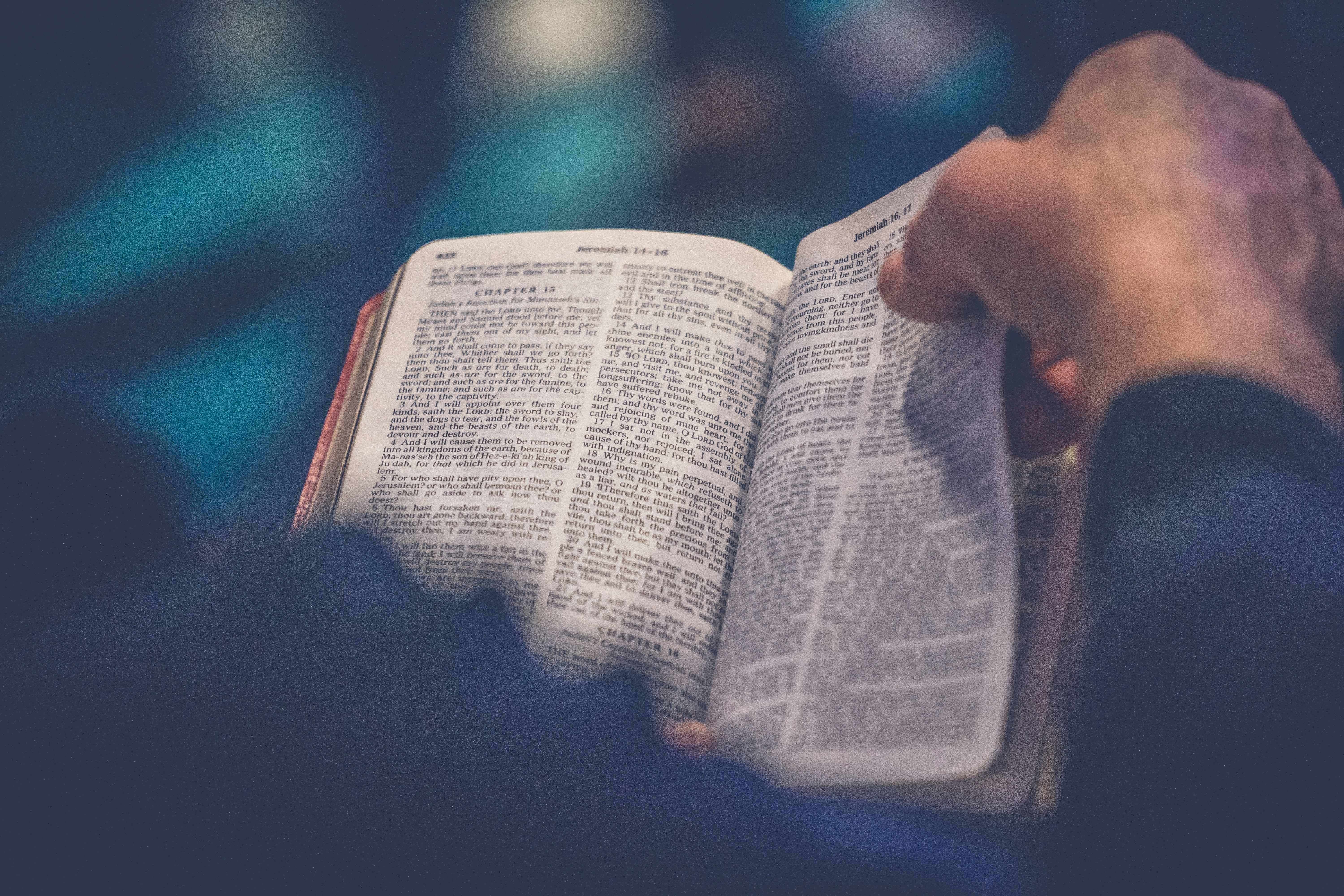
At the core of Christian mythology are the sacred narratives found in the Bible. So, these stories ranging from creation to redemption, serve as foundational myths that provide believers with a framework for understanding the divine and their place within the cosmic order. The Creation story, the Exodus, the life and teachings of Jesus Christ, and the apocalyptic visions in Revelation all contribute to the mythological tapestry that guides Christian belief and practice.

Myths as Moral and Spiritual Guidance:

Christian myths offer more than historical accounts; they serve as moral and spiritual guides, imparting wisdom and lessons for believers. The parables told by Jesus, for example, encapsulate profound truths within seemingly simple stories. But these myths are not merely tales of the past but timeless narratives that continue to shape the ethical and spiritual consciousness of the Christian community.

Theological Myths and Doctrinal Foundations:

Image via Unsplash.com

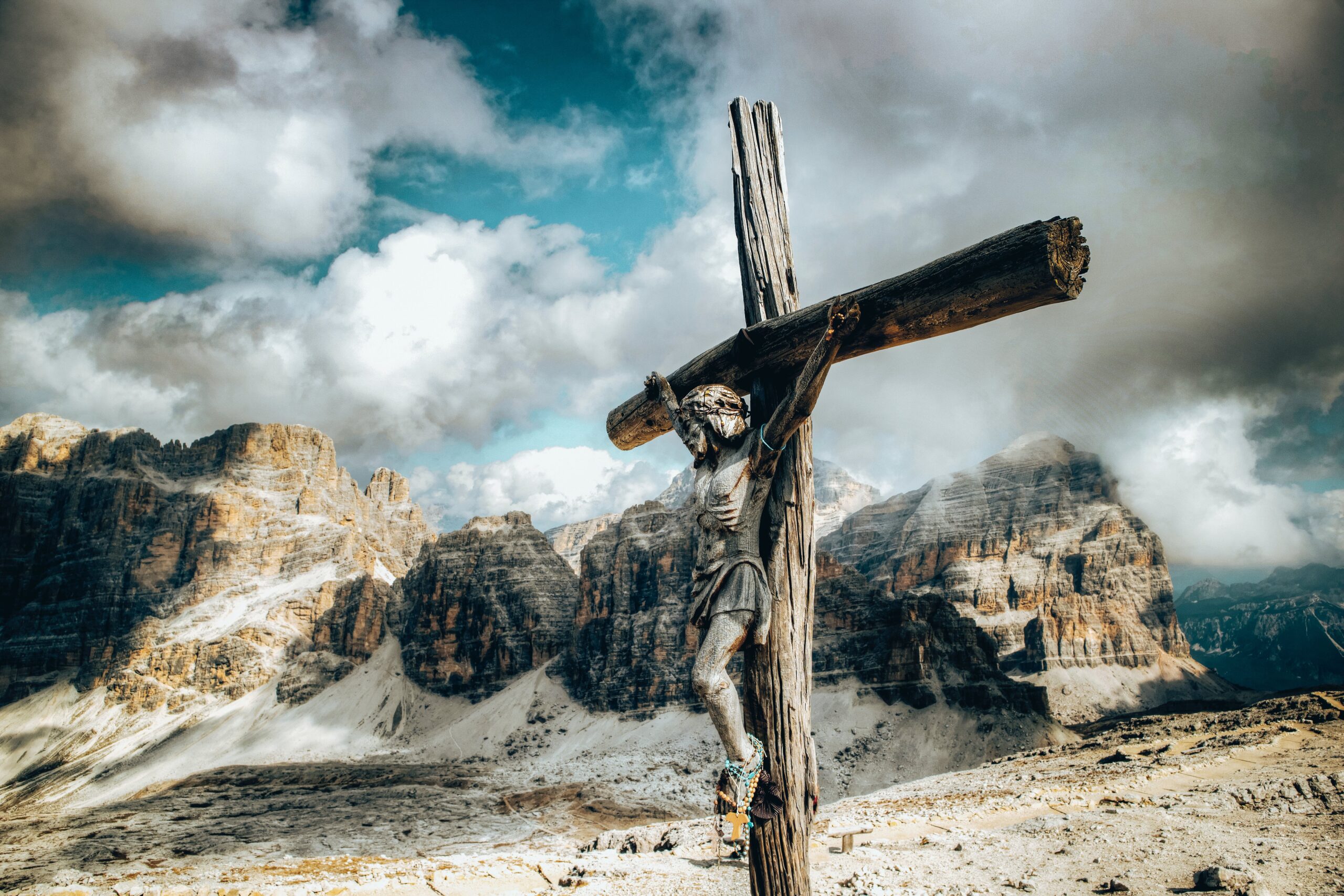
The development of Christian theology has given rise to additional myths that elucidate complex doctrinal concepts. The Holy Trinity, the Virgin Birth, and the concept of salvation through the crucifixion and resurrection of Jesus are theological myths that encapsulate fundamental beliefs. These myths provide a conceptual framework for understanding the nature of God, the human condition, and the redemptive narrative central to Christian faith.

 Sacraments as Living Symbols:

Christian rituals, often manifested through sacraments, are tangible expressions of the mythological narratives embedded in the faith. Baptism, Communion (the Eucharist), and Confirmation are sacraments that connect believers with the foundational myths of Christianity. These rituals serve as living symbols, allowing participants to physically and spiritually engage with the mythological underpinnings of their faith.

Liturgy and Symbolic Actions:

Image via Unsplash.com

Beyond sacraments, Christian liturgy encompasses a myriad of symbolic actions and rituals. The recitation of prayers, the use of candles, the sign of the cross, and the liturgical calendar all contribute to the rich tapestry of Christian worship. These rituals not only reinforce the mythological narratives but also provide a structured and communal way for believers to express their devotion and connect with the divine.

Rites of Passage and Life-Cycle Rituals:

Christianity is marked by various rites of passage and life-cycle rituals that imbue significant moments with spiritual meaning. Baptisms welcome individuals into the Christian community, weddings sanctify unions, and funerals offer rituals of closure and hope. These rites of passage, steeped in tradition and symbolism, serve to connect individuals with the overarching myths of creation, redemption, and the promise of eternal life.

 Architectural Symbolism:

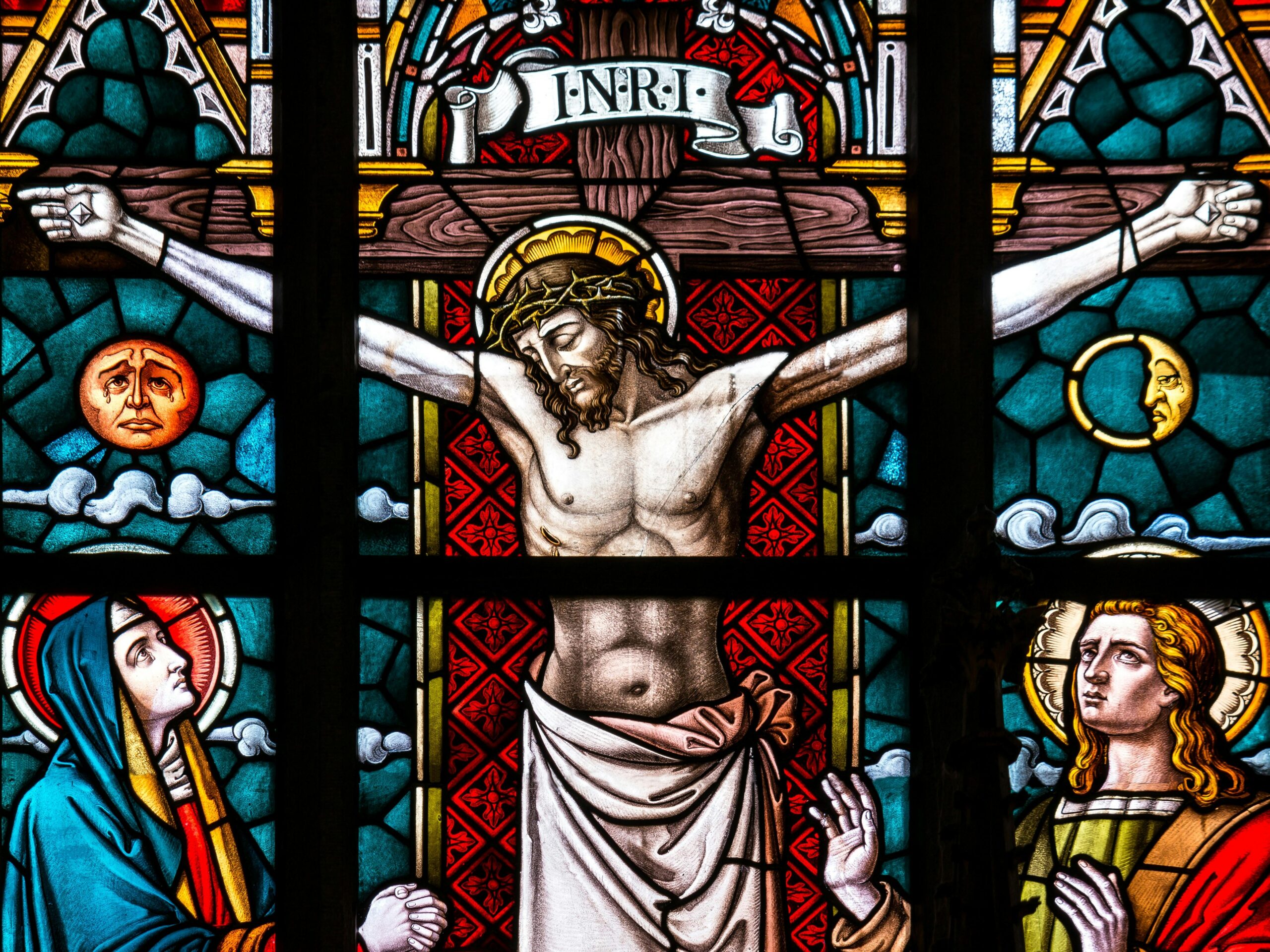
Christian churches, with their architectural design and ornamentation, serve as physical embodiments of myth and ritual. Cathedrals, chapels, and basilicas are constructed with deliberate symbolism, reflecting the cosmic narrative of Christianity. The use of stained glass, altar arrangements, and the placement of the pulpit all contribute to the visual language that reinforces the mythological themes present in Christian worship spaces.

Liturgical Colors and Symbolic Seasons:

Image via Unsplash.com

The liturgical calendar, with its array of colors marking different seasons, is a visual representation of the cyclical nature of Christian myth and ritual. Advent, Christmas, Lent, Easter, and Ordinary Time each carry distinct colors and themes that guide worship and reflection. These symbolic seasons provide a rhythmic structure to the Christian liturgical year, allowing believers to traverse the entire narrative arc of their faith annually.

 Myths and Modernity:

In an era marked by scientific advancements and a shift towards secularism, the role of myth in Christianity has faced challenges. Some believers grapple with reconciling ancient mythological narratives with contemporary scientific understanding. Others, however, see the enduring power of myth as a timeless language that transcends the boundaries of historical accuracy. It offers profound truths that resonate across cultures and ages.

Contemporary Adaptations of Rituals:

The evolving landscape of modernity has also influenced the adaptation of Christian rituals. Traditional liturgical practices coexist with contemporary expressions of worship, incorporating multimedia presentations, contemporary music, and interactive elements. This dynamic interaction between tradition and innovation speaks to the enduring relevance of Christian myth and ritual. It means engaging in the diverse and ever-changing congregation of believers.

Myths and Rituals as Living Threads
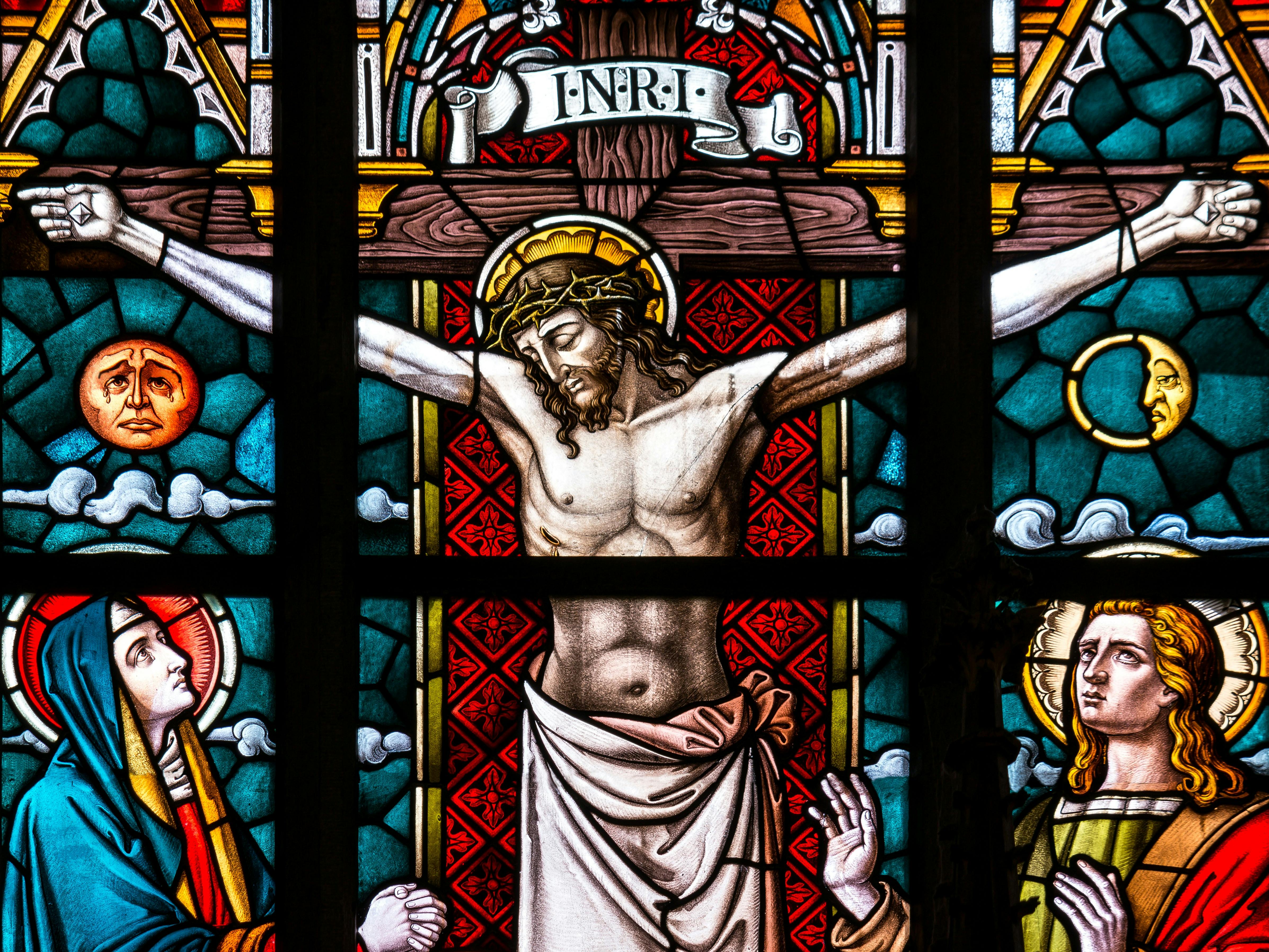
Image via Pexels.com

In the Christian Church, myth and rituals are not static relics of the past. They are living threads that weave through the fabric of faith, connecting believers across time and space. The dynamic interplay between mythological narratives and ritualistic practices forms the essence of Christian worship. It offers a profound and transformative experience for individuals and communities alike. The Church navigates the challenges of the modern world. The enduring power of myth and the adaptability of rituals continue to shape and define the Christian narrative. It invites believers to participate in a timeless journey of spiritual exploration and connection with the divine.

In essence, the symbiotic relationship between Christian myth and rituals is a testament to the enduring nature of faith. These narratives, whether articulated through biblical stories or expressed in sacramental acts, provide a profound framework for believers to navigate the complexities of existence. Christian rituals because as expressions of these myths, offer a tangible and communal means of engaging with the divine. It fosters a sense of continuity with the historical and theological foundations of the faith because of the aforesaid fact.

The Christian Church evolves in response to contemporary challenges. The exploration of myth and the adaptation of rituals become vital avenues because of  relevance and inclusivity. The evolving narrative of Christianity is not one of abandonment, but of dynamic interpretation. It allows believers to find resonance with age-old truths in the context of a rapidly changing world. So the interplay between myth and ritual remains a dynamic force. It guides the faithful on a continuous journey of spiritual exploration and communion.

USEFUL LINKS:

Because its about Myths, see Symbolism in Religion 
Discover the role of Myth and Ritual in Religion 


Role of the individual in Christianity: An Exploration

Role of the individual in Christianity: An Exploration

While the New Testament emphasizes the value of the person. The Old Testament focuses emphasis on a race, people, or nation. The philosophy of Christianity has also laid a considerable emphasis on the role of individual. The individuality has important place in every religion. And in Christianity too it forms its didactic idea.

According to Christ Jesus’ teachings, individual freedom is not only desirable. But also necessary for the development of a civilized Christian community. However, as is abundantly clear, this freedom comes with personal responsibility, without which it would be impossible to enjoy freedom. A person who asserts his own independence while ignoring the associated accountability is devoid of the discernment that validates and maintains such independence.

Changing world: Role of individuality

Image Credits: Unsplash.com

The standing of the person is being aggressively challenged by many of the developments that are occurring in the world today. It is challenging to preserve a healthy sense of individual worth and initiative. Given the emphasis governmental, corporate, and educational institutions are placing on bigness.

Man’s spiritual uniqueness is the Soul’s mirror.  Evil can never hold a spiritual man in low regard. There is never any intruder or disturbance to the balance and integrity of his existence. If the individual is corrupted then it will have an impact on the society. The corruption of the soul always starts from an individual. The Jesus himself if the savior of all. Every individual should remember the role Jesus have played in shaping the humanity. He died for our sins. He was an individual.  The underlying idea of Jesus’ martyrdom can be the focus on individual power to shape and move society.

Personality of an Individual

To be accurate in identifying oneself, one needs to distinguish between spiritual identity and material personality. The word “person” is derived from the Latin persona and originally referred to an actor’s mask. Therefore, “personality” may refer to an individual’s human appearance rather than their true nature. Whereas “individuality” would refer to an individual’s true nature regardless of their human appearance.

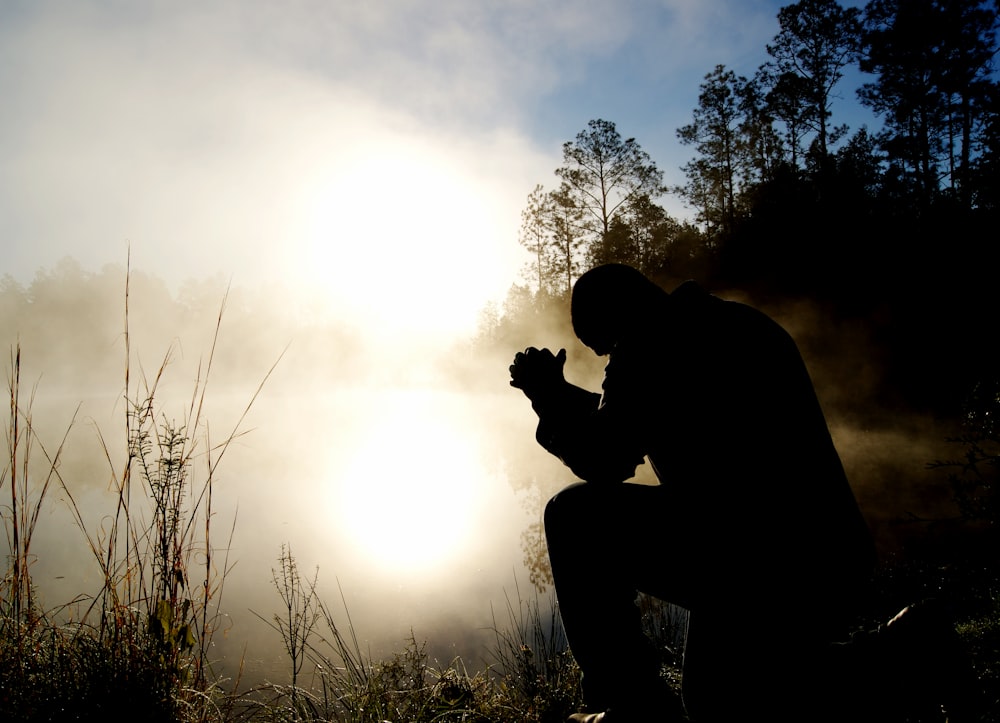
Christian Scientists do not downplay the importance of the outwardly bodily selfhood. However, man is sustained spiritually because he is a spiritual being at heart.  The purity of heart is the key to every goodwill. One should always remember Jesus in his heart. One should always pray before Jesus. It is the individual from whom the change begins. It is the individual who matters.   At last the group of individuals form a society. and the society forms the world. The story begins from an individual. Therefore we must remember why Jesus and the Holy Bible focused on the power of individual when it comes to striving for better tomorrow.

Spirituality: Role of individuality

Image Credits: Unsplash.com

Spiritualized thinking does not remove us from the world; rather, it keeps us apart from the false ideas that would confuse us and prevent us from having a growing awareness of our potential in it.

The assault of the mortal mind on a person’s accomplishments, accountability, and dignity is both overt and covert. In the guise of society, it would push for adherence to traditions and routines that erode our moral principles and degrade our expectations of behavior. It would limit men to minimal effort requirements, settle for mediocrity instead of perfection, and turn intelligent activity into ordinary habit.

Individual and Christianity

In Christianity, the individual has a complicated and multidimensional function. Christianity holds that all people are made in God’s image and are therefore valuable and deserving of respect. It also highlights the significance of moral agency, free will, and individual accountability.

The fundamental tenet of Christianity is the assurance of redemption via trust in Jesus Christ.  The core of the Christian religion is this individual choice and dedication to Jesus. It is what matters.

Ethics and moral: Role of individuality

Image Credits: Unsplash.com

Christianity also places a strong emphasis on the value of moral principles and ethical conduct. Christians are expected to live moral lives, love their neighbors, and assist those in need. This entails abiding by Jesus’ teachings, including the Sermon on the Mount, and the Ten Commandments. Christianity also teaches that people have a responsibility to improve the world and serve others. Christians are called to labor for social justice and the common good. As well as to use their skills and abilities to assist others.

Bible and individualism

There are instances of individualist thought throughout the Bible. This is most frequently observed when an individual decides to act morally or rightly, regardless of whether society at large agrees with them. Jesus warned that being a follower of His could upset people. This is particularly true when a Christian declines to partake in activities that the general public deems appropriate. Christ also advocated for each individual’s freedom to choose how best to use their own resources and skills.

Examples in Bible: Role of individuality

The biblical examples limit the range of situations in which individualism is acceptable to those of spiritual virtue.  The individualism found in Scripture is based on the idea that every person has a personal responsibility to obey God’s will, regardless of how others may view that obedience.

Individualism vs collectivism

Image Credits: Pexels.com

The conflict between collectivism and individualism is really one of humankind against its own sinful nature. What is beneficial for one person is equally good for many, if we could only obey God totally and live in perfect unity. People who are humble and selfless give more blessings to others. The group’s selflessness and compassion bless the underprivileged and increase one’s appreciation of humanity. These two concepts will only come together perfectly in eternity, when the saved are fully in sync with God’s desire.

LINKS YOU MUST VISIT:

Check out this insightful site to explore more ideas on Christianity 
See how does religion impact family connections? Click here to know more
If you want to know how women and religion and connected, then this is a must read


How to Disconnect Religion and Spirituality

In a world marked by diversity and individuality, the intertwining of religion and spirituality has been a constant source of contemplation and debate. While many find solace in the rituals and traditions of organized religion, others seek a more personal and introspective connection with the divine through spirituality. In this exploration, we delve into the ways one can disconnect religion and spirituality, allowing for a more personalized and authentic spiritual journey.

Understanding the Dichotomy

(Photo from iStock)

Religion and spirituality, often used interchangeably, are distinct concepts with varying implications. Religion typically involves adherence to organized beliefs, rituals, and practices within a community, often guided by established doctrines. Evidently, spirituality, on the other hand, is a more personal quest for meaning, purpose, and connection with something greater than oneself, transcending the boundaries of organized institutions.

Embrace Open-mindedness

To disconnect religion and spirituality, it is crucial to cultivate an open-minded approach. Acknowledge and respect the diversity of beliefs and practices that exist within and outside traditional religious frameworks. Open-mindedness allows for the exploration of various spiritual paths without being confined by rigid doctrines.

Define Your Beliefs

Take time for introspection to define your own beliefs and values. Reflect on your understanding of the divine, the purpose of life, and the nature of existence. This process of self-discovery is fundamental to establishing a personal spiritual foundation that aligns with your individual convictions rather than conforming to a prescribed set of beliefs.

Explore Different Spiritual Traditions

Diversify your spiritual exploration by delving into various traditions, both religious and non-religious. Attend workshops, read literature, and engage in conversations with individuals from different spiritual backgrounds. This exposure provides a broader perspective, enabling you to extract wisdom and insights from diverse sources without being bound by the constraints of a singular religious doctrine.

Incorporate Mindfulness Practices

Spirituality often involves a heightened awareness of the present moment. Mindfulness practices, such as meditation, deep breathing, or yoga, can be instrumental in fostering a direct connection with the spiritual aspect of life. These practices encourage self-reflection and inner peace. Moreover, allowing you to detach from the rigid structures of organized religion and tap into a more personal, introspective spirituality.

Focus on Personal Growth

(Photo from iStock)

Disconnecting religion and spirituality entails shifting the emphasis from external doctrines to internal growth. Cultivate virtues such as compassion, empathy, and gratitude, which contribute to personal development and spiritual well-being. Eventually, by focusing on these qualities, you can nurture a sense of spirituality that transcends the boundaries of religious dogma.

Question Assumptions and Beliefs

Challenge preconceived notions and question assumptions that may have been ingrained through religious teachings. Critical thinking plays a pivotal role in separating personal beliefs from external influences. By examining and reassessing your convictions. Moreover,  you empower yourself to discern between elements of spirituality that resonate with you and those that may be remnants of religious indoctrination.

Build a Supportive Community

While disconnecting from organized religion, it’s essential to build a supportive community that aligns with your evolving spiritual journey. Seek like-minded individuals who share similar values and perspectives on spirituality. This community can provide encouragement, understanding, and a sense of belonging, fostering growth and exploration on your unique path.

Embrace Nature and the Universe

Connecting with the natural world and the vastness of the universe can be a powerful way to nurture spirituality. Spend time in nature, gaze at the stars, and contemplate the mysteries of existence. Further, this connection with the broader cosmos can evoke a sense of awe and wonder, transcending religious boundaries and fostering a deep, personal connection with the spiritual dimension.

In the intricate tapestry of human existence, the quest for meaning and spiritual fulfilment is a deeply personal journey. Disconnecting religion and spirituality involves embracing individuality, questioning established beliefs, and forging a path that resonates with your unique understanding of the divine.

Cultivating a Personal Relationship with the Divine

To disconnect religion and spirituality is to recognize that the divine can be personally experienced rather than solely mediated through religious institutions. This involves cultivating a direct and intimate relationship with the sacred, unmediated by religious authorities or predefined doctrines. Furthermore, practices such as prayer, contemplation, and intuitive reflection become pathways to connect with the divine on a deeply personal level, fostering a sense of spiritual autonomy.

Transcending Fear and Guilt

(Photo from iStock)

Organized religions often instill a sense of fear and guilt as mechanisms for control and adherence to prescribed norms. Disconnecting from this paradigm involves releasing oneself from the shackles of fear-based spirituality and guilt-induced morality. Moreover, embracing spirituality free from fear allows for a more authentic and liberating exploration of one’s connection with the divine, emphasizing love, compassion, and acceptance.

Honouring Cultural and Historical Contexts

Recognizing the cultural and historical contexts of religious traditions is essential in navigating a path of spirituality disconnected from organized religion. Understanding the rich tapestry of human history and the evolution of diverse spiritual beliefs. Contributes to a more nuanced and appreciative approach. This acknowledgment enables individuals to extract wisdom from various traditions. Eventually, while discerning aspects that may not align with their evolving spiritual understanding.

Continual Evolution of Beliefs

Spirituality disconnected from religion is an ever-evolving journey. As one gains new experiences, encounters diverse perspectives, and undergoes personal growth, beliefs naturally evolve. Embracing the fluidity of spiritual beliefs allows individuals to navigate their unique path without the fear of contradicting established doctrines. This continual evolution encourages a dynamic and vibrant spirituality that resonates with the changing seasons of life.

Conclusion

In the pursuit of disconnecting religion and spirituality, individuals embark on a profound journey of self-discovery, autonomy, and transcendence. This odyssey involves embracing diversity, cultivating personal relationships with the divine, transcending fear and guilt. Honouring cultural contexts and allowing beliefs to evolve.

As one embarks on the journey of disconnecting religion from spirituality. It becomes apparent that the essence of spirituality lies in the pursuit of transcendence beyond the constraints of religious dogma. Evidently, this transcendence involves a shift from external rituals and doctrines to an internal exploration of the soul.

Reference:

Boldsky 

Want to know about creation of the world, click on the link below:

How Can Religion Be Created? Exploring the Origins and Evolution


The Impact of Religion on Adolescents and Teenagers

Religion has long played a significant role in shaping the lives of individuals, and its impact on adolescents and teenagers is a subject of profound importance. As young people embark on the journey of self-discovery, religious beliefs often become a crucial factor influencing their identity formation, mental well-being, and social development. This article delves into the multifaceted impact of religion on adolescents and teenagers, exploring how it shapes their values, behaviours, and relationships.

Identity Formation and Sense of Purpose

(Photo from iStock)

Adolescence is a critical period for identity formation, as individuals grapple with questions of self-discovery and purpose. Religion, with its set of beliefs, rituals, and moral values, can provide a framework for adolescents to navigate these existential inquiries. Many teenagers turn to their religious faith to find a sense of purpose, moral guidance, and a source of meaning in their lives.

Religious communities often offer a supportive environment that reinforces positive values and virtues. The teachings of compassion, empathy, and altruism found in many religious traditions can help adolescents develop a strong moral compass. For instance, engaging in religious practices such as prayer, meditation, or community service can foster a sense of connection to something larger than oneself, contributing to the development of a robust and purposeful identity.

However, it is essential to acknowledge that the impact of religion on identity formation can vary widely among individuals. While some adolescents may find a deep sense of belonging and purpose within their religious communities, others may experience conflicts between their emerging identities and the rigid doctrines of their faith. Striking a balance between religious identity and personal exploration is a delicate process that can significantly shape an adolescent’s worldview.

Mental Well-being and Coping Mechanisms

The adolescent years are often marked by emotional turbulence, identity crises, and stressors related to academic performance, peer relationships, and family dynamics. Religion can serve as a coping mechanism during these challenging times, offering emotional support, a sense of security, and a framework for understanding and navigating life’s difficulties.

Many religious traditions emphasize the importance of resilience, hope, and trust in a higher power, providing adolescents with a source of comfort and reassurance. Prayer and meditation, for example, can offer teenagers a way to manage stress and anxiety, promoting mental well-being. The sense of community within religious congregations can also provide a support network, offering solace and encouragement during times of emotional distress.

However, it is crucial to recognize that the impact of religion on mental health is nuanced, and not all adolescents experience positive outcomes. For some, strict religious doctrines or societal expectations within their faith community may contribute to feelings of guilt, shame, or inadequacy. Moreover, individuals questioning their sexual orientation or gender identity may face unique challenges within religious contexts that can adversely affect their mental well-being.

Social Development and Peer Relationships

Religion plays a pivotal role in shaping the social lives of adolescents and teenagers. Many young people form friendships and social connections within their religious communities, providing a sense of belonging and shared values. These social bonds can contribute positively to an adolescent’s development, fostering a supportive network that extends beyond the immediate family.

Religious youth groups, community service activities, and other communal events often become important components of social development. These interactions can enhance social skills, empathy, and a sense of responsibility towards others. Moreover, the shared experiences within religious communities can create lasting friendships and a support system that endures through the ups and downs of adolescence.

However, the social impact of religion on teenagers is not always uniformly positive. Some adolescents may experience social isolation or exclusion if their beliefs deviate from those of their religious community. Issues such as religious intolerance, judgment, or discrimination based on differing beliefs can strain peer relationships and hinder social development.

Cultural and Ethical Influences

(Photo from iStock)

Religious beliefs often carry cultural and ethical implications that influence the attitudes and behaviours of adolescents. Cultural traditions intertwined with religious practices can shape an adolescent’s worldview, influencing their perspectives on family, relationships, and societal norms. Religious teachings often provide a framework for ethical decision-making, guiding adolescents in navigating moral dilemmas and ethical challenges.

For example, religions may offer guidance on issues such as honesty, integrity, and compassion. Shaping the ethical foundation upon which adolescents build their character. The influence of religious ethics can extend to areas such as academic integrity, responsible decision-making, and respect for others.

However, it is essential to recognize the potential challenges that may arise when religious teachings clash with evolving societal norms. Adolescents may grapple with conflicting messages from their religious communities and the broader secular culture. Prompting them to revaluate their beliefs and values. Striking a balance between cultural and religious influences. While navigating the complexities of a rapidly changing world can be a significant challenge for many teenagers.

Challenges and Conflicts

While religion can have positive impacts on adolescents, it is not without its challenges and conflicts. The clash between traditional religious teachings and the modern world. Especially in areas such as gender roles, sexual orientation, and scientific understanding, can create internal and external conflicts for teenagers.

Adolescents may find themselves torn between the teachings of their religious faith. And the broader societal acceptance of diversity and individual autonomy. This tension can lead to a profound internal struggle as teenagers seek to reconcile their religious beliefs. With their evolving understanding of the world.

Moreover, religious communities may vary widely in their acceptance of diversity and inclusivity. This can lead to feelings of alienation, isolation, or even rebellion against the religious values they were raised with.

Conclusion

The impact of religion on adolescents and teenagers is complex, multifaceted, and deeply personal. While many individuals find solace, purpose, and community within their religious faith, others may face challenges reconciling their beliefs. With the diverse and dynamic world they are navigating. It is crucial to approach the study of religion’s impact on young people with sensitivity. Recognizing the diversity of experiences and perspectives within this demographic.

Reference:

Core 

Want to know about creation of the world, click on the link below:

How Can Religion Be Created? Exploring the Origins and Evolution

The Role of Magic and Illusions in Religion

Magic and illusions have captivated the human imagination for centuries, transcending cultural boundaries and weaving through the fabric of human history. While these art forms are often associated with entertainment and wonderment, their connection with religion adds an intriguing layer to their significance. In various religious traditions, magic and illusions have played multifaceted roles, ranging from conveying spiritual messages to enhancing the mystical experience of believers. This article explores the enthralling interplay between magic, illusions, and religion, unravelling the threads that bind these seemingly disparate realms.

Magic as a Tool for Divine Communication

(Photo from iStock)

Across diverse religious traditions, magic has been employed as a means of facilitating communication between the divine and the mortal. In ancient civilizations, priests and shamans often utilized magical rituals and illusions to commune with gods, interpret omens, and seek guidance for their communities. The Oracle of Delphi in ancient Greece, for instance, was renowned for her prophetic visions induced by a combination of hallucinogenic gases and theatrical performances, creating an illusion of divine insight.

In the Judeo-Christian tradition, the biblical narrative is replete with instances of miracles that can be perceived as magical events. Moses parting the Red Sea, turning a staff into a serpent, or Jesus walking on water—all these episodes involve elements of the miraculous, akin to the illusions performed by magicians. These acts serve not only as demonstrations of divine power but also as instruments of conveying profound spiritual messages to the faithful.

Illusions in Religious Symbolism

Illusions, with their ability to create visually stunning and emotionally evocative experiences, often find a natural home in religious symbolism. Places of worship, from ancient temples to modern churches, are adorned with intricate artworks and architectural designs that utilize illusions to convey deeper spiritual meanings.

In Hinduism, the intricate carvings on temple walls often depict mythological stories and divine narratives. These sculptures, through their craftsmanship and optical illusions, aim to transport the observer into the realm of the sacred. Similarly, Gothic cathedrals in Christianity employ architectural illusions such as soaring arches and elaborate stained glass windows to create an otherworldly atmosphere, inviting worshippers to transcend the mundane and connect with the divine.

Magic in Rituals and Ceremonies

Rituals and ceremonies are integral components of religious practices, providing a structured framework for believers to express their devotion and connect with the divine. Magic and illusions often play a role in enhancing the theatricality of these rituals, fostering a sense of awe and reverence among participants.

Masked performances and trance-inducing movements contribute to the illusion of direct communion with ancestral spirits. Similarly, in the mystical traditions of Sufism within Islam, whirling dervishes engage in mesmerizing spinning dances as a form of worship, transcending the boundaries of the material world through rhythmic movements and spiritual ecstasy.

Magic as a Pedagogical Tool

(Photo from iStock)

Magic and illusions, with their ability to engage and entertain, serve as powerful pedagogical tools within religious contexts.

In Buddhism, the Jataka tales recount the previous lives of the Buddha through vivid narratives that often include magical elements. These stories, filled with talking animals, miraculous events, and moral lessons, provide a relatable and engaging way to impart the teachings of compassion, wisdom, and ethical conduct.

Contemporary Religious Movements and Magic

It continues to evolve within contemporary religious movements. New religious movements and charismatic leaders often incorporate magical elements. To create a sense of authenticity and mystique around their teachings.

In modern Christian Pentecostalism, the practice of faith healing. And speaking in tongues is often accompanied by a theatrical display of spiritual power. The laying on of hands to heal the sick or the manifestation of speaking in unintelligible languages. Creates an illusion of a direct connection with the divine. Similarly, in new age spiritual movements, leaders may incorporate magical rituals. Crystal energy, or aura readings to enhance the mystical experience of their followers.

Critiques and Controversies

While the integration of magic and illusions into religious practices has enriched spiritual experiences for many. It has also sparked debates and controversies within religious communities. Sceptics argue that the use of magical elements can undermine the authenticity of religious teachings. Blurring the line between genuine spiritual experiences and theatrical performances.

In some cases, charismatic leaders accused of using magical tricks. To manipulate their followers have faced backlash within their religious communities. The tension between scepticism and faith, rationality and mysticism. Continues to shape the discourse surrounding the role of magic in religion.

Conclusion

The entwined history of magic, illusions, and religion reveals a fascinating tapestry of human imagination, creativity, and spiritual exploration. From the ancient rituals of divination to the contemporary charismatic movements. Eventually, the interplay between magical elements and religious practices remains a dynamic and evolving phenomenon.

Magic and illusions, whether perceived as divine manifestations or human artistry. Have served as bridges between the tangible and the transcendent. The ordinary and the extraordinary. As humanity continues its quest for meaning and connection with the divine. The mysterious dance between magic and religion is likely to persist. Inviting believers to explore the realms of wonder and awe on their spiritual journeys.

Whether through ancient rituals, symbolic illusions, or contemporary charismatic expressions. Evidently, the fusion of magic and spirituality continues to captivate hearts, fostering a profound sense of wonder and reverence.

Furthermore, the symbiosis of magic and religion underscores the human thirst for a deeper understanding of the ineffable. The interplay serves not only as a conduit for divine communication. But, also as a testament to the adaptability of religious expression across cultures and epochs. While controversies persist, the enchanting allure of magical elements in religious practices endures. Challenging believers to navigate the thin veil between scepticism and faith. As humanity grapples with the mysteries of existence, the enduring presence of magic in religious contexts beckons us to explore the mystical, fostering a timeless dialogue between the tangible and the transcendent in the ever-evolving tapestry of spirituality.

Reference:

Britannica 

Want to know about creation of the world, click on the link below:

How Can Religion Be Created? Exploring the Origins and Evolution

Christianity and colonization: Discover the important Aspects

Christianity and colonization: Discover the important Aspects

Christianity served as the official religion of the historical European colonial powers, which were also heavily Christian.  Therefore, Christianity and colonialism are frequently associated in different denominations (e.g., Protestant, Catholic, and Orthodox). Christian missionaries served as a “religious weapon” for European colonial nations through a variety of means.

Almost all of the colonists were compelled to convert to Christianity and were turned away from their native religion. It served as a justification for colonists to kill adherents of other religions.  Also to enslave indigenous people, and exploit the land and the oceans.

Discover what is the relationship between Christianity and Colonialization. Christianity has been used as a valid excuse and reason for colonialism. Know more about its politics in this article.

Looking at history of Christianity

Image Credits: Unsplash.com

Because religious teachings were used to justify colonial acts, critics of colonialism have criticized Christianity. Some missionaries, according to Toyin Farora, thought that “the aims of colonialism in Africa were similar to those of Christianity.” Farora stated, “Colonialism is a form of imperialism based on a divine mission to share the blessings of a Christ-inspired civilization.

Through People and Western nations affected by a confluence of political, economic, and religious forces. These work together under a regime that seeks the interests of both rulers and ruled. And suffers from satanic oppression, ignorance, and disease, it seeks to bring about spiritual, cultural, economic, and political emancipation.

Church historians and Christianity

The earliest church historians who documented mission history did so with hagiographic tales of their tribulations, victories, and occasionally martyrdom. In a sea of perpetual savagery, the missionaries were thus seeming saints and models of perfect piety. But missionaries were viewed entirely differently in the middle of the 20th century. During a period characterized by growing secularization, anti-colonialism, and civil rights movements.

The missionaries pushed Christianity, an aggressive and monolithic force, on the disobedient locals; it was not a saving grace.

Age of discovery

Image Credits: Unsplash.com

The Catholic Church launched a significant campaign to convert. This included Native Americans and other indigenous peoples to Christianity during the Age of Discovery. A significant component of the justification for the colonial endeavors of European countries like Spain, France, and Portugal was missionary activity.

European Christians’ religious beliefs and the settlement of new lands were methods of proselytizing indigenous peoples. The ideas of European exploration and the spread of Christianity were identical.

Monastic organizations including the Augustinian, Franciscan, Jesuit, and Dominican orders managed the majority of missions in the Americas and other colonies in Asia and Africa. Religion was an essential component of state life in both Portugal and Spain. And Christianization was viewed as having both material and spiritual advantages.

The concept of exploring new lands was put out to the religious leaders by Portuguese explorers. They claimed that “honor and glory would fall not only on the whole of Christendom. But also on this holiest Peter’s See.” approved based on careful consideration. The missionaries quickly follow these powers wherever they aim to increase their dominion and influence.

Conversion in India and Christianity

When Afonso de Albuquerque and other Portuguese explorers arrived in Goa in 1510, native Goan women married to Portuguese men became the first Christians in the region. From Portugal, Goa received missionaries from a number of orders, including Franciscan, Dominican, Jesuit, Augustinian, and others.

 True Christianity?

Image Credits: Unsplash.com

False Christianity has led to many individuals being misled. Numerous organizations are accused of incorporating concepts and doctrines that contradict the Bible yet are nonetheless considered Christian(s). Since they are all called Christians, it can be confusing, but any kind of Christianity that is not in line with the Bible and the message of Jesus Christ is false. Numerous individuals have attempted to weaken Christianity by not adhering to all of the Bible’s requirements. The term “Christian” refers to following Christ and becoming like Christ; selective Christianity is not what constitutes Christianity.

Human vs God

People may behave independently of God while believing they are carrying out God’s plan. It is crucial to both have a solid understanding of God’s word and submit to the Spirit of God’s direction. Since human beings are prone to making mistakes, we should always exercise caution and ensure that our actions are in line with God’s will rather than our own self-serving goals. The hunger and appetite of man will always lead him wrong.

Since Jesus is indeed our only hope, if others who attempt to follow Him are failing. Then you should follow Him correctly and make an effort to be a success as well. Instead of using the lost souls as a justification to join the losing team, provide an example for them. Make it real that your connection with God and your Christianity are personal matters.

Word of God: Christianity

Image Credits: Pexels.com

The foundation of true Christianity is found in the Word of God; Christ led an unselfish and faultless life. Christians attempt to follow him. Despite the fact that the majority of them delude themselves by practicing a form of Christianity whose tenets are not even present in the Bible.

I’m not trying to upset anyone; I’m just trying to be blunt. Christians should concentrate on improving themselves because Christ will never change. And any other gospel that deviates from the word’s teachings is wholly false—even if it goes by the name of Christianity.

The Bible states that “in everything you do, gain understanding,” because although the colonists succeeded in converting people, they lacked wisdom. The Jesus of the Bible does not coerce people to follow Him; if He so desired, He is not the kind of God who would do such a thing. God wants us to acknowledge His unwavering love for us and voluntarily give ourselves to Him.

LINKS YOU MUST VISIT:

For more information about Christianity, visit this site
The role of symbolism in the religion. See how important symbols are in any religion
For an evolutionary perspective of religion, click here 

The Types of Non-Belief

In a world rich with diverse belief systems, non-belief stands as a distinct perspective that encompasses a wide range of attitudes towards religious, spiritual, or metaphysical concepts. Non-belief is not a monolithic category; rather, it exists on a spectrum with various shades and nuances. In this exploration, we delve into the intricate landscape of non-belief, shedding light on its different types and the diverse reasons individuals adopt these perspectives.

In the discourse surrounding non-belief, it is essential to address common misconceptions and stereotypes. Non-believers are often unjustly stigmatized as lacking moral values or purpose. However, the diverse range of non-believing perspectives includes ethical frameworks such as secular humanism, emphasizing the importance of compassion, reason, and social justice. By dispelling these stereotypes, we can create an environment where individuals feel free to express their non-belief without fear of judgment.

Atheism: The Absence of Belief in Deities

(Photo from iStock)

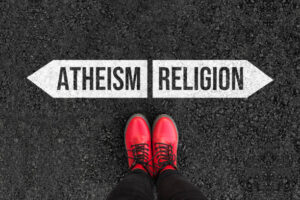
Atheism, perhaps the most well-known form of non-belief, is characterized by the absence of belief in deities or gods. Atheists do not subscribe to the tenets of any religion and reject the existence of supernatural beings. It is important to note that atheism is not a singular, homogenous stance; instead, it encompasses a spectrum of attitudes ranging from strong atheism, which asserts the non-existence of gods, to weak atheism, which simply lacks belief in gods without making a positive assertion.

Agnosticism: Uncertainty and the Limitations of Knowledge

(Photo from iStock)

Agnosticism takes a different approach to non-belief by emphasizing the limitations of human knowledge. Agnostics neither affirm nor deny the existence of deities, asserting that such matters are unknowable or, at the very least, currently beyond the scope of human understanding. The agnostic position is characterized by a willingness to admit the inherent uncertainty surrounding metaphysical questions and a preference for withholding judgment in the absence of conclusive evidence.

Secular Humanism: Embracing Human Values without the Supernatural

(Photo from iStock)

Secular humanism is a non-religious worldview that places emphasis on human values and ethics without reliance on supernatural elements. Adherents of secular humanism focus on promoting human welfare, rational thinking, and ethical behaviour, often grounded in reason and empathy rather than religious doctrine. This type of non-belief seeks to build a moral framework independent of religious dogma, emphasizing the importance of critical thinking and compassion in shaping a just and equitable society.

Scepticism: Questioning and Critical Inquiry

(Photo from iStock)

Scepticism, while not exclusively a form of non-belief, often aligns with a critical and questioning stance towards supernatural or extraordinary claims. Sceptics approach information with a healthy dose of doubt and require robust evidence before accepting any proposition. This type of non-belief is rooted in the scientific method and the principles of critical inquiry, encouraging individuals to scrutinize ideas and beliefs to ensure they are supported by empirical evidence.

Freethought: Independent Inquiry and Freedom of Belief

(Photo from iStock)

Freethought is a philosophy that encourages individuals to form beliefs based on reason, logic, and evidence, free from the constraints of tradition or authority. Freethinkers value intellectual independence and are open to exploring a variety of ideas, unbound by dogma or religious doctrine. This type of non-belief fosters a spirit of curiosity and encourages individuals to challenge prevailing norms, promoting an atmosphere of free inquiry and the pursuit of knowledge.

Apatheism: Indifference towards Religious Questions

(Photo from iStock)

Apatheism is characterized by apathy or indifference towards questions of the existence or nature of deities. Individuals who identify as apatheists may find the debate over religious matters uninteresting or irrelevant to their lives. While not explicitly denying the possibility of gods. Apatheists simply do not engage with religious questions and may prioritize other aspects of life over philosophical or metaphysical inquiries.

Igtheism: Questioning the Coherence of God Concepts

(Photo from iStock)

Igtheism, also known as theological non-cognitivism, challenges the coherence and meaningfulness of the concept of God. Igtheists argue that the term “God” lacks a clear and universally agreed-upon definition. Making discussions about the existence or non-existence of God inherently ambiguous.

Naturalism: Embracing a Universe Governed by Natural Laws

(Photo from iStock)

Naturalism is a philosophical stance that asserts that the natural world, governed by natural laws, is the only reality. This type of non-belief rejects the existence of supernatural entities and phenomena. Emphasizing the importance of empirical evidence and the scientific method in understanding the universe.

Antitheism: Opposition to Belief in God or Gods

(Photo from iStock)

Antitheism goes beyond simple non-belief by actively opposing theism and religious belief. Antitheists not only lack a belief in deities but also assert that belief in God or gods is harmful, promoting irrationality, intolerance, and sometimes violence.  Eventually, This perspective often critiques religious institutions and practices, viewing them as detrimental to individual freedom. Moreover,  societal progress, and ethical behaviour.

Conclusion

The spectrum of non-belief is broad and diverse, reflecting the complexity of human thought. And the myriad ways individuals engage with questions of spirituality. Religion, and metaphysics. From atheism and agnosticism to secular humanism and antitheism. Each type of non-belief brings its unique perspective to the ongoing discourse. Surrounding the nature of existence. As societies continue to evolve. Understanding and respecting the diversity of non-belief becomes crucial for fostering meaningful dialogue. And promoting a more inclusive and tolerant world.

Moreover, fostering constructive dialogue between believers and non-believers is crucial for building bridges and understanding. Respectful conversations that acknowledge the diversity within both religious and non-religious communities can lead to greater tolerance and cooperation. Recognizing the shared values of empathy, reason, and a desire for a just society can serve as common ground. Evidently, facilitating meaningful discussions that transcend theological differences.

In an increasingly interconnected world, where diversity is celebrated, appreciating the various types of non-belief enriches our collective understanding of the human experience. As we navigate the intricate tapestry of beliefs and non-beliefs, embracing a spirit of curiosity, empathy, and open-mindedness can contribute to a more harmonious coexistence among individuals with differing perspectives on the metaphysical aspects of life.

Reference:

Taylor and Francis Online 

Want to know about creation of the world, click on the link below:

How Can Religion Be Created? Exploring the Origins and Evolution

Religion in the Age of Enlightenment

The Age of Enlightenment, spanning roughly from the late 17th to the 18th century, was a period marked by a profound shift in intellectual and philosophical thought. This era championed reason, science, and individualism, challenging the traditional authority of monarchies and religious institutions. As the Enlightenment unfolded across Europe, it brought about a revaluation of the role of religion in society. This article explores how religion navigated the turbulent waters of reason and faith during the Age of Enlightenment, examining the key thinkers, debates, and outcomes that shaped the religious landscape of the time.

The Enlightenment Mindset

(Photo from iStock)

Central to the Enlightenment was the elevation of reason as the primary tool for understanding the world. Thinkers like René Descartes, John Locke, and Voltaire advocated for the use of reason and empirical evidence to challenge superstition and dogma. The scientific method became a symbol of intellectual progress, fostering a spirit of inquiry that extended into religious domains.

Individualism and Personal Liberty

This emphasis on personal liberty posed a challenge to religious authorities that had historically held sway over people’s lives. Concepts like freedom of thought and religious tolerance gained prominence, encouraging individuals to question established religious doctrines and explore their own beliefs.

God as the Divine Clockmaker

One significant religious development during the Enlightenment was the rise of Deism. Deists, including influential figures like Thomas Paine and Benjamin Franklin, believed in a rational, impersonal God who created the universe and set it in motion like a finely tuned clock. This metaphorical “Clockwork Universe” suggested that God, having established natural laws, did not intervene in the daily affairs of the world.

The Challenge to Divine Revelation

Deism posed a direct challenge to traditional religious views that emphasized divine revelation and miracles. Enlightenment thinkers argued that human reason, rather than revealed truths, should guide beliefs and decisions. This shift contributed to a more critical examination of religious texts and doctrines, with an increasing number of individuals questioning the authority of religious institutions.

Voltaire: The Pen as a Mighty Sword

(Photo from iStock)

Voltaire, a prominent figure of the Enlightenment, was a fierce critic of organized religion. Through his writings, such as “Candide” and his philosophical dictionary, Voltaire lampooned religious intolerance, superstition, and abuses of power within the Church. His satirical approach exposed the contradictions between religious ideals and the realities of the time, influencing many to revaluate their beliefs. Hence, he becomes inseparable from age of enlightenment.

David Hume and the Limits of Human Understanding

Scottish philosopher David Hume tackled religious beliefs from a different angle. In his works, Hume questioned the foundations of religious knowledge, challenging the notions of causality, miracles, and the nature of God. Hume’s sceptical inquiries into the limitations of human understanding had a profound impact on religious philosophy, prompting a reassessment of traditional theological arguments.

Religious Toleration and Pluralism

Influenced by John Locke’s ideas on religious tolerance, many argued that individuals should be free to practice their faith without fear of persecution. Moreover, this emphasis on religious freedom laid the groundwork for the development of more inclusive and diverse societies.

Challenges to Ecclesiastical Authority

(Photo from iStock)

The Enlightenment’s call for religious toleration challenged the authority of ecclesiastical institutions. As people gained the freedom to explore diverse religious perspectives, the power of religious authorities to dictate beliefs and practices waned. Further, this shift marked a departure from the dogmatic control that the Church had exerted for centuries.

The Catholic Church and the Counter-Enlightenment

The Catholic Church, a traditional bastion of religious authority, faced significant challenges during the Enlightenment. The Church’s resistance to the ideas of reason and individual freedom led to tensions with Enlightenment thinkers. The suppression of certain scientific and philosophical works, such as Galileo’s heliocentric theories, highlighted the Church’s struggle to adapt to the changing intellectual landscape.

Protestantism and Fragmentation

(Photo from iStock)

Within Protestantism, the Enlightenment led to internal debates and fragmentation. Some Protestant denominations embraced the spirit of reason and individualism, while others resisted the Enlightenment’s influence. Furthermore, the diversity of responses within Protestantism reflected the broader societal shifts occurring as a result of Enlightenment ideals.

Enlightenment Values in Contemporary Society

The Enlightenment’s influence on religion persists in modern society. The emphasis on reason, individualism, and religious freedom continues to shape debates on topics such as secularism, human rights, and the relationship between science and faith. Enlightenment values have become integral to the foundations of many democratic societies, influencing legal systems and social norms.

Challenges and Reinterpretations

While the Enlightenment fostered positive developments in religious tolerance and individual freedom, it also sparked challenges and reinterpretations. Some critics argue that the Enlightenment’s emphasis on reason and science led to a secularization of society. Contributing to a decline in religious adherence. Moreover, others contend that the Enlightenment’s legacy provides a framework for reconciling faith with reason in the contemporary world.

Conclusion

The Age of Enlightenment was a transformative period that reshaped the intellectual, cultural, and religious landscape of Europe. Religion, facing the challenges posed by reason and individualism, underwent a process of revaluation and adaptation. The rise of Deism, religious scepticism. Evidently,  the call for religious toleration marked significant shifts in how individuals engaged with and perceived their faith.

The Enlightenment’s legacy, with its emphasis on reason, individual liberty, and religious freedom, continues to influence the modern world. The tension between faith and reason, a central theme of the Enlightenment, remains a topic of debate and exploration. As society grapples with the complexities of belief in an era dominated by scientific inquiry and pluralism. Eventually,  the Enlightenment’s contributions to the ongoing dialogue between religion and reason remain both relevant and enduring.

In the aftermath of the Enlightenment, religion faced a dichotomy: adaptation to reason or resistance to change. This period birthed enduring tensions, shaping contemporary discussions on faith, individual autonomy, and the delicate balance between religious traditions and Enlightenment values.

Reference:

Stanford Encyclopaedia of Philosophy

Want to know about creation of the world, click on the link below:

How Can Religion Be Created? Exploring the Origins and Evolution

The History of Religion and Class Structure

The history of religion and class structure is a compelling narrative that intertwines with the very fabric of human civilization. From the dawn of organized societies to the present day, the relationship between religious beliefs and social classes has shaped cultures, institutions, and individual lives. This article will delve into the intricate tapestry of this historical interplay, exploring key moments and class structure.  Societal shifts, and the profound impact on the development of human societies.

The Dawn of Civilization: Religion and Early Class Structures

(Photo from iStock)

As humans transitioned from nomadic lifestyles to settled communities, the need for order and cooperation led to the emergence of religion as a guiding force. Early religious beliefs often cantered around nature and the cosmos, with communities attributing spiritual significance to natural phenomena. In these nascent societies, religious practices played a crucial role in establishing a sense of community and shared identity.

The surplus of resources, agricultural advancements, and the advent of specialized labour roles contributed to the emergence of social hierarchies. The religious narrative began to intertwine with class distinctions, as rulers and elites often claimed divine authority to legitimize their positions.

Ancient Civilizations: Gods and Rulers

The ancient civilizations of Mesopotamia, Egypt, Greece, and Rome provide rich examples of the interplay between religion and class structure. In Mesopotamia, the Code of Ur-Nammu and the later Code of Hammurabi reflected a legal system influenced by religious beliefs, reinforcing social hierarchies and maintaining order.

In ancient Egypt, the pharaohs were not only political leaders but also considered divine figures, blurring the lines between religious and secular authority. The construction of monumental structures such as the pyramids served both religious.

The Greek and Roman pantheons were populated by deities embodying various aspects of life, and the belief in a divine hierarchy often mirrored the social hierarchy. Leaders and rulers were regarded as having a special connection with the gods, solidifying their authority and reinforcing class divisions.

Religion in the Middle Ages: Feudalism and Divine Justification

(Photo from iStock)

The Middle Ages witnessed the dominance of feudalism, a socio-economic system characterized by land ownership, agricultural labour, and hierarchical structures. During this period, the Catholic Church played a central role in shaping the religious and social landscape of Europe.

Feudal societies were structured with kings or monarchs at the top, followed by nobles, knights, and peasants. The Church, as a powerful institution, not only provided spiritual guidance but also wielded significant influence over political affairs. The doctrine of divine right justified the authority of monarchs, asserting that their rule was sanctioned by God.

The religious narrative reinforced the existing class structure, with the clergy, nobility, and commoners occupying distinct positions in society. The feudal contract, rooted in both secular and religious norms, governed the relationships between these classes, establishing a delicate balance that maintained social order.

Religious Movements and Social Upheaval

However, the intertwining of religion and class structure was not without challenges. Throughout history, religious movements often emerged as a response to perceived injustices and inequalities. The Protestant Reformation in the 16th century, led by figures such as Martin Luther, challenged the authority of the Catholic Church and questioned the existing social order.

The Reformation not only sparked religious schisms but also contributed to political and social upheavals. The idea of individual interpretation of religious texts empowered people to question established authorities, leading to the erosion of traditional hierarchies. The rise of Protestantism coincided with significant changes in economic structures, as emerging capitalist practices began reshaping the socio-economic landscape.

The Enlightenment and the Secular Turn

(Photo from iStock)

The Enlightenment of the 17th and 18th centuries marked a pivotal moment in the history of religion and class structure. Intellectual movements, emphasizing reason, science, and individual rights, challenged the entrenched power structures of both the Church and the monarchy.

The Industrial Revolution and Social Transformations

The Industrial Revolution brought about unprecedented changes in technology, economy, and society. As societies shifted from agrarian economies to industrialized ones, new class structures emerged. The rise of the bourgeoisie, the industrial capitalists, challenged the traditional dominance of the aristocracy.

Religious narratives adapted to these changes, and new ideologies arose to either justify or critique the emerging capitalist systems. In some cases, religious beliefs were used to legitimize the new economic order. While in others, religious movements emerged as advocates for social justice and workers’ rights.

The Marxist Perspective: Religion as an Ideological Tool

(Photo from iStock)

Karl Marx, in his seminal work “Das Kapital,” provided a critical analysis of the relationship between religion and class structures. Marx argued that religion, particularly in capitalist societies, served as an ideological tool used by the ruling class to maintain social order and control the working class.

Contemporary Dynamics: Globalization and Religious Revival

In the modern era, the forces of globalization have brought about complex changes in the interplay between religion and class structure. The spread of capitalism, technology, and information has connected societies in unprecedented ways, influencing both economic systems and religious landscapes.

In some regions, religious revival movements have emerged in response to the perceived erosion of traditional values in the face of globalization. These movements often intersect with political ideologies, contributing to the shaping of class structures and power dynamics. Conversely, in secularized societies, the influence of religious institutions on class structures has waned, giving rise to more diverse and pluralistic social landscapes.

Conclusion

The history of religion and class structure is a multifaceted narrative that weaves through the fabric of human civilization. From the early civilizations of Mesopotamia and Egypt to the transformative periods of the Middle Ages, Reformation.

As societies evolve and face new challenges, the relationship between religion and class structure continues to adapt. The Marxist critique offers a lens through which to analyse the ideological functions of religion in contemporary capitalist societies. Meanwhile, the forces of globalization bring new dynamics, shaping how religious narratives intersect with economic structures and class hierarchies.

Understanding this historical odyssey provides valuable insights into the complexities of human societies.

Reference:

Britannica 

Want to know about creation of the world, click on the link below:

How Can Religion Be Created? Exploring the Origins and Evolution

The Role of Symbolism in Religion

Religion, as a complex and deeply ingrained aspect of human culture, often relies on symbolism to convey its profound messages, teachings, and rituals. Symbolism serves as a bridge between the tangible and the intangible, providing a visual, auditory, or tactile language that allows believers to connect with the divine and understand the mysteries of existence. This article explores the dynamic and active role of symbolism in religion, delving into how symbols become vessels of meaning, fostering a deeper understanding of faith, and creating a shared identity among believers.

The Language of the Ineffable

(Photo from iStock)

One of the fundamental challenges of religious discourse is the attempt to articulate the ineffable—the aspects of the divine that transcend human comprehension. Symbolism, in its various forms, steps into this gap, offering a language that communicates the transcendent and the sacred.

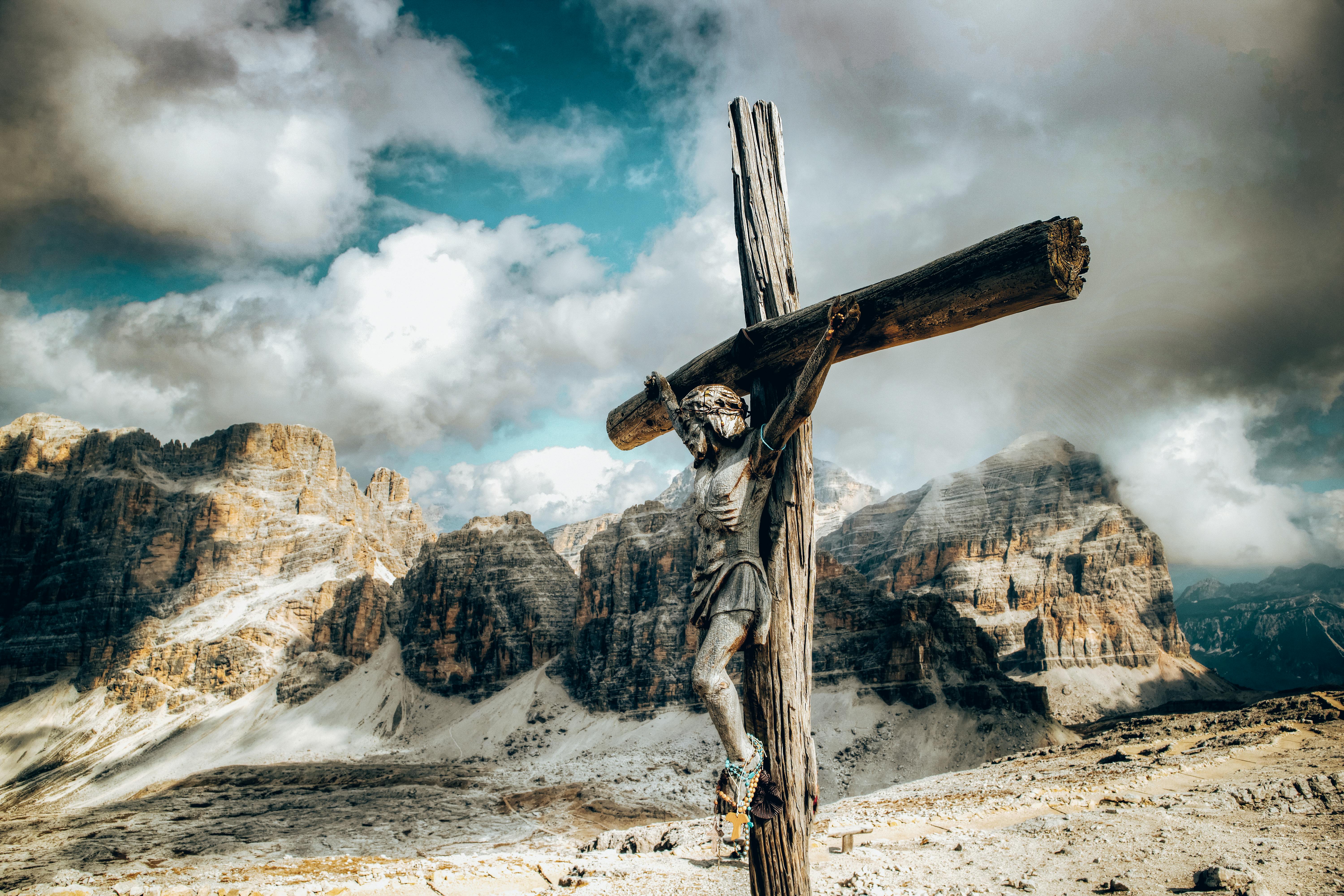
Take, for example, the Christian symbol of the cross. Beyond being a simple geometric shape, the cross embodies the central tenet of Christianity—the crucifixion and resurrection of Jesus Christ. It encapsulates the narrative of salvation, redemption, and divine love, transcending linguistic boundaries to resonate with believers worldwide.

Facilitating Spiritual Experience

Symbols not only convey religious concepts but also actively participate in the creation of a sacred space and the facilitation of spiritual experiences. Architecture, art, and ritual objects within religious contexts are often laden with symbolic meaning, transforming the physical environment into a conduit for the divine. Consider the awe-inspiring architecture of cathedrals, mosques, or temples, where every arch, window, and ornament carries symbolic significance, guiding worshippers toward a heightened state of spiritual awareness.

Cultural Identity and Communal Unity

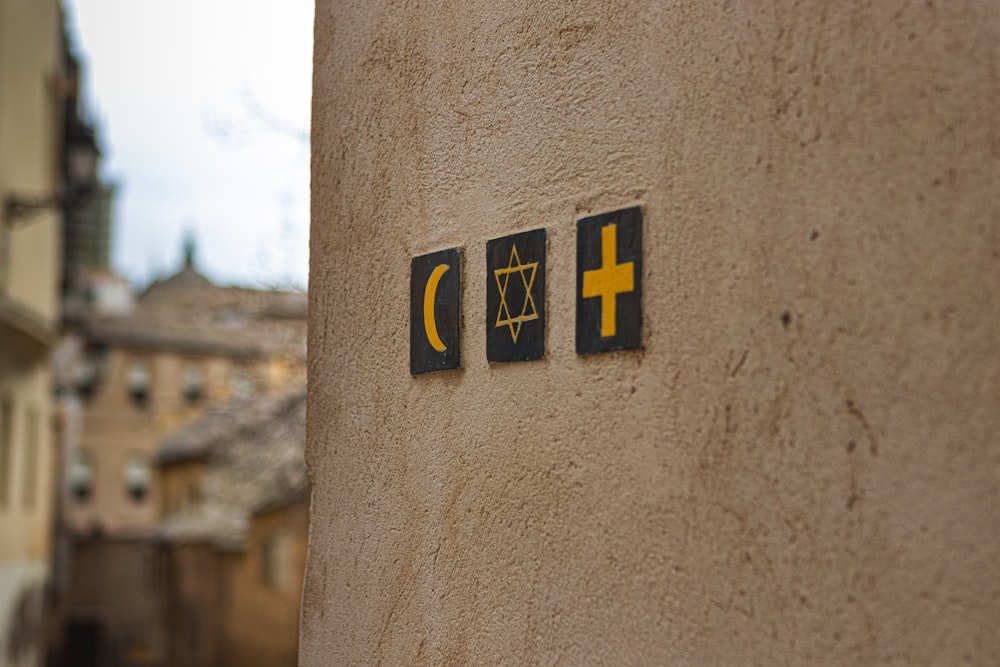
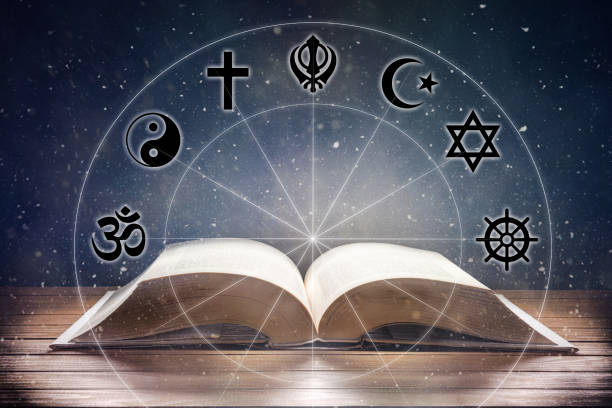
Symbols play a pivotal role in shaping the cultural identity of religious communities. They act as emblems that distinguish one faith tradition from another, fostering a sense of belonging and unity among believers. The crescent moon and star in Islam, the lotus flower in Hinduism, or the menorah in Judaism are not mere icons; they are symbols that encapsulate the history, values, and shared identity of entire religious communities.

Moreover, symbols serve as markers of continuity across generations, carrying the weight of tradition into the present. The celebration of religious festivals, adorned with symbols and rituals, becomes a collective reaffirmation of cultural identity. In this way, symbolism actively contributes to the formation and preservation of religious communities, providing a visual and symbolic language that transcends the limitations of spoken or written words.

Moral and Ethical Guidance

(Photo from iStock)

Religious symbols often encapsulate moral and ethical teachings, serving as visual reminders of the principles that guide believers in their daily lives. For instance, the Buddha’s wheel in Buddhism represents the Noble Eightfold Path, a guide to ethical and mental development. The menorah in Judaism embodies the ethical imperatives outlined in the Torah, serving as a constant visual cue for righteous living.

By embedding moral teachings in symbols, religions actively engage believers in a continuous dialogue with their ethical responsibilities. These symbols serve as moral compasses, prompting individuals to reflect on their actions and choices in light of their religious values. In this way, symbolism is not passive but actively influences the ethical framework within religious communities, shaping individual and collective behaviour.

Navigating the Journey of Faith

Symbols often play a crucial role in guiding believers on their spiritual journeys. The labyrinth, a symbol found in various religious traditions, represents the winding path of life’s journey with its twists and turns. Pilgrimages, adorned with symbolic markers and rituals, serve as transformative experiences that deepen the connection between the individual and the divine.

In Christianity, the fish symbol (ichthys) not only represents Christ but also serves as a clandestine identifier for early Christians. This discreet symbol helped believers navigate times of persecution and identify fellow members of their faith. Thus, symbolism actively aids believers in navigating the complexities of their spiritual journeys. Providing guidance, strength, and a sense of purpose.

Universal Archetypes and Shared Meaning

Symbols often tap into universal archetypes, transcending cultural and linguistic barriers to convey shared meanings. The tree of life, a symbol found in various cultures and religions, represents interconnectedness, growth, and the cycle of life. By drawing on these archetypal symbols. Religions create a shared reservoir of meaning that resonates across diverse cultural and geographical contexts.

The active role of symbolism in fostering shared meaning is particularly evident in religious rituals. Whether it’s the lighting of candles, the use of incense. Or the act of prayer, these rituals are laden with symbolic significance. That unites believers in a shared language of worship. Symbols, therefore, actively contribute to the creation of a global community of faith. Where individuals from different backgrounds can find common ground in the shared meanings embedded in religious symbolism.

Dynamic Adaptation and Evolution

(Photo from iStock)

While religious symbols often carry ancient meanings, they are not static entities. Symbols have the capacity to adapt and evolve, responding to the changing needs and understandings of religious communities. The Virgin Mary, for example, has been depicted in countless ways across different cultures. And periods, adapting to the aesthetic sensibilities and theological nuances of each era.

Challenges and Controversies

Despite the profound role of symbolism in religion, it is not immune to challenges and controversies. Symbols can be misappropriated, misinterpreted, or weaponized to serve political, social, or exclusionary agendas. The Star of David, for instance, has been used to stigmatize and discriminate against Jewish communities throughout history. The active role of symbolism in shaping religious identity can, at times, become a source of division rather than unity.

Conclusion

In conclusion, the role of symbolism in religion is far from passive. Instead, it is a dynamic and active force that shapes. The very fabric of religious experience, community identity, and ethical guidance. From facilitating spiritual encounters to embodying cultural identity. Symbols serve as conduits between the finite and the infinite, the tangible and the transcendent. As we navigate the complexities of the 21st century. The active role of symbolism in religion continues to evolve, contributing to the rich tapestry of human spirituality and cultural expression.

Reference:

Science Direct

Want to know about creation of the world, click on the link below:

How Can Religion Be Created? Exploring the Origins and Evolution

The Resilience and Relevance of Myths in Modern Society

In the ever-evolving landscape of the 21st century, where technological advancements and scientific discoveries seem to dominate the cultural narrative, the importance of myths might be overlooked. However, delving deeper into the fabric of human existence reveals that myths continue to play a crucial role in shaping our perceptions, values, and societal structures. This article explores the enduring significance of myths in modern society, emphasizing their role in providing meaning, fostering a sense of identity, and addressing the perennial questions that transcend time.

The Power of Narrative

(Photo from iStock)

At its core, a myth is a narrative that explains the mysteries of existence, the origins of the world, and the nature of humanity. These stories, often rooted in ancient traditions, serve as a collective cultural inheritance passed down through generations. In the fast-paced and complex world of today, where individuals grapple with the uncertainties of life, myths offer a semblance of order and understanding.

Myths provide a framework for comprehending the intangible aspects of the human experience, such as love, loss, and the pursuit of purpose. They offer a narrative structure that helps individuals make sense of their emotions, actions, and relationships. In a society bombarded with information and stimuli. Furthermore, myths act as guiding stories, shaping the way we interpret the world around us.

Cultural Identity and Belonging

Myths are integral to the formation and preservation of cultural identity. In an era characterized by globalization and cultural exchange, myths serve as anchors that tether communities to their roots. These stories encapsulate the values, traditions, and beliefs that define a particular culture, providing a sense of continuity across generations.

For many societies, myths are not merely tales of the past; they are living narratives that inform present-day customs and rituals. From creation myths to epic tales of heroes, myths contribute to a collective consciousness that strengthens the bonds within a community. In an age where individuals may feel disconnected from their cultural heritage, myths offer a pathway to rediscover and reaffirm a sense of belonging.

Guiding Morality and Ethics

(Photo from iStock)

Beyond their role as storytelling devices, myths often contain moral and ethical lessons that guide human behaviour. Ancient myths, such as Aesop’s fables or the stories of Greek gods and goddesses, impart timeless wisdom about virtues, vices, and the consequences of one’s actions. In the modern context, where ethical dilemmas and moral relativism can complicate decision-making, myths provide a moral compass.

Myths offer archetypal characters and situations that mirror the complexities of real-life choices. By presenting moral quandaries and their resolutions, these stories contribute to the development of a shared ethical framework within society. In doing so, myths foster a sense of responsibility and accountability, encouraging individuals to reflect on the consequences of their actions in the broader context of human experience.

Addressing Existential Questions

Humanity has grappled with existential questions since time immemorial: Why are we here? What is the purpose of life? What happens after death? With their rich tapestry of symbols and allegories, attempt to provide answers to these profound inquiries. In a world increasingly shaped by science and reason, myths offer a complementary narrative that addresses the metaphysical and transcendent aspects of human existence.

While science explores the mechanics of the universe, delve into the meaning behind the phenomena. They speak to the human need for purpose and connection, offering a narrative bridge between the known and the unknown. In a secular age, where traditional religious frameworks may be in decline, they continue to serve as a source of existential consolation and a testament to the enduring quest for meaning.

Adaptability and Evolution

(Photo from iStock)

Contrary to the perception of myths as relics of the past, they exhibit a remarkable adaptability that allows them to endure and evolve with the times. In the age of technology and information, have found new avenues of expression, from contemporary literature and film to digital storytelling.  Further, these modern iterations of  demonstrate their ability to resonate with current audiences while retaining their timeless themes.

The reinterpretation of them also highlights their malleability. Allowing societies to imbue these stories with new meanings that reflect their evolving values. Just as ancient myths were shaped by the cultural and social context of their time. Modern myths continue to be shaped by the pressing concerns and aspirations of contemporary society. Moreover, this adaptability underscores the enduring relevance of myths as a dynamic and living cultural force.

Inspiration for Creativity and Innovation

Myths, with their fantastical narratives and imaginative elements, serve as wellsprings of inspiration for creative endeavours. From literature and art to music and film, myths provide a fertile ground for the exploration of human imagination. The archetypal characters, epic journeys, and moral dilemmas found in myths offer a rich palette for artists. And creators to draw upon in their quest to make sense of the human experience.

Moreover, myths inspire innovation by encouraging individuals to think beyond the confines of conventional wisdom. The hero’s journey, a recurring motif in many myths. Mirrors the challenges and triumphs inherent in the pursuit of ground-breaking ideas. Evidently,  by tapping into the universal themes embedded. Innovators and visionaries find a well of creativity that transcends cultural and temporal boundaries.

Conclusion

In conclusion, the importance of myths in modern society cannot be overstated. These timeless narratives continue to weave themselves into the fabric of human existence. Providing a source of meaning, identity, and guidance. In an era marked by rapid change and uncertainty. They offer a stabilizing force that connects individuals to their cultural heritage. Guides their ethical choices, and addresses the perennial questions that define the human experience.

As we celebrate the one-year milestone of this article, it serves as a reminder that, despite the technological advancements. And scientific progress of our age. The resonance of myths endures. From the ancient campfires to the digital screens of today. Eventually, these persist as powerful vessels of human wisdom and imagination. Reminding us of the enduring threads that connect us to our past and propel us into an ever-evolving future.

Reference:

Forbes

Want to know about creation of the world, click on the link below:

How Can Religion Be Created? Exploring the Origins and Evolution
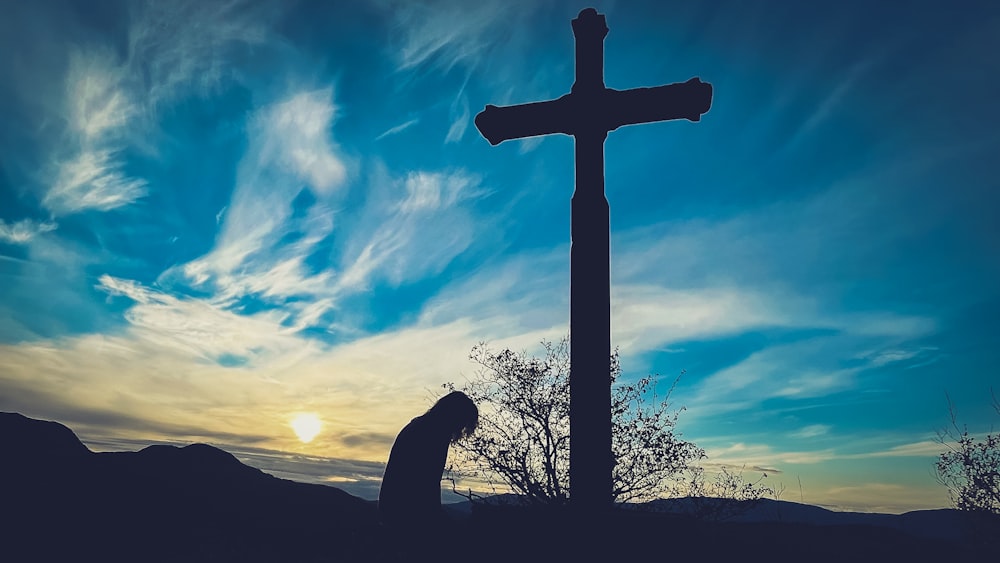
An Evolutionary Perspective on Religion

Religion, a complex and multifaceted phenomenon, has been a fundamental aspect of human societies throughout history. From ancient polytheistic beliefs to modern monotheistic faiths, the diversity of religious expressions suggests a deep-seated connection between humans and the spiritual realm. While religious beliefs and practices have often been studied from cultural, sociological, and psychological perspectives, examining religion through the lens of evolution provides unique insights into its origins and functions. This article delves into the evolutionary perspective on religion, exploring how it may have emerged, persisted, and contributed to human survival and societal development.

Origins of Religion: Evolutionary Explanations

(Photo from iStock)

One prominent evolutionary explanation for the origins of religion is rooted in the concept of natural selection. According to this perspective, certain cognitive and behavioural traits related to religious beliefs and practices may have conferred evolutionary advantages to early human communities. One such trait is the predisposition to ascribe agency to natural events.

In the ancestral environment, humans faced numerous challenges and uncertainties, such as predators, natural disasters, and the need to secure resources for survival. The tendency to attribute agency—perceiving intention and purpose—allowed early humans to navigate these challenges more effectively. For example, interpreting rustling in the bushes as a potential predator rather than mere wind could prompt a quicker and more adaptive response, enhancing the chances of survival.

Functions of Religion: Adaptive Advantages

From an evolutionary standpoint, the persistence of religion across diverse cultures suggests that it confers certain adaptive advantages. One such advantage is the role of religion in addressing existential concerns and providing a framework for understanding the world. Humans, confronted with the mysteries of existence and the inevitability of death, have sought meaning and purpose through religious beliefs.

Religion often offers explanations for the origins of the universe, the nature of life, and the ultimate fate of individuals. By providing a narrative that addresses these existential questions, religious beliefs may reduce existential anxiety and contribute to psychological well-being. This, in turn, could enhance the individual’s ability to cope with stress and adversity, ultimately benefiting their overall fitness.
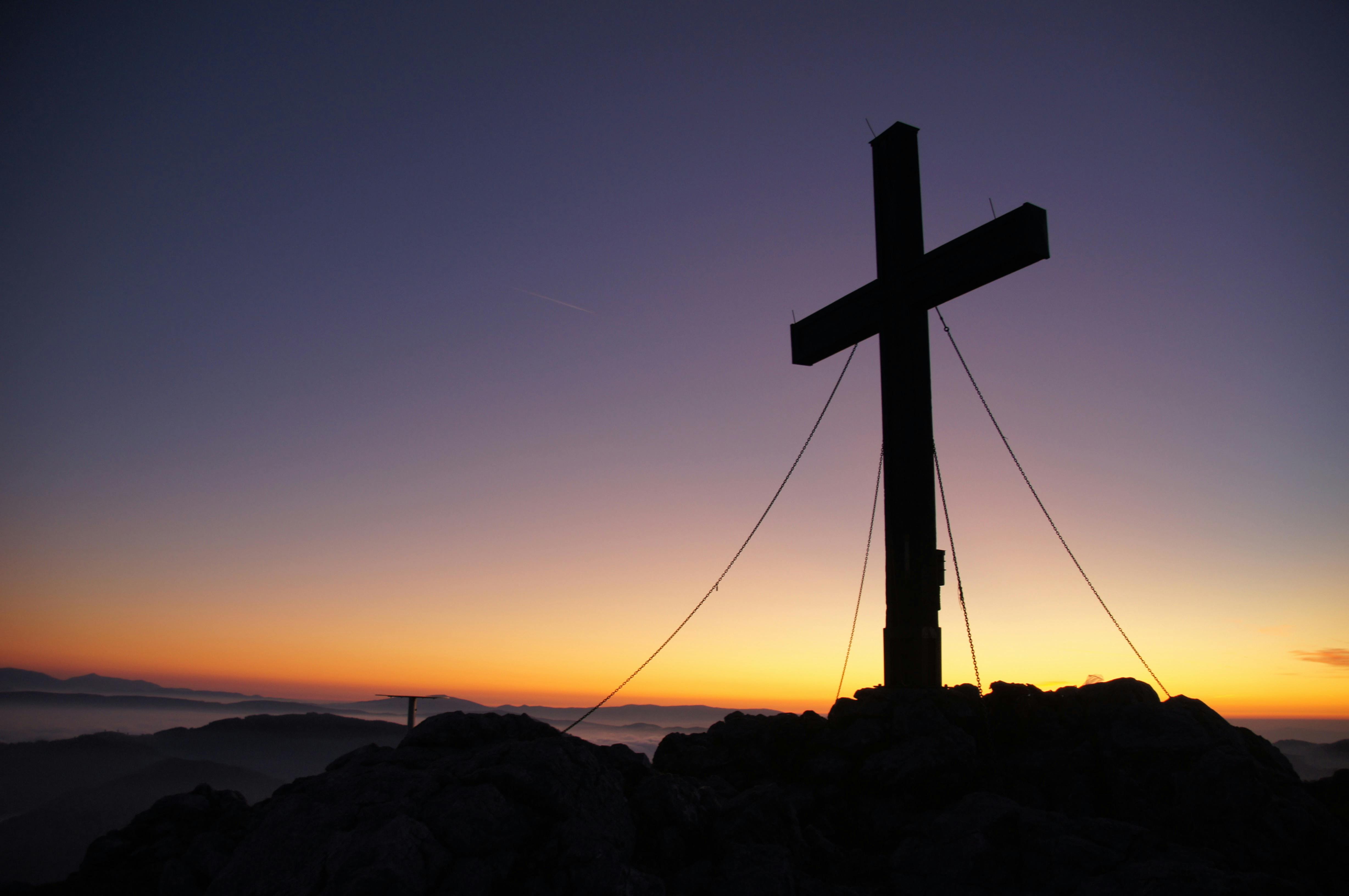
Moreover, religion has been linked to the regulation of social behaviour. Many religious systems provide moral codes and ethical guidelines that shape individual conduct within a community. These moral frameworks serve to maintain social order and cooperation, contributing to the stability and success of social groups. In an evolutionary context, adherence to shared moral values could enhance the cohesion of a group, promoting collective well-being and survival.

Adaptations and By-products: The Dual Nature of Religion

(Photo from iStock)

While religion may have evolved to serve adaptive functions, not all aspects of religious belief and practice can be easily explained as direct adaptations. Evolutionary processes can lead to the emergence of by-products—traits or behaviours that are not directly selected for but arise as a consequence of other adaptive features.

In the case of religion, certain cognitive biases that facilitated survival in ancestral environments may have inadvertently contributed to the development of supernatural beliefs. For example, the tendency to see patterns or agency in random events, known as apophenia, could lead to the perception of divine messages or interventions in everyday occurrences.

Additionally, the human capacity for theory of mind—the ability to attribute mental states to oneself and others—may play a role in the development of religious beliefs. The attribution of mental states to unseen agents or deities could be an extension of this cognitive ability, providing a framework for understanding the intentions and motivations of supernatural beings.

Cultural Evolution and Religious Diversity

As human societies evolved and expanded, so too did the diversity of religious beliefs and practices. Cultural evolution, driven by factors such as migration, trade, and contact with other societies, played a crucial role in shaping the rich tapestry of religious diversity observed today.

Cultural evolution operates on a different timescale than genetic evolution. Allowing for the rapid transmission and modification of religious ideas within and between societies. As cultures interacted, religious systems underwent adaptations, syncretism, and the incorporation of new elements. The diverse array of religious traditions worldwide reflects the dynamic interplay between cultural evolution and the adaptive functions of religion and perspective on religion.

Moreover, the evolution of human societies from small, close-knit groups to large, complex civilizations introduced new challenges and opportunities. In large-scale societies, religion often played a central role in promoting social cohesion and order. Complex societies with diverse populations required more elaborate moral frameworks and social institutions to maintain stability.

Religion and Human Flourishing

(Photo from iStock)

Beyond its evolutionary roots, religion continues to play a significant role in contemporary societies. Influencing individuals and communities in various ways. While the adaptive functions of religion have been instrumental in human survival and societal cohesion. The impact of religion on individual well-being is a topic of ongoing debate.

For many individuals, religious beliefs and practices contribute to a sense of purpose, community, and moral guidance. The communal aspect of religious worship provides social support, fostering a sense of belonging and connection. Rituals and ceremonies often mark important life events, providing a framework for coping with transitions, grief, and existential concerns.

Additionally, the moral frameworks provided by religious traditions can guide ethical decision-making and contribute to the development of prosocial behaviour. Many religions emphasize values such as compassion, kindness, and charity. Promoting a sense of responsibility toward others and the broader community.

However, the relationship between religion and well-being is complex and varies across individuals and cultures. While some find solace and meaning in religious beliefs. Others may experience conflict, guilt, or distress due to doctrinal constraints or conflicting worldviews. Moreover, the role of religion in shaping societal norms. And values has been a source of both progress and contention throughout history.

Conclusion

An evolutionary perspective on religion offers valuable insights into the origins and functions of this complex human phenomenon. From its roots in cognitive mechanisms shaped by natural selection to its role in fostering social cohesion and cooperation. Religion has played a multifaceted role in human evolution.

Reference:

Core

Want to know about creation of the world, click on the link below:

How Can Religion Be Created? Exploring the Origins and Evolution

The Role of Religion in Shaping Prejudices

In the intricate web of human societies, religion has long been a powerful force shaping beliefs, values, and interpersonal dynamics. While many find solace, guidance, and a sense of purpose in their faith, the influence of religion extends beyond the spiritual realm into social and cultural spheres. One aspect that merits thorough exploration is the role of religion in forming prejudices. This article aims to delve into the complex connections between religious beliefs and the development of biases, shedding light on the multifaceted interplay between faith and prejudice.

  • Religion as a Source of Identity and Belonging

(Photo from iStock)

Religion often serves as a cornerstone for personal identity, providing individuals with a framework for understanding their place in the world. The sense of belonging to a religious community fosters a shared identity among its members, creating a bond that can be both unifying and divisive. The solidarity within religious groups can inadvertently contribute to the formation of prejudices, as individuals may develop an “us versus them” mentality, viewing those outside their faith as different or even threatening.

  • In-Group Favouritism

The psychological phenomenon of in-group favouritism, where individuals favour members of their own group over those from other groups, is closely linked to religious identity. Studies have shown that individuals are more likely to display bias in favour of their religious in-group, leading to the exclusion or marginalization of those who hold different beliefs. This tendency can fuel the flames of prejudice, creating barriers between religious communities and hindering meaningful interfaith dialogue.

  • Fear of the Other

Religious teachings, particularly those emphasizing the dichotomy between believers and non-believers, can contribute to the fear of the “other.” When religious doctrines emphasize differences rather than commonalities, it becomes easier for adherents to view outsiders with suspicion or fear. This fear, rooted in religious teachings, can manifest as prejudice against individuals who deviate from established religious norms.

  • Interplay Between Religious Doctrine and Prejudice

(Photo from iStock)

Religious doctrines play a pivotal role in shaping the worldview of believers. While many religious teachings emphasize love, compassion, and tolerance, others contain elements that can be interpreted as exclusive or discriminatory. It is crucial to recognize that interpretations of religious texts can vary widely. Moreover,  individuals may selectively emphasize certain passages to justify their prejudices.

  • Selective Interpretation of Religious Texts

One of the mechanisms through which religion contributes to prejudice is the selective interpretation of sacred texts. Individuals may cherry-pick verses that support their pre-existing biases, reinforcing negative attitudes towards certain groups. This selective reading can perpetuate stereotypes and contribute to the entrenchment of discriminatory beliefs within religious communities.

  • Impact of Religious Leaders

Religious leaders, as influential figures within their communities, play a significant role in shaping the beliefs and attitudes of their followers. When religious leaders espouse intolerant views or promote exclusivity, it can have a cascading effect on the beliefs of their followers. Conversely, leaders who advocate for tolerance and understanding can foster a more inclusive religious environment, mitigating the development of prejudices.

  • Historical Context and Institutionalized Prejudices

(Photo from iStock)

Examining the historical context provides insights into the institutionalization of prejudices within religious structures. Throughout history, religious institutions have, at times, been complicit in perpetuating discrimination and bias, reinforcing the idea that religious beliefs can be manipulated to justify prejudiced attitudes.

  • Historical Precedents

Numerous historical examples demonstrate the entanglement of religion and prejudice. From the Crusades to the Spanish Inquisition, religious institutions have, at times, been instrumental in promoting discrimination against those deemed religiously or culturally different. These historical precedents underscore the potential for religion to be wielded as a tool to legitimize prejudice.


  • Impact on Legal and Social Structures

The institutionalization of religious prejudices can extend beyond individual beliefs to influence legal and social structures. Laws and policies grounded in religious bias have, throughout history, marginalized and oppressed certain groups. Understanding how religious prejudices become embedded in societal structures is crucial for dismantling systemic discrimination and fostering a more inclusive and equitable society.

  • Challenges and Opportunities for Change

(Photo from iStock)

While the link between religion and prejudice is undeniable, it is essential to acknowledge that religion is not inherently divisive. Many religious traditions promote values of love, compassion, and unity. Furthermore, recognizing the potential for positive change within religious communities is key to addressing and overcoming the challenges posed by prejudiced attitudes.

  • Interfaith Dialogue and Understanding

Promoting interfaith dialogue and understanding is a vital step towards dismantling religious prejudices. By fostering conversations that highlight shared values and common humanity, individuals from different religious backgrounds can break down stereotypes and dispel misconceptions. Interfaith initiatives have the potential to build bridges between communities, fostering a more inclusive and tolerant society.

  • Education and Critical Thinking

Educational initiatives that promote critical thinking and a nuanced understanding of religious texts can play a pivotal role in mitigating prejudices. Encouraging individuals to question their assumptions, engage in open dialogue. Further, explore diverse perspectives can contribute to breaking the cycle of intolerance perpetuated by selective interpretations of religious doctrines.

Conclusion

In unravelling the complex connections between religion and prejudices. It becomes evident that the role of faith in shaping attitudes is nuanced and multifaceted. While religion can be a source of identity and belonging. It also has the potential to fuel division and discrimination. Recognizing the impact of religious teachings, the role of leaders. And the historical context is crucial for understanding. How prejudices become ingrained within religious communities.

Addressing religious prejudices requires a multifaceted approach that includes promoting interfaith dialogue. Fostering critical thinking, and challenging discriminatory interpretations of religious texts. By acknowledging the challenges and opportunities for change. Society can work towards creating a more inclusive and tolerant world where individuals. Eventually, can practice their faith while respecting the diversity of beliefs around them.

In the quest for a harmonious society, bridging the gap between religion and prejudices demands a collective effort. Emphasizing empathy, education. Evidently,  a commitment to shared values, humanity can transcend divisive narratives. Fostering a world where religious diversity is celebrated rather than a source of discord.

Reference:

Sage Journals 

Want to know about creation of the world, click on the link below:

How Can Religion Be Created? Exploring the Origins and Evolution

How does religion impact family connections?

Family, often considered the cornerstone of society, serves as a crucible for the interplay of various factors that shape human relationships. Among these influential elements, religion stands out as a profound force that significantly impacts the dynamics of family connections. This article delves into the multifaceted ways in which religion impact family life, exploring the positive and negative aspects of its influence and the intricate balance it strikes between tradition and individuality.

The Role of Shared Beliefs in Family Cohesion

(Photo from iStock)

Religion, with its doctrines, rituals, and shared beliefs, plays a pivotal role in fostering a sense of cohesion within families. Shared religious values serve as a moral compass, guiding family members in navigating the complexities of life. Whether it’s the moral teachings of Christianity, the Five Pillars of Islam, or the ethical principles of Hinduism, these shared values provide a common ground for family members to connect, bond, and find support in times of joy and adversity.

In many religious traditions, families gather regularly for worship, prayer, and communal activities. These shared religious practices not only strengthen the bond between family members but also create a sense of belonging to a larger community. The collective experience of participating in religious ceremonies fosters a shared identity, reinforcing the idea that the family is part of something greater than itself.

However, the impact of religion on family cohesion is not universal. While shared beliefs can strengthen familial ties, they can also become a source of tension in families where members hold divergent religious views. Interfaith marriages, for example, often require thoughtful navigation of differences in religious practices and beliefs. The challenge lies in finding common ground that respects individual autonomy while preserving the unity of the family.

Positive Impact on Values and Morality

Religion often serves as a repository of moral values, providing families with a framework for ethical decision-making. Many religious traditions advocate for virtues such as compassion, kindness, and forgiveness, shaping the character of individuals and influencing their interactions within the family unit. The teachings of various faiths often emphasize the importance of familial responsibilities, encouraging individuals to prioritize the needs of their family members over personal desires.

In this context, religion becomes a source of guidance for parents in instilling values in their children. Moral teachings embedded in religious texts offer a roadmap for navigating ethical dilemmas, fostering an environment where empathy and understanding thrive. The emphasis on moral conduct within religious frameworks contributes to the creation of a supportive family environment where individuals are encouraged to make choices that align with ethical principles.

However, it is essential to acknowledge that the positive impact of religion on values and morality can sometimes be accompanied by challenges. Rigidity in interpreting religious doctrines may lead to intolerance or judgment within the family, particularly if individuals deviate from established norms. Striking a balance between upholding moral values and promoting open-mindedness is crucial to prevent the potential for strained family relationships.

Impact on Family Traditions and Rituals

(Photo from iStock)

Religion significantly influences the traditions and rituals observed within families. From birth ceremonies and weddings to funerals, religious customs shape the way families mark significant milestones.

Religious festivals, celebrated with enthusiasm and joy, create lasting memories for families. The observance of these festivals often involves extended family and community members, reinforcing social bonds beyond the immediate family circle. The shared experience of participating in religious rituals fosters a sense of unity, connecting family members across generations.

However, the influence of religion on family traditions can also pose challenges, particularly in multicultural and diverse societies. Families with members from different religious backgrounds may grapple with the question of which traditions to prioritize or how to blend practices from various faiths. Navigating these complexities requires open communication, flexibility, and a willingness to create new, inclusive traditions that honour the diversity within the family.

Challenges and Tensions Arising from Religious Differences

Interfaith marriages, for instance, may face challenges in reconciling differences in religious practices, traditions, and core beliefs. The key to addressing these challenges lies in fostering open communication, mutual respect, and a willingness to embrace diversity.

In some cases, rigid adherence to religious doctrines can lead to intolerance or exclusion within the family. Individuals who deviate from established religious norms may experience judgment or rejection, creating rifts that strain familial relationships. Striking a balance between upholding religious values and promoting acceptance of individual differences is crucial for maintaining healthy family dynamics.

Moreover, the influence of religion on family connections extends beyond the immediate family unit to the broader community. Social expectations within religious communities may exert pressure on families to conform to certain norms. Potentially limiting individual autonomy and contributing to a sense of isolation for those who do not align with prevailing beliefs.

Impact on Parenting Styles and Family Dynamics

(Photo from iStock)

Religious beliefs often shape parenting styles, influencing the values and principles parents instill in their children. Many religious traditions emphasize the importance of education, discipline, and moral development, guiding parents in their approach to raising children.

However, the impact of religion on parenting styles can vary widely. Some families may adopt a more authoritarian approach, emphasizing strict adherence to religious rules and doctrines. While others may embrace a more permissive style that allows for individual exploration of faith. Striking a balance between instilling religious values. And fostering independent thinking is a delicate task that requires thoughtful consideration. Of the diverse needs and perspectives within the family.

Religion also plays a role in shaping family roles and expectations. Gender roles, in particular, may be strongly influenced by religious beliefs, impacting the division of labour within the family.

Conclusion

In conclusion, the impact of religion on family connections is a complex and multifaceted phenomenon. While shared beliefs can serve as a powerful glue. Binding family members together and providing a moral framework, religious differences can also pose challenges that require thoughtful navigation.

As society continues to evolve and become more diverse, the role of religion in family life will likely undergo transformations.

Reference:

Institute for Family Studies

Want to know about creation of the world, click on the link below:

How Can Religion Be Created? Exploring the Origins and Evolution

Religion and medicine

Religion and medicine, two seemingly distinct realms, have a long and intertwined history that extends across cultures and civilizations. While modern medicine relies heavily on scientific advancements and evidence-based practices. The influence of religious beliefs on health and healing cannot be overlooked. This article explores the dynamic relationship between religion and medicine. Examining how faith traditions shape attitudes towards health. Influence medical practices, and contribute to a holistic approach to well-being.

Religious Beliefs and Health

(Photo from iStock)

One of the fundamental ways in which religion intersects with medicine is through the influence of beliefs on individual health behaviours. Various faith traditions emphasize the importance of maintaining physical health as a means of fulfilling one’s spiritual duties. For example, many religions promote dietary guidelines. Such as kosher and halal food practices, and advocate for practices like fasting and abstaining from certain substances.

Moreover, faith can serve as a source of comfort and resilience in the face of illness. Numerous studies have explored the correlation between religious beliefs and positive health outcomes. For instance, research suggests that individuals who actively participate in religious communities tend to experience lower levels. Of stress and depression, which can positively impact their overall health.

Faith Healing and Medical Practices

Faith healing, a practice rooted in the belief that spiritual forces can contribute to physical healing, is another aspect of the intersection between religion and medicine. While faith healing spans various traditions, it is particularly prominent in Christianity. Where some denominations emphasize the laying on of hands, prayer. And anointing with oil as means of invoking divine intervention for healing.

The relationship between faith healing and conventional medicine is complex. In some cases, individuals may solely rely on spiritual practices for healing. While others may integrate both faith-based and medical approaches. The tension between faith healing and evidence-based medicine raises ethical questions. And challenges for healthcare professionals who must navigate the intersection of religious beliefs and medical practices.

Religious Institutions and Healthcare

Religious institutions have historically played a significant role in the provision of healthcare services. Many hospitals and healthcare organizations around the world were founded by religious groups. With a mission to care for the sick and vulnerable. Even today, several healthcare systems maintain affiliations with religious traditions. Influencing the ethos and values of the institutions.

Religious hospitals often incorporate a spiritual dimension into patient care. This can include chaplaincy services, prayer rooms, and accommodations for religious practices. For patients who draw strength from their faith, the integration of religious elements in healthcare settings can contribute to a more holistic and patient-cantered approach.

Cultural Competence in Healthcare

(Photo from iStock)

Understanding the intersection of religion and medicine is essential for healthcare professionals to provide culturally competent care. Cultural competence involves recognizing and respecting the diverse beliefs and practices of patients, ensuring that healthcare services are inclusive and responsive to individual needs.

Healthcare professionals must be sensitive to the religious beliefs of their patients and recognize how these beliefs may impact their health decisions. This requires effective communication, openness, and a willingness to engage with patients from diverse religious backgrounds. Cultural competence fosters trust between healthcare providers and patients, ultimately enhancing the quality of care.

End-of-Life Care and Religious Perspectives

Religious beliefs often shape individuals’ views on end-of-life care, death, and dying. Different faith traditions have varying perspectives on issues such as euthanasia, assisted suicide, and the withdrawal of life-sustaining treatments. For example, some religions emphasize the sanctity of life and advocate for the preservation of life at all costs, while others may prioritize the quality of life and allow for a more patient-cantered approach to end-of-life decisions.

Navigating these complex ethical and religious considerations is a crucial aspect of providing compassionate and patient-cantered end-of-life care. Healthcare professionals must be aware of and sensitive to the diverse perspectives within their patient population, ensuring that decisions align with the values and beliefs of the individuals and their families.

Medical Ethics and Religious Values

The field of medical ethics grapples with questions that often intersect with religious values. Issues such as abortion, genetic testing, and organ transplantation can be deeply influenced by religious beliefs and moral frameworks.

Religious perspectives can contribute valuable insights to ethical debates in medicine. For example, discussions about the ethical implications of emerging technologies, such as gene editing, often involve considerations of the sanctity of human life and the moral responsibility to act as stewards of creation, concepts deeply rooted in various religious traditions.

Holistic Healthcare: Integrating the Mind, Body, and Spirit

(Photo from iStock)

The integration of religion and medicine can contribute to a more holistic approach to healthcare that recognizes the interconnectedness of the mind, body, and spirit. Holistic healthcare emphasizes the importance of addressing not only physical symptoms but also the emotional, social, and spiritual aspects of an individual’s well-being.

Incorporating spiritual care into medical practices acknowledges that health is a multifaceted concept. For some patients, the healing process goes beyond the physical body and involves finding meaning, purpose, and hope in the face of illness.

Challenges and Opportunities

While the intersection of religion and medicine presents opportunities for a more comprehensive and patient-cantered approach to healthcare, it also poses challenges. Striking a balance between respecting religious beliefs and upholding medical standards, ensuring cultural competence.

Moreover, as societies become more diverse, healthcare systems must adapt to meet the needs of individuals from various religious backgrounds. This includes training healthcare professionals to be culturally competent, developing policies that respect religious diversity, and fostering an inclusive environment within healthcare institutions.

Conclusion

The intersection of religion and medicine is a complex and multifaceted terrain that encompasses individual beliefs, healthcare practices, and ethical considerations. Recognizing the influence of religious values on health behaviours, understanding the role of faith healing, and navigating the involvement of religious institutions in healthcare are crucial aspects of providing patient-cantered and culturally competent care.

As healthcare professionals and societies at large grapple with the challenges and opportunities presented by the intersection of religion and medicine, a commitment to open dialogue, education, and respect for diverse perspectives is essential.

Reference:

BMJ

Want to know about creation of the world, click on the link below:

How Can Religion Be Created? Exploring the Origins and Evolution


The Role of Religion in International Relationships

In the intricate web of global affairs, the role of religion in shaping international relationships has been a persistent and potent force. Religion, often considered a deeply personal and spiritual aspect of human life, extends its influence far beyond individual belief systems. The interplay between religious ideologies and international relations has manifested in various forms, from shaping diplomatic alliances to triggering conflicts. This article aims to delve into the multifaceted role of religion in international relationships, exploring its impact on diplomacy, conflict resolution, and the formation of global alliances.

Religion as a Cultural and Ideological Foundation

(Photo from iStock)

Religion serves as a cultural and ideological foundation for many societies around the world. It plays a crucial role in shaping the values, norms, and moral frameworks that guide individuals and communities. Nations with a shared religious heritage often find themselves bound by a common cultural thread, which can foster a sense of solidarity and kinship. This shared cultural background can act as a catalyst for diplomatic relations, facilitating communication and understanding between nations.

For instance, the influence of Christianity has historically played a pivotal role in shaping the cultural and ethical foundations of many Western countries. Shared Judeo-Christian values have contributed to the formation of alliances, such as NATO, where member countries often cite common religious and cultural bonds as a basis for cooperation. Similarly, Islamic nations often find common ground based on shared religious principles, fostering diplomatic ties and collaborations in areas such as trade and security.

Diplomacy and Soft Power

Religious institutions and leaders frequently serve as diplomatic intermediaries, employing their influence to facilitate dialogue and cooperation between nations. The Vatican, as the spiritual center of the Catholic Church, has been an influential diplomatic actor, engaging in mediation efforts and promoting peace in various international conflicts. The Pope’s role as a moral authority allows the Vatican to wield significant soft power in diplomatic circles.

Soft power, a concept coined by political scientist Joseph Nye, refers to the ability of a nation or institution to shape the preferences of others through appeal and attraction rather than coercion. Religious institutions often embody soft power, influencing international relations by appealing to shared values and ethical principles. Countries with a strong religious identity can leverage this soft power to enhance their diplomatic efforts, fostering positive relationships and mitigating conflicts.

Religious Conflict and International Relations

(Photo from iStock)

While religion has the potential to foster unity, it also has the power to ignite conflict and strain international relationships. Throughout history, religious differences have fuelled territorial disputes, political instability, and violence. The Israeli-Palestinian conflict, deeply rooted in religious and historical narratives, exemplifies how religious identities can become intertwined with geopolitical struggles, complicating international efforts for resolution.

Religious extremism and terrorism further underscore the complex relationship between religion and international security. Groups like ISIS (Islamic State of Iraq and Syria) have exploited religious ideologies to justify acts of violence and terrorism. The global impact of such extremist movements necessitates international collaboration in addressing the root causes of radicalization and developing strategies for counterterrorism.

Moreover, the rise of religious nationalism in various parts of the world has contributed to tensions and conflicts. India, for example, has witnessed a surge in Hindu nationalism, leading to social and political unrest. These internal dynamics can have ripple effects on international relations, as neighbouring countries respond to the shifting political landscape and the potential implications for regional stability.

Human Rights and Religious Freedom

The intersection of religion and international relations extends to the realm of human rights, with religious freedom being a central component. Violations of religious freedom can strain diplomatic ties and lead to international condemnation. Nations that prioritize religious pluralism and protect the rights of religious minorities are often viewed more favourably on the global stage.

China’s treatment of Uighur Muslims, for instance, has sparked international concern and condemnation. The Chinese government’s policies in Xinjiang, including mass detentions and restrictions on religious practices, have prompted responses from the international community, with many nations and organizations calling for accountability and action to protect religious freedom.

The Role of Religion in Global Alliances

Religion also plays a role in shaping global alliances and coalitions. The Organization of Islamic Cooperation (OIC), comprising predominantly Muslim-majority countries. Serves as a platform for cooperation on political, economic, and social issues. The alliance is rooted in shared religious and cultural ties, providing member states with a forum to address common challenges.

Similarly, the influence of religious affiliations is evident in the formation of alliances beyond the Islamic world. The historical alliances between predominantly Christian nations in Europe and North America. As seen in organizations like the European Union and NATO. Underscore the role of shared religious and cultural values in shaping geopolitical alliances.

Challenges and Opportunities

(Photo from iStock)

While the role of religion in international relationships presents both challenges and opportunities. Recognizing its complexity is essential for fostering effective global cooperation. Navigating the intricate interplay between religious identities, cultural values, and diplomatic endeavours requires a nuanced and inclusive approach.

  1. Promoting Interfaith Dialogue: Encouraging interfaith dialogue can be a powerful tool for building understanding and trust. Between nations with diverse religious backgrounds. Interfaith initiatives can facilitate conversations on common values, ethical principles, and shared goals, fostering a sense of unity and cooperation.
  2. Addressing Religious Extremism: Tackling the root causes of religious extremism requires a comprehensive and collaborative approach. International efforts to address socio-economic disparities. Promote education, and counter radicalization can contribute to mitigating the influence of extremist ideologies. That fuel conflicts and threaten global security.

Conclusion

The role of religion in international relationships is a dynamic and multifaceted phenomenon that permeates various aspects of global affairs. While religion has the potential to foster unity and cooperation, it can also contribute to conflicts and diplomatic challenges. Understanding the complex interplay between religious identities, cultural values. And geopolitical dynamics is essential for navigating the intricacies of international relations.

As the world becomes increasingly interconnected, recognizing the influence of religion on the global stage is imperative. Eventually,  for building a more inclusive and cooperative international community.

Reference:

Elgar Online

Want to know about creation of the religion, click on the link below:

How Can Religion Be Created? Exploring the Origins and Evolution


Relationship Between Women and Religion

The intersection of women and religion is a multifaceted and dynamic field of study, exploring the roles, rights, and experiences of women within diverse religious traditions. This article aims to delve into the complex relationship between women and religion, examining how religious beliefs, practices, and institutions have both empowered and constrained women throughout history and across various cultures.

Historical Perspectives

(Photo from iStock)

To understand the current dynamics of women and religion, it is essential to explore historical perspectives. Across different civilizations, the status and roles of women within religious contexts have varied significantly. In ancient societies, some goddess-centered religions recognized the divine feminine, emphasizing the significance of women in spiritual and societal realms. However, as monotheistic religions emerged, patriarchal structures often became dominant, influencing the roles assigned to women.

  1. Patriarchy and Women’s Subordination: In many traditional religious frameworks, patriarchal norms have contributed to the subordination of women. Interpretations of religious texts and teachings, influenced by cultural and historical contexts, have been used to justify unequal treatment and restrictions on women. Examples include restrictions on women’s participation in religious leadership roles, limitations on their autonomy, and the enforcement of modesty codes.
  2. Religious Texts and Women’s Status: The interpretation of sacred texts has played a crucial role in shaping attitudes towards women. Some religious texts contain passages that, when taken out of context or interpreted narrowly, have been used to justify discriminatory practices against women. On the other hand, scholars argue that a more nuanced examination of these texts can reveal empowering messages and support for women’s dignity and equality.

Contemporary Perspectives

As societies evolve, so too does the relationship between women and religion. Contemporary perspectives highlight both the challenges and opportunities for women within religious contexts.

  1. Women’s Empowerment Movements: Over the past century, women within various religious traditions have spearheaded movements advocating for gender equality and challenging patriarchal norms. These movements, often rooted in religious principles themselves, seek to reinterpret and reform religious practices to be more inclusive and empowering for women. The push for women’s ordination in Christian denominations, the advocacy for women’s rights within Islamic communities, and the promotion of gender-inclusive spirituality are all examples of these efforts.
  2. Religious Leadership for Women: In some religious traditions, strides have been made in expanding opportunities for women to assume leadership roles. Progressive movements within Judaism, Christianity, Islam, Hinduism, and Buddhism have seen women breaking barriers to become religious leaders, scholars, and clergy. However, challenges persist, and the extent to which women can hold leadership positions varies widely among different denominations and sects.
  3. Feminist Theologies: Feminist theologies have emerged as a critical framework for reinterpreting religious traditions from a gender-conscious perspective. These theologies question traditional interpretations of sacred texts, challenge patriarchal structures, and seek to rediscover the divine feminine within religious narratives. By reconceptualizing religious symbols and reinterpreting scriptures, feminist theologies contribute to fostering a more egalitarian relationship between women and religion.

Challenges Faced by Women

(Photo from iStock)

Some of the ongoing issues include:

  1. Gender-Based Violence: Women in certain religious communities face the risk of gender-based violence, often justified by distorted interpretations of religious teachings. Practices such as female genital mutilation, forced marriages, and honor killings continue to be deeply rooted in some societies, highlighting the urgent need for a reevaluation of cultural and religious norms.
  2. Restrictions on Reproductive Rights: Religious beliefs can influence societal attitudes towards reproductive rights, leading to restrictions on family planning, contraception, and abortion. These limitations can disproportionately affect women, limiting their autonomy over their bodies and reproductive choices.
  3. Unequal Access to Education: In some religiously conservative societies, women may face barriers to education, limiting their opportunities for personal and professional development. Access to education is a key factor in empowering women and challenging traditional gender roles.
  4. Limited Participation in Religious Rituals: Many religious traditions have historically restricted women’s participation in certain rituals and ceremonies. These limitations, whether imposed by religious authorities or cultural norms, contribute to the perpetuation of gender-based disparities within religious communities.

Positive Developments

Despite the challenges, there are positive developments that signal a changing landscape for women within religious contexts.

  1. Interfaith Dialogue on Gender Equality: Interfaith dialogue has become a platform for discussing and promoting gender equality. Within and across religious traditions. Leaders from various faiths have engaged in conversations about the role of women. Seeking common ground and shared values that can support the empowerment of women.
  2. Women’s Interfaith Networks: Women-led interfaith networks have emerged as powerful advocates for gender equality. These networks provide a space for women from different religious backgrounds to collaborate. Share experiences, and work towards common goals, fostering a sense of solidarity and mutual support.
  3. Religious Institutions Addressing Gender Inequality: Some religious institutions have recognized the need to address gender inequality within their structures. Efforts to revise religious teachings, promote inclusivity, and provide equal opportunities for women. In leadership positions are steps towards creating more equitable religious communities.

Conclusion

The relationship between women and religion is a complex tapestry woven with historical legacies, cultural influences, and evolving theological perspectives. While challenges persist, women within religious traditions continue to contribute to and lead movements for gender equality. Challenging patriarchal norms and advocating for a more inclusive interpretation of religious teachings.

The ongoing dialogue between women and religion is crucial for fostering understanding. Dismantling discriminatory practices. And creating spaces where women can fully participate in spiritual, religious, and community life. As societies continue to evolve, the empowerment of women within religious contexts remains a dynamic. And ongoing process, shaped by the interplay of religious beliefs, cultural norms. And the tireless efforts of women them selves.

In conclusion, the intricate relationship between women and religion reflects a continual negotiation of power dynamics, societal expectations. And evolving theological interpretations. As we navigate the complexities of this intersection, fostering inclusivity. Challenging ingrained biases, and promoting open dialogue will be vital in shaping a more equitable and empowering future. Eventually,  for women within religious contexts.

Reference:

JSTOR

Want to know about creation of the religion, click on the link below:

How Can Religion Be Created? Exploring the Origins and Evolution

Religion and morality: connected or separate?

The relationship between religion and morality has been a topic of profound philosophical, theological, and ethical inquiry throughout human history. While some argue that morality is deeply intertwined with religious beliefs, others contend that it can exist independently of any religious framework. This article aims to delve into the intricate interplay between religion and morality, examining whether they are inherently connected or if they can exist as separate entities.

Defining Religion and Morality

Before delving into their relationship, it is crucial to establish working definitions of both religion and morality. Religion, in a broad sense, encompasses organized systems of beliefs, practices, and values cantered around a higher power or transcendent force. Morality, on the other hand, refers to the principles of right and wrong conduct, often involving ethical judgments and decision-making.

Connected Perspectives: Religion as the Source of Morality

(Photo from iStock)

One perspective posits that religion serves as the primary source and foundation of morality. Many of the world’s major religions, including Christianity, Islam, Judaism, Hinduism, and Buddhism, provide followers with moral codes and commandments that guide their behaviour.

For instance, the Ten Commandments in Judeo-Christian traditions offer a set of moral imperatives, including prohibitions against murder, theft, and false witness. Similarly, the Five Pillars of Islam provide a moral framework for Muslims, emphasizing virtues such as charity, honesty, and compassion.

Moreover, religious narratives often convey moral lessons through parables, stories, and allegories. These stories, which are deeply ingrained in religious traditions, aim to teach followers about virtuous behaviour, consequences of wrongdoing, and the importance of ethical living. The idea here is that religion not only imparts moral guidelines but also reinforces them through narratives that resonate with believers.

Additionally, some argue that religion provides a moral compass by instilling a sense of accountability to a higher power. The belief in divine judgment and an afterlife is thought to encourage individuals to act morally, as they anticipate rewards for virtuous behaviour and consequences for transgressions.

Separate Perspectives: Morality Independent of Religion

Contrary to the notion that religion is the sole source of morality, others argue that moral principles can exist independently of religious doctrines. This perspective asserts that individuals can derive a sense of right and wrong through reason, empathy, social norms, and philosophical reflection, without necessarily adhering to religious beliefs.

Philosophical schools such as secular humanism emphasize the inherent value of human beings and advocate for ethical conduct based on reason and compassion. Adherents of this worldview contend that moral principles can be discerned through critical thinking and a consideration of the well-being of individuals and society.

Moreover, proponents of secular ethics argue that morality can be grounded in principles such as justice, equality. The development of secular ethical frameworks, including utilitarianism and deontology, provides alternative perspectives on moral reasoning that do not rely on religious authority.

Scientific studies exploring the origins of morality also contribute to the argument for its independence from religion. Evolutionary psychology suggests that moral instincts may have evolved as adaptive traits that promote cooperation and social cohesion within human communities.

Complex Interplay: Overlapping and Diverging Paths

(Photo from iStock)

In reality, the relationship between religion and morality is complex and multifaceted, encompassing areas of convergence and divergence. It is essential to recognize that individuals within religious communities may draw on both religious teachings and secular ethical reasoning to navigate moral dilemmas.

The Intersection of Religion and Morality

  1. Shared Values: Many moral principles espoused by religious traditions align with secular ethical values. This shared moral ground suggests that, at a fundamental level, there is convergence between religious and secular understandings of morality.
  2. Cultural Influence: The intertwining of religion and culture further complicates the relationship between religion and morality. In many societies, religious teachings have played a significant role in shaping cultural norms and ethical standards.
  3. Personal Beliefs: Individuals often navigate their moral compass by integrating personal beliefs, experiences, and reflections. Drawing from both religious and secular sources. In this way. The boundaries between religious and secular morality become blurred. As individuals construct their moral frameworks based on a combination of influences.

The Divergence Between Religion and Morality

(Photo from iStock)

  1. Ethical Pluralism: The existence of diverse religious and cultural perspectives contributes to ethical pluralism. Where different moral values coexist within a society.
  2. Secular Ethics: The rise of secular ethics and humanism reflects a growing recognition. That moral reasoning can occur independently of religious beliefs. Secular ethical frameworks, grounded in reason and empathy, provide alternatives for individuals who seek moral guidance outside of religious institutions.
    1. Moral Disagreements: Disagreements on moral issues within and between religious communities further underscore the complexity. Of the relationship between religion and morality. Individuals within the same religious tradition may hold divergent views on issues such as abortion. Capital punishment, and LGBTQ+ rights, illustrating that religious teachings do not guarantee uniformity in moral beliefs.

Conclusion

The relationship between religion and morality is dynamic and intricate, with both overlapping and distinct dimensions. While some argue that religion serves as the primary source of moral guidance. Others contend that morality can exist independently of religious doctrines. The reality is a nuanced interplay, where individuals draw on a combination of religious. And secular influences to navigate moral complexities.

Recognizing the diversity of perspectives on this matter is crucial for fostering respectful dialogue. And understanding among individuals with different belief systems. In a world characterized by religious and cultural pluralism. Acknowledging the multifaceted nature of morality allows for a more inclusive conversation about ethics and values.

Ultimately, whether one sees religion and morality as inextricably connected or as separate entities, the pursuit of a just, compassionate. And ethical society remains a common goal that transcends religious and secular boundaries. As humanity continues to grapple with moral questions. The evolving dialogue between religion and morality will shape the ethical landscape of our collective future. This will tell us about  religion and morality.

Reference:

Stanford Encyclopaedia of Philosophy  

Want to know about creation of the religion, click on the link below:

How Can Religion Be Created? Exploring the Origins and Evolution

Religion and Space – What We Believe Lies Beyond

Humanity has always been captivated by the mysteries of the cosmos, gazing up at the night sky and wondering about the vast expanse beyond. This fascination with space extends beyond scientific curiosity; it also delves into the realm of religion, where beliefs about what lies beyond our earthly existence are deeply ingrained. In this exploration of the intersection between religion and space, we’ll delve into the various perspectives that different faiths offer regarding the cosmos, the divine, and the ultimate purpose of our existence.

  • The Cosmic Canvas

(Photo from iStock)


Many religious traditions have incorporated cosmological elements into their narratives, using the vastness of space as a canvas upon which they paint their stories of creation and divine purpose. For instance, in Christianity, the Bible opens with the declaration, “In the beginning, God created the heavens and the earth,” setting the stage for a cosmic narrative that shapes the Christian understanding of the universe.

Similarly, in Hinduism, the concept of “Brahman” as the ultimate reality is not confined to earthly realms but extends to the cosmic expanse, encompassing the entire universe. The Rig Veda, one of the oldest sacred texts in Hinduism, describes the cosmos as originating from the cosmic sacrifice of the primal being, Purusha.

  • The Extra-terrestrial Other

As our exploration of space advances, the possibility of discovering extra-terrestrial life becomes an increasingly plausible scenario. This prospect has prompted theological reflections within various religious traditions. How might the existence of extra-terrestrial beings align with or challenge established religious doctrines?

In Islam, the Quran describes Allah as the Lord of all worlds, implying a vast cosmic creation beyond our terrestrial abode. Islamic scholars have contemplated the potential existence of other intelligent beings within this expansive creation, speculating on the nature of their relationship with the divine.

  • The Search for Meaning

The connection between religion and space goes beyond mere cosmic curiosity. It delves into the fundamental questions of human existence: Why are we here? What is our purpose in the grand tapestry of the universe?

Judaism, Christianity, and Islam share a common Abrahamic heritage, and within this shared tradition, there is a sense of purpose tied to human responsibility on Earth. However, the vastness of space raises questions about whether this purpose is exclusive to our planet or extends to the broader cosmic landscape.

In Eastern religions such as Buddhism, the focus on individual enlightenment and the interconnectedness of all life on Earth may seem at odds with the vastness of space. However, Buddhist cosmology envisions multiple realms of existence, both physical and metaphysical, suggesting a nuanced understanding of the cosmic order.

  • Cosmic Mysticism

(Photo from iStock)

Beyond the structured narratives of creation and purpose, many religious traditions harbour a mystical dimension that seeks a direct and unmediated experience of the divine. Space, with its boundless expanse and mysterious celestial bodies, becomes a metaphor for the ineffable and transcendent within these mystical traditions.

Similarly, in certain strands of Hindu mysticism, the contemplation of the cosmos becomes a pathway to self-realization and the recognition of one’s divine essence. The image of Lord Shiva as the cosmic dancer, performing the dance of creation, preservation, and destruction, encapsulates the cyclical and transcendent nature of the cosmos.

  • Ethical Considerations

The exploration of space raises ethical questions that intersect with religious teachings. As humanity ventures beyond Earth, how should we approach the potential colonization of other celestial bodies? What ethical guidelines do our religious traditions offer in our interactions with the cosmic environment?

In Indigenous belief systems, the interconnectedness of all life is a central tenet.  As space exploration advances, there is a call for respecting the cosmic balance. And acknowledging the spiritual significance of the celestial realms.

  • The Future of Religious Cosmology

As our understanding of the cosmos evolves through scientific discovery, religious cosmologies also undergo reinterpretation. The dialogue between science and religion, once marked by conflict, is increasingly characterized by mutual enrichment and dialogue. Religious communities grapple with the implications of scientific advancements, seeking to reconcile age-old beliefs with new cosmic insights.

In conclusion, the intersection of religion and space is a rich tapestry of narratives, beliefs. And reflections on the nature of the cosmos and our place within it. Whether through creation stories, contemplative mysticism, or ethical considerations, religious traditions offer unique perspectives. That enrich our understanding of the vast unknown. As humanity continues its exploration of space, the cosmic journey becomes not only a scientific endeavour. But, also a spiritual quest, inviting us to ponder the profound mysteries that lie beyond our terrestrial home.

  • Interfaith Dialogue in the Cosmic Context

(Photo from iStock)

In the spirit of inclusivity, interfaith dialogue becomes crucial in navigating the cosmic context. The shared human endeavour to explore space offers a platform for collaboration among diverse religious traditions. Interfaith discussions can illuminate commonalities in the understanding of the divine and shed light. On how different faiths perceive the cosmic order. This collaborative approach fosters a sense of unity in exploring the mysteries of the universe. Transcending religious boundaries in the face of the cosmic unknown.

  • The Evolving Cosmos and Adaptive Theology

As scientific discoveries reshape our perception of the cosmos, religious theology adapts to incorporate these new insights. The dynamic nature of both science and religion allows for a harmonious coexistence. With religious interpretations evolving to accommodate expanding cosmic horizons.

  • The Cosmic as a Catalyst for Spiritual Growth

Beyond doctrinal considerations, the contemplation of space serves as a catalyst for spiritual growth. Many religious traditions encourage believers to look beyond the material world. And contemplate the majesty of the cosmos as a means of deepening their connection with the divine.

Conclusion

In the cosmic dance between science and religion, humanity finds itself at a unique juncture. Where the exploration of space becomes a transcendent journey. Evidently, religious beliefs about what lies beyond Earth’s borders contribute to the tapestry of cosmic understanding. Enriching our quest for knowledge and purpose.

Reference:

Studocu 

Want to know about creation of the religion, click on the link below:

How Can Religion Be Created? Exploring the Origins and Evolution


The Religion of Technology: Modern Tribal Practices

In the 21st century, a new kind of religion has emerged, one that doesn’t involve temples, gods, or ancient scriptures. Instead, it revolves around the worship of technology and the modern tribal practices that have evolved alongside it. The rapid advancement of technology has given rise to a digital age where people form tribes around shared interests, beliefs, and the devices they use. This article explores the emergence of the religion of technology, examining how modern tribal practices have become an integral part of our lives.

The Rise of the Tech Tribe

(Photo from iStock)

In the past, religious affiliations and tribal connections were often based on geographical location, ethnicity, or shared cultural practices. However, in the digital era, the landscape of human connection has shifted. With the advent of the internet and social media, people are now forming tribes based on their interaction with technology. These tech tribes transcend physical boundaries and bring together individuals who share a common passion for specific devices, operating systems, or digital platforms.

One of the most notable tech tribes is the Apple community. The followers of Apple products, often referred to as “Apple enthusiasts” or “Mac devotees,” form a distinct tribe with its own rituals, symbols, and even pilgrimages. The annual Apple product launches serve as religious ceremonies, where followers eagerly anticipate the unveiling of the latest gadgets. The Apple logo becomes a sacred symbol, and the pilgrimage to Apple stores on launch days mirrors the journey of religious pilgrims.

Similarly, the Android community forms another tech tribe. The rivalry between Apple and Android users often takes on a tribalistic fervour, with each group staunchly defending its chosen platform. The debates and discussions within these tribes resemble theological debates, where followers passionately advocate for the superiority of their chosen technology.

Social Media as the New Place of Worship

In the religion of technology, social media platforms act as virtual temples where followers gather to express their devotion. Likes, shares, and comments serve as a form of digital worship, reinforcing the sense of belonging within the tech tribe. Social media has become a space for the exchange of digital prayers – in the form of memes, hashtags, and viral challenges – that strengthen the bonds between tribe members.

The influence of social media extends beyond personal connections to shape public opinion and cultural norms. Tech influencers, akin to religious leaders, emerge as charismatic figures guiding their followers through the ever-evolving landscape of technology. Their recommendations and endorsements carry significant weight, further solidifying the tribalistic nature of the religion of technology.

The Cult of Innovation

(Photo from iStock)

In the religion of technology, innovation is revered as a sacred concept. Technological advancements are celebrated not just as progress but as milestones in the evolution of the tech tribe. The launch of a ground-breaking device or the introduction of a revolutionary feature is akin to a religious revelation, generating excitement and anticipation among the followers.

Companies like Tesla and SpaceX, led by visionary entrepreneur Elon Musk, have gained a cult-like following. Musk, often regarded as a tech messiah, is at the forefront of pushing the boundaries of innovation. His endeavours are followed with a fervour similar to the way religious leaders are revered, with his speeches and product launches resembling charismatic sermons that captivate the masses.

The Rituals of Consumption

In the religion of technology, the act of consumption becomes a ritualistic practice. The purchase of a new device is not merely a transaction but a rite of passage, signifying one’s commitment to the tech tribe. The unboxing of a new gadget is a ceremonial act, with enthusiasts documenting and sharing the experience on social media, inviting others to partake in the ritual.

Moreover, planned obsolescence – the intentional design of products to have a limited lifespan – plays a role in sustaining the cycle of consumption within the tech tribe. Upgrading to the latest model is not just a desire but a societal expectation, reinforcing the continuous cycle of ritualistic consumption.

Privacy and Sacrifice in the Digital Age

(Photo from iStock)

As technology advances, the boundaries between the private and public spheres blur. In the religion of technology, the sacrifice of personal privacy becomes a necessary offering to the digital gods. The constant connectivity facilitated by smartphones and smart devices requires individuals to surrender aspects of their lives to the digital realm.

Tech companies, in turn, collect and monetize this data, creating a symbiotic relationship where followers sacrifice privacy in exchange for the convenience and connectivity that technology provides. The acceptance of surveillance and data collection becomes a form of devotion, reinforcing the tribal bonds within the tech community.

The Dark Side of Tech Tribalism

While the religion of technology has brought about connectivity and shared experiences, it also has a dark side. Tech tribalism can lead to exclusion and hostility towards those outside the tribe. Online forums and social media platforms often witness heated debates. Name-calling, and even harassment as tribes clash over their preferred technologies.

The intense loyalty to a particular brand or platform can lead to a closed-minded approach. Preventing individuals from objectively evaluating alternatives. This tribalistic mentality can hinder innovation and stifle healthy competition. Further, as blind devotion to a specific tech tribe may prevent followers from embracing advancements from other communities.

Moreover, the rapid pace of technological evolution contributes to a sense of obsolescence anxiety within the tech tribe. The fear of being left behind or using outdated technology can lead to constant upgrading.  Evidently, a relentless pursuit of the latest gadgets, contributing to a culture of overconsumption and environmental concerns.

Conclusion

The religion of technology and its modern tribal practices have become an integral part of contemporary society. The emergence of tech tribes. The worship of innovation, and the rituals of consumption have reshaped the way we connect, communicate. And interact with the world. While the sense of community and shared passion within tech tribes can be uplifting. It is essential to navigate the digital landscape with a mindful approach.

As we continue to integrate technology into every aspect of our lives. It is crucial to strike a balance between our digital and physical existences. The religion of technology should not overshadow the values of empathy, inclusivity, and open-mindedness. Eventually, by understanding the tribal dynamics at play in the digital age. We can foster a healthier relationship with technology. Moreover, ensure that our collective worship. Of innovation does not come at the expense of human connection and well-being.

Reference:

Routledge

Want to know about creation of the religion, click on the link below:

How Can Religion Be Created? Exploring the Origins and Evolution

Religions as Social Glue: Unifying Communities and Nations

Religions have played a significant role in shaping the social fabric of human societies throughout history. Beyond their spiritual and moral dimensions, religions often serve as powerful social glue, binding individuals into communities and, on a larger scale, fostering a sense of national identity. This article explores the multifaceted ways in which religions function as cohesive forces, weaving together the intricate tapestry of communities and nations.

Beyond communities, religions play a vital role in preserving cultural heritage. Religious texts and traditions become repositories of language, art, and music, passing down cultural values from generation to generation. This cultural preservation contributes to the formation of distinct cultural communities within larger societies.

The Role of Religion in Community Building

(Photo from iStock)

At the heart of many religious traditions lies a communal aspect that goes beyond individual beliefs and practices. Religious communities provide a sense of belonging, shared values, and a framework for social interaction. Places of worship, such as churches, mosques, temples, and synagogues, serve as focal points for community members to gather, share experiences, and reinforce a collective identity.

Religious rituals and ceremonies play a crucial role in community bonding. Whether it’s the weekly congregational prayers, festivals, or rites of passage, these shared experiences create a sense of unity and solidarity among the followers of a particular faith. The shared adherence to religious doctrines and principles further reinforces a common moral framework that guides individual behaviour and fosters a sense of responsibility towards fellow community members.

Moreover, religious communities often engage in charitable activities, contributing to the well-being of their members and the broader society. Acts of compassion and altruism, rooted in religious teachings, strengthen the social fabric by promoting a sense of mutual care and support.

Religions as Custodians of Culture

(Photo from iStock)

Beyond the immediate community level, religions play a pivotal role in preserving and transmitting cultural values from one generation to the next. Religious texts, traditions, and teachings often serve as repositories of cultural heritage, providing a framework for understanding the world and one’s place in it.

In many societies, religious institutions have been the custodians of language, art, music, and other cultural expressions. Through religious practices, storytelling, and rituals, communities pass down their cultural heritage, ensuring continuity and a shared sense of identity. This cultural preservation contributes to the formation of distinct cultural communities within larger societies, further emphasizing the role of religion as a social glue.

Religions have long served as a powerful adhesive, binding individuals into communities and shaping national identities. At the community level, religious institutions provide a sense of belonging, shared values, and moral guidance. Weekly congregational gatherings, festivals, and rites of passage create shared experiences, fostering unity among believers.

Religions and National Identity

(Photo from iStock)

The impact of religion on a broader scale extends to the formation and sustenance of national identity. Many nations have histories intricately intertwined with religious narratives, and religious symbols often play a central role in the collective imagination of a people.

National rituals and ceremonies frequently incorporate religious elements, reinforcing the idea of a shared heritage and destiny. For instance, the swearing-in of political leaders on religious texts or the inclusion of religious symbols in national flags and anthems can be seen as expressions of the symbiotic relationship between religion and national identity.

Religious diversity within a nation can also contribute to a rich tapestry of identities. In countries with a mosaic of religious traditions, the acknowledgment and celebration of this diversity can become a unifying factor. However, managing this diversity requires careful navigation to ensure that religious differences do not lead to social fragmentation.

Challenges and Tensions

(Photo from iStock)

While religions have the potential to act as social glue, it is essential to acknowledge that they can also be a source of tension and division. History is replete with examples of conflicts arising from religious differences, both within and between nations. The same religious narratives that bind communities together can, at times, be wielded to exclude or marginalize those who do not share the same beliefs.

Religious institutions, if misused or corrupted, can become power centres that exacerbate social inequalities and hinder the progress of societies. The rigid adherence to dogma and resistance to change, inherent in some religious traditions, can impede social and cultural evolution, leading to tensions between religious and secular worldviews.

Moreover, the intersection of religion and politics can be a double-edged sword. While it can serve as a unifying force, it also has the potential to be manipulated for political ends. Leading to the exploitation of religious sentiments for power and control.

Conclusion

In conclusion, religions have played a crucial role in shaping the social fabric of communities and nations throughout human history. As social glue, religions bind individuals into cohesive communities, providing a sense of belonging, shared values, and a moral framework. At the national level, religions contribute to the formation of identity. Influencing rituals, symbols, and narratives that define a collective sense of self.

However, it is crucial to navigate the delicate balance between the unifying potential of religions and the challenges they pose. Acknowledging and appreciating religious diversity, promoting tolerance. And fostering an inclusive understanding of national identity are essential for harnessing the positive aspects of religions. As social glue while mitigating the potential for division and conflict. In a world marked by diversity. The role of religions in building bridges between communities and nations remains a dynamic. And complex aspect of our shared human experience.

Religions also play a significant role in shaping national identity. Religious symbols and narratives often intertwine with the history and destiny of nations. National rituals incorporate religious elements, reinforcing a shared heritage. However, it is essential to recognize the challenges, as religious differences can lead to tensions and conflicts. Navigating the delicate balance between the unifying potential of religions. And their divisive tendencies is crucial for harnessing their positive impact on communities and nations. In a diverse world, understanding the dynamic role of religions in building bridges remains essential for fostering unity amidst complexity.

Reference:

Jstor 

Want to know about creation of the religion, click on the link below:

How Can Religion Be Created? Exploring the Origins and Evolution

Common Rituals in Different Religions

Religions around the world form a rich tapestry of beliefs and practices that shape the lives of billions of people. Central to these diverse faiths are rituals—symbolic acts that connect individuals to their spiritual beliefs, communities, and the divine. While the specifics of these rituals vary greatly from one religion to another, the underlying purpose often remains the same: to foster a sense of unity, transcendence, and connection with the sacred. In this exploration of common rituals in different religions, we will delve into the practices that define and express the spiritual essence of various faith traditions.

Hinduism: Puja and Aarti

(Photo from iStock)

Hinduism, one of the oldest religions in the world, encompasses a vast array of rituals that are deeply embedded in the daily lives of its followers. Among the most common is “puja,” a ritual of worship that involves the offering of various items such as flowers, incense, and food to a deity. Practiced in homes, temples, and other sacred spaces, puja is a personal and intimate form of devotion.

Another significant Hindu ritual is “aarti,” a ceremony of light that typically takes place in temples. Devotees use lamps or candles to illuminate the deity’s image, while singing hymns and prayers. Aarti symbolizes the removal of darkness and the presence of the divine light, fostering a connection between the worshipper and the divine.

Buddhism: Meditation and Veneration of Relics

(Photo from iStock)

Buddhism, founded by Siddhartha Gautama in the 6th century BCE, places a strong emphasis on meditation as a means of attaining enlightenment. Buddhist monks and practitioners engage in various forms of meditation, such as mindfulness meditation and loving-kindness meditation. These practices are aimed at achieving a state of inner peace, self-awareness, and liberation from suffering.

In addition to meditation, the veneration of relics is a common Buddhist ritual. Relics, usually associated with the Buddha or enlightened beings, are objects believed to have spiritual significance. Pilgrims often visit stupas and temples to pay homage to these relics, considering it a way to connect with the enlightened ones and seek blessings for spiritual progress.

Christianity: Baptism and Communion

(Photo from iStock)

Christianity, with its diverse denominations, shares several common rituals that form the core of Christian worship. One of the most significant is baptism, a rite of initiation and purification. Christians believe that through baptism, individuals are cleansed of sin and born into a new life in Christ. The act of immersion or sprinkling with water symbolizes spiritual rebirth and entry into the Christian community.

Communion, also known as the Eucharist or the Lord’s Supper, is another central ritual in Christianity. During this ceremony, believers partake in bread and wine, symbolizing the body and blood of Jesus Christ. Communion serves as a remembrance of Christ’s sacrifice on the cross and fosters a sense of spiritual unity among Christians.

Islam: Salah and Hajj

(Photo from iStock)

Islam, founded by Prophet Muhammad in the 7th century CE, is characterized by the Five Pillars, which include essential rituals that shape the daily lives of Muslims. One of these pillars is “Salah,” the ritual prayer performed five times a day facing the Kaaba in Mecca. Through Salah, Muslims express their submission to Allah and seek guidance, forgiveness, and closeness to the divine.

“Hajj,” the pilgrimage to Mecca, is another fundamental ritual in Islam. It is obligatory for every Muslim who is physically and financially capable to undertake Hajj at least once in their lifetime. The pilgrimage involves a series of rituals performed at specific locations, symbolizing unity, equality, and submission to Allah. Hajj culminates in the celebration of Eid al-Adha, marking the end of the pilgrimage.

Judaism: Shabbat and Passover

(Photo from iStock)

Judaism, one of the oldest monotheistic religions, is rich in rituals that define the Jewish way of life. The observance of the Sabbath, known as “Shabbat,” is a central ritual. Beginning at sunset on Friday and ending at sunset on Saturday, Shabbat is a day of rest and spiritual rejuvenation. Jewish families gather for a festive meal, light candles, and engage in prayers, fostering a sense of community and connection with God.

Passover, or Pesach, is another significant Jewish ritual commemorating the liberation of the Israelites from slavery in Egypt. During the Passover Seder, a ritual meal, participants retell the story of the Exodus and partake in symbolic foods, such as matzo and bitter herbs. Passover emphasizes the themes of freedom, redemption, and the covenant between God and the Jewish people.

Sikhism: Kirtan and Langar

(Photo from iStock)

Sikhism, founded by Guru Nanak in the 15th century, emphasizes the oneness of God and the equality of all human beings. A central Sikh ritual is “kirtan,” the singing of hymns and devotional music from the Guru Granth Sahib, the holy scripture of Sikhism. Kirtan is a communal activity that fosters spiritual connection and devotion among Sikhs.

“Langar,” the community kitchen, is another integral Sikh ritual based on the principles of selfless service and equality. Sikhs, whether rich or poor, sit together in the langar to share a simple meal. This practice symbolizes the rejection of social hierarchies and the promotion of unity among all members of the Sikh community.

Indigenous Religions: Rituals of Connection with Nature

(Photo from iStock)

Many indigenous religions around the world share common rituals rooted in a deep connection with nature and the spiritual significance of the natural world. These rituals often involve ceremonies, dances, and symbolic gestures. Aimed at honouring the Earth, the elements, and the spirits inhabiting the natural environment.

For example, among Native American traditions, the “powwow” is a communal gathering featuring music, dance, and rituals that celebrate cultural identity and connection with the land. In African traditional religions, ceremonies such as the “ancestor veneration” rituals. Emphasize the importance of honouring and seeking guidance from ancestral spirits.

Conclusion

The world’s religions, with their diverse beliefs and practices, contribute to the rich mosaic of human spirituality. Through rituals, adherents express their deepest convictions, connect with the divine, and foster a sense of community. While the specific details of these rituals vary widely. A common thread runs through them—a yearning for meaning, transcendence, and a deeper connection with the sacred. In understanding and appreciating these rituals. We gain insight into the shared human quest for spiritual fulfilment. And the myriad ways in which people seek to express their faith.

Reference:

Medium

Want to know about creation of the world, click on the link below:

How Can Religion Be Created? Exploring the Origins and Evolution

Past and future of Islam: Seeing What Was and What Will be

Past and future of Islam: Seeing What Was and What Will be

Islam is a huge religion with millions of followers. It has a presence in many parts of the world, and a 130-year history. The one transcendent, immanent God of pristine uniqueness is shared by all Muslims. Its Past and Future are a topic of debate.

According to them, the Qur’an is the authentic word of God, existing eternally with God. And being revealed to all the prophets, starting with Adam, but only to Muhammad, the Seal of the Prophets, in its purest, most unadulterated form. Islam was disseminated via the sword, evangelization, spiritual leadership, and financial inducement.

Islam saw numerous invasions, conquests, and civil wars during its first six centuries. Islamic civilization was likewise at its height throughout those early years. As evidenced by its universities, philosophy, law, science, literature, and art. Creativity was not hindered by political uncertainty.

For the most of its second six centuries, the Ottoman and Mughal empires ruled over most of Islam. They were extremely militarized and centralized. Generally speaking, under those two empires, learning decreased, tribalism grew. And a corrupt privileged and quasi-feudal elite structure retained itself in power—though there were undoubtedly exceptions. Stultification and political stability coexisted throughout that time.

Islam: into the Past

Image Credits: Pexels.com

Islamic tradition holds that Muhammad was called “to recite” sometime around 610 A.D. He declared that Allah, a god who was once worshipped as a composite of several pagan gods, was indeed the One and only God. Muhammad was a member of the prominent tribe in Mecca, and his preaching caused them to become hostile.

He went to Medina in 622 after accepting an invitation from several of his converts, where he led the Meccans and other tribes in battle. He was eventually invited back to Mecca, where his preaching had a profound effect on the entire city. After then, Islam swiftly expanded throughout Arabia. Islam passed away in 632.

There was instant competition over who should succeed him. This was the major civil conflict that finally caused the Sunnis and Shi’ites to split off from Islam.

What followed Next

The competition persisted in one form or another over the following three centuries. However, as Muslims argued over the central tenets of their faith, an ideological competition also emerged alongside the political struggle. The great achievements of Islamic civilization, such as institutional tolerance for other religions, especially Christianity and Judaism, emerged in the midst of this conflict. There are five noteworthy ideological streams of Islam in this age.

The Mutazilites were one tradition and theological school that placed a strong emphasis on reason and rigorous argument. The Mutazilites resembled the Scholastics of mediaeval Europe and were readers of Greek philosophy. They held that reason might assist one in gaining substantial understanding about what was desirable, offering a certain means of achieving connection and nearness to God, even though reason’s fallibility necessitated the Qur’an.

They claimed that the Qur’an was a creation of God and refuted the notion that it has existed from all eternity.

The decline of Islam: Past and Future of Islam

Image Credits: Pexels.com

Calling the period of the Ottoman Empire, when its soldiers reached the gates of Vienna or when the Mughals ruled the vast subcontinent of India, the age of Islam in decline may seem odd. However, after the catastrophic Mongol destruction of the thirteenth century, the Ottomans brought much of Islam back together. But Islamic culture as a whole died out, especially when compared to the high Middle Ages and the Renaissance in the West. The ulema, or legal and religious academics, emerged as the dominant intellectual group in Islam and eventually became the imperial court party. The self-sustaining ulema comprised a group of supporters of an inflexible interpretation of Shari’a.

Adherence to Sufi orders and practices expanded across the Muslim world. However, this was also the time of military elites, strict legalism. And forced conversions, a thriving slave trade, political oppression, and tribalism.

The late 18th century

Reactions to the corruption and, eventually, the fall of the Islamic empires accelerated starting in the late eighteenth century. There were two Muslim responses that contended that the Islamic world had become disconnected from its roots. A faction held the opinion that the empire had been overly tolerant of Sufi mysticism. They believed that the empire had not been strict enough with its laws.

This group aimed to enforce the Shari’a in all its strictness, as it had been codified several centuries before. They were the ones who are nowadays quite rightly called extremists. Muhammad ibn ‘Abd al-Wahhab, a prominent early fundamentalist who denounced Sufi devotions, was one of the most significant among them. Wahhabism ultimately established one of the strictest and most intolerable forms of fundamentalist Islam, allied with the Saud faction.

Into the tomorrow: Past and Future of Islam

Image Credits: Pexels.com

Liberty is the only thing that can allow religion to fully develop. The fight against terrorism today is also a fight to rescue Islamic civilization from the evil deeds of extremists. And to grant that region of the world the opportunity to experience liberty.

Liberty was able to vanquish even more dangerous ideologies than modern Muslim extremism: Nazism and Communism. In one way or another, Eastern Europe, Latin America, Japan, Germany, and Russia now all support liberty. The Muslim world is a natural ally of liberty. We see it in writers in Egypt who risk an autocratic state and deadly extremists, in young men of Kabul who shaved their beards to defy the Taliban. And in women who dared to reveal their unique looks.

This guide traces the past and future of Islam. And it has been substituted with references which are beneficial for you. Discover the extensive account on what was and what will be.

LINKS YOU MUST VISIT:

For a detailed discussion oh past and future of Islam, visit this site
The Role of Religion in the history of education and science 
The Political Causes of Terrorism: Explaining the Complex Web 

Islamic civilizations: A Historical Account 

Islamic civilizations: A Historical Account

The Islamic Civilization, spans nations and polities from Central Asia to sub-Saharan Africa. And from North Africa to the western edge of the Pacific Ocean, is an amalgam of many different cultures both now and in the past.

During the seventh and eighth century CE, the broad and encompassing Islamic Empire was established. It united  through a series of conquests with its neighbors. That first unity broke up in the ninth and tenth centuries. But it continued to exist and thrive for over a millennium after that.

Over the time: Islamic civilizations

Image via Unsplash.com

Islamic states developed and collapsed during this time, embracing and integrating various cultures and peoples, creating and sustaining enormous trading networks, and erecting magnificent cities. Great developments in philosophy, science, law, medicine, art, architecture, engineering, and technology were also brought about by the empire.

The Islamic faith is a fundamental component of the Islamic empire. Today’s Islamic branches and sects all support monotheism, despite differences in doctrine and politics. One could consider Islam to be a reform movement that emerged from monotheistic Judaism and Christianity in certain ways. That rich blending is reflected in the Islamic empire.

Into the history: Islamic civilizations

Under the leadership of the Byzantine emperor Heraclius (d. 641), the Byzantine Empire began to spread out of Constantinople, or modern-day Istanbul, in 622 CE. Heraclius waged multiple operations against the Sasanians, who had been controlling large portions of the Middle East, including Jerusalem and Damascus, for almost ten years. The goal of Heraclius’ war, which was really a crusade, was to expel the Sasanians and establish Christian dominion over the Holy Land.

A man by the name of Muhammad bin ‘Abd Allah (c. 570–632) was beginning to preach in west Arabia a different, more radical form of monotheism during Heraclius’s ascent to power in Constantinople: Islam, which means literally “submission to the will of God.”

Muhammad: Founder of Islam

Image via Unsplash.com

According to tradition, Muhammad was given the first verses of the Quran by Allah through the angel Gabriel around 610 CE. In 615, a group of his devotees had settled in Mecca, Saudi Arabia, the site of his birth.

Muhammad belonged to a middle clan in the prestigious Quraysh tribe in Western Arabia, but his family was one of his biggest rivals and opponents, viewing him as little more than a sorcerer or fortune teller.

Muhammad’s hegira (return journey) to Medina, located in Saudi Arabia, began in 622 after he was driven from Mecca. He bought a piece of land, constructed a modest mosque with flats next to it, and was welcomed by the local followers.

As Muhammad gained more political and religious influence, the mosque became the first location of the Islamic government. He also created trade networks and drew up a constitution, setting himself distinct from his Quraysh relatives.

Umayyad Dynasty

Following ‘Ali’s death in 661, the Umayyads took over Islam and ruled it for the ensuing many centuries. Mu’awiya was the first person in queue. He ruled for ninety years, followed by his heirs. Among their many notable distinctions from the Rashidun was their belief that they were the supreme authorities of Islam, answering solely to God. They referred to themselves as Amir al-Mu’minin, or Commander of the Faithful, and God’s Caliph.

When the Arab Muslims began to conquer the old Sasanid and Byzantine lands, Islam became the dominant religion and culture of the area, and the Umayyads came to power. The new society combined Arabic and Islamic identities, and its capital was shifted from Mecca to Damascus in Syria. Despite the Umayyads’ desire to isolate the Arabs as the superior ruling class, this dual identity emerged.

Abbasid revolt: Islamic civilizations

Image via Pexels.com

The ‘Abbasids called their overthrow of the Umayyads in 750 “a revolution” (dawla). Perceiving the Umayyads as an exclusive Arab dynasty, the ‘Abbasids aimed to take the Islamic community back to the Rashidun era. Their aspiration to establish universal governance as emblems of a single Sunni community.

They accomplished this by emphasizing their ancestry from Muhammad’s family rather than that of his Qurayshite forebears. They moved the caliphate’s center to Mesopotamia, establishing Baghdad as the new capital under the caliph ‘Abbasid Al-Mansur (r. 754–775).

Mongol invasion: Islamic civilizations

Depleting resources and internal pressure from newly independent dynasties in formerly ‘Abbasid areas meant that by the early 10th century, the ‘Abbasids were already in difficulty and the empire was collapsing. Ayyubids (1169–1280) and Fatimids (909–1171) in Egypt, the Buyids (945–1055) in Iraq and Iran, and the Samanids (819–1005) in eastern Iran were some of these dynasties.

The Seljuks, a dynasty of Turkish Sunni Muslims, governed the empire from 1055 until 1194, when it was reverted to ‘Abbasid power. The Seljuks had overthrown the Buyid caliph al-Mustakfi in 945. The ‘Abbasids’ were driven out of the realm in 1258 when the Mongols stormed Baghdad.

Mamluk sultanate

Image via Pexels.com

The Mamluk Sultanate of Egypt and Syria came next. This family’s origins were in the Ayyubid confederation, which Saladin established in 1169. The first Mamluk ruler of the Islamic empire, Baybars (1260–1277), killed the Mamluk Sultan Qutuz after he fought the Mongols in 1260.

Baybars proclaimed himself sultan and governed the Islamic empire’s eastern Mediterranean region. Long-lasting conflicts with the Mongols persisted until the middle of the 14th century. But under the Mamluks, Cairo and Damascus rose to prominence as academic and commercial capitals for global trade. In 1517, the Ottomans, in turn, overthrew the Mamluks.

Ottoman empire

About 1300 CE, a small principality on ancient Byzantine territory gave rise to the Ottoman Empire. During the next two centuries, the Ottoman empire expanded, bearing the name of the first emperor, Osman I (1300–1324). After defeating the Mamluks in 1516–1517, Ottoman emperor Selim I added Mecca and Medina to his kingdom, effectively tripling its size. As the world grew closer and more modern, the Ottoman Empire started to lose ground. When World War I ended, it was declared to be over.

USEFUL LINKS:

Click here to know more about the Islamic civilization 
 Know about the creation, evolution and origin of religion here 
Should the Government control the Internet? 


The End of Religion: A Contemplation on the Future of Faith

The question of whether religion will ever come to an end is a complex and multifaceted one that has intrigued thinkers, scholars, and theologians throughout history. As societies evolve, scientific advancements occur, and cultural landscapes transform, the role of religion in people’s lives may change. In this article, we will explore various perspectives on the potential future or end of religion and consider the factors that may influence its trajectory.

The Evolution of Religion

To contemplate the future of religion, it is essential to understand its historical evolution. Religion has been a fundamental aspect of human civilization, providing individuals with a framework for understanding the world, establishing moral guidelines, and fostering a sense of community. From ancient polytheistic beliefs to monotheistic religions like Christianity, Islam, and Judaism, religious systems have adapted to meet the needs and values of different societies.

As societies have progressed, scientific discoveries and technological advancements have challenged traditional religious narratives. The rise of the scientific method and empirical inquiry has led to a greater emphasis on evidence-based reasoning, sometimes conflicting with religious doctrines that rely on faith. This tension between science and religion has prompted some to predict that religion may decline as scientific understanding expands.

The Rise of Secularism

(Photo from iStock)

One significant trend in recent history is the rise of secularism, characterized by the separation of religious institutions from the affairs of the state and the increasing emphasis on secular values. Countries in the developed world have witnessed a decline in religious adherence, with a growing number of individuals identifying as secular, agnostic, or atheist. This shift has been attributed to factors such as increased education, access to information, and a focus on individual autonomy.

Secular societies often prioritize reason, evidence, and personal freedom over religious dogma. As people gain access to diverse perspectives and information through the internet and global communication, traditional religious teachings may be scrutinized and questioned. This has led some observers to speculate that the global trend toward secularism could eventually contribute to the decline of organized religion.

The Influence of Science and Technology

Advancements in science and technology have played a pivotal role in shaping the modern world, challenging religious explanations of natural phenomena and offering alternative perspectives on existence. The exploration of outer space, breakthroughs in genetics, and advancements in artificial intelligence have expanded our understanding of the universe, sometimes contradicting religious cosmologies.

Additionally, medical and technological innovations have contributed to improvements in quality of life, leading some to argue that as societies become more prosperous and less dependent on religious institutions for support, the need for religious beliefs may diminish. However, it is crucial to note that science and religion can coexist, as many individuals find ways to reconcile their spiritual beliefs with scientific understanding.

Changing Cultural Dynamics

Cultural dynamics also play a crucial role in shaping the future of religion. Globalization has facilitated the exchange of ideas and cultures, fostering a more interconnected world. Alternatively, this exposure could lead to the blending or syncretism of religious traditions, creating hybrid belief systems that transcend traditional boundaries.

On the other hand, some argue that cultural conflicts and geopolitical tensions rooted in religious differences may intensify. Instances of religious extremism and fundamentalism could fuel resistance to secularism and reinforce the importance of religious identity. Thus, the future of religion may involve a complex interplay of cultural integration and cultural clashes.

The Human Need for Meaning

(Photo from iStock)

One of the enduring aspects of religion is its ability to provide individuals with a sense of meaning, purpose, and belonging. Throughout history, religion has offered answers to existential questions and a framework for understanding the human experience. As people grapple with the complexities of life, death, and morality, the appeal of religious narratives may persist.

While secular philosophies and humanism can provide alternative sources of meaning and morality. They may not fully replace the deeply ingrained human need for transcendent experiences. And a connection to something greater than oneself. As such, even in a more secular world. Individuals may seek spiritual fulfilment through alternative avenues, such as mindfulness practices. Ethical frameworks, or nature-based spirituality.

Adaptation and Reform within Religious Institutions

Rather than facing an imminent demise, some argue that religion will undergo adaptation. And reform to meet the evolving needs of society. Religious institutions may reconsider their teachings, doctrines, and practices to align with contemporary values and scientific knowledge. This adaptive approach could help religious traditions remain relevant and appealing to new generations.

Interfaith dialogue and cooperation may also play a crucial role in fostering understanding among diverse religious communities. Shared values and common goals could lead to the development of a more inclusive. And pluralistic religious landscape that accommodates a variety of beliefs while promoting mutual respect and cooperation.

Conclusion

The question of whether religion will ever end is complex and influenced by a myriad of factors, including scientific advancements. Cultural dynamics, and the evolving needs of individuals and societies. While some predict a decline in organized religion as secularism rises and science progresses. Others argue that religion will adapt and endure in various forms.

The future of religion may involve a delicate balance between tradition and innovation, spirituality and reason. As societies continue to evolve. It is essential to approach the question with an open mind, recognizing the diverse ways in which individuals find meaning. And purpose in their lives. Whether religion persists, transforms, or gives way to new belief systems. The human quest for understanding and connection. Will undoubtedly continue to shape the spiritual landscape of the future.

In conclusion, the future of religion is a dynamic interplay of scientific progress. Cultural shifts, and the innate human need for meaning. While some anticipate a decline in organized religion, others foresee adaptation and reform within religious institutions. The complex and multifaceted nature of this question. Suggests that the spiritual landscape of the future will likely be shaped by a diverse range of influences,. Emphasizing the ongoing quest for understanding and connection and end of religion.

Reference:

Thinking Faith

Want to know about creation of the world, click on the link below:

How Can Religion Be Created? Exploring the Origins and Evolution

Towards Islam and World Politics: Exploring their Relationship 

Towards Islam and World Politics: Exploring their Relationship

Politics and religion are not exclusively influenced by one another in the Islamic world. Nonetheless, no political thinker could overlook the significance of Islam in Muslims’ public lives. Because of the population’s great propensity towards religion and the loud voice they give it, Islam has a significant impact on the politics of Muslim nations. Let us try and move towards the Islam and world politics.

The relationship between any Religion and politics is complex. To understand it we need to take into account many factors. In this article we have presented a discussion covering some of the important aspects. Read below to know more about this relationship.

 Islamic government: Towards Islam & Politics

Image Credits: Unsplash.com

The creation of a genuinely Islamic society is the main goal of an Islamic government. Islam does not view society as nothing more than a group of people. Instead, it holds that the social structure in which these people live. As well as their interpersonal ties make up society.

These are arguably the most defining characteristics of a civilization. Based on their social structures and legal and moral frameworks, societies are classified as either just or unjust, developed or underdeveloped, complicated or simple.

The intricate network of social ties that makes up society includes social advantages, financial resources. And the design of the current political system.

An Islamic government is one that acknowledges and submits to Islam’s supreme authority. It aspires to execute Shari’ah and create an Islamic social structure in accordance with the teachings of Islam. All the while trying to align its public policies and political choices with the principles and goals of Islam.

Against Islamic government: Towards Islam & Politics

The opposition to Islamic governance can be broadly classified into two groups. The first group is that of secularists, who maintain that religion and worldly matters should be kept entirely apart. They consider the idea of a religious state to be antiquated and out of date. They contend that this political system model must be limited to an era. A model in which people relied on religion to establish their legal, economic, and cultural interactions. Because they lacked the knowledge or expertise to organize their social structure.

Secularism, however, is not a philosophy that just discusses how religion and politics interact. It is essentially a radical perspective on how revelation and religion shape human knowing. According to secular reason, knowledge can be formed by the human brain without the aid of revelation. This suggests that reason is independent and self-sufficient in and of itself. Therefore, without the assistance of God or religion, mankind is capable of creating the natural and human sciences, philosophy, law, and ethics.

Towards a Islamic society

Image Credits: Unsplash.com

Important side effects of such a revolution are its moral and cultural implications. Maximizing the importance of moral characteristics, Islamic principles, and genuine compassion in social connections is vital for an Islamic governance. Supporters of the Islamic state think that moral attributes and true humanity, which are the foundation of religion goals and values. Because it can elevate human civilization to a higher plane of existence.

To show that the Islamic legal system is unable to adapt to social changes, the argument that rejects the possibility of harmonizing social order. This is according to Islamic laws and principles typically tries to limit the conversation to a solely legal one.

The aspect of flexibility: Towards Islam & Politics

When we limit our analysis to the legal side of things, the precise complaint levelled by this argument against the idea of a “Islamic state”. It is that the Islamic legal system is unable to adapt to social changes. Therefore, it cannot possible satisfy the legal obligations of human society. Because it is rigid and unable to adapt to new conditions.

Every legal system needs adaptable components in its foundations and procedures. Because it effectively handle the diverse societal ties it will unavoidably confront. Even if the Islamic legal system lacks these elements, it is important to recognize that it does have certain characteristics that enable it to satisfy all of the legal demands. All the demands made by the two categories of social change stated above.

The efficiency of Management

Image Credits: Unsplash.com

Two opposing groups have arisen as a result of misconceptions regarding the application of Shari’ah. And the function of fiqh (Islamic jurisprudence) in governing a state and its society. These groups mistakenly conclude that the Islamic approach to governance is incompatible with “rational management.”  It is the norm in the majority of modern states. This group can be split into two groups. The first group maintains that Muslims in the modern world should organize their social, political, economic, and cultural issues through technological and logical administration. In this regulatory framework, religion is kept apart from worldly affairs while the human mind, technology, and sciences hold authority.

A misunderstanding of the terms “religious state” and “religious social order” leads to this false conception of the function of Islamic law in social management.  And it affects the formulation of political or economic policies. This false impression of a religious society and state gives adversaries a platform from which to paint the Islamic state as outdated and unresponsive to modern demands. As well as Islam as a system that rejects reason, advancement, and human understanding.

Objectivity of Islamic state

Image Credits: Unsplash.com

Any political system must have ideological goals and purposes in order to set itself apart from competing ideologies. Goals like establishing a welfare state, expanding access to education, fostering wealth, and protecting national boundaries are universal to all political system models. Consequently, it is imperative that we clarify the distinct goals of a religious administration. And talk about how they distinguish it from other forms of governance.

USEFUL LINKS:

For an extensive discussion on Islam and the world politics, see this article 
To know the role of United Nations in the world Politics, click here
Political Cause of Terrorism: Explaining the Complex Web 

Women in Islam: Knowing their Role and Status

Women in Islam: Knowing their Role and Status

“Oppression,” “inferiority,” and “unequal” are among terms that frequently spring to mind when discussing women in Islam. These terms are frequently used to mix up the Islamic faith with cultural customs and beliefs.

It is crucial to keep in mind that Islam sees women as equal to men and has given them the most progressive rights since the 7th century. The Quran really dedicates a whole chapter to women and makes constant mention of them.

Women and Islam

Image via Unsplash.com

The Prophet Muhammad (peace be upon him) instructed, back in the 7th century, that all Muslims, male and female, seek mandatory education. Muhammad’s wife Aisha was among the most prominent scholars. Both sexes would journey to her to benefit from her immense reservoir of wisdom.

It has become customary to urge women to actively participate in enhancing and leading various elements of their communities because of the long history of women’s participation in government, public affairs, education, and scholarship in Islam. In order to maintain balance, it is common practice to seek out the viewpoint and voice of women in various areas, as Allah acknowledges in the Quran the distinct distinctions between men and women.

Decoding the status of women

The Quran explicitly states that a woman’s primary job in life is motherhood, even if it also encourages women to work, pursue education, own land, and engage in other activities. The Quran urges others to respect this function, and it is one that is highly esteemed.

The practice of female infanticide, which was all too widespread before to the establishment of Islam, was abolished by the Quran. The book goes on to criticize parents’ judgmental attitudes when they learn their child is pregnant.

The teachings of Muhammad and the Quran obligate parents to provide their daughters with kindness, support, and safety throughout their lives. This involves supporting and facilitating her academic endeavors.

Though it is practiced by some Muslims and Christians in some parts of Africa, female circumcision is solely a cultural practice and is not required nor encouraged by Islam.

Islam established marriage as a union of peace and understanding; a woman is entitled to a divorce, to reject marriage proposals, and to be treated equally in all relationships. Additionally, after her husband files for divorce, she is permitted to retain her assets—something that was not customary in Arabia prior to Islam.

Representatives of Islam

Image via Unsplash.com

It is important to keep in mind that not every Muslim is an ambassador for Islam and that they are free to rely more on their own cultural and societal norms than the teachings of the Quran. By doing this, they may be disenfranchising women and also explicitly violating the explicit rules of Islam on how women should be treated.

Rights of women

Politics and Social Services: During the early Islamic era, women actively participated in the day-to-day operations of society. Islam grants women the freedom to freely voice their thoughts and believes that it is important to actively seek out their counsel. During wars, women not only provided medical attention to the injured but also occasionally fought alongside men.

inheritance: Prior to the arrival of Islam in the seventh century, women were denied the right to inherit and were viewed as men’s property. Islam gave women the freedom to inherit from their ancestors and to buy and sell property. She inherits a portion of the deceased relative’s belongings regardless of whether she is a wife, sister, or daughter. Their personal relationship and the number of heirs she has generated will determine her share.

Financial Responsibilities: In Islam, it is the job of men to earn and spend money on things like housing, food, and other essentials. Women are not required to do either of these things. A woman is free to earn and spend money anyway she pleases; she is not required to provide it to her family if she does not want to.

A woman who marries has the legal right to a dowry from her spouse. This is her property and cannot be shared or given to anyone else. She is entitled to retain everything she acquired throughout the marriage and everything she held before to the divorce. This guarantees her ability to maintain her standard of living following the separation.

Marriage and protection

Image via Unsplash.com

Marriage: In Islam, a woman has the freedom to accept or reject marriage proposals. Her consent is also needed to finalize the marriage contract. It is against Islamic law for women to be forced to marry against her will. If she is, it may be due to cultural obligations. If the woman is unhappy, she also has the option to file for divorce.

Dignity and Protection: Islam forbids any kind of psychological, emotional, or physical abuse. This principle does not apply to mistreating women. When taken into consideration in its whole, no teaching in Islam supports domestic abuse of any kind.

Modesty: Despite the misconception that Islamic women are oppressed because of their modest clothing. The intention is to release them from the unachievable beauty standards that permeate their environment. A modest look is thought to draw attention to a person’s personality and mentality more than outward appearance. It leads to a greater appreciation of the person behind the appearance.

Know some revered Muslim Women

Image via Unsplash.com

Aisha bint Abu Bakr

Following the passing of Khadijah, Muhammad had several wives, among them Aisha bint Abu Bakr. Aisha was a learned woman who imparted knowledge by telling tales about her husband’s personal life. And discussing topics like inheritance, pilgrimage, and other related topics. Her extraordinary knowledge, which included everything from poetry to medicine, was well known. It is reported that before to her demise in 678 AD, she founded and instructed at numerous institutions.

Fatimah

The only child of Muhammad and Khadijah to live to adulthood was Fatimah. At an early age, she converted to Islam. And her father and her faith were compared to Mary, the mother of Jesus (peace be upon him). Fatimah is revered and loved by Muslims, but the Shiites place the greatest value on her. Ali, her spouse, is regarded by Shi’a Muslims as the legitimate heir to the first Imam (spiritual guide).

USEFUL LINKS:

Click here to know more 
See the role of United Nations in the world politics 


Exploring Belief Systems Without God

Belief systems have played a central role in shaping human societies, providing a framework for understanding the world and our place in it. Traditionally, many belief systems revolve around the worship of gods or supernatural entities. However, there exists a fascinating realm of belief systems that navigate the complexities of human existence without relying on the divine. In this exploration, we delve into the diverse landscapes of secular worldviews, examining their origins, principles, and impact on individuals and societies.

Origins of Secular Belief Systems

(Photo from iStock)


Secular belief systems, by definition, are those that do not involve the worship or adherence to deities. Instead, they seek to explain the mysteries of life through rationality, evidence, and human experience. One of the earliest examples of such a worldview is found in ancient Greek philosophy, particularly in the teachings of thinkers like Epicurus and the Stoics. These philosophers emphasized the importance of reason, ethics, and the pursuit of a good life without relying on divine intervention.

The Renaissance period witnessed a revival of interest in humanism, an intellectual movement that celebrated human achievements and emphasized the importance of reason and science. This marked a departure from the prevailing religious-centric worldview of the time, laying the groundwork for the secular thought that would gain prominence in subsequent centuries.

Principles of Secular Worldviews

Secular belief systems are diverse, encompassing a range of philosophical, ethical, and humanistic perspectives. While there is no single dogma that unites all secular worldviews, several common principles emerge:

  1. Rationality and Critical Thinking: At the core of secular beliefs is the reliance on reason and evidence-based thinking. Followers of secular worldviews often prioritize critical examination and skepticism, encouraging individuals to question assumptions and beliefs.
  2. Ethical Humanism: Secular belief systems often place a strong emphasis on human values and ethics. The principles of compassion, justice, and empathy are central to many secular philosophies, guiding individuals in their interactions with others and the world around them.
  3. Secular Humanism: A specific subset of secular belief systems, secular humanism, places human welfare and happiness at the forefront. It rejects supernatural explanations in favor of human-centered solutions to societal challenges, promoting the idea that people can live meaningful and fulfilling lives without relying on religious doctrines.
  4. Scientific Inquiry: Many secular worldviews align with the scientific method and endorse the pursuit of knowledge through empirical observation and experimentation. Science, in this context, becomes a guiding principle for understanding the natural world and addressing questions about existence.

Impact on Individuals

(Photo from iStock)

Individuals who adopt secular worldviews often experience a profound shift in their perspectives and priorities. The emphasis on reason and evidence encourages a continuous process of questioning and learning, fostering intellectual growth and adaptability. Moreover, the absence of a divine authority places the responsibility for ethical decision-making squarely on the shoulders of individuals, prompting a deeper reflection on the consequences of one’s actions.

Secular beliefs can also provide a sense of community for individuals who share similar worldviews. Secular humanist organizations, for instance, often serve as platforms for like-minded individuals to connect, discuss shared values, and work towards common goals. This sense of community can be particularly important for those who may feel isolated in societies dominated by religious norms.

Impact on Societies

The influence of secular belief systems extends beyond individual lives to shape the fabric of societies. Here are some key ways in which secular worldviews impact communities:

  1. Pluralism and Tolerance: Secular societies often embrace diversity and promote religious and cultural pluralism. The absence of a dominant religious authority allows for the coexistence of various belief systems, fostering tolerance and understanding among different communities.
  2. Human Rights: Secular principles frequently underpin the concept of human rights. The idea that every individual possesses inherent dignity and rights, regardless of religious affiliation, is a cornerstone of many secular societies. This perspective has contributed to the development of legal frameworks that protect individual freedoms and equality.
  3. Education and Scientific Advancement: Secular societies tend to prioritize education and scientific inquiry. By encouraging the pursuit of knowledge for its own sake, these societies often experience significant advancements in science, technology, and other fields, leading to overall progress and development.

Challenges and Criticisms

(Photo from iStock)

While secular belief systems offer a compelling alternative to religious worldviews, they are not without their challenges and criticisms. Some of the common critiques include:

  1. Moral Relativism: Critics argue that without a divine moral authority, secular ethics may succumb to moral relativism, where ethical standards become subjective and arbitrary. However, proponents counter that secular ethics can be grounded in rationality and human well-being.
  2. Existential Questions: Secular worldviews may grapple with existential questions about the meaning of life and the universe. Critics contend that without a divine purpose, individuals may struggle to find ultimate meaning. However, adherents argue that the pursuit of personal and collective meaning is a dynamic and evolving process within secular frameworks.
  3. Community and Ritual: Some individuals find a sense of community and purpose through religious rituals and traditions. Critics argue that secular communities may lack the same depth of communal bonding. However, proponents point to the vibrant secular humanist communities that provide a supportive environment for their members.

Conclusion

In a world rich with diverse belief systems, secular worldviews. Offer a unique perspective that navigates the complexities of human existence. Without relying on gods or supernatural entities. From the philosophical roots of ancient Greece. To the humanistic principles of today. Secular belief systems continue to shape the way individuals perceive and interact with the world.

The principles of reason, ethics, and scientific inquiry provide a foundation for individuals to lead meaningful lives. While not without challenges and criticisms. The impact of secular worldviews on individuals and societies is evident in the promotion of pluralism.

As we continue to explore the vast landscape of belief systems, the journey into secular worldviews invites us to question. Reflect, and engage with the profound questions that have intrigued humanity for centuries. Questions that persist even in the absence of gods.

Reference:

Big Think

Want to know about creation of the world, click on the link below:

How Can Religion Be Created? Exploring the Origins and Evolution

Civil Islamic practices: Knowing an Ancient Religion 

Civil Islamic practices: Knowing an Ancient Religion

The Middle East is a small region that gave rise to the world’s three monotheistic religions: Islam, Christianity, and Judaism. Abraham was born around 1900 years before Jesus was born at Bethlehem, Palestine, in the city of Ur in Mesopotamia (Iraq). Muhammad was born in 570 A.D. at Mecca, Saudi Arabia. Jesus spent a brief time in Egypt, as did Moses, and Muhammad journeyed across the Arabian Peninsula. Do you want to know Civil Islamic practices?

The words “Islam” and “salaam,” which mean “peace” and “the condition of peace,” are derived from the same root. Islam signifies peacefully giving up oneself. Therefore, a Muslim is someone who, in peace, gives himself over to God. Islam is a free acceptance of the religion with the heart, mind, and soul. Thus, to surrender to Islam is to embrace the principles of faith without reservation and to adhere to the text as well as the spirit of the Qur’anic teachings.

Shariah: Civil Islamic Law

Image credits: Unsplash.com

The primary source of Islamic law, or Sharia, is the Qur’an. It lays the foundation for relationships between Muslims and non-Muslims, as well as between people and creation. The Sharia offers the framework for organizing and governing Muslim societies as well as a mechanism of resolving disputes between people and the state.

Complementary to the Qur’an, the Hadith and Sunna contain the sayings and narratives of the Prophet’s deeds.

Quran and the Civil Law

Image credits: Unsplash.com

The field of interpretation science (ilm usul aI-fiqh) includes these and other regulations. For instance, one is required under these principles to first make reference to a specific provision before moving on to a broader provision that addresses that particular scenario.

Clear language and simplicity are always preferable. Likewise, divergent interpretations cannot change the unambiguous spirit of some mandates. As with the theory of ijtihad (progressive reasoning by analogy), a policy-oriented interpretation is acceptable and even encouraged within the bounds of jurisprudential norms.

A Universal law?

Image credits: Unsplash.com

Muslim academics view Islam as a timeless religion and legal system rather than as a religion that is always changing. Therefore, the application is the one that can change. Indeed, Islam can, as intended, offer the solution to today’s social issues through the disciplined reading of the Qur’anic verses, in conjunction with the Hadith, Sunna, and other sources of interpretation.

Islam was a revolution in law, society, and spirituality fourteen centuries ago. For the most part, this is what enlightened fundamentalist Muslims believe. Thus, Islamic fundamentalism does not represent a retrograde understanding of the past or the present. Islam was neither authoritarian nor regressive during the height of its civilization, which occurred between the seventh and the eleventh century. It was a force for justice and reform that was progressive, humanistic, and juridical.

Various of thoughts on Islam: Civil Islamic Law

The development of Islamic jurisprudence spans fourteen centuries. Many schools of law have developed over that time, each with its own interpretation and application of the Sharia. Numerous schools continued to divide, forming new institutions that used various applications and interpretive philosophies.

The thriving diversity of opinions and ideas demonstrates the depth and scope of Islamic jurisprudence. Nothing, however, stops a state from codifying Sharia in order to increase legal certainty and promote uniformity and clarity in its application. Many Muslim states have followed suit; Egypt is the most developed, with centuries of legal tradition and the thousand-year-old Al-Azhar University (which was once dedicated only to Islamic studies but now encompasses all disciplines) combining to make Islamic law a model for the Muslim world at large.

The Sunni and Shia

Image credits: Unsplash.com

Shia tradition, which is practiced by the majority of Muslims worldwide, is distinct from Sunni tradition, which is currently practiced by 85–90% of all Muslims. The two traditions’ main differences stem from their divergent approaches to governance.

The Sunni hold that the Muslim people should be governed by consensus (ijma) under democratic principles by means of an elected head of state, the khalifa, based on certain verses of the Qur’an and the Sunna. On the other hand, the Shia hold that the imam, or head of Islam, has to be a direct descendant of the Prophet; they call him the imam instead of the khalifa. The Shia tradition’s hereditary hierarchy is based on this idea.

The interpretation of the Qur’an is the most significant area of disagreement between Sunni and Shia. The Qur’an’s letter is more important to Sunnis than its spirit is to Shia.

Social system and morality: Civil Islamic Law

Image credits: Pexels.com

One of the Prophet’s most significant hadiths (sayings) is that religion is not about formal, ceremonial practices, but about how one treats other people. Thus, being pious alone is insufficient if one does not carry out acts that reflect their convictions.

Islam is one the ancient religions in the world. However due to some unfortunate like 9/11 Islam had to face lot of criticism. This criticism tainted its image. And it resulted even in questioning its tenants and philosophy. Our attempt to rediscover its inherent humanitarian ideology and bursting many conceptions about Islam.

This guide has covered many aspects on Islam. The underlying thought is to familiarize you about an antique religion. It should be kept in mind that every religion is humane. There exists no religion which promotes violence or genocide. It is our ethical and moral duty to present before others a better picture of world. The future is in our hands. We should build our critical ability so that we are aware what is being presented before us. The propagandistic ideology will surely harm us. Seedtimes the  loss is so intense that it nearly irrecoverable. We should come together to paint a peaceful future. Because we are the change.

USEFUL LINKS:

If you want want deep insight into the philosophy of Islam, then this is a must visit site 
This article traces the evolution and origin of religion, click here to know more about Religion

Islam: prejudices and misunderstandings

Islam: prejudices and misunderstandings

According to Muslims, Islam is the oldest religion. Because it has been predetermined from the beginning of time and inscribed on Lawh-e-Mahfuz. In terms of history, Islam dates back more than a thousand years.  Currently, about two billion people worldwide identify as Muslims.

Islam holds the distinction of being one of the world’s religions with the quickest rate of growth. Its unique features have drawn criticism or caused disputes with some parts of Islam. These could be related to the apprehension, biases, and animosity arising from the historical account of Islam’s swift ascent to prominence as a political force as well as a religion.

Islamophobia

Image via Unsplash.com

It is imperative, therefore, to differentiate between valid critiques or disapprovals of specific facets of Islam or its customs and extrapolating them into what is currently termed as Islamophobia. It is essential to foster an atmosphere that respects religious liberty and fosters compassion, understanding, and acceptance for all person, regardless of their religious convictions.

Understanding Islam

It takes a lot of effort and time to understand Islam. The majority of its verses are clear-cut, uncomplicated, and simple to comprehend. Others might call for a careful and nuanced study of other important sources of Islamic knowledge and doctrine, such as “Hadith” (the prophets’ recorded words, deeds, and actions) and “Fiqh” (Islamic jurisprudence). The majority of the Quran’s teachings are timeless and global. However, some are contextual as well.

It is written with the assumption that most misconceptions about Islam and Muslims result from a lack of knowledge or acquaintance with the fundamental ideas, practices, doctrines,. This endeavor would have enormous benefits for a vast segment of the national and international society. If nothing else, the book would offer a trustworthy and genuine foundation for polite discussion and comprehension.

The idea of Middle East

Image via Unsplash.com

One billion Muslims, the majority, reside in Asia, mostly in south and southeast Asia. Sub-Saharan Africa is home to more than 300 million Muslims as well.

With over 100 million Muslims living in each of Indonesia, Pakistan, India, and Bangladesh, these four countries have the biggest Muslim populations.

The phrase “Middle East” is imprecise and frequently derogatory, misrepresenting the region in which Muslims reside.

Though they make up only 20% of all Muslims, the bulk of people who live in north Africa, the Arabian Peninsula, and southwest Asia are Muslims.

Does Muslim worship Moon?

Certain Christian organizations teach that Allah is the moon god’s idol. Because Islam utilizes the crescent moon as a symbol, some people interpret the Arabic word Allah as referring to a “moon god.” Muslims find this accusation to be extremely hurtful.

The Hebrew word El and the Aramaic word Elah are remarkably similar to the Arabic word for God, Allah. Islam’s central tenet is the worship of the one real God. Christians and Jews who speak Arabic also refer to God by the Arabic term Allah, as do all Arabic Bible translations. In Arabic, there isn’t another term for God.

Oppression of women: Misconceptions on Islam

Image via Unsplash.com

Local norms and traditions are typically to blame for the majority of the heavily publicized persecution of women by Islam and Muslims. Muslim women have held positions as prime ministers and presidents. Islam forbids forcing women to do anything against their will or using violence against them.

One of Islam’s greatest commandments is to take care of widows, orphans, and the impoverished. There is no difference in the prevalence of female maltreatment between Muslims and non-Muslims.

Value of education

With Master’s and PhD degrees, a large number of Muslims have advanced degrees. Numerous Muslims are multilingual. Islamic universities led the world in math, medicine, science, law, architecture, and many other academic subjects up to the industrial revolution. The scientific method originated with scientific advancements made by Muslims. Muslims use the Qur’an as inspiration to learn more about the world they live in. While many Muslims attend our colleges nevertheless the majority of Muslims today live in poverty and have limited access to higher education.

Founder of Islam

Image via Unsplash.com

Muslims hold that Muhammad conveyed the last revelation from God so was his prophet. Adam is regarded by Muslims as the first Muslim. Muhammad is regarded as the quintessential Muslim role model. Although he is highly respected so he should not be worshipped.  Worship is only designated for God. Muslims commemorate Muhammad’s birthday in a similar manner to how we observe Columbus Day or Martin Luther King Jr.

How peaceful is Islam?

The majority of Muslims are peaceful, devout, moderate individuals who want to live lives that glorify God. According to Muslim academics who study the Qur’an the majority of Muslims also view Islam as a religion of peace and they prefer to let others live as they choose. The media has sensationalized the opinions of a small number of violent extremists, portraying them as the true representation of Islam as a community that seeks to impose its will on the world.

Terrorism: Misconceptions on Islam

Image via Pexels.com

Prominent Muslim organizations and academics consistently condemn the radical viewpoints of violent Muslims while opposing and disproving radical doctrines. If you search for “Muslims against terrorism,” this will come up.

Most of the misconceptions are a resultant of biased society. Moreover it also a society marked by division. We need to understand the politics. Because the problem calls for a solution. There are many aspects we have to take into account. We should be aware that the generalized opinions can be hazardous for a community. And it can be said without any hesitation that the Islam and Muslim have fallen victim to this generalization.

We should avoid judging a community on the basis of few. It is the need of the hour. It is only with sensitivity and mutual understanding that we can find solution. Otherwise the endless chain of hatred will never end.

USEFUL LINKS:

Read more about the common misconception on Islam here
For a wonderful explanation on Islam, click on this link 
Role of religion in the history of education and Science