Category Archives: Religion

Embracing Pluralism: A Postmodern Perspective on Religions

In the ever-evolving landscape of contemporary thought, postmodernism has emerged as a lens through which individuals scrutinize and reinterpret various aspects of human existence. One such facet that has garnered attention is religion. Traditionally, religion has been viewed through a lens of absolutism, with distinct boundaries and fixed beliefs. However, the postmodern perspective challenges these traditional notions, advocating for a more fluid and inclusive understanding of religious diversity. This article explores the postmodern take on religions, delving into the key principles and implications of this evolving worldview.

Breaking Down Boundaries

(Photo from iStock)

Postmodernism, as a philosophical and cultural movement, rejects the idea of fixed categories and absolute truths. Instead, it emphasizes the fluid and subjective nature of reality, encouraging individuals to question established norms and challenge preconceived notions. When applied to the realm of religion, postmodernism prompts us to reconsider the rigid boundaries that have traditionally separated belief systems.

The emphasis shifts from asserting one’s own religious truth to appreciating the multiplicity of perspectives that contribute to the rich tapestry of human spirituality. This approach opens the door to a more inclusive understanding of religious diversity, fostering a sense of unity amidst the apparent differences.

Deconstructing Dogmas

Central to the postmodern take on religions is the deconstruction of dogmas – those fixed and often unchallengeable doctrines that have defined religious traditions for centuries. Postmodern thinkers argue that these dogmas, far from being absolute truths, are social constructs shaped by historical, cultural, and political contexts.

Deconstructing religious dogmas involves critically examining the narratives and doctrines that have been handed down through generations. It encourages believers to question the authority behind these teachings and explore the underlying power structures that sustain them. By doing so, individuals can liberate themselves from the constraints of rigid belief systems and engage with spirituality in a more personal and authentic manner.

Religious Pluralism and Tolerance
(Photo from iStock)

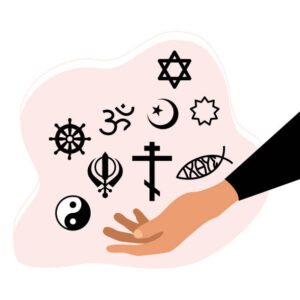
Postmodernism advocates for religious pluralism, a perspective that acknowledges and embraces the coexistence of multiple religious truths. Instead of viewing different religions as competing for a singular truth, postmodern thought encourages the recognition that diverse belief systems can peacefully coexist, each contributing to the collective understanding of the divine.

This acceptance of religious diversity extends beyond mere tolerance. In a postmodern framework, tolerance is not merely a passive acknowledgment of differences but an active engagement with diverse perspectives. It involves genuine curiosity and a willingness to learn from others, recognizing that each individual’s spiritual journey is unique and valid.

The postmodern approach challenges the notion that one must convert others to their own belief system to ensure salvation or enlightenment. Instead, it encourages dialogue and mutual respect, fostering an environment where individuals can share their spiritual experiences without the pressure to conform to a single, predetermined truth.

Reimagining Rituals and Symbols

(Photo from iStock)

Postmodernism prompts a revaluation of religious rituals and symbols, encouraging individuals to explore alternative forms of expression that resonate with their personal spirituality. Rather than adhering strictly to traditional practices, adherents are free to reinterpret rituals and symbols in ways that hold personal meaning.

This reinterpretation extends to sacred texts as well. Rather than approaching religious texts as literal and unalterable, postmodernism encourages readers to engage with them critically, recognizing the cultural and historical contexts that shaped these narratives. This approach allows for a more nuanced and open-minded interpretation of sacred scriptures, fostering a deeper understanding of the underlying spiritual messages.

Beyond the Binary: Gender and Sexuality in Religion

A significant aspect of the postmodern take on religions involves challenging binary concepts, especially regarding gender and sexuality. Traditional religious frameworks have often upheld strict binary divisions between male and female, as well as heterosexual and homosexual orientations. Postmodernism, however, rejects these rigid categorizations, recognizing the fluidity and diversity inherent in human experiences.

In a postmodern perspective, religious communities are urged to reconsider their stance on gender and sexuality. Embracing a more inclusive and accepting approach. This involves acknowledging the existence of LGBTQ+ individuals within religious communities. And creating spaces where they can express their spirituality authentically. Postmodern thought challenges the notion that adherence to traditional gender roles. And sexual norms is a prerequisite for spiritual fulfilment. Advocating for a more inclusive and affirming religious experience for all.

The Role of Power and Privilege in Religion

(Photo from iStock)

Postmodernism shines a critical light on the power dynamics inherent in religious institutions. Traditional religious structures often wield considerable authority over their followers. Influencing not just spiritual beliefs but also social and political ideologies. Postmodern thought encourages individuals to question the sources. Of power within religious institutions and to be aware of how these power dynamics can shape religious narratives.

Moreover, postmodernism prompts a re-examination of privilege within religious contexts. It calls for an acknowledgment of the ways in which certain groups. May hold privileged positions within religious hierarchies, often at the expense of marginalized individuals or communities. This awareness fosters a commitment to social justice within religious communities, urging them to confront and address systemic inequalities.

Conclusion

The postmodern take on religions challenges the traditional, fixed understanding of spirituality, inviting individuals to explore a more inclusive. And dynamic approach to faith. By breaking down boundaries, deconstructing dogmas, embracing religious pluralism, reimagining rituals and symbols. Challenging binary concepts, and addressing power dynamics, postmodernism encourages a more open and authentic engagement with spirituality.

In a world marked by increasing diversity and interconnectedness, the postmodern perspective on religions provides a framework. For fostering understanding, tolerance, and mutual respect among people of different faiths. It invites individuals to embark on a personal and communal journey of spiritual exploration. Free from the constraints of rigid dogmas and divisive ideologies.

As we navigate the complexities of the modern world, the postmodern take on religions encourages us. Eventually, to embrace the richness of diverse spiritual experiences, recognizing that each individual’s path to the divine is unique and valid.


Reference:

Jstor

Want to know about creation of the world, click on the link below:

How Can Religion Be Created? Exploring the Origins and Evolution

World without Islam? Dealing with Troubling Questions 

World without Islam? Dealing with Troubling Questions

If you will, try to picture a world without Islam, which is obviously unthinkable given how frequently Islam is mentioned in the headlines of our daily newspapers.

Suicide attacks, vehicle bombings, military occupations, resistance movements, riots, fatwas, jihads, guerrilla warfare, menacing films, and 9/11 itself all appear to have its roots in Islam.

Answering the “whys”? Islam and world

Image via Unsplash.com

Why are these events occurring? “Islam” appears to provide a quick and simple analytical touchstone that helps us make sense of the turbulent environment we live in today. As a matter of fact, some neoconservatives believe that “Islamofascism” is our ordained enemy in an impending “World War III.”

Understanding the real causes of past crises is crucial, especially in light of the current heightened attention on war, terrorism, and widespread anti-Americanism—some of the most sensitive international topics of our day.

Does Islam itself tend to be the root of the issue, or are there other, more subtle, variables at play? Imagine, for the purpose of argument and historical imagination, a Middle East before Islam ever existed.

Would many of the difficulties we face now then be avoided? Would there be greater peace in the Middle East? To what extent could the nature of East-West interactions differ? The current state of the international system would undoubtedly be significantly different from what it is without Islam. Is that right?

Can Islam be replaced?

Image via Unsplash.com

Islam appears to have influenced the cultural standards and even political inclinations of its adherents since the early Middle East. Then, how can we keep Islam and the Middle East apart? It turns out that imagining it is not that difficult.

First, let’s discuss ethnicity. The region’s face would still be complicated and divided without Islam. Politics would continue to be dominated by the primary ethnic groups of the Middle East, including Jews, Turks, Kurds, Arabs, Persians, and even Berbers and Pashtuns. Consider the Persians. Long before Islam, Anatolian rulers faced constant competition from the powerful Persian dynasties that advanced to the gates of Athens. The Semitic peoples engaged in combat with the Persians not just in Iraq but also across the Fertile Crescent.

Then, prior to Islam, there were the strong forces of many Arab tribes and traders who expanded and migrated into other Semitic regions of the Middle East. In the thirteenth century, the Mongols would still have conquered and destroyed the civilizations of Central Asia and much of the Middle East. The majority of the Middle East, Anatolia, and the Balkans up to Vienna would still have been under Turkish rule. These conflicts over dominance, trade, territory, and influence predated the arrival of Islam.

Islam and the world

Image via Unsplash.com

Naturally, the claim that Islam’s presence has had no independent influence on the Middle East or East-West ties is ludicrous. Islam has served as a powerful factor for regional unification. As a worldwide, universal religion, it has spawned a vast civilization with deeply ingrained high culture, sharing many common ideas about philosophy, the arts, and society as well as a moral outlook, justice, law, and good governance.

Islam, as a moral and cultural force, has assisted in bridging ethnic divides among various Muslim populations and fostering a sense of unity within the larger Muslim civilizational endeavor.

All Muslims could look to Islamic civilization for a shared ideal in the name of struggle against Western expansion. Even if the plea was ineffective in stopping the Western imperial tide, it did leave a lasting cultural sense of a fate that was shared by all.

 Western imperialism: Islam and world

Western imperialism would have had a far easier time partitioning, conquering, and ruling the Middle East and Asia if there had been no Islam. A widespread, shared cultural experience of humiliation and failure would not have survived. This is a major factor in why the US is currently having difficulty navigating the Muslim world. Global intercommunications and shared satellite imagery of today have made Muslims acutely aware of their own culture and of a wider Western imperial onslaught against a shared Islamic one. This siege is not about modernity; rather, it is about the relentless Western effort to establish a “pro-American” Middle East by seizing control of the crucial region, its resources, and even its culture.

Terrorism: A burning topic

Image via Unsplash.com

However, what about terrorism, which is currently the most pressing issue that the West most closely links to Islam? To put it simply, without Islam, would there have been a 9/11? Would things have been really different if the Middle East’s complaints, which stem from years of political and emotional resentment towards U.S. policies and deeds, had been united under a different banner?

Once more, it’s crucial to keep in mind how quickly religion can be brought up even when there are other, more persistent issues at hand. The events of September 11, 2001, did not start the history. Islam served as a magnifying glass in the sun for the al Qaeda hijackers, gathering all of these widely held frustrations and concentrating them into a single, powerful beam.

Imagining the what ifs: Islam and world

Image via Pexels.com

However, the question still stands: Would there be greater peace in the world if Islam didn’t exist? Islam surely adds yet another emotive component to the East-West tensions, adding another level of complexity to the problem-solving process. Such issues are not related to Islam.

It would appear intelligent to look for verses in the Koran that appear to clarify “why they hate us.” However, such obligingly ignores the essence of the phenomenon. It’s much easier to label Islam as the cause of “the problem” than to examine the effects of the world’s only superpower’s extensive global reach.

Of course, history would not have transpired in precisely the same way as it has. However, the fundamental causes of the East-West conflict are still the great historical and geographical concerns of human history.

USEFUL LINKS:

Check out this well researched article dealing with questions on Islam
Role of Religion in the history pf education and science 

Unveiling the Benefits of Religion

In the intricate tapestry of human existence, religion has woven its threads across cultures, shaping beliefs, practices, and societal structures. The question of who truly benefits from religion is complex and multifaceted, with implications for individuals and societies alike. This article seeks to delve into the various dimensions of religious influence, exploring the tangible and intangible benefits experienced by different stakeholders.

  • Personal Fulfilment and Well-Being:

(Photo from iStock)

One of the primary beneficiaries of religion is the individual believer. For many, religious faith serves as a source of personal fulfillment and a framework for navigating life’s challenges. Studies consistently highlight the positive correlation between religious engagement and mental well-being. The sense of purpose, community, and the comfort derived from faith contribute to emotional resilience, helping individuals cope with stress and adversity.

  • Moral and Ethical Guidance:

Religion often serves as a moral compass, providing adherents with a set of ethical principles to guide their actions. The moral teachings embedded in religious doctrines offer a framework for distinguishing right from wrong, shaping the moral fabric of societies. The moral cohesion derived from shared religious values fosters a sense of community and cooperation, contributing to the overall well-being of a society.

  • Social Cohesion and Community Building:

Communities built around religious institutions play a pivotal role in fostering social cohesion. Religious gatherings provide a platform for individuals to connect, share common values, and build supportive networks. Certainly, the sense of belonging and shared identity within religious communities can mitigate feelings of isolation, promoting social integration and cooperation.

  • Altruism and Charitable Endeavours:

(Photo from iStock)

Many religious traditions emphasize the importance of altruism and charitable acts, fostering a spirit of giving and compassion. Religious organizations often engage in philanthropic activities, ranging from providing aid to the less fortunate to participating in community development projects. Obviously, the beneficiaries of such initiatives extend beyond the religious community, positively impacting society at large.

  • Coping Mechanism and Resilience:

In times of crisis, individuals often turn to their faith as a coping mechanism. Religious beliefs provide a framework for understanding and finding meaning in adversity, offering solace and hope. This coping mechanism can enhance an individual’s resilience, enabling them to navigate challenges with a greater sense of purpose and determination.

  • Cultural Preservation and Identity:

Religion is intricately woven into the cultural fabric of societies, serving as a repository of traditions, rituals, and values. The preservation of cultural identity is a tangible benefit for communities that derive a sense of continuity and stability from their religious heritage. Meanwhile,  religion becomes a powerful tool for passing down cultural practices from one generation to the next, preserving a rich tapestry of human history.

  • Educational and Intellectual Growth:

(Photo from iStock)

Religious traditions often play a role in shaping educational systems and institutions. Many historical and modern educational institutions have roots in religious foundations. The pursuit of knowledge is frequently intertwined with religious values, fostering intellectual growth and curiosity. Religious texts and teachings serve as sources of inspiration for philosophical inquiry, ethical considerations, and moral reasoning. Subsequently, the academic exploration of religious doctrines can contribute to a well-rounded education, encouraging critical thinking and a deeper understanding of cultural diversity.

  • Sense of Hope and Purpose:

One of the profound psychological benefits of religion lies in the sense of hope and purpose it provides. Believers often find solace in the belief in a higher power or a divine plan, which can be a source of comfort during challenging times. The existential questions about life’s meaning and purpose are often addressed within religious frameworks, offering adherents a sense of direction and fulfilment. Certainly, this existential anchor can be a powerful motivator for personal development and goal attainment.

  • Mediating Conflict and Fostering Peace:

Paradoxically, while religion has been a historical source of conflict, it also plays a crucial role in mediating disputes and fostering peace. Interfaith dialogue and collaborative initiatives driven by religious leaders have been instrumental in resolving conflicts and promoting understanding between different communities. Further, the shared values and principles rooted in religious teachings can serve as common ground, transcending cultural and geopolitical divides.

  • Social Justice and Advocacy:

(Photo from iStock)

Religious teachings often emphasize the principles of justice, equality, and compassion. Many religious communities are actively engaged in social justice initiatives, advocating for the rights of marginalized groups, and addressing issues such as poverty, discrimination, and human rights abuses. The commitment to social justice is an extension of the moral imperatives embedded in religious doctrines. Altogether, leading to tangible positive impacts on societal structures.

  • Rituals and Symbolism:

Religious rituals and symbolism contribute to the cultural richness of societies. Offering a unique form of expression and connection to shared heritage. Rituals provide a structured way for individuals and communities to mark significant life events. Fostering a sense of continuity and tradition. Symbolic practices embedded in religious ceremonies often carry deep cultural significance, creating a shared language that transcends linguistic and geographical boundaries.

  •  Inspiration for Artistic Expression:

Religious themes have been a perennial source of inspiration for various forms of artistic expression. Including visual arts, literature, music, and architecture. Furthermore, the grandeur of religious architecture, the emotive power of religious music. Evidently, the timeless narratives woven into religious texts have left an indelible mark on human creativity.

Conclusion:

As we explore the myriad ways in which religion influences individuals and societies. It becomes evident that the benefits extend far beyond the confines of personal belief. The impact of religion is felt across diverse aspects of human experience.  From personal well-being and community cohesion to cultural preservation and societal transformation.  Moreover, recognizing that the influence of religion is both multifaceted and context-dependent.

In unravelling the tapestry of who benefits from religion. Eventually, we discover a complex interplay of spirituality, morality, culture, and social dynamics.  Ultimately, the exploration of the beneficiaries of religion invites us to appreciate the intricate mosaic of human experience.  Particularly, where faith, in its diverse manifestations, continues to shape the narrative of our shared journey.

Reference:

Sage Journals

Want to know about creation of the world, click on the link below:

How Can Religion Be Created? Exploring the Origins and Evolution


The Significance of Religion in Addressing Environmental Issues

In the modern era, the world is grappling with unprecedented environmental challenges such as climate change, deforestation, loss of biodiversity, and pollution. As these issues become increasingly urgent, there is a growing recognition of the need for a holistic and inclusive approach to address them. Religion, often considered a deeply personal and spiritual matter, is emerging as a significant force in shaping attitudes and actions towards the environment. This article explores the profound significance of religion in addressing environmental issues, examining how religious beliefs, values, and practices contribute to the stewardship of the Earth.

Religious Perspectives on Nature

(Photo from iStock)

Across various faith traditions, there exists a rich tapestry of beliefs and teachings regarding the relationship between humanity and the natural world. Many religions view the environment as a divine creation, emphasizing the interconnectedness of all living beings. In Christianity, for example, the Bible’s creation narrative in Genesis underscores the idea that God entrusted humans with the responsibility of stewardship over the Earth. Islam similarly emphasizes the concept of stewardship (khalifah) in the Quran, conveying the idea that humans are caretakers of the Earth.

In Hinduism, the belief in the interconnectedness of all life is deeply rooted in the concept of dharma, which includes responsibilities towards the environment. Buddhism, with its emphasis on compassion and non-harming, encourages followers to live in harmony with nature. These perspectives provide a strong moral foundation for environmental stewardship and sustainable living.

Religious Practices and Environmental Stewardship

Religious practices often involve rituals and ceremonies that connect individuals to nature and emphasize the sacredness of the environment. For example, many indigenous communities incorporate nature-based rituals into their religious practices, fostering a deep sense of connection to the land. These rituals serve not only as expressions of faith but also as mechanisms for environmental conservation by instilling a sense of responsibility towards the natural world.

In Buddhism, mindfulness practices encourage individuals to be present in the moment and appreciate the interconnectedness of all life. This heightened awareness can lead to more sustainable choices and a greater sense of responsibility towards the environment. Similarly, in Judaism, the observance of Sabbath involves a day of rest and reflection, promoting a connection to the cycles of nature and a recognition of the need for balance in human activities.

Religious Environmental Ethics

Many religions have developed specific ethical frameworks that guide followers in making decisions related to the environment. These environmental ethics often emphasize the intrinsic value of nature and the importance of responsible stewardship. The concept of “ecotheology” has emerged, blending religious beliefs with ecological principles to develop a holistic understanding of humanity’s role in the natural world.

The Catholic Church, for instance, has articulated a comprehensive environmental ethic in documents such as Pope Francis’s encyclical “Laudato Si’,” which calls for an integral ecology that addresses both the social and environmental aspects of the global crisis. This document reflects a growing awareness within religious institutions of the need for a collective response to environmental challenges.

Interfaith Collaboration for Environmental Justice

(Photo from iStock)

Recognizing the global nature of environmental issues, there is a growing trend towards interfaith collaboration for environmental justice. Religious leaders and communities are coming together to address common environmental concerns, leveraging their collective influence to promote sustainable practices and advocate for policies that protect the planet.

The Interfaith Rainforest Initiative is a notable example of such collaboration. Launched in 2017, this initiative brings together religious leaders from different faiths to work towards the conservation of tropical rainforests. By uniting their voices, these leaders amplify the moral imperative of protecting biodiversity and preserving vital ecosystems.

Religious Institutions as Environmental Advocates

Religious institutions, with their large and diverse congregations, have the potential to play a significant role in environmental advocacy. Many churches, mosques, synagogues, temples, and other places of worship are becoming centres for environmental education and action. They provide platforms for raising awareness about environmental issues, organizing community projects, and encouraging sustainable practices.

For instance, the Green Faith organization works with religious institutions worldwide to promote environmental stewardship and sustainability. Through initiatives such as the Green Faith Certification Program, religious congregations can take concrete steps to reduce their environmental impact and become leaders in the broader movement for ecological sustainability.

Challenges and Criticisms

While religion can be a powerful force for environmental conservation, it is essential to acknowledge certain challenges and criticisms. One criticism often raised is the perception that religious traditions may prioritize human interests over the environment. Critics argue that some religious teachings may foster an anthropocentric view that sees nature as existing solely for human use.

Additionally, conflicts may arise between traditional religious beliefs and scientific understandings of the environment. For example, some religious groups may resist certain environmental policies if they perceive them as conflicting with their theological interpretations.

Overcoming these challenges requires open dialogue and collaboration between religious communities, scientists, and policymakers. Finding common ground and emphasizing shared values. Such as the intrinsic value of nature and the well-being of future generations. Can facilitate a more unified approach to environmental issues.

Conclusion

(Photo from iStock)

The significance of religion in addressing environmental issues cannot be overstated. Across diverse faith traditions, there exists a wealth of teachings, practices. And ethical frameworks that promote environmental stewardship and sustainable living. Religious communities, with their vast influence. Have the potential to contribute significantly to the global effort to address climate change. Biodiversity loss, and other environmental challenges.

As the world grapples with the urgency of environmental issues, the collaboration between religious leaders, communities, scientists. And policymakers becomes increasingly crucial. By recognizing the interconnectedness of religious beliefs and environmental concerns. Societies can harness the power of faith to inspire positive change and cultivate a more sustainable. And harmonious relationship with the Earth. Through shared values and collaborative efforts, the integration of religion into the discourse. On environmental issues offers a promising path towards a more ecologically conscious and responsible world.

Reference:

Brill 

Want to know about creation of the world, click on the link below:

How Can Religion Be Created? Exploring the Origins and Evolution

Exploring Generational Dynamics in Religious Beliefs

Since religion is an essential part of human culture and identity, it has always had a big impact on how societies have developed. People’s opinions and concepts evolve with time, just like civilizations do. The study of generational dynamics within religions offers a fascinating lens through which we can understand how different age groups interpret and practice their faith. This article explores the complex web of generational differences in religious practises, looking at how different age groups approach their spiritual journeys with different viewpoints, difficulties, and modifications.

The Silent Generation: Stewards of Tradition

(Photo from iStock)

Born between the mid-1920s and early 1940s, the Silent Generation witnessed the aftermath of World War II and the subsequent reconstruction of a shattered world. This generation, having grown up during an era of reconstruction and economic recovery, has a propensity to uphold traditional religious ideals. Many found solace in organised religion, which gave them a moral compass in a world that was changing quickly.

In the United States, for instance, the Silent Generation largely adhered to mainstream Protestant denominations or Catholicism. Church attendance was often a central aspect of community life, reflecting a sense of communal identity and shared values. The Silent Generation’s religious practices were deeply rooted in tradition, with an emphasis on rituals and established doctrines.

As stewards of tradition, the Silent Generation passed down their religious values to subsequent generations, fostering a sense of continuity and stability. Their commitment to religious institutions and practices set the stage for the evolving dynamics of faith in the years to come.

Baby Boomers: Questioning Authority and Seeking Spirituality

The Baby Boomers, born between 1946 and 1964, experienced a cultural revolution during their formative years. As they came of age in the 1960s and 1970s, societal norms were challenged, and a wave of individualism and self-expression swept across the Western world.

The religious landscape was significantly impacted by this turbulent time.

Many Baby Boomers eschewed participation in the formalised aspects of religion in favour of a more contemplative and spiritual approach. New Age spirituality, alternative belief systems, and Eastern philosophies emerged as a result of the generation’s rejection of established religion organisations. The quest for personal meaning and transcendence became a hallmark of Baby Boomers’ spiritual journeys.

It’s important to remember, though, that not all Baby Boomers gave up on organised religion. Some embraced more liberal and inclusive interpretations of their faith, contributing to the diversification of religious expressions within the generation.

Generation X: Navigating Complexity and Pluralism

(Photo from iStock)

Born between the early 1960s and early 1980s, Generation X faced the challenges of a rapidly changing global landscape. The end of the Cold War, advancements in technology, and increasing cultural diversity shaped their worldview. In the realm of religion, Generation X displayed a tendency toward individualism and a pragmatic approach to spirituality.

Unlike the Baby Boomers, Generation X chose to be less rigid in their religious convictions as opposed to rejecting religion outright. This generation witnessed the rise of evangelical Christianity, the spread of charismatic movements, and the emergence of non-denominational churches. The increasing diversity of religions was a reflection of the generation’s desire for a spirituality that allowed for individual freedom and decision-making.

Moreover, Generation X experienced the advent of the digital age, which transformed the way people accessed information about different religions. The internet became a powerful tool for exploration, allowing individuals to engage with diverse religious perspectives and practices from the comfort of their homes.

Millennials: Embracing Diversity and Social Justice

The Millennials, born between the early 1980s and mid-1990s, grew up in a world marked by globalization, technological advancements, and increasing cultural interconnectedness. This generation witnessed a shift towards inclusivity, diversity, and social justice, influencing their approach to religion.

Millennials are characterized by a more pluralistic and accepting view of spirituality. Many are open to blending elements from different religious traditions or identifying as spiritual but not religious. Their spiritual practises frequently involve an emphasis on social justice issues, environmental concerns, and humanitarian initiatives.

Social media platforms have become spaces for sharing and shaping religious experiences, fostering virtual communities that transcend geographical boundaries. The accessibility of information has allowed Millennials to explore a wide range of spiritual practices and engage in meaningful conversations about faith.

Generation Z: Navigating a Post-Traditional Landscape

As the first generation to enter adulthood in the twenty-first century, Generation Z has a world of incredible connectivity, cutting-edge technology, and swift change to manage. Born sometime between the start of the 2010s and the middle of the 1990s. The relationship between organised religion and this generation is complex.

Instead, they tend to approach spirituality in a more fluid and individualistic manner. Compared to earlier generations, Generation Z is more likely to identify as one of the religious “nones”. Or people who identify as atheists, agnostics, or unaffiliated with a particular faith.

This does not, however, imply a lack of spirituality. Generation Z is known for its interest in mindfulness, ethical living, and social activism. They may not adhere to traditional religious organisations. But they do incorporate moral principles and spiritual aspects into their daily lives.

Conclusion: The Evolving Tapestry of Faith

(Photo from iStock)

The terrain of religious practises and beliefs is significantly shaped by generational dynamics. Each generation brings its unique perspective, influenced by the historical, cultural, and technological context of its time. The Silent Generation laid the foundations of tradition. Baby Boomers questioned and sought individual spirituality, Generation X navigated complexity and pluralism. Millennials embraced diversity and social justice, and Generation Z is navigating a post-traditional landscape.

As we navigate the complex web of religious generational specifics. It becomes evident that the evolution of faith is a dynamic and ongoing process. The interplay between tradition and innovation, community and individualism. And the physical and virtual realms continues to shape. How people experience and express their spirituality. In this ever-changing landscape. Understanding generational dynamics is essential for appreciating the diverse ways in which individuals connect. With the divine and discover life’s purpose.

Reference:

Sage Journals

Want to know about creation of the world, click on the link below:

How Can Religion Be Created? Exploring the Origins and Evolution


The Intersection of Religion and Media

In the modern era, the relationship between religion and media has undergone a transformative evolution. As technological advancements continue to shape the way we communicate and access information, the influence of media on religious beliefs and practices has become more profound than ever. This article explores the dynamic interplay between religion and media, examining how various forms of media, from traditional outlets to digital platforms, impact religious discourse and shape the spiritual landscape.

  • The Power of Traditional Media

(Photo from iStock)

Historically, traditional media outlets such as television, radio, and print have played a significant role in shaping religious narratives and disseminating information to a wide audience. Religious leaders have utilized these platforms to reach believers, spread their teachings, and address societal issues through the lens of faith. One notable example is the role of televised religious sermons, where charismatic preachers captivate audiences and influence their beliefs.

Television, as a powerful visual medium, has the ability to convey religious ceremonies, rituals, and events to viewers around the world. The advent of religious broadcasting has allowed believers to participate in religious activities from the comfort of their homes. Additionally, religious documentaries and programs provide a platform for deeper exploration of various faiths, fostering understanding and tolerance among diverse religious communities.

  • The Impact of Social Media on Faith

The rise of social media has ushered in a new era in the intersection of religion and media. Platforms like Facebook, Twitter, Instagram, and YouTube have become powerful tools for religious leaders, organizations, and believers to connect, share their beliefs, and engage in discussions. Social media enables the instantaneous spread of religious messages, reaching a global audience within seconds.

Religious leaders now use social media platforms to share daily reflections, live-stream religious services, and engage in interactive Q&A sessions with their followers. The immediacy of social media fosters a sense of community among believers, transcending geographical boundaries. However, it also poses challenges, as the unfiltered nature of online discourse can lead to the rapid spread of misinformation and the amplification of extreme views.

  • The Role of Online Platforms in Religious Education

(Photo from iStock)

In addition to fostering community, digital media has become a crucial tool for religious education. Online platforms offer a wealth of resources, from podcasts and webinars to online courses and virtual study groups. These resources allow believers to deepen their understanding of their faith, access religious texts, and engage in theological discussions.

Religious organizations and scholars utilize websites and apps to provide easily accessible content for followers seeking to enhance their spiritual knowledge. This democratization of information empowers individuals to explore various religious perspectives and engage in a more informed and critical discourse about their beliefs. However, it also raises concerns about the accuracy and authenticity of online religious teachings.

  • Challenges and Opportunities in the Digital Age

While the marriage of religion and media brings about numerous opportunities, it also presents challenges that require careful consideration. One such challenge is the potential for the manipulation of religious narratives through digital media. The spread of fake news and the ease with which manipulated images and videos can be created pose risks to the integrity of religious messages.

Furthermore, the constant connectivity facilitated by digital media raises questions about the impact of information overload on individuals’ spiritual well-being. The barrage of diverse perspectives and conflicting beliefs can lead to confusion and uncertainty among believers, challenging the traditional authority structures within religious communities.

Navigating the delicate balance between embracing technological advancements and preserving the authenticity of religious teachings is an ongoing challenge. However, it is crucial for religious leaders and believers alike to harness the positive aspects of media while actively addressing the potential pitfalls.

  • Religious Movements in the Digital Sphere

(Photo from iStock)

The digital age has given rise to new religious movements that find their roots in online communities. From virtual churches and religious forums to online meditation groups. These movements demonstrate the adaptability of faith in the face of evolving media landscapes. The internet provides a platform for niche religious communities to thrive. Fostering connections among like-minded individuals who may be geographically dispersed.

Moreover, digital media has played a pivotal role in amplifying the voices of marginalized religious groups and providing a platform.  For religious expression that transcends traditional boundaries. Social justice movements driven by religious values find resonance on various online platforms. Allowing believers to advocate for positive change on a global scale.

  • Media Representation of Religion

The way religion is portrayed in mainstream media significantly influences public perceptions and attitudes toward different faiths. Television shows, movies, and news coverage shape the narrative around religious practices and beliefs. Contributing to the construction of societal norms and expectations.

While some media representations aim for accuracy and cultural sensitivity, others may perpetuate stereotypes or misrepresent religious traditions. The responsibility lies with media outlets to approach religious content with a nuanced understanding. Further, to actively work toward fostering interfaith dialogue and understanding. Hence, the media representation plays a vital role in formulating and influencing our own religious beliefs.

Conclusion

The dynamic relationship between religion and media continues to evolve in the digital age. Traditional media outlets, social media platforms. And online resources all contribute to shaping religious beliefs, fostering community. Moreover,  influencing societal attitudes toward faith. As we navigate this intricate intersection, it is essential for religious leaders, media professionals. And believers to collaborate in promoting responsible and informed discourse.

While challenges such as misinformation and the potential for manipulation exist, the opportunities presented by digital media for religious education. Community-building, and global advocacy cannot be ignored. By actively engaging with the media and leveraging its potential. Religious communities can navigate the complexities of the digital age while staying true to the core values.  That define their faith. As technology continues to advance, the relationship between religion. And media will undoubtedly remain a fascinating and evolving aspect of our interconnected world.

Reference:

Santa Clara University

Want to know about creation of the world, click on the link below:

How Can Religion Be Created? Exploring the Origins and Evolution

The Intersection of Religion and Mental Health

In the intricate tapestry of human experience, the relationship between religion and mental health is a topic that has intrigued scholars, clinicians, and individuals alike for centuries. This connection is multi-faceted, with religious beliefs and practices playing a significant role in shaping the mental well-being of individuals across diverse cultures and societies. This article explores the dynamic interplay between religion and mental health, examining the ways in which faith and spirituality can influence psychological well-being, coping mechanisms, and the overall journey towards mental wellness.

The Impact of Religious Beliefs on Mental Health:

(Photo from iStock)

  1. Coping Mechanisms and Resilience: Religious beliefs often serve as a source of comfort and resilience in the face of life’s challenges. For many individuals, faith provides a framework for understanding and coping with adversity. Whether through prayer, meditation, or communal worship, religious practices offer a space for reflection and solace. Studies have shown that individuals who actively engage with their faith tend to exhibit higher levels of resilience, enabling them to navigate stressors more effectively.
  2. Social Support Networks: Religious communities often serve as tight-knit social support networks. The sense of belonging and community that comes with religious involvement can act as a buffer against feelings of isolation and loneliness. These communities provide avenues for interpersonal connections, fostering a sense of shared purpose and mutual support. A caring religious community can be very helpful in offering consolation and sympathy during difficult times.
  3. Meaning and Purpose: Many religious traditions provide a framework for understanding the purpose of life and the nature of suffering. A basic part of the human experience is the search for meaning, and religious beliefs frequently provide a feeling of purpose that transcends the individual’s life. This more expansive viewpoint can enhance one’s sense of fulfilment and contentment in life, which will benefit one’s mental health.

The Nuances of Faith and Mental Health:

(Photo from iStock)

  1. Variability Across Religious Traditions: It is essential to recognize that the relationship between religion and mental health is not uniform across all belief systems. Different religious traditions may emphasize distinct values, practices, and perspectives on mental health. Certain religions might provide more weight to ritualistic activities and group support, while others would emphasise introspection and meditation on an individual basis. Gaining a thorough understanding of these subtleties is essential to creating a holistic viewpoint on the relationship between faith and mental health.
  2. Challenges and Struggles: While religion can be a source of strength, it is important to acknowledge that individuals within religious communities may also face unique challenges related to mental health. Seeking therapy may be hampered by the stigmatisation of mental health problems, strict doctrinal interpretations, or feelings of shame and guilt. Understanding the complex cultural and religious context in which people navigate their mental health journeys is essential to addressing these issues.
  3. Spiritual Crisis and Growth: Individuals may experience periods of spiritual crisis, wherein their faith is tested or questioned. These moments can be accompanied by emotional turmoil and existential questioning. However, for some, navigating such crises can lead to profound spiritual growth and a deepening of their understanding of themselves and their faith. The dynamic nature of the relationship between mental health and faith encompasses both possibilities for personal growth and times of strength.

Religious Practices and Mental Well-being:

(Photo from iStock)

  1. Meditation and Mindfulness: Many religious traditions incorporate practices that promote mindfulness and meditation. These contemplative practices have been linked to numerous mental health benefits, including stress reduction, improved focus, and emotional regulation. Whether through Christian contemplative prayer. Buddhist mindfulness meditation, or Islamic dhikr, the intentional cultivation of present-moment awareness can positively impact mental well-being.
  2. Rituals and Routines: Rituals play a central role in religious practices and can contribute to mental health by providing a sense of structure and continuity. Daily prayers, Sabbath observances, or other religious rituals can serve as anchors in individuals’ lives, promoting a sense of order and predictability. These routines can be especially beneficial for individuals dealing with anxiety or mood disorders.
  3. Community and Communal Worship: Participating in communal worship and religious gatherings fosters a sense of belonging and connectedness. The shared experience of worshiping with others can create a supportive community that celebrates joys and shares burdens. The social cohesion within religious communities can act as a protective factor against these challenges. Promoting a sense of collective responsibility for the well-being of its members.

Potential Pitfalls and Critiques:

(Photo from iStock)

  1. Dogma and Mental Health: While religious beliefs can provide comfort, rigid adherence to dogma may contribute to mental health challenges. Strict interpretations of religious doctrines may exacerbate feelings of guilt. Shame, or fear, especially for individuals grappling with issues such as identity, sexuality, or moral dilemmas. Balancing the positive aspects of faith with openness. And acceptance is crucial for maintaining mental well-being.
  2. Stigmatization of Mental Health: Some religious communities may stigmatize these issues. Viewing them as signs of spiritual weakness or moral failing. This stigma can deter individuals from seeking professional help when needed. Addressing mental health within religious contexts requires fostering an environment of understanding, compassion. And openness to reduce the stigma associated with seeking mental health support.

Conclusion:

In the intricate dance between religion and mental health, the interplay is complex and multifaceted. While religious practises and beliefs can be sources of support. Comfort, and community, they can also pose challenges that individuals must navigate. It is crucial to approach the relationship between faith and mental health with nuance. Recognizing the diversity of beliefs and practices across different traditions.

In the end, the relationship between mental health. And religion is a very personal one that is moulded by unique experiences. Cultural backgrounds and the changing character of faith. As society continues to grapple with  awareness and destigmatization. Understanding the role of religion in this conversation becomes increasingly important. through encouraging communication. Supporting diversity, and recognising both the advantages and disadvantages. Within religious communities, we can work towards a more holistic approach to mental well-being. That embraces the diversity of human spirituality.

Reference:

Frontiers

Want to know about creation of the world, click on the link below:

How Can Religion Be Created? Exploring the Origins and Evolution


How Religion Evolves in the Face of Scientific Discovery

The relationship between religion and science has been a subject of intense scrutiny throughout history. As scientific discoveries continue to reshape our understanding of the universe, the dynamic interplay between faith and reason becomes increasingly evident. This article delves into the ways in which religion changes within the context of scientific discovery, exploring the tensions, reconciliations, and transformations that mark this complex relationship.

  • The Historical Rift

Throughout much of history, religion and science were often viewed as incompatible forces, with each claiming authority over distinct domains of knowledge. The Galileo affair in the 17th century exemplifies this historical tension. Galileo’s heliocentric model challenged the geocentric view endorsed by the Catholic Church, leading to his condemnation. This clash exemplifies the historical reluctance of religious institutions to embrace scientific findings that challenged established dogma.

  • Reconciliation Attempts

Despite historical conflicts, there have been numerous attempts to reconcile religious beliefs with scientific discoveries. As scientific knowledge expanded, some religious thinkers sought to reinterpret sacred texts to align with the evolving understanding of the natural world. Theistic evolution, for example, proposes that the processes of evolution are consistent with a divine plan, allowing for the acceptance of evolutionary theory within religious frameworks.

  •  Ethical Considerations

(Photo from iStock)

Scientific progress often raises ethical questions, and religious traditions play a significant role in shaping ethical frameworks. The advent of technologies like genetic engineering, artificial intelligence, and cloning has prompted religious communities to engage in dialogues about the ethical implications of these advancements. The intersection of science and ethics becomes a space where religious values are revaluated and adapted in response to emerging technologies.

  • The Anthropocentric Shift

Scientific discoveries have also challenged humanity’s perception of its place in the universe. The Copernican revolution displaced Earth from its central position, while Darwinian evolution removed the notion of human exceptionalism. These shifts in perspective have led to theological reflections on the nature of God’s creation and the role of humanity within it. Some religious traditions have embraced these scientific insights, incorporating them into their understanding of divine purpose.

  • Environmental Awareness

(Photo from iStock)

Scientific discoveries, particularly in the field of environmental science, have heightened awareness about humanity’s impact on the planet. This has led to a growing emphasis on environmental stewardship within religious communities. Many faith traditions now view ecological responsibility as a moral imperative, influenced by scientific evidence highlighting the urgent need for sustainable practices.

  • Interfaith Dialogues

In an increasingly interconnected world, the intersection of religion and science extends beyond individual belief systems. Interfaith dialogues bring together representatives from various religious traditions to discuss shared concerns related to scientific advancements. These dialogues provide a platform for the exchange of ideas, fostering mutual understanding and cooperation in addressing ethical and societal challenges posed by scientific progress.

  •  Challenges and Resilience

While some religious traditions adapt to scientific discoveries, others face challenges in reconciling their beliefs with evolving knowledge. The rise of fundamentalism in various religious communities reflects a resistance to scientific ideas that challenge traditional interpretations. However, even within these contexts, there are individuals and movements working to find a middle ground, emphasizing that faith and reason can coexist.

  • Neuroscience and Consciousness

(Photo from iStock)

Advancements in neuroscience have raised questions about the nature of consciousness and the soul. As scientists explore the intricacies of the brain, religious traditions are prompted to reconsider their understanding of the human spirit. This intersection challenges religious communities to engage with scientific insights into consciousness while maintaining their unique perspectives on the nature of the soul.

  • The Role of Faith in Scientific Inquiry

While science and religion are often portrayed as conflicting, many scientists find inspiration in their faith. Numerous pioneers in scientific fields have expressed how their religious beliefs motivate their exploration of the natural world. The integration of faith and scientific inquiry highlights the multifaceted nature of the relationship between these two realms, demonstrating that they can coexist harmoniously in the pursuit of knowledge and scientific discovery.

The rapid advancement of technology, particularly in the fields of artificial intelligence and biotechnology, introduces new challenges to religious perspectives on human nature and the boundaries of life. The concept of transhumanism, which envisions the enhancement of human capabilities through technological means, raises profound theological questions. Religious communities grapple with the ethical implications of technologies that blur the lines between the natural and the artificial, challenging traditional notions of what it means to be human.

  • The Search for Extra-terrestrial Life

Scientific exploration of the cosmos has expanded our understanding of the vastness of the universe. The discovery of exoplanets in the habitable zone. And the ongoing search for extra-terrestrial life provoke theological reflections on the potential existence of other intelligent beings. Some religious traditions readily incorporate the idea of extra terrestrial life into their cosmology. While others may find it challenging to reconcile such possibilities with their sacred texts. The search for extra terrestrial life invites a re-examination of religious narratives about creation and the uniqueness of life on Earth.

  •  Quantum Physics and Mystical Perspectives

(Photo from iStock)

The intricate principles of quantum physics challenge classical notions of determinism and causality, prompting comparisons with mystical and spiritual concepts. Some theologians and philosophers argue that the interconnectedness and uncertainty inherent in quantum mechanics align with certain spiritual principles. This intersection invites a nuanced exploration of the relationship between scientific understanding. Furthermore, mystical experiences, illustrating the evolving nature of the dialogue between science and religion.

Conclusion

In the ever-evolving interplay between religion and scientific discovery, the challenges and opportunities presented by emerging technologies, cosmic exploration. And quantum phenomena continue to reshape our collective worldview. The ongoing dialogue between faith and reason. Rather than being a source of conflict, becomes a dynamic process of adaptation and transformation. As humanity navigates the frontiers of knowledge. Eventually, the intricate dance between religion and science persists, inviting us to explore the profound questions.  Evidently, that define our existence and shape the future of both belief systems and scientific inquiry and scientific discovery.

Reference:

The University of Waikato 

Want to know about creation of the world, click on the link below:

How Can Religion Be Created? Exploring the Origins and Evolution


The Importance of Religion in Political Economy

Religion and politics have been intertwined throughout human history, shaping societies, economies, and governance systems. While many argue that the separation of church and state is essential for a functioning democracy, it is impossible to overlook the profound impact of religion on the political economy of nations around the world. In this article, we will explore the intricate relationship between religion and political economy and delve into how faith-based values and beliefs can influence economic policies, trade, and development. To better understand the importance of religion in the realm of political economy, we will examine historical and contemporary examples from different regions.

The Historical Connection

To appreciate the role of religion in political economy, we must first examine the historical context. Throughout centuries, religions have often been at the forefront of economic activities and policy-making. In many cases, religious institutions have played a central role in guiding economic behaviour and trade.

  •  Medieval Catholicism and the Rise of Capitalism

(Photo from iStock)

During the Middle Ages, the Catholic Church had an immense influence over Western Europe’s political and economic landscape. The church held vast amounts of land and wealth, and it played a pivotal role in shaping economic policies. One of the most significant impacts was the development of the system of lending money, which was initially forbidden by the church but gradually became more acceptable, leading to the rise of modern capitalism.

Religious institutions also promoted the idea of the “Protestant work ethic,” which had a profound effect on the development of capitalism. In the 16th century, John Calvin’s teachings emphasized the importance of hard work and frugality as signs of God’s favor. This encouraged individuals to work diligently, save money, and invest in economic activities, ultimately fostering economic growth and development.

  • Islamic Finance

Islam, with over a billion adherents worldwide, has also made significant contributions to the world of finance. The principles of Islamic finance are rooted in religious beliefs, primarily the prohibition of interest (usury) and adherence to the principles of equity, justice, and risk-sharing.

The concept of Sharia-compliant finance, which adheres to Islamic law, has created a distinct financial sector with its own unique instruments, such as Sukuk (Islamic bonds) and Islamic banks.

Religious Values and Economic Policies

The values and beliefs instilled by religious faith can significantly influence a nation’s economic policies. These policies can vary widely depending on the dominant religion and its interpretation. Let’s explore how different religious values can impact economic decisions.

  • Social Welfare and Charity

(Photo from iStock)

Many religious traditions emphasize the importance of charity and caring for the less fortunate. For instance, Christianity promotes the idea of helping the poor and marginalized, and this has led to the development of social welfare programs in many Western countries. Governments in these nations have implemented policies to provide social safety nets, such as healthcare, unemployment benefits, and food assistance, to uphold these religious values.

  • Work Ethic and Entrepreneurship

Religious beliefs can also impact the work ethic and entrepreneurial spirit of a society. As previously mentioned, the Protestant work ethic encouraged hard work, thrift, and industry. This emphasis on personal responsibility and achievement has influenced economic policies that support individual entrepreneurship and self-reliance in many Western countries.

  • Moral and Ethical Guidelines

Religious values often establish moral and ethical guidelines that can influence economic practices. For instance, Islamic finance adheres to principles that prohibit unethical investments, such as those related to alcohol, gambling, and pork.

Religion and Trade

Trade has been a fundamental aspect of economic growth and development throughout history. Religion can influence trade dynamics in various ways, including trade policies, cultural exchange, and the facilitation of commerce.

  • Silk Road and the Spread of Religion

(Photo from iStock)

The Silk Road, a network of ancient trade routes, facilitated the exchange of goods, culture, and ideas between Asia and Europe. This extensive trade network played a vital role in the spread of religious beliefs, such as Buddhism, Islam, and Christianity. As merchants travelled along these routes, they not only traded goods but also shared their faith, leading to the spread of religions across continents.

  • Halal and Kosher Trade

The dietary restrictions of Islam and Judaism have given rise to specific trade practices. The certification of food products as halal (permissible in Islam) and kosher (permissible in Judaism) has become a significant aspect of international trade. Businesses worldwide cater to these religious dietary requirements, creating new market opportunities and trade relationships.

  • Interfaith Trade and Diplomacy

Religion can also play a role in international trade negotiations and diplomacy. Countries with shared religious backgrounds may form stronger economic alliances, as they share common values and cultural ties.

Religious Conflict and Economic Consequences

(Photo from iStock)

Religious conflicts and tensions can have significant economic consequences, often leading to instability, reduced trade, and economic decline. These conflicts can disrupt economic activities in various ways, including destruction of infrastructure, displacement of populations, and strained international relations.

  • The Crusades

These conflicts disrupted trade routes, led to the plunder of resources, and caused extensive economic hardship in the affected regions. While the primary motivation was religious, the economic consequences were profound.

  •  Religious Tensions in Contemporary World

In the contemporary world, religious tensions and conflicts persist and continue to have economic repercussions. The Israeli-Palestinian conflict, for example, has resulted in economic challenges for both sides, affecting trade, investment, and overall economic development in the region. Similarly, sectarian conflicts in countries like Iraq and Syria have devastated economies, leading to the displacement of populations and the destruction of infrastructure.

Conclusion

The importance of religion in political economy is a multifaceted and nuanced topic. Throughout history, religion has played a vital role in shaping economic systems, values, and policies. From the Protestant work ethic’s influence on capitalism to the development of Islamic finance, religious beliefs have had a lasting impact on economic practices.

In a globalized world marked by diverse beliefs and values, striking a balance between religious principles and economic development is a complex task.

Reference:

JSTOR

Want to know about creation of the world, click on the link below:

How Can Religion Be Created? Exploring the Origins and Evolution

Religion and crime: forgiveness and punishment

Religion has played a central role in human societies for millennia, influencing our values, ethics, and moral standards. One of the most intriguing aspects of this influence is the way it shapes our perception of crime, punishment, and forgiveness. In this article, we will explore the intricate relationship between religion, crime, and the concepts of forgiveness and punishment.

Religion and Morality

(Photo from iStock)

To understand the connection between religion and crime, we must first acknowledge the profound impact of religious beliefs on human morality. Most of the world’s major religions, including Christianity, Islam, Judaism, Hinduism, and Buddhism, provide followers with a moral framework that guides their actions. These moral codes often include principles like honesty, compassion, and the prohibition of actions that harm others, such as theft, murder, and adultery.

Within the context of religion, morality serves as a fundamental guide for ethical behaviour. The religious texts and teachings establish the foundation for a moral compass that informs adherents about what is right and wrong. This, in turn, plays a pivotal role in shaping societal values and expectations.

The Role of Religion in Crime Prevention

Religion has long been associated with crime prevention. The moral teachings and principles found in religious texts encourage adherents to avoid unethical behaviour and criminal acts. For example, the Ten Commandments in the Bible explicitly prohibit actions like theft and murder, and they serve as a moral guideline for millions of Christians worldwide. Similarly, the Islamic faith prescribes strict ethical guidelines and laws that discourage crime.

Religious communities often provide a strong sense of belonging and support, which can deter individuals from engaging in criminal behaviour. The fear of divine punishment and the social stigma associated with violating religious principles can act as powerful deterrents.

Forgiveness in Religious Contexts

(Photo from iStock)

One of the most distinctive features of religious teachings is the concept of forgiveness. Many religions promote the idea of forgiving those who have committed wrongdoings, emphasizing the power of redemption and reconciliation. This concept of forgiveness can have a profound impact on how societies view crime and its consequences.

Christianity, for instance, teaches the importance of forgiveness, drawing from the teachings of Jesus Christ. In the Lord’s Prayer, Christians recite the words, “Forgive us our trespasses as we forgive those who trespass against us.” This prayer encapsulates the Christian belief in the importance of forgiving others in the same way one wishes to be forgiven by God.

Forgiveness in Criminal Justice

The concept of forgiveness extends to the realm of criminal justice. In many societies, the idea of restorative justice incorporates elements of forgiveness. Restorative justice focuses on repairing the harm caused by a crime, addressing the needs of victims, and rehabilitating offenders. It often involves dialogue and reconciliation between the victim and the offender.

Religious values and teachings can play a significant role in promoting restorative justice. The emphasis on forgiveness in religious texts can inspire individuals to seek reconciliation and healing, rather than merely seeking punitive measures. This approach aims to break the cycle of violence and retribution, fostering a more compassionate and humane justice system.

The Power of Forgiveness

The concept of forgiveness, when applied in the context of crime, can have transformative effects. It offers a path to healing and redemption for both victims and offenders. Here are some ways in which forgiveness can be a powerful force in the criminal justice system:

  1. Victim Healing: Forgiveness can provide a sense of closure and emotional healing for crime victims. By forgiving their offenders, victims can release the burden of anger and hatred, allowing them to move forward with their lives.
  2. Offender Rehabilitation: Forgiveness can motivate offenders to confront the consequences of their actions and seek redemption. It can be a catalyst for personal growth and rehabilitation, steering individuals away from a life of crime.
  3. Reconciliation: In cases of non-violent crimes, forgiveness can pave the way for reconciliation between victims and offenders. This process can promote understanding and empathy, fostering a sense of community and reducing the likelihood of recidivism.
  4. Community Cohesion: Forgiveness has the power to mend the fabric of communities affected by crime. By promoting forgiveness and reconciliation, communities can come together to support both victims and offenders in their paths towards healing and reintegration.

Punishment in Religious Contexts

(Photo from iStock)

While forgiveness is a central theme in many religious teachings, so too is the concept of punishment. In religious contexts, punishment often takes the form of divine retribution or consequences for violating religious laws. These consequences may be delivered in this life or in the afterlife, depending on the specific religious belief system.

In Christianity, the concept of divine punishment is rooted in the idea of sin and salvation. The Bible teaches that those who do not repent and seek forgiveness may face eternal punishment in hell. This belief in divine justice serves as a deterrent for many Christians, encouraging them to follow the moral teachings of their faith.

In Islam, there is a strong belief in divine judgment and accountability. Muslims are taught that their actions will be evaluated by Allah on the Day of Judgment, and those who have committed sinful acts may be subject to punishment.

Balancing Forgiveness and Punishment

The concepts of forgiveness and punishment can sometimes seem contradictory, but they coexist in many societies and legal systems. Balancing these two elements is a complex challenge for policymakers and individuals involved in the criminal justice system.

Restorative Justice: Restorative justice, as mentioned earlier, offers a model that attempts to strike a balance between forgiveness and punishment. This approach recognizes the importance of holding offenders accountable while also emphasizing reconciliation and healing for both victims and offenders.

Conclusion

Religion has a profound impact on how societies perceive crime, punishment, and forgiveness. While religious teachings provide moral guidance that discourages criminal behaviour, they also emphasize the power of forgiveness and reconciliation. Balancing the concepts of forgiveness and punishment in the criminal justice system is a complex endeavour, often shaped by cultural, legal, and religious factors.

Reference:

Springer Link

Want to know about creation of the world, click on the link below:

How Can Religion Be Created? Exploring the Origins and Evolution

Beliefs before Organized Religion

Religion has been a fundamental aspect of human civilization for thousands of years. But how did religious thought and beliefs emerge in the first place? To understand the origins of religion, we must delve into the evolutionary history of human thought and behaviour. In this article, we will explore the theories proposed by experts in the field and uncover the fascinating journey of religious beliefs before the advent of organized religion.

Humans began attributing agency not only to living beings such as lions but also to non-living entities like raindrops and clouds. This attribution of agency evolved into a concept known as Theory of Mind, where humans ascribed intention and purpose to the actions of non-acting entities. For example, they believed raindrops were “acting for a purpose.” This inclination to attribute purpose to natural phenomena formed the basis for religious beliefs, giving rise to concepts of gods, ancestral spirits, and supernatural beings.

The Role of Sociality in Religion

Another perspective suggests that religion emerged as a means to promote cooperation within social groups. Frans de Waal, a renowned primatologist, argues that morality and religion have evolved from primate sociality. While human morality may have unique characteristics, many social animals, including primates, exhibit pre-moral sentiments such as attachment, cooperation, empathy, and conflict resolution.

The Evolution of the Human Brain

(Photo from iStock)

The development of the human brain played a crucial role in the emergence of religious thought. As the hominid brain tripled in size through evolution, the neocortex, responsible for complex cognitive processes, expanded significantly. According to Robin Dunbar, an evolutionary psychologist, the neocortex’s enlargement enabled the processing of social phenomena like language and religion.

Dunbar’s research indicates that the neocortex’s size correlates with social complexity and group size. Humans, with an 80% neocortex occupancy, exhibit a higher level of cognitive abilities compared to other primates. This increased cognitive capacity allowed for the formulation of religious and philosophical ideas, paving the way for the evolution of religious thought.

Tool Use and Causal Beliefs

Lewis Wolpert proposes that religious belief evolved from the cognitive capacity to understand causality, which was essential for tool use. The manufacture of complex tools required individuals to create mental images of non-existing objects and understand cause and effect. This ability to comprehend causality extended to the interpretation of natural phenomena, leading to the formation of religious explanations.

Early humans attributed supernatural agency to events like thunderstorms and volcanic eruptions, reflecting their understanding of cause and effect. These beliefs served as a means to explain the unexplainable and provide a sense of control over the natural world. The cognitive capacity for causal thinking, rooted in tool use, fostered the development of religious ideas.

The Emergence of Language

Language, as a system of symbolic communication, played a pivotal role in the evolution of religious thought. Philip Lieberman argues that human religious thought and moral sense are deeply rooted in cognitive-linguistic abilities. Language allowed for the transmission of religious ideas from one individual to another, enabling the sharing and development of complex religious concepts.

The emergence of language coincided with the rise of religion in human societies. As language developed, humans could articulate abstract religious ideas, creating a common framework for belief systems. The ability to express and discuss supernatural concepts through language facilitated the growth and consolidation of religious thought.

Prehistoric Evidence of Religious Behaviour

Palaeolithic burials provide some of the earliest evidence of religious thought in human history. The ritual treatment of the dead suggests an awareness of life and death, as well as a belief in the afterlife. Burials with grave goods and the use of pigments like red ocher indicate the presence of symbolic and ritualistic practices.

Neanderthals, our ancient relatives, also exhibited behaviours that hint at religious or spiritual beliefs. Burial sites like Shanidar in Iraq and Krapina in Croatia show evidence of intentional burials and the placement of grave goods. These practices imply a connection with the deceased and the potential belief in an afterlife.

Symbolism and Abstract Thinking

(Photo from iStock)

The use of symbolism in early human societies further supports the development of religious thought. Symbolic representation through art and imagery allowed humans to communicate supernatural concepts more effectively. The creation of cave paintings depicting half-human, half-animal creatures at sites like Chauvet demonstrates the capacity for abstract thinking.

The use of pigments like red ochre, which holds symbolic significance across cultures, points to the emergence of abstract ideas and beliefs. Symbolism enabled early humans to express and share religious concepts, making them more tangible and understandable within their communities.

The Rise of Organized Religion

(Photo from iStock)

With the advent of the Neolithic Revolution, human societies transitioned from a hunter-gatherer lifestyle to sedentary agricultural communities. This shift led to the development of organized religion, which provided social and economic stability in increasingly complex societies. Religion justified central authority, promoted cooperation, and facilitated the formation of large-scale communities.

Writing, a pivotal invention of the Neolithic era, played a crucial role in sustaining and spreading religious beliefs. Sacred texts were created to preserve religious doctrines and facilitate their transmission across generations. The use of writing allowed for the development of comprehensive religious systems independent of time and place.

Conclusion

(Photo from iStock)

The evolution of religious thought is a fascinating journey through the annals of human history. From the early development of the HADD and Theory of Mind to the emergence of language and symbolism, various factors shaped the origins of religious beliefs. These beliefs served as a means to explain the unknown, promote social cohesion, and provide a framework for moral and ethical behaviour. As we continue to explore the complexities of religious thought, we gain a deeper understanding of our collective human experience and the diverse belief systems that have shaped our civilizations.

Reference:

Wikipedia

Want to explore the role of religion, click on the link below:

The Role of Religion in the History of Education and Science


The Political Impact of Religion

Religion and politics have always been intertwined, and their relationship continues to be a significant topic of discussion in political philosophy. Despite the growing consensus on the right to freedom of conscience and the need for separation between church and state, religious beliefs often clash with political demands. However, religion can also provide support for politics in various ways. In this article, we will explore the philosophical problems that arise when religion and politics intersect, examining topics such as the establishment and separation of church and state, toleration of religious belief and practice, the demands of liberalism on private self-understanding, and the role of religious reasons in public deliberation.

  • Establishment and Separation of Church and State

(Photo from iStock)


The question of establishing a church or faith versus complete separation of church and state has been central to political thought for centuries. In the early modern era, European societies grappled with the roles that church and state should play in each other’s sphere. Different arrangements for religion in political life emerged, including state churches with exclusive rights to practice their faith, government support and control of religious institutions, and religious officials holding established roles in political institutions. Some states even enshrined a particular creed or belief system as their official religion.

Arguments for establishment emphasize the benefits it brings to society. For example, some conservatives argue that an established church fosters social cohesion, ensuring citizens are connected to one another and have a common framework for making collective decisions. They believe that privileging a religious institution or creed strengthens cultural homogeneity and fosters a sense of belonging. Others argue that establishment preserves ethical wisdom and prevents societal fragmentation.

In contrast, the liberal tradition opposes establishment, favouring neutrality among religions. Liberals argue that the state should not disadvantage any religious group or force non-believers to subsidize religions they reject. They emphasize fairness, the right to practice one’s religion, and the potential for establishment to lead to religious repression and curtailment of individual liberties.

  • Toleration and Accommodation of Religious Belief and Practice

(Photo from iStock)


As societies became more diverse in terms of religious beliefs and institutions, the question of toleration and accommodation arose. John Locke’s influential work, “A Letter Concerning Toleration,” argued against coercive belief and advocated for religious practice as long as it did not infringe on the rights of others. Locke’s view treated religious bodies as voluntary societies composed only of those who willingly joined, in contrast to the medieval view of the church as having authority over all within a particular domain.

However, challenges to toleration and accommodation persist. Some religious actions are unjust, such as violent fundamentalism or religious objections to life-saving medical procedures. Balancing the rights of religious individuals with the state’s obligation to protect citizens from harm creates complex ethical dilemmas. The issue becomes even more contentious when religious objections clash with the state’s educational goals or military service requirements.

Education presents a particularly challenging area for toleration and accommodation. The state sees education as an opportunity to impart values necessary for active citizenship and social life. However, religious parents may object to curricula that contradict their beliefs or aim to foster critical distance from their faith. These conflicts raise questions about the limits of parental rights, the autonomy of children, and the role of education in promoting social cohesion.

  • Liberalism and Its Demands on Private Self-Understanding

(Photo from iStock)

Political liberalism, as developed by John Rawls, introduced the concept of an overlapping consensus, where citizens of differing comprehensive doctrines agree on principles of justice. This conception aims to accommodate the diversity of beliefs while avoiding the need for citizens to weaken their private comprehensive views. Critics argue that political liberalism places strains on religious citizens who cannot accept the burdens of judgment or maintain certitude in their faith.

Religious citizens may experience conflicts between their identity as citizens and their religious adherence. Some religious traditions prioritize divine authority over political authority, viewing religious commitments as taking precedence. In contrast, civic republicanism sees civic roles as paramount, believing that political participation is essential for the human good. Liberalism, often emphasizing personal autonomy, struggles to adjudicate these conflicts. As it refuses to prioritize one aspect of an individual’s identity over another.

  • Religious Reasons in Public Deliberation

(Photo from iStock)

The role of religious reasons in public deliberation has become a significant topic in democratic theory. The emphasis on deliberation as the basis for democratic decisions has raised questions. About the appropriateness of certain reasons in a pluralistic society. Religion, due to its historical and contemporary political influence, has been a focal point of this discussion.

John Rawls introduced the concept of public reason, arguing that citizens should offer reasons. That do not appeal to any comprehensive doctrine when engaging in public deliberation on constitutional essentials. This requirement ensures that democratic outcomes can be reasonably accepted by all citizens, regardless of their religious beliefs. However, critics argue that limiting public deliberation to secular reasons. Overlooks the positive contributions religious justifications can make to democratic societies.

Inclusivists advocate for the inclusion of all relevant considerations in public deliberation, including religious reasons. They argue that it is unfair to restrict certain groups from participating in public discourse. And effecting change based on their religious convictions. They point to historical examples. Such as the abolitionist and civil rights movements, where religious beliefs played a crucial role in achieving desirable political change.

Conclusion

Religion and politics remain intertwined in modern societies, despite the increasing secularization of many countries. As religious diversity grows, discussions surrounding the relationship between religion and politics become more important. The topics explored in this article. Including the establishment and separation of church and state, toleration of religious belief and practice. The demands of liberalism on private self-understanding, and the role of religious reasons in public deliberation. Continue to shape political philosophy and democratic theory. Ultimately, finding a balance between religious freedom and political obligations remains a complex and ongoing challenge in the modern world.

Reference:

Springer Link

Want to know about creation of the world, click on the link below:

How Can Religion Be Created? Exploring the Origins and Evolution


Religion and Globalization: The Complex Relationship Explored

In today’s globalized world, the relationship between religion and globalization is complex, filled with new possibilities and furthering challenges. Globalization, often defined as the movement of capitalism spreading across the globe, has a significant impact on cultures. As goods and finance crisscross the globe, globalization shifts the cultural makeup and creates a homogenized “global culture.” This article aims to explore the multifaceted relationship between religion and globalization, highlighting the engendering of greater religious tolerance, the backlash of religious parochialism, the reinforcement of religious identities, and the potential for interreligious dialogue to manage religious diversity.

Many theories of globalisation specifically address what could be called its ideal dimension—that is, how it affects people’s perceptions of the nature, meaning, and purpose of the world as well as their place in it. This ideal dimension can also be seen as its religious component, however this does not necessarily mean that it refers to the role that religious traditions and institutions play in it.

Globalization Engendering Greater Religious Tolerance

(Photo from iStock)

Globalization brings about a culture of pluralism, where religions with overlapping but distinctive ethics and interests interact with one another. The world’s leading religious traditions, such as Hinduism, Buddhism, Judaism, Christianity, and Islam, teach values such as human dignity, equality, freedom, peace, and solidarity. These shared values, often rooted in the Golden Rule, foster greater religious tolerance.

Political Forum Integration

In the political realm, globalization has facilitated the creation of global political forums that integrate cultural, ethnic, and religious differences. International organizations like the United Nations (UN), the World Health Organization (WHO), the European Union (EU), the Organization of the Islamic Conference (OIC), and the African Union (AU) share commitments to peace, human dignity, equality, and conflict resolution. Religious communities, such as the Roman Catholic Church, the World Council of Churches, and the Jewish Diaspora, also participate in international affairs, advocating for poverty relief, health care, and development agendas.

Economic Growth and Spread of Religions

Economically, globalization has enabled the growth of major religions by providing them with increased financial resources. Transnational corporations, taking over the role of the state in the economic sector, contribute to the financial prosperity of religions. Missionary work, especially in Third World countries, helps religions spread their beliefs globally, leading to the scattering of major religions across different regions. Technological advancements, such as websites and television channels dedicated to religious teachings, further contribute to the global spread of religions.

Globalization Creating Backlash of Religious Parochialism

While globalization engenders greater religious tolerance, it also gives rise to a backlash of religious parochialism. The disruption of traditional communities, economic marginalization, and mental stress caused by globalization lead individuals to seek solace in religion, which provides a sense of security, stability, and simple answers.

Disruption of Traditional Communities

 As individuals lose their sense of identity tied to citizenship, nationality, and immigration. Religious groups offer a sense of belonging and a return to traditional values and norms. The comfort derived from being part of a religious group helps individuals cope with the loss of their protective cocoon and find themselves in modern times.

Economic Marginalization and Cultural Protection

(Photo from iStock)

Economic marginalization, brought about by transnational corporations and the widening gap between the haves and have-nots, reinforces cultural protection against globalization. Religions play a social role by providing welfare and acting as a cultural protection against Western imperialism and Americanization. Religious organizations engage in poverty relief, healthcare, and environment problems, drawing massive followers who find hope and economic relief in religion.

Mental Stress and Inner Peace

Globalization also causes mental stress, as individuals worry about job insecurity and their material possessions fail to bring inner peace. Religion offers a way to find spiritual support, inner peace, and personal fulfilment in times of insecurity. Praying to God and engaging in community involvement provide a sense of satisfaction and purpose beyond material possessions.

Religious Identity and Globalization: Furthering Challenges

Religious identity, shaped by globalization, becomes a major ingredient in reducing the self and the other to a number of cultural religious characteristics. The notion of “truth” inherent in religions creates a sense of exclusivity and reinforces specific identities. Globalization brings religions into a circle of competition and conflicts.

Cultural Religious Characteristics and Conflict

(Photo from iStock)

Globalization has led to the linking of Islam with terrorism and the perception of Western imperialism and Americanization by marginalized communities. These cultural religious characteristics become rallying points for conflicts and discrimination. Against those who do not adhere to a particular truth. Attacks against Muslims, Kurds, and Jews based on cultural religious characteristics highlight the divisive nature of religious identities reinforced by globalization.

Religion as a Unifying Force

However, religions have the potential to overcome these challenges through interreligious dialogue and a focus on shared values. They have exemplified how religious ideals can be used to promote nonviolence and social justice. Their reinterpretation of religious narratives and invocation of shared values demonstrate that religions can engage in dialogue and transcend their differences.

Conclusion

The relationship between religion and globalization is complex, marked by the engendering of greater religious tolerance. And the backlash of religious parochialism. Globalization allows religions to interact. Fostering a culture of pluralism and shared values. However, it also reinforces religious identities and cultural religious characteristics. Leading to conflicts and discrimination. Interreligious dialogue and a focus on shared values can help religions manage religious diversity. And promote peace and social harmony in a globalized world.

Overall, the impact of globalization on religion is significant and multifaceted, shaping the way individuals understand and practice their faith. By recognizing the complexities of the relationship between religion and globalization. Societies can work towards greater understanding, tolerance, and cooperation among diverse religious communities.

This is because such problems of ultimate concern or purpose frequently arise as defining elements of religion. The interpretations of this aspect of globalisation can be categorised based on whether it is viewed as a good or bad thing, and whether there is a predominance of unity or variety of perspective.

Reference:

Encyclopedia.com 

Want to know about creation of the world, click on the link below:

How Can Religion Be Created? Exploring the Origins and Evolution

Personal Perspective of Religion through the Social Psychology

Religion, as a deeply personal and subjective experience, has garnered significant attention from social psychologists seeking to unravel its complexities. In their revised edition of “A Social-Psychological Perspective,” Batson, Schoenrade, and Ventis employ social psychology methods to explore the personal perspective of religious experience. By adopting a scientific approach, they aim to describe, analyse, and understand religion in a manner that transcends institutional boundaries.

Despite its importance in the development of communities and cross-cultural interactions, psychology texts mostly ignore religion. Globally, the patterns in modern religion are evolving quickly. For instance, fewer people are practising conventional religions; atheism and secular beliefs are growing more prevalent and respectable. Acts of terror are frequently thought to have religious undertones. The article concludes with suggestions for measuring this complicated variable and a discussion of the difficulties facing this field going forward.


Sources of Personal Religion

  • Social Sources of Personal Religion

(Photo from iStock)

One of the fundamental aspects of personal religion is its social foundation. Human beings are inherently social creatures, and our beliefs and values are often shaped by the society we inhabit. Batson et al. delve into the social sources of personal religion, examining how cultural, familial, and community influences contribute to the development of individual religious beliefs. By understanding the social roots of personal religion, we gain insights into the diverse ways in which religious experiences manifest.

  • Individual Development and Personal Religion

(Photo from iStock)

Another crucial factor in the formation of personal religion is individual development. As individuals grow and navigate their lives, their religious beliefs and practices evolve. Batson et al. explore the intricate relationship between personal development and religious experience, shedding light on how personal growth and transformation intersect with an individual’s religious journey. Especially, by examining the interplay between individual development and personal religion, we gain a deeper understanding of the dynamic nature of religious experiences.

Nature of Personal Religion

  • Religious Experience and Personal Transformation

(Photo from iStock)

Religious experiences have the power to profoundly transform individuals, and this aspect of personal religion is a central focus of Batson et al.’s work. They delve into the various types of religious experiences individuals may encounter, ranging from moments of transcendence to encounters with the divine. By examining the transformative power of religious experiences, we gain insight into the profound impact religion can have on an individual’s sense of self and purpose.

  • Facilitators of Religious Experience

(Photo from iStock)

Music and language have long been recognized as powerful tools that facilitate religious experiences. Batson et al. dedicate a section of their book to exploring the role of music and language in enhancing religious experiences. By examining the ways in which music and language are intertwined with religious practices. Despite, we gain a deeper understanding of how these cultural elements contribute to the richness of personal religious experiences.

  • Dimensions of Personal Religion

(Photo from iStock)

To comprehensively analyse personal religion, Batson et al. present their three-dimensional model for assessing personal religion. This model considers personal religion as a means, an end, and a quest, providing a holistic framework for understanding the multifaceted nature of religious experiences. Since, exploring the dimensions of personal religion, we gain insights into the various motivations and aspirations that drive individuals in their religious pursuits.

Consequences of Personal Religion

  • Personal Freedom or Bandage?

(Photo from iStock)

The concept of personal freedom is often intertwined with religious experiences. Batson et al. explore the relationship between personal religion and individual freedom, delving into how personal religious beliefs and practices can either liberate individuals or serve as constraints. Altogether, by understanding the potential for personal freedom or bandage within religious experiences. Correspondingly,  gain a nuanced perspective on the impact of religion on individual autonomy.

  • Mental Health or Sickness

(Photo from iStock)

The connection between personal religion and mental health has been a subject of considerable debate. Batson et al. present a comprehensive analysis of the relationship between personal religion and mental well-being. Considering both the positive and negative implications. Specifically, by examining the evidence, we gain insights into the complex interplay between personal religion and psychological well-being.

  • Brothers-and-Sisters or Sheep-and-Goats

(Photo from iStock)

Religion has the power to shape social dynamics, either fostering a sense of unity or perpetuating divisions. Batson et al. explore how personal religion influences individuals’ perceptions of others. Furthermore, examining the potential for religious beliefs to promote inclusivity or exclusivity. By understanding the social consequences of personal religion. We gain valuable insights into the role of religion in shaping interpersonal relationships.

  • Concern for Others or Self-Concern

(Photo from iStock)

One of the central tenets of many religious traditions is the emphasis on concern and care for others. Batson et al. delve into the relationship between personal religion and altruism. Further, exploring how religious beliefs and practices influence individuals’ propensity to prioritize the well-being of others over self-concern. By examining the impact of personal religion on concern for others. We gain insights into the moral dimensions of religious experiences and social psychology.

Implications

  • Is Religion on Our Side?

In the concluding chapter, Batson et al. address the implications of their research and analysis. They delve into the question of whether religion is on the side of progress. Examining the potential contributions and drawbacks of personal religion in contemporary society. Moreover, by critically evaluating the implications of personal religion. We gain a deeper understanding of its role in shaping individuals and communities.

In conclusion, a social-psychological perspective on religious experience offers valuable insights into the personal dimension of religion. By exploring the social sources, nature, consequences, and implications of personal religion. We gain a comprehensive understanding of this complex and deeply personal aspect of human experience. Evidently,  Batson et al.’s work serves as a thought-provoking exploration of the intersection between social psychology and religion. Challenging and enlightening students of social psychology, sociology, and religious studies. This article helps a better understanding of religion from perspective of social psychology.

Reference:

ResearchGate

Want to know about creation of the world, click on the link below:

How Can Religion Be Created? Exploring the Origins and Evolution

Cultural Specifics of Religions: A Multifaceted Exploration

Religion has always played a fundamental role in shaping the cultural fabric of societies across the world. It serves as a guiding force for individuals, influencing their beliefs, values, customs, and practices. The interplay between religion and culture is intricate, with each influencing and enriching the other. Basically, this article delves into the cultural specifics of various religions, highlighting how these unique aspects contribute to the diversity of human civilization.

  • Hinduism: The Celebration of Diversity

(Photo from iStock)

Hinduism, one of the world’s oldest religions, reflects a profound cultural diversity. It has no single founder, central religious authority, or universally accepted doctrines. Instead, it encompasses a plethora of beliefs, rituals, and customs that differ from region to region and even from one household to another. The cultural specifics of Hinduism reveal the multifaceted nature of the religion.

One striking aspect of Hindu culture is the reverence for nature. Hindus worship a myriad of deities representing various elements of the natural world, such as the sun, moon, and rivers. This cultural affinity with nature is evident in festivals like Holi, where people celebrate the arrival of spring by throwing coloured powders and water, and in Diwali, the festival of lights, symbolizing the victory of light over darkness.

  • Islam: Unity in Diversity

(Photo from iStock)

Islam, one of the world’s major religions, unites its followers through a common set of religious principles and practices. However, it’s important to recognize that the cultural expressions of Islam vary widely across different regions, reflecting local traditions and historical influences.

The call to prayer, or Adhan, is a quintessential cultural specific of Islam that resonates around the world. Five times a day, the Adhan is broadcast from mosques, marking the times for daily prayers.  Especially, the soothing sound of the muezzin’s call is not only a religious duty but also an integral part of the Islamic culture, creating a sense of unity and shared identity among Muslims.

  • Christianity: Sacred Art and Architecture

(Photo from iStock)

Christianity, with its roots in the life and teachings of Jesus Christ, has left an indelible mark on world culture. Besides, one of the most prominent cultural specifics of Christianity is its rich tradition of sacred art and architecture. Christian churches, cathedrals, and religious artwork have influenced and inspired countless artists and architects over the centuries.

The architectural marvel of the Gothic cathedrals, such as Notre-Dame in Paris or the Milan Cathedral, showcases the height of Christian art and culture. These magnificent structures, with their towering spires and intricate stained glass windows. Specifically,  serve as a testament to the devotion of the faithful and the artistic achievements of their time.

  • Buddhism: The Pursuit of Inner Peace

(Photo from iStock)

Buddhism, founded by Siddhartha Gautama (Buddha), is characterized by its emphasis on the pursuit of inner peace and enlightenment. The cultural specifics of Buddhism revolve around meditation, mindfulness, and the quest for personal transformation.

Buddhist temples and monasteries, often situated in serene natural settings, are places where individuals can seek solace and engage in meditation. The architecture and design of these religious sites reflect the culture of simplicity and tranquillity. Certainly,  encouraging practitioners to focus on their inner selves.

  • Judaism: A Tapestry of Traditions

(Photo from iStock)

Judaism, the oldest monotheistic religion, is characterized by its rich tapestry of traditions and cultural specifics. Central to Jewish culture is the Sabbath, a day of rest and worship that begins at sunset on Friday and ends on Saturday evening. The Sabbath is a time for family gatherings, communal prayer, and the lighting of candles to welcome the day of rest. Furthermore, the traditional Jewish meal, the Shabbat dinner, includes rituals and blessings that have been passed down through generations, emphasizing the importance of family and community.

The Passover Seder, a significant cultural specific of Judaism, is a ritual meal that commemorates the liberation of the Israelites from slavery in Egypt. The Seder plate, with its symbolic foods and the retelling of the Exodus story, serves as a reminder of Jewish history and identity.

  • Sikhism: The Sikh Way of Life

(Photo from iStock)

Sikhism, a relatively young religion founded in the 15th century by Guru Nanak Dev Ji, combines spiritual teachings with a distinctive way of life. The cultural specifics of Sikhism emphasize equality, community service, and a commitment to ethical living.

The Golden Temple in Amritsar, India, is one of the most iconic cultural symbols of Sikhism. Further, this stunning place of worship is known for its golden façade, open to people of all backgrounds and faiths. It embodies the Sikh principle of equality and hospitality, where all are welcome to partake in a communal meal, or Langar, regardless of their social or economic status.

  • Confucianism: Moral Values and Family

(Photo from iStock)

Confucianism, which originated in ancient China. It is a philosophical and ethical system that has had a profound impact on Chinese culture and beyond. The cultural specifics of Confucianism revolve around moral values, filial piety, and the importance of family.

The Confucian concept of Ren, often translated as “benevolence” or “humaneness”. Emphasizes the importance of treating others with kindness and compassion. This virtue is deeply ingrained in Chinese culture and societal interactions.

  • Jainism: Non-Violence and Asceticism

(Photo from iStock)

The cultural specifics of Jainism reflect a profound respect for all living beings. And a commitment to living a life of simplicity.

The reverence for life extends to the temple’s sanctuaries. Altogether,  where people go to meditate and offer prayers.

The Jain festival of Paryushana is a cultural event that focuses on self-reflection and spiritual growth. During this period, Jains engage in fasting, prayer. And self-discipline, reaffirming their commitment to non-violence and self-purification.

Conclusion

Religion is a multifaceted and integral part of human culture, influencing values, traditions. And practices that vary widely across the world. Each religion has its unique cultural specifics, contributing to the rich tapestry of human civilization. From the diverse customs of Hinduism to the moral values of Confucianism.  Evidently, the cultural aspects of these religions offer insights into the beliefs and practices that shape our global cultural landscape. Moreover, the understanding and respecting these cultural specifics can foster greater appreciation. For the diversity of religious traditions and promote intercultural understanding and harmony.

Reference:

Springer Link

Want to know about creation of the world, click on the link below:

How Can Religion Be Created? Exploring the Origins and Evolution


The Role of Religion in Poetry and Literature

Religion and literature have long been intertwined, with each influencing the other in profound ways. The intersection of these two realms has yielded some of the most enduring and powerful works of art in human history. Throughout the ages, poets and writers have drawn upon their religious beliefs, questioned the nature of divinity, and explored the complex relationships between faith, doubt, and human existence. In this article, we will delve into the role of religion in poetry and literature, exploring the rich tapestry of themes, motifs, and perspectives that religion has offered to writers and poets.

  • Religion as a Source of Inspiration

(Photo from iStock)

Religion has consistently served as a wellspring of inspiration for writers and poets. The sacred texts of various religions contain profound stories, teachings, and wisdom that have motivated countless authors to explore themes of spirituality, morality, and the human condition. These texts, such as the Bible, the Quran, the Bhagavad Gita, and the Tao Te Ching, have provided a rich source of material for literary works.

One of the most famous examples of religious inspiration in literature is John Milton’s epic poem, “Paradise Lost.” Milton drew upon his deep knowledge of Christianity to craft a narrative that explores the Fall of Man and the eternal struggle between good and evil. Through the characters of Adam, Eve, and Satan, Milton delves into complex theological and philosophical themes. Specifically, demonstrating how religious motifs can give rise to profound works of art.

  • Religious Allegory and Symbolism

Religion has also served as a powerful source of allegory and symbolism in literature. Writers often use religious symbols and stories to convey deeper meanings and explore universal truths. Although, these symbols and allegorical elements can be found in works from various cultural and religious traditions.

For instance, in Nathaniel Hawthorne’s “The Scarlet Letter,” the scarlet letter ‘A’ that Hester Prynne is forced to wear serves as a symbol of her sin, reminiscent of the mark of Cain in the Bible. Altogether, the novel grapples with themes of sin, guilt, and redemption, using religious symbolism to drive its narrative.

  • Theological Exploration and Doubt

Many poets and writers have used their works to explore the complexities of religious belief and doubt. They delve into questions about the nature of God, the existence of evil, and the meaning of life. Through their writings, these authors confront the challenges and ambiguities of faith.

In his poem “Dover Beach,” Matthew Arnold reflects on the erosion of religious faith in the face of scientific and philosophical advancements. Especially, the poem expresses a sense of melancholy and loss, suggesting that the “Sea of Faith” is receding, leaving humanity in a state of spiritual desolation.

  • Exploration of Morality and Ethics

(Photo from iStock)

Religion has played a central role in shaping moral and ethical values throughout history, and many works of literature use religious themes to explore questions of right and wrong, good and evil. Moreover, authors have examined the ethical dilemmas faced by their characters, often in the context of religious teachings and beliefs.

In “Les Misérables” by Victor Hugo, the character Jean Valjean undergoes a profound moral transformation influenced by the kindness of a bishop. The novel explores themes of redemption, forgiveness, and the ethical imperative to help those in need, reflecting the Christian principles of love and mercy.

  • Religious Diversity and Pluralism

Literature provides a platform for exploring the rich tapestry of religious diversity and pluralism. As societies become more multicultural and interconnected. Authors have increasingly drawn from a variety of religious traditions to depict the complexity of human beliefs and experiences.

Salman Rushdie’s “The Satanic Verses” is a notable example of a work that explores religious diversity and the clash of cultures. The novel incorporates elements of Islamic history and mythology. And it delves into the experience of immigrants in a Western world. Reflecting the challenges of assimilation and cultural identity.

  • Social and Political Commentary

Religion has often been intertwined with social and political issues, and literature has served as a means of commentary on these matters. Writers have used their works to critique religious institutions. Furthermore, challenge societal norms, and advocate for social justice.

Mark Twain’s “The Adventures of Huckleberry Finn” is a satirical commentary on the religious. And moral hypocrisy of the pre-Civil War American South. Twain’s portrayal of the character “The King” and “The Duke” highlights. Further, the way people can exploit religion for their own gain, critiquing the ethical implications of such behaviour.

  • Personal Spirituality and Transcendence

(Photo from iStock)

For many writers and poets, religion provides a framework for exploring their own personal spirituality and experiences of transcendence. They use their work to communicate a sense of connection with the divine. Or the numinous, often drawing on their own religious or spiritual experiences.

The poetry of Jalaluddin Rumi, a 13th-century Sufi mystic, is a profound example of personal spirituality in literature. Rumi’s poetry reflects his deep connection with God. Evidently,  his experience of divine love, serving as a source of inspiration for readers seeking their own spiritual path.

  • Cultural and Historical Significance

Religion has played a crucial role in shaping the cultural and historical landscape of societies around the world. Literature. In turn, has captured the essence of religious traditions and their impact on the human experience. Making it a valuable source for understanding the cultural and historical significance of religion.

Homer’s epic poems, “The Iliad” and “The Odyssey,” delve into the beliefs and practices of the ancient Greeks. Reflecting the polytheistic worldview of the time.

Conclusion

In conclusion, the role of religion in poetry and literature is a multifaceted and enduring one. Authors have drawn from religious traditions.  And beliefs to explore a wide range of themes, from inspiration and allegory to theological exploration, morality, diversity, and personal spirituality. Eventually, religion has served as a source of inspiration. A means of exploring the human condition, and a platform for social and political commentary. It has been both a source of comfort and a subject of critique. Hence, literature and poetry is influenced greatly by religion.

Reference:

Encyclopedia.com

Want to know about creation of the world, click on the link below:

How Can Religion Be Created? Exploring the Origins and Evolution


How Can Religion Be Created? Exploring the Origins and Evolution

Religion has been a fundamental aspect of human society for millennia, serving as a source of comfort, guidance, and a framework for understanding the world. The origins of religious belief have puzzled scholars, theologians, and philosophers for centuries. While many existing religions claim divine revelation and supernatural origins, it is important to explore the question of how religion can be created from a historical, psychological, and sociological perspective. This article aims to delve into the complex process of creating religion, examining the key factors that contribute to the formation and evolution of religious beliefs.

Cognitive Factors in Religious Creation

  • Pattern Recognition

(Photo from iStock)

Humans possess a remarkable ability to recognize patterns, even in seemingly random or chaotic phenomena. This cognitive trait has played a significant role in the development of religious beliefs. Early human societies faced many uncertainties, such as natural disasters, illness, and death. To make sense of these phenomena, our ancestors began to discern patterns and connections in the world around them. When repeated occurrences were associated with particular actions, objects, or places, they often developed religious significance.

  • Agency Detection

The human brain has evolved to detect agents, or beings with intention and purpose, in the environment. This inclination to perceive agency is thought to be an adaptive trait that helped our ancestors survive and anticipate threats. When early humans encountered unexplained events or powerful natural forces, they often attributed them to invisible, supernatural agents. These supernatural beings were the precursors to the gods and spirits of later religious systems.

  • Theory of Mind

Humans have a well-developed “theory of mind,” which allows them to attribute mental states, such as beliefs, desires, and intentions, to others. This cognitive ability also extends to attributing mental states to non-human entities. In the development of religion, this often involves attributing thoughts, emotions, and intentions to deities, spirits, or other supernatural entities. The concept of gods who are pleased or angered by human actions is a common theme in many religions, arising from our innate capacity to understand the intentions of others.

Sociocultural Factors in Religious Creation

  •  Collective Belief Systems

(Photo from iStock)


Religion is inherently a collective phenomenon. It is not just an individual pursuit but a communal endeavour, as it involves shared beliefs, rituals, and practices. The creation of religion often arises from the collective experiences and beliefs of a community or society. Shared myths, stories, and rituals help bind individuals together and create a sense of belonging.

  • Cultural Evolution

Cultural evolution plays a significant role in shaping religious beliefs and practices. Over generations, cultural traits, including religious traditions, are transmitted and modified. When these religious traditions provide a sense of identity, meaning, and social cohesion, they are more likely to persist and evolve. Cultural factors such as trade, conquest, and migration have also contributed to the spread and transformation of religious beliefs.

  • Authority Figures

Religious leaders and figures often play a pivotal role in the creation and propagation of religious beliefs. These figures provide guidance, interpretation, and legitimacy to the religious tradition. In many cases, charismatic leaders or prophets have emerged, claiming special insights or connections with the divine. The influence of such figures can be instrumental in the formation of new religious movements.

Psychological Factors in Religious Creation

  • The Need for Meaning and Purpose

(Photo from iStock)

Humans have an inherent need for meaning and purpose in their lives. Religion provides a framework for understanding the world, the self, and one’s place in the universe. It offers answers to profound questions about the nature of existence, the afterlife, and the meaning of suffering. As individuals seek to make sense of their lives, they may turn to religion as a source of ultimate meaning and purpose.

  • Coping with Uncertainty and Fear

Religion often serves as a coping mechanism for dealing with uncertainty and fear. It offers solace and a sense of control in the face of life’s unpredictability and the inevitability of death. The belief in an afterlife, the idea of divine protection, and the promise of rewards for moral behaviour all contribute to the psychological comfort that religion can provide.

  • Moral and Ethical Frameworks

Religion often provides a moral and ethical framework for individuals and communities. It offers guidelines for behaviour, establishes a moral code, and reinforces a sense of right and wrong. Furthermore, these ethical principles, often attributed to divine authority, play a crucial role in shaping the values and norms of a society.

The Evolution of Religious Belief

  •  From Animism to Polytheism

(Photo from iStock)

Animism is the belief that natural objects, such as trees, rocks, and animals, possess spirits or supernatural qualities. This animistic worldview likely emerged from the human tendency to perceive agency in the environment. The Transition to Monotheism

The transition from polytheism to monotheism, the belief in a single, all-powerful deity, marked a significant shift in religious evolution. This transition is evident in the development of religions such as Judaism, Christianity, and Islam. Monotheism often involves the assertion of one supreme God who reigns over all other deities, spirits, or forces. This transition can be attributed to a variety of sociocultural and psychological factors, including the desire for a singular, all-encompassing explanation of the universe.

The Role of Revelation and Sacred Texts

Many religions claim to have received divine revelations or sacred texts that serve as the foundation of their beliefs. These revelations often come in the form of visions, dreams, or direct communication with deities. The development of sacred texts, such as the Bible, the Quran, or the Vedas, has been instrumental in the codification and preservation of religious traditions. Evidently, the influence of these texts on the beliefs and practices of religious communities cannot be understated.

Conclusion

The human capacity for pattern recognition, agency detection, and theory of mind provides the cognitive foundation for religious belief. Sociocultural elements, including collective belief systems, cultural evolution, and authority figures, play a significant role in shaping religious traditions. On a psychological level, the need for meaning and purpose, coping with uncertainty. Eventually, the establishment of moral and ethical frameworks all contribute to the creation and evolution of religious beliefs.

Reference:

BBC

Want to explore the role of religion, click on the link below:

The Role of Religion in the History of Education and Science

The Role of Religion in the History of Education and Science

The relationship between religion, education, and science is a complex and multifaceted one that has evolved over centuries. Throughout history, religion has played a significant role in shaping both educational systems and scientific endeavours. While the interaction between religion and education has often been harmonious, there have also been periods of tension and conflict. This article explores the intertwined history of religion, education, and science, highlighting how religious institutions have influenced the development of education and scientific thought while also experiencing challenges from scientific advancements.

Ancient Foundations of Education and Science

  •  Ancient Civilizations and Religious Education

(Photo from iStock)

In ancient civilizations such as Mesopotamia, Egypt, Greece, and Rome, education was often closely tied to religious beliefs. Temples served as centres of learning where priests and scholars provided instruction in various subjects, including mathematics, astronomy, and medicine. The religious elite played a key role in preserving and transmitting knowledge, emphasizing the divine origin of wisdom. In ancient Greece, for example, philosophers like Pythagoras and Plato saw connections between mathematics and the divine, paving the way for the integration of religion and education.

  •  Religious Cosmologies and Early Science

The cosmologies of ancient religions influenced early scientific thought. For instance, in ancient Hinduism, the concept of a cyclical universe and the pursuit of knowledge through meditation and contemplation contributed to early understanding of mathematics and astronomy. In ancient China, Confucianism, Taoism, and Buddhism promoted observation of the natural world and the development of technologies like papermaking and printing.

Medieval Europe: The Marriage of Religion and Education

  • The Monastic System

During the Middle Ages in Europe, Christianity played a central role in education and the preservation of knowledge. Monastic orders, such as the Benedictines, established centres of learning where religious instruction and academic pursuits went hand in hand. Monasteries were repositories of manuscripts and acted as schools for the clergy, nurturing a tradition of education intertwined with faith.

  • Scholasticism

(Photo from iStock)

Scholasticism, a medieval school of thought, sought to reconcile faith with reason and applied critical thinking to theological and philosophical questions. Figures like Thomas Aquinas drew on classical and religious texts to create a synthesis of knowledge that was influential in both the church and academia. The scholastic tradition fostered an environment where religious beliefs were integrated into the study of natural philosophy, laying the foundation for the future relationship between science and religion.

The Renaissance: A Bridge between Religion and Science

  • The Revival of Classical Learning

The Renaissance, a period of intellectual and artistic rebirth in Europe, saw a revival of interest in the classical Greek and Roman texts. This rekindled fascination with antiquity provided a bridge between religion and the emerging scientific world. Figures like Galileo Galilei, a devout Catholic, engaged with religious authorities while advancing the field of astronomy. Galileo’s support for the heliocentric model put him in direct conflict with the Church, demonstrating the complexities of balancing religious beliefs and scientific exploration.

  • Humanism and Religious Tolerance

Humanism, a movement emphasizing the value of human reason and individualism, sought to balance religious faith with intellectual inquiry. Prominent humanists like Erasmus and Thomas More advocated for religious tolerance and the pursuit of knowledge. The printing press, a technological advancement of the era, facilitated the spread of both religious and scientific ideas, allowing for a more open exchange of information.

The Enlightenment: A Period of Conflict

  • The Age of Reason

(Photo from iStock)

The Enlightenment, an intellectual movement of the 17th and 18th centuries, emphasized reason and empiricism as the primary sources of knowledge. This era witnessed a significant shift in the relationship between religion and science. Thinkers like Voltaire and Denis Diderot questioned religious authority and promoted secularism and scepticism. The Enlightenment fostered a climate in which science began to challenge religious dogma.

  •  Conflict and Resolution

The clash between science and religion became most evident in the debates over the heliocentric model and Charles Darwin’s theory of evolution. The Catholic Church’s condemnation of Galileo’s heliocentric view and the subsequent trials symbolized the tensions between religious orthodoxy and scientific discovery. Similarly, Darwin’s theory of evolution challenged religious interpretations of creation. While conflicts emerged, religious institutions eventually adapted to accommodate new scientific discoveries. This adaptability led to a more harmonious relationship between religion and science.

Modern Education and Science: A Delicate Balance

  •  The Development of Modern Education

The modern education system emerged with a focus on secularism and the separation of church and state. Public education, based on Enlightenment ideals, prioritized scientific literacy and secular curriculum. This shift contributed to the advancement of scientific knowledge, as it allowed for more objective and evidence-based inquiry.

  • Religious Institutions and Higher Education

(Photo from iStock)

Religious institutions continue to play a significant role in higher education today. Many universities and colleges have religious affiliations, providing a diverse educational landscape. These institutions offer an environment where students can explore both faith and reason, allowing for a harmonious coexistence of religious beliefs and academic pursuits.

Contemporary Challenges and Opportunities

  • Evolution and Creationism

The debate over the teaching of evolution in schools, especially in the United States, has been a contemporary flashpoint between science and religion. Advocates for the inclusion of creationism or intelligent design alongside evolutionary theory. That have sought to reconcile religious beliefs with scientific knowledge. The legal battles surrounding this issue underscore the enduring tension between science education and religious beliefs.

  •  Ethical and Moral Dilemmas

Religious and ethical considerations continue to shape scientific research and its applications. Issues like genetic engineering, stem cell research. And artificial intelligence raise moral and religious questions about the boundaries of scientific progress. Religious leaders and scholars often engage in dialogue with scientists to address these ethical challenges. Navigate the intersection of faith and scientific advancement.

Conclusion

The history of education and science is deeply entwined with religion. Ancient civilizations, medieval monasteries, and the Renaissance all bore witness to the harmonious integration of faith and learning. However, with the Enlightenment, the relationship became more contentious, as science challenged religious orthodoxy. Yet, religious institutions have adapted, and today, we see a more balanced coexistence between religion and science in education.

Reference:

Jstor

Want to know about creation of the world, click on the link below:

How Can Religion Be Created? Exploring the Origins and Evolution