
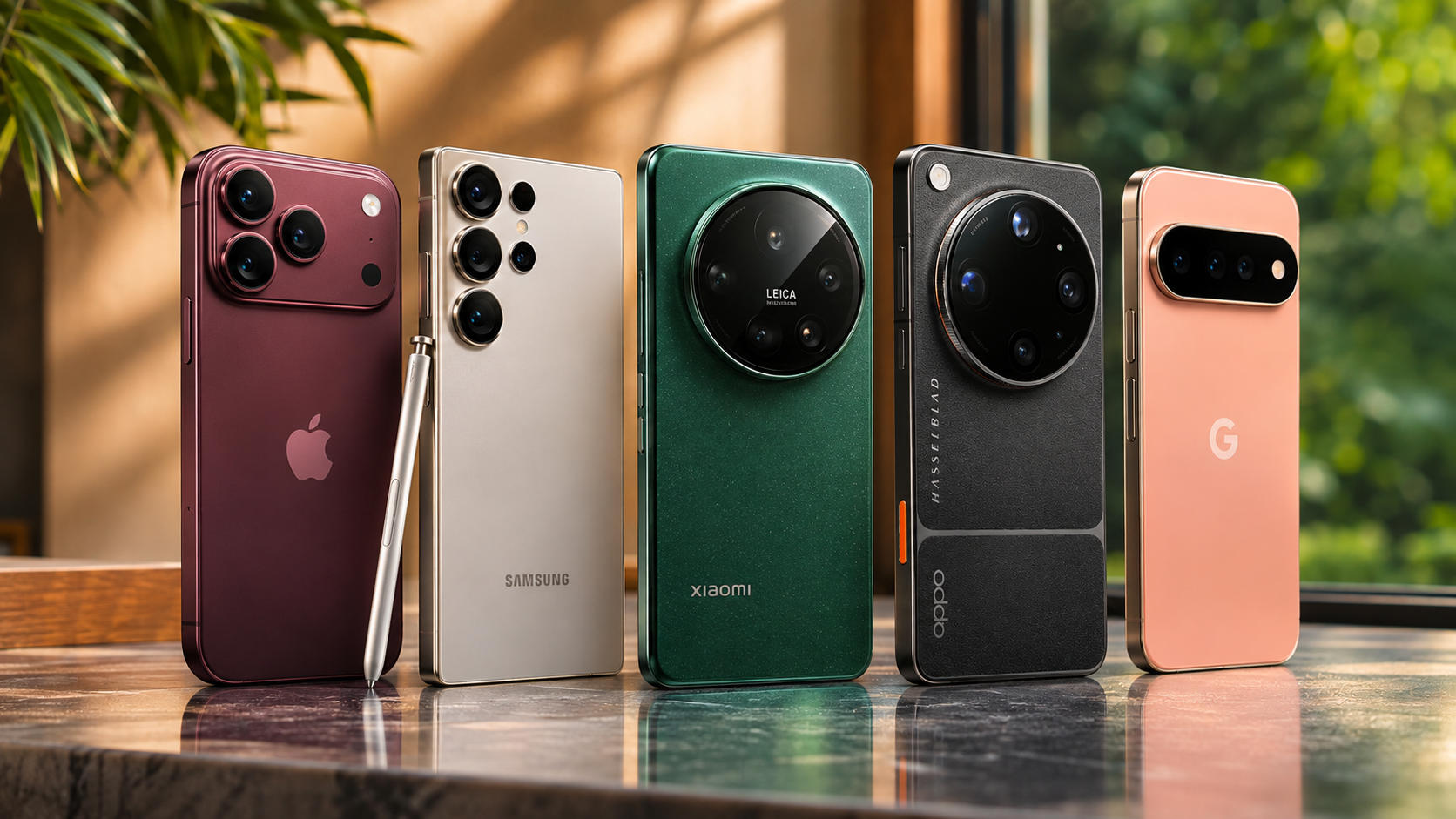
Best Smartphones in 2026: The 5 Most Powerful Releases
Looking for the best smartphones in 2026? This year’s flagship phones bring powerful processors, advanced cameras, smarter AI features, and impressive battery performance. Apple, Samsung, Xiaomi, OPPO, and Google are competing to deliver the ultimate smartphone experience.
But which phone actually deserves the top spot? Let’s explore five powerful flagships, compare their standout features, and find out which smartphone is worth your money.
Top 5 Best Smartphones in 2026
From Apple’s powerful iPhone to Samsung’s feature-packed Ultra series, these five smartphones stand out in 2026. Each offers something different, whether you prioritize gaming, photography, battery life, or everyday performance.
Here are the top five contenders.
1. Apple iPhone 18 Pro Max
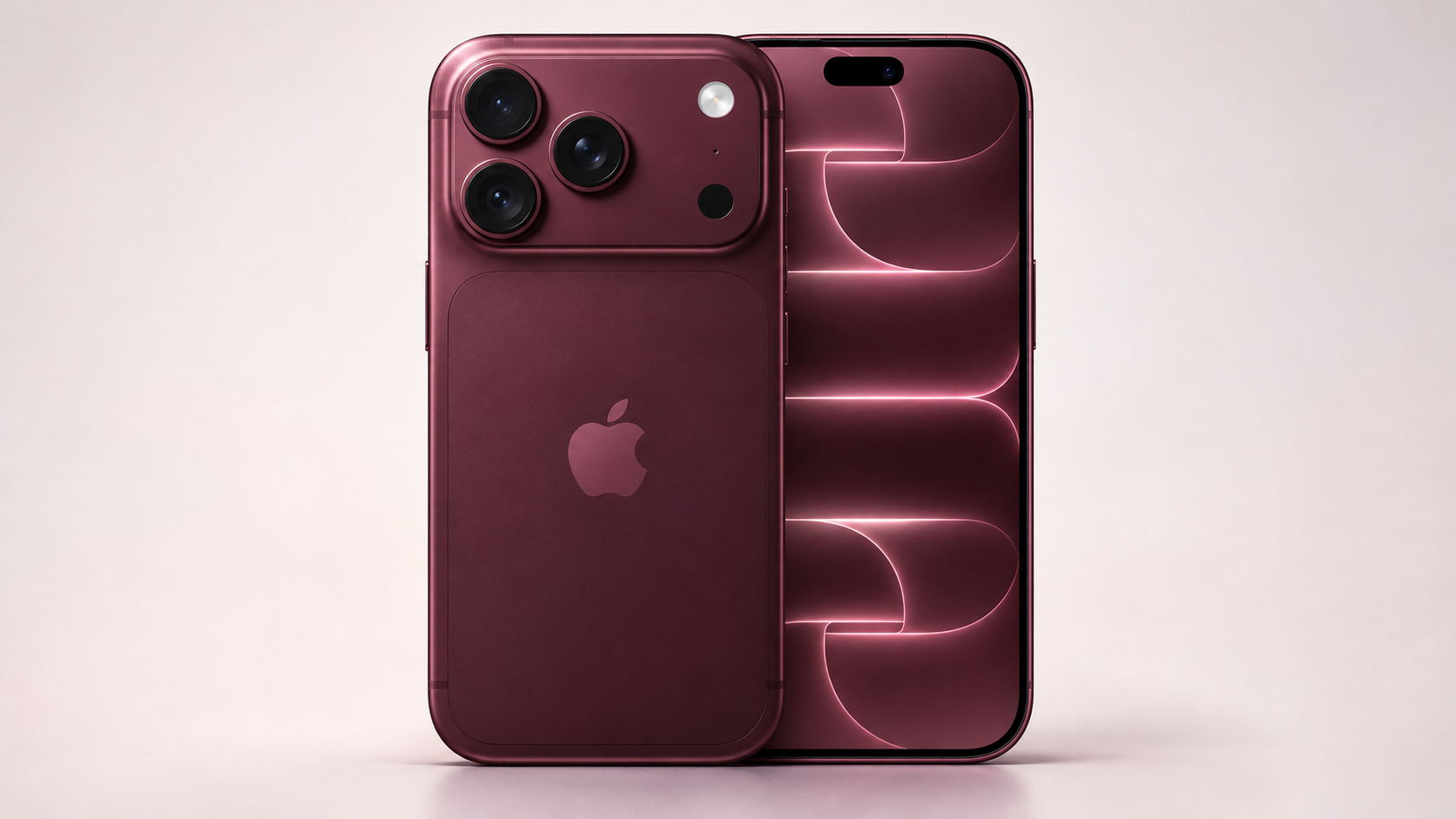

The Apple iPhone 18 Pro Max is a leading choice for users seeking premium performance and a polished software experience. It runs on Apple’s A20 Pro processor, manufactured using advanced 2nm technology. Consequently, it delivers powerful processing capabilities for demanding applications, gaming, and AI workloads.
The phone features a 6.9-inch Super Retina XDR OLED display. Its reported peak outdoor brightness reaches 3,000 nits. Therefore, users can enjoy better screen visibility in bright conditions.
Additionally, its camera system includes three 48MP sensors and a variable-aperture main camera. This provides greater flexibility for different photography situations.
Apple has also introduced an improved vapor chamber for thermal management. As a result, the device can handle demanding workloads more effectively. Overall, its processing power, camera versatility, and software integration make it a strong all-round flagship.
2. Samsung Galaxy S26 Ultra
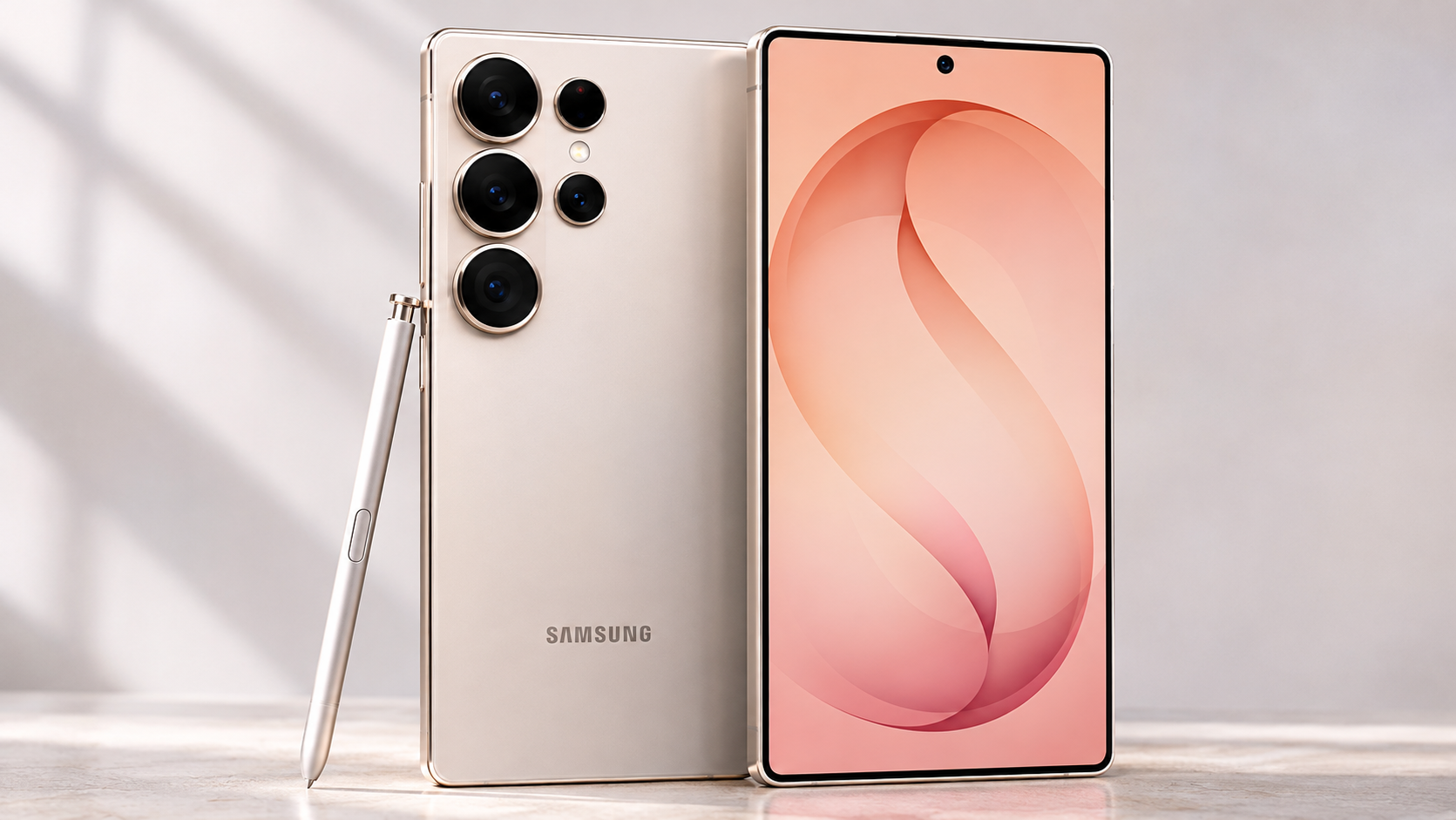

The Samsung Galaxy S26 Ultra combines premium performance with productivity-focused features. It runs on the Snapdragon 8 Elite Gen 5 for Galaxy processor. Additionally, Samsung includes an integrated S Pen for writing, drawing, and everyday productivity.
One of its biggest innovations is the built-in Privacy Display. This technology limits screen visibility from side viewing angles. Consequently, users can protect sensitive information when working in public places.
The device also features a 200MP main camera and an advanced display. Its 5,000mAh battery supports everyday usage and demanding applications. Furthermore, upgraded CPU, GPU, and NPU capabilities improve its AI processing performance.
Unlike conventional flagship phones, the Galaxy S26 Ultra offers additional productivity tools. For example, users can take handwritten notes and interact with compatible applications using the S Pen. Therefore, it is a strong choice for users who prioritize productivity, photography, and versatile Android performance.
3. Xiaomi 17 Ultra
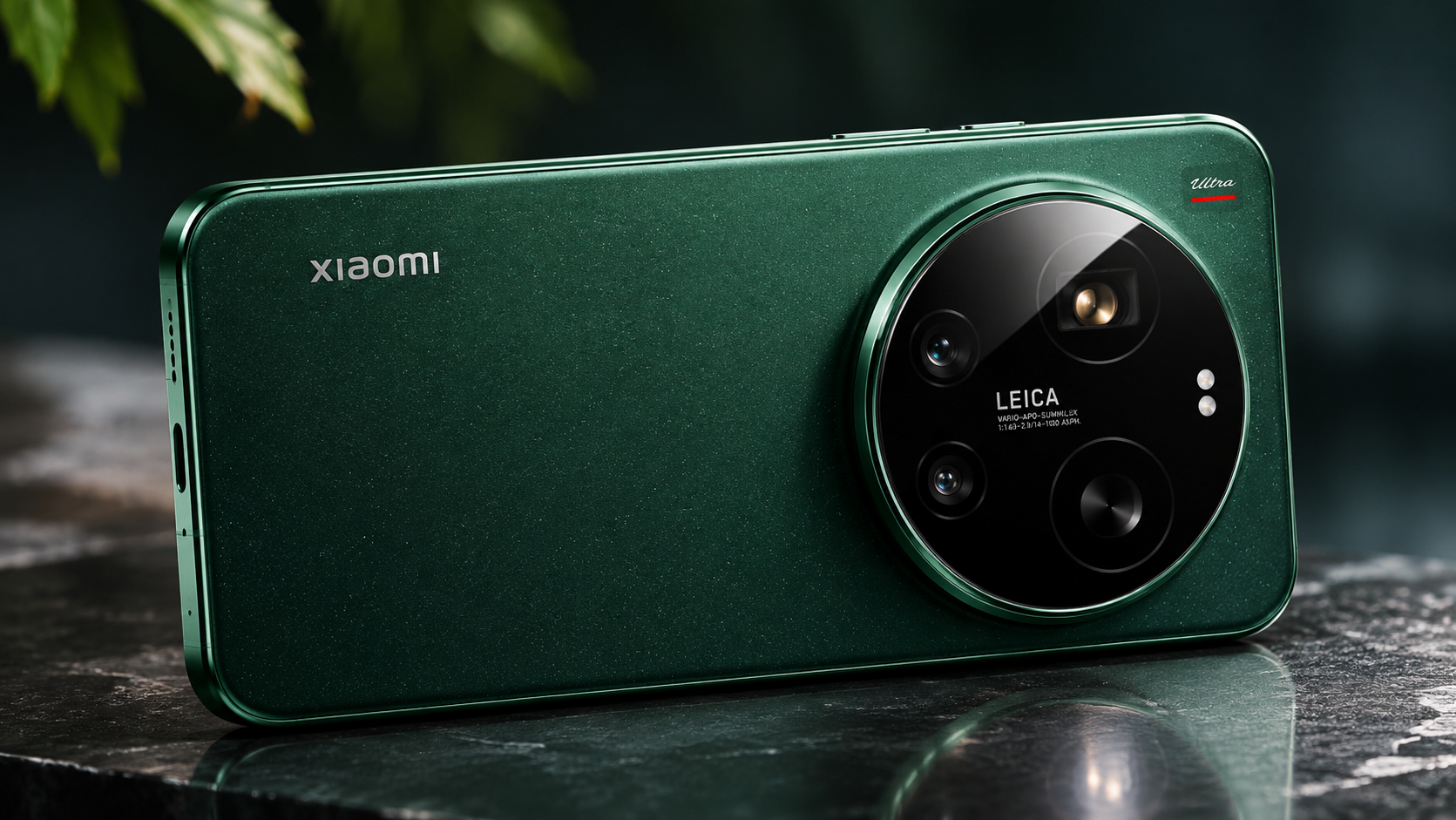
The Xiaomi 17 Ultra focuses on mobile photography and flagship performance. It uses Qualcomm’s Snapdragon 8 Elite Gen 5 processor. Additionally, its higher configuration offers 16GB RAM for demanding applications and multitasking.
Its Leica-developed camera system is one of its biggest attractions. The setup includes a high-resolution main camera and a 200MP telephoto sensor. Consequently, users get greater flexibility when capturing portraits, landscapes, and distant subjects.
Battery performance is another important feature. The phone includes a 6,000mAh battery with 90W wired charging and 50W wireless charging. Therefore, users can enjoy substantial battery capacity with convenient charging options.
Photography enthusiasts may particularly appreciate its camera versatility. Meanwhile, the powerful processor and large memory configuration support gaming and content creation. Overall, the Xiaomi 17 Ultra is worth considering for buyers who want advanced photography alongside flagship performance.
4. OPPO Find X9 Ultra
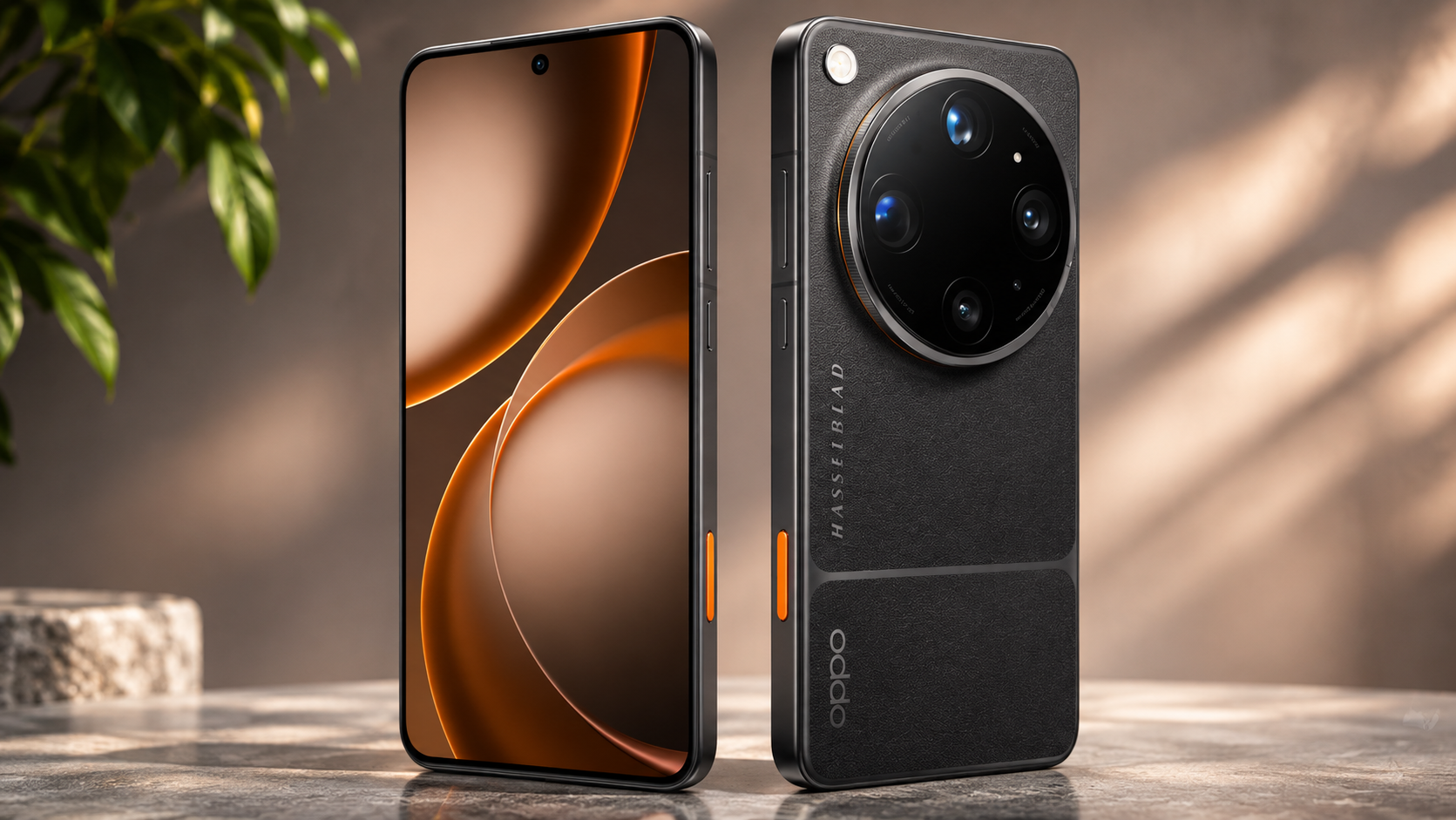
The OPPO Find X9 Ultra combines powerful hardware with an advanced camera system. It runs on the Snapdragon 8 Elite Gen 5 processor. Additionally, its listed configuration offers 12GB RAM and 512GB internal storage.
Its camera setup includes a 200MP main sensor and a 200MP telephoto camera. OPPO also includes additional camera sensors for different photography situations. Furthermore, Hasselblad camera tuning helps deliver a distinctive image-processing experience.
Battery capacity is another major advantage. The device features a 7,050mAh silicon-carbon battery. It also supports 100W SUPERVOOC wired charging and 50W AIRVOOC wireless charging.
As a result, heavy users can benefit from its substantial battery capacity. Its advanced camera hardware also provides flexibility for photography and video recording. However, buyers should compare its price and software support before purchasing. Overall, it is a compelling option for users who prioritize camera capabilities and battery endurance.
5. Google Pixel 11 Pro XL
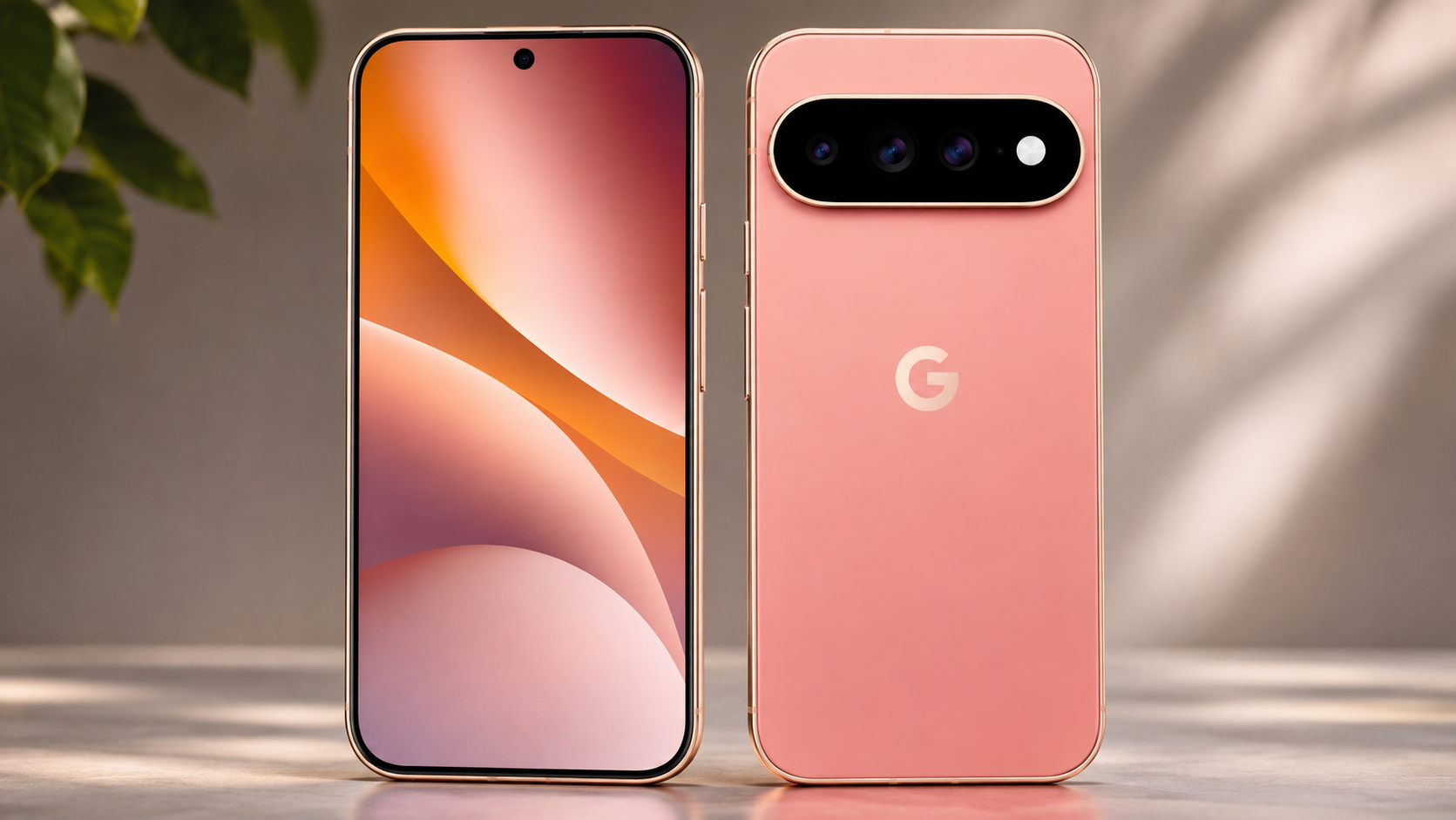
The Google Pixel 11 Pro XL focuses on artificial intelligence, photography, and Google’s software experience. It runs on the Tensor G6 processor and includes Google’s Titan M3 security coprocessor. Consequently, the device supports Google’s AI-powered features and security capabilities.
The smartphone features a 6.8-inch Super Actua OLED display. Its refresh rate adjusts between 1Hz and 120Hz. Therefore, users can enjoy smooth visuals while benefiting from adaptive display technology.
Google also includes a triple rear camera system. It features a 50MP main sensor, a 48MP ultrawide camera, and a 48MP 5x telephoto camera. These cameras provide flexibility for everyday photography and distant subjects.
Additionally, its clean software experience makes navigation straightforward. Google’s AI tools provide further assistance with compatible tasks. Meanwhile, its camera processing helps produce detailed photographs. Overall, the Pixel 11 Pro XL is worth considering for buyers who prioritize photography, software features, and Google’s ecosystem.
What Is the Best Smartphone in 2026?
The Apple iPhone 18 Pro Max is a strong overall choice for buyers seeking premium performance, camera quality, and software integration. Its A20 Pro processor uses advanced 2nm manufacturing technology. Consequently, it provides a powerful foundation for demanding applications, gaming, and on-device AI features.
Its 6.9-inch OLED display offers up to 3,000 nits of outdoor peak brightness. Therefore, the screen remains easier to view in bright sunlight. Additionally, the variable-aperture 48MP main camera provides greater control over photography.
However, the iPhone isn’t automatically the best option for everyone. The Samsung Galaxy S26 Ultra offers productivity features through its S Pen and Privacy Display. Meanwhile, Xiaomi and OPPO provide compelling camera hardware and fast charging options.
Google’s Pixel lineup also deserves consideration. Its software experience and AI capabilities appeal to users who prefer Google’s ecosystem. Ultimately, the best smartphone depends on your priorities. Nevertheless, the iPhone 18 Pro Max deserves serious consideration as an all-round premium flagship.
What Smartphones Were Released in 2026?
The smartphone industry introduced several major flagship devices throughout 2026. Manufacturers focused on faster processors, improved photography, advanced AI features, and larger batteries. Consequently, competition increased across the premium smartphone market.
Samsung introduced the Galaxy S26 series earlier in the year. Its Ultra model attracted attention through its Snapdragon processor, integrated S Pen, and Privacy Display technology. Meanwhile, Xiaomi expanded its premium lineup with the photography-focused Xiaomi 17 Ultra.
OPPO also strengthened its flagship portfolio with the Find X9 Ultra. Its large silicon-carbon battery and advanced camera hardware attracted photography enthusiasts. Additionally, Google introduced the Pixel 11 series with its Tensor G6 processor and upgraded AI capabilities.
Apple announced the iPhone 18 Pro lineup in September 2026. The new models introduced the A20 Pro processor and variable-aperture camera technology.
Other manufacturers continued developing foldable phones and gaming-focused devices. For example, Samsung expanded its foldable lineup, while gaming brands continued improving cooling systems and performance. Overall, these releases demonstrate that smartphone innovation extends beyond processing speed. Camera technology, battery capacity, software intelligence, and display design are equally important.
What Are the Best Phones in 2026?
The best smartphones in 2026 offer different advantages depending on how people use their devices. However, a powerful processor alone doesn’t determine overall smartphone quality. Camera performance, battery endurance, display quality, software support, and charging speeds also influence buying decisions.
Here is a comparison of our five selected flagship smartphones and their primary strengths.
| Smartphone | Main Strength | Processor |
|---|---|---|
| Apple iPhone 18 Pro Max | Overall performance and video | A20 Pro |
| Samsung Galaxy S26 Ultra | Productivity and versatility | Snapdragon 8 Elite Gen 5 for Galaxy |
| Xiaomi 17 Ultra | Mobile photography | Snapdragon 8 Elite Gen 5 |
| OPPO Find X9 Ultra | Camera hardware and battery | Snapdragon 8 Elite Gen 5 |
| Google Pixel 11 Pro XL | AI features and photography | Tensor G6 |
For gaming and demanding applications, Apple’s and Samsung’s flagship processors offer powerful performance. Meanwhile, Xiaomi and OPPO stand out through their camera hardware and battery specifications.
Google provides a different experience through its software integration and AI features. Additionally, its camera system offers versatile photography options.
Therefore, compare your priorities before purchasing. Consider how frequently you take photos, play games, travel, or use productivity applications. Ultimately, the right flagship should deliver dependable performance across your everyday activities.
Who Is the No. 1 Smartphone Manufacturer in 2026?
Determining the No. 1 smartphone manufacturer in 2026 depends on the measurement used. Smartphone rankings consider global shipments, market share, revenue, and premium-device performance. However, these measurements don’t always produce the same winner.
According to the cited IDC Q2 2026 worldwide shipment figures, Samsung ranked first with a 22.7% market share. Apple followed with 20.2%, while Xiaomi held third place with 11.3%. Therefore, Samsung leads this particular shipment ranking.
However, shipment figures measure the number of devices sold into distribution channels. They don’t necessarily reflect revenue or overall brand popularity. Apple remains a major competitor in the premium smartphone segment. Its integrated hardware and software ecosystem continues attracting buyers worldwide.
Meanwhile, Samsung maintains a strong position through its broad smartphone portfolio. Its products cover multiple price categories, from affordable devices to premium foldables.
Ultimately, Samsung leads the cited global shipment ranking. Nevertheless, Apple remains one of the strongest competitors in the premium smartphone market. Buyers should distinguish between manufacturer market share and individual flagship quality before deciding which brand deserves the top position.
Conclusion
Choosing among the best smartphones in 2026 depends on your budget and personal needs. Apple delivers a premium experience, while Samsung offers excellent productivity features. Meanwhile, Xiaomi and OPPO stand out for photography and battery performance. Google focuses on AI-powered features and software integration.
Overall, the iPhone 18 Pro Max is our pick for an all-round flagship. However, the Samsung Galaxy S26 Ultra is worth considering for Android users. Before making your final decision, compare camera quality, battery life, performance, and software support. The best smartphone is ultimately the one that delivers the features you value most.
Looking for a powerful smartphone without spending on a premium flagship? You can also explore our guide to the best budget smartphones under ₹30,000 to discover affordable options with impressive performance, cameras, and battery life.