All posts by Vikas Chaudhary

Ultimate Guide to Building Agility for Athletes

Ultimate Guide to Building Agility for Athletes

Agility can be defined as the capacity to quickly and precisely change direction while moving, and agility training involves engaging in agility exercises, activities, and ultimate workouts to enhance this capacity.

Sports like football (football), tennis, basketball, and badminton, among other sports that require running up and down a field or court while dribbling or carrying a ball and avoiding defenders, among others, are exercises that require excellent agility skills. Although most physical activities and even some daily activities require some degree of agility, exercises that require excellent agility skills include these activities.

Ladder drills: ultimate guide for agility

Image via Unsplash.com

Any athlete who participates in field sports, as well as runners, dancers, boxers, hikers, or other athletes whose sport requires quick and accurate feet, might benefit from agility ladder workouts.

The agility ladder can be used for a variety of agility exercises. This equipment often consists of a soft, folding “ladder” composed of nylon straps similar to those used to secure a backpack.

Beginners’ agility ladders are typically 6 to 10 feet long, but more experienced athletes can use longer ladders or connect multiple ladders for more challenging agility workouts.

Single-leg ladder hops: ultimate guide for agility

Simply jump from one end of the agility ladder to the other in this novice exercise, making sure to land squarely in the open area and away from the crossbars (straps) of the ladder.

Utilize your glutes and calf muscles to jump up and land in the following space after attempting to land on the ball of your foot.

For each box of the ladder, continue to use the same foot, and then, using the opposite foot, reverse direction.

Single leg ladder weaves

Image via Unsplash.com

This agility drill is a little more challenging.

You’ll proceed in the same manner, except instead of hopping forward directly, jump while weaving in and out of the ladder.

Start your hop at the middle of the ladder, then hop to the right so that your right foot falls outside the ladder.

Jump back in for the following box, then exit again for the following.

All the way down, weave in and out with your right foot. Then, weave back up with your left foot.

Forward and back: ultimate guide for agility

You may improve your agility training by practicing this backward coordination and precision practice.

Continue facing ahead and hop all the way back on your right foot, making sure to land precisely inside the box behind you without looking. Hop all the way down on your right foot in each space of the ladder.

High knees: ultimate guide for agility

Image via Unsplash.com

Perform high knees in the ladder for this aerobic agility training activity, aiming to raise your knees as high as you can, and land on each square of the ladder with both feet before going on to the next box.

As your agility skills advance, you can advance any of these agility ladder workouts by doing more rounds without pausing, weaving in and out and using the ladder’s sides to develop lateral hopping and lateral agility, or even by closing your eyes and using a blindfold.

Lateral hops

Exercises for the side-to-side changes in direction that occur in sports and daily life should also be incorporated into agility workouts.

By teaching the body to stabilize the hips and trunk in a different plane of motion (the frontal plane) than many typical exercises focus on (the sagittal plane), lateral training can help prevent muscle imbalances.

Hop back up the ladder using the same foot while performing lateral hops the entire time, then switch sides for the following round.

Grapevine: ultimate guide for agility

Image via Unsplash.com

The grapevine or carioca drill is a fantastic agility drill.

With or without an agility ladder, you can complete this workout, but the agility ladder makes it harder because you have to be extremely careful not to step on any of the ropes with your footwork.

Carioca is performed as follows:

  • With your feet slightly wider than hip-width apart, your knees slightly bent, chest raised, and your glutes engaged, stand up straight.
  • As you shift your weight to your left foot, press down with your left foot to push off and bring it behind your right foot, crossing behind your torso.
  • To return to your upright position with both feet in a stance identical to your starting position, take another step with your right foot to the right (out to the side).
  • Next, drive your left knee towards your chest and step your weight down onto it as you cross your left foot in front of your torso in front of your right foot.
  • Once more, to travel sideways, extend your right foot to the right.

Rope jumping: ultimate guide for agility

To return to your upright position with both feet in a stance identical to your starting position, take another step with your right foot to the right (out to the side).

Next, drive your left knee towards your chest and step your weight down onto it as you cross your left foot in front of your torso in front of your right foot.

Once more, to travel sideways, extend your right foot to the right.

Single-leg step jumps

Image via Unsplash.com

You can use a conventional stair for single-leg box jumps while practicing agility at home, or you can use a shorter ploy box at the gym or a curb outside.

Step one leg at a time onto and off of the box. Use your arms to gain speed, and when you land, bend your knee to soften the impact.

Once you can perform 10 to 20 reps on each leg, swap sides.

Add lateral hops to this agility training drill by angling your body 90 degrees away from the stepper box.

Box jumps: ultimate guide for agility

Box jumps are a form of plyometric exercise that not only increase explosive strength but also agility.

When practicing agility and plyometrics, emphasize speed and accuracy over power.

You can utilize a shorter box and accomplish continuous reps without sacrificing form by jumping up and down from the box as quickly as you can.

USEFUL LINKS:

Check out more tips on building agility 
How to make money online 
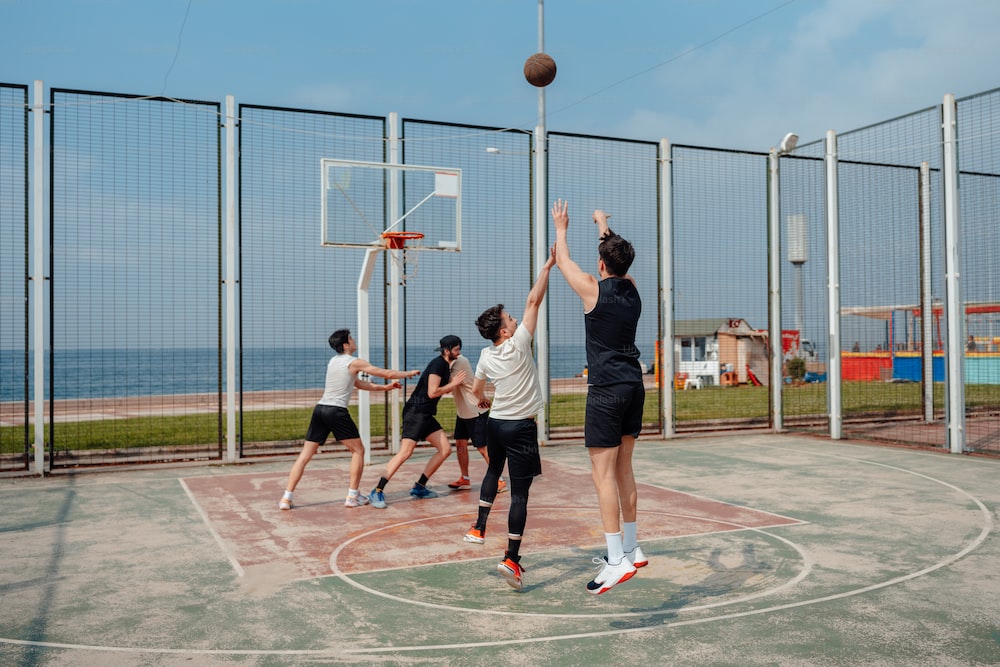


Improve Your Dribbling Skills in Basketball

Improve Your Dribbling Skills in Basketball

You can see the expertise of someone who has had a lot of practice when you see an NBA player dribble between the legs and behind the back to juke a defender out of the way. Even a simple dribble can be scary at first if you are a complete basketball novice. Fortunately, anyone can improve their ball handling skills with time and effort.

Touch the ball with fingers: improve basketball dribbling

Image via Unsplash.com

You want to dribble with your hands in such a way that you have good control over the ball and don’t need to use a lot of arm strength to keep it bouncing. Don’t slap the ball with your palm because of this. Instead, try to use the tips of your fingers to control the ball. For a wider, more even touch area, spread your fingers out across the ball’s surface.

Your fingertips will not only provide you greater control than your palms, but they will also enable you to dribble more quickly.

Keep your stance low: improve basketball dribbling

It’s not a good idea to maintain an upright, up-and-down stance while dribbling. The ball will have to bounce from your upper body all the way to the ground and back, leaving it wide open for a defender to steal in this position. Position yourself in a low, defensive stance before you begin to dribble. Spread your feet out to shoulder width. As if you were sitting on a chair, slightly recline your hips and bend your knees. Get your head up and most of your upper body upright. This is a solid, well-balanced base that gives you lots of mobility while protecting the ball.

Don’t stoop (as if you were stooping over to pick something up) at the waist.

Bouncing ball off the ground

Image via Unsplash.com

That’s it! Take the ball with your dominant hand and handle it with your fingertips to bounce it off the ground. Bounce it firmly, but not so hard that you struggle to manage it or need to use a lot of arm power. Your dribble should be swift while being regulated and steady. Again, you shouldn’t be wearing out your arm with dribbling; instead, each time the ball comes to your hand, make touch with it with your fingers and push it back down with a controlled motion of the wrist and forearm.

Hand on the top of the ball: improve basketball dribbling

Maintaining control of the ball’s motion is crucial when dribbling. Never let the ball elude you because doing so could allow the opposing team free possession of it. As you move, try to keep your hand’s palm directly over the ball so that, on its “up” bounce, the ball will land on your fingertips. As you walk around the court, you will have more control over the ball thanks to this.

The fact that momentarily “catching” the ball on its underside at any time when dribbling results in a penalty known as a carrying violation is another reason to concentrate on maintaining your hand over the ball at all times while dribbling.

Keep the ball low

Image via Unsplash.com

It is more difficult for your opponent to steal the ball when it bounces shorter and faster. Simply bouncing the ball closer to the ground is one surefire technique to shorten its bounces. Since you’re already in a low stance (with your knees bent and your hips dropped back), shifting the ball’s peak bounce to a location between your knee and hip shouldn’t feel too awkward. Keep your knees bent while dribbling low and quickly while placing your dominant hand on the side of your leg.

Dribbling in a low stance shouldn’t need you to stoop to one side. If so, your shooting angle is definitely too low.

Keep your head up: improve basketball dribbling

It’s challenging to avoid looking at the ball when you dribble when you first begin since the motion isn’t yet natural to you. To practice gazing at anything (and everything), nevertheless, is crucial. While dribbling during a game, you’ll need to search for your teammates, keep an eye on your defender, and be aware of the location of the basket. If you spend a lot of time gazing at the ball, you will not be able to complete this.

The only way to develop genuine confidence in your dribbling skills is through diligent practice. You can’t spend too much time honing your dribbling technique when you’re playing basketball.

Take care where to dribble the ball: improve basketball dribbling

Image via Unsplash.com

The method you dribble the ball during a game should adjust depending on your surroundings, including other players’ locations and the weather. You can dribble the ball in front of you to allow yourself to run as quickly as possible if you are in open court (for example, if you are pushing the ball up the court after the opposition team has scored a point). However, when you’re close to defenders (especially if one is protecting you), assume a low, defensive posture and bounce the ball at your side (just outside and ahead of your shoe). By doing this, the defender will have to reach across your body to grab the ball, which will make it much tougher for him to do so and may result in a foul.

Keep your body between defender and ball

You should defend the ball with your body when one or more defenders are covering you, trying to steal the ball from you or block your shots and passes. Never pass the ball to the side of your body where the defender is standing. Instead, place your body between your defender and the ball to make it more difficult for the defender to grab the ball from you (remember, the defender can’t just push you out of the way or strike over your body to obtain the ball without risking a foul for his team).

The hand that isn’t dribbling can be used as an arm bar. Present your forearm side to your opponent by raising your non-dribbling arm and making a fist. Use arm bars with caution.

USEFUL LINKS:

Check out more tips to improve basketball dribbling 
Cow boys to read for an adventurous reading 

Best Drills for Improving Hand Strength in Sports

Best Drills for Improving Hand Strength in Sports

Every day you utilize your hands for various tasks, yet you might not consider strengthening them by exercising them. However, you may increase your flexibility and grip by performing easy and best hand and wrist workouts, which will make daily tasks easier. If you have arthritis or are recuperating from an injury, hand strengthening exercises may also be beneficial, but first speak to your doctor or a physical therapist.

Touching your thumb to palm: best hand drills

Image via Unsplash.com

Stretch out your arm so that you can see your extended palm fingers. Put your thumb in full contact with your palm so that the tip of your thumb is close to the base of your pinky. After holding it in place for 5–10 seconds, return to the starting position by extending your thumb.

After completing 10 reps, switch to the other hand. Perform three sets per hand each day.

Curl your fingers and thumb

Your hand should be held out with your fingers extended and your thumb pointing in your direction. Keep your thumb extended, but press the tips of your fingers together. Repeat ten times while holding for 5–10 seconds at a time. Repeat the drill while switching hands.

Finish three sets per hand each day.

This exercise can also be done in combination. To finish a rep, curl your fingers, open your hand, make a closed fist (while keeping your thumb extended), and then open your hand once again.

Add a straight fist to each rep to turn it into a triple combination exercise by placing your fingertips flat against the base of your hand.

Touch your thumb to every finger-tip: best hand drills

Image via Unsplash.com

Pinch the thumb and index finger pads together with an open hand, palm facing you. Open your hand, then contact your thumb and middle finger after holding for 5 seconds. Work your way backwards to your index finger after completing the technique with your ring and pinky. One set is complete after this.

Perform three sets with each hand.

Open and close your hand

With your hand extended and positioned as though you were attempting to sever the table in half, place your forearm on a table. Make a full fist with your fingers, thumb, and hand; hold it for five seconds; and then release. Ten reps are completed, then swap hands.

Alternately, you can perform the repetitions without a table by holding your upper arm at your side and bending your elbow 90 degrees.

With each hand, try to complete 3 sets each day.

Extend rubber band wrapped around hand

Image via Unsplash.com

With your hand extended and positioned as though you were attempting to sever the table in half, place your forearm on a table. Make a full fist with your fingers, thumb, and hand; hold it for five seconds; and then release. Ten reps are completed, then swap hands.

Alternately, you can perform the repetitions without a table by holding your upper arm at your side and bending your elbow 90 degrees.

With each hand, try to complete 3 sets each day.

Bend your wrist: best hand drills

Your forearm should be flat on the table, with your fingers and thumb extended. Bend your wrist to the left, hold for five seconds, and then return to the beginning position while keeping your forearm stiff and your palm flat on the table. In order to complete 1 rep, bend your wrist to the right for 5 seconds, then bring it back.

Change hands after 10 repetitions. Every day, perform three sets with each hand.

Palm up and down: best hand drills

Image via Unsplash.com

Again, place your forearm flat on the table with your fingers extended and your palm flat. Turn your hand over so that the palm is facing down and twist your wrist until the back of your hand is flat on the table. Hold for 2 seconds. Ten times each, then switch hands.

Every day, do 3 sets with each hand.

Chop your wrist up and down on a table

Position your hand with the fingers outstretched in a chopping motion. Your wrist and hand should stretch over the side of the table as you lay your forearm down there. While keeping your forearm stiff, chop downward with your wrist. To complete 1 rep, hold the downward chop for 5 seconds, go to the starting position for 5 seconds, then chop upward for 5 seconds.

Fold a tea towel or sock and place it under your arm at the point where your forearm hits the edge of the table if you have any soreness there.

One set should consist of 10 reps, and each hand should receive 3 sets every day.

Lower and lift your open palm: best hand drills

Once more extend your wrist and hand over the edge of the table, but this time position your palm so that it is towards the ground instead of upward. Maintaining a firm forearm on the table, bend your wrist downward for five seconds before returning to the beginning position. To complete a rep, extend your wrist upward for 5 seconds before returning to the starting position.

If you have pain where your lower forearm contacts the edge of the table, place a towel or sock under it.

Do three sets of 10 repetitions for each hand each day.

Add hand weights

Image via Unsplash.com

Almost all wrist exercises can be modified for use with hand weights; however, to lower the risk of injury, start with a very little weight. Try these things:

Skip the table and tuck your elbow to your side for wrist bends that go from side to side. While retaining the weight in your hand, swivel your wrist in both directions.

Similarly, instead of resting your forearm on a table when performing palm flips, tuck your elbow to your side. As you rotate your hand back and forth, hold on to the weight in your hand.

When performing wrist chops, hold the weight in your hand while extending your wrist and hand off the end of the table like before.

USEFUL LINKS:

Check out more tips about hand strength 
Build your own computer with our guide


Increase Your Endurance in Swimming with this Guide 

Increase Your Endurance in Swimming with this Guide

Stamina may help you push yourself to the edge without overtaxing your arms and legs, whether you’re a pro or an amateur swimmer. Whatever your swimming objectives are, having stamina can help you achieve them. You need to workout consistently, but you also need to make the most of your training time if you want to develop your stamina. You can increase your stamina by incorporating cross-training exercises into your swimming sets.

Training routine: tips to increase endurance

Image via Unsplash.com

Establish a training regimen that enables daily practice and improvement. Make a weekly commitment to swimming at a specific time so you develop a habit and your muscles don’t deteriorate between sessions.

At least twice a week, go swimming frequently. Alternate your swimming sessions with cross-training workouts in between to give your other muscles a chance to grow stronger as well.

Practice variety of strokes

Include a variety of strokes throughout your sets instead of only practicing freestyle. Your endurance is only as strong as your weakest muscles since different strokes use different muscles differently.

When learning a new swimming stroke, practice it for three or four laps (or until you feel comfortable with it). Freestyle, breaststroke, backstroke, and butterfly stroke are all excellent strokes to learn.

Increase the time you spend on each stroke gradually. To increase your endurance, try holding a certain stroke for 1-2 minutes longer each time.

Closed fist swimming: tips to increase endurance

Image via Unsplash.com

Make a fist with your hand instead of cupping it or holding it out flat while you swim to concentrate on strength. Your hands will provide less velocity, and your arms will have to work more to maintain balance. Your forearms will become stronger as a result, and your workout tolerance will rise.

Instead of swimming with closed hands towards the end of your session, do it first. Saving swimming with your fists for your final sets may leave you too exhausted since it is exhausting.

Include kickboard in your practice

Your swimming strength will significantly enhance if you have a strong kick. So that you can concentrate solely on boosting leg endurance, swim with your kickboard for a certain number of laps. Practice various kicks, such as sidekicks, back kicks, and butterfly kicks.

When you are nearing the finish of your workout and your arms are more exhausted, consider using a kickboard.

Practice swimming drills: tips to increase endurance

Image via Unsplash.com

Drills are exercises created to help you improve your technique. You will be able to swim more quickly the better your stroke technique. At the beginning of each day’s swim practice, run one or two drills.

The hand-drag drill quickens the pace at which hands recover. Swim a stroke like you normally would, but during the recovery period drag your hand through the water. Your hands will be able to complete the drill much more quickly once you can swim normally once more.

Try dolphin kicks to gain momentum more quickly. Kick your right and left legs simultaneously, as if they were a dolphin fin, to practice dolphin kicks.

Varying pace of laps

Change your pace every lap to enhance your energy and acquire control over your speed. Swim some laps slowly, some laps moderately, and some laps quickly, as appropriate.

Don’t just run your laps from slowest to fastest for the greatest results. To give yourself time to regain your breath, alternate quick laps with slow or moderate ones during your workout.

Set time for yourself: tips to increase endurance

Image via Unsplash.com

The pace watch, a small device with a minute and second hand that divides time into 5 second intervals, from 5 to 60 seconds or minutes, is found in the majority of swimming pools. Try to complete a particular lap or drill in a predetermined amount of time, reducing the time limit as your pace increases.

Consider investing in a waterproof stopwatch or creating your own personal pace clock if your swimming pool lacks one.

Swimming in a line

Increasing your efficiency is a part of improving your speed. Do your utmost to maintain a straight body line. Keep your arms and legs from crossing over; for instance, your left arm should never enter the right lane.

If you struggle to swim straight, practice the one-arm drill. Per lap, make a stroke using only one arm. If you have difficulties keeping afloat, use your other arm to hold onto your kickboard.

Utilize your eyes when doing a backstroke. Concentrate your vision on anything straight ahead, such as a chair or a diving board. You can swim more steadily if you do this.

Planning cross-training: tips to increase endurance

Image via Unsplash.com

Balance is necessary for stamina, and cross-training will help you develop it. Swim two to three times a week, and then work out in different ways the other four days.

Pick enjoyable exercise activities. Make your workouts more like the things you like to do, and you’ll be more motivated to work out. If you enjoy what you do, building up your stamina will be lot simpler.

For swimmers, long-distance running is a particularly beneficial cross-training activity since it improves cardiovascular and muscular endurance.

Consume protein and carbohydrates

Protein will help you build more muscle, while carbohydrates will give you energy to use throughout workouts. To prevent cramping, eat a meal at least 2-4 hours prior to swimming, or a snack at least 30 minutes beforehand.

Bring simple carbohydrate foods (such honey, pretzels, or fruit) to consume right after your activity. You’ll feel more energized and your blood sugar will rise as a result.

Choose quality over quantity when choosing protein. Choose a diet high in whole eggs, milk, seafood, and soybeans instead of protein drinks and red meat.

Aerobic exercise: tips to increase endurance

Image via Unsplash.com

Your cardiovascular system is exercised during aerobic exercise, and the muscles that pump blood to your heart are strengthened.  Consider adding a couple of aerobic cross-training workouts per week. Running, cycling, kickboxing, and trekking are a few examples of aerobic exercises.

Swimming is an aerobic activity, therefore include your swim sessions as aerobic days if you’re lacking in them one week.

USEFUL LINKS:

Learn more tips to build endurance is swimming 
Check out the basics of swimming here 

Ultimate Guide to Building Speed for Athletes

Ultimate Guide to Building Speed for Athletes

To run faster, there is no secret formula. Without regular exercise, restraint, and attention to form, it is impossible to achieve. Fortunately, a few straightforward tips can make the road to quicker running speed a little bit simpler to travel. You can see progress in as little as a few weeks by following a ultimate fitness regimen and challenging yourself to run as far as you can.

Warm up: ultimate workout

Image via Unsplash.com

Jog for two minutes to quicken your heartbeat and get your blood flowing before you run. You’ll feel a little more energized, and it will be simpler to concentrate on running rapidly. You won’t be too exhausted to give your run your all as long as your warmup isn’t too strenuous.

Consistent practice

The ideal schedule for most runners is daily or every other day runs. Consistency is crucial in this case. You must maintain a regular training regimen and gradually increase the level of effort over time if you want to see long-term improvements. Your performance may stagnate or even decline if you give up or fail to challenge yourself.

Interval training: ultimate workout

Image via Unsplash.com

Spend 10 minutes every day running in intervals. Follow this pattern while running: sprint for 10 seconds, then jog for a minute to recover. Repeat 10 more times.

Every week, shorten your breaks and increase your sprinting time to increase your level of difficulty. You will eventually be able to run farther and faster.

Running with your friends

Try competing against a friend who is a little bit speedier than you. It will be considerably more difficult than running by yourself or with someone who is slower than you, and it will offer you the incentive of winning. Avoid running alongside someone who is significantly faster than you or you could give up.

Good running form: ultimate workout

Adopt a good running stance by maintaining a straight back and swinging your elbow-held arms at a 90-degree angle. Run by springing off the balls of your feet with each step.

To give yourself a longer stride, try pushing your legs further back. You will gain a firmer footing and be able to spring off the ground, giving you an added boost with each step. You’ll note that sprinters competing in the Olympics almost usually take very large strides.

Additionally, your upper body is crucial. With each step, bend your arms and quickly pump them up and down.

Breathing pattern

Image via Unsplash.com

You want to be getting enough oxygen while running so that you can carry on a simple conversation. If you can’t, you’ll probably lose momentum and have to slow down. Long-term, slow, deep breathing will help you run faster.

Some people take three deep breaths through their noses, followed by two more. Check out your comfort level; one person’s preferred breathing technique may not be the best for you.

Set a time goal: ultimate workout

Every time you go for a run, time yourself with a stopwatch. Try to travel the same path a little bit faster each time. You’ll be able to exert your maximum effort thanks to the additional incentive.

Even if it seems impossible, strive to extract as much power as you can from your body just before you arrive at your destination and unleash a burst of speed. When you are aware that you are close to achieving your objective, you might be astonished by how quickly you can move. This can significantly shorten your wait time.

Focus on the prize

Image via Unsplash.com

You can improve as a runner by doing something as easy as altering the way you look ahead. Instead of looking directly in front of your feet, try to fix your attention on the direction you wish to walk. You won’t ever feel like you’re almost done, so you won’t give up as easily. Keep your attention on new locations further down the trail as you advance.

Try focusing on a point far ahead of the finish line and forcing yourself to go there, for instance, if you’re running on a straight track and you’re nearing the end. Up until the point where you decide to give up, this can help maintain your motivation high.

Hydrate yourself: ultimate workout

You won’t be able to run as quickly as you can if your biological demands aren’t being met. Before your run, sip on a little water to make sure your muscles have the fluids they require when it counts. Additionally, it’s a good idea to have some water with you so you may hydrate as needed while running.

But there is such a thing as drinking too much water. Avoid consuming a lot of water straight before a run. Drink little by little as you go, but try to avoid taking large gulps. You’ll get cramps from this.

Running sprints

Image via Unsplash.com

Running sprints is an excellent way to speed up and concentrate on your form, even if you’re not a sprinter. Perform sprints by jogging briefly to warm up, then sprint for around 30 seconds. After taking a two-to-five-minute break, resume your sprint.

Before taking a lengthy break, try to sprint around four times straight.

Vary your running pace: ultimate workout

The Swedish word “fartlek” means “speed play.” Start your run for 40 to 60 minutes, then choose a site to start sprinting to perform fartlek exercise. Sprint as quickly as you can for as little time as you can (often 1 to 3 minutes), then resume your regular speed.

With the fartlek training method, you can adjust the amount of jogging to sprinting based on how you’re feeling at the time.

Running on hills

Image via Unsplash.com

Either locate a hill outside, or utilize an inclination setting on a treadmill. For as long as you can, run as quickly as you can up and down the same slope. Your stamina and endurance will grow with time, allowing you to run farther and faster.

Hill runs are really beneficial for your body since they enable you to work out hard while reducing the joint shock that comes with running on flat surfaces.

USEFUL LINKS:

Check out more tips to build speed here 
Meals to enjoy while loosing weight 


Improve Your Stroke in Swimming with these Tips 

Improve Your Stroke in Swimming with these Tips

In the past, participants in a freestyle race could swim however they pleased. However, the term freestyle has taken the place of front crawl as the moniker for the stroke as what was once known as the front crawl became the preferred method of freestyle. Want to how to improve your swimming?

While the head is submerged and the swimmer breaths sideways, freestyle entails alternating arms moving forward in windmill patterns. In order to stabilize the body, it is complemented with a two- or six-beat flutter kick that is timed with arm movements. Learn how to use your arms, kick your legs, and breathe properly if you want to learn how to freestyle for entertainment, fitness, or contests.

Hand placement and entry: improve your swimming

Image via Unsplah.com

Your hands should be at ease and your fingers should be clasped together as you start your stroke. Fingers first, dip your hand into the water 15 inches above your head. In order for your index and middle fingers to dip into the water first, your palm should be turned outward at a 45-degree angle. Your elbow will be lifted above your wrist, and your wrist should be angled down and above the fingers. When entering, try to minimize splashing with your hand. Extend your arm another 4 inches after putting your hand in the water.

Once your hand is submerged, extend your fingers slightly and press your hand outward. “Getting a feel” for the water is what this involves.

Work on your downs weep: improve your swimming

During this part of the stroke, your arm will function as a lever. Your body will rotate towards the arm that is being stroked as you do so. With your elbow held at roughly a 45-degree angle, move your forearm and hand backward and downward. Throughout this part of your stroke, your elbow should remain elevated in the water. Pay attention to effectively navigating the downs weep.

This stage ought to proceed quickly. Although it won’t help you go forward much at this period, trying to move quicker could produce drag.

Pull your hand and body towards center of body

Image via Unsplah.com

Use your hand as a paddle during this portion of the stroke to move as much water as you can. Here, you begin to advance your body while making arm stroke motions. In the “propulsive” phase, it is the initial section. Additionally, your upper arm will incline inward towards your ribcage and chest. You’ll start to move your elbow into a 90-degree angle. You’ve reached the backs-weep when your hand begins to converge on your body’s midline.

Instead of stroking at your sides, keep your arms closer to your body.

Up, out and backward motion: improve your swimming

The second “propulsive” phase is where your stroke can pick up speed. You’ll cease drawing water as soon as your hand reaches your body’s midline and begin pushing it instead. Up till your arm touches the line of your thigh, keep pushing water out and up. You can go forward with the maximum force during this portion of the stroke because it will happen at the fastest rate.

Move your elbow out of water

Image via Unsplah.com

Your arm does not drive you forward during the release, but it does support the arm that is tugging underwater. It’s crucial to practice your release technique for a clean hand entry. Launch your hand out of the water in front of you, parallel to your shoulder, to finish your stroke. Your hand should swing broader than your arm and your fingers should dangle gently above the water. You should swing your arm wide and with ease.

Don’t force a down spin at the conclusion of the release; instead, focus on rotating your arm forward.

Flutter kick below surface: improve your swimming

Even while kicking only contributes 10 to 15% of your total stroke power, it is still a crucial component of your freestyle technique. Make a series of rapid kicks while keeping your hips close to the water’s surface. Your kicking range of motion should be restricted since you want to concentrate on reducing drag as you move ahead. Your legs shouldn’t kick out of the water or break below your body’s line of symmetry.

Kick using your thighs and hips. Avoid kicking with your knees bent; this is known as a bicycle kick and will increase drag. While kicking, you may slightly sag your knees, but this should not be where your force is coming from.

Two beat kick: improve your swimming

Image via Unsplah.com

Long distance and medium distance swimmers both employ the two-beat kick, which requires less force. Per cycle of the stroke, you kick one leg. One arm’s worth of strokes constitutes one cycle. In addition to the inswing of the opposing arm, kick one leg. You may visualize how your kicking should be synchronized with your arm stroke if you can think about how your arms and legs move together as you walk, with your arm moving forward at the same time as the opposing leg.

Three kicks each arm stroke cycle is necessary for the six-beat kick. In the recovery phase, the third beat of the kicking cycle will begin. This is a quicker kick that quicker swimmers use.

Point towards toes while kicking

Your exposed forefoot will provide extra drag if your toes are not pointed while you kick. As you kick, your big toes should be close to touching and facing inward. Your ankles’ flexibility is being worked when you point your toes. If your ankles aren’t flexible, you might want to practice your kick with a pair of mid-length flippers.

With the added propulsion that flippers offer, you can concentrate on your freestyle arm and leg skills more effortlessly. However, during drills, simply use your flippers to assist in training your feet.

Hold your head under water: improve your swimming

Image via Unsplah.com

The water should be situated between your eyebrows and hairline. While swimming, keep your upper back and neck muscles relaxed. A 45-degree forward cock should be present on your head. More resistance will be felt if you lower your head too much towards your chest.

USEFUL LINKS:

Check out more techniques to be good at swimming 
Learning how to swim: Things you should take care of 


Best Exercises for Improving Shoulder Strength in Sports

Best Exercises for Improving Shoulder Strength in Sports

To build up your shoulder muscles and increase your range of motion, you don’t necessarily need to carry big objects or to the gym. If you want to accomplish any other type of heavy lifting or achieve best  fitness, strong shoulders are a need.

If you have restricted flexibility or are healing from an injury, you might also need to work on strengthening your shoulders. Before engaging in any type of exercise at home, always remember to stretch thoroughly.

Stretching for little longer: best strength workout

Image credits: Unsplash.com

If you really want to benefit from each of these stretches, hold it for a long enough period of time that you feel a tiny burning or tingling in the muscle. To concentrate your breathing while stretching, inhale for 3 seconds, hold it for 3 seconds, and then gently exhale. Additionally, it will help you stretch while being in the moment.

If you really want to make sure you stay flexible, perform each of these stretching exercises twice.

Work your shoulder stretches into your other stretches if you’re putting your shoulder workouts into another training regimen.

Shoulder shrugs: best strength workout

This can be done while seated or standing. Lift the tops of your shoulders straight up in the direction of your ears without moving your neck until you feel a little tightness. Relax your arms after 10 to 15 seconds of holding it. Do this procedure 5–10 times. Then elevate your shoulders in a circular motion while rotating them without elevating your arms. For 15 to 20 seconds, repeat.

If you’d like, you can use this as a muscle-building exercise. Holding a few 10-15 lb. (4.5-6.8 kilograms) weights by your side will help you do this.

Chest stretches

Image credits: Unsplash.com

Put your left hand flat against a corner wall at shoulder height in your house. Until your chest and arm start to feel tight, turn your complete body away from the wall. For 15 to 20 seconds, hold it. Then, by turning the other way, use your right hand to stretch the other side of your body.

If you’re already reasonably flexible, you can perform this stretch on a conventional wall piece, but it’s simpler to maintain the stretch if you can press up against a corner of the wall.

For best results, keep your arm elevated and straight while performing this.

Overhead stretches: best strength workout

Raise your left arm up in the air. Your wrist should hang behind your back as you bend your elbow. Your right hand should gently press onto your elbow. Hold for a moment before switching arms to extend your right side. Your upper pectoral and upper back muscles will be stretched as a result.

The muscles around your shoulder can be stretched most effectively in this manner.

You ought to have some tightness in your side as well when done properly.

Forearm stretches

Image credits: Unsplash.com

Lean forward and raise your left arm. Take hold of your wrist with your right hand, palm down. It should be lowered for 15-20 seconds before being raised for the same amount of time. When you’re done stretching your left wrist, switch hands and stretch your right arm’s forearm.

This stretches the muscles in your forearm and above your elbow but not your shoulder specifically. Before working on your shoulders specifically, it’s crucial to loosen up these muscles since they are employed in almost every shoulder workout.

Elevated push-ups: best strength workout

Put your feet on the platform and assume the push-up stance while holding a chair or a small footrest. Maintaining a shoulder-width distance between your arms, lower yourself until your chest is 3-6 inches (7.6-15.2 cm) off the floor. As you raise yourself back up to the starting position, try to keep your back as straight as you can. Depending on your upper body strength, perform 5–10 reps.

Scap pushups

Image credits: Unsplash.com

Your knees should be 15 degrees apart from your hips as you are on all fours. Lock your arms and extend your hands just past your shoulders. Without moving your arms, contract your back muscles and drop your chest to the ground by 3-6 inches (7.6-15.2 cm). Re-raise your chest until it reaches your shoulder blades. To strengthen the muscles in your upper back, scapula, and shoulder blades, repeat this motion 10–20 times.

To prevent knee pain, perform this on a yoga mat or carpet.

When you get proficient at these, move your knees further away from your upper body to slightly tighten your chest and core.

Headstands: best strength workout

Get a platform or chair that won’t move around on the ground. Step up onto the chair or platform, then slowly descend to the ground. Elevate your back until it creates a symmetrical arch, then hold yourself steady. To strengthen your shoulder muscles with the resistance, hold this position for 15 to 30 seconds. To strengthen your shoulders, if you are able to do a headstand, brace yourself against a wall and do that instead.

This is a more challenging exercise. Reduce the angle you’re rising yourself up at when you first start exercising to make it simpler to balance.

Holding push-ups for 20-30 seconds

Place your feet firmly on the ground and assume the typical push-up position. To slightly bend your back, slide back 4-6 inches (10–15 cm). To provide some light pressure to your shoulders and encourage the muscles to remain contracted, hold this position for 20 to 30 seconds. This exercise is excellent for capping off your workout because it doubles as a cool-down stretch.

Outward rotations

Image credits: Unsplash.com

Bend your elbows in front of you while keeping your arms at your sides. Both hands should be wrapped in a resistance band. Pull the band away from you 4–12 inches (10–30 cm) starting with your left hand. To stimulate and strengthen your outer shoulder muscles, repeat this motion 10-15 times. Do the same thing with your right hand.

As much as possible, maintain the stationary hand’s position.

USEFUL LINKS:

To know more workout tips to build shoulder strength, click here 
Learn the appropriate way to throw dinner parties with us 

Ultimate Guide to Building Explosiveness for Athletes

Ultimate Guide to Building Explosiveness for Athletes

Explosive training combines strength and speed to boost your output of power. Athletes that need to exert a fast burst of maximum effort frequently use explosive power drills. Sports like football, track and field, court sports, and even cycling benefit from this kind of ultimate training.

Large muscle movements are used in conventional explosive exercises. These are squats, power cleans, weighted or unweighted vertical jumps, heavy ball throws, and even hill sprints. Although they will only target those specific muscle areas, workouts like push-ups and bench presses can also be utilized to increase power.

Need of explosive workouts: ultimate workout

Image via Unsplash.com

Exercises that demand a maximal or almost maximum power output from the athlete in a brief period of time are used to develop rapid, explosive power. The purpose of explosive exercise training is to develop the necessary strength to eventually move heavy weights quickly.

Explosive training, however, carries some risk. Start with light weights and moderate, controlled motions to lower your risk of injury. Over several weeks and numerous training sessions, the weight utilized during an exercise and the speed at which it is lifted should be raised.

Side skip for height: ultimate workout

Side skips are a fantastic explosive exercise that can greatly enhance an athlete’s lateral power, speed, and agility. You may strengthen important muscle groups like the hips, glutes, and quads. These are essential for improving your capacity to change direction fast and exert force from a lateral posture.

Athletes in sports like basketball, soccer, and tennis that call for powerful lateral movements can benefit especially from side skips for height.

Box jumps: ultimate workout

Image via Unsplash.com

Targeting the lower body muscles. Particularly the quads, glutes, and hamstrings, seated box jumps are a very effective explosive workout created to improve athletic performance.

By beginning in a seated position and driving your muscles to develop explosive force without the use of stored elastic energy. This effective workout removes the stretch-shortening cycle. For athletes participating in sports like basketball, football, and track and field that call for vertical leaps, fast bursts of speed, and strong lower body motions, seated box jumps are especially advantageous.

Heiden jumps

Heiden Jumps are an effective plyometric exercise that can greatly enhance an athlete’s explosive power, lateral speed, and overall agility. Targeting the glutes, quads, and hamstrings in particular, the lower body is the focus of this dynamic exercise.

Athletes who compete in sports like basketball, soccer and hockey, which call for quick changes in direction, can benefit most from Heiden Jumps.

Starting from a standing position with your feet hip-width apart, perform Heiden Jumps. From a box, lower yourself into a quarter squat stance and then drop to quickly push off your right foot, leaping laterally to the left.

Stair jumps: ultimate workout

Image via Unsplash.com

For athletes looking to improve their explosive power, leg strength, and general athleticism, stair jumps are a superb plyometric workout. This workout increases the difficulty of standard leaps by using stairs, pushing athletes to exert more power to lift themselves upward.

Athletes who compete in sports like basketball, volleyball, and track and field, which call for powerful lower body movements or vertical leaps, can benefit most from stair jumps.

Find a stairway with at least four to six steps so that you may perform stair jumps. Start by placing your feet shoulder-width apart at the bottom of the stairs. To jump onto the first step quickly, lower yourself to a quarter squat position and use your arms to create propulsion.

Kneel down and lower your hips to lessen the shock when you land. Then immediately take the next step, and so on until you have reached the top of the steps. After performing the exercise for the necessary number of sets, cautiously descend the stairs.

Impact of explosive workout

For athletes looking to improve their performance across a variety of sports, developing explosive power through flexibility is essential. Athletes get an advantage over rivals in speed, agility, and force production thanks to their muscles’ quick storage and release of energy. In addition, greater elasticity can assist absorb and disperse force during high-impact activities, which can improve injury prevention.

Athletes can benefit from explosive training in a variety of ways, including improved speed, power, and mobility. Athletes can achieve new heights in their athletic endeavors and realize their full potential by adding these routines into a regular training schedule.

There are many advantages to including stair jumps in your explosive training for improved athletic performance. Stair jumps can increase your vertical leap, speed, and power by putting more stress on the muscles in your lower body to produce more force.

Seated dumbbell: ultimate workout

Image via Unsplash.com

Standing Dumbbell Exercises like “Good Mornings” are excellent for working the posterior chain and making the body engage high-threshold motor units for increased intensity. You may enhance your explosiveness and raise your capacity to produce force during explosive activities like sprinting and jumping by training these muscles.

Hurdle hops

For athletes aiming to increase their explosive strength, speed, and agility, hurdle hops are a very effective exercise. For those who play sports like basketball,  or track & field that include jumping and quick direction changes, this plyometric exercise is very advantageous.

You can build the lower body strength and suppleness required to excel in your sport by including hurdle hops in your training program.

Set up several hurdles or markers at a convenient height for performing hurdle hops. Usually, hip height or slightly above is acceptable. Start by placing your feet shoulder-width apart on one side of the first hurdle.

Jump over the obstacle forcefully, paying attention to your form and reducing the amount of time you spend on the ground. When you reach the next obstacle, hop over it without landing hard. Repeat this process until all of the obstacles have been overcome. This will test your capacity to exert force at first, absorb it, and then apply it again right away.

USEFUL LINKS:

Check out more about explosive workout here 
Personality traits that indicate high intelligence 

Improve Your Jumping Technique in Skateboarding With these Tips

Improve Your Jumping Technique in Skateboarding With these Tips

Alan “Ollie” Gelfand created the fundamental skateboard jump in 1970, and it immediately rose to prominence as one of the most significant tricks. When this trick is executed properly, the skateboarder can leap into the air while carrying the board with them in a manner that gives the impression that the board is fastened to their feet. You can improve your techniques easily.

If you intend to attempt additional, more challenging maneuvers, it is imperative that you master the “Ollie,” and learn it well. The “Ollie” is the foundation of many other skating feats. Fortunately, with enough practice, it is rather simple to master.

Find a good spot: improve skateboarding techniques

Image via Unsplash.com

Find a flat area to practice this skill first. If you have never skateboarded before, you should do this in an area where the board will be perfectly stationary and not roll.

You could even want to begin on the grass or even a carpeted surface if you are worried about falling.

Positioning your feet: improve skateboarding techniques

Put your front foot two inches from your bolts and close to the center of your board. Your back foot should be on the tail.

Just behind the front bolts, your front foot should be totally on the skateboard.

Your rear foot’s ball should be in line with the middle of the board. As a result, your heel will protrude from the top of the board.

It is best to place both feet forward. Do not slant the board with any foot.

Pop the tail: improve skateboarding techniques

Image via Unsplash.com

Push down quickly and firmly with your back foot on the board’s tail.

The skateboard’s tail will hit the ground as a result of the downward force you impart to it, creating a strong upward velocity as the board “pops” up. Consider doing this as a quick ankle flick downward.

Avoid pressing down on your tail too forcefully since doing so will cause your weight to prevent the board from rising into the air.

Sweep foot along board

As the front end rises, drag the side of your front foot along the board’s surface.

The board will be dragged upward with your body by the friction of your foot against the grippy grip tape.

Level up: improve skateboarding techniques

As you reach the highest point of your jump, lift your back foot and use your feet to level the board beneath you. To get the board level with your shoulders, you might need to slightly press down with your front foot.

Land safely

Image via Unsplash.com

As you descend, extend your legs to the ground while maintaining your knees bent to minimize impact.

Keep your knees bent to prevent knee injuries and to maintain control of the board.

Work more on pop: improve skateboarding techniques

One of the most challenging aspects of learning this maneuver is figuring out how much force to apply to the tail to have the pop occur as it should.

In order to elevate the front end of the board and cause the tail to touch the ground with enough force to cause it to bounce high off the ground, you must press down forcefully and quickly enough.

The board will bounce higher up the harder you bash it down. Nevertheless, maintaining control is more crucial than making a high jump when you are initially learning how to do this. Achieve the ability to pop the board without losing control by experimenting with various forces.

Try for a clean sweep

Image via Unsplash.com

The sweep of your foot, which pulls the board up with you as you leap and maintains its direction of travel, is equally challenging. Additionally, there will be a significant bit of trial and error involved.

Keep your front foot loose enough to allow the ankle to roll just a little bit. You will need to develop the ability to control your first instinct to tense up these muscles.

When doing the sweep, which should bring your foot all the way to the front edge of the board, you must leverage the friction created between the edge of your shoe and the board to maintain control.

Work on your timing

Getting the time correct is another difficult aspect of performing this feat effectively. The actions must be completed quickly, in just a fraction of a second, even though they should be done in the order listed in Part 1.

In specifically, the pop and the jump must be performed practically simultaneously, in a single motion. Timing is crucial in this situation and will require practice.

You can view slow-motion recordings of people executing the trick to gain a better sense of the timing and to thoroughly examine the specifics of what you need to do.

Learning to land: improve skateboarding techniques

Finally, landing on the board without toppling over can be very challenging. The important thing in this situation is to maintain your knees bent and to level your board before it lands.

You should try to land with all four wheels on the ground simultaneously.

Throughout the process, keep your shoulders level. When performing this trick, resist the urge to lean forward because doing so could result in you landing on the front of the board.

Jump higher while moving

Image via Unsplash.com

You will begin performing the higher jump while moving once you have mastered it in place.

The steps resemble jumping higher while stationary. However, you should go slowly when taking the first few steps.

You should eventually pick up the pace. Your jump will be higher the faster the moving object is.

Turn skateboard up and jump

The secret to this trick is that it makes the skateboard seem to stick to our feet when we jump high. Is there anything except natural attraction at play here?

Pulling the front foot towards the skateboard’s nose while making the skateboard bounce high is required to execute this move. Your back foot will kick down the tail while your front foot raises.

USEFUL LINKS:

To know more about skateboard techniques, check this out 
Detoxing and juicing: Know the right way 

Best Drills for Improving Flexibility in Sports

Best Drills for Improving Flexibility in Sports

Being flexible can lower your risk of injury and make leading an active lifestyle easier. Although there isn’t a quick fix to instantly increase flexibility, most people can succeed in this endeavor with best perseverance and commitment.

Focus on including flexibility exercises both before and after your aerobic and strength-training workouts, and include flexibility-enhancing exercises like yoga. You may improve your flexibility by adopting some healthy lifestyle adjustments, such as consuming more water and reducing your stress.

A quick warm up: best flexibility drills

Image via Unsplash.com

Before working out, it used to be common practice to perform static stretches such holding a toe touch and triceps stretches. Instead, it’s preferable to first do some mild exercise and dynamic stretching to loosen up your muscles and joints, followed by some static stretches once your main workout is through. Your warmup could consist of riding, jogging, strolling, or even just doing some light housekeeping, depending on your level of fitness. Your objective is to start to sweat lightly.

This warmup should ideally last 10 minutes. If it’s not possible, try to finish in at least 5 minutes.

Dynamic stretching

Dynamic stretches prioritize range of motion while also continuing the process of warming up your muscles and joints. Do three sets of 20–30 reps of 3-5 dynamic stretches. The traditional dynamic stretches include lunges, squats, jump jacks, lunges, sit-ups, and push-ups.

Try some of the choices outlined in the remaining sections of this section if you’d like to diversify your dynamic stretching repertoire.

Leg swings: best flexibility drills

Image via Unsplash.com

Swing your outer leg up like the pendulum of a clock while bracing yourself against a wall. With each return, the swing’s height should be increased. To complete the second leg, change sides. A similar exercise can be performed with your arms.

Do this exercise only if you have access to a solid grab bar that you can grasp with your supporting hand if you have balance issues.

Walking lunges: best flexibility drills

Take long, brisk steps, almost bending down to your knee with each one. By rotating your upper body away from the back leg that is extended as you move, you can increase the stretch even further.

Dynamic stretching can also be accomplished with stationary lunges, which can be performed in a forward, backward, or sideways motion.

Try doing inchworms

Starting in a push-up position, progressively advance your feet until they are as close to your hands as possible. Once you’ve accomplished this, walk till you are back at the beginning while using your hands. You can add a spine stretch by arching your back.

Your back, hamstrings, and core may all be stretched out well with inchworms.

Strength workout: best flexibility drills

Image via Unsplash.com

Your flexibility and general health will both benefit from maintaining a regular schedule of aerobic and muscle-building exercises. Aim for 2-3 strength training sessions (lasting around 30 minutes each) and 150+ minutes of moderate-intensity aerobic exercise per week, after consulting your doctor, unless otherwise prescribed.

You should be breathing so forcefully during moderate-intensity aerobic exercise that it is challenging to have a full conversation. Numerous activities, including swimming, biking, running, circuit training, rollerblading, and dancing, can be used as aerobic exercises.

Cool down and static stretch

Do some easy activity, like walking, for around 5 minutes as a quick cool-down after your main workout. In the following five to ten minutes, perform a series of static stretches, holding each pose for at least 30 to 60 seconds. Pay attention to your chest, lats, and hip flexors as well as the muscles you just worked out.

The following should be the order of the workouts overall: Warm-up (5-10 min), dynamic stretches (5-10 min), aerobic or strength-training workout (30 min), cool-down (5 min), and static stretches (5-10 min) are the order of the workout.

Seated hamstring stretches: best flexibility drills

Image via Unsplash.com

Your legs should be extended and apart while you sit on the ground. With the tips of your same-side fingers, reach forward and touch one foot at a time, or as close as you can without hurting yourself.

If bending your other leg helps the stretch feel less painful, do so.

Butterfly groin stretches

Occupy a floor seat. Get your heels as near to touching your crotch as you can by pulling both ankles in towards it. To intensify the stretch, if you can, press your knees to the floor.

Shoulder stretch: best flexibility drills

While pressing against your arm, use the opposite arm to bring your elbow across your front and towards the opposing shoulder. Keep your head forward, your arm straight, and level while you stretch it. The stretched arm should rest directly beneath your chin.

Contract-relax method

Image via Unsplash.com

Because these stretches are a little more difficult, think about first seeking advice from a personal trainer. Enter the stretch of your choice, then exhale and tighten the muscles for five seconds. Move into the stretch again after releasing the contraction and relaxing the muscles. Perform 2–3 contractions with each stretch.

After each contraction, try to tighten the stretch a little more. If, however, the pain becomes more than a minor discomfort, stop increasing the stretch.

PNF, short for proprioceptive neuromuscular facilitation, is another name for this approach.

Joining a yoga class

Yoga is a kind of exercise and meditation that has been proved to lower stress and anxiety. Additionally, it works wonders for improving flexibility and balance. Find a neighborhood practice group to join, or enroll in a class at the community center or gym nearby.

Choose a course and instructor that are appropriate for your current expertise level and medical requirements. For instance, pick a program that is appropriate for your situation if you have decreased flexibility as a result of arthritis.

Try mixing up your regular training routines (like jogging and weightlifting) with yoga two to three times a week. Yoga doesn’t count towards your 150+ minutes of weekly aerobic activity, but depending on your current health, it can count as a strength-training session.

USEFUL LINKS:

Click here to read more 
The importance of International Relations 


Increase Your Power in Surfing with these Tips 

Increase Your Power in Surfing with these Tips

Surfing has progressed from modest beginnings to enormous mainstream popularity, and it likely always will be a highly gratifying and fun past time. You can increase power in surfing easily.  Finding the ideal wave on your own, alone with nothing but water surrounding you, and riding it to the top will give you the biggest natural high.

Surfing is no different from other physical activities in that it becomes more enjoyable as your fitness level increases. Your ability to surf for extended periods of time will quickly increase if you maintain a regular fitness plan that incorporates all of these activities.

Doing chin-ups: increase power in surfing

Image via Unsplash.com

You might be surprised to learn how much more your upper body plays a role in standing up on a surfboard and maintaining your balance. Finding a good wave and missing it because you couldn’t paddle or get up quickly enough is one of the most aggravating things for a surfer. Training your upper body is crucial in this situation. Chin-ups are one of the greatest exercises for surfers.

If you don’t currently perform chin-ups on a regular basis, you should begin by using a chin-up bar. Right over your shoulders, grab the bar with your hands, and hang there. Lift yourself up from this starting posture until your chin is over the bar. You should ideally perform two sets of six repetitions each, with a minute break in between. If you’re not yet capable of doing it, start with as many as you can and gradually work your way up to it.

Front squats: increase power in surfing

The right squat technique is also essential for standing up on the board fast and holding it in place. Front squats will not only help you become a better surfer, but they will also enhance your posture and endurance.

There should be three sets of 12 squats in each workout. Squats can be started by utilizing simply your bodyweight as part of your surf workout. You can then increase the weight after you’ve perfected a squat technique to strengthen your lower back, ankles, knees, and hip region.

Running exercises

Image via Unsplash.com

Cardio is a major component of any exercise program designed to increase endurance, including surf fitness programs. Running is the simplest approach to build physical endurance; just get out there and do it as often and for as long as you can. This will strengthen your legs, maintain you at your ideal weight, and improve your lung capacity—all things important if you want to spend hours out there catching waves.

In a perfect world, you would run for a certain amount of time, say, 30 minutes three times per week. If your time and schedule don’t permit it, you can still reap the rewards of running by doing it in quick bursts of speed rather than over extended periods of time. Your endurance will improve dramatically with just 10 minutes of fast sprints interspersed with brief rests.

Push-ups: increase power in surfing

The push-up is the multi-muscle exercise equivalent of the Swiss Army knife in terms of strength and fitness. As you paddle to a wave, attempt a duck dive, then rapidly spring up on the surfboard, developing your upper body and core strength will be of great benefit to you. Additionally, performing push-ups correctly and frequently will help you prevent shoulder issues.

Once you understand the proper form for a push-up, you can begin by performing as many as you can and then progressively increase the number as your fitness level improves. You can raise your legs or add weight to your back to make them more difficult if you want.

Mobility drills

Image via Unsplash.com

Mobility plays a significant role in endurance since it requires less energy to move your body naturally. It’s a quality that, as we become older or adopt a less active lifestyle, tends to swiftly disappear.

Just ten minutes of mobility exercises each workout will keep you flexible for years to come. Although you still need to warm up, be sure to gently stretch and rotate your ankles, hips, spine, neck, and shoulders. Just be careful not to overdo it.

Dumbbells drills: increase power in surfing

Dumbbells, which imitate the dynamic aspect of surfing, are a superior tool for training surfers than fixed resistance fitness machines. Additionally, you can find a dumbbell-based exercise for almost any muscle area, making them incredibly adaptable.

With bench presses, one-arm swings, and even deadlifts, you can strengthen your arms and upper body. You may strengthen your core and back by bending over at a 90-degree angle and performing rowing exercises while holding a dumbbell in each hand. As your strength improves, start with five reps each arm and work your way up. Additionally, you may perform push-ups and squats while carrying dumbbells, as well as many variations for everybody area.

Planks: increase power in surfing

Image via Unsplash.com

As we’ve already discussed, your endurance and surfing skill depend on having a strong core. Even though it may not seem like much from the outside, planking works every muscle in your body and is quite difficult to maintain for more than a few seconds.

To perform it correctly, you only need to lie on your stomach as you would for a push-up, but instead of pushing yourself up and down, you merely need to maintain a straight body while supporting yourself with your forearms. Keep doing it for as long and as frequently as you can, and you’ll start to see benefits shortly.

History of surfing

at July 1885, three Hawaiian princes who are credited with inventing surfing carried their redwood boards to Santa Cruz, California, and surfed the waves at the San Lorenzo River Bay. Hawaiian surfer George Freeth visited California in 1907 to show off his surfing skills. Two years later, at Wrightsville Beach in North Carolina, surfing made its East Coast debut. Surfing as a sport and a culture has become universal. Major tournaments are now conducted in Florida, California, Virginia, and Hawaii in the United States.

USEFUL LINKS:

Living the digital nomad lifestyle 
Click here to know some more tips on Surfing 


Ultimate Guide to Building Quickness for Athletes

Ultimate Guide to Building Quickness for Athletes

When referring to your physical or mental abilities, agility is the trait of quickness or resourcefulness.  Since agility is not an inherent ability, you have a good possibility of developing it. Your physical and mental agility can swiftly increase if you take these ultimate actions.

Working on your balance: ultimate guide

Image via Unsplash.com

To improve general agility, practice balance exercises. This helps you focus your activity on a small scale in addition to strengthening your muscles.

Put your other leg out in front of you while standing on one leg. Ten seconds later, swap legs and repeat with the other. To make sure your legs are straight, you can also use a mirror.

When you feel you have mastered beginner’s balancing, perform handstands or cartwheels. Both your balance and coordination will be helped by these.

You should equally divide your weight. When your entire body should be performing as a unit, you don’t want to strain or harm any particular parts.

Training with weight: ultimate guide

You have a variety of exercises at your disposal that target various muscle groups. Work gradually, beginning with handheld weights and progressing to heavier weights as your strength increases.

To tone your legs and hamstrings, perform squats and deadlifts. While performing the squat or deadlift, you can hold one hand weight in each hand, though barbells are typically used for deadlifts. For squats, a barbell is an additional option. If you decide to go with this strategy, sling the barbell over your shoulder.

You can perform arm exercises like bench presses. This will strengthen your arms, which will benefit you when throwing and catching things.

Cone taps

Image via Unsplash.com

In front of you, position one cone. When one leg is raised high enough, softly tap the cone’s top with the ball of your foot before lowering it to rest. Replicate with the other foot. Three sets of 30 second drills are alternated.

This workout tones the muscles of the ankles and feet. Additionally, it improves foot coordination and makes you more mobile.

Attempt to avoid tripping over the cone. If you discover that you are toppling the cone, gradually slow down your actions until you are no longer doing so.

Increase your speed after you’ve mastered the first level of this workout to improve your ability and balance. You can perform additional repetitions for 30 seconds.

Do ladder drills: ultimate guide

Run gently through each rung of an agility ladder that is about 10 yards (9 m) long and made of 18-inch (45.7 cm) blocks. Change your arms and legs as you move up the ladder, pumping your arms high and lifting your knee to your chest. Return to the beginning of the ladder after finishing the last drill.

Complete each drill 2 to 4 times, upping the number of repetitions as you improve. As you get better, you can also speed up.

If you don’t already have one, you can make one out of tape or sticks and twine if you don’t have an agility ladder.

Suicide runs

Image via Unsplash.com

Start by moving forward roughly 20 feet (6 meters). When you get there, turn around and sprint back to where you started. Without stopping, turn around and jog back to where you started from a distance of 30 feet (9.1 m). Finally, without pausing, turn and jog back to where you started from a distance of 40 feet (12.2 m).

For optimal results, perform several cycles of these runs. Once you find that the initial runs are too simple for you, you can increase the distance.

These are excellent strategies to increase your power, quickness, stability, and accuracy. To properly reap the rewards, perform these a couple times per week.

Jump hurdle drills: ultimate guide

6 or 12 inch (15.2 or 30.5 cm) hurdles should be arranged in a straight line in a 5–10 count row. Jump over the first hurdle with your first leg as you approach it from the side, pause for a little while, and then lower your other leg to stand between the first two hurdles. Restart by leaping over the opening obstacle. Repeat the same lateral jump over block 1 and then over block 2 after that before returning to the beginning. Repeat this process for each block, clearing each obstacle before beginning again. Turn around and repeat on the other side, this time using the opposite leg to lead.

Once you’ve mastered it, try speeding up when you cross the obstacles.

Eat right breakfast

Image via Unsplash.com

Over time, eating a diet high in vitamins, minerals, and antioxidants can help you think more clearly. Additionally, strengthening your immune system and enhancing your health are advantages.

The B vitamin choline, which is abundant in hard-boiled eggs, helps improve your linguistic and visual abilities. A new study has also connected this vitamin to a decline in dementia.

Consume meals high in zinc, such bran cereal. Zinc is essential for the development of memory and cognitive stability. Additionally, it enhances the tone of your skin.

Exercising during day: ultimate guide

To improve mental performance, you can undertake a quick workout at any time of the day. By lowering stress, enhancing mood-improving brain chemicals, reducing anxiety, promoting relaxation, and fostering creativity, it also supports mental health and agility.

Exercises like aerobics release important neurotransmitters that improve concentration and brain power as well as assist with focus. The hippocampus, a region of the brain important for learning and memory, can produce more brain cells as a result of cardiovascular exercise.

Reading is essential

Image via Unsplash.com

Reading stimulates a variety of brain regions associated with memory, cognition, and imagination, whether you’re reading the newest thriller, a classic book, or your favorite magazine. Your mind conjures up settings, characters, and voices for conversations. Your brain must remember word and concept meanings even when you are speaking in short sentences, which promotes brain growth. Additionally, reading enhances mood and relaxation.

Choose a reading genre that most interests you. Your mind will stay engaged as long as you are interested and enjoying it.

USEFUL LINKS:

Click here to read more 
How to style your wardrobe 


Improve Your Footwork in Boxing With this Guide

Improve Your Footwork in Boxing With this Guide

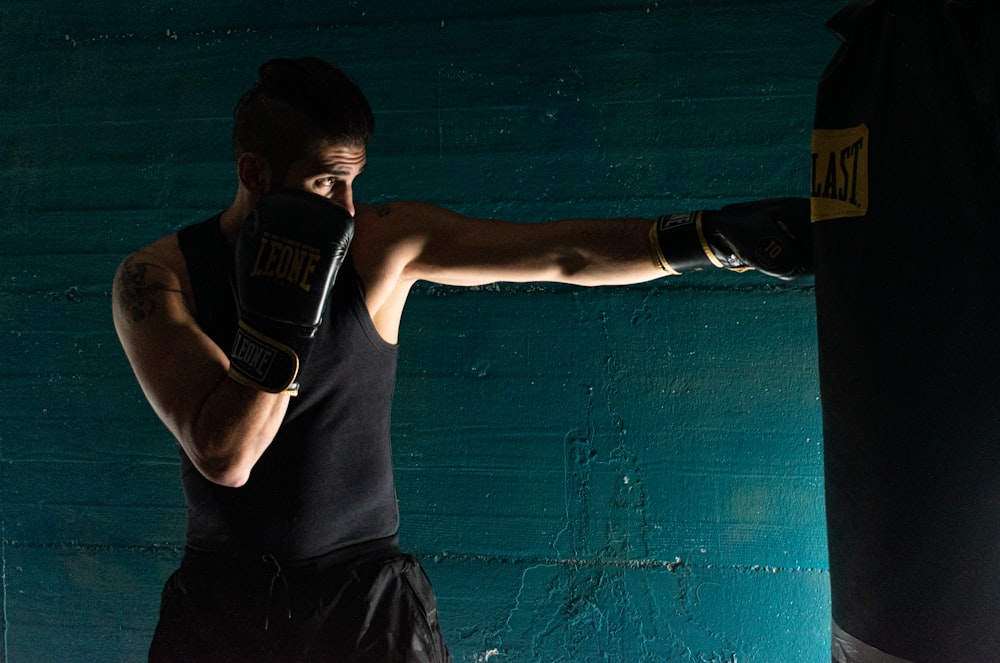
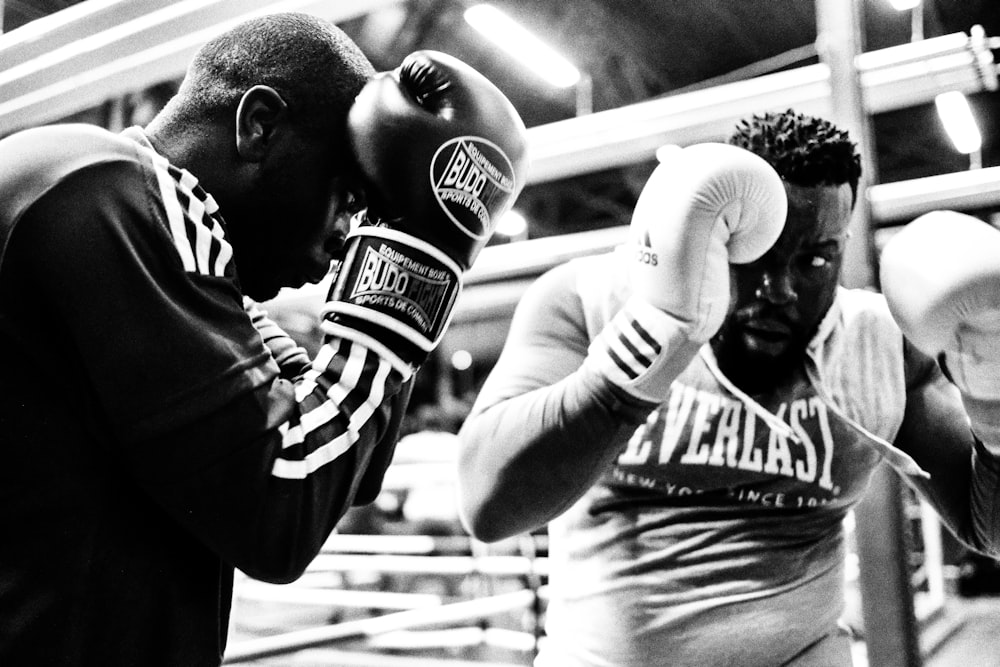
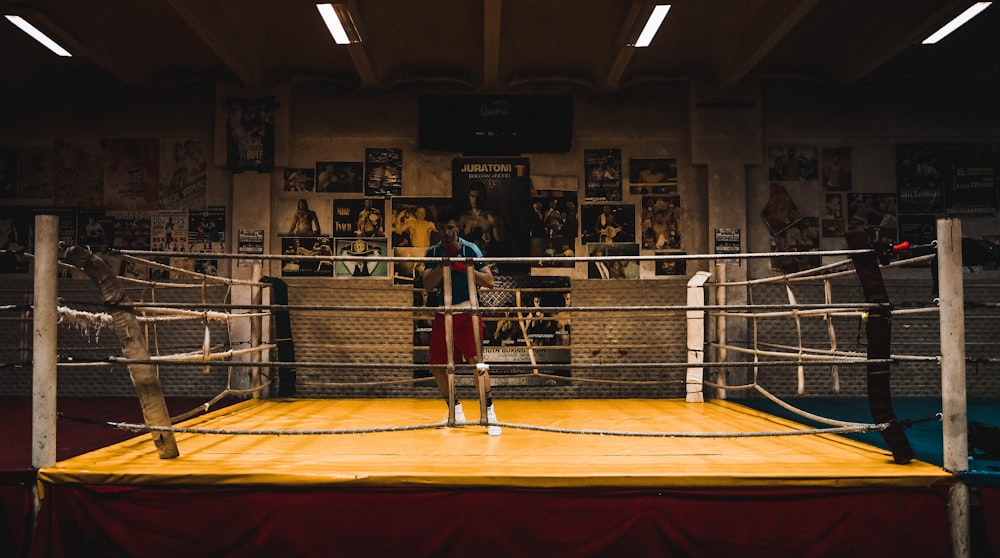
Boxing requires excellent footwork. Having superb footwork puts you in a position to hit your opponent hard and keeps you out of harm’s way when they attack. When you move around the ring with good footwork, it makes it more challenging for opponents to knock you down. You can easily improve your footwork.

When you find yourself in risky situations, like being pushed against the cage, your footwork may even be your most useful defensive tool. You can exit the danger zone with a few well-planned steps.

Shadow boxing: improve footwork

Image via Unsplash.com

Without a training partner, shadow boxing is a fantastic technique to practice footwork. The ring allows you to move around, practice your punches, develop your defensive techniques, and concentrate on your footwork. Try to perform three rounds of shadow boxing lasting three minutes each, with one minute between each round.

Lateral shuffle

The lateral shuffle is a great workout for strengthening your footwork. To begin this workout, start by standing with your feet together. Next, step your right foot out to the side, followed by your left foot. Make sure your feet stay in step as you continue to move from side to side. Then pause for 30 seconds after doing this for 30 seconds. Five times in total, repeat this technique.

Forward-backward shuffle: improve footwork

Image via Unsplash.com

In contrast to the lateral shuffle, you will be moving forward and backward throughout this exercise. Standing with your feet together, take a little step forward with your right foot. Follow it with your left foot and take a small step back with your right foot. Keep moving forward and backward while keeping your feet in a straight line. Then pause for 60 seconds after doing this for 60 seconds. Aim for five or more reps.

Side jumping rope

Although you will be jumping rope instead of jogging in this exercise, it is comparable to the forward-backward shuttle run. Begin by stepping your feet together to form a standing position, then jump to the side with your right foot. After doing so with your left foot, jump to the side with your right foot once more. Continue your side-to-side jumping while keeping your feet planted. After 30 seconds of doing this, pause for 30 seconds. Do five repetitions or so.

Single leg hops: improve footwork

Excellent for enhancing balance and coordination is this exercise. Standing up straight on your left leg, step forward with your right leg. As soon as your right foot touches the ground, take a step back with your right leg. Continue to hop backwards and forwards, being sure to land on the same foot each time. After 60 seconds, switch legs and repeat. When you practice this drill, try to get at least five sets.

Carioca exercise

Image via Unsplash.com

The carioca exercise is excellent for enhancing your ability to move laterally. Step out to the side with your right foot as you begin by standing with your feet together. Step to the side with your right foot once more, then follow it with your left. Continue your side-to-side movement while making sure your feet remain joined. Follow this for 60 seconds, then pause for 30 seconds. Five times, please.

Cone drills: improve footwork

Cone exercises are excellent for enhancing agility. Cones should be placed in a straight line; begin at the first cone. Place your hand on the second cone after running over to it. Run over to the third cone and touch it with your hand. Run while touching each cone until you reach the end of the queue. Reverse the drill’s direction after that. After two minutes of this, pause for one minute. Plan on performing three rounds.

Jump squats

Image via Unsplash.com

To increase your explosiveness, try doing some jump squats. You become better at closing gaps and fending off threats as a result. Place yourself in a standing stance with your feet shoulder-width apart, then crouch down until your thighs are parallel to the ground. Jump as high as you can from that point. Squat down again and spring up right away after a soft landing. Then pause for 30 seconds while continuing this for another 30. Get this five times, if you can.

Rope skipping

Skipping rope is an excellent way to improve your footwork. Your rhythm and coordination get better, and your legs get used to moving quickly. You can perform this exercise for two minutes at a time, then relax for one minute.. Five times should be done.

Skipping also increases your stamina, enabling you to continue about the ring for extended periods of time without becoming fatigued.

L-steps: improve footwork

Image via Unsplash.com

We need a distinct movement to move out to the back foot side. Here, we defy the advice to tighten your stance, but we must bring the front foot in first to dodge the oncoming opponent. Take another step out with the back foot after returning to a position where our feet are close together.

By doing this, we have formed the long side of the letter L before moving on to the short side. This enables you to quickly change directions, offer ground to an opponent who is moving forward, but also to come offline and avoid the ropes or a corner. The rear straight is once more a successful counter-shot as a result.

Distributing weight on both feet

People mean this when they say to “always be on your toes.” From the balls of your feet, the tiny knobs just before your toes start, you may move far more quickly. In particular, your rear heel should never touch the ground.

Your front foot would be at a 45-degree angle if you drew a straight line in front of you. Nearly 90 degrees should be where your back foot is.

Always land and push off from your feet’s balls with each movement.

Never cross feet

Image via Unsplash.com

Your right and left feet should be separated by an imaginary line that shouldn’t be bent or crossed. Crossing your feet throws you off balance and makes it difficult for you to adjust course, which makes you a target for adversaries. To maintain stable footwork, keep this phantom line between your feet solid.

USEFUL LINKS:

Check out more on perfecting footwork 
Click here to know how to make money online 


Best Exercises for Improving Upper Back Strength in Sports

Best Exercises for Improving Upper Back Strength in Sports

Whether you’re more active or inactive, you use your back muscles practically constantly. In order to keep your back strong and free from injuries, it’s crucial to include exercises both of the upper back and lower back.

Consulting a doctor: best exercises

Image via Unsplash.com

Before starting a new workout or making any adjustments to an existing one, always with your doctor. If you are recuperating from an accident or have a history of back injuries, this is particularly crucial.

Always seek your doctor’s approval before beginning a back exercise regimen. Ask her when you can begin exercising, what kind of exercise you should do, how much resistance you should use, and if there are any additional limitations.

Correct form is crucial

One of the most frequent causes of injuries occurs when people exercise with poor form.  It’s crucial to constantly practice proper form because back injuries can be serious and disabling.

Think about having a conversation with a personal trainer, an exercise expert, or a gym employee. They’ll be able to instruct you on how to perform exercises, operate the equipment, and maintain proper form during your workout.

A mirror could be helpful when performing some of your workouts. As you make the transition, pay attention to yourself. Verify that you are using the proper format, and adjust it as needed.

Adding more to your workout: best exercises

Image via Unsplash.com

Fitness experts advise toning and strengthening various muscle groups outside your back, whether you’re attempting to avoid an injury or are just recuperating from one.

Your back muscles are supported or helped by multiple muscle groups in a range of tasks. Because your back muscles are smaller than those in other parts of your body (like your legs), joining two muscle groups together can help you become stronger.

Your core, pelvis, and hips should all receive special attention. Each of these muscle groups must be used in a variety of actions.

Stretching before workout: best exercises

In order to keep yourself healthy and strong, stretching is crucial, especially if you haven’t worked out in a while.

Warm muscles need to be stretched. After a brief warm-up, stretch before working out. Stretch not only your back but the complete body.

Perform a neutral 90/90 back stretch. Your back muscles will become more flexible as a result, making them more prepared for exercise. Additionally, the stretch will help your chest muscles relax and ease general muscular and ligament tension.

An additional option to think about is a thoracic stretch. Put a chair back in front of you to act as a stable support. Standing behind it, spread your feet shoulder-width apart, and slightly stoop your knees.

Perform Planks

Image via Unsplash.com

A single movement that engages several different muscle groups is the plank exercise. The plank exercises your shoulders, legs, and abs in addition to your back.  This combined position is excellent for your body.

Lay down on the floor face down to begin. As you raise yourself into the standard push-up position, place your body on your forearms rather than your hands. As you bend your elbows, be sure they are parallel to your shoulders.

Rotate your pelvis forward and towards your head to activate your core. As long as you can, maintain a stiff, straight line with your body.

If required, release the stance and repeat again.

Downward facing dog pose: best exercises

A fantastic yoga pose to help stretch and strengthen your entire back is this one.

On your hands and knees, start in this position with your fingers pointed outward.

Lift your knees off the ground and tuck your toes in. Your buttocks should be pointed upward as you lift your pelvis. An upside-down V should be visible on your torso.

While extending your legs, keep a tiny bend in them.

Firmly push with your heels and hands while lifting your pelvis off the ground.

To keep your body in place, keep your core, arms, and legs tight. In front of you, let your head hang between your arms.

The Superman pose: best exercises

Image via Unsplash.com

This simple strengthening exercise can help you tone your entire backside, including your back.

On a yoga mat, lie on your stomach. Your arms should now be straight out in front of you once you have extended them.

Straighten your legs up in the air, pointing your toes away from your torso. Lift your head, arm, and shoulders off the floor at the same time. Your body should have the appearance of flying or forming a small U.

As long as you can, maintain this posture; then, when you can, relax.

Doing push-ups

Maintaining as much straightness in your spine will help this exercise engage your back muscles. Additionally, it helps to develop arm and chest strength.

Lay flat on the ground. Standing on your hands and toes, straighten your body out. Be sure to hold your hands shoulder width apart with your wrists tucked behind your shoulders.

By bending your elbows away from your torso, you may lower your body while keeping it straight.

Reduce your body slowly until your chest is just an inch or two off the floor. Repeat as necessary, pushing yourself back up to the starting position.

Dog and cat exercises

The flexion and extension of the spine are improved by this low-intensity workout. To get the most benefit from this exercise, try to perform the movements as fluidly as you can.

Get on your hands and knees and squat down. To make this workout on your hands and knees more comfortable, use an exercise mat.

Flex your spine so that it is curled upward and upwards. Push upwards through your lower back. Your head should be down towards the ground. Hold for a short while.

Release the position gradually, pushing your lower back towards the floor until it is concave. Your face should be raised up and towards the ceiling. Hold on to this position for a short while.

Bent over reverse flys

Image via Unsplash.com

Reverse flys bolster your upper back and shoulders. Additionally, this exercise can aid in maintaining appropriate posture.

Place your feet shoulder-width apart while standing upright. Knees should be slightly bent. Don’t let the back arch; instead, keep the spine neutral and your core active.

In each hand, hold a tiny dumbbell. Lift your arms so they are parallel to the ground and out to the sides. Bend your torso forward until your body is almost at a 90-degree angle while contracting your core.

USEFUL LINKS:

Know more exercises here 
How to stay and fit and healthy 


Master the Art of Scoring in Field Hockey

Master the Art of Scoring in Field Hockey

Throwing a big hockey stick at a small, hard ball is the most pleasurable thing ever. In hockey, you can dribble, flick, roll and other things with the ball. You need some basic equipment, such as a stick and a mouthguard, to start playing. So that you may start playing, learn the game’s fundamental strategies and rules to master the game.

Safety equipment is important: master the hockey

Image via unsplash.com

These are the fundamental safety equipment requirements for hockey players. The shin guards provide a little bit more ankle protection than football shin guards but are otherwise similar. You can make them comfier by putting on socks underneath. Although mouthguards are the most crucial piece of oral protection, they always have a tendency to feel uncomfortable. You are protected against flying objects and long sticks by wearing goggles. They shield your face’s front and sides.

Online and most sporting goods retailers both sell equipment. As you learn the game, shin pads for football can be a smart place to start.

Along with a caged helmet, goalies also need some lightweight arm and leg padding.

Wearing hockey cleats: master the hockey

Field hockey games are played on grass or turf, just like in other outdoor sports like soccer and football. To prevent slippage while running, hockey shoes include tiny, rubber studs on the bottom. Pick a pair of shoes that fit comfortably without being constrictive.

Use your soccer cleats to begin if you have them. The longer studs nevertheless offer a lot of traction on the field. Special hockey studs are then an option after you get more into the sport.

Holding the hockey properly

Image via unsplash.com

The flat end of the stick should now be facing away from you. Put your left hand over the top of the stick and point your thumb downward towards the bottom, curled end. Place your right hand around the bottom of the grip, which is the portion of the stick made of black, white, or leather that extends halfway down.

For dribbling and ball control, use this simple grip.

Your thumb should be roughly in line with the stick’s curve. Grip the handle with your fingers curled around it, but be ready to adjust them sometimes as you play.

No such thing as a “lefty” stick exists. Although you can change how you hold your hands, most left-handed players hold their sticks in the same way.

Crouching with your back straight: master the hockey

The standard position for hockey players is crouching. Pushing your stick out in front of you while bending your body at the waist. Keep the stick’s curled end firmly planted on the ground and its flat end pointed outward. To be able to view the field in front of you, keep your chest raised.

Do not forward lean. To avoid back pain, bend at the waist and keep your knees slightly bent.

On the pitch, you spend the majority of your time stooping. Only when rushing after a ball or standing still do you stand up straight.

Pointing towards ball

Image via unsplash.com

Set your left foot in line with the ball as you make your aim. To provide support, put your right foot behind you. Maintain a stick’s distance between the ball and your body.

At all times, make an effort to maintain the same relationship between the ball and your body. It will be challenging to control the ball if you allow it to go too near to or too far from your body. Instead of bending your back, move in its direction if it runs away from you.

Trapping the moving ball: master the hockey

Face the ball and touch the ground with your stick. Use the rounded edge of the stick to stop the ball by placing it on the ground. You might need to take a small step backwards to slow the ball down before halting it. To stop the ball, lean the stick forward.

The ball may roll over the stick and past you if you don’t lean it forward just a little bit. You can better control the ball if you trap it, which will improve the accuracy of your passes and shots.

When receiving the ball, be gentle. Assume it is an egg. If you bump it too hard, the ball will roll away and be grabbed by the opposing team rather than breaking.

Perfecting Indian dribble

Image via unsplash.com

The ball should be in front of you, and your stick should be near to it. Flick the ball to your right while it is on your left. With your left hand, turn the stick such that the flat side is now to the right of the ball. As long as you can, flick the ball to your left and keep doing so.

This kind of dribbling is great for maintaining possession of the ball while you move.

Always use the flat side of the stick to tap the ball. Even seasoned players may struggle to grasp this approach.

First, try dribbling stationarily. Once you have mastered it, stroll up the field while dribbling.

Hook pass: master the hockey

Similar to how you stop a ball, place your stick parallel to the ground. The ball should be wrapped around the stick’s hooked end. Swing the stick forward in a single, fluid action, shifting your weight from your rear foot to your front foot.

To stay balanced and generate force, use your legs. Try not to bend forward more than is necessary to catch the ball.

You can access balls that are out of your reach by using the hook pass. Keep practicing even though it probably won’t feel as accurate at first as sweep passes!

Performing slap shot

Image via unsplash.com

Keep your left hand wrapped around the top of the stick as you stand with the ball in front of you. While raising your right hand, hold onto your stick firmly. To begin your swing, bring your stick back behind you. Put your weight on your front foot as you extend your stick.

This type of club swing is comparable to driving a ball far in cricket or golf. Instead of attempting to hit the ball with force, push the ball on the ground for more precision.

Keep in mind that you can only shoot the ball from inside the scoring circle by striking it with the flat section of your stick.

USEFUL LINKS:

Learn more tips and rules here 
Mountain biking safety guide for beginners 

Ultimate Guide to Building Endurance for Long-Distance Runners

Ultimate Guide to Building Endurance for Long-Distance Runners

Whether you’re a novice or a seasoned runner, you definitely want to increase your stamina and speed when jogging. There are numerous strategies to get better, but some of the most ultimate ones are strength training, interval training, and stretching. You may speed up your best running time in a short amount of time with perseverance and effort!

Squats with dumbbells: ultimate guide

Image via Unsplash.com

Select a set of light dumbbells. Point your toes forward and space your feet about shoulder width apart. Dumbbells in your arms should be pressed up against your side. Keeping your knees under your toes and extending your backward, stoop down to a low position. Repeat this practice multiple times.

Planks are effective

Lay flat on the ground or a yoga mat. Put your hands shoulder-width apart, directly beneath your shoulders. Create a straight line with your body by straightening your neck and back. Before taking a break, hold this position for a minute.

Keep your back upright and avoid letting your hips sag towards the mat to prevent back injuries.

Do set of pushups: ultimate guide

Image via Unsplash.com

Lay down on the ground or a yoga mat. Palms facing down, place your hands on the floor just beneath your armpits. Using only your arms, raise yourself into a plank posture from the floor. When your arms are fully extended, squat down once more until your chest is barely off the surface. Arms extended, return to the plank position.

To prevent injuries, make sure your back remains straight.

If performing regular pushups is too difficult, think about modifying your technique. Put your knees on the ground, tuck your feet behind you, and place your feet behind you.

Warm up your body before workout

Try five minutes of slow jogging or walking to warm up. In order to prepare for the interval exercise, this should assist stretch out your legs and rouse your muscles. Your body learns to use oxygen more effectively during interval training, which increases both your running speed and total endurance.

Run at normal pace for fifteen minutes: ultimate guide

Run at a somewhat challenging pace that also raises your heart rate.  Try to run at 70 to 80 percent of your fastest pace.

Don’t exert too much effort.  The goal of this exercise is not to exhaust you. Instead, your goal should be to increase heart rate so that your body can begin absorbing oxygen more effectively.

Interval training: ultimate guide

Image via Unsplash.com

This is the portion of the workout that increases muscle mass and improves endurance. Run at your fastest pace for one minute, working hard to increase your heart rate and fatigue your muscles. After that, go for a two-minute walk to allow your muscles to relax.

For the duration of the minute-long run, exert the most effort you can. If your muscles aren’t completely exhausted, interval training won’t be effective. This is referred to as “entering the anaerobic zone” or working out until you are visibly struggling for breath.

Repeat the process

A twelve-minute workout should result from this. Although it doesn’t seem like much time, at the conclusion of the twelve minutes, you ought to be completely worn out. If not, your effort level during the minutes of running was insufficient.

It’s crucial to repeat exercises because it forces your body to absorb oxygen more effectively. This increases the greatest amount of oxygen your blood can contain over time. You can run harder and faster the more oxygen you have in your system!

Cooling your body: ultimate guide

Image via Unsplash.com

Continue to walk for another five minutes at a brisk enough pace to exercise your muscles but a slow enough pace to reduce your pulse rate. You ought to be shockingly weary at this point after such a brief workout. If not, you should intensify the interval workout while increasing your heart rate.

Pushing your limits

At least once a week, try to undertake interval training. You risk hurting yourself if you perform this exercise more than twice in a ten-day period.  Make the practice more difficult for yourself by cutting the cooldown time from two to one minute after a few weeks of interval training.

Whenever you run for exercise, increase your weekly running time by five minutes. This will progressively increase your training and aid in your improvement. Start by weekly adding one minute to your usual routine if five minutes is too much.

Measuring your improvement

To have concrete evidence of your progress, timing yourself when you complete your normal running workout and note your times in a journal. Running as quickly as you can for as long as you can while keeping track of the distance and time is another effective approach to gauge progress. You’ll be able to run faster for longer stretches of time after a few weeks of interval training.

Take a break from your regular routine once every few weeks and run the entire 5k if you’re training for a race like a 5k. To keep track of your run times, keep a journal. After a few weeks of interval training, you’ll start to see a significant improvement.

There are several helpful phone apps that may be used to track your time and mileage. If you don’t want to use your phone while running, think about investing in a stopwatch to pace yourself and running on a track to calculate your distance precisely.

Stretching before and after running

Image via Unsplash.com

Before starting an exercise program, it’s crucial to loosen up your muscles. This can help you avoid injuries and lessen your chance of getting cramps when running.

Perform some walking lunges. With your right leg, take a big stride forward, extending your left leg far behind you. You should descend such that your right thigh is parallel to the ground. Make sure your right knee is above your right ankle and your left knee is not touching the floor. Ten lunges each leg, repeat for the left leg.

You should stretch even though you will be weary from jogging to prevent muscular cramps.

Perform a few standing quads. Put your legs together and stand tall. While maintaining your thighs firmly pulled together, bring your left foot around to your left hand. Don’t extend your leg too far when pressing your foot with your hand.

USEFUL LINKS:

See things you should take while learning swimming 
Check out more tips on endurance building 


Beaches in South America You Must Visit Once 

Beaches in South America You Must Visit Once

The best beaches in South America provide a variety of experiences, including isolated sandy coves, crowded city shorelines, and unique beaches with free-ranging iguanas. Almost any activity you can imagine is available, from exhilarating adventures to peaceful retreats in your own private area, all set against the breathtaking scenery of mountains, jungles, and cliffs.

South American beaches are fantastic places to observe iguanas, penguins, dolphins, and whales in addition to dolphins and whales, making them the best-kept secret for sunbathers. It is far less expensive when compared to other tropical regions.

 Taipus de Fora: best beaches to visit

Image via Unsplash.com

The area has undergone significant development as a result of the increase in tourists, making Taipus de Fora less enigmatic than it once was. Despite the area’s current abundance of hotels, shops, and restaurants, the area’s major draw remains the shoreline’s unmatched natural beauty.

Taipus de Fora has more than seven kilometres of soft, white beaches, rows of tall coconut trees, and waters that are consistently blue. Divers and snorkelers can explore the area at high tide when there is an abundance of marine life. The shoreline is exposed at low tide and is dotted with numerous natural ponds that span coral reefs.

Colombia’s Tayrona National Park

Because they are untamed, untouched, and breathtakingly gorgeous, the beaches in Colombia’s Tayrona National Park (as well as the beaches nearby) have a lot to be proud of. One of Colombia’s most beautiful and varied landscapes is Tayrona National Park, which is close to Santa Marta on the Caribbean.

Tayrona was made the second-most visited park in Colombia after being declared as a protected area in the 1960s. The entire beachfront of the park is spectacular. The untamed foliage and swaying palm palms that surround Tayrona’s beaches give them a retro vibe. Cabo San Juan is one of the busiest beaches in the park and is well known for its twin beaches, which resemble mirror images of one another.

The Fernando de Noronha: best beaches to visit

Image via Unsplash.com

An hour’s sail from Brazil’s coast, the Fernando de Noronha island offers a beach experience unmatched anywhere else in the nation. Fernando de Noronha is made up of 21 islands and islets that were produced by submerged volcanic ranges.

There is a wide variety of marine species in this tropical area, such as sea turtles, spotted dolphins, albatrosses, and humpback whales. It’s a fantastic vacation option for those who enjoy entirely empty beaches as well. One of the islands’ most beautiful beaches is the secluded cove known as Praia do Sancho.

To reach this location, one must first cross a wooden boardwalk, then proceed down precarious ladders and through tight rock passageways.

Playa Almejal: best beaches to visit

Playa Almejal is a stunning two-kilometer-long beach. It has black sands and dense flora on either side, hidden away in a remote region of Colombia. The 20-minute walk from the beach to the Afro-Colombian area of El Valle passes via eco-lodges, hotels, and top-notch eateries.

The Playa Almejal turtle protection program is situated in a serene environment with warm water for swimming and surfing. The black, abrasive sands aren’t great for tanning. They’re great for taking a leisurely stroll and listening to the waves lap on your feet and passing driftwood.

Punta del Este, Uruguay

Image via Unsplash.com

One of Uruguay’s most well-known beaches becomes a hotspot for celebrities as soon as summertime starts. The two main beaches in this cosmopolitan city, Playa Mansa (Tame Beach) and Playa Brava. Even the sand differs between beaches. Playa Mansa has softer, whiter sand while Playa Brava has more abrasive, golden sand. The two beaches are separated by a sizable sculpture of a hand with fingers half submerged in the sand.

In addition to being a well-liked destination for water sports and tanning, Punta del Este has a lot to offer off the sand, including a long road lined with stylish shops, various bakeries, and cafés.

Cabo Polonio, Uruguay: best beaches to visit

For a truly remote beach experience, nothing beats Cabo Polonio. The ultimate beach spot in Uruguay is Cabo Polonio, which is tough to get there.  Small shacks are all that are present, strewn across the sand dunes, and there is no electricity in the area.

A few basic shack restaurants and posadas (inns) offer the nice basics. You can dine by candlelight and fall asleep here while listening to the waves.

Visit the neighbourhood sea lions or go swimming for some enjoyment. Or just lie down in the sunshine for absolute serenity.

Playa Roja, Peru

Playa Roja (Red Beach), which is located in the centre of the Paracas National Reserve, is appropriately named due to its rust-colored sands. Due to their setting between the sea and the yellow cliffs, the red sands are breathtaking. The tropical desert that makes up the majority of the reserve, along with strong winds, creates stunning contrasts with the frothy blue waters.

Playa Roja was created to preserve the nature and is distant and undeveloped. This area is characterised by a lack of infrastructure, food vendors, and traffic. The South American fur seal, marine otters, and pelicans all make their homes on the red sands, so if you decide to stroll to the beach, be prepared to share it with them.

Ovahe Beach, Easter Island, Chile: best beaches to visit

Image via Unsplash.com

With its reddish cliffs, turquoise water, and almost pink beach, this place practically has an otherworldly appearance. The result of the mixing of volcanic rocks and deteriorated coral is Ovehe Beach, which is tucked away in a little cove and usually ignored by tourists. The beach as a result has mostly remained unmodified and unspoiled.

USEFUL LINKS:

Click here to discover more 
It is never late to add more vacation to your Wishlist, click here to know more 
Best Vacation Spots During Rainy Season You Must Visit 
Check out places you should visit before you die, click here to know


Saving Money On Your Electricity and Water Bills

Saving Money On Your Electricity and Water Bills

Your budget can be significantly impacted by reducing your utility costs. One of your major monthly expenses is probably your utility bills.  Saving money is possible both the short- and long-term by doing a variety of actions.

It’s crucial to adjust your energy settings, minimize energy waste, and upgrade your equipment if you want to save the maximum money on your electricity costs. Even while many of these strategies may appear very insignificant, they can substantially enhance savings over time.

Adjusting thermostat for saving on bills

Image via Unsplash.com

About half of your home’s utility bills may be related to heating and cooling. In the summer, keep the thermostat set higher; in the winter, lower.

A programmable thermostat is another option for saving money. To prevent heating or cooling an empty space when no one is home, you can adjust your thermostat closer to the outside temperature.

Consider keeping your thermostat set between 55 and 64°F (12.7 and 17.8°C) during the winter. In the summer, a temperature range of 72–74°F (22.2–23.3°C) is probably ideal. In order to prevent frozen pipes in the winter and peeling paint or wallpaper in the summer, make sure the temperature is not set too high or too low.

Plumbing fixtures with low water flow

Your water bill may increase due to water waste from plumbing. To reduce the quantity of water you use, consider switching to a shower head with less water flow and a low-flow toilet.

1.5 liters of water are released per minute by low flow shower heads. Regular shower heads, on the other hand, can release up to 4.5 gallons of water per minute.

Low-flow shower heads use less water, but you should still have enough water pressure to keep yourself clean. If the pressure is insufficient, take into account purchasing a low flow handheld nozzle.

Federal guidelines currently state that toilets can use no more than 1.6 gallons per flush as opposed to the 3 to 6 gallons that older toilets used to.

Drying clothes without electricity for saving on bills

Image via Unsplash.com

The heating of the water used to wash your clothes consumes 90% of the energy used by your washing machine. Instead of using hot water to wash your clothes, try using cold water to do so.  In addition, think about hanging your laundry to dry rather than using the dryer. Let the sun do the drying by erecting a clothesline outside.

Avoid doing little loads of laundry, just like with dishes. While it’s important to avoid overloading the washer, always use a full load.

Appliance use while cooking

Consider whether you really need your oven before using it to cook. In some circumstances, cooking in a microwave or toaster oven may be more energy-efficient than doing it in an oven.

Almost anything can be cooked in a toaster oven. Use the toaster oven to bake or cook small items instead to conserve energy.

In the microwave, food can be baked more quickly, such as potatoes. Instead of overusing the oven, you can also reheat food in the microwave.

Luxurious utilities will not help in saving

Image via Unsplash.com

If you truly want to save money, cutting the cord on cable TV and landlines can be a wise choice. Although you might easy avoid paying these payments, they will eventually accumulate.

If you cease using cable TV, a digital antenna can be bought for relatively little money. With the help of digital antennas, local channels can be easily received. If you want new channels, think about using digital media to complement your broadcast channels.

If you have a cell phone, you might not need a house phone. Get rid of your home phone if you don’t use it much and make your mobile device your main phone.

Insulating your home for saving on bills

A lot of energy is lost due to leaks in the house. Even if you rent, there are several easy ways to block heating or cooling from leaving your property.

Utilise weatherstripping on your doors and windows. This will prevent any heating or cooling from escaping to the outside.

Additionally, outlets and light switches can be insulated. It might be especially sage to insulate them if they are on an exterior wall.

If you own your home, make sure the walls and ceiling have enough insulation. If your attic is unfinished, for instance, put insulation between and over the floor joists. You might also wish to insulate the rafters and access entrance.

Unplug what’s not in use

Image via Unsplash.com

Power strips can use a lot of electricity even when nothing is plugged in or running. If you aren’t utilising a power strip, unplug it or turn it off.

Power strips can also be turned off while not in use. However, they can still use some energy just by being plugged in.

You could also be able to save money using a smart power strip. Smart power strips cut off electricity to inactive devices and only charge the gadgets that are currently in use.

Turn off lights before leaving room for saving electricity

It’s best to just leave the lights on when someone is in the room even though they don’t use much electricity. Before you leave for the day, make sure all of the lights in your house are turned off.

Before you leave a room, make sure all the lights are off. It is useless to light a space that will remain dark for an extended period of time.

Putting the lights on a timer would also be a smart idea. You might want to turn on some lights in the evening if you plan to return home at night. Installing exterior lights that only turn on when someone approaches can also be a possibility.

Check energy waste

Image via Unsplash.com

You may dramatically lower your power bill by being conscious of energy waste. Energy-saving techniques used in construction can reduce your electricity expenditures.

Try using an energy monitoring system to pinpoint and keep track of the precise energy-consuming activities taking place in your home. You might also be given information by some systems about the times of day when consumption is at its peak.

USEFUL LINKS:

Continue reading more on saving on your bills 
Cleaning out your clutter with simple tips 

Personality Traits That Indicate High Intelligence

Personality Traits That Indicate High Intelligence

Socioeconomic class, color, and gender are not factors in determining intelligence.  The greatest minds in history have emerged from a variety of backgrounds. However, research has revealed that bright personality do have some things in common.

If you’ve always believed that you are more intelligent than the typical bear, keep reading for some peculiar and startling indicators of intellect that you might just be able to relate to.

Staying up all night to work: intelligent personality

Image via Unsplash.com

Do you sleep through the night or do you get up and follow the sun? According to several research, smarter kids end up becoming nocturnal adults.

This notion is supported by a fascinating piece of science. The internal clock that determines sleep/wake cycles, the circadian rhythm, controls almost every living thing. But because humans may change their own internal clock, some people stay up late and some people get up early.

Humans used to go to sleep as soon as the sun went down and wake up with the light until very recently. According to the argument, more intellectual people evolved the ability to control their sleep cycles, which helped them adapt to modern life more successfully.

The oldest sibling

Are you the oldest of your family’s children? If so, you might also be the most intelligent person. Because they receive more mental stimulation throughout crucial developmental times, older siblings may be smarter than younger ones. Therefore, if you’re the oldest, you can discover that you possess more traits associated with high IQ than your younger siblings.

But don’t give up if you weren’t fortunate enough to be the first child born in your family. Additionally, studies reveal that while younger siblings are more likely to succeed in life, older siblings may be smarter. After all, success is not always the result of intelligence.

Love for cats: intelligent personality

Image via Unsplash.com

While studies suggests that cat lovers may be smarter than dog lovers, dogs may be the most devoted companions of man. A study by Carroll University examined the personality qualities of self-described dog and cat lovers, including intellect. Researchers discovered that although cat lovers outperformed dog lovers on intellect tests, dog lovers have more developed social abilities.

The fact that you have a cat, though definitely not the only factor in your heightened intelligence, is a sign of your fundamental character. Owners of dogs are frequently outgoing and lonely. The more introverted nature of cat owners, on the other hand, provides them more time to devote to reading, reflecting, and learning new things.

Messy and disorganized: intelligent personality

Mom always encouraged you to clean your room, but it can be an indication of intellect if it looks like a Category 4 cyclone just passed through.

A University of Minnesota study found that clutter encourages original thought. Participants in the study who were given a clean environment made conventionally “good” decisions, such as selecting an apple over chocolate. However, the messy-room participants overwhelmingly came up with inventive and original applications for ping pong balls when asked to do so.

According to the study, those who are organized make safer decisions, but persons who are notoriously disorganized (such as Albert Einstein) are more likely to produce innovative ideas.

Breastfeeding impact later during life

Image via Unsplash.com

The original superfood is breast milk. It has every essential vitamin that newborns require to survive during the first few months of life. However, artificial milk is an excellent substitute for breast milk because it also has lots of nutrients. What then makes breastfed infants smarter?

The effect “is probably due to long-chain fatty acids found in breast milk,” says Betty Vohr, a professor at Brown University. Infants benefit from long-chain fatty acids like DHA in the formation of association and memory, which may raise their IQ. These infants frequently develop into youngsters who are smarter than typical kids and adults.

There is no reason to fear if you bottle feed. Just be certain that your formula has DHA, and your child will likely be at the top of their class.

One-sided conversation

Sherlock Holmes, played by Benedict Cumberbatch, frequently converses with himself while solving crimes. The clever (but fictional) investigator Sherlock might be right.

According to studies, talking to oneself may indicate a high level of intelligence. Speaking through a problem might help you keep your ideas and actions organized. Talking to yourself can also improve focus and speed up the completion of particular tasks. So tell the librarian you’re only trying to sharpen your intellect the next time you are shushed in the library for muttering to yourself.

Curiosity: intelligent personality

Image via Unsplash.com

The ability to manage complexity intellectually is determined by three factors. The most essential measure of intelligence is intelligence quotient (IQ), which is difficult to significantly increase as you get older.

However, the two additional indicators—emotional quotient (EQ) and curiosity quotient (CQ)—can be developed through time and may contribute significantly more to the potential to enhance cognitive function. Concentrating on enhancing these two qualities is a fantastic place to start if you’re looking to figure out how to become smarter.

Particularly, people with a higher CQ are more open to the unknown, preferring to elicit information and develop their own theories. Higher CQ cultivators frequently invest more intellectually in themselves.

Good sense of humor

The idea that a sense of humor signifies above-average intelligence may not sit well with you if you’ve ever seen the classic comedy Dumb and Dumber. But humor is an excellent indicator of intelligence to seek for.

In one study, students were tasked with creating captions for cartoons from the New Yorker. Students who scored higher on IQ exams tended to write the captions that they deemed the funniest.

However, people with high IQ traits don’t find just any humor amusing. Reader’s Digest asserts that those who enjoy dark humor are cleverer. One explanation for this is that a dark or difficult joke requires more mental processing power than a simple knock-knock joke.

USEFUL LINKS:

Learn  more traits of intelligent people 
Books to assist in your quest of intelligence 


Keep Your Brain Healthy With These Tips 

Keep Your Brain Healthy With These Tips

Your brain needs exercise to stay in excellent shape, just like your muscles do. The greatest ways to keep your brain  healthy is to include eating a balanced diet, exercising regularly, and getting enough sleep.

In addition, there are a few methods for boosting your mental capacity. Learning something new, exercising your memory, and reading are all excellent methods to push your brain to the maximum, even though results on enhancing real cognitive performance (using metrics like IQ and particular brain exams) are inconsistent.

Keep your brain active

Image via Unsplash.com

When you practice anything new, your brain creates new neural connections. These recently established neural connections are strengthened by repeatedly performing the same action. Your brain functions better the more you use it.

Practice your new instrument every day if you’re learning it. Regularly practice communicating with others in order to learn a new language.

To train your brain and create habits, begin with tiny actions and repeat them often.

Meditation to keep brain healthy

According to studies, doing mindfulness meditation for at least 25 minutes each day can enhance cognitive function and promote brain function.

Put yourself in a relaxed position, take a few deep breaths, and pay attention to your breathing to practice mindfulness meditation. When you become aware that your thoughts have strayed, bring them back to your breathing.

Memory based activities

Image via Unsplash.com

It is simple to avoid using our memory when there is so much information available with just a fast search. Though storing information in our brains is no longer as necessary as it previously was, practicing memory can still benefit brain health. One of the finest techniques to activate your memory is repetition.

To train your memory, memorize a handful of the phone numbers of your closest friends.

Have a different perspective to keep your brain healthy

Thinking about the bizarre driver who cut you off this morning might suffice. It’s simple to assume that they are simply driving carelessly, but it’s also possible that they were unaware of your presence because you were in their blind area. By doing this, you’ll teach your brain to approach problems in novel and imaginative ways.

This can assist you in exploring difficult concepts without becoming overly sentimental about them.

Avoid multitasking

By refraining from multitasking, you may educate your brain to concentrate on one subject at a time and produce superior work. So that you may devote that time completely to the activities at hand, divide jobs into smaller time blocks.

It is impossible to concentrate for long periods of time, so plan breaks to recharge.

An enriched diet will keep brain healthy

Image via Unsplash.com

Your brain benefits greatly from omega-3 fatty acids, vitamins, unsaturated fats, and fiber. Consume plenty of veggies (such as broccoli, kale, and spinach), nuts, berries, whole grains, and seafood (such as salmon and tuna). To stay hydrated, sip a lot of water.

Steer clear of anything that has added sugar, saturated fats, or trans fats (especially syrups).

Sleep is essential to keep brain healthy

According to several research, your brain purges toxins that have collected over the day while you sleep. Consolidating short-term memories into long-term memories is another benefit.  It is crucial to not skip sleep because sleep deprivation has also been connected to the emergence of neurodegenerative illness.

Sleep every night for at least eight hours.

Interacting with friends and family

Image via Unsplash.com

It lowers stress levels, boosts intellectual stimulation, fights depression, and might even slow memory loss.  A fulfilling marriage or long-lasting partnerships provide you meaning in life and guard against the neurodegenerative effects of ageing.

Make frequent contact with your family and friends. Join social clubs or volunteer to meet new individuals. Get a pet to look after so you can enjoy it.

Consulting doctor if needed

You may have mild cognitive impairment or be in the early stages of a more serious neurodegenerative disease (Alzheimer’s or dementia) if you notice that you regularly forget things or experience periods of disorientation. To get tested, go to your doctor.

Keep in mind that forgetfulness may simply be an indication of ageing. Sadly, your mental faculties will not be as keen at 75 as they were at 25.

Puzzle games to stimulate mind

Image via Unsplash.com

Anagrams, chess, card games, Sudoku, crossword puzzles, and Sudoku can all exercise the brain and perhaps enhance problem-solving skills. It’s crucial to choose a game or puzzle you enjoy playing. You must exercise your intellect every day, just like you must visit the gym every day.

Include a game or puzzle in your everyday routine. Perhaps solve a problem at your lunch break, after work, or in bed just before you go to sleep.

Improving cognitive function

Even while the scientific community isn’t completely convinced, you can still use these games as part of a brain training regimen. Choose a brain game app that sounds like a good fit for you among the many that are available. The most well-known ones include CogniFit and Lumosity.

Try to set aside some time each day to use these apps, just like with the puzzles.

Remember that some of these websites require subscriptions, so accessing them may cost you money.

Learn a new skill

Image via Unsplash.com

Learning a new skill can enhance brain functions, according to research. Learning new abilities aids the area of the brain that protects memories as well as memory function. Additionally, learning new abilities, especially the more difficult ones, engages the brain entirely rather than in bits and pieces.

Juggle. Juggling can enhance brain connections and white matter, according to research.

A fantastic approach to keep the mind active is through woodworking. Concentration and exact measurements are needed.

Reading is crucial

Reading a variety of content, including books, journals, and poetry, stimulates and challenges the brain. Learning new words is comparable to learning a new language, both of which have been found to increase brain activity and function across many brain regions.

Reading makes the brain more active and delays the onset of dementia and Alzheimer’s.

Most people find it challenging to concentrate on reading for only five uninterrupted minutes without interruption.

Find articles that are related to the current topics that interest you.

USEFUL LINKS:

Click here to know more tips 
How Exercise boost your mood

Travelling The World While You’re Still Young Enough to Enjoy It

Travelling The World While You’re Still Young Enough to Enjoy It

Travelling the world is a rewarding opportunity to learn more about other people’s cultures, discover new job opportunities, and get insightful educational experiences. But it can also be costly, and unwary travelers may quickly find themselves in financial trouble. Travelling the world requires preparation, thrift, and an independent mindset. You can have a pleasant experience travelling abroad by doing meticulous planning both before your trip and while you’re on the road.

Deciding your destination before travelling

Image via Unsplash.com

There are countless places in the vastness of the earth that you can travel to. Decide if you want to travel the entire world or if you want to stay in one place for the duration of your trip. Starting your foreign journey at a place you’ve been before and expanding from there can be beneficial.

For tourists from the West, some nations—particularly those in Asia—can be less expensive, even though they might not have all the conveniences we’ve come to expect.

Additionally, some areas include hostels and other lodging options that are better suited to serving tourists and travelers. (For instance, New Zealand is adequately prepared for tourists, whereas Japan is not.)

Prepare your schedule

You should at least have a general notion of where you’re going and how much time you’ll spend at each location before boarding a ship, train, or airplane. A global trip can easily take longer than expected, so try to create the most detailed agenda you can before you depart. Alternately, some people prefer to keep their travel plans unplanned and to only make travel arrangements for one week at a time.

How long do you hope to be gone? If you plan to spend a month or a year travelling the world, your itinerary will be very different.

Consider how your international journey will fit into your daily life at home in advance.

Know the countries you will be travelling

Image via Unsplash.com

When you travel the world, do your research on the histories and current affairs of each country you intend to visit. This will make you more aware of any regional customs you should adhere to as well as any conflicts or unsafe regions of the nation you should steer clear of.

Ask them about any disruptive political or cultural events that might affect your travel plans if you know anyone in the country you’ll be visiting, even if they are merely a friend of a friend.

Budget for travelling world

For many people, the cost of round-the-world travel is a significant barrier. You will also need to pay for meals and lodging, all of which quickly add up in price, in addition to the aircraft tickets and other travel expenses. Plan this out (as much as you can) in advance so that you can control your spending and won’t be dismayed by your expenses once your trip has come to an end. Make your plans well in advance, and consider how you’ll pay for your vacation. For instance, if you plan to pay for everything out of a savings account, you might have to put in extended work hours for several months to pay for your trip.

Cost-cutting techniques for travelling

Image via Unsplash.com

If you have the time and inclination, you might be able to travel for very little money by combining your trip plans with your job or by using certain lodging-saving strategies.

Work for a global educational organization. You can teach English abroad for a long time through programs like the EKIP Program, typically with the majority of your expenses covered.

When you travel, stay in hostels. Hostels are reasonably priced and typically secure places to stay for a few nights when travelling.

Modes of transportation

Most likely, you’ll be able to choose between travelling by ship, rail, or airplane. These all have multi-country ticketing options. Check the costs of round-the-world ticket packages for the nations you intend to visit in order to select the most affordable mode of transportation.

Although conserving money might be your primary objective, you should also take the speed and safety of the various travel options into account.

If necessary, get a visa for travelling

Image via Unsplash.com

While some nations merely need to see your passport, others will ask for a travel visa before letting you in. (For instance, Americans are not required to have a visa to enter the EU.) The document will include information on why you are visiting and how long you want to stay. Additionally, different nations have different types of visas, so you’ll need a new visa for each place you visit that requires one.

Visas vary in length from one to the next. Check before you leave on your journey. You must be aware of if your visa is valid for five, three, or only one year.

Your immune system

Even though this portion of the trip is not particularly exciting, you will get a lot from it. It is best to let your doctor know where you will be travelling and ask what vaccinations they advise because foreign locations may have different diseases than ones you could get at home.

Pay attention to any health advisories for travelers issued by the nations you will be visiting. Always research regional and governmental health advisories before visiting a new area.

You should bring any necessary prescription or OTC drugs since they can be hard to find abroad.

Don’t pack unnecessarily

Image via Unsplash.com

Only bring what you absolutely must have in your luggage. Multiple bags and heavy luggage can only make you more uncomfortable and add to the expense of your trip.

Bring sturdy, comfy shoes and layers of clothing to account for shifting weather conditions.

Keep your pricey electronics and expensive jewelry at home.

Stay healthy

Take care of your health before you depart and while travelling because becoming sick while exploring foreign countries will be time-consuming and boring. Keep in mind general health recommendations when you travel.

Sleep well, especially if you frequently switch time zones.

USEFUL LINKS:

Learn more about travelling here 
Check out how to live in a RV during your travel


Millionaire Before 30: Starting Early to Achieve Big 

Millionaire Before 30: Starting Early to Achieve Big

Many people want to be millionaires, but few of them are working hard enough to achieve that particular objective. Being a millionaire is a realistic prospect for many regular people in a world where becoming a billionaire is the new goal for the wealthy. This is mostly due to strong management, prudent decision-making, and the occasional taking of calculated risks.

Set clear goals to be a millionaire

Image via Unsplash.com

When it comes to undertakings as major as becoming a millionaire, thorough planning is a bare minimum requirement. Giving yourself specific, attainable goals that you can monitor is the first step in the process.

Maybe by the time you’re 30, you want to be a millionaire.

Maybe your initial objective is just to pay off your debt within two years.

Divide highly ambitious ambitions into smaller, more manageable ones. For instance, start with the objective of developing a business model during the first month if one of your goals is to have an expanding firm in a year.

Good education for a millionaire

Statistics indicate a connection between education and wealth, even if there are several cases of millionaires and billionaires who never finished college. The more chances that become available to you as a result of your education, the more likely it is that you will become a billionaire.

Health is important

Image via Unsplash.com

You need to be in good form to make money and wise judgements that add to your life’s financial resources. Exercise often, eat healthfully, and look after your body. Your health will provide you the strength and resources you need to stick with your commitment to become a millionaire.

Perseverance matters for a millionaire

Success demands the capacity to keep rising after setbacks. As you search for the most effective techniques to earn a million dollars or more, there will be plenty of failures. This isn’t about having a steady paycheck and following the boss’s instructions every day as a safety net. You must be ready to make judgements that don’t always work out if you want to become a billionaire, but if you don’t take risks, your potential for success won’t be realized either.

Stay confident

Now is the moment to raise it if it is low. Both a high sense of one’s own worth and a strong sense of self-assurance are necessary for success. Don’t let this stop you, though. The more you practice being confident, the faster it will become a natural part of who you are. You can fake it until you make it.

Read about other millionaires

Image via Unsplash.com

It never hurts to learn from successful people’s experience, but avoid getting sucked into the planning and preparation phase. Take action—it’s the most crucial step. Spend some time reading the counsel of other millionaires, though. The Millionaire Next Door by Thomas J. Stanley and Stop Acting Rich… and Start Living Like a Real Millionaire (2009) are two good selections.

 Finding a mentor for becoming a millionaire

Embrace millionaires who have already achieved success. They are available in many locations, and there is even a private online club where you can personally receive instruction from a millionaire mentor on how to generate money online in a variety of niches.
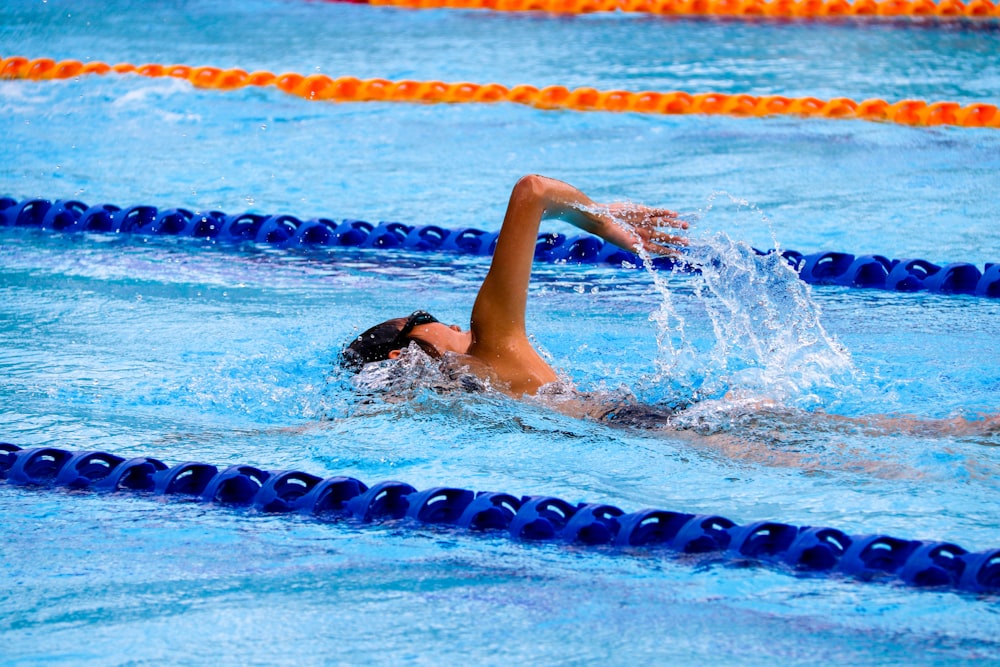
Check your expenses

To become a millionaire, you must have this. Either you have the money in savings or you are purchasing stuff with it. If your goal is to accumulate a million dollars, you cannot have both. The majority of millionaires (those with a net worth of $1 million to $10 million) lead highly conservative and cost-effective lifestyles without going overboard. Among them are:

Expend less than you can. Spending no more than one-third of your monthly income on rent is a decent guideline for your living circumstances.

Spend money wisely on apparel; avoid paying exorbitant rates. You’ll be good in a suit for under $400.

Savings play a crucial rule

Image via Unsplash.com

You’ll find it challenging to become a millionaire at any point in your lifetime if you’re used to maxing out your credit card and not saving anything. Start by opening a savings account that will only be used for saving money, and make regular deposits into it. This should be distinct from the regular bank account you use to withdraw funds for bill payments, and it should preferably offer a greater interest rate than the typical savings account choices offered by traditional brick-and-mortar banks.

Investing in stocks to be a millionaire

Buy shares of the firms whose goods and services you use or buy if you’re all in on particular stocks. You might want to think about starting an investment club with your friends as one of the finest ways to invest in specific stocks. Regardless of how you decide to purchase stocks, you should first acquire excellent financial counsel. Do your research on that financial advisor; start by looking into their reputation and track record of success.

Although blue chip investments may grow more slowly and offer less excitement than other companies, they are more reliable in the long run.

Research based business

People will always require certain things, and they demand high quality work. Garbage removal, energy production, the sale of goods to the health and death industries, etc. Additionally, it’s important to take customers’ confidence seriously. Choose a firm that offers what customers actually want, and be willing to put up the effort necessary to make your goods and services the greatest, the most cost-effective, or unique.

Monitor cash flow

Image via Unsplash.com

Obsession is a trait that can be useful in this particular situation. Every penny count, and if it isn’t going into your savings or your business, it is going into someone else’s wallet.

Don’t ignore your company’s viability. Always be aware of what isn’t functioning and make the necessary adjustments as soon as you can.

Don’t overlook the routine but crucial tasks associated with running a business, such as timekeeping, taxes, petty cash, and invoicing. Do them on a regular basis like clockwork, or hire someone who can handle them.

USEFUL LINKS:

Check out some more tips on becoming a millionaire 
Know some banking tips and tricks with our guide 


Your Favorite Sports Teams Listed

Your Favorite Sports Teams Listed

While many struggling sports teams yearn for a bigger fan base, better media coverage, and greater visibility, certain teams just naturally take the limelight, like on your favorite teams.

These clubs continue to shine in front of the hungry camera lens of the sports media, regardless of their legendary championship resume, enormous roster, or yearly controversy.

Philadelphia Flyers: know your team

Image via Unsplash.com

It is simple to understand why the Flyers have such a devoted fan base given that their all-time points percentage of.578 (at the end of the previous season) is second-best in the NHL (after the Montreal Canadiens’.590).

While Philadelphia sports supporters are renowned for their ferocious behavior at other athletic events, an NHL game is a completely different animal.

Any team is supposed to be motivated by an average of 19,697 crowded, anxious, and enthusiastic fans.

Portland Trailblazers

This slick franchise must be at least somewhat popular because from 1977 to 1995, 814 straight home games were sold out (the longest home game sellout run in American major professional sports).

Despite the fact that the Trail Blazers have only won one title and have dealt with the illegal scandal surrounding former players dubbed as the “Jail Blazers,” recent success has unquestionably given supporters hope for a bright future.

However, their decision to select Greg Oden with the first overall pick in the 2007 Draught is now looking terrible.

Ottawa Senators: know your team

Image via Unsplash.com

While the original Ottawa Senators were Stanley Cup champions on 11 occasions, the new team (established in 1990) has seen recent success that has attracted a sizable following.

The Senators, who were valued at $201 million as of 2011 by Forbes Magazine, have participated in the 2007 Stanley Cup Finals and won four division championships. They also won the Presidents’ Trophy in 2003.

Averaging more than 18,000 spectators every game since 2005, their steadfastly devoted audience has continued to attend.

New Orleans Saints

The New Orleans Saints in 2010 had arguably the greatest narrative in NFL history.

The Saints are infamous for taking longer than a decade to finish with a.500 record, two decades to have a winning season, and more than four decades to make it to the Super Bowl. However, they have since developed into a high-flying offensive force that thrills fans.

Following Hurricane Katrina, this team persevered behind Drew Brees’ “bruised” shoulder to defeat the Indianapolis Colts in Super Bowl XLIV and win New Orleans its first championship.

Ohio State Buckeyes Football: know your team

Image via Unsplash.com

Even though the prestigious reputation of the Ohio State football program has momentarily been damaged by recent claims against illustrious quarterback Terrelle Pryor and the dismissal of iconic head coach Jim Tressel, the Buckeyes are unquestionably still adored.

A return to the national spotlight for the Buckeyes appears near with Braxton Miller making fans drool and Urban Meyer’s recent employment as head coach of the former Florida Gators.

Calgary Flames

The Flames’ franchise player Jarome Iginla, who leads the team in games played, goals scored, and points, is perhaps the biggest draw for fans despite the team’s two Presidents’ Trophies and five division titles.

Nevertheless, they continue to grow in popularity.

The Calgary franchise owns teams in the Western Hockey League (Calgary Hitmen) and the National Lacrosse League (Calgary Roughnecks), and since moving there, it has donated more than $32 million to charitable causes in southern Alberta.

Without a doubt, the Flames have earned the community’s extreme satisfaction.

New York Rangers: know your team

Image via Unsplash.com

The New York Rangers, who appear to be the NHL’s equivalent of the Knickerbockers, don’t mind being in the spotlight when competing at the storied Madison Square Garden venue.

A horde of devoted supporters clutch to their couch with eagerly clasped hands while 18,171 average fans crowd the stands.

In New York, the record and attendance rarely appear to follow one another.

Philadelphia Eagles

With one of the NFL’s most attractive cheerleading squads, the Eagles inevitably draw a lot of enthusiastic spectators.

Even though they have been extremely productive since the turn of the century, the Philly club hasn’t been crowned champion since 1960.

However, their star-studded roster and new and improved (still losing) roster have attracted far too much attention to this franchise.

Texas Rangers: know your team

Image via Unsplash.com

The Texas Rangers have clearly attracted a new swarm of die-hards who are hungry for that championship, despite the fact that back-to-back World Series defeats don’t sit well with supporters.

The successful Rangers (owned by legendary pitcher Nolan Ryan) tried their best to win over fans under the leadership of Josh Hamilton and his inspiring tale, but ultimately fell short.

Even so, their popularity is unaffected by repeated participation in the Autumn Classic.

Chelsea F.C.

Chelsea’s all-time attendance is consistent with their well-known reputation. They have won the English championship four times, the FA Cup six times, and the League Cup four times.

With 31,621, the swift club has consistently had the fifth-highest average attendance in English football history.

San Francisco Giants: know your team

The new-look Giants are probably winning over a new generation of supporters with their passionate character and attention to speed and defense. They have the most victories of any club in American baseball history and any North American professional sports team.

It is not surprising that the San Francisco franchise has the most Hall of Fame players in all of baseball. Their accomplishments of 18 World Series appearances, six World Series victories, and 21 National League pennants.

The New York Giants, who once called the Polo Grounds home, relocated to California after the 1957 campaign. Since then, a frigid Bay Area crowd has surely been warmed by four Pennants and the 2010 World Series.

Atlanta Braves

Image via Unsplash.com

The Braves are famous for winning the NL East division 14 times in a row from 1991 to 2005. They also gained a lot of fans while being shown on TBS, which was available nationwide until 2008.

Being the only MLB team to have won the World Series in three different home towns is unheard of. And they have also  won 16 division crowns, 17 National League pennants, and three World Series championships is astounding.

USEFUL LINKS:

Continue your reading, click here 
Check out some tips on learning swimming 

Super Bowl Party Tips

Super Bowl Party Tips

You can’t wait to exclaim “Touchdown!” with your family and friends at the Super Bowl. But how do you throw a party that everyone will remember? Your visitors will be praising you and referring to you as the best host in no time with some themed décor, delectable cuisine, and party activities. No matter which team prevails, everyone will have a blast! Check out these fantastic suggestions to organize the best Super Bowl party ever.

Decorating table cloth

Image via Unsplash.com

They won’t understand how you managed to get the pitch inside and on the table. To finish the assignment, simply cover your table with green felt. and to make yard lines, next apply white duct tape horizontally to the felt. That’s all, then! Each yard line should have a number sticker on it so the big party table you have set up will be loved by everyone.

You may buy green felt, white duct tape, and number stickers at your local dollar or craft store.

Balloons and banners in Super bowl party

You can tape banners, balloons, and streamers to the walls or hang them from the ceiling. Football-themed party supplies can be made yourself or purchased from your local party supply shop. Here are some original suggestions for enhancing your neighbourhood:

Put a banner over your dining room table. Make a balloon arch for your doorway or the space surrounding your TV. Put streamers above your entrance door or in an archway.

Have fun with guests

Image via Unsplash.com

In addition to receiving a delicious beverage, your visitors will gain fresh knowledge about the teams. Find out which alcoholic beverages are most popular near a team. Make the drinks in advance or hire a mixologist to elevate your celebration to a whole new level.

Creative cheese balls for super bowl party

These snack ideas are a fun way to feed your visitors while also boosting their interest in the game. You only need a lot of spirit and a little bit of imagination.

Cheese balls: Prepare cheese balls in accordance with your favourite method, but just before serving, shape the resulting mixture into a football. Add finely sliced cheese slices to the top to form laces.

Use the same classic recipe for deviled eggs and top with green onion sprigs arranged to resemble football laces.

Famous food in super bowl

For instance, if the Packers are competing, put out a substantial cheese board because Wisconsin is known for its cheese. This is a creative way to generate snack suggestions and can show your guests something new.

Washable teams’ color

Image via Unsplash.com

This is not only a silly and enjoyable game, but it’s also a great way to show teamwork! Apply washable face paint in the hues of your team to each side of your face, or draw the mascot or logo of your team on one cheek. This will surely make you and your friends competitive and fun.

Football toss

By duct taping three of the noodles together, rings were created and tape three rings together so they are close to one another. Next, insert 2 stakes or rebar into the ground. As you slide the noodle over the rebar, tape the three rings to the noodle. Rings need to be secured to the rebar and sandwiched between it so that the only thing left to do is throw a football through the rings to see who has the best aim.

Three floating rings positioned between the upper portion of a goal post should be how your own game ultimately looks.

List of super bowl superlatives

Will they take home the prize for most fashionable, energetic, bitter loser, or sleepy? Set up a voting booth throughout the game and let your guests choose the winners and after calculating the votes, award each winner with a diploma, a little Super Bowl trophy, or even a specialty beverage.

Getting competitive

Image via Unsplash.com

It’s a simple game. $5 is spent on each square in the 10×10 grid. There is a number from 0 to 9 allocated to each square. Before the Super Bowl starts, everyone buys the squares they want and labels each one with their name. The round and any money bet on it are won by the square that corresponds to the team’s final score at the end of each quarter.

If the Bengals have 31 points and the Rams have 41, the names in each 1 square would win. Print one out or make your own squares game. Find some ideas by searching for “super bowl squares game.” The stakes are decreased by exchanging real money for Monopoly money.

Research to get creative

The game will be great, especially if there will be some die-hard football fans present. You only need to consider a few simple queries so you can make these as straightforward, intricate, or absurd as you like. The number of questions that each team correctly answers will be tracked as you divide your guests into teams. Make that the victorious team receives a fun reward and the following questions can be incorporated into your game:

How many Super Bowls have each team attended? Who are the quarterbacks for each team? What are the teams’ mascots?

Commercial bingo at super bowl

Image via Unsplash.com

The Super Bowl commercials are known for being bombastic and utterly stupid. You can make these commercial breaks more enjoyable by attempting to fill up every blank on your bingo card. Use pretzels or snack crackers as your bingo chips and find out who wins at the conclusion of the evening.

Think about the scenario when a Coca-Cola commercial airs because if Coca-Cola appears on your bingo card, that square is yours.

The word “celebrity” may appear in one of the squares on your bingo card and you would place a square in the advertisement if a well-known individual appeared in it.

You may create the bingo cards yourself using free software like Canva or Word, or you can look for pre-made versions online by searching “super bowl commercial bingo.”

USEFUL LINKS:

Click here to know more tips 
Know hot to enjoy at a club in a budget 


Mountain Biking Safety Guide for Beginners 

Mountain Biking Safety Guide for Beginners

Are you considering hiking the trails? There are several mountain biking safety considerations you should be aware of before getting set up and heading out.

It’s exciting to ride downhill at high speeds and launch over drops, but maintaining control of your bike is crucial. Without the proper tools and a careful evaluation of the risks, you can find yourself in trouble.

You can discover all the mountain biking safety advice you need here to have a safe ride and avoid any accidents.

Helmet is necessary for mountain biking

Image via Unsplash.com

Wearing a helmet is one of the simplest yet crucial safety advice for mountain riding.

Although they might not be the most physically pleasant safety gear, it has been discovered that they about 80% lessen major head injuries.

Because of the nature of this activity, it’s necessary to protect your head if you fall or crash because it’s likely that you will underestimate twists, bumps, and other hazards. It’s crucial to lower the risk of major trauma to the brain because brain injuries can be deadly or drastically alter one’s quality of life.

Ensure that your helmet provides the highest level of safety.

Having the right gear for mountain biking

Image via Unsplash.com

In addition to your helmet, you should make sure that the other equipment you choose for usage on the trails prioritizes comfort and safety.

To begin with, your riding attire should be suitable for mountain biking. If you’re transferring terrains, you’ll need to adjust your road riding equipment because there are a few obvious changes that call for different gear.

Here is a list of everything you will require:

  • Glasses/Gloves for a Helmet
  • Jersey
  • water-resistant, breathable jacket
  • Mountain bicycle shorts with padding for the first layer of clothing
  • Second pair of loose-fitting, cargo-style shorts
  • In damp conditions, waterproof trousers should be used instead of a second pair of shorts.
  • elbow and knee pads
  • (Optional but increases safety) Body armor
  • gloves with all fingers
  • Water-resistant socks
  • shoes for mountain bikes

If you’re new to off-road cycling, body armor could seem a bit excessive, but depending on the tracks you’ll be riding on, it might be essential for defending susceptible portions of your body.

Carrying first aid kit

Image via Unsplash.com

Always carrying a first aid kit while mountain biking is one of our top safety recommendations.

Most likely, you’ll run into roadblocks along the way, such exposed tree roots or jagged pebbles, which can inflict serious injuries.

A first aid bag can help you patch yourself up until you can obtain more medical attention, whether you catch your leg on a bramble or shatter your collarbone (one of the most frequent cycling accidents).

You should buy a pack that has everything you need for basic first aid, like:

  • Plasters, bandages, scissors, and medical tape
  • latex mitts
  • medication for pain, tweezers, and eyewash

If you’re unfortunate enough to hurt your collarbone and require a temporary sling, it’s a good idea to keep a triangular bandage with you. Another tool that bikers might use is a foil blanket, especially if they suffer an accident when it’s chilly outside.

Energy and hydration

You should refuel before leaving so that you can maintain your energy levels while riding.

One of our top safety recommendations for mountain biking is to have a high-carbohydrate meal beforehand because it will keep you energetic for a longer period of time.

Want to keep your energy levels up during your ride? Reaching for energy gels is never a terrible idea because they are a quick-acting, easily absorbed source of energy. Another common mid-ride snack is a banana, but make sure to keep them in the top of your backpack.

Another important safety advice for mountain biking is to stay hydrated, especially since it’s doubtful that you’ll be able to stop into a store if you forget your water bottle.

Always remember your water bottle or energy drink, and make sure you drink enough in the hours before your bike.

It’s also a good idea to look at cyclists’ recovery meals, as eating to recover is just as crucial as fueling up before a ride.

Don’t rush while mountain bikes

Image via Unsplash.com

It can be tempting to push yourself to achieve that next goal when honing your mountain bike skills. However, due to the possibility of injury in this sport, it’s crucial to pace yourself.

One of the most crucial mountain biking safety precautions is to take your time and make sure you keep control of your bike.

Focus on improving your ability to spot and avoid dangers while keeping a constant speed and a safe stopping distance. As a mountain biker, this is one of the most crucial skills you’ll learn, so being patient is essential as you advance.

One of our top off-road cycling safety recommendations is to stick to trails that are appropriate for your skill level and move gently.

The most hazardous risks on the route are corners, thus it is essential to know how to avoid them, especially when they are blind. To lessen your blind zone, you should constantly slow down as you approach a turn and ride on the outside.

Mistakes are inevitable

Image via Unsplash.com

When mountain riding, you will inevitably crash or fall off your bike. Sadly, this is only a small portion of the action.

However, there are a few mountain biking safety recommendations you may abide by to prevent suffering a catastrophic injury and the associated high medical expenses.

First off, it’s a good idea to get mountain bike insurance to protect both you and your bike in case something goes wrong. If you hurt yourself, another rider, or your bike, you’ll know you’re protected.

Second, it’s important to be conscious of your surroundings and the dangers of riding along particular stretches of the track. Consider your ride as a running risk analysis.

You should keep the following in mind to prevent serious incidents:

  • the environment, your pace
  • your knowledge of other cyclists

You may improve your mountain bike experience by following these safety recommendations. You’ll make sure you don’t go too far from your comfort zone.

USEFUL LINKS:

Click here to know more about mountain biking 
Skydiving equipment for your safety and fun ride 


Learning English As a Second Language: Smart Tips

Learning English As a Second Language: Smart Tips

It can be challenging to pick up the English language, but persevere! You can start learning English with confidence if you put enough effort into it and use the correct tools.

Attending English classes

Image via Unsplash.com

Attending an English class is a fantastic method to increase your weekly English conversation.

A wonderful method to concentrate on some of the more formal aspects of speaking English is to take an English class. A class will give you an organized manner to learn English while also demonstrating the necessary sentence structure and verb conjunctions for grammatically acceptable speech.

Learning phonology

The study of English pronunciation is phonology. We don’t say what we write in English. Each word has a phonetic equivalent. A term’s phonetic form and the word are both listed in certain dictionaries. You can look for phonology videos online. Look up pronunciation dictionaries online.

The letter “g” at the end of the suffix “ing” is not pronounced in informal English. As a result, “talking” will be heard as “talkin.” The letter “n” is pronounced from the “th” tongue position when the consonant comes before the letter “th”. “In the” will be understood as “inna”. Between two vowels, the letter “t” is pronounced as a flap “t,” which is heard as the letter “d.” The word “letter” is pronounced as “ledder”.

Speaking English Everyday

Image via Unsplash.com

Using the language is the best method to learn it. The best method to get better at speaking English is to do it with someone else, regardless of how many words you know or how close you are to fluency.

Waiting till you “feel more comfortable” speaking English won’t get you there any time soon, so start doing it now. How quickly your English improves will astound you.

Look for a natural English speaker to converse with.

If you are in an English-speaking nation, you can practice by striking up basic conversations with new acquaintances, whether it be by simply saying “hello” or requesting directions.

Working on pronunciation while learning

If your pronunciation is incorrect, native English speakers might not be able to comprehend you even if your grammar and vocabulary are strong.

If you want to enhance your English, you must have proper pronunciation. Do your best to mimic the pronunciation of words and sounds made by native English speakers.

Pay close attention to any unfamiliar sounds. Since the “r” sound does not exist in their native tongue, some people have trouble pronouncing it, whilst other people have trouble with certain consonant combinations, such the “th” sound.

Recognize that depending on where it is spoken, English pronunciation differs greatly. For instance, American and British English are significantly dissimilar.

Enriching vocabulary: learning English


Image via Unsplash.com

Speaking English will get easier as your vocabulary grows and as you acquire more English phrases.

Once more, spending time with native English speakers will aid in your natural acquisition of common vocabulary and phrases. Although listening to the news, watching English TV, and reading are also beneficial.

The greatest approach to remember a new word or phrase is to use it in a sentence as soon as you learn it.

Making labels for common home items and affixing them to those items is another strategy for word memorization. The English term for the kettle or the mirror will then be visible every time you use them.

Have a dictionary

Having an English dictionary, whether it be physical or digital, may be quite helpful.

Having a dictionary will enable you to participate in and comprehend English-language conversations. You can learn more English terms by using an English dictionary.

If you don’t want to purchase a dictionary, you can use one online or download one as an app for your smartphone or tablet.

Listening to English podcast

Image via Unsplash.com

Downloading English-language podcasts or radio apps to your smartphone or MP3 player is one of the finest ways to improve your language skills.

Then, make an effort to spend at least 30 minutes per day listening to podcasts or radio programs. Exercise while at the gym, driving to work, or working at your computer.

Instead of just listening, make an effort to understand what is being said. Even if it moves too quickly, try to listen for words and phrases to help you understand what is being said.

If at all possible, jot down any words or phrases you don’t understand so you may check them up later.

Watching English movies: learning English

Watching English-language films and TV series is another enjoyable approach to sharpen your language skills.

Selecting entertaining films or television series will make learning English more enjoyable and effective.

However, you should refrain from watching films or television programs with subtitles in your mother tongue since they will just serve to divert you and reduce your chances of learning English from it.

Reading magazines and newspapers

Reading is a fantastic technique to get better at English.

Find something you enjoy reading, whether it’s The New York Times, a fashion magazine, or a well-known English book, and do so. You won’t gain anything from anything uninteresting.

Once more, make an effort to comprehend what you’re reading rather than just reading it. You should underline any unfamiliar terms or phrases and then look them up in a dictionary.

You might also try reading aloud if you’re alone.

Keeping a journal: learning English

Image via Unsplash.com

You should spend some time working on your written English skills in addition to reading and listening in the language.

Although learning English may be difficult in this area, it is nevertheless crucial. You may improve your sentence structure, grammar, and spelling by writing in English.

Consider keeping an English journal in which you write a few sentences each day. You can write about the weather, what you had for supper, or your daily plans; it doesn’t have to be personal.

If you feel comfortable doing so, have a native speaker read your writing to look for any errors. This will assist you in avoiding making the same errors repeatedly.

USEFUL LINKS:

Click here to know more 
Books to assist in your quest for excellence 


Dealing With Dumb Drivers: A Guide on Road Safety 

Dealing With Dumb Drivers: A Guide on Road Safety

As you proceed down the road, a another vehicle abruptly cuts you off. You use the brakes, but it’s too late—you’ve already been in a collision or close call. If this has ever occurred to you, you are aware of how upsetting and hazardous it may be. Even while bad drivers are a fact of life, you don’t have to put up with them. Here are some strategies for dealing with poor drivers while maintaining your safety on the road.

Over 80% of American drivers claim to experiencing road rage or driving aggressively at least once a year. A third of people admit to disrespectful gestures and automobile horn honking at other drivers. The same number of persons also frequently ignore red lights. One in five persons admit to cutting in front of another car. And over half admit to exceeding the posted speed limit on the roadway by at least 15 mph.

Dumb drivers are everywhere

Image via Unsplash.com

Everyone is aware that terrible drivers exist everywhere. If someone else’s reckless driving caused an accident that you were involved in, you must make sure you pursue justice by engaging an attorney. To find the assistance you require, look up car accident attorney queens or a related term online.

But what actions should you take in cases where there are reckless drivers on the road? Here are some advice and strategies to assist keep you secure and safe.

Don’t lose you temper while dealing with dumb driver

It can be challenging to maintain composure when someone cuts you off or almost causes an accident, but it’s crucial to try. You are more likely to make an error yourself if you lose your temper. Whatever it takes, take action to relax. Breathe deeply and slowly. Play some music. Talk discuss a trivial topic with the person sitting next to you in the car. Just don’t lose your cool.

Avoid risks when dealing

Image via Unsplash.com

Never attempt to outdrive or imitate a driver who is operating a vehicle dangerously. This will simply exacerbate the situation and increase the likelihood of an accident. Maintain composure and drive carefully. Pull over if it is safe to do so if you believe you might be tempted to take chances. Before continue on your way, wait until the other driver has disappeared from view. Alternately, choose a different path so you can avoid the possibility of becoming overly irritated and furious with them.

Reporting dumb drivers

This is quite significant. Even if you are fortunate enough to avoid being hurt by a risky driver on the road, another person might not be. If you see someone driving recklessly, give the authorities their number plate number. This might contribute to the future safety of other drivers. Your report might even be sufficient to temporarily remove a risky driver from the road. If they don’t perceive any repercussions for their behavior, people frequently continue to drive recklessly.

Always be vigilant: dealing with dumb drivers

Maintain constant awareness of your surroundings. This entails putting away your phone, your food, and other distractions. Observe the other drivers and be ready to act if required. Always consider the big picture and consider potential mistakes made by other drivers. When someone is preparing to make a risky action, you can frequently tell from the way they are positioned on the road. And you may tell from their driving if they appear to be disoriented, for instance, if the vehicle in front of you is not moving forward in a straight path. You can stay safe on the road and prevent accidents by doing this.

Don’t occupy unwanted space

Image via Unsplash.com

Especially if they’re moving slowly, it can be tempting to move too close to the automobile in front of you. But this is a terrible plan. Even if the automobile in front of you is moving slowly, you should always allow them plenty of room. By doing this, you’ll have more time to respond if they suddenly stop. And if they do have an accident, you’ll be less likely to run into them. Even if a driver isn’t driving recklessly, many of us eventually forget about stopping distances and other fundamentals of safe driving. It is nearly always a good idea to give others space.

Refresher driving course: dealing with dumb drivers

When other motorists are acting recklessly, this may seem illogical! But completing a driving refresher course can also provide you the chance to practice, under the guidance of an expert teacher, what to do in potentially hazardous situations. It will also help you remember some of the fundamentals of driving that will keep you safer, such as how frequently you should check your mirrors and how braking distances vary depending on the weather.

Your safety is priority

Even while bad drivers are a fact of life, you don’t have to put up with them. You can stay safe on the road and stay out of accidents by implementing these strategies. Additionally, we can make the roadways a safer place for everyone if we all work together to report reckless drivers and drive as cautiously as we can. So make the roads as safe as you can by doing everything in your power!

Addressing any situation

Image via Unsplash.com

The wisest course of action is frequently to maintain the greatest possible distance between you and the suspected motorist. Keep yourself away from the potential disaster area and give them lots of room to engage in their foolish behavior. It may even be worth choosing a whole other route if the road conditions make it challenging to avoid the risky driver.

The issue is that feeling enthused and being convinced that you are correct may sometimes be an intoxicating combination that prompts people to act rashly. Now, being bold could be daring, but it isn’t always a sensible move. For instance, you might discover that you feel compelled to confront the reckless motorist. You’re both in vehicles, so this will be challenging to begin with.

USEFUL LINKS:

Learn more on the topic by clicking on this link
Why should be follow traffic rules?

Moving to A New City: What You Should do? 

Moving to A New City: What You Should do?

The experience of moving might be one of the most thrilling and stressful times in your life. The secret to a smooth relocation is to create your foolproof moving plan far in advance of the moving date and to carry it out when it is time. You can overcome any shifting difficulties that may arise by being efficient, organized, and planning ahead. Simply follow these simple instructions if you want to know how to walk without losing your mind and maybe even have some pleasure.

Decluttering while moving to a new city

Image via Unsplash.com

To know what you’re leaving behind and what you’re bringing with you on the move, you must first inventory your belongings. There may be a number of explanations for leaving your belongings behind. You might be moving into a smaller space, living with someone who has nicer versions of your belongings, or you might simply be prepared to get go of the old trash you don’t need. How to do it is as follows:

Check out the space in your new home. Measure your furniture after getting the measurements for each room in your new house to get a better idea of what fits and what doesn’t.

Recognize the difficulties in selling your mattresses. You could wish to sell a mattress and box spring that are in excellent shape, but you should be aware that most people are leery of purchasing a bed from a complete stranger. Prepare to set your pricing really low, or consider doing some advertising among your real friends, family, and acquaintances.

Conduct a yard sale. This is a fantastic way to get rid of a lot of your belongings at once. If you believe there isn’t much foot traffic in your neighborhood, try your best to promote your moving sale.

Packing for moving out

Even though packing will take a lot of time, if you’re well-prepared and organized, it shouldn’t take over your life. To ensure you have enough time to pack everything, you should start packing at least a few weeks beforehand. However, you shouldn’t start packing too far in advance or you’ll be surrounded by clutter when you need to use certain items. What you should do is:

Prepare your cardboard cartons. More than you anticipate, cardboard boxes will be required. They are available for free at your neighborhood grocery store, on Craigslist in the “free stuff” section, from a friend who recently moved, or you can simply purchase them to save time.

Give each box a thorough label.  The tops and sides of each box should be marked with the location of each box so that even when they are stacked on top of one another, you will know where each box belongs.

Asking help from friends

Image via Unsplash.com

You should let your buddies know well in advance if they’ll be helping you move all of your boxes heroically or just hanging out for moral support. Ask them to lend a hand on the big moving day by sending them an email or giving them a call.

Remember to thank your pals for their assistance. Even though they’re trying to help you out of a sense of duty, you should still make sure to either order beer and pizza or take them out to dinner after the move.

Make sure utilities work in new home before moving out

To avoid an unpleasant start to your relocation, call beforehand to confirm that your new home has electricity and heat.

The term “utilities” refers to services including water, gas, electric, telephone, TV, internet, home security, and refuse.

Once you move in, you’ll need to arrange any services that depend on your location, such as insurance, banking, and car licenses and registration, as well as address changes through the USPS website.

Hiring removal van

Image via Unsplash.com

You must make arrangements to pick up a removals van on the morning of the relocation if you’re handling the move alone. Make this arrangement well in advance because it could be difficult to find a van at the exact time you need it for a fair price during a busy moving season if you wait.

Before making a choice, compare the costs offered by several businesses.

Pack your moving truck

If you have a strategy and enlist the aid of a few reliable pals, packing your moving truck won’t be too difficult. The following considerations should be made while you pack your moving truck:

Keep in mind that anything other than lifting and transporting will require the assistance of at least two individuals. By keeping the fully packed boxes close to the door and within easy reach, they will need to organize the items that need to be loaded.

Take your furniture apart. Disassemble any lights, bookcases, entertainment systems, and tables with removable legs.

Safeguard your furniture. As you load everything into the vehicle, pack everything with bubble wrap, packing paper, and tape.

Unloading your stuff

Image via Unsplash.com

If at all possible, park the truck so the ramp extends onto the porch of the new home. To ensure you are clear of any impediments, use all of your crew as spotters. Extend the ramp when you are close to the porch, hook it in place, and have a crew member carry the other end. A ramp’s end must be on the ground in order for it to lock properly. Following the ramp’s setup, follow these instructions to unload your belongings:

Plan where you will place the large items in each room. Take the movers on a walk through and demonstrate where the larger objects, such as the sofas, TVs, cupboards, and beds, should go.

Get to know your neighbors

It’s time to explore your neighborhood once you’ve finished unpacking or simply feel like taking a break. This is a terrific method to feel more at home in your new location and to have hope that your stressful relocation will be worthwhile in the long run. What you should do is:

Take a walk. You will not only experience stress relief and excellent exercise, but you will also have a deeper understanding of your neighborhood, your neighbors, and the stores or parks nearby.

USEFUL LINKS:

Check out this amazing guide on moving to a new place 
Learn how to rent a spare bedroom in your home 

Places to Visit Before You Die: Your itinerary Planned 

Places to Visit Before You Die: Your itinerary Planned

Everyone wants to tour the world and see the breathtaking sights, but where do you begin when there are so many places to see? The list of the world’s most amazingly awesome places to visit before you pass away is presented to you here. Vote for your favorites after viewing the locations that our readers adore the best.

Whitehaven beach: best places to visit

Image via Unsplash.com

Sands that are as white as snow can be found at Whitehaven Beach. Whitsunday Island’s The Beach is a 7 km stretch of coastline. Airlie Beach, Shute Harbor, and Hamilton Island, two popular tourist destinations on the mainland, all have boat access to the island. According to CNN.com, The Beach is the best eco-friendly beach in the world. There are camping areas near the shore. However, pets are not allowed on the beach. Additionally, smoking is not permitted there.

Westin Maui Resort & Spa

Visitors are greeted by a wonderful lobby with waterfalls and pools at this lush Kaanapali resort, where the highlights include the stunning environment, warm service, fantastic spa, and awesome swimming pools. The stunning Kaanapali Beach’s magnificent stretch of white sand is where you’ll find the Westin Maui Resort & Spa. It is a 4 diamond certified resort with a sleek, modern seaside design. Located 4 minutes’ walk from the Whalers Villa shopping center and entertainment complex as well as the Kaanapali Golf Course Resort South.

The Fairy Pools on the Isle of Skye – Scotland

Image via Unsplash.com

I wholeheartedly urge you to see the so-called Fairy Pools if you’re backpacking in Scotland generally or thinking about visiting the Isle of Skye. On Scotland’s Isle of Skye, amid the Cuillin Hills, are The Fairy Pools. The Allt Coir’ a’ Mhadaidh, which flows into Glen Brittle from the foothills of the Black Cuillins, forms a succession of crystal-clear, chilly pools and waterfalls known as The Fairy Pools.

Azure temple: best places to visit

Lake General Carrera in Patagonia, Chile, and an azure temple The world’s most stunning network of caves may be found in this natural treasure. The walls of this maze of marble tunnels filled with water are an Azure Temple built by

nature that demonstrates how gorgeous our planet’s treasured geography can be.

The Shahara Bridge – Yemen: best places to visit

Image via Unsplash.com

To connect Yemeni communities located at mountaintops, this bridge was built in the 17th century. Shahara Bridge was constructed to stave off Turkish invaders. It is both a spooky bridge and a well-liked tourist destination.

Havasu Falls – Grand Canyon National Park

Grand Canyon National Park’s Havasu Falls is the heaven on Earth. In a lonely canyon in Arizona, there lies a waterfall that is breathtakingly magnificent. Each year, millions of tourists travel to the Havasupai Indian Reservation to see the breathtaking waterfalls and remote town. The Havasupai are closely entwined with both the land and the water. The Havasupai hold this blue-green water in high regard.

Fjaðrárgljúfur Canyon – Iceland

The Fjará river flows through the canyon known as Fjarárgljfur, which is up to 100 meters deep and roughly 2 kilometers long in south-eastern Iceland. It is situated close to the Ring Road and not far from Kirkjubaejarklaustur. Over thousands of years, the palagonite and rocks were gradually eroded by glacial water flowing over them to form the canyon.

Arang Kel, Neelum Valley – Kashmir

Image via Unsplash.com

A stunning, lush green village in Kashmir’s Neelum Valley. Located on a hilltop close to Kel, 1500 feet above River Neelam. Additionally, it is a village with stunning scenery. It is a work of breathtaking beauty that may be found in Kashmir. Arang Kel is a site worth seeing in Neelum Valley.

Arang Kel, also referred to as the Neelum Valley Pearl. It is without a doubt among the most stunning locations to visit once in a lifetime. Incredible 30-45 minute trek from Kel. I must admit! It truly is breathtaking.

The Dark Hedges – Northern Ireland: best places to visit

This wonderful avenue of beech trees was established in the seventeenth century by the Stuart family. One of Northern Ireland’s most famous tourist destinations and one of the most photographed natural phenomena is The Dark Hedges. It was created as a striking landscape element to dazzle guests.

A sequence in the well-known HBO television series Game of Thrones was filmed with this lovely tree tunnel. Since the Dark Hedges gained such notoriety, we decided to add it in our list of the “top most beautiful places to visit before you die!” The Dark Hedges are also used in the 2017 Transformers film The Last Knight.

Coast near Marsa Matruh – Egypt

Image via Unsplash.com

A popular tourist destination in Egypt, Mersa Matruh attracts both Europeans and Egyptians looking to escape the oppressive heat of the city during the summer. The airport that serves it is Mersa Matruh. The city is renowned for its tranquil, clear waters and fine, white sands.

Marsa Matruh is a wonderful destination for beach enthusiasts. It has gained popularity as a travel destination. The beach is just too nice. Sugar sand and transparent, turquoise water that stays cold even during the hottest times of the year. However, there isn’t much underwater activity or coral. Unquestionably, it is one of the most gorgeous places to visit once in a lifetime.

London: best places to visit

London is a wonderful destination, but it can get extremely pricey very quickly. Therefore, if you plan on travelling and taking advantage of everything the city has to offer, you’ll need to save up some money.

But don’t let the price stop you because a cheap option to save costs and enhance your buying power is to get a tourist card, like the London Pass. You can visit more than 80 of London’s most well-known attractions for free with this specific pass. I’m talking about places you should visit regardless, including the Tower of London, Westminster Abbey, Hampton Court Palace, and Windsor Castle.

Paris: best places to visit

Image via Unsplash.com

Paris is the destination if you want to visit the epicenter of European culture because it has some of the world’s best cuisine, architecture, and art, the City of Lights ought to be on your trip itinerary.

USEFUL LINKS:

Continue exploring more great places to visit 
Best Places to visit in West India 


Women’s Purses: A Premium Collection You Must Own

Women’s Purses: A Premium Collection You Must Own

Everyday life for women’s  depends on their handbag. Both holding her belongings and improving the elegance of her appearance should be accomplished by it. We’ve compiled a list of the greatest women’s handbags from the best companies. Only to save you from the hassle of having to navigate through numerous pages and becoming completely lost. You may select from a variety of color schemes and bag styles with these bags. Bags from companies like Hidesign, Lavie, Miraggio, Lino Perros, Caprese and Zouk have been included.

This premium collection of purses will help you stand out alone from the crowd. Add these classy bags into your fashion.

Hidesign Women’s Handbag (Marsala)

Image credits: Unsplash.com

The shoulder/hand bag by Hidesign is a classic piece that has established the brand. The versatile design of this piece is perfect for both casual and formal settings. And the red leather’s vegetable tan treatment makes it soft on the skin. With over 18 years of skill, artists carefully construct it in fine river sand. Both the main compartment and one of the side pockets are zip-closed. Additionally, it includes a slip pocket inside. For fashionable days, this timeless soft leather purse with croc embossing is perfect.

Lavie Women’s Dome Sling Bag

This incredible shoulder bag/sling bag by Lavie, cast in a dome shape, is an incredible price. The bag is available in a variety of colors and patterns and perfectly combines fashion with eccentricity. The premium man-made leather is constructed of a strong, lightweight material with a luxuriously soft touch and the construction is solid and the strap is long enough to be adjusted for different body sizes. It contains 2 slip pockets in addition to 1 zip pocket and 1 main compartment with a zipper closing so elegant appearance and perfect stitching lines.

Miraggio Irene Soft Gathered Women’s Shoulder Handbag

Image credits: Unsplash.com

The soft gathered handbag/shoulder bag from Miraggio is revolutionary because the interior of this fashionable bag contains 1 mobile/card pocket and 1 spacious compartment with a zip closing. Any outfit this is carried with will stand out for its stylishness because to the high quality faux feather that is curved like a cloud and has a half chain half shoulder strap. Its usability is increased by the spaciousness and its soft and roomy appearance. There are three lovely colors available for this puffy handbag, making it simple to match it with any outfit at any time of day so it is a good investment for regular, fashionable use because it is roomy and sturdy.

Lino Perros Faux Leather Handbag

This handbag not only improves your beauty but also has enough space to hold all of your items simultaneously and the reputation of Lino Perros bags is built on their silky texture and superior quality. This imitation leather bag has twin grab handles to help with weight distribution, and the body has a unique stitch design to increase durability. It has a zipped pocket separating its two main pockets. According to customer reviews, the product is of the highest quality and has an opulent appearance so this addition to your attire quickly glams up any look.

Caprese Women’s Tote Bag

Image credits: Unsplash.com

You can carry a lot of necessities in a chic tote bag with a plush crocodile feel. With three compartments and one interior zippered center divider section with a zip closure, this Caprese faux leather purse offers maximum capacity without sacrificing beauty. Its usability is increased by the twin, comfortable flat shoulder handles. It is stylish, sleek, lightweight and long-lasting so in a crowded space, the hue teal makes it simple to identify.

ZOUK Fabric print Hobo Bag

Zouk bags are created of handwoven fabrics and distinctive designs by talented Indian artisans using only vegan leather and this hobo bag has a back chain for easy access to store small belongings and a main zipper for easy access. Water-repellent material lines the interior. Jute and synthetic leather make up the bag’s exterior and it has a plush shoulder strap. Due to its incredibly light weight, this multi-purpose bag will make you feel and appear more stylish. And products by Zouk combine elegance and functionality while capturing the spirit of India.

Lino Perros Fancy shoulder bag

Image credits: Unsplash.com

The simple but stylish shoulder bag by Lino Perros was made from high-quality materials. It is wearable and light and it contains a single compartment that is closed with a zip. Its exterior has a crocodile-like engraving on it. With the help of the two sliding pockets inside, you may store smaller items separately so it serves as a practical storage solution and adds a fashionable finishing touch to the outfit. The bag’s color compliments the thin, half-chain, half-shoulder strap, giving it a more elegant appearance because of the better-quality trims,

Lavie Women’s Ushawu Dome Satchel Bag

Lavie Inside offers an Ushawu dome-shaped Satchel bag to improve your appearance for a reasonable price. It is lightweight, adjustable, and available in a variety of modern colors. This bag is a great value because it is made of high-quality synthetic leather and is available in many different colors. It has a lining that is expertly stitched because It is constructed of premium leather and has a top zip closure for security and comfort. A zip storage pocket, two slip pockets, and one zip pocket split the spacious bag’s two inside compartments so it is a must purchase.

Lavie Women’s Horse Bag

Image credits: Unsplash.com

This exquisitely crafted women’s handbag comes in a range of colors and is pretty attractive to carry. It is a robust, lightweight, versatile statement bag for women and it comes in bag and satchel styles and is made of superb man-made leather so the croc texture pattern enhances the appeal even more. The interior is divided into two main compartments by an inner zip pocket, two slip pockets and a zip pocket for each compartment.

SOME USEFUL LINKS TO EXPLORE MORE:

Click here to know more about branded handbags which will add to your lifestyle
Want to know the best show collection? Check out the quality shoes you can have