All posts by Vikas Chaudhary

Kite Surfing Tips for Every Beginner Out There

Kite Surfing Tips for Every Beginner Out There

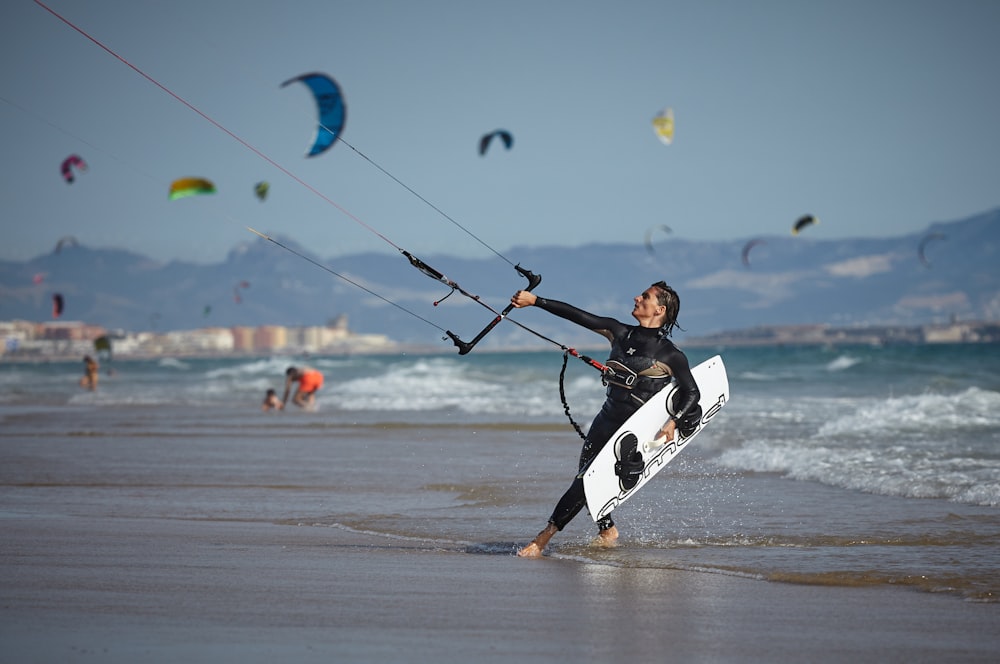
A fascinating sport that requires a range of skills is kite surfing. It’s a common misconception that being in excellent physical condition is a prerequisite for learning. Beginner kitesurfing isn’t for people who don’t enjoy adventure and requires a moderate level of physical fitness and endurance. However, anyone who enjoys adventure and lives near the ocean—men and women of all ages—should give kite surfing a try!

Select right surf kite

Image via Unsplash.com

A novice or training kite with good stability, a broad wind range, and a moderate turning speed is what you should be looking for. Typically, beginner kites are smaller and marketed as such. Moreover, maximum upwind drive is crucial. You can choose a board that best fits your demands and personal style as you get more skill.

Make sure the kite you choose fits your body weight. They ought to have legible labels.

A novice will typically start out practicing with a soft trainer kite, which is between 0.5 and 1.5 meters squared. Afterwards, you’ll purchase a larger one based on the wind conditions in your area. The size of this will be between 7 and 13 square meters.

Surfing board

Selecting the appropriate kite surfing board is crucial. Each kite surfer is unique, so you’ll need to locate one that suits your comfort level. Typically, larger, more sturdy boards are what beginners prefer.   Make sure the board you choose is appropriate for your weight.

Don’t let your board weigh too much. It needs to be manageable to hold in one hand.

To ensure that your feet stay attached to the board, make sure the bindings are tight.

As your skill level increases, you might wish to upgrade to a smaller, more rocker board so you can practice tricks.

Safety equipment

Image via Unsplash.com

You’ll need safety gear in addition to your board having tight bindings. If nothing else, especially as a beginner, you should at least have an impact vest and a helmet. To utilize the safety release feature on your kite, make sure you have a safety leash attached as well.

Wearing a wetsuit might also be a good idea, particularly in chilly water.

You need a bathing suit that fits securely. Most likely, a string bikini won’t work.

Inflating your kite

You must assemble and launch your kite before you can take any further action. After placing your kite on its back, attach the pump, and blow air into it. Although it is easier if you have an experienced friend to assist, setting up a surf kite for the first time is not that difficult.

To prevent your kite from blowing away during inflation, tether it down.

You can learn on land at a park or even on the beach.

This generally consistent wind doesn’t require you to be close to the water.

Launching the kite

Image via Unsplash.com

Reverse your direction and head downwind towards the launch location, making sure to neatly lay out your line behind you.  To capture the wind, your partner should flip the kite over and position it at the edge of the wind window. Give your pal the go-ahead to launch it when you’re ready. It should fly up, as high as it can go, staying in the middle.

Practice flying

Acclimatize to flying your kite on solid ground. At all times, you should be in charge of the kite. To practice turning, try flying the kite at both the left and right angles without losing control. Your wind window is the region over which you have control. Continue practicing until the wind window on your particular kite becomes comfortable.

The window for the majority of kites will be situated at roughly 11 o’clock on the left and 1 o’clock on the right.

You can practice flying your kite while riding a skateboard, if that’s what you’d like to do and the space permits it.

Wet yourself with water

Image via Unsplash.com

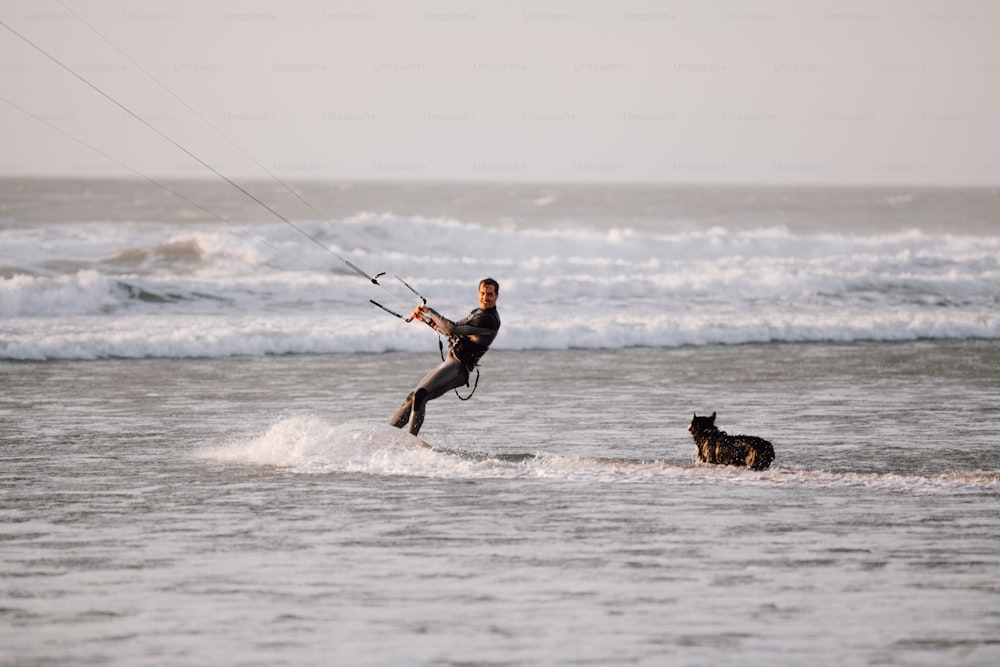
It’s time to get in the water once you are familiar with the kite’s fundamental operations. At first, you’ll do this in wind speeds under 20 knots without a board.  Make sure the water is generally clear where you are. Nobody within a hundred yards is what you want.  Repeat the flying drills you performed on the ground.

Make sure there is no obstruction in the region directly downwind of you. That’s most likely where you’ll wind up!

Practice body dragging

Practice pulling yourself back and forth through the water with the kite while it’s in the air. Without a surf board, it will be “kite surfing” for you. Continue doing this until you feel at ease handling your kite. Before moving forward, make sure you have experience with this as it is crucial for safety.

If you ever need to recover a lost board, you’ll need to know how to do this.

Hop on the board

As your kite soars, recline in the water with the assistance of your harness. Next, place your feet on the board and float to acclimatize yourself to the sensation. When you’re prepared, raise yourself to a standing position. Before trying to steer or surf, keep your center of gravity low to keep your balance.

Avoid standing up too quickly too forcefully as you could topple over!

You can use a skateboard to hone your “board skills” during the off-season.

Change direction
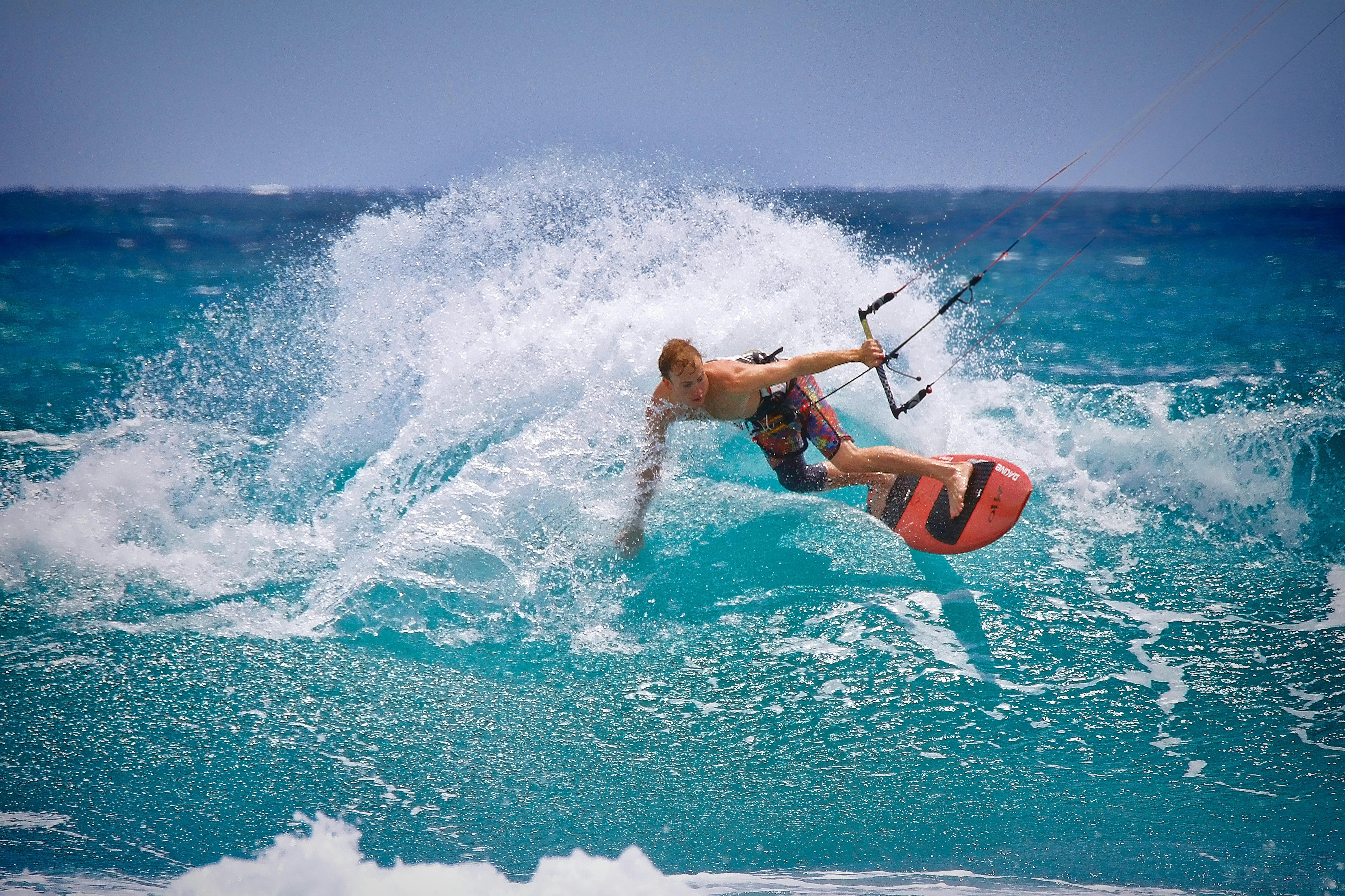
Image via Pexels.com

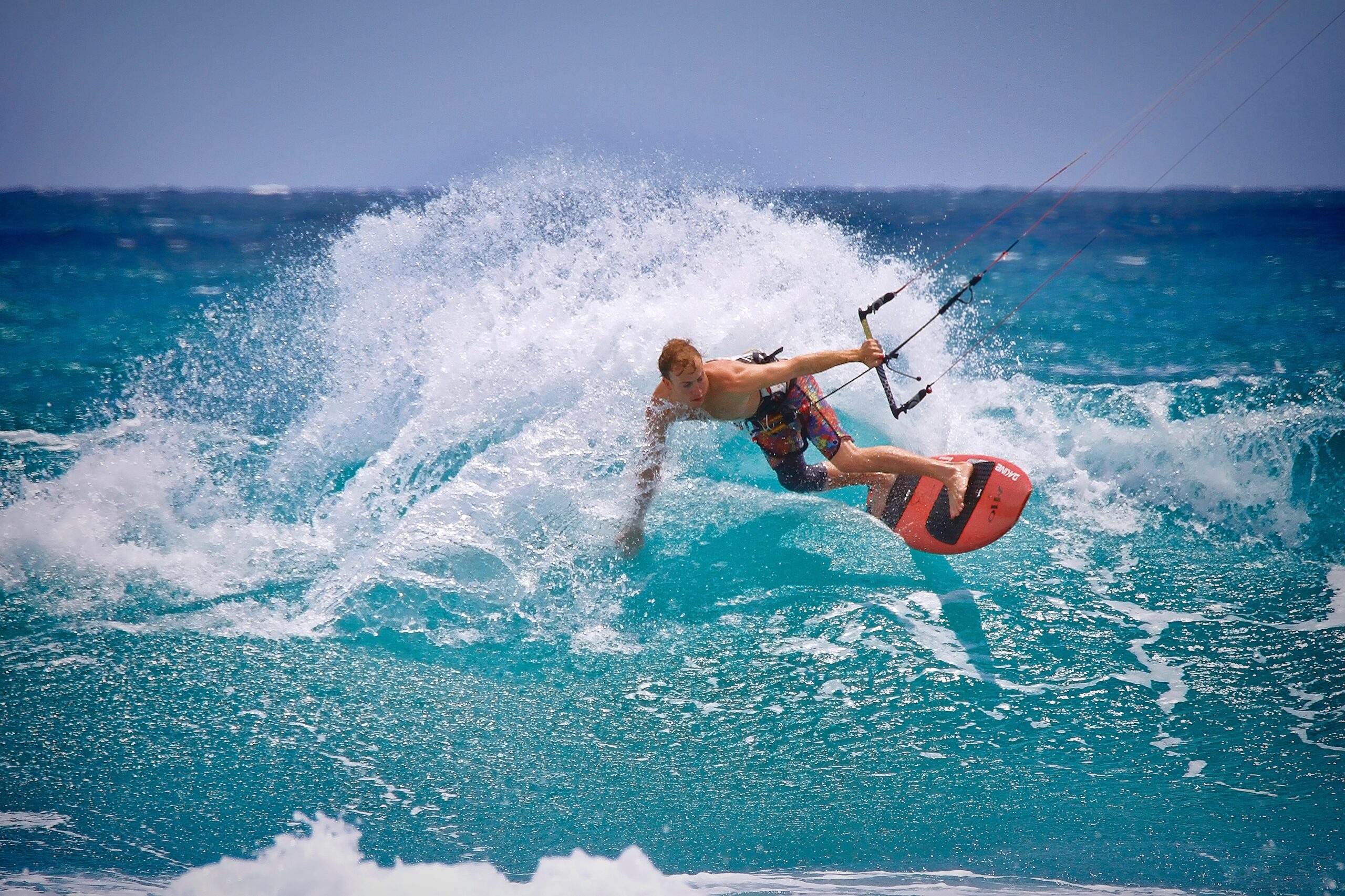
Now that you are on your board, it will be more difficult to turn the kite. To bring the it above your head, push the steering bar forward. As a result of slowing down, you will be able to start in the opposite direction and more easily move the kite to the other side of the wind window.

Rome wasn’t built in a day, and getting good at surfing takes a lot of practice. Your skills will increase with more time spent on a board and with the kite in the air. At start, go slowly, and always exercise caution.

USEFUL LINKS:

Check out more description on surfing 
See exercises to improve your shoulder strength 
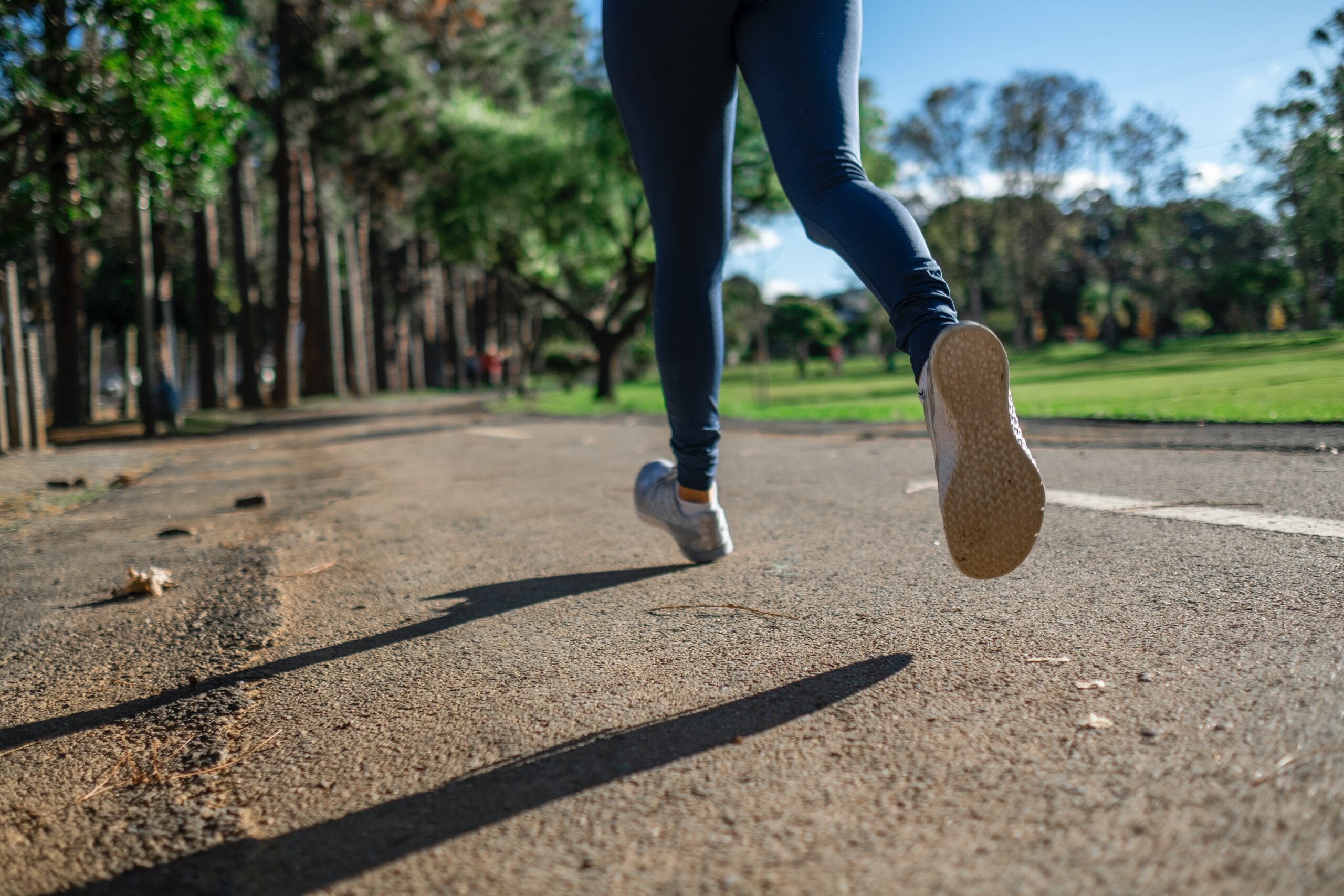
 

Improve Your Running Form: A Step-by-Step Guide

Improve Your Running Form: A Step-by-Step Guide

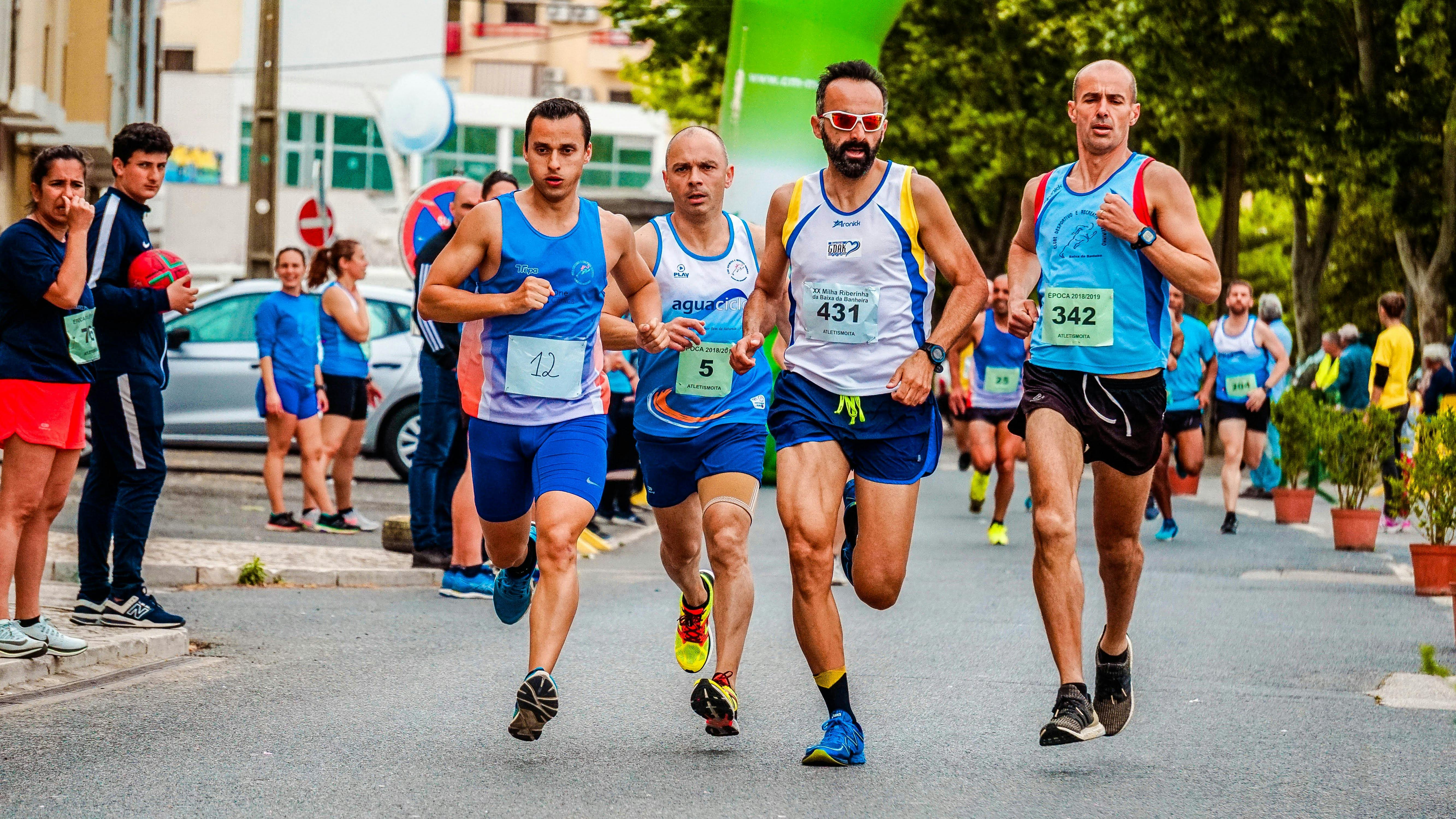
Running is a fun and effective method to remain in shape; in fact, it’s nearly become a fashion statement. However, it’s crucial to use the right approach. Want to follow the crowd yet follow the rules? Utilize this manual to learn how to improve your strength and avoid accidents. Here are some more resources to get you started.
Achieve basic fitness level: improve running-form

Image via Pexels.com

Starting from scratch, rushing out the front door and onto your first 10k will make you angry, upset, and sore that you’ll never do it again. To put it another way, don’t take on more than you can handle. Without any prior workout habits, if you start running, you’ll definitely wind up hurting yourself and giving up before you ever get going.

The easiest course of action would be to begin walking. But that doesn’t matter; as long as you exercise regularly, your body will be able to withstand the upcoming pavement pounding. Go swimming, dancing, or hiking. The more fun the better!

Good pair of shoes

According to several studies, running barefoot causes fewer injuries than jogging in running shoes of any kind, even the most expensive ones. You won’t likely be sprinting barefoot though, unless you’re pursuing a child or a meatball that accidentally rolled away. So try to find running shoes that can mimic barefoot jogging. More power to you if you’re willing to wear Vibram, but there are plenty other minimalist running shoes available without toe sleeves. A good pair of running shoes shouldn’t interfere with your stride.

Warm up: improve running-form

Image via Pexels.com

The last thing you need are hamstring or shin splint tears, or any other avoidable injuries. Spend five to ten minutes warming up before your run. This does not, however, entail stretching. In actuality, static stretching prior can be harmful!

Instead, warm up your muscles by performing exercises like lunges, deadlifts, and other similar movements that both stretch and activate your muscles. Put off stretching until after your run.

Always keep a relaxed stance

Maintain a loose, relaxed, but not hunched-over body. Try to maintain a relaxed posture with your back straight and your shoulders and arms free. Remain calm and relaxed throughout. Holding stress there causes your spine and the rest of your body to become tense, which can cause you to become fatigued far earlier than you would otherwise.

Steady and deep breath: improve running-form

The most important thing is to breathe regularly so that your body receives a steady supply of oxygen. Be a belly breather rather than a chest breather. Utilizing your diaphragm, make an effort to swell your stomach. Your heart and other muscles will receive more oxygen, and you’ll feel less fatigue.

You shouldn’t worry about using your mouth or nose to breathe. Others discover that breathing in through the nose and out through the mouth works best for them in terms of getting the most oxygen when running. Find whatever strikes you as being effective.

If you’re running comfortably, you should be able to talk briefly with another runner without stopping.

Look ahead: improve running-form

Image via Pexels.com

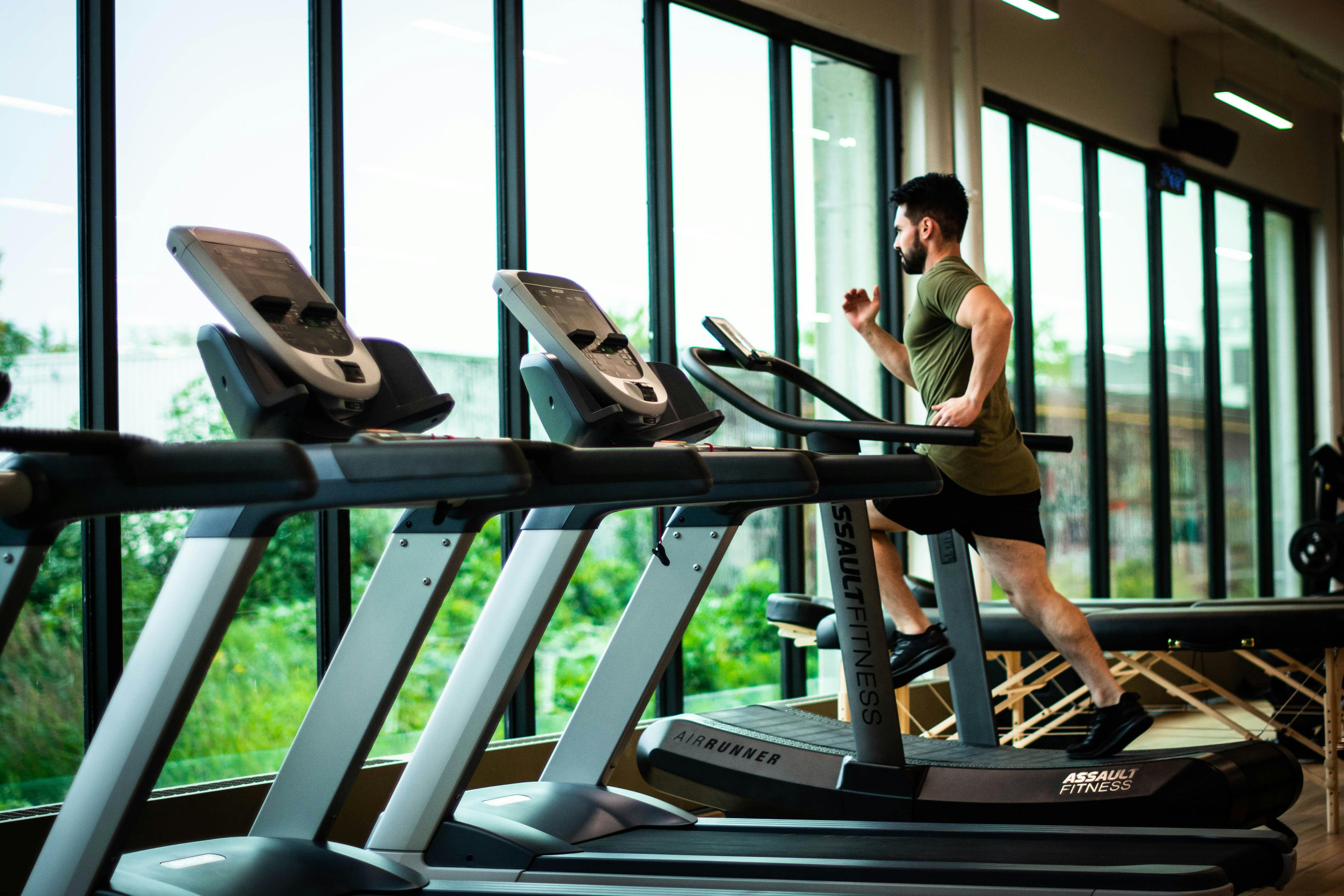
Keep your head level and avoid gazing up or down. If you’re sprinting more than 400 meters, look around 35 feet in front of you. Avoid looking down at your feet or the controls while using a treadmill to avoid straining your back.

Know arm movement

Keep your elbows close to your body and at a 90-degree angle. For extended distance, use a 110-degree angle (apart from when you are climbing a hill). Swing your arms back and forth in time with the leg on the other side to create propulsion and keep your body from twisting.

Avoid clenching your fists. Your palms will start to perspire and you’ll squander energy. Consider that each of your hands contains two delicate goods, and that if you clench your muscles too much, you will break the items.

Avoid having your hands cross your torso’s midline to prevent a twisting motion. Possibly leading to cramping.

Improve your cadence: improve running-form

Image via Pexels.com

Aim for 180 ground contact points per minute. Keeping your feet off the ground as much as possible is the simplest approach to achieve this. It’s up to you whether you’re jogging leisurely or sprinting away from a mob; just be careful not to push yourself too hard.

Follow your comfort level. Be easy on yourself if you can’t run a mile in under eight minutes. With time, it will happen. It’s fantastic that you’re out there exercising! Every time you hit the pavement, just try to get a little bit better.

See how your feet land

As you run, let your feet touch the ground. When you go for your actual runs in the gym or on the trail, try to imitate it.

Be careful not to exercise excessive control, though. It ought to seem natural. Avoid trying to impose a particular strike type because doing so will put more stress on your body.

You should sprint while maintaining as much contact with the ground as you can with your balls of your feet. The closer you get to flying, the less you’ll even be touching the earth. But even if you’re going far, it’s advisable to avoid jogging on your heels. Injury might result from the angle formed between the foot and calf when you fall on the rear of your foot.

Cool down and stretch: improve running-form

Image via Pexels.com

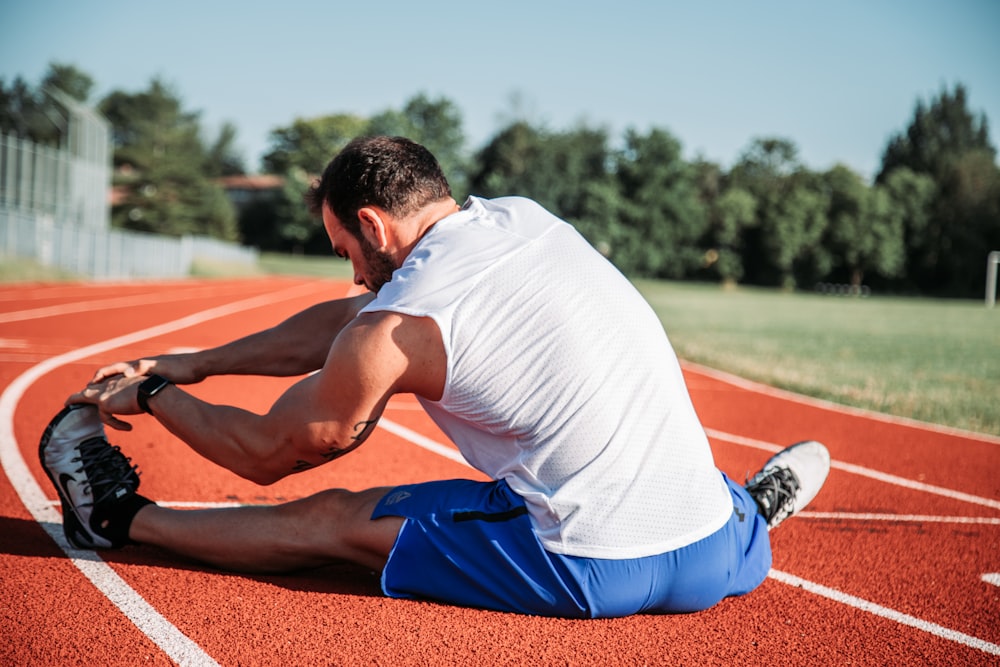
Over the course of around 5 minutes, gradually reduce your pace from running to jogging and from jogging to walking before finishing your workout. This reduces the amount of work your heart has to do while your breathing and circulation return to normal following your run.

It’s time to stretch right now. Since your calves, glutes, and hamstrings were the ones that worked the hardest, pay attention to them. Because the muscles tend to tense up when running, it is crucial to stretch afterward. They become more at ease and return to normal after being stretched out. Tomorrow, you’ll need them so much!

USEFUL LINKS:

Check more tips to improve your running-form 
Benefits and drawbacks of Electric cars

Ultimate Guide to Building Strength for Athletes

Ultimate Guide to Building Strength for Athletes

Everybody wants to look well and have a powerful body. Having a muscular build may seem unattainable in comparison to the rippling, toned bodies of athletes and fitness models. But anyone can improve their physique by starting an ultimate resistance training program and making the right dietary decisions.

Plan a weightlifting program: ultimate guide

Image via Pexels.com

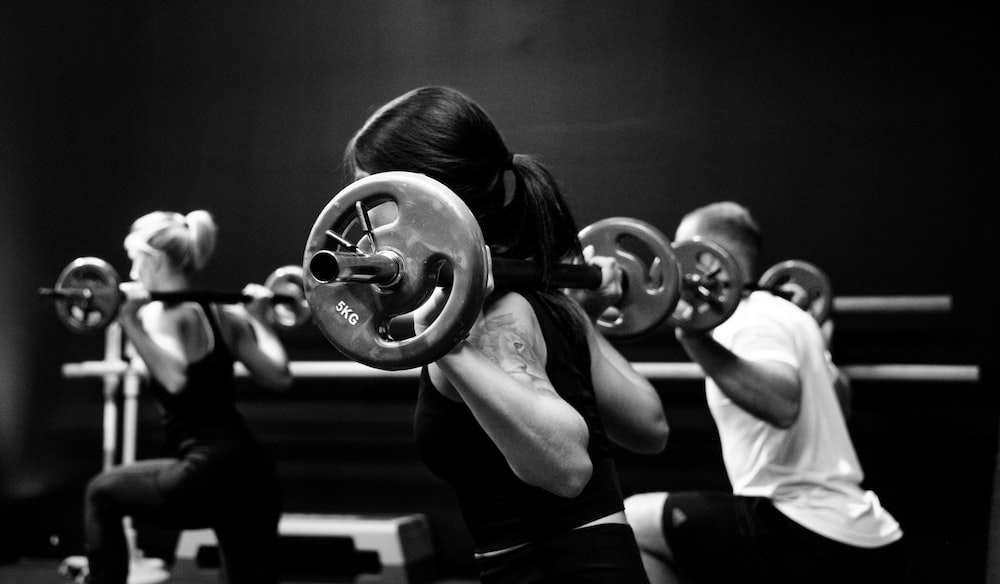
The first thing you should do after deciding to work on your physique is to begin a focused strength training regimen. All the major muscle groups in your body should be the focus of your workout plan. And you should exercise regularly, only taking days off to relax. Weight training needs to become a habit if you want to gain muscle.

it is crucial to have a firm grasp of proper form and body mechanics before you advance to lifting bigger weights,. Injury can occur if an unmanageable load is chosen.

Multiple workouts a week: ultimate guide

You should initially try to lift weights about three days a week. Weight training may be hard for untrained muscles and joints. So acclimatization is typically required to get the body ready to consistently overcome resistance. You can add another workout or two every week as you gain experience. And your body gets accustomed to the stress. But you should still take a few days off to enable your muscles to heal.

Consider executing a typical bodybuilding “split” workout. In  this 2 or more muscle groups are exercised sequentially during the same workout. This is to make the most of your time in the gym.

Bodyweight movements

Image via Pexels.com

Use bodyweight exercises like pushups, pullups, crunches, unweighted squats, and lunges to finish your weight training sessions. Bodyweight exercises are particularly good in building muscle and transition well into athletic endeavors. Because they require you to stabilize and regulate the movement of your own body. Don’t overlook the fundamentals as you progress with your weight lifting.

Many people who don’t have access to gym equipment or who have prior injuries that make heavy weight-bearing activities difficult might benefit from bodyweight exercises; all you need is a few feet of space at home and the motivation to work hard.

Mind-Muscle connection: ultimate guide

When you lift weights, you should try to pay attention to how the muscle feels as it works during the activity. This is what strength coaches and scientists mean when they talk about the “mind/muscle connection.” The fundamental idea is that you’ll get more out of a muscle and receive greater results if you focus more on actively engaging it during a certain lift. Gaining higher productivity through the mind-muscle link will enable you to work effectively rather than just hard.
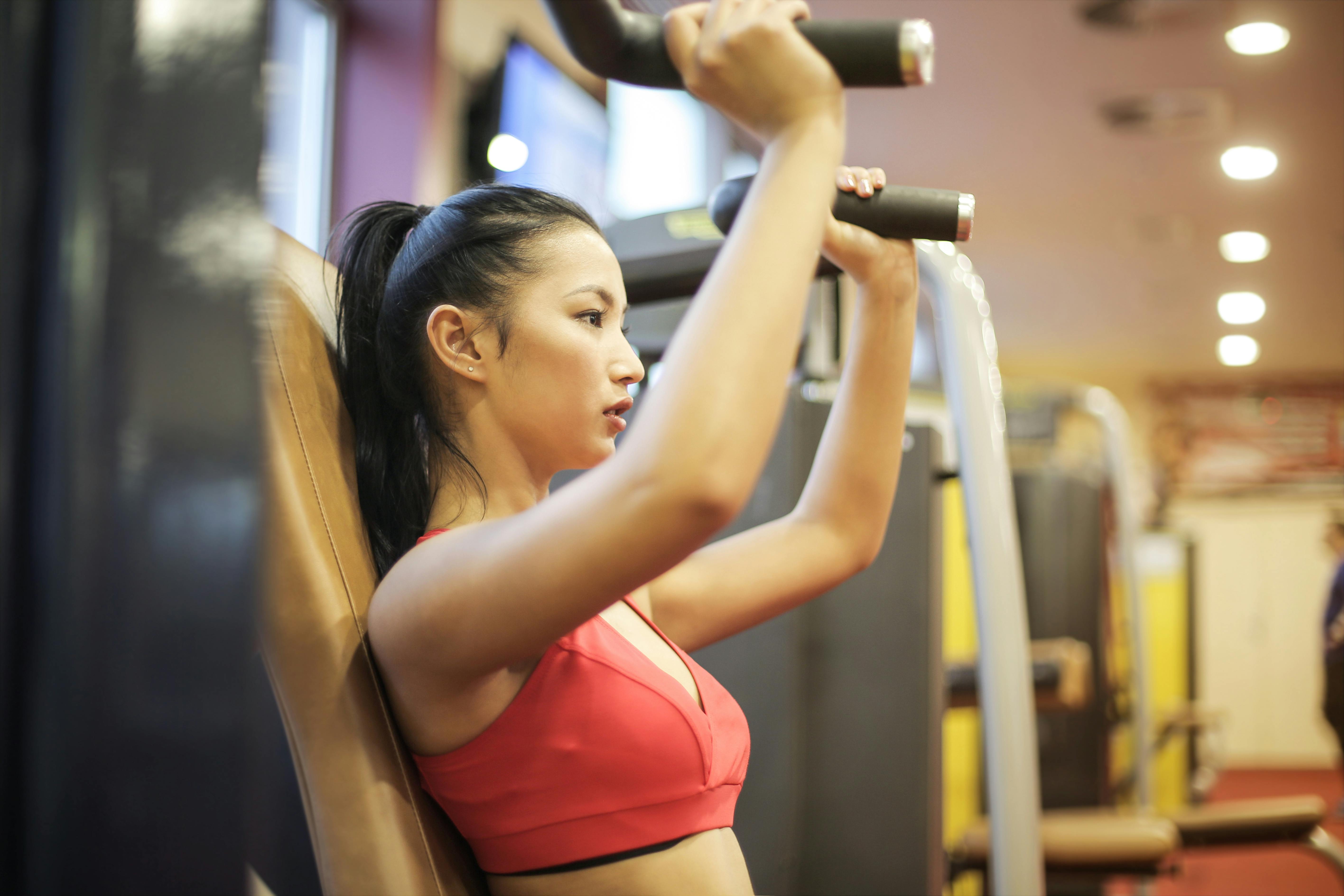
Fix your attention on the actual contraction of the muscle when doing a movement, such as a bicep curl. Also, pay attention to how the activity feels throughout.

Eat plenty of protein

Image via Pexels.com

Every tissue in your body is made up of cellular proteins. Which it is put under stress during exercise are broken down and depleted. Lean meats, eggs, nuts, and dairy products should be consumed with every meal. It helps to replenish lost proteins and give your body enough to produce new muscular growth. The main component of every bodybuilder’s diet is protein.

Excellent low-cost, high-protein options include grilled, skinless chicken breasts, eggs cooked in olive oil.

Use supplements: ultimate guide

To make sure you’re getting the nourishment you need, try including these simple vitamins in your diet. Obtaining the daily requirements for protein and other elements from typical cuisine can be challenging. In this situation, vitamins are useful. Without having to meticulously prepare a meal, you may easily obtain 30 or 40 g of pure protein by consuming a protein smoothie or bar. These vitamins are always available and work well to ward off hunger pangs. If you’re in a rush, you may even use them to substitute meals.

A high-quality whey protein supplement and probably some creatine. And if you’re serious about gaining weight, will be sufficient for the majority of people to supplement a typical diet.

Eat green vegetables

Image via Pexels.com

This is advice you were always given as a youngster, and it is still sound now. Vegetables with vibrant colors are a great source of vitamins, minerals, iron, potassium, dietary fiber, and antioxidants. You should consistently include these in your diet.

Generally speaking, the biggest amounts of healthful elements are found in veggies that are green, leafy, or have very vivid or dark colors. Produce like spinach, broccoli, kale, and sweet potatoes are therefore ideal for developing a healthy body.

Right fat and carbohydrates: ultimate guide

Because they are calorie-dense food groups, fats and carbs give the body both instant and long-lasting energy. Although it may be argued that most people rely too heavily on the accessibility and gastronomic allure of these foods, they are essential for those who are active.

As opposed to enriched grains, starchy pastas, processed sugar, etc., the majority of your carbohydrates should come from “clean” sources like whole grains, fruits, and vegetables. As for fats, you should mainly stick to the mono- and polyunsaturated variety, which includes foods like avocados, almonds, and olive oil.

Check unhealthy food

Although this should go without saying, everyone occasionally needs a gentle reminder, particularly in light of the resurgence in popularity of processed foods like pizza, cupcakes, and mac and cheese.

Save these pleasures for a well-deserved cheat day. Or the first meal after a strenuous workout. Because then the majority of the extra calories will be used to replenish the energy that the muscles have lost. A strong body requires discipline in addition to work. It would be regrettable to waste a week’s worth of sweat on a few poor dietary decisions.

Take rest days: ultimate guide

Image via Pexels.com

At least two days of the week should be free from weightlifting and other forms of exercise. Rest is one of the most crucial factors in developing lean, healthy muscle mass. Weight-bearing activity really causes wear and tear on the muscles and joints. And it can build up if given insufficient time to recuperate.

USEFUL LINKS:

See more tips for building a muscular body 
How to prevent ideological conflict?

Overcome a Plateau in Your Weightlifting Progress

Overcome a Plateau in Your Weightlifting Progress

The scale suddenly stops moving even though you have been exercising, eating healthily, and otherwise following all the correct procedures to lose weight. How annoying! Most dieters experience weight loss plateaus at some point, and they can last for a few days or even weeks. Want to know how to overcome it?

Try the suggestions below to get your body back on track to achieving your weight-loss objectives after taking some time to consider why you may have reached your weight-loss plateau.

Understand how weight loss develops: overcome plateau

Image via Pexels.com

In the first few weeks of a new routine, the majority of people see rapid weight loss. This weight is made up primarily of extra water, though some of it is genuine body mass. It is common for the rate of weight reduction to considerably slow down after your body has gotten rid of this extra water.

Follow your progress and consider whether your weight reduction has actually ceased or has simply stalled.

Perhaps your plateau isn’t a plateau after all since experts agree that one to two pounds per week is the best rate for safe, long-lasting weight loss.

Caloric intake: overcome plateau

Perhaps you started off by counting calories religiously, or perhaps you were able to lose weight without paying close attention to what you ate at first. In either scenario, you might be eating more calories than you realize. Carefully monitoring your intake using a food journal or one of the numerous readily available, free calorie counter websites and apps will help you figure out exactly how much and when you are eating.

You can start looking for problem areas and making modifications after you have a decent handle on what you are consuming.

Caloric needs

Image via Pexels.com

You will need to consume fewer calories as your body gets smaller in order to maintain the calorie deficit that causes weight reduction. If you haven’t recently, input your weight and level of exercise into a calorie counter to receive an accurate estimate of how many calories you need.

For steady, long-lasting weight loss, the majority of specialists advise a daily calorie deficit of 500 calories.

If the calculator indicates that you need 2200 calories per day, you should aim to eat about 1700 calories daily in order to lose a pound per week.

Revaluate your exercise routine: overcome plateau

Have you been working out regularly? Do you always engage in the same type of exercise? Are you exercising with resistance in any way? Last but not least, do you rely on the elliptical machine’s calorie counter to tell you how many calories you truly burned during your workout?

Consider how you may improve or adjust your fitness regimen. Last but not least, be aware that calorie counters on exercise equipment can be seriously inaccurate, so if you’ve been using them to budget your calories, you might have been misled.

Look at other factors

Image via Pexels.com

Even if the number on the scale may not be changing, there may be other signs that your body is still improving. Have your garments changed in fit? Are you developing bigger arms? Your body will shrink if you are building new muscle, even when the weight on the scale stays the same. And even better, your weight reduction will likely resume shortly because the additional muscle will burn more calories than fat.

Never weigh oneself too frequently. Weight fluctuates for a number of reasons, and it can be deceptive. More than enough is one per week. Try to weigh yourself on the same day and at the same time every week.

Consult doctor: overcome plateau

Make an appointment with your doctor if you’ve considered all the options and tried everything but still can’t restart your weight reduction. She could also request blood tests to check for a hormone imbalance in addition to offering you some further suggestions. Your inability to lose weight could be caused by an unidentified condition such thyroid illness, insulin resistance, or polycystic ovarian disease.

Change your workout

Your body becomes more adept at the exercise it performs as a result of repetition, which may result in your calorie expenditure decreasing. You’re more likely to observe progress if you change things up and add some diversity to your daily activities.

For a significant calorie boost, incorporate some interval training into your regular walking or jogging routine.

Try a different fitness class or exercise.

Strength training: overcome plateau
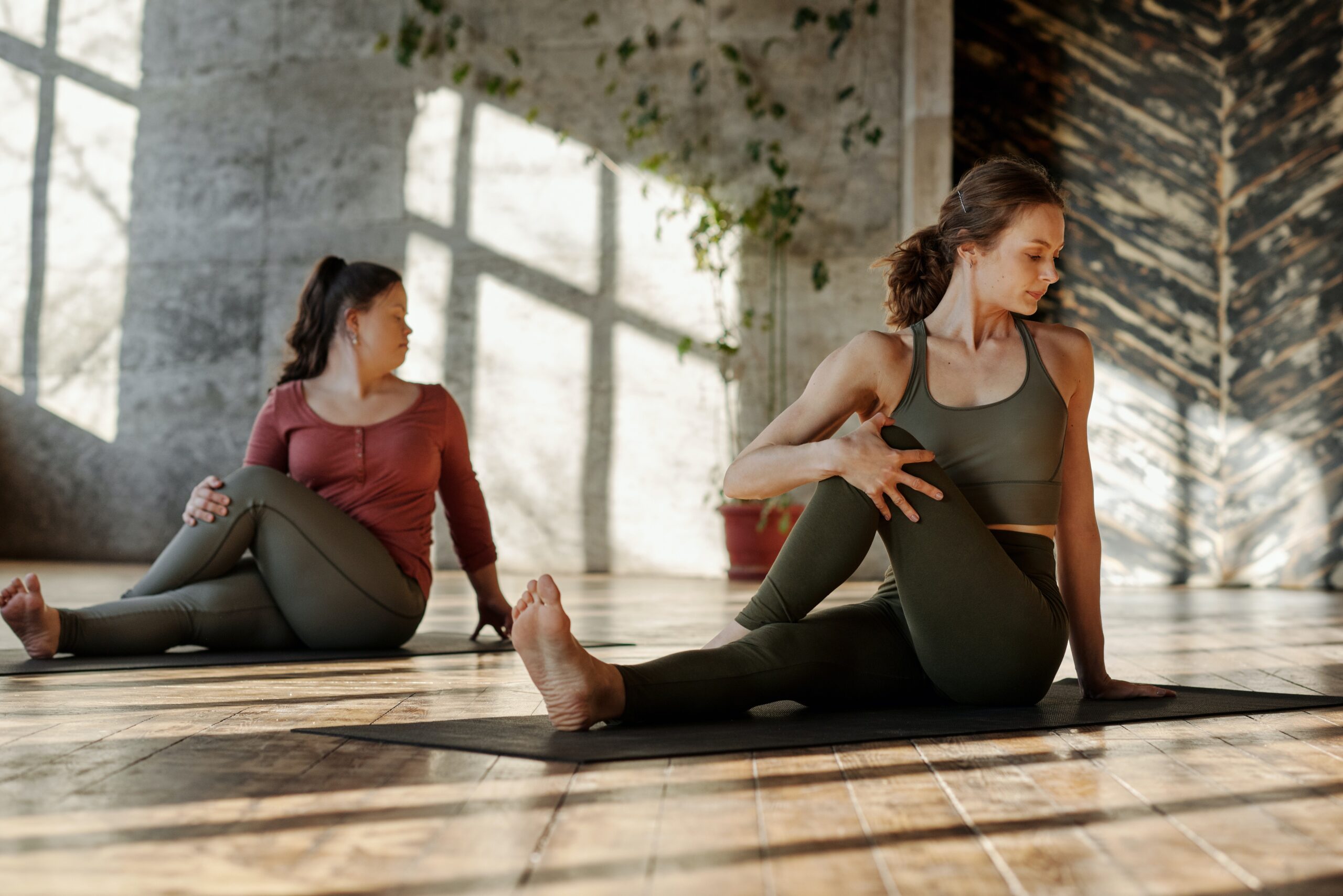
Image via Pexels.com

Gaining muscular mass enhances your daily calorie burn and facilitates weight loss. To get the scale moving once more, include some resistance or strength training in your program.

An costly gym membership is not necessary for strength training. Start with some lightweight, affordable dumbbells and work your way up from there.
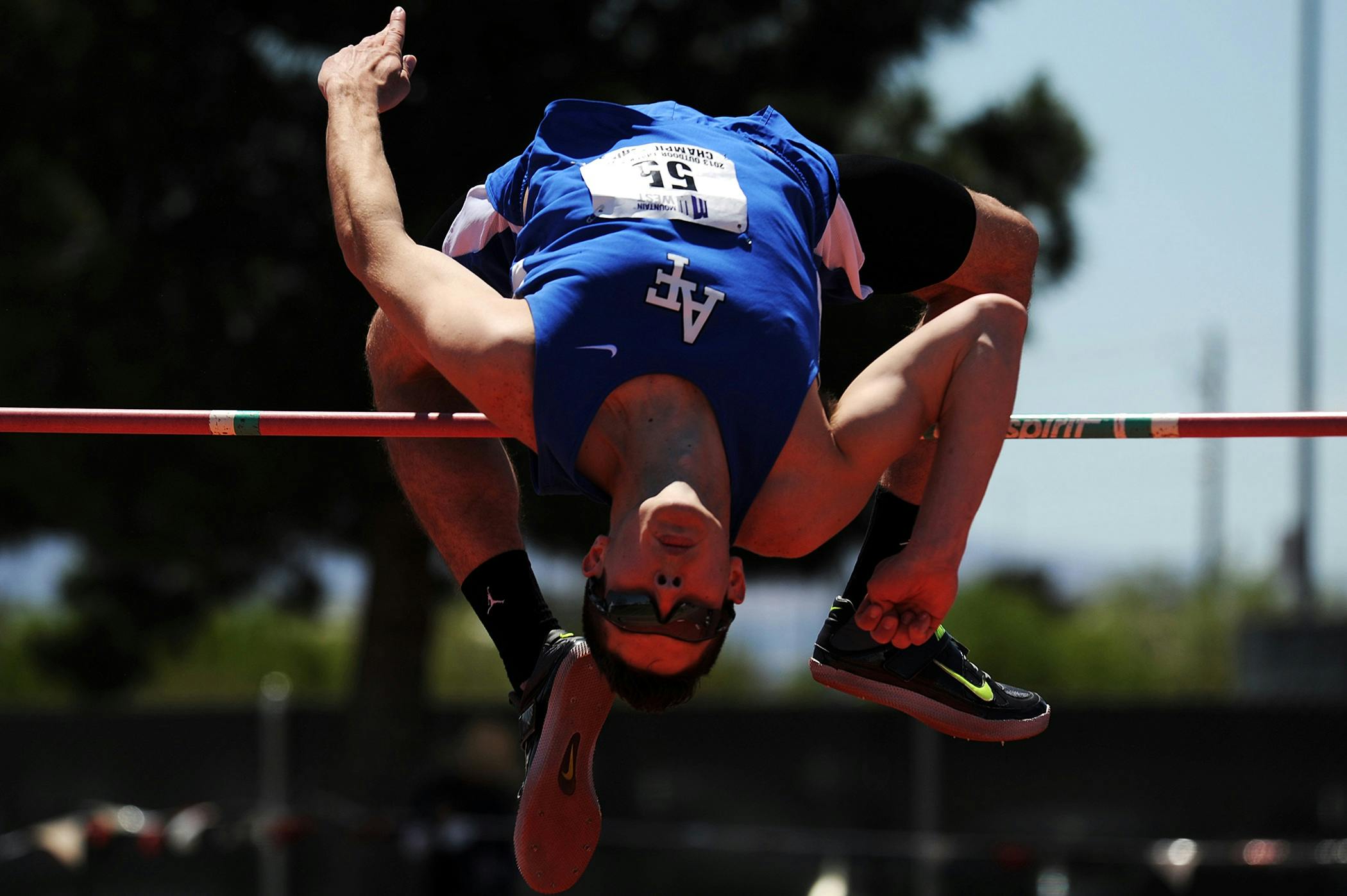
Concentrate on performing a lot of reps with light weights to prevent gaining a lot of muscle bulk.

Women frequently worry that weightlifting would make them excessively “bulky,” but this won’t happen unless they are purposefully aiming to put on muscle. Lifting will help women grow muscle, but because their testosterone levels are lower than men’s, they won’t bulk up.

Break out good rut

It’s simple to get into the habit of eating the same thing every day, which can result in boredom and overeating as well as teach your body to become overly adept at breaking down particular meals. To break through your weight loss stall, consider making dietary changes.

Try introducing some new foods, particularly fruits and vegetables, into your diet.

reorganize your eating schedule. Consider eating your largest meal of the day for breakfast or dividing your three larger meals into six smaller ones.

Having meals frequently maintains your metabolism active.

Instead of serving your entrée on a large plate and your salad on a tiny one, switch up the dishes!

Eat heavy breakfast: overcome plateau

Image via Pexels.com

Moving more of your calories to the morning can aid in weight loss if you generally skip breakfast or only consume a light breakfast. Protein-rich breakfasts have been demonstrated to be very helpful for people who want to lose weight.

Eat some scrambled eggs or drink a protein shake to start your day.

USEFUL LINKS:

See more tips for overcoming plateau in weightlifting 
How to preserve your fruits and vegetables

Secrets to Improving Your Vertical Jump

Secrets to Improving Your Vertical Jump

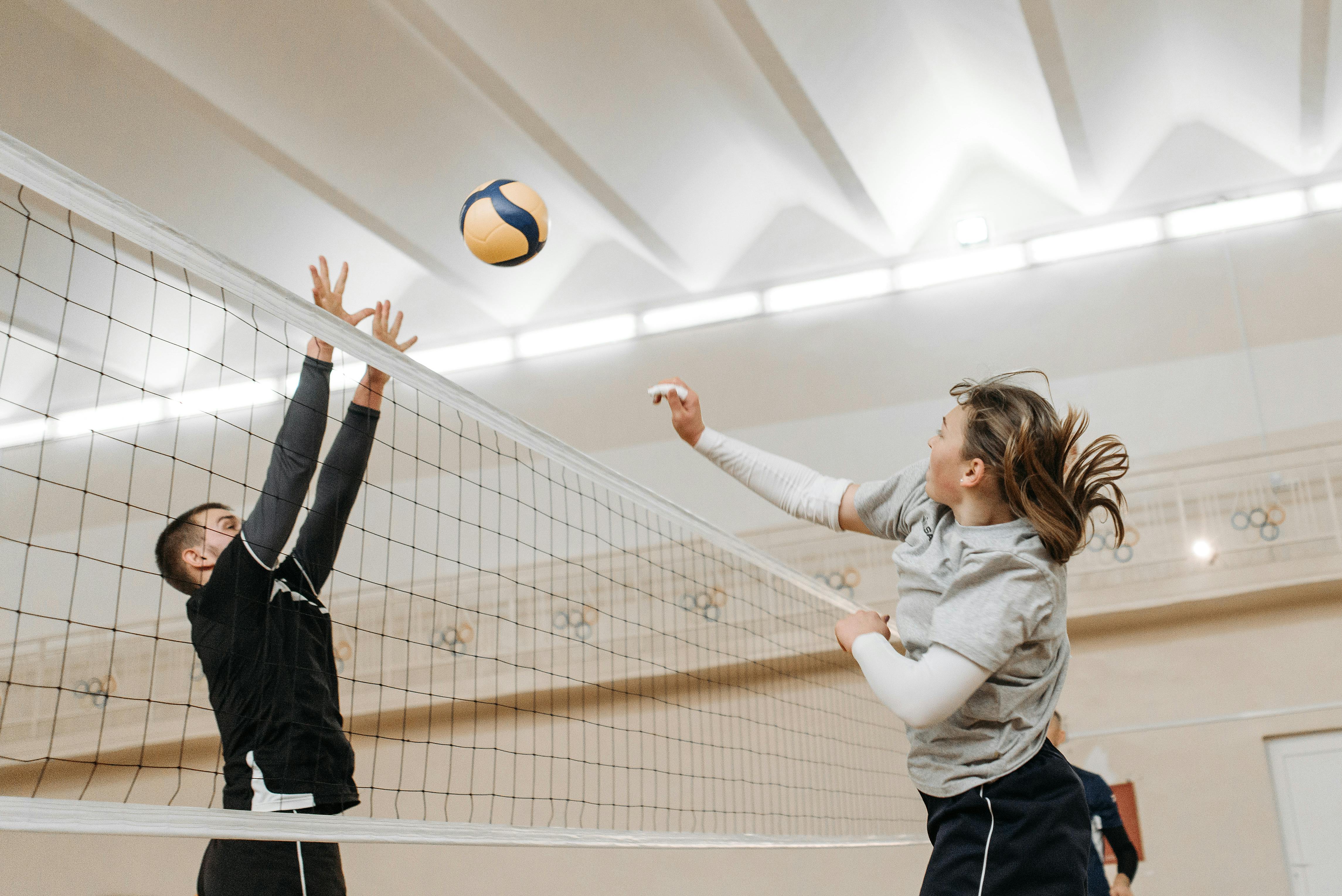
If you’re an athlete, working to increase your vertical leap can help you progress in your sport. You can excel in several sports, like volleyball, basketball, and gymnastics, by building a strong vertical leap that doesn’t require any special techniques.

It will also help to improve your general athleticism and flexibility. Your vertical leap can be enhanced by weight training, plyometrics, and calisthenics.

Polymetric exercises: secrets to improve jump

Image via Pexels.com

Plyometric exercises are one of the finest strategies to improve your vertical leap. These exercises use explosive force to teach and build your muscles. These exercises all require you to jump, and their effectiveness is based only on your own body weight.

Plyometric workouts should only be done twice a week, with at least two days off in between.

Make time for uninterrupted rest on at least one day of the week for yourself.

Jump squats: secrets to improve jump

With your feet hip-width apart, squat as low as you can. But instead of gingerly getting back to your feet, leap out of your squat and try a 180-degree spin. After the jump, stoop down rather than trying to land upright. Continue, hopping in various directions. For example, begin by turning right, then left, and so forth.

Work on 3 sets of 5 until it seems natural, then go to 3 sets of 8.

Bulgarian Squats

Image via Pexels.com

Standing a few steps away from a bench or chair, place your non-working leg up on the seat with the top of your foot flat on the surface. Lower your torso until your back knee nearly touches the floor, then push back up through the heel of your front foot that is on the ground. This equals one rep.

Complete three sets of eight repetitions.

Box jumps: secrets to improve jump

Invest in a box or platform that can hold your weight. Place the box in front of you. Leap abruptly onto the box or platform. Make the most of the electricity that you have. Turn around and drop to your knees.

Begin with three iterations. Give quality precedence over quantity.

Jump rope

Image via Pexels.com

You can improve your jumping technique by using a jumping rope to strengthen the muscles needed to make a vertical leap. Where there is sufficient room for the rope over your head, like on a solid surface like a hardwood floor, is where you should jump. Jump for ten minutes every day. If you can’t finish it all at once, break it up into jumping segments that last two to three minutes each, interspersed with rest periods and/or other exercises.

Don’t “skip” rope, which is the practice of jumping while keeping one foot planted to mimic running. Instead, try to maintain a firm ankle-to-foot contact while simultaneously hopping with both feet.

Do calisthenics: secrets to improve jump

Calisthenics includes basic bodyweight movements that promote muscular development. With no specific equipment needed, calisthenics is a great way to improve your strength and agility anywhere. Engage in leg-focused resistance training to improve your vertical leap.

Climbing activities include lunges, sit-ups, jumping jacks, and push-ups.

Trap bar deadlifts

Image via Pexels.com

Trap bars are not the same as regular barbells since they have an open center that allows the user to enter. You’ll be positioned in the middle of the barbell. Reach for the barbell, bend over, and rise. Lift the trap bar as you go up, keeping the barbell near your torso. Arms ought to stay by your sides. Before lowering the weight, hold it for a little period of time.

Use the largest weights you are capable of lifting during a deadlift.

Keep the bar close to your torso and your arms extended downward. Don’t tie your elbows up.

Single arm dumbbell stretches: secrets to improve jump

Place the dumbbell on the ground in front of you. As you squat down, grab the dumbbell with one hand. raising the dumbbell while standing. Hold a dumbbell above your head. After a brief period of holding, release the weight to its starting position.

Complete three sets of eight repetitions. Start out slowly and focus on your speed.

Weighted squats

Place your feet hip-width apart. A barbell or two dumbbells should be raised to shoulder height and set down there. As much as possible, lower yourself while maintaining the same position for the weights. Return to your feet and take a stance.

Try three eight-piece sets. When using dumbbells, start with 5-lb (2.25 kg) weights and work your way up to 7-lb (3 kg) or 8-lb (3.5 kg) weights. If you are using a barbell, begin with the bar by itself.

Measure your current vertical jump: secrets to improve jump

Stand close to a towering wall or pole and raise your hand as high as you can. Get a friend to measure how high your hand extends, then mark the measurement with chalk or another marking instrument. Then, jump while extending the same hand, and ask a friend to predict the point at which your fingertips will make contact with the wall. Subtract your beginning measurement from your leap measurement. This represents your current vertical leap.

Track your progress

Image via Pexels.com

Your measurements and the time they were taken must be documented. Don’t forget to mention the height you leaped from and the measurement day. There are several methods to record your measurements, depending on your preferences. You might use a paper document, computer, or phone.

Simply said, put your figures in writing. Enter your numbers into a spreadsheet or document on the computer if you’d rather.

To keep track of the numbers, use a word processing app on your phone or the notes.

Take measurements weekly: secrets to improve jump

How often you analyze your vertical leap is up to you, but once a week will guarantee consistency and allow you to improve in between.

Make sure to measure the next time if you forget to do so on an ordinary day.

Practice your jump

Image via Pexels.com

Every few days, try a few vertical leaps to see how much you’ve improved. Don’t make vertical leaps your main training strategy, even though doing so will slow down your growth compared to doing targeted exercises to prime your body for athletic performance.

USEFUL LINKS:

See more tips to improve your vertical jump 
Perfect beach-body: How to achieve a sizzling figure 

Train for Your First 5K Race with these Tips

Train for Your First 5K Race with these Tips

A fantastic method to accomplish a goal and engage in some beneficial activity at the same time is to run a 5K. No matter if you’ve never run before or are an experienced runner, you can train for a 5K.

Choose a race, register a few months beforehand, begin your training regimen, and get ready for race day. You’ll feel successful after the experience is through and eager to sign up for the following race!

How much time is needed to train yourself

Image via Pexels.com

You might need 8 to 12 weeks to catch up as you aren’t used to running or lead a generally sedentary lifestyle and might be prepared to go in 4 to 6 weeks or less because you already regularly run a mile or two. You can look at events in the appropriate month and prepare if you know how much time you’ll need to train.

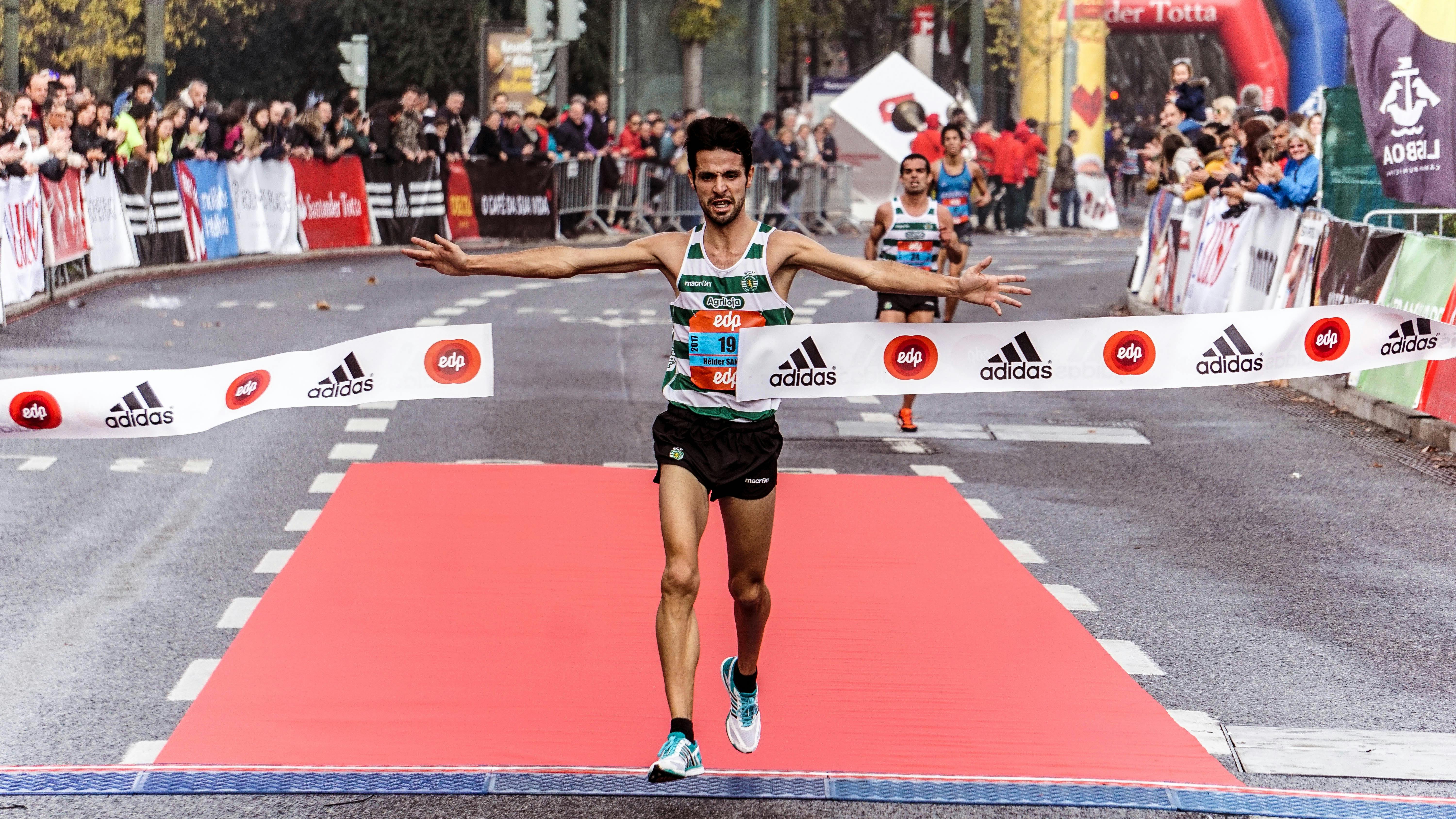
Most runners finish a 5K in between 25 and 40 minutes. You’ll need some practice to increase your distance if you can only jog for about 10 minutes without stopping.

Decide an event: train yourself for long race

You may find many websites that list all the local 5K races in your area simply typing “5K races near me” into a search engine. Some races give their winnings to a good cause, while others put more of an emphasis on entertainment, such as a color run, an obstacle course, or a seasonal theme, such as a turkey trot.

You might also want to think about what season of the year you prefer to run. Avoid signing up for any autumn or winter races if you dread the cold. Avoid summertime runs if you’d prefer to avoid the intense sun.

Ask for friends’ support

Image via Pexels.com

Asking people to participate alongside you is a terrific approach to keep motivated. Find a friend who will join you in the race and make plans to go for a few runs together to prepare.

Even if your friends aren’t interested in participating in the race, they may help hold you accountable while you prepare and support you on race day.

You could even sign up for a neighborhood running group to hold yourself responsible and meet new people in the process.

Starting to train yourself

Once you’ve decided on a race day, you’ll have the advantage of a specific deadline. Make a list of the things you’ll need to get ready and mark the remaining weeks on your calendar:

  • training program
  • running attire
  • jogging boots
  • bottle of water
  • Stopwatch or a comparable timepiece
  • If you’ll be running outside, wear sunscreen.
  • sunglasses if you want to run outside.

Set your goal when you train

Image via Pexels.com

Your objective may be as straightforward as simply completing the race, or you might set a personal best time that you’d like to better. It will be simpler to keep on track with your training if you are aware of your goals.

For instance, if you wish to run 10 minutes each mile, your objective might be to complete a 5K in 30 minutes. You would complete a mile in just under 10 minutes with that time.

Check race track beforehand

Is the course mostly level or are there a lot of hills? Are you going to be running on unpaved terrain? The answers to these queries can assist you in creating a training schedule that will improve your performance on race day.

If the race is particularly steep, for instance, you should mix your training runs to avoid running on flat terrain every day.

A playlist for motivation: train yourself for long race

Of course, you are not required to listen to any music or other audio while running. However, if you want to, preloading a playlist of songs onto your phone or music device can help you maintain your pace while running. Choose songs that will keep you entertained for 30 to 45 minutes so that your playlist doesn’t finish in the middle of your run.

You can psychologically prepare for the marathon by practicing to the same songs. Once you’ve committed the playlist to memory, you’ll be able to tell when, for instance, that particular song will start playing throughout the middle of your run.

Build your endurance

Image via Pexels.com

You’ll be feeling anxious the day of the marathon. The presence of other individuals and potentially unfavorable weather may all have an impact on how you perform. You’ll be more assured that you can complete the race if you know you can run for 3.5 miles (5.6 km) or even 4 miles (6.4 km) continuously.

Even if you can’t exactly run the entire 5K yet, keep trying to run! You could need the pressure of the race to overcome that obstacle and accomplish your objective.

Warm up and cool down: train yourself for long race

Stretch your arms, legs, and back for five to ten minutes before and after each run. Injury prevention is crucial, especially when running because those injuries frequently require more time to heal.

Perform some easy exercise for two to three minutes, such as jumping jacks, to warm up. To warm up your muscles, perform a few mountain climbers and squats.

Walk for five minutes to get your heart rate back down and to cool off. Stretch your shoulders, hamstrings, and quadriceps to make recuperation simpler.

Plan your rest days

You don’t have to do nothing on rest days; take use of the time to practice some mild workouts like yoga or walking. The main objective is to give your running muscles a break.

Your performance will improve if you take rest days because your muscles won’t be overworked or stressed.

Try working out on Monday and Tuesday, taking it easy on Wednesday, working out on Thursday and Friday, taking it easy on Saturday, and running your long run on Sunday.

Check weather forecast: train yourself for long race

Image via Pexels.com

Depending on the weather, you might need to modify your planned attire. Wearing lighter clothing may be beneficial if the temperature will be significantly higher than usual. If it’s going to be cold, you might want to add a long-sleeved, breathable top that you can take off if you start to become too warm.

USEFUL LINKS:

See some more beneficial tips to train for long race
Organic pet foods which are healthy and effective 

Best Exercises for Increasing Speed and Agility

Best Exercises for Increasing Speed and Agility

If you wish to hone your athletic abilities or if you’re an athlete, agility is a talent you might want to develop. Being nimble entails having quick reflexes for movement, stopping, and direction changes. There are best activities you may do to improve your skills if you wish to be nimbler.

You can move more swiftly and easily by engaging in both strength training exercises (such as bodyweight exercises) and aerobic activities. To improve your coordination and performance in sports requiring agility, like beach volley ball, tennis, or hockey, start adding additional agility training activities to your workout program.
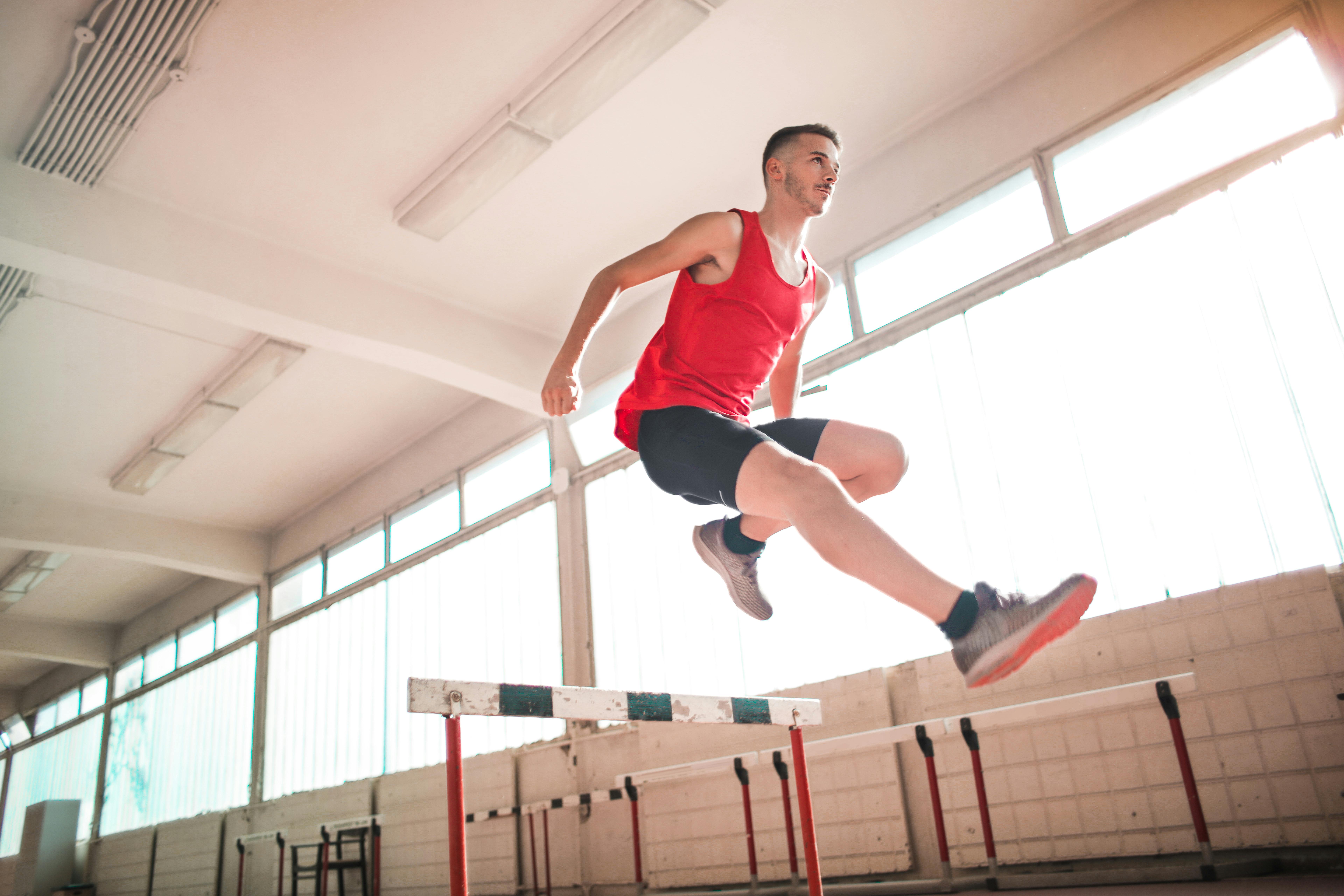
Clapping pushups: best workout

Image via Pexels.com

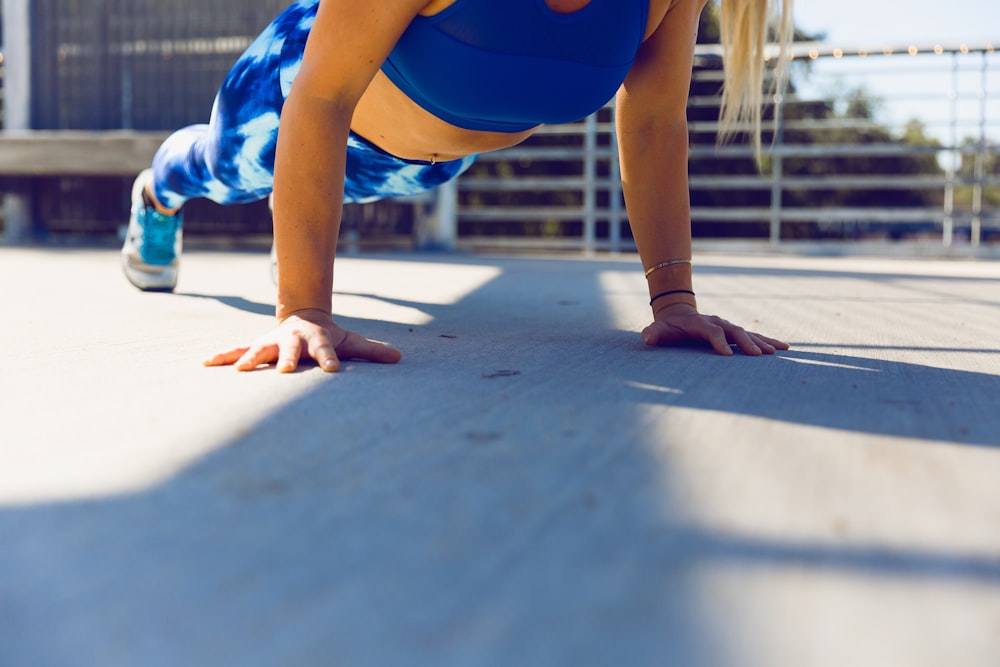
Try pushing yourself to perform clapping push-ups if you can already perform several conventional push-ups. These call for the coordination of your upper body and the ability to move swiftly enough to allow you to clap in between push-ups.

Get on a carpeted floor or a fitness mat and sit down. Your hands and wrists will be more comfortable as a result.

Put your hands flat on the ground, palms up. Shoulder-width distance should separate your arms. Keep your legs straight and extended all the way behind you.

Your elbows should be extended out from your body. Keep your core tight and straight as you lower your body until your nose is just a few inches from the ground.

Box jumps: best workout

Box jumps are a strength- and precision-demanding exercise. Over time, this exercise will teach your leg muscles to become more agile while also aiding in the development of muscular strength.

In order to begin this workout, locate a fairly strong box. Start with a modest box that is just 4 inches above the ground, then progressively move up to higher boxes. You may begin by leaping up to the curb and then returning. A ply-box, a fitness box designed expressly for this exercise, is another choice; it is sturdy and won’t slide on the floor. A solid crate, a low wall’s side, or a bench are more options.

Try burpees

Image via Pexels.com

Burpees are a good additional bodyweight exercise to include. You need to be quick, coordinated, and agile to complete this activity. Burpee exercises might help you become more agile in general.

Put yourself in a squat position to begin a burpee. With your toes pointed outward and little wider than hip-width apart, stand with your feet together.

Until your thighs are parallel to the ground, squat down. Hands should be placed on the ground in front of your knees.

To get into the push-up position, jump your legs straight back behind you. Perform one pushup.

Jump your feet back up to your hands as soon as possible. You should once more be in a squat position by straightening your torso.

Medicine ball throws: best workout

Try throwing medicine balls as a bodyweight exercise. This needs you to coordinate your legs, feet, arms, and eye-hand coordination even though it’s not only a bodyweight workout.

Place yourself a few feet from a fairly solid wall. It’s an excellent idea to use a building’s side or a concrete wall. Your knees should be slightly bent so that you’re practically in a squat position.

Grab a medicine ball with the right weight. It should still offer some resistance but not be so heavy that you can’t toss it or catch it.

Toss the ball at the wall by doing a chest press pass. You must push the medicine ball at the wall firmly while holding it at chest height for this kind of pass.

Ladder drills

Image via Pexels.com

Ladder drills come in a variety of varieties. All versions improve quickness, agility, and overall foot-eye coordination. To assist you enhance your agility, incorporate a mix of these drills throughout your routines.

You can use a few different kinds of ladders for these drills. A ladder made specifically for agility training is available to purchase, or you can construct your own by painting the grass or spreading up wooden dowels on the ground.

Try performing side shuffles. Put both of your feet into the ladder’s first box. Step with your right foot into the following box. As quickly as you can, continue to shuffle your feet together before moving aside to make room for the next box.

Use the ladder to perform high knee jumps.

Suicide runs: best workout

These are excellent cardiovascular exercises for enhancing agility. You need to sprint as fast as you can during suicide runs, halt in an instant, and quickly shift directions.

Set up your path and then begin the exercise. Four markers should be evenly spaced apart on the ground (like a cone or bean bag). Your starting location will be the first marker. Next, set the second marker roughly 20 feet (6 meters) from the starting location. The third and fourth markers should then be placed after that.

Sprint from the starting point to the second marker. To place your hand on the marking, kneel down. After that, spin around and run back to the starting point.

Jump rope

Image via Pexels.com

Jumping rope is a fantastic cardio activity to try. For several of these exercises, grab a jump rope to help you increase your general agility.

Jump rope normally to begin. Turn the jump rope so that it only passes once in front of your feet. Once you’ve mastered that, try the “double under” by swinging the rope twice beneath your feet before landing.

Try crisscrossing the rope in front of you for another option. Cross your arms in front of you after each jump.

Additionally, attempt mixing the crisscross and double under versions. It will take practice to become proficient in this much more sophisticated skill.

Aerobic exercise: best workout

Agility can be improved through a number of individual exercises, but there are also some group or class exercises that can be beneficial.

Studies have shown that aerobics and dance classes, such as Zumba, can help you become more agile.

You must memorize a rather complex step or dance routine in order to take one of these types of classes. Your feet will be moving in one direction while your arms are moving in another.

USEFUL LINKS:

See more exercises to improve your speed and agility 
Finding happiness without having children 

Avoid Common Injuries in Basketball

Avoid Common Injuries in Basketball

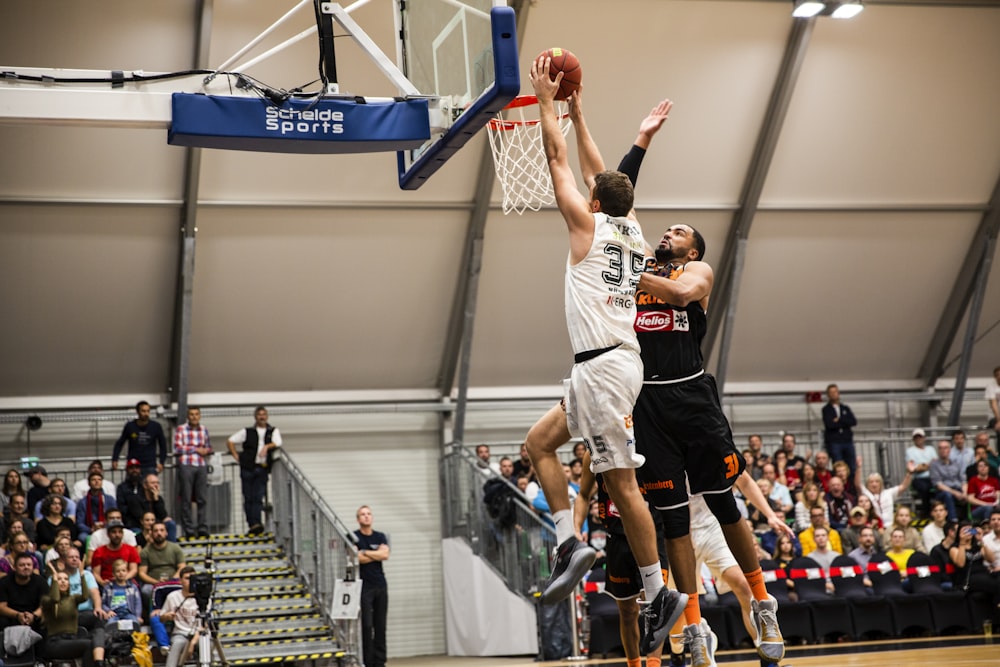
The basketball season can be spent training as hard as you like, but all it takes is one injury to prevent you from playing the sport you love. Learning the right way to avoid injury. It is as crucial for basketball as perfecting your free throws.

Basketball is one of the sports where injuries happen rather frequently. Ankle sprains, foot fractures, shoulder overuse injuries, tendonitis, knee problems, and more are all typical basketball injuries. Here are a few methods for preventing injuries that can help you play basketball with less risk of harm.

Warm up yourself properly: avoid injuries

Image via Pexels.com

A warm-up must be a crucial element of your pre-game routine, despite the fact that you might desire to start the game or practice right away.

Give your warm-up at least 5 to 10 minutes before you begin playing. Prepare your body for action by going for a short jog, performing some gentle dynamic stretches, or doing anything else. Consider this during your warm-up session if you are recuperating from an injury or know you are vulnerable to a certain kind of harm.

Right footwear: avoid injuries

Sports-specific footwear is essential for avoiding injuries. Basketball shoes must be incredibly supportive, shock-absorbing, and long-lasting. It’s time to buy a new pair of shoes as soon as possible if your current ones are beginning to deteriorate and become unsupportive.

The most frequent cause of ankle sprains is colliding with another player’s foot. The ankle usually curves inward. It’s common to feel pain around the bony prominence on the outside of your ankle. You could have bruising or edema. Your ankle can seem shaky.

An abrupt stop or direction shift might injure the knee. They can occur whether or not another player makes touch with you. After an injury, your knee could feel unstable and if it gave out or popped.

One tiny area of the knee may be painful, or the entire knee may be. It may feel like there is pressure behind the kneecap or in the joint itself when there is swelling. Swelling might or might not be apparent.

Strength and conditioning

Image via Pexels.com

Preventing injuries requires both muscular and flexibility development. The suppleness of the connective tissue surrounding and linking the muscle fibers will increase as a result of a strength and conditioning program, which will also assist stabilize and strengthen your muscles while lowering the risk of injury. These workouts will not only help you stay injury-free, but they will also help you become a better, stronger, and more complete basketball player.

Pay attention to technique: avoid injuries

Basketball is a fast-paced game with many quick movements, direction changes, and micromovements that can injure even the most fit player. Basketball injuries are common and often result from poor technique.

In this sport, repetition is the key to success, so make sure you are consistently employing excellent technique when practicing your shooting, dribbling, and other drills. If you see yourself becoming careless, you probably overexerted yourself. At this point, it’s crucial to take a rest so you can return to the game with your all and use good technique.

Listen to your body

Image via Pexels.com

A great way to avoid getting hurt when playing basketball is to pay attention to your body. Having a little discomfort? When you toss the ball or pivot, does something seem off? Feeling really worn out?

These are all indications that you need to take a break and slow down. While you might choose to ignore any of the aforementioned feelings and continue playing, doing so will most certainly aggravate an injury and make it worse. Since you won’t be aggravating your injury, taking care of your body right away will allow you to reduce the overall amount of time you need to sit out.

It is possible to have a concussion without losing consciousness or being “knocked out.” Your youngster or teen has to cease playing immediately away if they think they may have suffered a concussion.

Prepare for injuries: avoid injuries

No matter how well you may have protected yourself or prepared, accidents will inevitably happen. Everyone should be ready for them, coaches in particular.

Anyone dealing with the injuries needs to be familiar with basic first aid procedures for minor wounds like facial cuts, bruises, or mild strains and sprains as well as be ready for serious injuries including concussions, dislocations, contusions, sprains, abrasions, and fractures.

When a player is hurt, they should wait until all symptoms have subsided, including any pain or swelling they may have experienced, before returning to play. In order to return safely, they must also regain their complete range of motion and regular strength.

Proper equipment

Image via Pexels.com

It’s crucial to wear the necessary protective gear, such as properly fitted shoes, ankle supports, knee and elbow pads, mouth guards, and other items, to prevent injuries. By using the proper tools, you can prevent more serious injuries from occurring and lessen the number of bruises and sprains you could sustain otherwise.

Feet injuries: avoid injuries

Inverting the ankle joint jarringly causes the classic lateral ankle sprain. A abrupt change in direction, tripping over an opponent’s foot, or awkward landings are the main causes of lateral ankle sprains.

The anterior talofibular ligament (ATFL), calcaneofibular ligament (CFL), and/or posterior talofibular ligament (PTFL) are the lateral ankle ligaments that are most frequently injured in lateral ankle sprains. Similar to how muscular strains are rated on a scale of I to III, ligamentous sprains are rated on a scale of I to III, with Grade I sprains being mild and Grade III sprains being severe.

Knee deep injuries

Image via Pexels.com

Despite being one of the four major ligaments that stabilize the knee joint, the anterior cruciate ligament (ACL) is the one that receives the most attention in the sporting world. Basketball players that frequently change direction quickly, pivot, cut, or jump may sustain an ACL damage.

A thorough strength and conditioning program and a sufficient warm-up routine performed by athletes before dynamic activity can help athletes lower their risk of ACL damage.

USEFUL LINKS:

See more information on avoiding basketball injuries 
How to buy a Guitar with our beginner’s guide

Ultimate Guide to Building Endurance for Athletes

Ultimate Guide to Building Endurance for Athletes

Your body will burn more calories rapidly and efficiently as a result of endurance exercise, which also enhances your body’s aerobic activity. Some ultimate exercise routines are needed to develop an efficient endurance regimen.

Concentrate on aerobic, complex, and interval exercises that work several muscular groups at once. Exercises at a high rate of speed swiftly raise your heart rate and force your body into the perfect state for constructing endurance. Exercise safely by warming up, drinking plenty of water, and cooling down completely after each session.

Compound workouts: ultimate workout

Image via Pexels.com

In contrast to isolation exercises, which primarily target one muscle group, compound workouts target two or more muscle groups. In comparison to solitary exercises, these workouts put greater stress on your body, increase heart rate more quickly, burn more calories, and generally build endurance. Create a routine that emphasizes complex exercises to increase your endurance.

Lunges, squats, pullups, and deadlifts are examples of common compound exercises. Include these workouts in your regimen.

To create a compound routine, you can also combine isolation workouts. For instance, combining two motions into one exercise would be to perform a dumbbell curl followed by an immediate shoulder press.

Reduce rest time between sets: ultimate workout

Between sets, there should be 60 to 90 seconds of rest. Aim for 30–60 seconds of rest each hour during an endurance program. Your heart rate remains elevated as a result, enhancing your aerobic activity. Reduce the amount of time you rest between all of your workouts, whether you are lifting weights or performing sit-ups, to incorporate more endurance training into your regimen.

Even if you aren’t specifically attempting to increase your endurance, this still works. Your stamina and endurance will improve if you follow a strength-focused routine that includes isolated weight training.

But if you’re exhausted, don’t make yourself work out. If you’re experiencing pain or difficulties breathing, stop and take a rest.

Carry out multiple workouts

Image via Pexels.com

A more intensive workout eliminates the rest entirely rather than taking shorter breaks between sets. During your downtime, perform a different exercise. Connect several exercises, then come full circle to the first. Circuit training is what we refer to as. Before returning to the first exercise in a circuit, perform all the exercises in a row.

Utilize activities that work out various muscle groups in your circuit to give each muscle group a break. Don’t, for example, perform two bicep exercises back-to-back. Alternately, work on your triceps.

Curls, sit-ups, rowing, push-ups, and then curls again are a few examples of a circuit. For a challenging endurance workout, complete several circuits.

Changing your workout routine: ultimate workout

Every time you begin a new exercise program, you run the risk of plateauing. This occurs when your body adjusts to the exercises you perform and your results start to decline. By varying your routines at least once every month, you can avoid reaching a plateau. This prevents your body from becoming accustomed to your regimen and keeps it guessing.

It’s crucial to vary your workouts when following an endurance program. If your body becomes accustomed to your regimen, your stamina won’t continue to increase.

Try a variety of stamina-building workouts. Try swimming if you typically run.

Sprints over distance running

Image via Pexels.com

Even though running is a great cardiac exercise, sprints are excellent for increasing endurance. Rapidly increasing activity shocks the body and quickly builds endurance. Measure out a 200-400 m (220-440 yd) stretch rather than going on a 10 mi (16 km) run. Then, after stopping to recuperate, run back the same way you came. For a decent sprint regimen, perform this exercise 4-5 times.

For your sprints, precise distances are not necessary. A city block serves as a good estimate. After running the entire block, take a break, cross the street, and then run the next block.

Wind sprints are a typical endurance exercise. After 4-5 minutes of steady jogging, sprint for 30 seconds as hard as you can. Five to six times, then repeat.

Cycling to burn calories: ultimate workout

Your heart rate increases and a significant amount of calories are burned during intense stationary cycling. One of the best things you can do to improve your endurance is this. Pedal steadily for a few minutes to begin an endurance cycling workout. After that, pedal as arduously as you can for one minute. For as long as you can, keep repeating this cycle.

Alternate between rapid and smooth pedaling for different lengths of time. More than persistent work, keeping your body on its toes improves endurance.

Use a mountain or race bike to complete the same exercises if you want to work out outside. When you ride, never forget to wear a helmet and other safety gear.

Interval training

Image via Pexels.com

Interval training, also referred to as HIIT (High-Intensity Interval Training), alternates between periods of steady activity and quick bursts of intense activity. This exercise method causes your heart rate to rise and burns more calories than maintaining a constant pace. Due to the fact that you can fit a lot of action into a short amount of time, it is particularly convenient for those who don’t have much time to exercise.

Include the interval training in your other exercises. Cycling and sprinting are both effective interval exercises.

Warming up prior to exercise is usually advised, but interval training calls for it even more. You risk straining and hurting your muscles if you don’t warm up properly.

Polymetric exercise: ultimate workout

Exercises called plyometrics make use of quick, explosive movements. These strengthen your muscle endurance while burning more calories than regular exercises. For greater endurance, incorporate at least 2 plyometric workouts into your routine.

Burpees, jump squats, clapping pushups, jumping rope, and box jumps are examples of common plyometric workouts. Include routines like these exercises.

Consider swimming

Image via Pexels.com

Your joints are put under a lot of strain when you run and perform plyometric workouts. Swimming is a fantastic alternative exercise if you have joint problems. Your weekly schedule should include two or three swim workouts for the best endurance program.

Swim sprints—quick, shorter distances—should be your primary focus.

USEFUL LINKS:

Check out more workout tips here
Study hacks for becoming a great student 

Improve Your Hitting Mechanics in Baseball

Improve Your Hitting Mechanics in Baseball

Every baseball player wishes they could hit with more power, but not all of them are born with Bryce Harper’s innate ability. There are many components that go into a strong baseball swing, and not every hitter responds well to a certain swing technique or form. You can improve your hitting mechanics easily.

There are, however, a few “Cream and Clear”-free techniques that can aid all players in gaining strength. Regardless of your favorite stance or swing, you can improve your technique and strengthen your mind and body for power hitting with the right plan and preparation.

Stand in batter’s box: improve baseball hitting

Image via Unsplash.com

When facing the pitcher, choose a position in the box on the left side of home plate, which will place you on the third-base side of the plate if you are a right-handed batter. Choose the right, first-base side, if you are left-handed. Affect home plate. With the end of your bat, touch the far side of home plate. until your arm is fully extended, step back.

Feel free to try standing on the opposing sides of the box. Right-handed hitters may favor standing on the right side of home plate, and left-handed hitters may favor standing on the left side.

Avoid placing yourself too near or too far from the plate. Outside pitches will be significantly more challenging to hit if you are too far away.

Determine dominant eye: improve baseball hitting

Place anything close to you at a distance of about 20 feet (6 meters), such as a batting tee or another player. Straighten your arm in front of you. Raise your thumb into a thumbs-up while keeping both eyes open to obscure the thing from view. Close one eye. Open that eye and close the other if your perspective does not change. Your dominant eye is whichever one can view the object for the first time.

Right eyes are frequently more dominant in right-handed folks. People that are left-handed usually have a dominant left eye.

Selecting the ideal stance at the plate will be aided by knowing which eye is dominant.

Choose your stance

Image via Unsplash.com

Choose between the closed, open, or neutral attitudes. Decide which one makes it simpler for you to maintain your dominant eye on the ball when making your choice. Think about how your foot positioning in each position impacts your swing. Additionally, depending on how quickly or slowly the pitcher is throwing, you might need to alter your posture. Whichever one you pick, bend your knees a little. Spread your feet to shoulder width or a few inches wider and point your toes towards the plate.

Holding bat properly: improve baseball hitting

Instead of cradling the grip in your hands, do so with the middle of your fingers. If you are right-handed, place your left fingers a few inches or so above the bottom of the bat. Next, position your right hand’s fingers over your left. Arms outstretched in front of you, as if you’ve just taken a swing. Make sure the palms of your left and right hands are facing up and down, respectively. Do the opposite if you are a left-handed person.

While maintaining a firm hold on the bat, make sure your grip is also free enough to allow your muscles to unwind.

Your grip should be adjusted to have a precise line between the second knuckles on both hands.

Raise your bat

Image via Unsplash.com

Maintain a straight line with your shoulders aimed at the pitcher. Bend each elbow. Draw the back of your elbow up and back until it is level with your back shoulder and facing squarely backward. Keep both elbows about 15 to 20 cm (six to eight inches) out from you. 45-degree angle with the bat over your back shoulder.

Your swing will be less powerful if you rest the bat on your shoulder or hold it horizontally.

Although it could be difficult for novices, holding the bat vertically might result in a more forceful swing.

Be sure to use the appropriate size bat. Using a bat that is overly heavy will prevent you from swinging through the strike zone.

Keep eyes on the ball: improve baseball hitting

Over your front shoulder, tilt your head towards the direction of the pitcher. Do not cock your head to one side; keep it straight and still. From the time the ball leaves the pitcher’s hand until you make contact with the bat, keep both eyes fixed on the ball.

Before batting in a game, try to swing a baseball bat as much as you can. Train until the swing comes effortlessly to you, without requiring any conscious effort. By doing this, you are better able to focus entirely on the ball rather than having to plan out your next move.

Load and stride

Image via Unsplash.com

Consider yourself the hammer of a gun pointed at the pitcher. Now picture yourself being cocked to fire as the ball draws near. Once your rear knee and shoulder are in line, shift your body’s weight on that leg (this is the “load”). Take a quick step towards the direction of the pitcher by lifting your front foot now (this is the “stride”).

Shorten your stride so that when you start to swing, your body can more readily transfer its weight from your back leg to your front leg.

Front leg stable: improve baseball hitting

Put your front foot down and hold it there all the way through your swing. If maintaining your knee straight causes discomfort, bend it a little. Utilize this leg to stop yourself from overflowing forward as a result of your swing’s forward momentum.

You’ll swing the bat slower if you move your front foot during the swing.

It will also be more difficult for you to maintain head stability if your front leg is unstable.

Swing with your hips

Image via Pexels.com

Swing the bat using your entire body, not just your arms. Lead with your back hip as you start to swing, and then follow through with your arms and hands.  Maintain as near to your sides as you can with your elbows bent and tucked in.

As you swing, pivot such that your rear toes are looking in the direction of the pitcher.

USEFUL LINKS:

Check out more useful tips here 
How to preserve fruits and vegetables

Master the Art of Tackling in Football

Master the Art of Tackling in Football

Your players will stay safe and your team will win if you tackle with the proper technique and fundamentals. You can master the ability to shoot up and into the offensive player with a high degree of quickness, accuracy, and power. With the proper fundamentals, you’ll never again be trucked over, get juked out of your shoes, or make a lazy arm tackle.

Shoulder feet width apart: master football tackling

Image via Pexels.com

You must always maintain correct tackling technique, staying low and striking with a wide base, in order to tackle effectively and safely. Start by keeping your feet shoulder width apart and your knees slightly flexed to learn the proper form.

Keep shoulders back

Work on keeping your shoulders back and down to give yourself the maximum power and control during tackles. Practice standing with a wide, powerful base and keeping your shoulders back. It might feel a little funny at first, like you’re sticking your chest out and standing like a duck.

Get low: master football tackling

Image via Pexels.com

Getting low and maintaining an approximately 45-degree angle with your back, which should be straight because your shoulders are back, are essential for proper tackling form. Bring your hands up into what is commonly referred to as the “Breakdown” position, which is your fundamental tackling form, while squatting with your feet still shoulder width apart.

Feet buzzing

When you’re ready to tackle, you should move in numerous little, rapid steps. Some trainers refer to this as “buzzing” the feet, or moving ahead with brief, nimble steps.

In this fundamental position, practice shuffling forward, backward, and sideways while bouncing your feet at all times. When you’re defending the run, in particular, you need to be prepared to leap into action in any direction at any time. To tackle well, one must first get mobile in this position.

Head up all the time: master football tackling

Image via Pexels.com

You must always keep your head back and your eyes up on the football pitch, regardless of whether you’re moving, tackling or on the opposite side of the pitch from the ball.

Maintain the “laconic position,” in which your eyes are pointing downward and your neck is slightly bent back but not completely straight. By doing so, you will protect your neck while playing and keep your eyes up so you have a clear view of the field.

Injury, paralysis, or death can occur if you lead with your helmet or drop your head during a tackle. This is an essential component of good tackling technique.

Accelerating the ball

Run like you normally would on the pitch, and if a player you need to tackle approaches, drop into your breakdown position with your feet buzzing. Typically, you should execute this when you are three or four steps or less away from your opponent.

Dropping into the breakdown will slow you down, improve your tackle accuracy, and position you for a well-timed and accurate hit.

Shoot from breakdown position: master football tackling

Image via Pexels.com

The majority of the force behind your tackle will come from your hips springing forward into the ball carrier. If you tackle properly, you have the capacity to spring from your core and stop their forward motion since you are low and have a wide center of gravity.

Take one plant step as you get ready to tackle, then spring into the following phase of the tackle after making sure your head and eyes are up. Check your hit preparation step with a coach or another player to ensure that your back is straight, your butt is out, and your eyes are up.

The appropriate style of tackling has considerably more to do with it than it does with arm strength or quickness.

Exploding from your plant step

With both of your arms up under the player you are tackling and both of your hands placed behind his back, you will explode up and into him from your plant step. By lifting the player off the ground, you can cause them to lose their footing, balance, and momentum.

A proper rip should conclude with your hands a little higher than your eyes. After you’ve ripped, both of your arms should move up and pull back. embracing the player once more.

Always keep your eyes on the ball carrier and your head up. Your arms should be holding your face mask up and your gaze upward as you make contact with your shoulder.

Watch other players’ hips: master football tackling

Image via Pexels.com

The majority of jukes and other fake-outs that will have you tackling nothing but air are performed using the upper body and the feet. Hips are not deceiving. To determine the player’s progress and foresee his movement, keep an eye on his belt buckle. To be able to change directions and stay up with his motions, maintain a nice breakdown position and keep your feet humming.

Stay wrapped

If you successfully execute a rip and your player stays upright, hang on as long as you can while wrapping and holding on. It’s okay if you fall; just maintain your hold on his waist, legs, or feet to slow him down as much as you can while you wait for the troops to show up. Simply remain engulfed and deadweight the opposing player to make movement as challenging as possible without trying to do anything spectacular.

Keep your hands free: master football tackling

It’s possible to unintentionally get your hand caught in the opposing player’s face mask when tackling from the side or behind, which is a major penalty at all levels.

As you tackle, try your best to avoid touching the face mask by keeping your hands fisted. In a well-executed tackle, your fingers won’t be able to help you much, so you might as well tuck them in to protect them and prevent a risky penalty or injury.

Stay planted

Image via Pexels.com

For effective and strong tackles, linebackers and safeties alike must stay on their feet and retain good breakdown position. Only tackle up and back, using precise rips, and don’t jump unless you’re defending a pass.

USEFUL LINKS:

See more techniques of tacking here 
Building an organic garden from scratch 

Ultimate Guide to Building Muscle for Athletes

Ultimate Guide to Building Muscle for Athletes

Putting in the time and effort to put on muscle might boost your self-confidence. Fortunately, if you work hard and keep at it, you will succeed. Muscular growth depends on regular exercise and adherence to a nutritious diet. You can grow muscle whether you train at home or at a gym using the ultimate activities.

Do pull ups: ultimate workout

Image via Unsplash.com

Grab a bar that is comfortably taller than you and hold it horizontally. Your hands should be shoulder-width apart. Once you are hanging from the bar, raise your legs back. Using only your arms, pull yourself up until your chin is level with the bar. Then, return to your starting position by lowering yourself.

Both an overhanded and an underhanded grip are acceptable. Perform three sets of 10 pullups. You’ll tone your lats, traps, and rhomboids with this exercise.

Bent over rows

Stand about 6 to 10 inches (15-25 cm) behind a barbell or two dumbbells with your feet shoulder-width apart. Keep your shins upright while bending your knees slightly. Your spine and head should be straight as you lean forward at the waist. With an overhand hold, raise the weight to your upper or lower chest. Slowly descend until your arms are almost fully stretched but not reaching the floor. Perform three 10-rep sets.

Perform bench press: ultimate workout

Image via Unsplash.com

Start off with a weight that you can easily lift. If you’re just beginning out, try lifting the bar while adding 5 to 10 pounds (2.3 to 4.5 kg) on each side. Maintaining a shoulder-width distance between your arms, grab the bar. Slowly lower the bar until your nipples are at nipple level while keeping your arms completely extended upward.

Perform three sets of 8–10 reps. If possible, increase the weight for each set.

After a few months of practice, gradually raise the weight and reduce the number of reps per set to 6-8. At the conclusion of the third set, attempt to approach muscular failure.

Do push-ups

In a plank position, place your arms shoulder-width apart. After then, steadily lower yourself until your chin touches the ground. Push yourself up to the starting position gradually.

Perform three sets of 10 push-ups. The closer your hands are together, the harder your triceps will be worked. A workout you can perform anywhere is push-ups.

Build thighs and glutes: ultimate workout

Image via Unsplash.com

Put two dumbbells or a large barbell on the ground in front of you. Slowly bending at the knees while maintaining a straight spine and a strong core. Take hold of the weight, then stand up while keeping it close to your body. After then, gradually drop the weight to the ground.

Perform three 10-rep sets. Pick a weight that is exceptionally hefty for you.

When performing deadlifts, keep every muscle in your body active. Your lower body can assist you in lifting the weights.

Squats with weighted bar

A barbell with weights on it should be placed on a rack so that it is just below shoulder height. Standing up, duck under the bar so that it rests comfortably just below your neck. Keep your legs slightly wider than shoulder width and keep your knees slightly bent. Lift the bar from the rack, take one step backward, and place it on your back. Next, carefully squat down to the ground. Deeply exhale and raise yourself out of the squat using your legs and hips.

Execute 3 sets of 8 squats. The weight should be heavy enough to make squatting challenging yet manageable.

Bulgarian squats: ultimate workout

Image via Unsplash.com

Use both hands to hold a dumbbell in front of your chest. Lift your right leg back while facing a bench such that it is parallel to the ground and is in a comfortable resting position. Using your left leg, squat down until your right knee nearly touches the floor. Return to your starting position by rising gradually. On the opposite side, repeat.

Perform three 8-rep sets. Single leg squats are another name for the Bulgarian squat.

Weighted individual bicep curls

Take a seat on a bench and grab a dumbbell. In between your thighs, place your hand. Curling your arm upward while your elbow is resting on your thigh will help you lift the dumbbell to your upper chest. Repeat with the other hand after switching. Perform three 8-rep sets.

Dips to build triceps: ultimate workout

Place your hands shoulder-width apart on the bench with your torso and feet extended in front of the bench. Slowly flex your elbows and squat down until your butt is almost parallel to the ground. Lift yourself back to your starting posture using your arms.

Perform three 8-rep sets. Lift one foot off the ground to increase the resistance if this isn’t a high-intensity set for you.

The muscle below your biceps, the triceps, can be worked out most effectively with dips. To bench press heavy weights, you’ll need powerful triceps.

Skull crushers

Image via Unsplash.com

Lie flat on a seat with a bar supported by a rack. Bend your elbows after lifting the bar above your head so that it is almost at your forehead. Push the bar up gradually until your arms are completely stretched. Then lower the weight once more. As you raise and lower the bar, keep your elbows close together. 3 sets of 8 reps should be repeated.

Overhead press: ultimate workout

With your palms facing forward, hold a barbell or two dumbbells at chest- or shoulder-height. Lift the object until your arms are fully extended above your head. To avoid hyperextension, keep your elbow slightly bent. After that, gradually return the weights to their initial position. Perform three 8-rep sets.

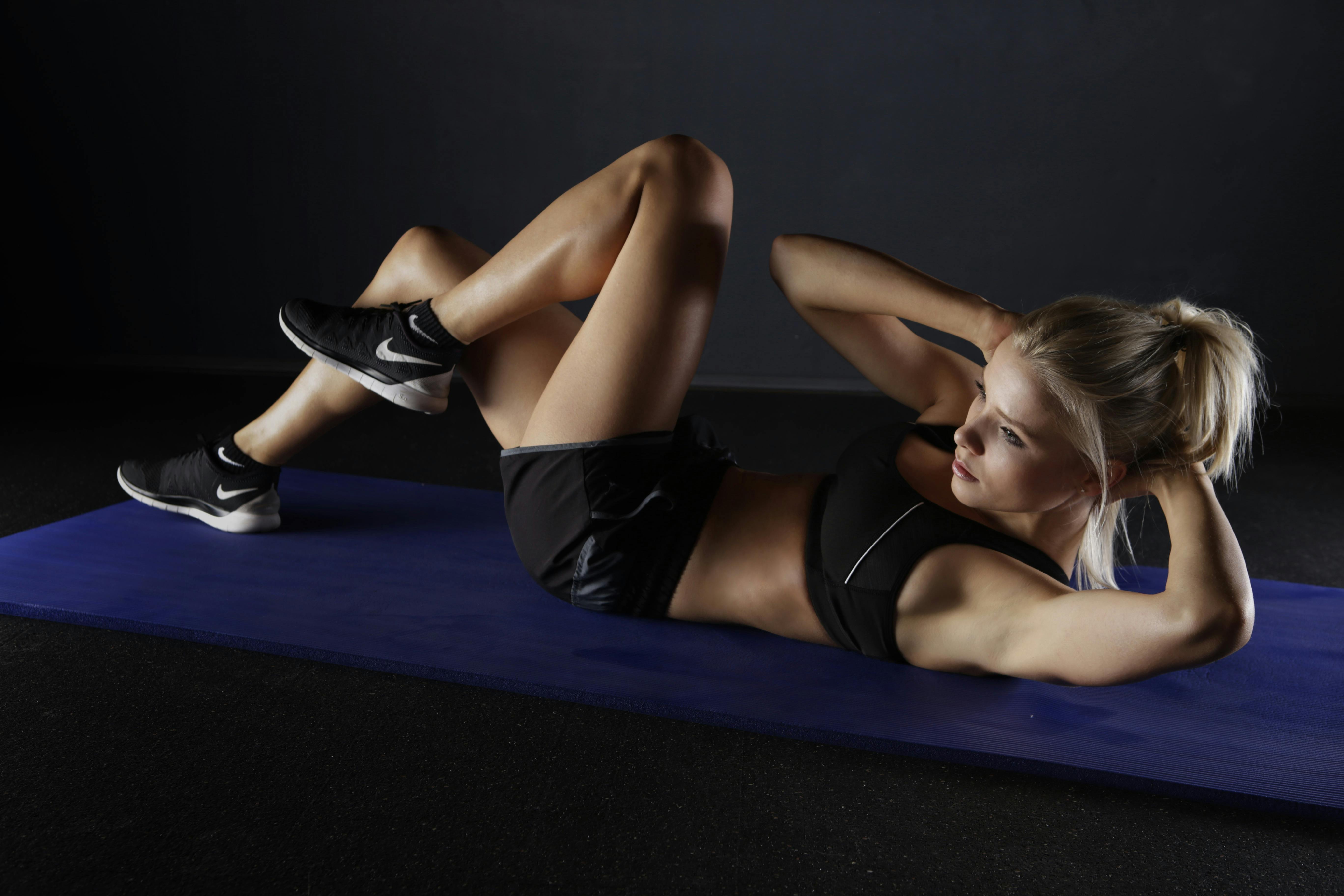
Crunches for abs and core muscle

Image via Unsplash.com

Place your hands loosely behind your head with both arms in that position while you lie down on a mat. Your knees should be bent, and your feet should be flat on the ground. Your shoulders should gently lift off the ground while you press the small of your back into the ground. Return to the ground carefully after that.

3 sets of 20 reps should be repeated. Maintain slow, steady motion.

USEFUL LINKS:

See some more drills for muscle building 
How to stay in market this pandemic 

Improve Your Serve in Tennis with These Tips 

Improve Your Serve in Tennis with These Tips

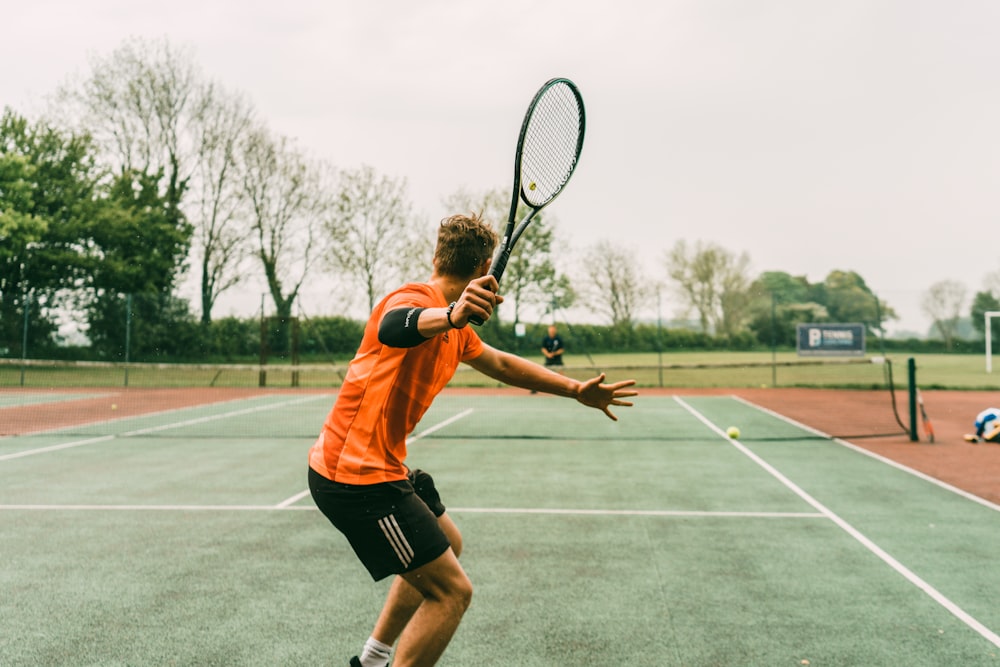
Have you ever lost your temper with yourself during a game because your serve just wouldn’t connect? There are definitely a few minor errors in your form and serving technique, but we can improve that with a few straightforward actions.

One of the trickiest shots in tennis is the serve, but if you get it right, it can make or break your career and determine the outcome of a match.

Prepare for the serve: improve tennis skills

Image via Unplash.com

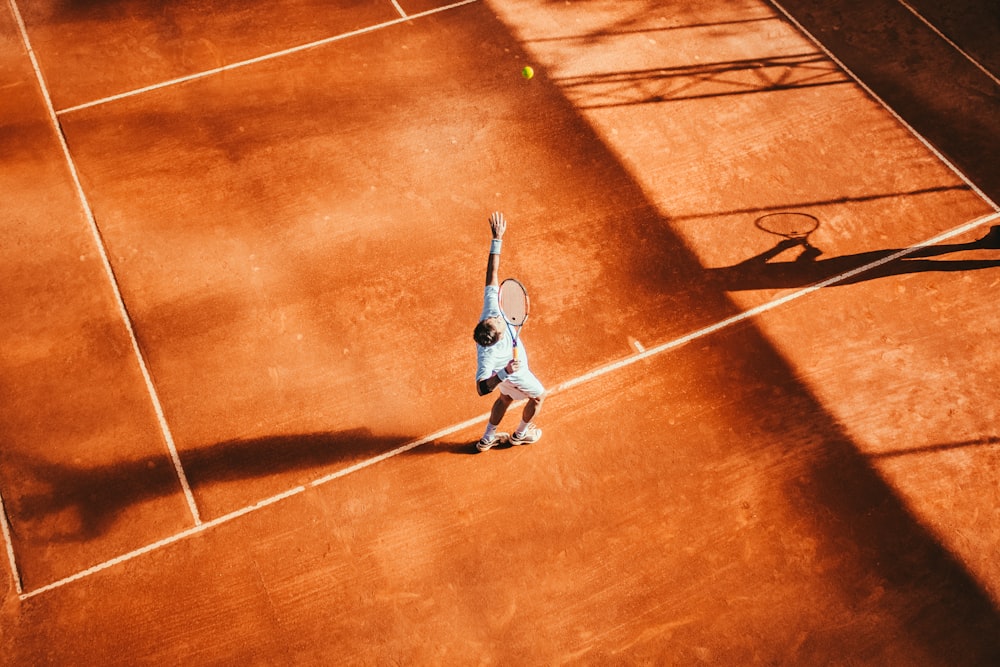
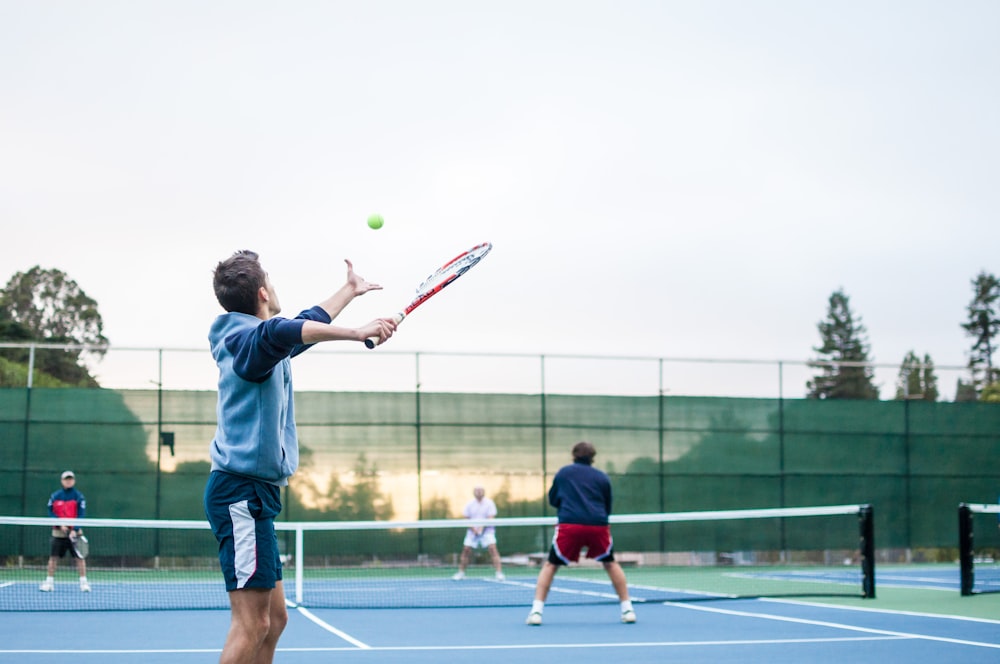
Tennis’ most crucial move is serving, and a player’s performance will suffer if they are unable to deliver the ball. The server will typically start to feel anxious and under pressure to perform well. You can calm your anxieties and improve your focus on your serving by bouncing the ball a few times and taking a few breaths in and out.

Learn the grip

Your grip is a key element in determining the strength, spin, and precision of your serve. The “continental grip,” in which the right knuckle of the player aligns with the right edge of the racket and the racket forms a straight line to the arm, is the grip that is typically preferred by the server. As a result, the server would be able to deliver precise, in-command service.

The style of serving: improve tennis skills

Image via Unplash.com

The type of serve you want depends depend on your playing style and the strokes you favor hitting over others. When you serve aggressively, you can “serve and volley,” in which the server dashes to the net after the serve is received. Other baseline players, who might feel more at ease hitting groundstrokes than being aggressive at the net, would probably be content with a top-spin or softer serve. You will have problems and end up in a one-sided encounter if you’re playing style and serve style do not match.

Type of serve

Many tennis players today struggle greatly with this. Perhaps they sense a want to learn a flat serve one day, then a desire to learn a top-spin serve the next. The server should only concentrate on one serve at a time, at most. If you focus on more than one serves at once, it’s likely that neither serve will receive the proper training, and you will be left with subpar serves.

Right form: improve tennis skills

Long-term service could enable someone to find their own style. However, after a week or two of rest, a player could start to lose their form. This will be a problem for your serve because it will affect both the accuracy and force of the serve as well as your mental preparation.

Jumping and sudden burst

Image via Unplash.com

You can get height advantage and improve your chances of getting the ball within the service box by jumping before you serve. You can impart a strong spin and force on the tennis ball by hitting it with a rapid burst, which will make it more difficult to return.

Pronation: improve tennis skills

Many individuals who want to serve decently employ this challenging strategy. When the ball makes contact with your wrist, you must pronate your wrist downward. Your chances of hitting the service box will be significantly increased as a result of the ball having greater force and spin.

Finally serving

Tennis’ second serve, not its first, is more significant. The first serve typically initiates the point and establishes the tone for it, but the second serve typically serves as a reserve and frequently has an 80–90% chance of being received. Do not let the fact that you did not ace your opponent frighten you after you missed the first serve. You must be aware that the second serve demands you to swing your racket more quickly and hit the ball harder since doing so will let you to impart more spin on the ball, increasing the likelihood that it will go in.

Continuous practice: improve tennis skills

Image via Unplash.com

Strong servers typically need a lot of energy to maintain their serve throughout the match. You should practice your serve frequently to keep it sharp and train yourself every day to prevent weariness from wearing you out during a match. This will prevent you from losing your stamina.

Practice all of the important shots, including the serve, during warmup. Injury can be avoided and your body is prepared for the court with a proper warmup.

Tennis players require shoulder flexibility and strength. Use the elastic band to mimic serves and other tennis strokes. In particular, Novak Djokovic uses elastic bands to strengthen his tendons and warm up his muscles.

Focus on mental game

Missing the opening serve has no consequence. Many players are unaware that they receive another opportunity to serve after missing their first attempt. A player will start to fault and continuing faulting until he realizes his issues when he begins to question whether or not he can make the serve. One of the most crucial things to keep in mind during a match is to remain upbeat while serving. It’s unacceptable to lose because of uncertainty about your performance.

Focus on speed and accuracy: improve tennis skills

Tennis beginners frequently serve the ball with all of their might and pace. However, you don’t have to strike the ball as hard as you can! Don’t give a serve all of your focus. Professional athletes typically provide roughly 80% of their energy. When you serve, pay more attention to precision than to power.

Instead of merely hitting it as hard as you can, practice hitting the ball exactly where you want it to go. Keep your eye on the prize. Make time in your tennis schedule to practice your serves.

Eyes on the ball

Image via Unplash.com

Even though it seems simple, every tennis player needs to be proficient in this ability. When your opponent serves you the ball, practice keeping your eyes on the ball. Put it in the center of your gaze. As it occurs to you, follow it. As you strike it with your racket, observe. The ball should then be followed as it advances across the court.

Even when the ball makes contact with your racquet, keep your head motionless and your eyes fixed on the court.

USEFUL LINKS:

Learn more about tennis here
Advantages of a car insurance 

Best Exercises for Improving Balance and Stability in Skating

Best Exercises for Improving Balance and Stability in Skating

Are you attempting to master the skateboard? Learning to balance on a skateboard is one of the most difficult aspects of learning to ride. Developing your skateboarding balance takes time and practice, but with the best equipment and the right balance-enhancing techniques, you can get there.

Finalize your stance: best drill to improve balance

Image via Unsplash.com

Finding and using your chosen posture is crucial if you want to balance on a skateboard. Regular and goofy are the names of the two main skating postures. Try both postures to determine which one feels most natural to you.

The position known as “regular” is when your left foot is ahead or you are facing to the right. The “goofy” position is when you are facing left or forward with your right foot.

Feet behind the bolts

Make sure your feet are directly behind the bolts when you stand on the skateboard. The ideal foot placement for optimum balance is as shown. You won’t have as much control and your board is also more likely to break if you put your feet in the middle of the board.

Your feet should be just behind the skateboard wheels since the bolts holding the wheels to the board are what keep them in place.

Stand on skateboard on grass or carpet

Image via Unsplash.com

Start by balancing on your skateboard when it is stationary before attempting to do so while riding it. Placing your skateboard on some carpet or grass is the simplest approach to prevent it from rolling around excessively. Work on your balance while standing on your skateboard.

To stop your skateboard from moving around too much, you can also try putting something in front of and behind the wheels. A block of wood or two cinder blocks can be placed on either side of your skateboard to stabilize it.

Try holding on to a wall or a railing if you are still having trouble standing on the board when it is stationary.

Shift weight: best drill to improve balance

You can practice your balance without doing much moving or swaying. To stay stable on the board, just make an effort to maintain your center of gravity and slightly alternate between your heels and toes.

Another smart move is to keep your knees slightly bent. By keeping your center of gravity closer to the ground, this will make it simpler for you to maintain balance.

You should practice balancing on the board frequently in order to enhance your balance. Try to spend at least 15 minutes practicing each day.

Push on a levelled surface: best drill to improve balance

Image via Unsplash.com

Start with something simple, like a level stretch of concrete, when you’re ready to try balancing on a moving skateboard. Put your front foot on the board and the other foot directly in front of that foot on the ground. Then, advance your board and body by pressing with your foot into the concrete.

As you push, maintain a low center of gravity. Your body weight should be evenly distributed over the skateboard-mounted foot as you bend your knees.

To find a flat area away from traffic, look for a flat pavement or go to your neighborhood skate park.

One foot on the skateboard

After you push off, you must lift your pushing foot and place it on the board. Keep this foot turned sideways and remember to insert it below the board’s fasteners. Due to your improved ability to rock steadily back and forth on your foot, it will be simpler for you to balance on the board.

If you push “regular,” maintain your front foot while bringing the back foot onto the board.

If you push “mongo,” keep your rear foot firmly placed when you place the front foot on the board.

Stay on the board until it leaves

Image via Unsplash.com

Once you are seated on the moving board, ride it while attempting to maintain your balance until it stops by itself. This shouldn’t take very long if you’re on a flat surface.

It might take a little longer if you’ve decided to attempt riding your board down a slope, and you might even have to stop yourself if you begin to feel shaky. Step on the board’s tail with your back foot to halt the board. The tail will stop moving as a result of grinding against the ground.

Turn board with heels and toes: best drill to improve balance

While practicing riding the board, you can play around with turning it. Simply switch your weight slightly from one side of the board to the other to turn it.

For instance, depending on which way your heels are facing when you shift your weight to your heels, the board will move to the right or left. Your board will turn in that way if you shift your weight to your toes.

To perform this exercise, your center of balance should be exactly between your two feet. One foot at a time, bending your knees while keeping your arms outstretched, just outside of each foot.

Wear skate shoes

Skateboarding can be done with trainers, but skate shoes are made specifically to keep you on the board. Compared to conventional trainers, skate shoes are broader, which increases their contact with the board. You could find it simpler to maintain your balance on the board if your skate shoes are wider.

Skate shoes are available in the majority of sporting goods and department stores.

Prefer custom made skateboard: best drill to improve balance

Image via Unsplash.com

Skateboards are generally available, but you might want to think about having one manufactured specifically for you or at the very least acquiring one from a skateboard shop. This will provide you the chance to converse with experts on skateboarding and skateboards and ask them questions. The finest skateboard for your needs and ability can be suggested to you.

For instance, you might want a skateboard that can be used for mountain boarding on dirt rails, or you might only need one for a skate park and sidewalks.

You could find it simpler to balance on your skateboard if you choose a board that is specially made for your needs.

USEFUL LINKS:

See more drills for improve balancing techniques 
The importance of International Relations 

Increase Your Speed and Power in Hockey

Increase Your Speed and Power in Hockey

A strong shot can significantly improve your hockey performance, making you a better scorer and a more fearsome defender. It’s one thing to know how to create a great shot; it’s quite another to execute the moves perfectly. And there’s always an opportunity to increase power and speed.

Fortunately, improving your shot power can be done quickly and easily if you adopt proper shooting technique. There are a number of methods you can employ to increase your shot power. But in the end, repetition and practice will help you become more proficient. Moreover, it is never late to add skills into your athletic ability. It is a sign of a successful athletes, they never settle and always keep thriving for betterment.

Bend knees with shoulder and feet apart: increase speed and power

Image credits: Pexels.com

assuming a correct hockey stance by bending your knees just a little and placing your feet around shoulder-width apart to create a stable foundation. Position yourself so that you have a solid base from which to launch a powerful shot as you prepare to take it.

You won’t be able to put all of your weight onto it if you take a shot when fully upright.

Lean onto you back leg: increase speed and power

By moving your weight to your back leg, start mobilizing the strength of your complete body. When you’re getting ready to take a shot, load up your energy and body weight into your back leg so you can transfer it for extra force without leaning back too much.

Extend your hand toward the goal

Image credits: Pexels.com

If you want to have better control of the puck as you line up for a shot, extend your upper hand towards the goal rather than keeping it close to your waist or side. Your stick’s handle will advance, giving you the opportunity to harness momentum to make your shot with extra force.

Push off your back leg: increase speed and power

When you’re ready to make your shot, make a single, fluid move to channel all of your weight and energy into it. This will allow you to use the full power of your body.

Leaning forward will make you unsteady on the ice and could cause your shot to miss its mark.

Snapping stick forward

Image credits: Pexels.com

In order to leverage the strength of both arms and your shifting weight for a stronger shot, draw back with your top hand on the stick while pushing forward with your bottom hand. Add a tiny wrist flip to the end of your push and pull motion as you shoot for the goal to increase torque and power.

Make an effort to move in a fluid and quick manner.

Put all your power into shot: increase speed and power

Your shot will have greater power if you add intention and consciously try to hit the puck as hard as you can, even though it may seem ridiculous or obvious. Imagine taking the hardest shot you can for an added burst of energy as you use your technique and put all of your weight into your shot.

You won’t shoot as hard if you’re not truly pushing yourself psychologically. Give it everything you’ve got, then!

Improve muscle memory

It’s one thing to prepare yourself, take your time, and aim for the goal with a powerful shot. However, you will need your body to perform fluently and smoothly without you having to think in the chaos and intensity of a live game, therefore it’s crucial to develop your muscle memory. The easiest way to achieve it is to repeatedly take 100 good shots at a goal each day.

To enhance your overall game, vary your shots. Take rapid, snappy shots that are close to the goal to increase your shot speed, and long-range shots to increase your accuracy.

Try weighted shots: increase speed and power

Image credits: Pexels.com

Attach a 2.5 pound (1.1 kg) weight to the end of your hockey stick, or fasten two pucks with holes in the middle. To strengthen the muscles utilized to take a shot and boost your total shot power, practice shooting with a weighted stick.

Avoid using really heavy weights. Keep it light so you can create explosive energy without running the danger of getting hurt.

Rotation exercises

Your core, hips, and arms will all be strengthened through rotational workouts, which will help you make powerful hockey shots. Take an exercise band and fasten it to a sturdy object like a pole or a squat rack. Stretch out the band and engage your muscles with resistance by grabbing the end of the band. Extend your arms, and rotating your entire body. To complete a set, go back to your starting posture and perform the motion 8–10 times.

For a strong rotating workout, perform three to five sets of eight to ten repetitions.

Use a band with the right resistance level for you. Choose the bands with less resistance if you’re just beginning out to lessen your chance of damage. There is always room for advancement!

Use slap shot: increase speed and power

Image credits: Pexels.com

One of the strongest shots in hockey is the slap shot. Its frequently utilized by defensive players close to the point, which is where the blue line crosses the boards on the defensive side of the ice. In a game, a slap shot will send the puck flying with a lot of speed and velocity if you need to make a strong shot.

Slap shots aren’t frequently used in actual games. But they’re an excellent alternative if you need to clear the puck away from your own goal. each hour!

By following these effective tips, you can definitely reap desired results.

USEFUL LINKS TO VISIT:

Check this site to know more tips if you want to improve speed and power in hockey
We have an ultimate to help you building quickness in athletes, see here
Master Pinterest with this advise for success 


Improve Your Footwork in Volleyball with These Tips 

Improve Your Footwork in Volleyball with These Tips

A fast-paced sport like volleyball necessitates outstanding quickness and agility. A volleyball player must be able to start moving quickly in any direction at any time while on the court. You may need to improve at it.

The muscles in an athlete’s legs must be prepared to react to the movements of the ball and the opposition as a result. A volleyball player, on the other hand, has to leap regularly while playing.

Obviously, a lot of agility is necessary for volleyball. As a result, an athlete’s footing improves with speed. This makes it essential for athletes to focus on improving their balance. In other words, a player’s training regimen must include volleyball footwork drills.

Stair jumping: improve your footwork

Image via Unsplash.com

Players of all skill levels who practice volleyball can benefit significantly from stair jumping drills. It’s crucial to understand that this exercise is a fantastic approach to enhance volleyball players’ footwork.

By performing stair leaps, a volleyball player can greatly strengthen his leg muscles and develop the ability to land steadily. Regularly performing this kind of practice also significantly improves an athlete’s agility, balance, and endurance. Stair leaping actually works out your entire body. We’ll now go through how stair leaping can help a volleyball player. Athletes can complete the exercise either with or without a team.

It is important to note that stair jumping exercise is simple to perform. You only need to run up the steps before running back down. Of course, when performing the drill, you must take all reasonable precautions to be quick. A volleyball team can also practice stair leaping.

The drill in this instance calls for six obstacles. During the exercise, each athlete in a team must rehearse jumping. A volleyball player’s role is to clear obstacles. An athlete, on the other hand, needs to learn how to land properly. When jumping, a volleyball player must keep a proper position and push off the ground with both feet.

Lateral hop and hold: improve your footwork

The drill known as “Lateral Hop and Hold” gives volleyball players the best chance to develop their footwork, balance, stability, and ankle strength. Everything starts with preparation. A volleyball player must first adopt an athletic stance. The knees of the athlete must be bent. An athlete must initially hop to the left while supporting himself on the right foot. An athlete playing volleyball must wait a little while after touching the ground. An athlete must then jump to the right and land once more. A volleyball player must then extend his or her horizontal jump and repeat the exercise.

One-on-one competition

Image via Pexels.com

Another exercise that helps volleyball players develop their footwork is one-on-one contests. Two volleyball players are required to practice this exercise. The first player moves to one side of the court, followed by the second player who moves to the other side. The first player serves the ball to the opposing side of the court to start the exercise. The ball can land anywhere on the court’s other side following a serve. The second player’s task is to quickly approach the ball and attempt to pass it back to the first player. You should also be aware that you can practice this volleyball drill two-on-two.

Load drill: improve your footwork

A ladder must be ready before beginning this type of footwork exercise. An athlete must emphasize ACL stabilization throughout this exercise. Do you want to begin the exercise with your right leg? If this is the case, you must perform the following action: in (right), in (left), out (right), and then hold.

Then you must perform the following action: in (left), in (right), out (left), and then hold once more. You’ll be able to move back to your starting position as a result. You can now go back and repeat everything. It goes without saying that this drill takes a lot of footwork and balance practice. This drill needs to be performed twice.

Passing star drill

Image via Pexels.com

Actually, passers typically perform this volleyball drill. The workout actually enables volleyball players to enhance their passing abilities. Many volleyball players opt to perform passing star drills to strengthen their footwork. A volleyball player must take up a starting position on the court before anything else. Athletes must then make shuttle movements in all directions (left to right, right to left, back and forth, forth and back), calling “mine” as they go. It is crucial for players to keep their feet separated when performing this activity.

Right brain karaoke: improve your footwork

This footwork exercise can be included in any volleyball training regimen. A ladder is necessary for this volleyball drill. You must traverse a ladder during the drill in a specific manner. Both legs exit a ladder after just one leg is inserted. Assume you begin the exercise with your left leg. In this situation, you must perform the following action: left leg (goes into a ladder), followed by right leg, left leg (goes out of a ladder). Assume for the moment that you begin the drill with your right leg. You’ll need to do the following action in this situation: right left (goes in a ladder), followed by left leg, right leg (goes out a ladder).

Jumping rope

Image via Pexels.com

As you undoubtedly already know, boxers enjoy using this particular practice a lot. Jumping rope while jogging, however, can also be used in a variety of other sports. Players that play volleyball can also gain from doing this exercise.

It’s important to note that the main goal of this kind of exercise is to enhance athletes’ footwork. The exercise offers volleyball players a number of other significant advantages. Athletes who want to increase their endurance should also try the drill. Athletes’ ability to run and jump rope significantly improves their leg and foot endurance. Volleyball players will be able to perform significantly better on the court and produce superior outcomes over lengthy games as a result.

Traditional methods must be used to complete this exercise. All you have to do is jump while using a jump rope. When jumping, you should also switch between using your left and right foot.

USEFUL LINKS:

Click here to know more footwork drills 
Taking care of a German Shephard with our Guide 

Best Drills for Improving Reaction Time in Sports

Best Drills for Improving Reaction Time in Sports

Working on your reflexes is an excellent habit to keep up throughout your life, whether you want to increase your reaction time in a professional sport or react with superman speed while gaming. You need to try these best drills.

It’s entertaining too, as you can focus on your cerebral flexibility by playing computer games and cognitive teasers before working on your physical agility with ball and agility drills. You can even develop a specific training schedule in collaboration with a sports trainer. Get ready to start awe-inspiring yourself, your loved ones, and others with your cat-like reflexes!

Play video game for 30-minutes: best drills

Image via Unsplash.com

Your brain’s capacity to comprehend information may grow due to the fast-paced nature of gaming. You might also have to practice making snap judgements based on incomplete information because of the gaming environment.

In case you needed any additional incentive to play video games, research indicates that players of action games exhibit up to a 25% faster decision-making rate than non-players.

Brain training

Avoid training in the same technique again; if you do, your brain will get used to it and you’ll lose your edge. Try using some “traditional” brain training techniques instead, such playing cards or a computer game.

You might also try to memorize a list of numbers by looking at them one by one. Then, test your memory by seeing how long it takes you to correctly recite the numbers. Choose the phone digits of your friends and family so you may practice your reflexes while also learning their numbers.

Speed your decision making: best drills

Image via Unsplash.com

Say to yourself, “faster, faster,” until you make a decision, if you feel like you’re taking too long or delaying something. Repeating this procedure can also help you become accustomed to the pressure that comes with making quick decisions and teach you how to maintain composure under duress, a useful ability regardless of how quick your reflexes get.

Play some online games that need you to make snap judgements. You will need to think more quickly to keep a high score in these games because of the timer.

Reading single page

You can measure how long it takes you to read a page by timing yourself as you go. Then, try to reduce the time while maintaining understanding of the topic. To keep your mind open, do this with a diversity of reading. You might also enroll in a speed-reading course at a nearby college or online. You’ll soon be reducing the amount of time you spend studying as well as your reaction times.

Another technique for improving your reading speed is to scan a page and highlight one letter at a time. Therefore, on a single page, cross out each “a” using a pencil. Repeat the process with additional letters until you feel your speed picking up.

Chew gum when you make decision: best drills

Image via Unsplash.com

gather some sunflower seeds. It has been hypothesized that chewing activates the muscles in your mouth and jaw, which then increase blood flow and brain activity. The initial effect just takes 10 seconds to happen, and the boost lasts for at least 15 minutes. Enjoy the flavor explosion as well!

The advantages of this step are generally estimated in milliseconds of difference and are not always visible to the human eye. But even a slight reduction in time can benefit athletes, who can benefit most from it.

Planning ahead

get your game face on! Consider how you must be precise and quick in your forthcoming task as you sit. Before you start, it’s helpful to mentally run through all of your preparations and picture the task at hand. You can learn to control your stress nerves and use them to your advantage by approaching a task in a calm, methodical manner.

Reminding yourself that you are in control can also help reduce the likelihood of making nervousness-related blunders like commencing queue jumping.

Undivided attention: best drills

Image via Unsplash.com

Try to block out everything else that might catch your attention if you are working on something that needs focus and speed. Turn off the radio and engage in less conversation with the passengers if you are travelling in poor weather and need to act swiftly, for instance. If they are confident in the care their driver is giving them, they won’t mind the silence.

Additionally, you can mix this with other speed training. Reduce distractions in your room, for instance, if you’re playing a video game so that you can concentrate.

Train your eyes

Choose two comparable objects, set one close by and the other farther away, and then start them up. Rotate between the two and make an effort to read each one. Inquire with your eye doctor about additional workouts.

A sports vision specialist is a good person to talk to about eye agility training. Visit the American Optometric Association website and perform a doctor search to find a doctor in your area.

Test your reaction speed

To hold it vertically by the top, ask a friend. Ask your friend to drop the card suddenly as you align your fingertips with the bottom edge of the card. As soon as the card is dropped, rapidly catch it with your fingertips. This will demonstrate how rapidly you can react.

You probably have quick response time if you take the card at the bottom.

You can have slow reaction time if you only take the card from the top or entirely miss it.

Try ball drills

Image via Unsplash.com

Play catch, kick a football around or perform another sport-related exercise. You may also think outside the box and play a different sport with the ball. Increase the number of partners to add a new difficulty. If you’re a catcher in baseball, for instance, check how quickly you can spin around and grab the ball when your partner throws it behind you.

Try out juggling. You must think quickly and take action to collect the balls as they fly through the air. Regular practice can improve your speed, lower your reaction time, and offer you a wonderful party trick.

USEFUL LINKS:

Check out more tips to improve your reaction in sports 
Best lamps for working at night 

Avoid Burnout and Maintain Motivation in Sports

Avoid Burnout and Maintain Motivation in Sports

Are you a young athlete who participates in demanding competitive sports and experiences extreme fatigue or a loss of interest? If so, burnout might be setting in. Want to know avoid it?

Burnout is a word that is frequently related to experiencing too much stress, losing drive, and losing interest in the game. Sadly, burnout is becoming more and more prevalent among young athletes who spend the majority of their time competing and training at top levels.

You will eventually experience the consequences of burnout if you play a sport at a high level of competition for a lengthy period of time. It may seem as a loss of drive, diminished confidence, weariness, or even resentment towards your teammates or coach.

Burnout episodes can be difficult, but there are various strategies to get over them. Here are some suggestions to assist you in overcoming burnout, including guidance from collegiate athletes who have dealt with it and succeeded in their sporting endeavors.

Engage in activities outside your sport: avoid burnout

Recognizing that you are a human being first and foremost is the most important thing you can do to keep the balance between your athletic endeavors and everything else in your life. It’s crucial to find happiness in your life in a variety of ways.

When your sporting circumstances get challenging, you can be setting yourself up for stress and burnout if you base your entire identity and schedule around your sport. You might be able to overcome challenges when pursuing different interests and passions if you diversify your interests.

Winning and loosing continues

High-level athletes naturally base their feeling of self-worth on how well they do in training and competition. Athletes must keep in mind that they are still only human at the end of the day, even though there is nothing wrong with enjoying their accomplishments.

Taking break is alright: avoid burnout

Athletes in competitive youth sports leagues are accustomed to saying ‘Sorry, I have practice’, while apologizing. It is a great way for many of us to get out of practically anything. However, after years of sacrificing everything for practice and competition, choose a different hobby above your sport can feel dishonorable.

Even taking a day off can make you feel as though you don’t care enough about your future in sports. That is untrue. Lack of commitment is very different from juggling other facets of your life.

Burnout will affect the majority of athletes at some time in their sporting careers. Don’t disregard your sentiments if you start to lose interest in the sport or become stressed out because of it. Instead, put your mental health first and choose yourself over the sport during burnout waves.

Spend some time doing other things you enjoy and find worthwhile ways to rejuvenate. Take a break without being too hard on yourself, and remember what a wonderful person you are outside of sports. When you return with fresh enthusiasm and purpose, your sport will be waiting for you, and ideally, you’ll rediscover the thrill of playing for the love of the game.

Multiple sports participation: avoid burnout

Parents, athletes, and coaches all hold the belief that early single-sport specialization is essential for long-term success. Contrary to popular belief, this is untrue. Numerous studies on outstanding athletes indicate that playing multiple sports while still a teenager is better for long-term athletic achievement than focusing on just one sport.

Don’t strive hard for perfectionism

A common personality trait in athletes, perfectionism is characterized by the desire for perfection, the impossibly high bar set for performance, and a propensity for excessive self-criticism. Even while “perfectionism” has historically been portrayed as a bad quality in the context of sport, this association is oversimplified. There is a big difference between striving for perfection and worrying about perfection; each area has its own special connections with athletes’ emotions, drive, and performance.

Avoid stress: avoid burnout

Running burnout can be prevented by taking good care of your body and mind. Set reasonable goals, pay attention to your body, and cross-train to keep yourself involved and motivated. Celebrate your accomplishments and take breaks as necessary to avoid burnout and maintain your endeavor as enjoyable and fulfilling. Running enthusiasts can also adopt a few other lifestyle choices to reduce unneeded stress and keep their drive.

Changing drills

Daily repetition of the same exercises and methods of training can deplete your motivation. So, vary stuff. Attempt a different form of exercise that takes you outside of the gym. Individual practice sessions should be held somewhere else than your typical location. Alternately, take a break from your sport and engage in cross-training by engaging in a social activity with your buddies.

Surround yourself with supportive family

The network of supporters an athlete has can also affect their level of motivation. Athletes’ motivation and perspective can be greatly influenced by having a supportive coach, family, and friends. These individuals can offer support, guidance, and a sense of responsibility that can help keep athletes inspired and on track. Athletes should surround themselves with similarly driven and committed people as this can foster an upbeat and motivating training atmosphere.

Self confidence: avoid burnout

Athletes’ motivation can be influenced by a variety of internal elements in addition to goals and support. These include how self-assured they are, how confident they are in their skills, and how they view their sport. Athletes are more likely to remain motivated and provide their best effort when they have a strong self-image and confidence in their own talents. Therefore, it’s critical that athletes seek to increase their self-confidence and keep a positive outlook.

Track your progress

In order to increase their motivation, athletes might employ a variety of techniques. Setting clear, attainable goals and monitoring their progress towards them is one of them. This can encourage athletes by enabling them to observe their improvement and sense of accomplishment. Take regular breaks and participate in things unrelated to their sport as an alternative option. Athletes that do this can refuel and return to their training with fresh enthusiasm.

USEFUL LINKS:

Check out more tips to avoid burnout 
A beginner’s guide on how to buy a new guitar 


Improve Your Jump Shot in Basketball

Improve Your Jump Shot in Basketball

Basketball shooters who excel are created, not born. A successful shooter needs skill as well as superb coaching and lots of practice—at game speed. Practice with the same level of focus you bring to your game so that you can improve your jump shot.

A skilled shooter can shoot after receiving a pass or while in motion. Make your final dribble when shooting off the dribble hard and high to help you transition into your shot. When you receive a pass, run the ball into your hands and crouch to catch it.

You must practice the proper form repeatedly and have complete faith in your shot to become a great shooter. You will miss shots if you second-guess yourself.

Follow through: improve your jump shot

Image via WallpaperFlare.com

Even though you’ve probably heard this a hundred times before, it’s still true.  After practicing getting shots up for a very long time, a jump shot should come naturally.  During games, muscle memory takes over, and you simply stand up and shoot.

By practicing following through after each shot, you can train your body to execute it without thinking throughout a game.  One effective trick is to release your wrist and hand once you complete the action.

After making a shot, simply keep your wrist bent and fingers looking downward for a few seconds. Exaggerate it now to establish the habit.  Additionally, you want a relaxed, untense follow through.

Keep your eyes focused

This is crucial because even if your shot is perfect, it will still miss if you apply too much or too little pressure on the ball.  Watch the rim whether you’re waiting for a pass or dribbling.  The few extra seconds you need to eyeball the shot will be extremely valuable.

Your eyes and mind will now be prepared to shoot when you receive the ball or are prepared to pick up your dribble for a shot.  Keep your focus on the basket, not the dribbling ball, when you shoot free throws to practice this.  Alternatively, keep a mental count as you dribble towards a shot.

Maintain your balance: improve your jump shot

Image via WallpaperFlare.com

When you take a shot, you should almost always land in the same location as when you took the initial jump.  This will assist you in maintaining balance, steadiness, and a straight trajectory for the ball.  In order to improve, lay down a piece of tape and jump off it when you shot.  Check your landing spot.  Try to jump more straight up and down if you are not right on the tape.

Always remind yourself

Each of these actions requires memory.  Examine your previous shot to see if you missed the rim, failed to follow through, or landed anywhere other than the intended location.  When practicing, take a moment to consider if you took all the necessary stages; if not, concentrate on the one step you missed before taking the next shot.

Practice the game shots: improve your jump shot

When shooting, you frequently attempt three-pointers or a few dribble pull-ups.  Shoot more in the manner of a game.  Run off a pick-and-roll to grab a shot, draw up for a string of jumpers from the foul line, then pop up from the block for a basket.  Take the shots you appear to take while playing the game.  Warning: For some of the off-ball shots, you may require a partner.

Be quick and natural

Image via Pexels.com

Once you master the proper mechanics, shooting is simply a matter of repeating the same action each time.  You took a different action than you typically do, and your shot missed.  Be confident while remaining at ease.  And shoot as frequently as you can to develop consistent shooting in the same manner.  When practiced so that the shot is identical every time, even shots with poor form can improve.  Soon enough, you won’t even need to think to shoot; you’ll simply react and fire the manner you’ve trained.

Firmly place your feet: improve your jump shot

To add strength and balance to your jump shot, firmly plant your foot’s arch into the ground. Additionally, it stops you from rolling on the outside of your foot, which might harm you and impair your strength and balance.

The best shooters use their legs instead of their arms to add force, fluidity, motion, and energy to their jump shot. Keep your legs parallel to your shoulders and appropriately bend your knees to load onto your hips and lower back.

Raising the ball and releasing

Image via Pexels.com

The release point dictates how near your defender must be to block, making it the most crucial component of the shot. The shot will start low, your opponent won’t have to move as close to block, and he or she can also obstruct your line of sight with the hoop if you release too soon. A higher release point is more difficult to defend against.

Instead of extending out to the sides like a chicken wing, your elbows should be fully stretched and placed above your eyes. Using the “goose neck” as a visual aid, you can place your fingers directly in front of the basket.

Record yourself to improve

Watching movies of your shooting techniques is an essential component of your success because film never lies. You may analyze your posture and technique, understand where you need to improve, and take mistakes as opportunities to grow. It’s different from watching basketball as a spectator, so watch carefully.

Shooting stance

Image via Pexels.com

The ideal shooting position is necessary for a successful basketball jump shot. Starting from a standing position with your feet shoulder-width apart, place your shooting foot slightly in front of your other foot. With your knees slightly bent, position your torso so that it faces the basket.

Keep your non-shooting hand balanced on the side of the ball and your shooting hand positioned on top of the ball with fingers spread evenly. You need to maintain a tucked-in elbow and keep your eyes on the rim. By creating a solid and dependable shooting stance, you may improve your accuracy and all-around performance on the court.

USEFUL LINKS:

See more drill to increase jump shot 
What to wear on a beach? See here

Ultimate Guide to Building Mental Toughness for Athletes

Ultimate Guide to Building Mental Toughness for Athletes

The ability to resist, control, and get through doubts, concern, concerns.  Additionally, having the capacity to withstand physical discomfort or exhaustion as well as continuing to be adaptable and open-minded. All you need is an ultimate guide.

The ability to control our thoughts under pressure is a result of perseverance, self-control, and constant improvement. The outside forces attempting to add pressure or doubt will be disregarded if we concentrate on what we can control.

The key to having a strong mind is being able to stay optimistic, be present, and continue with the process. Our concentration, routine, daily activities, and self-talk all play a part in how successful we are. But our attitude is ultimately what shifts that focus.

Meditation: ultimate guide

Image via Unsplash.com

Our body and mind are amazingly connected during meditation. As a result of letting our body to honestly and unbiasedly observe all of its sensations, it enables us to achieve a deeper degree of consciousness. We must be receptive to whatever comes through us and accept those feelings or thoughts as they arise because they have a purpose.

Everything happens for a reason, and we discover the finest solutions to our life from within. Whatever is coming to mind at the moment is a hint that we may need to let go of certain things or focus more in that area.

The best method to reclaim the present moment when life seems hurried or “heavy” is through meditation. It fosters true consciousness and restores balance with our higher selves. Being conscious allows us to live more shrewdly, healthily, and in the present.

This is crucial in athletics because we must constantly maintain a present-focused attitude and the capacity to move past either failure or victory. Athletes who are capable of doing this are elite and frequently stand out among their colleagues.

Mindfulness: ultimate guide

Yoga, like meditation, helps us become more aware of our bodies and minds while enhancing our flexibility, mobility, and balance. In any activity, yoga is a great way to develop neuro-muscular connections that support body awareness. Yoga, in my opinion, is meditation in motion since it requires the presence of the mind to be effective. Enhancing links between what is “real vs feel” through regular yoga practice is important for athletics. The more accurately we can perform by feel, the more success we can actually have.

Breathing techniques

Image via Unsplash.com

Elite athletes demonstrate how conscious breathing control can make or break a person’s mental state during periods of intense attention or endurance. Wim How, who can endure extremely cold temperatures for extended periods of time by controlling his breathing and mentality, serves as an example of how we may push ourselves over numerous problems just by managing our breathing. The two are closely related, so when we master one, the other usually does too.

Sports are all about quick decisions, so any way we can slow down the action is advantageous. The ability of our body to respond quickly with decisions made by muscle memory will be compromised if we do not concentrate on being entirely relaxed in our minds. This results from a lack of mental fortitude or control over our focus. Breath control is a crucial characteristic that distinguishes amateurs from professionals and may entirely make or break an athlete under duress.

Envision success: ultimate guide

It’s more difficult to believe what we don’t see… Through the use of mental imagery, we can imagine the outcomes we want actually occurring. Because we are more certain that it is now attainable, this helps us align confidence and trust in our skills. Oftentimes in sports, we are more in our sympathetic nervous system, which is controlled by adrenaline and “fight or flight” impulses, which is quite strong at overriding our conscious actions.

Muscle memory will therefore be crucial for performing when everything is truly moving at game speed. It gives us a preview of what might occur when we picture ourselves doing the work or making the proper play in advance. As a result, every play is better prepared. The only way we can perform to the best of our abilities is to always think about the next play because we have a concept or strategy for what might happen.

Mind games

Image via Unsplash.com

Games are excellent for changing things up and trying something new. Whatever the game, it will be useful for enhancing mental toughness as long as it fosters the development of problem-solving abilities, rational decision-making, and increased decision-making speed. Clearly, for continuous improvement, the mind is equally as crucial as the body. But because they improve abilities that are important to athletic performance, the advantages are great. Chess, Sudoku, crosswords, card games, and brightness are a few examples.

Each of them calls for perseverance, recall, flexibility of thought, fast decision-making, and sharp problem-solving. Athletes shouldn’t overlook certain abilities as they are crucial for improving athletic performance. The best athletes or most gifted people are not usually the best performers. However, their mental fortitude and aptitude enable them to reach their full potential, which occasionally outperforms superior talent.

Cold showers: ultimate guide

Cold showers are frequently utilized in a variety of sports to aid with physical rehabilitation. Our mental toughness will also greatly benefit from the benefits. It teaches us how to be at ease under challenging circumstances. We are compelled to regulate our breathing, slow down our heart rate, and unwind our minds.

However, it’s a method that has been shown to help in bringing us back to the present and encouraging resilience for difficult situations, which are unavoidable in elite sports. Imagine a scenario in which the game is tight, the score is tied, and there is little time or margin for error. Even if these circumstances are uncomfortable, we must learn to maintain our composure while working.

USEFUL LINKS:

Check out more tips to develop mental toughness 
Best exercises for improving upper back strength in sports 

Best Exercises for Increasing Upper Body Strength in Sports

Best Exercises for Increasing Upper Body Strength in Sports

People frequently think about their upper bodies when they think of the gym. Strong pecs, chiseled triceps, and bulging biceps are not only desirable, but they are also simple to develop with the appropriate and best diet and training.

There are particular exercises and programs to bulk up your upper body, albeit you should concentrate on strengthening your entire body.

Know how muscle building works: best exercises

Image via Unsplash.com

The stress of lifting weights tears your muscle fiber when you exercise. Your body shifts into repair mode as soon as you stop exercising, beginning a process called “protein synthesis.” Your body grows bigger and stronger as it rebuilds by producing more cells as it gets ready to withstand extra stress.

Inversely, if you don’t exercise, your body uses less energy to create new muscle cells. Your muscles gradually deteriorate as a result of inactivity.

Relax before working on the same muscle

After you lift weights, your muscle fibers rupture, and your body repairs them to be stronger than before. This is the essence of building muscle. Lifting the same weights every day in a succession, however, hinders your muscles from recuperating properly, which slows growth and increases the risk of injury.

Rest once in a week: best exercises

Your body can heal and concentrate on gaining muscle during rest days. Additionally, it provides you with a mental and physical respite that might help you maintain your energy and excitement for the remaining workouts of the week. Resting your muscles, joints, and ligaments will keep you healthier over the long run.

It’s possible to “workout” while taking a rest day by going for a light jog or riding a bike.

Do not be concerned about “missing” the opportunity to strengthen on a rest day. All elite training regimens, whether they be for Olympians or NFL players, include rest days.

Planning your workout

Image via Unsplash.com

When creating a workout routine, keep in mind that each muscle group needs time to unwind before being worked again. Making specific days for various muscle groups, such as “Chest and Shoulders” one day and “Biceps and Back” the next, is the simplest method to accomplish this. For instance, you might have a schedule where you exercise five days each week, like this:

  • Day 1: Abdominal, triceps, and chest
  • Day 2: Back and shoulders
  • Biceps, chest, and abs on day three.
  • Day four: Rest or little exercise
  • Day 5: Triceps and chest
  • Biceps, back, and abs on day six.
  • 7th day: Rest or little exercise

Have protein with meals: best exercises

Protein is necessary for protein synthesis, and the more protein your body can consume, the faster your muscles will recover from an exercise. To encourage muscle growth, many serious lifters and bodybuilders consume protein shakes after each session. Simply incorporate water, fruit, yoghurt, ice, and 1-2 tablespoons of protein powder with other ingredients to create a protein shake. Alternatively, incorporate more naturally occurring sources of protein into your diet:

Eggs, toast with peanut butter, and yoghurt for breakfast

Lunch/dinner: red meat, salmon, chicken, and beans

Snacks include peanut butter, protein/power bars, and hummus.

In order to enhance muscle growth without accumulating fat, carbohydrates like bread, pasta, rice, or sugar can be substituted with proteins like chicken or fish.

Every exercise requires technique

Image via Unsplash.com

You can get bigger more quickly and avoid crippling injuries by using the right technique. While a skilled trainer, dependable friend, or physician can assist with specific concerns, some things to concentrate on include:

Hold a straight back. Maintain a superhero-like stance by keeping your shoulder blades and chest raised. Your lower back should not bend frequently.

Joints should never be fully extended. Rather, press the lift until your joint is just barely bent, then slowly return to the resting position.

If you experience pain, stop. The saying “no pain, no gain” is untrue. Even if a workout should be challenging, if it causes severe discomfort in your muscles or joints, you aren’t performing it correctly.

Set a comfortable challenge: best exercises

The best way to get wounded is to choose a huge weight just to look cool. Work your way up from lighter weights as you get more comfortable. Aim for a weight that is challenging to move on the eighth, ninth, and tenth reps for a decent benchmark. This means you are pushing yourself without running the risk of being hurt. On the final few repetitions, you ought to have some difficulty, but you ought to be able to persevere and lift the weight.

10-20 reps of every exercise

Image via Unsplash.com

A rep, or repetition, is one exercise that you perform. For instance, one rep is one push-up. To build muscles, you must perform numerous repetitions in a succession because this is what puts strain on your muscles and encourages growth. Aim for at least 10 repetitions for each exercise.

To develop toned, lean muscle, perform more repetitions with a lighter weight.

Less repetitions at heavier weights are excellent for developing large muscles, but they can be risky for novice lifters.

Some programs encourage “burn out” or “max reps,” which refer to exercising until you are no longer able to do so due to physical limitations.

4-5 sets of each exercise: best exercises

A set is simply a collection of reps. Aim for three sets of 20 push-ups rather than attempting to complete 60 at once, which takes a lot of strength and endurance. Instead of attempting to perform 30 reps all at once, sets allow your muscles to swiftly recuperate, enabling you to lift more weight in the second and third set. However, if you take too long, your muscles won’t feel challenged and won’t actually expand.

Between sets, don’t wait longer than 30 seconds to 3 minutes.

Some people choose to work out a different muscle area while they are at rest, such as by switching between sit-ups and push-ups to maximize the time in between sets.

USEFUL LINKS:

Check out more tips on building upper body strength 
How to know your skin type at home 


Perfect Your Swing in Golf with these Tips 

Perfect Your Swing in Golf with these Tips

Golf might be challenging when you’re learning appropriate technique. But as you try to perfect it, it can be a lot of fun. Golf is difficult in part because even seemingly insignificant elements can have a significant effect on your shot.

Everything begins with your swing. Here’s the lowdown on how to optimize your golf swing if you’re slicing or hooking your ball. If you’re just not getting the appropriate yardage out of your stroke, or if you’ve never struck a golf ball in your life.

Foot slightly ahead of ball: perfect golf swing

Image via Unsplash.com

Your club will rest close to your body’s center if you position your feet such that your front foot is just slightly in front of the ball. With the golf ball in the middle of your stance, your feet should be slightly wider than shoulder-width apart.

Play your larger clubs—like drivers or hybrids—more towards your front foot and your smaller clubs—like irons—more towards the center of your stance.

If you are a right-handed player, the situation will be reversed. In most cases, the distance between your left foot and the hole is less than one foot.

If you play with your left hand, the ball will be farther from the hole than your right foot.

Straight but relaxed arms: perfect golf swing

Avoid putting yourself in a situation where you have to budge your elbows to make room for the club. At the same time, avoid standing too far away and having your arms completely extended. Your torso should be somewhat bent away from the target, and your upper body should be slightly bent towards the ball. Lean slightly away from your objective with your upper body.

A good spine angle is encouraged when your hands are hanging approximately a fist or a fist and a half away from your thighs.

Your alignment

Image via Unsplash.com

Your feet and shoulders should be pointed in the same direction for alignment. It is important to position your feet and shoulders such that an imagined line connecting your back foot and front foot is pointing directly at your target. It’s referred to as keeping your alignment “square.”

Get into your stance and position a golf club along the tips of your toes on the teeing area to check your alignment. Take a step back from the golf club and see which way it is pointing. Either your target or the hole itself should be the direction it is aimed.

Slightly bend your knees: perfect golf swing

Try to develop a “athletic stance” by bending your knees slightly to avoid being a stiff mannequin. To experience how difficult and uncomfortable it is to swing a golf club without slightly bent knees. And do a practice swing with your knees completely straight.

Put a little of your weight on the balls of your feet.  Although shifting your weight forward and then backward as you swing is challenging.

Put equal amounts of weight on both of your feet. To gain a sense of an even stance, quickly lift your feet’s heels off the ground while alternating your weight between your front and back foot.

Hold club with relaxed grip

Image via Unsplash.com

When you swing, a relaxed grip will let the club head to spin over. Simultaneously improve your accuracy and typically increasing your distance. It’s called “closing through impact” when this happens. Like most things in golf, the harder you try, the worse things get since your muscles may stiffen up and make your swing more difficult. Try to keep it relaxed and organic.

Try baseball grip: perfect golf swing

The name comes from the way baseball players hold their bats, which is a relatively simple grip. The left hand (for a right-handed golfer) will be in the same position for all three of the ensuing grips.

Put your left hand underneath the golf club and bend your fingers over it to firmly grasp it. Your left thumb should be pointing directly down the golf club to the club head, and the golf club should be resting where your palm and fingers meet.

Your right Pinky finger should be comfortably touching your left index finger when you bring your right hand underneath the golf club. On the club, your right hand should be positioned directly below your left.

Or choose any comfortable grip

Every grip has unique benefits and drawbacks, and we haven’t even touched on the many other varieties of these grips, such as weak or strong grips. Try several golf grips until your swing feels most natural and you can correct some of your worst habits.

For instance, the overlapping grip is challenging for persons with tiny hands to use.  While the interlocking grip is frequently recommended for players with small hands (think Nicklaus).

If you’re using the “weak” form of your grip and you’re having trouble with a slice  you might want to change it.

Start backswing: perfect golf swing

Image via Unsplash.com

You raise the club back from its starting position. Bring it above your head during the backswing. By moving weight from the ball of your front foot to the ball of your rear foot during the backswing, you can try to rotate your torso. Pay attention to the backswing’s three unique phases:

First phase: Keep the hands close to your rear leg and extend them straight back. While doing this, make an effort to keep your front arm straight. The shaft of the club gets nearly parallel to the ground when the club head pivots rearward between your left arm and the club shaft.

Phase two: As you extend your arm parallel to the ground, maintain a tiny wrist break. For right-handed golfers, the club should be about perpendicular to your left arm. The club’s tip need to be pointing slightly away from the golf ball.

Step three is to further rotate your torso back so that the clubhead trails your hands at the apex of the backswing. During the final portion of the backswing, your front arm should slightly bend.

USEFUL LINKS:

Check out more tips on golf 
Save money at dollar tree 

Ultimate Guide to Building Cardiovascular Endurance for Athletes

Ultimate Guide to Building Cardiovascular Endurance for Athletes

Activity that increases your heart rate and general blood flow is known as cardiovascular, or “cardio,” activity. At least three times each week, you should strive for 30 to 45 minutes of moderate to strenuous aerobic exercise. Cardio exercise includes activities like running, swimming, and cycling. Its an ultimate workout.

In the beginning of any exercise routine, it’s crucial to move cautiously and pay attention to your body’s limitations. You can enroll in a brand-new class or include cardio in your current fitness routine.

Swimming laps: ultimate workout

Image via Unsplash.com

Backstroke is a good way to start your swimming session. Put your back in the water and rotate your arms through the water and up over your head. Proceed to the breaststroke or even use a kickboard after that. In your initial session, aim to swim for 10 minutes, then increase from there.

Run around neighborhood

When you first start running, keep going until your legs begin to feel worn out and slow. With each subsequent cardio workout, take note of your time and attempt to incrementally increase it. When running, keep your shoulders back and lift your feet high off the ground to maintain proper form.

Try cycling: ultimate workout

Image via Unsplash.com

You have two options: ride a bike on the streets or trails, or use the cycling machine at your neighborhood gym. Try not to extend your first session too much. Try to ride for 15 to 30 minutes. If you are concerned about pacing, it will be easier to start with a recumbent cycle machine that allows you to fully recline.

Perform cardio

One of the best methods to maximize a 45–60-minute workout is to do this. Perform a brief cardio program, such as jumping jacks or sprints, for 2-3 minutes after each set. Your rest times are essentially replaced by this cardiac workout, which also keeps your heart rate up.

If you’re trying to get through an exercise plateau, this strategy is helpful.

Rope jumping while starting and ending workout

Grab a rope, then practice jumping with both feet close together. Then, focus on hopping from side to side at a small angle so that your feet don’t always fall in the same spot. For a little extra muscular burn when jumping, you can also lift your knees high.

Jump rope double under for a fantastic cardio workout.

Use stairs: ultimate workout

Image via Unsplash.com

This is a fantastic technique to increase your calorie burn throughout a busy day. Start by trying to jog or walk up one story, and as you grow more fit, gradually raise your floor targets. Because you are essentially shifting your own body weight at a constant vertical angle when stair walking, it is an excellent exercise.

Proper stretching after workout

Spend some time stretching every significant muscle group that you used throughout the cardio workout. Perform a couple hip circles or high kicks. Before beginning your major cardio, you can even complete five minutes on the elliptical machine. Stretching correctly may maintain flexibility, range of motion, and mobility while also assisting in injury prevention.

Increase time span of your workout: ultimate workout

It’s crucial to begin cautiously with aerobic exercises if you’ve never done them before. 15 to 20 minutes of cardio should be added to your current exercise program. Then, attempt to gradually increase by 5 minutes each week. Your aim should be to increase the amount of cardio you do each training session to about 30-45 minutes.

The same principle holds true for the rigor of your cardio exercises. Don’t start running a mile right away, for instance. Instead, begin by walking and interspersing brief sprints.

Cardio with little weight

Image via Unsplash.com

You can purchase hand or wrist weights to wear while exercising. These 1- to 5-pound (0.5 to 2.5-kg) weights are light enough to not restrict your motions but hefty enough to make your workout more challenging. They can be worn when jumping rope, walking or running on a treadmill.

Wearing wrist or ankle weights for more than 5 to 10 minutes at a time is not recommended. They can harm connective tissues like tendons and ligaments if worn continuously for an extended period of time.

Target moderate heart rate: ultimate workout

Start with the number 220 on a piece of paper or a calculator. Then, take your age out. Your optimal goal heart rate is the consequence of multiplying that amount by 0.70. Cardiovascular novices will benefit the most from using this calculation. Replace 0.70 with 0.80 or 0.90 at that point if you are used to working out intensely.

For instance, if you are 35 years old, you would deduct 35 from 220. You will need to multiply 0.70 (for a moderate objective) by 185 (your target heart rate). This indicates that 129.50 beats per minute is your desired heart rate.

Spinning class

Image via Unsplash.com

Find out if a spinning class is offered in the gym or community center where you live. Alternately, visit a cycling gym. Each student in these lessons will have their own bike, and they will all adhere to the instructions of a teacher seated in the front of the room. The exercises often last 30 to 60 minutes and begin slowly before picking up speed.

The majority of spin classes consist of many sprints followed by cool-down intervals.

Even music or videos can be a part of certain spin lessons.

Join step class: ultimate workout

You will step up, down, and around a raised platform that is 4 to 12 inches (10 to 30 cm) high during a step aerobics class. To build up your heart rate and tone your muscles, you’ll use various patterns. Numerous gyms offer 30- to 60-minute step sessions where an instructor demonstrates the proper form.

Join boot camp

Image via Unsplash.com

The majority of these camps are set up using an interval movement paradigm, which is common in the military. You might perform leaping, push-ups, squats, or sprints in a 30–60-minute class. The majority of boot camps last 3-6 weeks and meet 1-3 times each week. Along with fitness centers and community centers, personal trainers offer camps.

USEFUL LINKS:

Check out more cardio exercises here 
How influential are NGOs? 

Improve Your Passing Accuracy in Soccer with This Guide

Improve Your Passing Accuracy in Soccer with This Guide

Knowing the fundamentals of passing a football is one thing, but being able to pass the ball accurately in every aspect of a game requires a completely different set of skills. Once you have mastered the fundamentals, you should improve passing like the pros.

The following seven suggestions will enable you to improve your passing abilities when playing games.

Get to know your teammates: improve at soccer

Image via Unsplash.com

Building rapport with your teammates will do more to improve your passing. Taking practice seriously and getting to know each player’s instincts with and without the ball is the best method to improve team camaraderie.

You can discover who your best options are in certain situations by getting to know your teammates. You’ll have a natural sense of when and where each teammate is on the pitch and when a through ball is the best option.

Use both feet

The benefits of passing with both feet are numerous. You not only provide yourself many fresh passing possibilities, but you also earn the respect of your opponents since they never know where you will take the ball.

Too many athletes develop a habit of only using their dominant foot, which immediately degrades their performance. A player will become a more assured football player the sooner they begin to use their weak foot.

Passing more often: improve at soccer

Image via Unsplash.com

Making as many passes as you can is one of the simplest strategies to improve as a passer. While your team is going down the field, concentrate on getting your passes in early rather than passing when a shot is a better option. Additionally, passing more frequently will improve your eyesight, which will improve your performance on all fronts.

Practice pacier passes

Making soft passes out of a lack of confidence in their ability to accurately deliver the ball to their teammates is one negative habit that some football players pick up. This is a particularly negative habit since it throws off the game’s momentum and gives the opposition team time to regain their defensive structure.

The truth is that it is much simpler to get the ball to go where you need it to go once you are used to passing the ball quickly. Additionally, since there is only a little window to pass the ball to your teammates before the defense reacts, you increase your odds of actually doing so.

Make space before receiving pass: improve at soccer

Putting additional distance between you and the defenders while you have the ball is one simple method to give yourself more time to ponder. Although it’s not always possible, you can come back to the ball and have time to choose a solid pass if you can fool a defender into thinking you’re heading one way.

It is more likely that you will be compelled to make an erroneous pass if defenders are allowed to follow you around at all times.

Play mind games

Image via Unsplash.com

By giving away your intended course of action with the ball, you make it one of the simplest things for defenders to intercept your passes. Players of all skill levels frequently commit this error; therefore, you must practice making snap decisions without letting the defenders guess where you will pass the ball. While having a solid rapport with your teammates is advantageous, you should also concentrate on your ball control to increase your self-assurance when handling the ball.

Don’t try too much: improve at soccer

You must learn to only make forced passes when you have no other options because they rarely succeed. You don’t have to send the ball to your teammates if it’s not your best move, even if it’s amazing when they make off-ball runs.

It’s crucial to understand that passing down the pitch isn’t always the greatest option. Incorrectly, a lot of players believe that when they pass the ball backwards, they are somehow harming their team. Moving the ball forward is preferable, but if there is a slim chance that your side will keep possession of it, try your best to make a straightforward pass.

Accuracy and ball control

Image via Unsplash.com

Identifying the pass’s weight is one of the most challenging football skills to learn. If you strike it too hard, your buddy won’t be able to get to it or will find it difficult to control. If you hit it too slowly, your opponent might intercept it or miss the chance to get around your defense.

Exercises like the wall pass are excellent for enhancing your passing weight, accuracy, and ball control. Even better, you can complete this at home. To get the ball to bounce back to your feet, all you need is a football and a wall to bounce it off of.

Pass and move with a partner: improve at soccer

Work on this drill with a teammate before a game as a little modification to the wall passes. Try to design a square- or triangle-shaped zone with each point being 1 meter apart. To indicate the zone’s boundary, you can use a cone or even water bottles. Pass the ball to your partner while one player is outside the zone and the other is inside.

Field awareness

It will take a long time and possibly result in losing possession of the ball after receiving a pass and then having a view of the pitch.

While playing, you should constantly look over your shoulder to get a vision of the entire field so that you can see where your teammates and opponents are.

Playing a pass to any player you choose will be really simple.

Ariel and grounded pass: improve at soccer

Image via Unsplash.com

The decision between the two is based on the opponents’ positions and distance from one another.

Always use an aerial pass when passing to a player who is far away and there is an opponent in between since it will be more difficult for the opponents to intercept the ball.

Play a grounded pass with little power when you are close. A short pass should only be made from a considerable distance if there are no opponents in the way of the ball’s trajectory.

USEFUL LINKS:

Know more tips for passing accuracy 
We’ve made investment easy for you, check out more 

Drills for Improving Speed and Power in Running

Drills for Improving Speed and Power in Running

Your primary objective when going for a run is undoubtedly to surpass (or at the very least get closer to) your personal best. How do you, however, enhance your stamina and go farther when simply urging yourself to “run faster” is insufficient? We have drills for that.

The good news is that we can actively train to gradually increase our running pace. Additionally, this article will lead you through all the information you require to increase your running speed, including practical stretches, training advice, and dietary adjustments that will enable you to pick up the pace.

Set goal for yourself: running drills

Image via Unsplash.com

You can decide to run a certain distance in a particular amount of time. For instance, you might decide to run a mile in 8 minutes. Alternately, you may make it a point to increase your cadence or the number of steps you take in a minute. The world’s fastest runners take, on average, 180 steps per minute.

As you train to run faster, it’s crucial to have a clear objective in mind. Having a goal can help you stay more motivated and will make you work a little bit more to achieve it.

Practice running quickly

Running sprints is an excellent way to speed up and concentrate on your form, even if you’re not a sprinter. Perform sprints by jogging briefly to warm up, then sprint for around 30 seconds. After taking a two-to-five-minute break, resume your sprint.

Before taking a lengthy break, try to sprint around four times straight.

Vary your running pace: running drills

Image via Unsplash.com

The Swedish word “fartlek” means “speed play.” Start your run for 40 to 60 minutes, then choose a site to start sprinting to perform fartlek exercise. Sprint as quickly as you can for as little time as you can (often 1 to 3 minutes), then resume your regular speed.

With the fartlek training method, you can adjust the amount of jogging to sprinting based on how you’re feeling at the time.

Most runners don’t perform fartlek training with extremely precise techniques or time. Many times, runners will just decide to race until they reach a specific landmark, such as a telephone pole or fire hydrant.

Keep your heart rate up

Use a running pace calculator to determine your ideal “tempo,” or running speed. Enter your data, such as a running distance and how long it takes you to complete that distance, and then note the pace at which you can run for 30 minutes without feeling out of breath. Start a tempo run by going outside and running for at least 30 minutes at your fastest possible speed to keep your heart rate elevated.

It’s possible that your tempo pace is faster than what you’re used to. It’s quite acceptable if you need to take it slower.

Tempo runs are popular among runners because they can be tailored to the individual.

Different running paces: running drills

Image via Unsplash.com

Athletes’ speed and endurance can both grow through interval running, according to research. To perform an interval run, jog for two minutes after running for one minute at a medium speed. Follow this process four times, and then walk for 5 to 10 minutes to cool down.

You can boost both your average running speed and the amount of distance you can cover by alternating between running and walking.

Use hill to build speed over time

Use a treadmill with an inclination setting, or locate a hill outside. Run as quickly as you can up and down the same hill for as long as you can. Your stamina and endurance will grow with time, enabling faster running times.

Hill runs are really healthier for your body since they allow you to work out hard without jarring your joints as much as you would on level surfaces.

Try performing some hill sprints to really crank up the intensity. Running for 30 to 60 seconds at your fastest possible speed up a moderately steep slope is required to complete this exercise.

Strengthen your core muscle: running drills

Image via Unsplash.com

When trying to increase your running pace, it can be tempting to solely concentrate on your leg strength. However, your core muscles support your body and maintain good posture. Make sure your exercise routine includes core exercises like crunches, sit-ups, and planks.

To gradually strengthen your core, work it at least two to three times per week.

Warming up avoids risk of injury

You should always warm up for 5 to 10 minutes before beginning your run. Exercise lightly to raise your heart rate, such as running in place, jumping jacks, or jogging.

Your muscles can push you farther once they’ve warmed up and become more flexible. Running with tight muscles slows you down and makes injuries more likely.

Eating right meal: running drills

Eat plenty of fresh fruits, veggies, lean protein, good carbohydrates, and healthy fats. Focus on consuming 60 to 70 percent of your diet as healthy carbs since runners frequently require more carbohydrates than non-runners.

Lean meat and vegetables go well with small servings of whole-grain rice and pasta (rather than their white counterparts, which are devoid of nutrients), making for a pleasant dinner that is also healthful, savory, and filling.

Drink water regularly. Keep a water bottle close by as you exercise frequently and sip from it as needed. Avoid drinking as much as you can to prevent dehydration, especially if you are drinking alcohol or caffeine.

Take a break to rest

Image via Unsplash.com

You need to make sure that your body is getting the rest and recuperation time it needs in order to perform well in addition to eating correctly, staying hydrated, and training efficiently.   Every week, allow yourself one or two days of rest when you don’t run at all. You can also practice yoga or another low-intensity exercise, such as walking.

USEFUL LINKS:

Check out more drills to improve running speed
Pay off your debt and track your progress 

We have listed some tips to make your house fireproof 

Increase Your Vertical Leap in Basketball 

Increase Your Vertical Leap in Basketball

Working to increase your vertical leap can help you advance in your sport if you’re an athlete. You can succeed in a variety of sports, such as basketball, gymnastics, and volleyball, by developing a powerful vertical leap.

Additionally, it will aid in enhancing your overall flexibility and athleticism. Exercises like calisthenics, plyometrics, and weight training can improve your vertical leap.

Polymetric exercises: increase vertical leap

Image via Unsplash.com

One of the best ways to increase your vertical leap is through plyometric activities. These exercises educate and develop your muscles by applying explosive energy. All of these workouts include jumping and depend on your own body weight to get benefits.

You should only perform plyometric exercises twice each week, with at least two days of recuperation in between.

Give yourself at least one day every week of uninterrupted rest.

Perform jump squats

Squat as low as you can with your feet hip-width apart. However, instead of carefully standing up again, jump out of the squatting position and attempt a 180-degree turn. Don’t attempt to land standing up; instead, stoop down after the jump. Repeat, hopping in different directions. For instance, start by making a right turn, then a left turn, and so on.

until it becomes effortless, perform 3 sets of 5, then increase to 3 sets of 8.

Bulgarian spilt squats: increase vertical leap

Image via Unsplash.com

Place your non-working leg up on a bench or chair seat while standing a few steps away from it, with the top of your foot flat on the seat. Push back up through the heel of your front foot that is on the ground after lowering your torso until your back knee is almost touching the floor. It’s one rep.

Do box jumps

Get a platform or box that can support your weight. Put the box in your front. Suddenly leap up onto the platform or box. Utilize as much electricity as you can. Reverse the motion and fall on your knees.

Start with 3 repetitions. Put more emphasis on quality than quantity.

Jump rope: increase vertical leap

Image via Unsplash.com

Jumping rope helps you develop your jumping skills by strengthening the muscles required to perform a vertical leap. Jump where there will be enough space above your head for the rope, such as on a firm surface like a hardwood floor. Every day for ten minutes, jump. If you are unable to complete it all at once, you can divide it into two-to-three-minute jumping parts, with rest breaks and/or other exercises in between.

Don’t “skip” rope, which involves jumping with one foot in place to simulate running. Instead, make an effort to keep your ankles firmly together as you simultaneously jump with both feet.

Calisthenics increase flexibility

Basic bodyweight movements that aid in muscular development are part of calisthenics. You can perform calisthenics anyplace to increase your strength and agility because you don’t need any special equipment. Perform leg-focused calisthenics to increase your vertical leap.

Push-ups, jumping jacks, sit-ups, and other exercises are some examples of calisthenics.

Calf raises: increase vertical leap

Image via Unsplash.com

Legs together when you stand. Before lowering yourself, raise yourself up onto your toes. Moving slowly can force your muscles to work harder.

Stand on a curb or step’s edge for greater results.

Start with 20 reps and increasing the number as the exercise becomes easier.

Deep squats

Keep your heels level to the ground and space your feet out to hip width. Simply bending your knees will allow you to lower yourself as much as you can while maintaining an upright posture and a straight neck. Regain your initial position by lifting.

When you squat deeply, your thighs should touch your knee.

A good squat should feel like it works your entire lower body while also stretching the muscles in your core that surround your back and abdomen.

First, perform three sets of 10 squats.

Squat while maintaining your balance by standing on your toes. Your ankles will become stronger as a result.

Standing on one leg: increase vertical leap

Standing on each leg alternately will strengthen your ankles. When you land your jumps, this might help you avoid suffering an ankle injury. Focus on a point directly in front of you as you stand up straight. As soon as your leg begins to feel fatigued, lift one foot off the ground and maintain this posture. Repeat this procedure by shifting your weight to the opposite leg.

Trap bar deadlifts

Image via Unsplash.com

Because they contain an open center that enables the user to enter, trap bars differ from normal barbells. You will be positioned inside the barbell’s center. Grab the barbell, stoop, and stand up. As you ascend, lift the trap bar while maintaining the barbell close to your body. Arms should remain at sides. Hold the weight for a short while before lowering it.

The heaviest weights you can lift for a deadlift should be used.

Keep your arms extended down and the bar near to your torso. Avoid tying your elbows.

Single arm dumbbell snatches: increase vertical leap

Dumbbell should be placed on the ground in front of you. Grab the dumbbell with one hand as you squat down. Lifting the dumbbell as you stand up. Dumbbell held above your head. Hold for a moment, then drop the weight to its initial position.

Perform three 8-rep sets.

Start light and concentrate on your speed.

Weighted squats

Your feet should be hip-width apart. Raise a barbell or two dumbbells to shoulder height and place them there. As much as you can, incline yourself downward while keeping the weights in place. Get back to your feet and stand up.

Three sets of eight.

Start with 5-lb (2.25 kg) weights when using dumbbells, then move up to 7- (3 kg) to 8-lb (3.5 kilograms) weights.

Start with the bar alone if you’re using a barbell.

Practice jumping: increase vertical leap

Image via Unsplash.com

Try a couple vertical leaps every few days to gauge your improvement. Though repeating them repeatedly will result in slower growth than undertaking specific exercises to prepare your body for athletic performance, don’t make vertical leaps your major method of training.

USEFUL LINKS:

Check out some more drills to increase vertical leap 
Things to prepare for outdoor cooking 

Ultimate Guide to Building Core Strength for Athletes

Ultimate Guide to Building Core Strength for Athletes

Your entire midsection’s muscles, including your front and side abs, back muscles, and hip muscles, make up your core. One of the most effective and ultimate strategies to get fit is to strengthen your core. Additionally, it can help you become a better hiker and increase your effectiveness in a variety of other sports.

Improving your balance and core strength will keep you limber and strong whether you’re attempting to recover from an injury or step up your athletic performance.

Engage deepest core muscle: ultimate workout

Image via Unsplash.com

Find your deepest core muscle, the transversus abdominis, to get the most out of your core-strengthening routine. Once you’ve located it, you should keep that muscle tight and clenched for the duration of your workout.

Make an effort to cough deeply. The transversus abdominis, a muscle in your abdominal, should feel like it is contracting.

Your transversus abdominis, which goes from your belly button to your rib cage, is a deep abdominal muscle.

Practice flexing and tightening the transversus abdominis muscle now that you’ve located it.

No matter which exercise program or muscle group you choose to concentrate on when working on your core, engage your transversus abdominis.

Segmental rotations: ultimate workout

Segmental rotations, which include rotating your core along your spine, are a good way to activate a variety of core muscle groups with minimum effort. Lay flat on your back to start, then bend your knees and bring your feet as near to your buttocks as you can without hurting yourself. Do not lift your shoulders; instead, concentrate solely on moving your lower body.

Slowly lower both knees to the floor while contracting your core muscles on one side. Only extend as far as you can comfortably do so; although you should feel your muscles stretching strongly, it shouldn’t hurt.

Return to the beginning position after three breaths in the position. Kneel on the opposite side, hold for three breaths, then repeat.

Superman flex

Image via Unsplash.com

The superman focuses on engaging the core muscles in your lower back. Lay flat on your stomach to begin. To help support your back, tuck a small throw cushion or a towel that has been wrapped up beneath your hips. If you’d like, you can also support your head by placing a folded towel under your face.

Lift one arm at a time while contracting your core muscles, holding each arm raised for three breaths. After that, repeat with the other arm.

Lift one leg at a time while contracting your core muscles, holding each leg for three breaths.

Bridge position: ultimate workout

The bridge is a very efficient exercise since it targets numerous core muscle groups. Start by bending your knees while lying on your back. As if you were ready to perform a sit-up, place your feet just in front of your buttocks. Attempt to keep your back as neutral as possible (not arched, but also not pressed down either).

Lift your hips off the ground while contracting your abdominal muscles. They should now be in a straight downward line, pointing towards the floor, with your knees and shoulders aligned.

Three breaths should be held in the position before going back to the beginning and repeating.

Plank exercises

Image via Unsplash.com

Laying on your stomach, start by rising up onto your forearms and toes. You can support your weight on your knees and forearms if you are unable to stand on your toes.

Try to squeeze your elbows and knees towards one another while keeping your forearms, knees, or toes on the ground.

Ensure that your abs are taut and that your shoulders are directly above your elbows.

Your back shouldn’t be at all curved or arched, and you should be staring down at the ground.

Tighten your abdominal muscles when seated.

Side plank: ultimate workout

The side plank is similar to a conventional plank, except instead of working your abdominal muscles, it works the core muscles that line your sides. Begin by lying on your side and balancing yourself on your forearm or hand—whichever is more comfortable for you—on that side of your body.

Ensure that your hips and knees are in line with your shoulder, which should be above your elbow.

While in the position, contract your abdominal muscles and hold it for three full breaths. Then change to the opposite side, take a break, and repeat.

Do side blends

Image via Unsplash.com

When done correctly, side bends can exercise your core muscles on the side, back, and abdomen. You can perform side bends using a barbell, but don’t add more weights, if you feel capable. You can also simply use a broom or another long, straight stick in place of that.

Stand upright and with your feet shoulder-width apart. Tighten your abdominal muscles. Sling the broom (or barbell) across your shoulders while maintaining a forward-facing stance.

Lean as far to one side as you can safely manage while holding the broom/barbell with both hands somewhat past your shoulders. During the entire workout, keep your feet firmly planted on the ground.

Perform squats: ultimate workout

The abdominal and back muscles in your core can be strengthened by performing squats. To begin, place your feet shoulder-width apart and point your toes forward. Make sure your knees are pointing forward as well, then slowly bend your knees while bending your waist forward.

As you lower yourself into a squat, contract your abdominal muscles. Don’t overextend your arms; strive to have your hands about 1 to 1.5 feet (0.30 to 0.46 m) in front of your face. Extend your arms slightly forward.

Keep your back straight. You must maintain a neutral back (not rigid, but also not arched either).

Lunges

Image via Unsplash.com

You may strengthen your core and your legs at the same time by doing lunges. Starting from a standing position with your toes pointed forward and your feet shoulder-width apart. Make sure you have enough space in front of you and behind you so you can take a large step forward or backward without running into anything by keeping your arms at your sides.

USEFUL LINKS:

Check out more drills to build core 
How to make your garden greener 

Improve Your Footspeed in Football with these Tips

Improve Your Footspeed in Football with these Tips

If you want to see an improvement in your abilities on the pitch, training hard isn’t enough; you also need to train properly. Every player should practice fundamental conditioning and lifting routines, but how you spend your time training mostly depends on your position and what you need to work on to improve. Speak with your instructor prior to beginning a brand-new workout regimen.

They’ll be able to provide you the greatest advice on what you should improve on to raise your game. Depending on what you’re working on and what your goals are, every player’s training regimen should be unique.

Strengthening chest and arms: improve your footspeed

Image via Unsplash.com

Put your hands beneath your shoulders while kneeling. Keep your elbows bent and close to your trunk while supporting yourself. Without bending your knees or rounding your back, lower yourself to the ground. Push yourself back up to finish one rep when your chest is 4-6 inches (10-15 cm) off the floor.

Do 4-5 sets of 15 repetitions if you are unsure of the number to perform.

If you want to draw attention to your shoulders or occasionally change things up, pull-ups are a terrific alternative to push-ups.

If you want to boost the weight resistance of your workout, you can wear a weighted vest.

Single leg squat: improve your footspeed

Place a chair behind you and balance yourself by bending one knee. Slowly drop your hips to the chair’s seat while using your arms to maintain balance. To complete one rep, tap the chair with your butt and then hoist yourself back up off the ground.

If you’re unsure about how many, perform 3 sets of 8 reps on each leg.

It’s crucial to concentrate on your lower body during the off-season because your hips, core, and legs account for the majority of your speed.

Chair dips: improve your footspeed

Image via Unsplash.com

Standing in front of a chair, squat down until your hands are resting on the edge of the seat. Keep your feet on the ground, bend your knees, and avoid arching your back. After lowering yourself 6 to 12 inches (15 to 30 cm) by bending your elbows, lift yourself back up to complete one rep.

If you are not following a specific training plan, you can perform 3 sets of 10 repetitions.

You heavily rely on your triceps for blocking, throwing, pass rushing, and exiting your stance, thus they are crucial.

Side-lies to train hip muscle and abs

As you perform a side plank, lie on your side and support yourself with your forearm. Then, extend your top leg such that your feet are separated by 1 foot (30 cm). Don’t bend your knees and maintain a straight posture. Without moving your forearm or foot, raise your hip as high as you are able to. To finish one rep, lower your hip down once more.

Do three sets of 10 reps on each side if you’re exercising independently without a training schedule.

When you’re hit on the pitch, your hips can help you shuffle, spin and stabilize yourself.

Distance running: improve your footspeed

Image via Unsplash.com

Do some long-distance running to stay in shape, increase your stamina, and around 1-2 times per week. Depending on your stamina, run for 15 to 30 minutes.

If you become tired of jogging or want to switch things up every now and then, swimming is a terrific alternative to long-distance running.

Many athletes engage in calisthenics and aerobic exercises once or twice per week in addition to three to four times per week of weightlifting. However, it largely relies on the position you’re playing and the aspect of your game you’re focusing on.

Perform sprints

Do 40-yard (37 m) sprints to improve your speed an additional 1-2 times per week. To increase your explosiveness and speed, sprint for 10-15 minutes with 15- to 30-second breaks in between.

The standard speed measurement used in football is the 40 yd (37 m) sprint. The reason for this is that the typical punt is 40 yards (37 m) long, which is also the furthest anyone will ever run to receive a throw.

Hill sprints: improve your footspeed

Image via Unsplash.com

Go to a hill in the park or forest reserve near you a few times per month. Run as quickly as you can up the hill. Take a minute or two to rest when you reach the top, then slowly make your way back down. To develop all the muscles you use to run, repeat this process 5–10 times. This is a fantastic approach to increase your field speed and explosiveness.

If you don’t have access to a hill near your home, you can sprint stadium steps in its place.

On a gradient that is steeper than 25 degrees, avoid doing this. If you try to rush up a steep incline, you run the risk of falling and tumbling down the hill.

Hurdle drills

3 little, 6 in (15 cm) tall objects should be placed on the ground. Place them in a line, 2-3 feet (0.61-0.91 m) apart. Shuffle back and forth and laterally along the row of objects while standing with your feet over the items on either end. Be sure to land softly and step over the obstacles with each step. Perform 3-5 sets of this for 30 to 60 seconds each.

A well-known football training exercise is the 3-hurdle drill. Your body will learn to rotate and cut quickly on the pitch thanks to this exercise.

Weight lifting exercises: improve your footspeed

Image via Unsplash.com

Every athlete has a distinct lifting routine, and the weight you use depends on your current strength and the amount of muscle you want to gain. In general, concentrate on performing fewer repetitions of higher weight. You’ll gain muscle and increase your explosiveness on the field as a result.

Generally, perform each lifting exercise for 4 sets of 5 repetitions. To become stronger and gain the necessary muscle during the off-season, lift three to four times per week.

You might merely exercise once or twice a week if your primary goal is improving your speed and you don’t really need to put on any muscle.

USEFUL LINKS:

Check out more tips to increase footspeed 
How to recycle and reuse construction waste 


Best Exercises for Improving Lower Body Strength in Sports

Best Exercises for Improving Lower Body Strength in Sports

We’re here to provide you with quick, easy workouts so you may have the legs you’ve always desired. We’ll discuss the best leg-strengthening exercises for you as well as how to maximize your exercise results. You can accomplish your fitness objectives with our assistance, so let’s get going.

Squats: best workout for lower body

Image via Unsplash.com

Start with your arms at your sides and feet at about shoulder-width apart. After then, softly recline back like you’re sitting in a chair while maintaining a straight back. After a brief pause, slowly exhale and stand up again. Two sets of 10 squats should be performed every workout.

Sumo squats: Spread your legs wider than shoulder-width apart and point your toes outward to perform a sumo squat. Then, carefully return to standing after lowering your body into a sitting position.

Spread your legs wide and point your toes out as you perform a goblet squat. A kettlebell or dumbbell should be held in front of your chest with both hands. Do your squats after that.

Lunges: best workout for lower body

The distance between your feet and shoulders should be about the same as when you are standing straight. Then, walk forward on one leg while bending your knees to a 90-degree angle. As you lunge forward, make sure your back remains straight. After a quick pause of one second, carefully stand back up. 2 to 3 sets of 10-15 lunges per side should be performed.

In order to perform a reverse lunge, begin by standing with your feet about hip-width apart. Next, take a step back and squat down towards the ground while bending your knees. Take a moment to stop when your front knee is bent 90 degrees, and then slowly stand back up.

Calf raises

Image via Unsplash.com

With your legs slightly wider than hip-width apart, stand up straight. Without locking them, keep your knees straight. Next, carefully raise yourself as high as you can onto the balls of your feet. Before lowering yourself again, pause for one second. Each set should consist of 2 to 3 sets with 8 to 12 calf lifts.

In order to give your muscles a chance to recuperate, take a break every 30 seconds between sets.

A chair or other substantial piece of furniture might provide additional support if you need assistance balancing.

Leg curls: best workout for lower body

Put a resistance band around a sturdy object that is just above the floor, such as a sofa leg. Then, while still lying on your stomach, wrap the band’s end over both of your ankles. Crawl ahead until your resistance bands are starting to tighten. Then, while still lying on your stomach, bend your knees and curl your legs as much towards your bum as you can. After pausing briefly, slowly bring your legs back to the starting position.

Perform two or three sets of 10 to 15 repetitions.

Set ups

Image via Unsplash.com

Place yourself in front of a strong box or step. Put your right leg on the step or box after that. Step carefully up and contact the step with the toe of your left leg. After pausing, bring your left leg back down to the ground. Ensure that only your right leg is exerting pressure. After performing 10 step-ups, switch sides.

Perform 2 sets on each side, pausing for about a minute in between.

Deadlifts: best workout for lower body

Set a barbell in front of you that is weighted. Grab your weight as you crouch down and bend your knees. Keep your back straight and your weight close to your body as you slowly stand up. When the weight reaches your thigh, stop, take a moment to breathe, and then lower it back to the floor. Perform two sets of 10–15 deadlifts.

Romanian deadlifts: Between reps in a Romanian deadlift, you don’t lower your weight. Instead, halt when the weight is resting on the ground and begin your subsequent set. If you use dumbbells or a kettlebell in place of a barbell, this works very well.

Cycling

Exercise your leg muscles by riding a bike or utilizing a stationary bike. Both your cardio objectives and your leg muscles will be strengthened. A enjoyable approach to exercise is to ride a bike around your neighborhood or on a nearby bike lane. Use a stationary bike at home or at the gym as an option.

Your training will be effective if you cycle for at least 10 minutes.

Use elliptical: best workout for lower body

Image via Unsplash.com

The elliptical is a terrific alternative if you want to exercise on a machine because it gives your legs a great leg workout. So that your leg muscles have to work harder, pick a difficult incline. Your toes may begin to tingle while using the elliptical machine because they are pressing up against the front of your shoe. Simply change your direction and pedal backwards if this occurs.

To avoid overdoing it when using an elliptical for the first time, limit your time to 10 minutes. Once you no longer feel pushed, extend your workout.

Swimming

Swimming is a fantastic total-body workout because the resistance provided by the water forces your muscles to work harder. It is also gentle on your body because it has low impact. Jump in the water and swim laps around the pool for a fun workout.

Look locate a community pool in your neighborhood, a nearby natatorium, or a gym that contains a pool if you don’t have access to one at home. On specific days, several schools also open their pools to the public.

Recreational sports

If you’re giving it your best, most sports may strengthen your legs. For instance, playing hockey, rugby and football all work your legs. Football and basketball are also excellent choices. Join a neighborhood sports team or organize a game in the park with your pals.

Sports are a great way to have a good time and stay active.

Strength training: best workout for lower body

Image via Unsplash.com

You only need a handful of workouts per week to see amazing results from resistance training. In actuality, your body requires at least a day of recovery in between strength training sessions. Perform your cross-training exercises, such as cycling, on your other workout days.

USEFUL LINKS:

Check out more exercises for lower body 
What should be siblings ideal age gap? 


Master the Art of Blocking in Volleyball With these Tips 

Master the Art of Blocking in Volleyball With these Tips

One of the least taught but most crucial volleyball abilities is blocking. It reduces the amount of court that the back defense needs to cover and serves as the first line of defense against attacks from the opposing team. A few simple steps will help you master as a volleyball blocker.

Be ready at all times: master the block

Image via Unsplash.com

One of the most crucial elements of blocking is timing; a split second can mean the difference between stopping an opponent’s attack and entirely missing the ball. You will be able to move more effectively when attempting a block if you are in the ready posture.

Proper standing posture

Maintaining the right space between your feet can help with your footwork, another crucial component of blocking. You will be able to jump straight up more rapidly if your shoulders and hips are square to the net.

Knees bent: master the block

Image via Unsplash.com

The ready position requires that your knees remain bent. Instead of lowering yourself before jumping up for the block, maintain your knees bent so that you are ready to launch right away. Avoid becoming complacent and waiting to block when standing straight up.

Keep your arms high

Keep your arms raised, shoulder-height at the elbows. Additionally, it cuts down on the time it takes to raise your arms for the block. If they start out by your sides, they will have to travel a lot further to reach a high altitude.

Palm facing the net: master the block

This positions them at the ideal angle for blocking and, by cutting down on the amount of time it takes to get your hands ready, makes you a speedier blocker.

Proper timing: master the block

Image via Unsplash.com

Before the ball reaches the setter, keep an eye on it. Then, keep an eye on the setter. following the setter’s lead, the hitter is then observed. You may prepare the finest block by paying attention to the complete sequence rather than just the hitter or the ball.

Keep an eye on the setter for several hints. The setter’s options for the set may be limited if the pass is made at a specific angle or position. To determine where the setter intends to place the ball, you can also look at how the setter is looking or how his or her shoulders are positioned.

After the set, keep an eye on the ball to plan your block. After the set, if the ball is far from the net, the hitter will likely be unable to hit straight down and will need more time to position himself. To block the shot, you’ll need to slightly delay your jump and reach up high. You should obtain the most penetration on your block attempt if the set is close to the net. You will need to jump for the block faster if the set is very low because they will hit the ball more quickly.

Communicating with teammates

To facilitate blocking communication, most teams will name one member as the blocking captain (often the middle blocker). They will work with the other blockers to plan the most effective blocking approach.

Watching the hitters and the setter is crucial since they are the ones to whom your defense will need to respond while attempting to block.

Before the serve, the blockers can support your team’s defense by calling out the location of the setter and the names of the hitters.

Proper footwork: master the block

Image via Unsplash.com

To make the block, you must move swiftly on your feet to position your body in front of the hitter’s hitting shoulder. The sidestep and the crossover step are two footwork patterns that can be used to rapidly go into the right posture.

When the hitter is within three to five feet (0.91 to 1.5 meter) of you, you should sidestep. move forward with the foot closest to the hitter, then move backward with the opposite foot until your feet are once more shoulder-width apart. As you sidestep, keep your hips and shoulders parallel to the net. Use the crossover step instead of taking more than two steps to get to the hitter.

Jumping up straight

To attempt a block, position yourself directly in front of the hitter’s shoulder and jump up. Prior to jumping, check your balance, then jump as soon as the hitter makes contact with the ball.

Angle your hands inwards: master the block

Image via Unsplash.com

While blocking, your hands should be angled inward and close together (with around 4-6 inches or 10-15 cm between them). This will decrease the likelihood of a deflection away from your other defenders and direct the block back down into the opposing team’s court. The ball won’t enter between your hands if you keep them together.

The ball can bounce off of your hands in a variety of ways if they form a flat surface, so avoid doing that.

Angle your outside arm and hand inwards if you are close to the court’s edge so that if you deflect a shot, it will land inside the court rather than outside the lines.

Keep your fingers wide

Spreading them out increases the surface area that the ball can touch and makes your fingers slightly softer to prevent significant deflections. Your other defenders can have trouble reaching the ball if there are large deflections.

It will be impossible to direct the ball if your fingers are kept contracted, tight, and inflexible. Even when it is blocked, the ball frequently bounces outside the court. They should be firm and straight but not unduly rigid.

Positioning your arm over the net: master the block

Image via Unsplash.com

Straight arms should extend as far over the net as feasible. You will be nearer the ball if you do this. Although using this approach results in a slight loss of height, reaching the opposing side of the court is more crucial than having more height. By doing this, the ball will ricochet back into the opposing team’s court as opposed to going another route.

Make cautious not to forward-thrust your hips while doing this. Instead, your upper body should be arched forward, pulling towards the hitter while your abs are taut.

USEFUL LINKS:

Check out more tips to master the blocking in volleyball 
Your Top-10 TV shows Ranked