
Asian History: Best Books You Must Read
Introduction to Asian History: Best Books You Must Read
Asian History: Best Books You Must Read helps readers understand one of the most diverse and influential regions in the world. Asia includes ancient empires, powerful dynasties, colonial struggles, and modern economic transformations. Therefore, studying its history requires well-structured and reliable books.
Moreover, Asian history connects civilizations such as China, Japan, India, Mongolia, and Southeast Asia. Because of this complexity, readers need carefully selected books to build strong foundational knowledge. In addition, the right books make difficult topics easier to understand.
This guide focuses on the best Asian history books that explain major regions and events clearly. As a result, you will gain a balanced and complete understanding of Asia’s historical journey.
Embracing Defeat: Japan in the Wake of World War II – John Dower
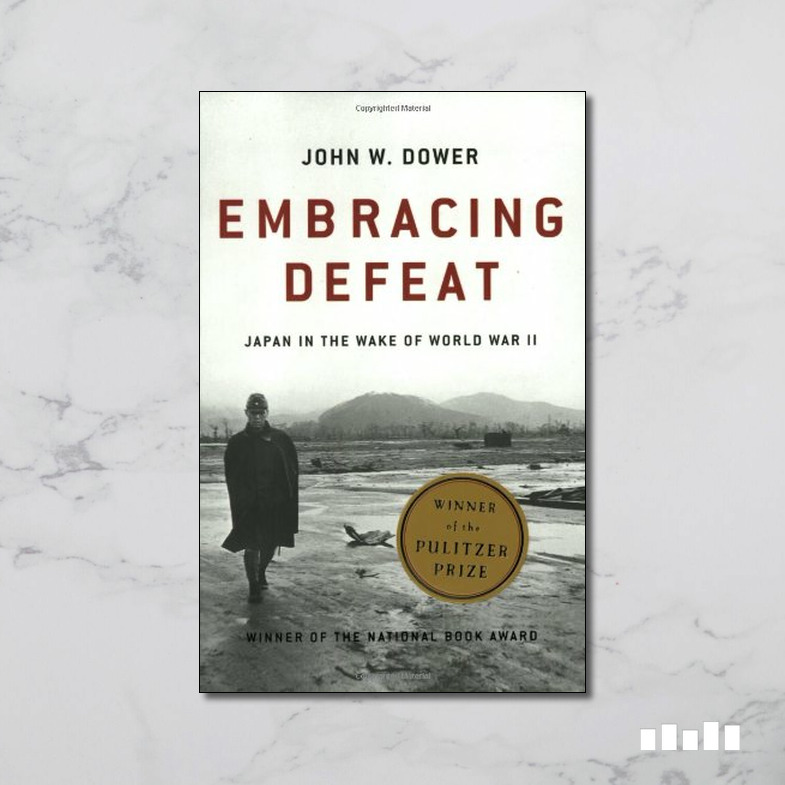
IMAGE CREDITS: FiveBooks.com
Embracing Defeat is one of the most important books on modern Japanese history. It explains how Japan rebuilt itself after World War II. Moreover, it focuses on the years of American occupation and the deep transformation that followed.
John Dower carefully shows how Japan moved from destruction to recovery. Therefore, readers understand not only political changes but also social and cultural shifts. In addition, the book highlights how ordinary Japanese citizens experienced defeat and rebuilding in daily life.
However, this is not just a story of recovery. Instead, it also explores identity crisis and national memory. For example, Japan had to rebuild its economy while also redefining its national identity. Consequently, the book presents both progress and tension.
Moreover, Dower uses detailed research and real-life accounts. As a result, readers get a human perspective instead of only political analysis. Therefore, the book becomes essential for anyone studying post-war Asia or modern Japan.
Khubilai Khan: His Life and Times – Morris Rossabi
This biography explores the life of Kublai Khan, one of the most powerful rulers in world history. He controlled the Mongol Empire at its peak and ruled China during the Yuan Dynasty.
Moreover, Morris Rossabi explains how Kublai Khan built and managed one of the largest empires ever created. Therefore, readers learn about governance, military strategy, and cultural integration across Asia.
In addition, the book shows how the Mongol Empire connected East and West. For example, trade routes expanded, and cultural exchange increased. Consequently, Asia became more interconnected during this period.
However, the book also highlights internal struggles. Kublai Khan faced resistance, administrative challenges, and political conflicts. Therefore, his rule was not only powerful but also complex.
Moreover, Rossabi provides clear explanations that make medieval history easier to understand. As a result, even beginners can follow the story of the Mongol Empire. Ultimately, this book is essential for understanding imperial Asia.
The Miracle: The Epic Story of Asia’s Quest for Wealth – Michael Schuman
This book explains Asia’s rapid economic rise in the 20th century. It focuses on countries like Japan, South Korea, China, and Taiwan. Moreover, it connects economic growth with political and historical developments.
Michael Schuman uses real stories and historical analysis. Therefore, readers understand how Asia transformed from poverty to global economic power. In addition, the book highlights key leaders and policies that shaped development.
However, the book does not only celebrate success. Instead, it also discusses challenges such as inequality and political pressure. Consequently, readers get a balanced view of modernization.
Moreover, Schuman explains how global trade and industrialization played a major role. For example, export-driven growth helped many Asian economies expand quickly. As a result, Asia became central to the global economy.
Therefore, this book is ideal for readers interested in economics, globalization, and modern Asian history.
A History of Southeast Asia – Arthur Cotterell
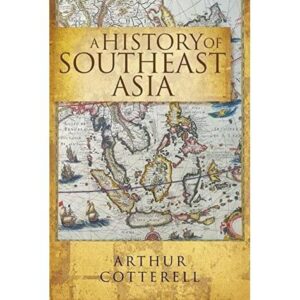
This book provides a complete overview of Southeast Asian history. It covers countries like Vietnam, Thailand, Indonesia, and the Philippines. Moreover, it explains how geography, trade, and culture shaped the region.
Arthur Cotterell writes in a clear and structured style. Therefore, readers can easily understand complex historical developments. In addition, the book covers ancient kingdoms, colonialism, and modern nation-building.
However, Southeast Asia is highly diverse. Therefore, the book carefully compares different countries and their unique histories. As a result, readers see both similarities and differences across the region.
Moreover, Cotterell explains the impact of foreign influence, especially European colonialism. Consequently, readers understand how modern borders and identities were formed.
In addition, the book is suitable for beginners. It provides a strong foundation before moving to advanced studies. Therefore, it is one of the best entry points into Asian history.
Midnight’s Furies: The Deadly Legacies of India’s Partition – Nisid Hajari

This book explains one of the most tragic events in South Asian history: the Partition of India in 1947. It describes how British India was divided into India and Pakistan.
Moreover, Nisid Hajari explores political decisions that led to this division. Therefore, readers understand how leadership choices shaped history. In addition, the book shows how quickly violence spread during Partition.
However, the book also focuses on human suffering. Millions of people were displaced, and many lost their lives. Consequently, the emotional impact is deeply felt throughout the narrative.
Moreover, Hajari compares political intentions with real outcomes. As a result, readers see the gap between plans and reality. Therefore, the book is both historical and deeply emotional.
In addition, it helps readers understand modern tensions in South Asia. Because of this, it remains highly relevant today.
Wild Swans: Three Daughters of China – Jung Chang
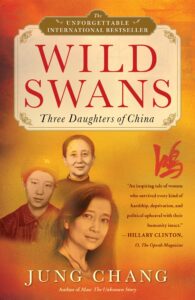
This powerful memoir tells the story of three generations of women in China. It covers major events such as the fall of the Qing Dynasty, Mao’s revolution, and the Cultural Revolution.
Moreover, Jung Chang connects personal life with national history. Therefore, readers experience history through real human stories. In addition, the book shows how political changes affected families deeply.
However, it is not only about politics. Instead, it also explores identity, survival, and resilience. Consequently, readers understand both emotional and historical dimensions.
Moreover, the storytelling style is simple yet powerful. As a result, complex history becomes easy to understand. Therefore, it appeals to both beginners and advanced readers.
In addition, the book provides a unique perspective on modern China. Because of this, it is one of the most recommended Asian history books worldwide.
This Earth of Mankind – Pramoedya Ananta Toer
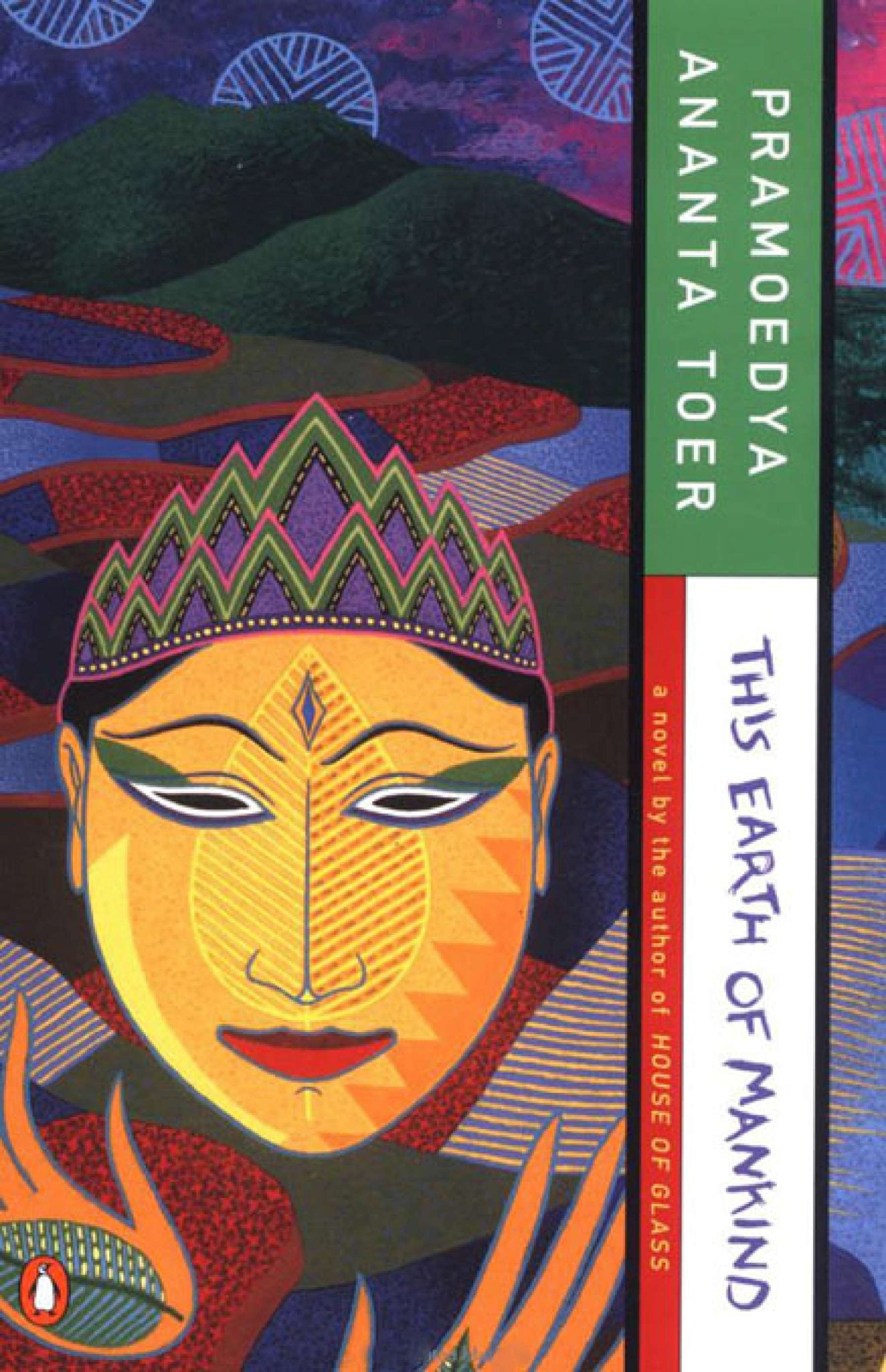
IMAGE CREDITS: Amazon.in
This novel explores colonial Indonesia through a fictional yet historically accurate story. It follows a young man navigating identity under Dutch colonial rule.
Moreover, Pramoedya Ananta Toer highlights cultural oppression and resistance. Therefore, readers understand how colonial systems affected personal lives. In addition, the story reflects real historical conditions in Indonesia.
However, the book is not only political. Instead, it also explores love, identity, and social class. Consequently, it becomes both emotional and historical.
Moreover, the narrative shows how education and awareness shape resistance. As a result, readers see the importance of knowledge in colonial societies.
Therefore, this book is essential for understanding Southeast Asian colonial history and identity formation.
The River of Lost Footsteps – Thant Myint-U
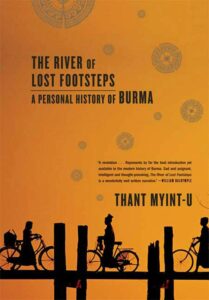
This book provides a personal and political history of Myanmar (Burma). It combines memoir with historical analysis.
Moreover, Thant Myint-U explains how Burma’s past shaped its present struggles. Therefore, readers understand modern political challenges in context. In addition, the book explores colonial history and military rule.
However, the narrative remains accessible and personal. Consequently, readers connect emotionally with the country’s history.
Moreover, the author uses family history to explain national events. As a result, history feels more human and relatable. Therefore, the book is both informative and engaging.
In addition, it is especially useful for understanding lesser-known parts of Southeast Asia. Because of this, it fills an important gap in Asian historical literature.
Final Conclusion
These books together create a complete picture of Asian history. Moreover, each book focuses on a different region, period, or theme. Therefore, readers gain both depth and balance.
In addition, they combine academic research with storytelling. As a result, they are suitable for both beginners and advanced learners.
Ultimately, these are some of the best books on Asian history you can read to understand how Asia shaped the modern world.
USEFUL LINKS:
Keep hovering for more, best books on Asian history
Discover some of the top facts about human civilization here
We’ve for you some basic facts about human history

One Comment on “Asian History: Best Books You Must Read”