
Understanding Facial Hair in Women: Causes, Removal, and Health Insights
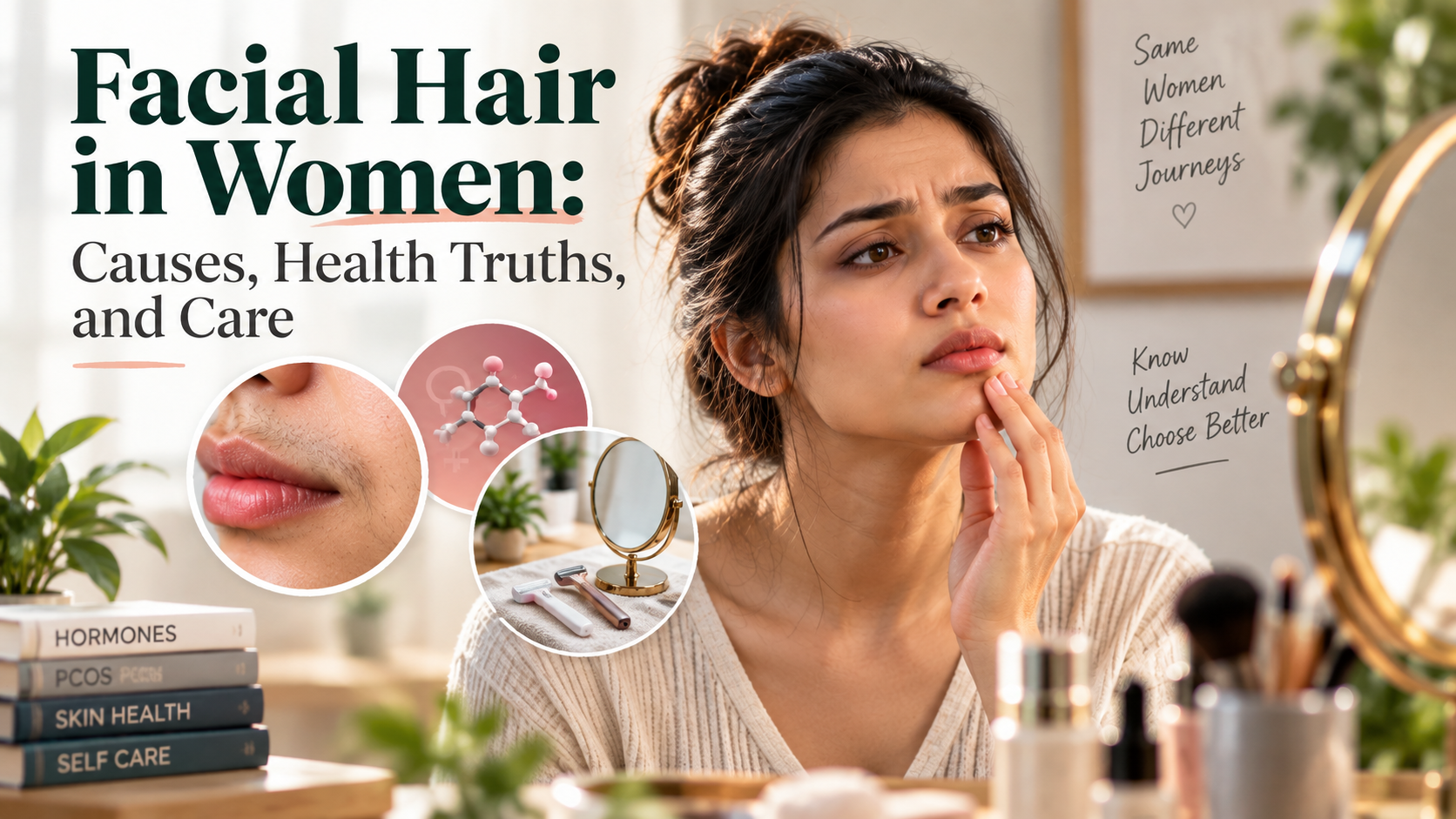
Noticing unexpected hair on your chin, upper lip, or jawline can feel surprising. However, facial hair in women is extremely common. Most women have fine, light vellus hair across their faces. Some also develop thicker, darker terminal hairs over time.
Hormones, genetics, age, and certain medications can influence this change. Androgens, including testosterone, can make facial hair follicles thicker and darker. Hormonal changes during puberty, pregnancy, perimenopause, and menopause can also affect hair growth. The American Academy of Family Physicians explains that excessive terminal hair growth in women, known as hirsutism, can have several hormonal and medical causes.
Extra facial hair does not automatically indicate a health problem. Some women naturally have more visible hair because of genetics or individual follicle sensitivity. However, sudden or rapidly increasing growth can sometimes signal an underlying hormonal condition.
This guide explains the common causes of facial hair in women. It also covers natural approaches, PCOS, grooming safety, and effective hair-removal options. You will learn when facial hair is usually harmless and when medical advice may be appropriate.
How to stop facial hair growth in females naturally?
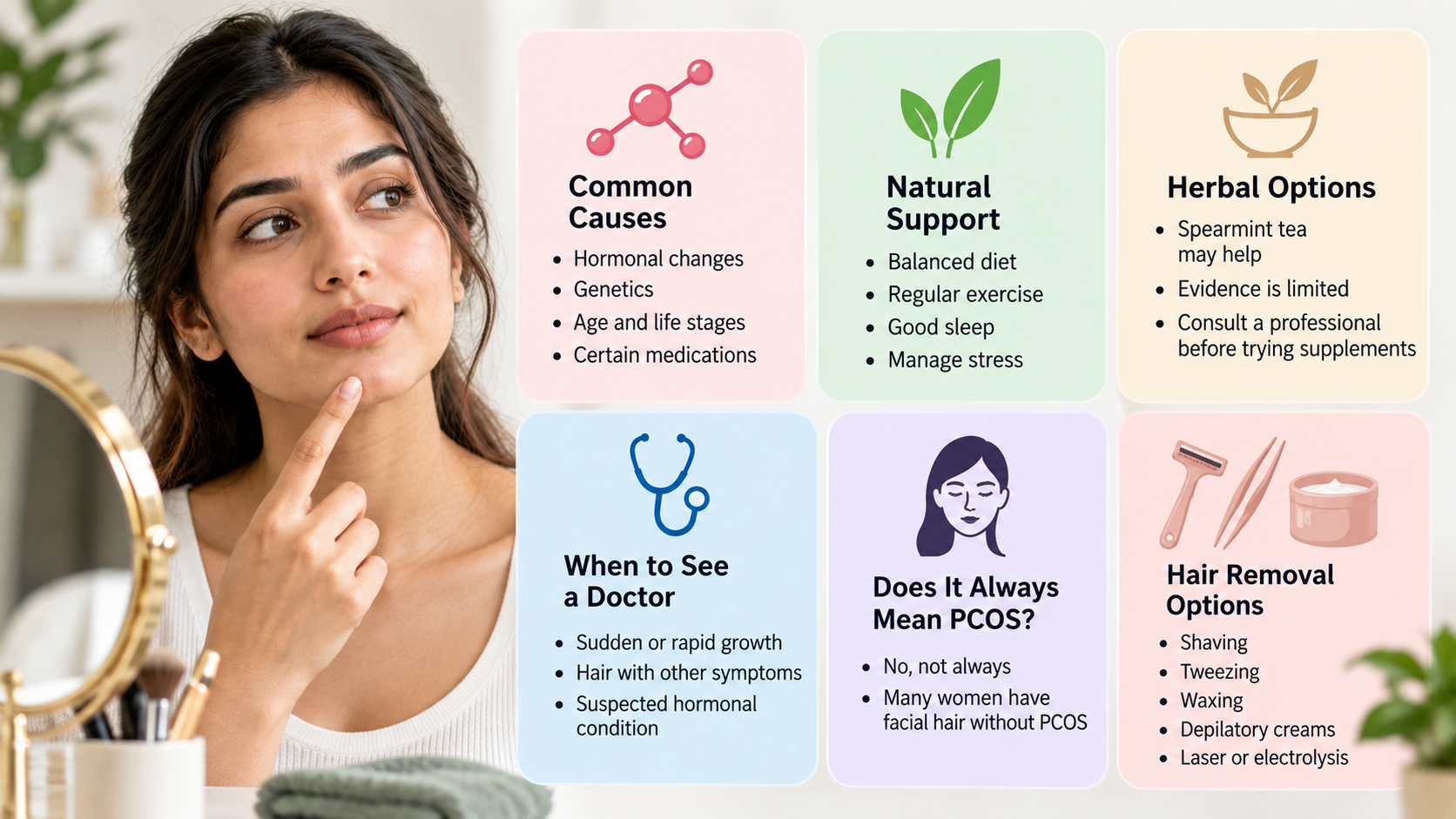
You cannot completely stop facial hair growth in females naturally, especially once a follicle consistently produces coarse terminal hair. However, addressing an underlying hormonal problem may reduce excessive growth over time. The right approach depends on why the hair has increased.
Lifestyle habits can support overall metabolic and hormonal health. Regular physical activity, adequate sleep, and a balanced diet can help maintain healthy blood sugar regulation. These habits may be particularly useful for women with insulin resistance or PCOS.
Some small studies have examined spearmint tea for androgen-related hair growth. However, the evidence remains limited, and it should not be considered a proven treatment. The same applies to supplements such as zinc, saw palmetto, and myo-inositol. Their usefulness depends on the underlying cause and individual circumstances.
If facial hair appears suddenly or becomes noticeably heavier, look beyond home remedies. A healthcare professional can assess symptoms and determine whether hormone testing or other evaluation makes sense.
Harnessing Anti-Androgenic Herbal Support
Herbal approaches sometimes receive attention as natural ways to manage unwanted facial hair. Spearmint tea has received particular interest because small studies have explored its potential effects on androgen levels. However, the available evidence remains limited, and studies have not established it as a reliable treatment for facial hair in women.
It is also important to avoid assuming that every herbal product works as an anti-androgen. Supplements can vary in strength, quality, and safety. Some may also interact with medications or cause unwanted effects.
A healthier approach focuses on identifying the underlying cause first. Regular exercise, balanced meals, adequate protein, and high-fiber foods can support metabolic health. These habits may be especially relevant when insulin resistance contributes to hormonal changes.
If excessive hair growth results from PCOS or another hormonal condition, treating that condition may provide greater benefits than relying on herbs alone. Discuss supplements with a qualified healthcare professional before using them regularly, especially if you take medications or have an existing medical condition.
What causes a woman to grow facial hair?
A woman can develop coarse facial hair when androgen activity affects facial hair follicles. Testosterone and related hormones can cause fine vellus hair to become darker, thicker, and more noticeable. Some follicles also respond strongly to normal hormone levels because of inherited sensitivity.
Genetics and family patterns can therefore play an important role. Family patterns often influence how much facial hair develops and where it appears. Age also matters because hormonal changes can alter hair growth patterns.
Perimenopause and menopause may increase facial hair in some women. During these stages, estrogen levels decline, which can change the balance between estrogen and androgen activity.
Several medical conditions can also contribute to excessive growth. Polycystic ovary syndrome (PCOS) is a common cause, particularly when facial hair appears alongside irregular periods or other signs of androgen excess. Less commonly, adrenal disorders or certain medications can contribute.
Sudden, rapid, or unusually severe hair growth deserves medical attention. A clinician can review your symptoms, medications, menstrual history, and hormone levels when appropriate.
Does all facial hair mean PCOS?
No. Facial hair does not automatically mean PCOS. Many women develop a few coarse chin or upper-lip hairs without having an underlying ovarian disorder. Genetics, age, ethnicity, normal hormonal variation, and individual follicle sensitivity can all affect facial hair.
Hirsutism describes excessive terminal hair growth in areas where androgen-sensitive hair commonly develops. It can occur with PCOS, but it can also have other causes. Some women have idiopathic hirsutism, where noticeable coarse hair occurs without an identifiable hormonal abnormality.
PCOS diagnosis also involves more than facial hair alone. Under commonly used Rotterdam criteria, clinicians generally look for at least two of three features after excluding other possible causes. These include ovulatory dysfunction, clinical or biochemical androgen excess, and polycystic ovarian morphology.
If facial hair appears alongside irregular periods, significant acne, scalp hair thinning, weight-related metabolic changes, or rapid progression, medical evaluation can be useful. A few isolated hairs, however, are not enough to establish a PCOS diagnosis.
Understanding Idiopathic Hirsutism and Genetics
Idiopathic hirsutism refers to unwanted coarse hair growth without an identifiable hormonal disorder. Women with this condition may have normal androgen levels but follicles that respond more strongly to those hormones.
Genetics and follicle sensitivity can therefore explain facial hair even when blood tests appear normal. Family history may provide useful context because hair-growth patterns often run in families.
A few chin or upper-lip hairs do not automatically indicate PCOS. PCOS usually involves a broader pattern of symptoms or clinical findings. Doctors consider menstrual patterns, signs of androgen excess, medical history, and other possible causes before reaching a diagnosis.
The pattern and speed of hair growth also matter. Gradual changes over many years often have different explanations from sudden, rapidly progressing growth.
If hair growth changes quickly or becomes widespread, seek medical advice. A clinician may recommend hormone testing or other investigations based on your symptoms. For stable, isolated facial hair, cosmetic methods such as trimming, shaving, threading, or laser treatment may be sufficient.
Is it good to remove facial hair for women?
Removing facial hair is generally safe when you use an appropriate technique and clean equipment. Hair removal does not damage your internal health or cause the hair follicle to produce thicker hair.
Shaving does not make facial hair grow back thicker or darker. It cuts the hair at the skin’s surface, leaving a blunt tip. That tip can feel stubbly as it grows, which may create the impression of thicker regrowth.
Women can choose whether to remove facial hair based on personal preference. Some prefer smooth skin, while others are comfortable leaving their natural hair untouched. Neither choice is inherently healthier, and self-esteem and confidence can play a role in how someone feels about their appearance.
The main concern involves how the hair is removed. Repeated aggressive waxing, picking, or tweezing can irritate the skin. Poor hygiene can also increase the risk of folliculitis and other skin problems.
If you remove facial hair, choose a method that suits your skin type and hair texture. Avoid removing hair from irritated or damaged skin. Gentle aftercare can also reduce redness and discomfort.
Protecting Your Skin Barrier During Grooming
Facial hair removal can irritate the skin when performed too aggressively. The risk depends on the technique, your skin sensitivity, and how frequently you remove the hair. Maintaining the skin barrier should therefore remain a priority.
Use clean razors and tweezers when grooming at home. Avoid sharing personal grooming tools because this can transfer bacteria and other microorganisms. Replace dull razors because they can increase friction and irritation.
Waxing and repeated tweezing may cause redness, ingrown hairs, or inflammation. Chemical depilatories can also irritate sensitive facial skin if you use an unsuitable product or leave it on too long.
After removing hair, use gentle skincare products. Avoid immediately applying harsh exfoliants or other irritating ingredients to freshly treated skin.
If you develop persistent bumps, painful inflammation, pus, or repeated ingrown hairs, stop the irritating technique. A dermatologist can help identify the cause and recommend a better hair-removal method.
Good hygiene matters more than removing every strand. Your goal should be comfortable grooming without repeatedly damaging the surrounding skin.
What is the healthiest way to remove facial hair?
There is no single healthiest way to remove facial hair for every woman. The best option depends on skin sensitivity, hair thickness, hair color, treatment goals, and budget.
Shaving or facial trimming provides a simple, temporary solution. It does not alter the follicle and can work well for regular maintenance. Threading can also remove individual hairs, although some people experience irritation afterward.
Waxing removes hair from the root but can cause irritation, burns, or ingrown hairs. It may be unsuitable for sensitive skin or people using certain topical medications.
Laser hair reduction can provide long-term reduction for many people. Its effectiveness depends on hair color, skin tone, laser technology, and the individual’s response. It usually works best when the hair contains enough pigment to absorb the laser energy.
Electrolysis offers permanent hair removal by treating individual follicles. It can work across a wide range of hair colors, but treatment requires multiple sessions and professional expertise.
For persistent or excessive growth, discuss options with a dermatologist. They can help match the treatment to your skin and hair characteristics.
Frequently Asked Questions
Can drinking spearmint tea permanently stop chin hair?
Spearmint tea cannot permanently destroy active hair follicles, but drinking two cups daily can significantly reduce free circulating androgens. Over three to six months of regular intake, many women notice that new growth emerges much slower, lighter, and softer. However, if you discontinue drinking the tea, underlying androgen levels will typically return to their previous baseline, causing coarse growth to resume.
Does shaving your face cause stubble to grow back thicker?
No, shaving does not alter the biological structure, color, or growth rate of your hair. When you shave, the razor slices the hair shaft at the skin’s surface, creating a flat, blunt tip instead of a naturally tapered end. As this blunt edge pushes past the skin, it feels coarser to the touch, creating an optical illusion of thicker, denser regrowth.
At what age do women usually start growing facial hair?
Many females experience stray facial strands during puberty, but noticeable increases most commonly emerge during perimenopause and menopause, typically between ages 45 and 55. During this transitional phase, declining estrogen levels leave circulating androgens unopposed. However, women dealing with underlying hormonal imbalances like PCOS often notice terminal growth much earlier, frequently throughout their late teens and twenties.
What lab tests check for excess facial hair causes?
To uncover the medical root of unexpected facial hair, physicians typically order a comprehensive blood panel. This diagnostic workup generally measures total and free testosterone, DHEA-sulfate, and luteinizing hormone alongside follicle-stimulating hormone. Healthcare providers also evaluate fasting insulin, thyroid function, and prolactin levels to rule out underlying metabolic conditions, adrenal gland complications, or thyroid dysfunction before recommending targeted medical therapy.
Conclusion
Noticing extra facial hair can feel overwhelming, but understanding the biology behind it puts you back in full control of your body. Terminal strands develop primarily from shifting androgen ratios, natural biological aging, or unique genetic traits. While natural methods like spearmint tea and balanced nutrition soften growth, they work best alongside proven medical solutions.
Importantly, stray chin strands do not automatically signal PCOS or any severe medical complication. Managing your skin is an entirely personal decision, and removing unwanted fuzz is completely safe when performed with proper, hygienic techniques. Whether you choose dermaplaning, professional electrolysis, or simply leaving your skin as it is, your choices should prioritize skin comfort and personal confidence and self-esteem.
If rapid hair growth appears alongside missed periods, severe acne, or unexplained weight shifts, speak with a qualified endocrinologist or dermatologist. Taking proactive steps today ensures you receive the personalized, empathetic care you deserve.