
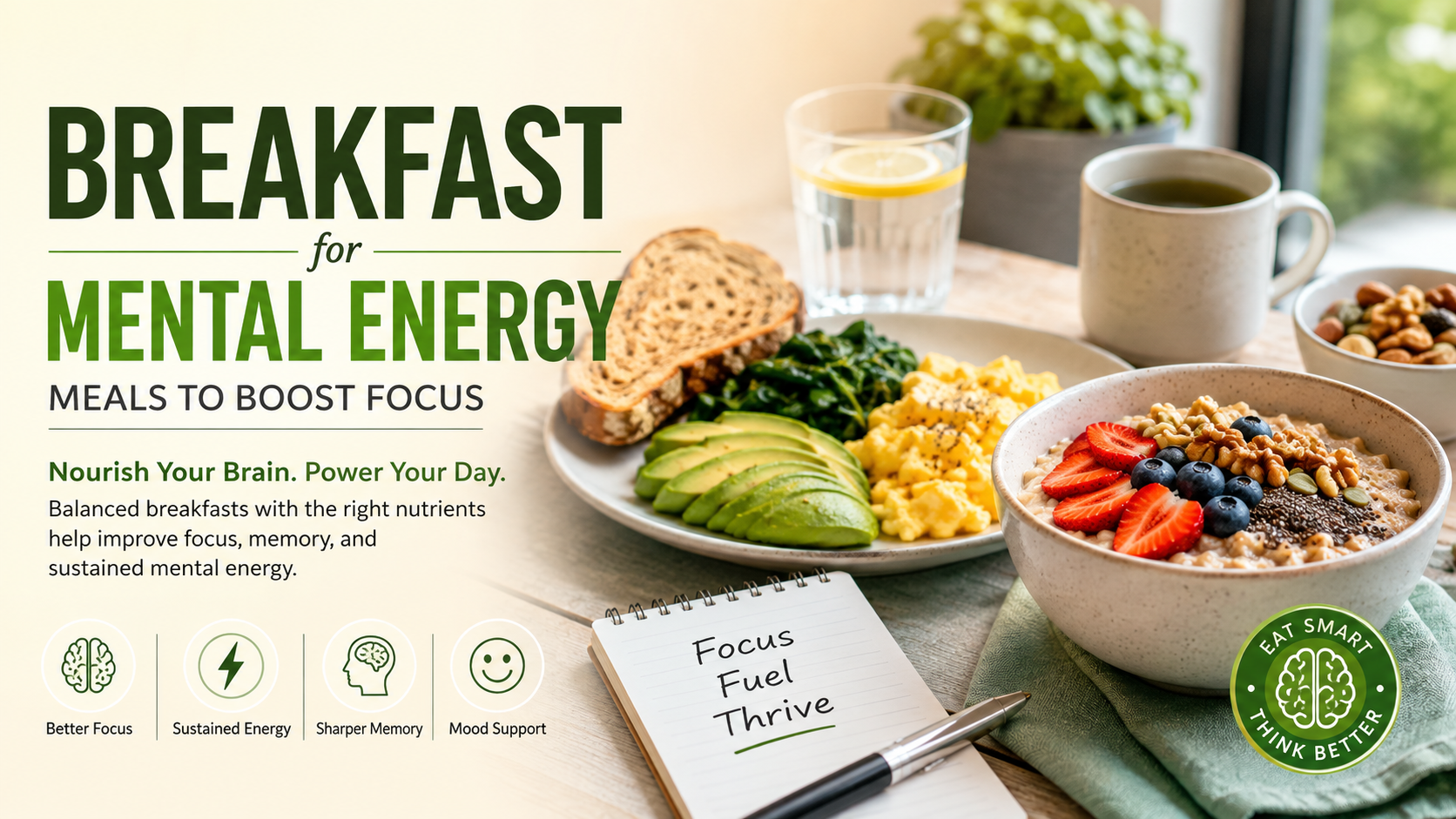
Breakfast for Mental Energy: Meals to Boost Focus
How you nourish your body in the morning sets the tone for your cognitive performance throughout the entire day. Choosing the right breakfast for mental energy prevents mid-morning brain fog and sharpens your attention span. When you consume refined carbohydrates and sugary pastries, rapid blood sugar spikes inevitably cause energy crashes. Conversely, combining complex carbohydrates with high-quality protein and essential fatty acids provides a steady stream of glucose to your brain. Research published by the Harvard T.H. Chan School of Public Health confirms that balanced macronutrients support sustained metabolic health and daily cognitive performance.
Understanding the relationship between nutrition and mental acuity enables you to design meals that optimize neurological function. This comprehensive guide answers practical questions regarding what to eat for morning alertness and how specific dietary choices increase mental focus. You will discover practical breakfast ideas tailored for ADHD management, identify proven super brain foods, and learn which nutrients actively protect your memory and concentration. Making intentional dietary upgrades transforms your morning routine into a reliable source of sustained mental clarity and productivity.
What to eat for breakfast for energy and focus?
To build a breakfast for mental energy and sharp focus, combine protein, fiber-rich carbohydrates, and healthy fats. This combination can support steady energy and reduce hunger during the morning. It also provides nutrients needed for normal brain function. For more practical meal inspiration, explore these easy and healthy breakfast ideas.
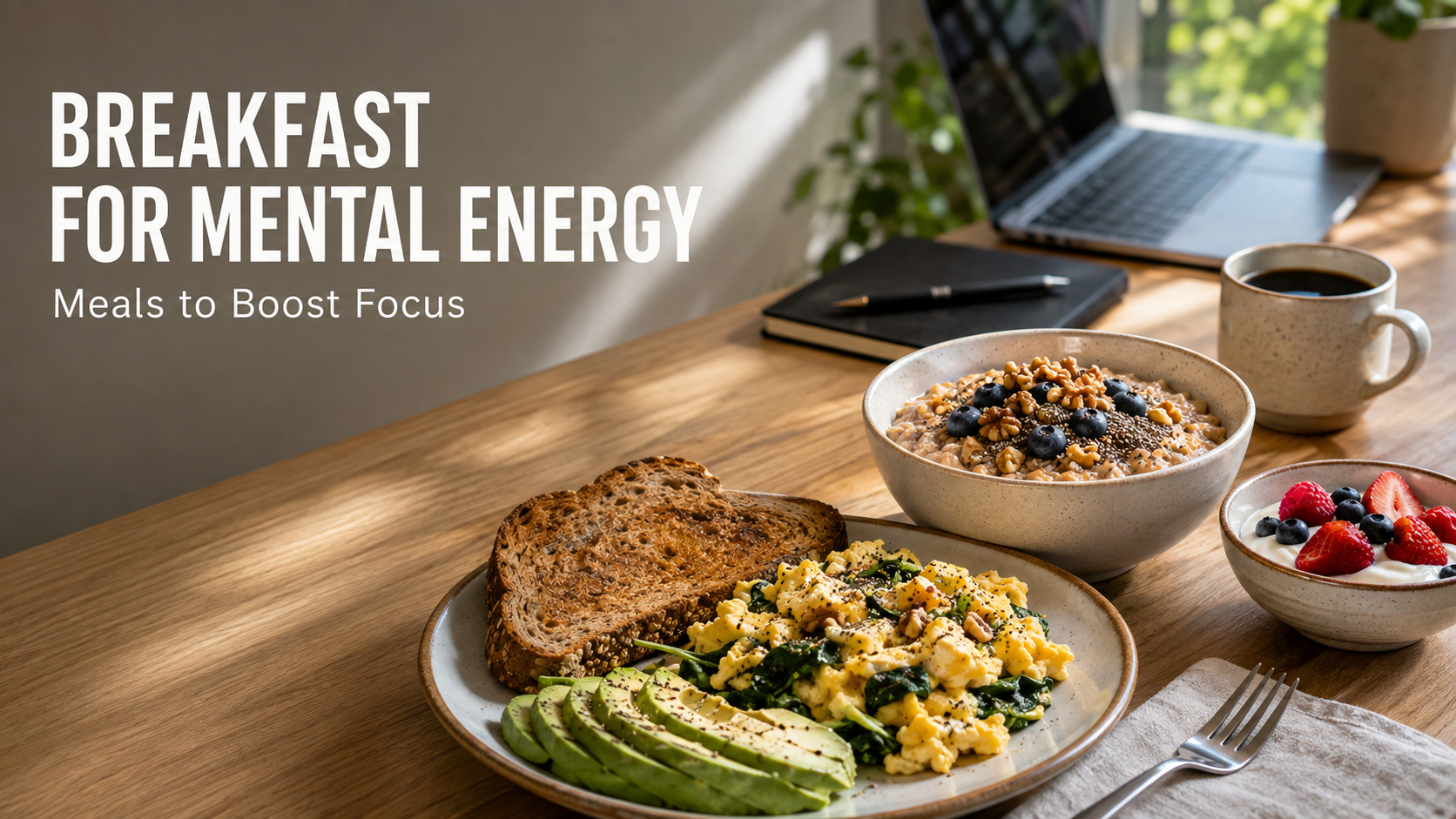
Consider scrambled eggs with spinach and a slice of whole-grain toast. Add avocado or a small serving of fruit for additional fiber and healthy fats. Another option is steel-cut oatmeal topped with walnuts, chia seeds, and fresh berries. Greek yogurt with berries, oats, and ground flaxseed also creates a balanced combination.
Protein helps maintain fullness and supplies amino acids needed for many body processes. Complex carbohydrates provide glucose, which the brain uses as an important energy source. Healthy fats contribute essential fatty acids and support overall dietary quality.
Rather than focusing on one ingredient, build breakfast around several food groups. This approach makes your morning meal more satisfying and nutritionally complete.
The Power of Macronutrient Pairing
Pairing protein with fiber-rich carbohydrates can make breakfast more satisfying and support steadier energy. Protein-rich foods include eggs, Greek yogurt, cottage cheese, tofu, and lean meats. Fiber-rich choices include oats, berries, whole-grain toast, chia seeds, and vegetables. Planning these combinations ahead can also make weekly activities more time-efficient.
For example, combine Greek yogurt with ground flaxseed, berries, and oats. The yogurt provides protein, while the seeds, fruit, and oats contribute fiber. Adding walnuts provides healthy fats and additional nutrients.
This type of meal can digest more slowly than a breakfast based mainly on refined carbohydrates. That may help you avoid becoming hungry again soon after eating. It also creates a more balanced nutritional profile.
The goal is not to eliminate carbohydrates. Your brain relies heavily on glucose for fuel. Instead, choose higher-fiber carbohydrate sources and pair them with protein and healthy fats.
A consistent combination of these macronutrients can make it easier to maintain energy during demanding morning activities.
What foods increase mental focus?
Several nutrient-dense foods can support the nutritional needs associated with normal brain function. Fatty fish such as salmon and sardines provide omega-3 fatty acids, including DHA. DHA is an important structural component of brain cell membranes and supports normal neurological function.
Dark leafy greens such as kale and spinach provide folate, vitamin K, carotenoids, and other micronutrients. Avocados contribute monounsaturated fats and fiber. Pumpkin seeds provide magnesium, zinc, protein, and other minerals.
Eggs are another useful breakfast food because they provide protein and choline. Choline supports the production of acetylcholine, a neurotransmitter involved in memory and learning.
Berries also add polyphenols and other plant compounds to breakfast. However, no single food guarantees better concentration. Overall dietary quality matters more than one ingredient.
For practical meals, combine several of these foods. Try eggs with spinach and avocado, oatmeal with berries and walnuts, or Greek yogurt with seeds and fruit. These combinations can provide a broad range of nutrients without making breakfast complicated.
Polyphenol Rich Additions for Clarity
Polyphenol-rich foods can add valuable plant compounds to a morning meal. Examples include blueberries, strawberries, unsweetened cocoa, green tea, and matcha. These foods contain different polyphenols with antioxidant properties.
Blueberries are particularly convenient because they work well in oatmeal, yogurt, smoothies, and chia pudding. Unsweetened cocoa can add a rich flavor to oats without relying on large amounts of added sugar. Matcha can provide caffeine along with plant compounds called catechins.
Some research suggests that certain polyphenols may influence vascular function and other processes involved in brain health. However, these foods should not be presented as instant cognitive enhancers.
Preparation also matters. Choose minimally processed versions whenever possible. For example, use unsweetened cocoa instead of heavily sweetened chocolate mixes.
A simple breakfast could combine oats, blueberries, walnuts, and a small amount of unsweetened cocoa. This creates a meal with fiber, healthy fats, plant compounds, and slow-digesting carbohydrates.
The broader goal is variety. Regularly eating different colorful plant foods can improve the overall nutrient quality of your diet.
What’s a good ADHD breakfast?
A good ADHD breakfast should focus on balanced nutrition rather than a special diet or single ingredient. Meals containing protein, fiber, and minimally processed carbohydrates can provide lasting fullness and help support consistent energy. Building this into a consistent routine can also be part of a broader strategy for starting your day well.
Eggs, Greek yogurt, cottage cheese, tofu, and lean meats are practical protein sources. Pair them with vegetables, berries, oats, or whole-grain toast. Avocado, nuts, and seeds can provide additional healthy fats.
For example, try a vegetable omelet with whole-grain toast and avocado. Another option is a smoothie made with Greek yogurt or protein powder, unsweetened milk, berries, spinach, and chia seeds.
Protein is important because it supplies amino acids used to produce neurotransmitters. However, breakfast alone does not treat ADHD or eliminate its symptoms. ADHD management usually involves a broader combination of strategies.
Avoiding excessive added sugar may also be useful for overall dietary quality. Yet there is no strong basis for claiming that sugar directly causes ADHD symptoms in everyone.
The most useful approach is simple: choose a filling, nutrient-dense breakfast that is easy to prepare and repeat consistently.
Strategic Morning Protein Distribution
Including a meaningful amount of protein at breakfast can help create a more filling and balanced meal. A practical target may be around 20–30 grams of protein, depending on individual needs, body size, activity level, and total daily intake.
Good options include eggs, Greek yogurt, cottage cheese, tofu, milk, protein-rich smoothies, and lean meats. Smoked salmon can also provide protein alongside omega-3 fatty acids.
Protein foods supply amino acids, including tyrosine. Tyrosine is involved in the body’s production of several neurotransmitters, including dopamine and norepinephrine. However, eating more tyrosine does not automatically increase neurotransmitter levels or improve ADHD symptoms.
For an easy breakfast, combine two eggs with Greek yogurt and berries. Another option is cottage cheese with fruit, chia seeds, and walnuts.
Spreading protein across meals may also make it easier to meet your daily requirements. The priority should be a sustainable eating pattern rather than hitting one exact number.
If ADHD symptoms significantly affect concentration or daily functioning, nutrition should complement evidence-based professional care rather than replace it.
What is a super brain food?
There is no single food that can reliably be called a super brain food. However, blueberries are a strong choice because they contain anthocyanins and other polyphenols. These plant compounds have antioxidant and anti-inflammatory properties.
Research on berries suggests that regular consumption may be associated with aspects of healthy cognitive aging. Some studies have also examined memory and executive function. However, results vary, and eating blueberries does not guarantee better concentration.
Wild blueberries can be an easy addition to breakfast. Add frozen berries to oatmeal, blend them into a smoothie, or mix them with Greek yogurt and chia seeds. Frozen fruit can be just as practical as fresh fruit for everyday meals.
Blueberries also provide fiber and vitamin C while adding natural sweetness. This makes them useful when you want to reduce reliance on heavily sweetened breakfast foods.
The larger principle matters more than the label “superfood.” A varied diet containing fruits, vegetables, whole grains, nuts, seeds, and protein sources provides a broader nutritional foundation.
Use blueberries as one part of a balanced breakfast for mental energy, not as a standalone solution for cognitive performance.
Protecting Neurons with Anthocyanins
Anthocyanins are natural pigments responsible for the deep red, purple, and blue colors found in many fruits. Blueberries contain several types of these compounds. They are studied for their potential antioxidant and anti-inflammatory effects.
Research has explored whether anthocyanin-rich foods may support vascular health and healthy cognitive aging. Some findings suggest potential benefits for memory and executive function. However, evidence does not support claiming that daily blueberries directly create measurable improvements in mental efficiency for everyone.
You can still make anthocyanin-rich foods part of a nutritious breakfast. Add blueberries to oatmeal, blend them with yogurt, or combine them with walnuts and chia seeds.
Other sources include blackberries, raspberries, cherries, and purple grapes. Eating a variety of colorful fruits provides different plant compounds and nutrients.
The best strategy is consistency and variety. Rather than relying on one food, build meals around minimally processed ingredients from several food groups.
This approach supports overall dietary quality while giving you regular exposure to beneficial plant compounds. It also makes breakfast more satisfying and easier to maintain over time.
Brain food for memory and concentration
Building meals around nutrient-dense brain foods for memory and concentration can support overall cognitive health. Useful nutrients include choline, omega-3 fatty acids, folate, magnesium, vitamin E, and various antioxidant compounds. Protecting cognitive health also depends on getting enough restorative sleep, making these scientific tips for sleeping better relevant to an overall approach.
Whole eggs are particularly useful because they provide protein and choline. Choline is needed to produce acetylcholine, a neurotransmitter involved in memory and other neurological functions. Walnuts provide alpha-linolenic acid, a plant-based omega-3 fatty acid, along with fiber and polyphenols.
Fatty fish such as salmon and sardines provide DHA and EPA. Leafy greens contribute folate and carotenoids. Berries add polyphenols and fiber.
Herbs and spices can also improve the nutritional variety of breakfast. Cinnamon, turmeric, and rosemary contain plant compounds that have been studied for potential health effects. However, they should complement the diet rather than be treated as memory-enhancing medicines.
A practical breakfast could include eggs with spinach, whole-grain toast, avocado, and berries. This combination provides protein, fiber, healthy fats, and several micronutrients.
Choline and Acetylcholine Production
Choline is an essential nutrient involved in cell structure, liver function, and neurotransmitter production. The body uses choline to produce acetylcholine, a neurotransmitter involved in memory, learning, muscle control, and other functions.
Eggs are one of the most convenient dietary sources of choline. The exact amount varies by egg size and preparation, but a typical large egg provides a meaningful contribution toward daily needs.
Other sources include beef, poultry, fish, dairy products, soybeans, and some legumes. This makes it possible to obtain choline even when eggs are not part of your diet.
However, more choline does not automatically mean better memory or sharper concentration. Adequate intake supports normal physiology, while excess supplementation is not a guaranteed cognitive strategy.
For breakfast, eggs can be combined with spinach, whole-grain toast, avocado, or berries. This creates a more complete meal than relying on eggs alone.
The broader objective is to meet nutrient needs consistently through a varied diet. If you have specific dietary restrictions, a qualified healthcare professional can help you identify appropriate choline-rich alternatives.
Frequently Asked Questions
Can drinking black coffee replace a balanced breakfast for mental focus?
Black coffee can temporarily increase alertness, but it cannot replace a balanced breakfast for mental energy. Caffeine blocks adenosine receptors, which can make you feel more awake. However, coffee provides little protein, fiber, healthy fat, or essential micronutrients. Pairing coffee with eggs, oats, yogurt, fruit, or nuts creates a more complete morning meal. This combination can support steadier energy and better fullness throughout the morning. If coffee makes you jittery or affects your appetite, avoid relying on it as your primary source of morning energy.
How does skipping breakfast affect cognitive performance at work?
Skipping breakfast does not automatically impair cognitive performance for everyone. However, some people may experience hunger, reduced energy, irritability, or difficulty concentrating when they delay their first meal. These effects can become more noticeable during demanding work tasks. A balanced breakfast for mental energy can provide protein, fiber, carbohydrates, and healthy fats to support sustained energy. If you regularly skip breakfast and feel focused, there may be no need to force an early meal. Instead, pay attention to your hunger, energy levels, and concentration. Choose a nutrient-dense meal when you do eat.
Are overnight oats beneficial for morning concentration?
Overnight oats can be a useful breakfast for mental energy because they combine complex carbohydrates, fiber, and convenient preparation. Rolled oats provide beta-glucan, a type of soluble fiber that supports digestion and can help moderate the rise in blood glucose after eating. Adding Greek yogurt, milk, or protein powder increases the protein content. Chia seeds, walnuts, or flaxseeds provide healthy fats and additional nutrients. Berries can add fiber and polyphenols without requiring much preparation. This balanced combination can provide lasting fullness and steady energy during the morning. However, overnight oats work best when they contain enough protein and minimal added sugar.
Does high sugar intake at breakfast worsen brain fog?
A high-sugar breakfast may contribute to energy fluctuations for some people, particularly when it contains little protein or fiber. Pastries, sweetened cereals, and sugary drinks can provide large amounts of rapidly digested carbohydrates. These foods may cause blood glucose to rise quickly and then fall as the body processes the meal. However, this does not mean everyone will experience reactive hypoglycemia or brain fog. A better approach is to build a breakfast for mental energy around whole grains, protein, fruit, vegetables, nuts, and seeds. Pairing carbohydrates with protein and fiber can make the meal more filling and nutritionally balanced. Reducing added sugar can also improve overall diet quality.
Conclusion
Elevating your cognitive function begins with intentional, nutrient-dense morning nutrition. Swapping refined carbohydrates and sugary foods for whole proteins, complex carbohydrates, and essential fats provides your brain with a continuous supply of clean energy. The meals you choose each morning directly dictate your ability to concentrate, retain complex information, and navigate stressful work demands without experiencing debilitating mental fatigue.
Prioritizing a wholesome breakfast for mental energy transforms your daily productivity and protects your long-term neurological health. Whether you choose a classic pasture-raised egg scramble, a protein-packed morning smoothie, or overnight oats enriched with wild blueberries and walnuts, consistency is key. Begin implementing these simple, science-backed nutritional strategies tomorrow morning to unlock sustained mental clarity, sharper focus, and peak cognitive vitality all day long.