
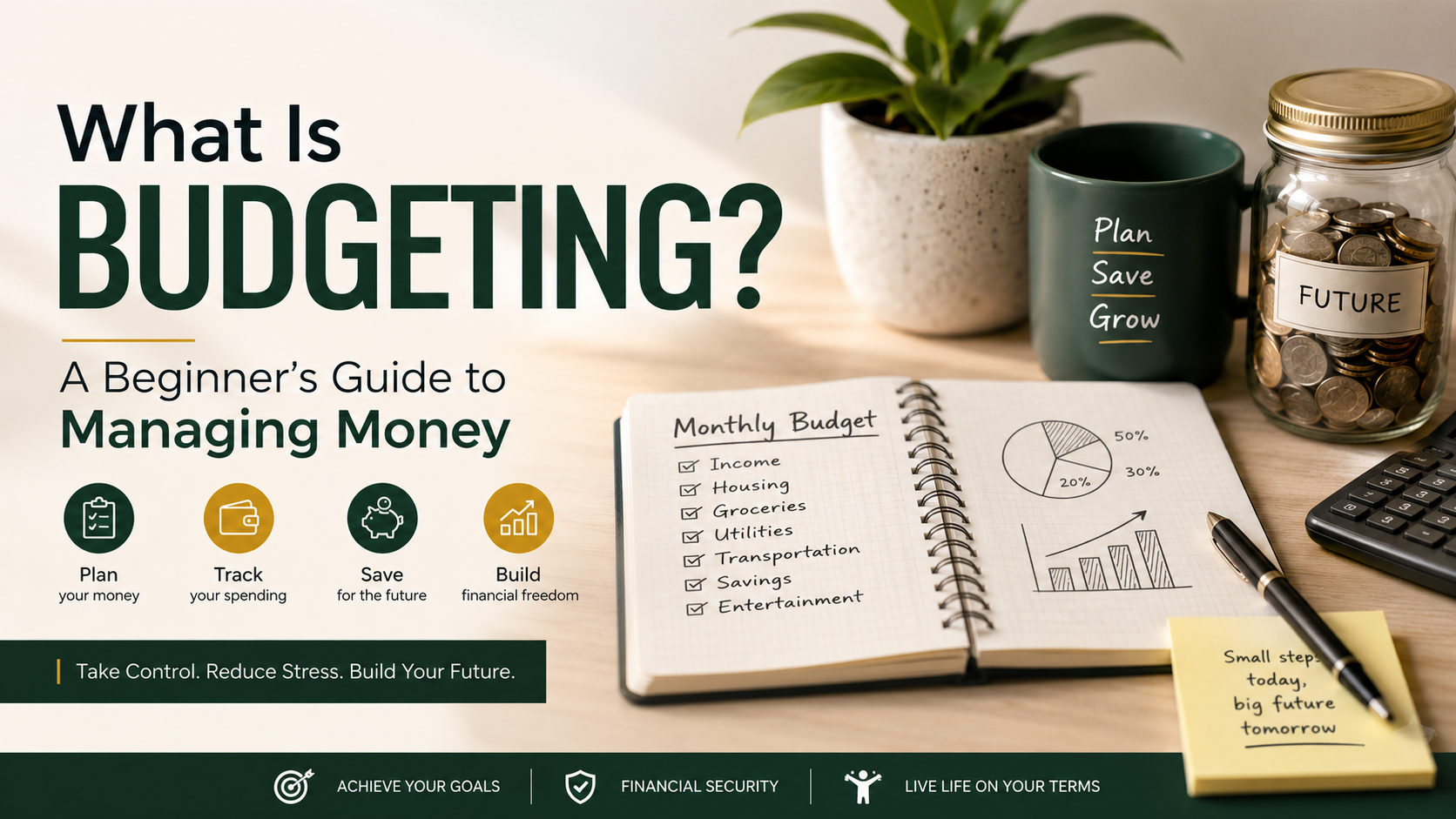
What Is Budgeting? A Beginner’s Guide to Managing Money
Many people feel anxiety when checking their bank accounts at the end of the month. Consequently, you might find yourself constantly asking what is budgeting. You are certainly not alone in this financial journey. At its core, determining what is budgeting means creating a proactive plan. Furthermore, you decide exactly how you will spend, save, and invest your money. This allows you to track incoming revenue accurately against outgoing expenses. As a result, this daily habit ensures you always have enough cash available for your needs.
The Consumer Financial Protection Bureau (CFPB) offers excellent financial guidance. Specifically, they explain that establishing a solid financial plan reduces stress. Additionally, it helps you achieve incredible long-term stability. A common misconception is that tracking money requires giving up fun. However, managing money does not mean restricting your entire lifestyle. Similarly, it does not mean cutting out all your favorite activities entirely.
Instead, understanding what is budgeting gives you the ultimate freedom to spend purposefully. Therefore, you clearly understand exactly where your cash goes every single week. Because of this, you can make highly informed, confident financial decisions. This comprehensive guide will walk you through effective money management. Moreover, we will explore practical strategies and popular financial frameworks. Ultimately, these proven methods will help you build a healthy financial relationship today.
How to Budget as a Beginner?
Learning how to budget as a beginner may seem overwhelming at first, but it becomes much easier once you build a simple routine. A budget is simply a plan for your money. It helps you understand where your income goes and ensures your essential expenses are covered before you spend on non-essential items.
Start by listing all your monthly income sources. Then subtract your fixed expenses, such as rent, utilities, insurance, and groceries. Once you know your essential costs, assign the remaining money to savings, debt repayment, and discretionary spending. This simple approach helps you stay in control of your finances instead of wondering where your money disappeared.
You do not need expensive software or complex spreadsheets to create your first budget. A notebook, spreadsheet, or free budgeting app is enough. The key is consistency. Tracking your money every month helps you recognize spending patterns, reduce unnecessary expenses, and make better financial decisions over time.
Start With Tracking Expenses
Tracking every purchase for one month gives you a realistic picture of your spending habits. Many beginners discover they spend far more on dining out, online shopping, or unused subscriptions than expected. Recording each expense creates awareness and helps reduce impulse purchases without feeling restrictive.
Write down every transaction as soon as it happens. Small daily purchases may seem insignificant, but they quickly add up over a month. Reviewing your expenses weekly also makes it easier to spot problem areas before they become major financial issues.
As you build this habit, you will naturally begin making smarter spending decisions. Over time, tracking expenses becomes less of a chore and more of a valuable financial routine that supports long-term stability.
What Are the 7 Steps of Budgeting?
The 7 steps of budgeting provide a simple framework for organizing your finances and creating a sustainable money management system. Following these steps makes budgeting less stressful and helps you stay focused on your financial goals. Whether you are creating your first budget or improving an existing one, this structured approach keeps you on track.
The seven budgeting steps include:
- Calculate your total monthly net income.
- List all fixed monthly expenses.
- Estimate variable expenses, such as groceries and entertainment.
- Set realistic financial goals.
- Choose a budgeting method that suits your lifestyle.
- Allocate money to needs, wants, savings, and debt.
- Review your budget weekly and adjust it as your circumstances change.
Following these steps consistently creates better spending habits and helps you make informed financial decisions throughout the year.
Choosing Your Budget Method
Choosing the right budgeting method increases your chances of sticking with your financial plan. The best system is one you can maintain consistently without feeling overwhelmed. A complicated budget that you abandon is far less effective than a simple one you follow every month.
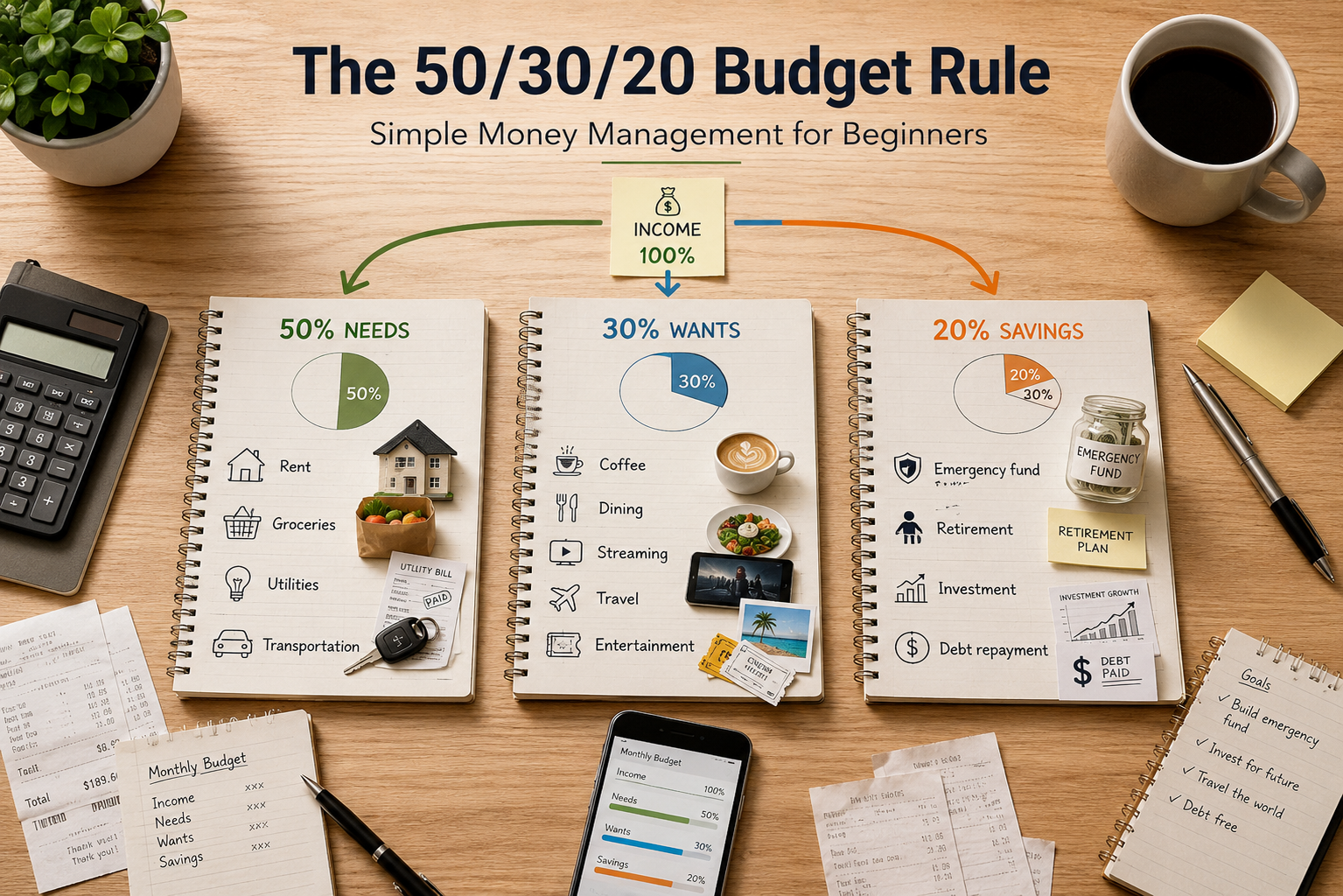
Popular budgeting methods include the 50/30/20 rule, zero-based budgeting, and envelope budgeting. Try one method for at least a month before deciding whether it fits your lifestyle. If it feels too restrictive or difficult, switch to another approach rather than giving up on budgeting altogether.
Remember that your budgeting method should support your financial goals, not create unnecessary stress. Flexibility often leads to better long-term success.
What Are the 4 Pillars of Budgeting?
The 4 pillars of budgeting create the foundation for effective money management. Each pillar plays a different role, but together they help you build financial stability and prepare for future goals. Understanding these core elements allows you to create a balanced budget that supports both your current needs and long-term financial health.
The four pillars are:
- Income – Every source of money you earn.
- Expenses – All money spent on essentials and lifestyle choices.
- Savings – Funds reserved for emergencies and future goals.
- Debt Management – A strategy for reducing loans and credit balances.
When these four pillars work together, your budget becomes a practical financial plan instead of a simple list of numbers. Reviewing them regularly helps you stay in control as your income or expenses change over time.
Balancing Income and Outflow
A healthy balance between income and expenses is essential for financial success. If your spending consistently exceeds your income, your savings will shrink and debt will continue to grow. Monitoring both sides of your budget helps you identify problems early.
Review your budget every week or month to ensure your financial priorities remain aligned. Small adjustments, such as reducing unnecessary spending or increasing savings, can significantly improve your financial health over time.
Keeping your income, expenses, savings, and debt in balance creates a sustainable budgeting system that adapts as your financial situation changes.
What Is Budgeting in Simple Words?
Budgeting is simply creating a spending plan before the month begins. Instead of wondering where your money went, you decide in advance how every dollar will be used. This proactive approach gives you greater confidence and reduces financial stress.
Think of a budget as a roadmap for your money. It ensures your essential bills are paid, your savings continue growing, and you still have money available for entertainment and personal interests. Planning ahead removes uncertainty and helps you make smarter financial decisions throughout the month.
Budgeting is not about restricting yourself from enjoying life. It is about spending intentionally so your money supports your priorities and long-term goals. Even a simple budget can provide greater financial stability and peace of mind.
Taking Control of Money
Taking control of your money means making financial decisions with purpose instead of reacting to unexpected expenses. A well-planned budget allows you to pay your bills confidently while steadily building savings for future goals.
As your budgeting habits improve, you become more aware of where your money goes each month. This awareness makes it easier to reduce unnecessary spending without feeling deprived. Over time, budgeting shifts from feeling restrictive to becoming a practical tool that gives you greater financial freedom and confidence.
Frequently Asked Questions
Why do most beginner budgets fail?
Most beginner budgets fail because they are too restrictive. Many people eliminate all entertainment or discretionary spending, making the budget difficult to maintain. A successful budget includes realistic allowances for both essential expenses and occasional enjoyment, making it easier to stick with long term.
How often should I check my budget?
Review your budget at least once a week. Frequent reviews help you identify overspending early, monitor progress toward your financial goals, and adjust your spending if unexpected expenses arise during the month.
Do I need a fancy app to budget?
No. You can successfully manage your money using a notebook, spreadsheet, or free budgeting app. The most effective budgeting tool is the one you use consistently. Building the habit of tracking your finances matters far more than choosing expensive software.
Conclusion: Take Charge of Your Financial Future
Understanding exactly what is budgeting represents your first critical step. Indeed, it is non-negotiable for permanently securing your long-term financial future. It actively removes the terrifying mystery from your bank accounts. Furthermore, it swiftly replaces overwhelming anxiety with actionable, supreme confidence. Carefully tracking your daily income grants you immense power.
Strategically planning your monthly expenses gives you immediate control. Consequently, you permanently stop reacting in panic to surprise bills. You finally start proactively building generational wealth for your family. If you are managing household finances with multiple dependents, exploring specific budgeting ideas for large families provides incredibly beneficial strategies. Achieving successful money management requires consistent, dedicated practice over time. Your first few planning attempts will absolutely feel clumsy. Similarly, you will find the process frustrating and awkward initially.
You will likely need to adjust your strict spending categories frequently. Therefore, you must find the perfect mathematical balance for your life. This is a completely normal part of the educational process. Remain highly patient with yourself and forgive inevitable mistakes. Finally, actively celebrate your small daily financial victories along the way. Grab a piece of paper or download a highly-rated mobile app today. Establish clear goals and track your spending with brutal honesty. Ultimately, watch as your new budgeting habits beautifully transform your entire life.