
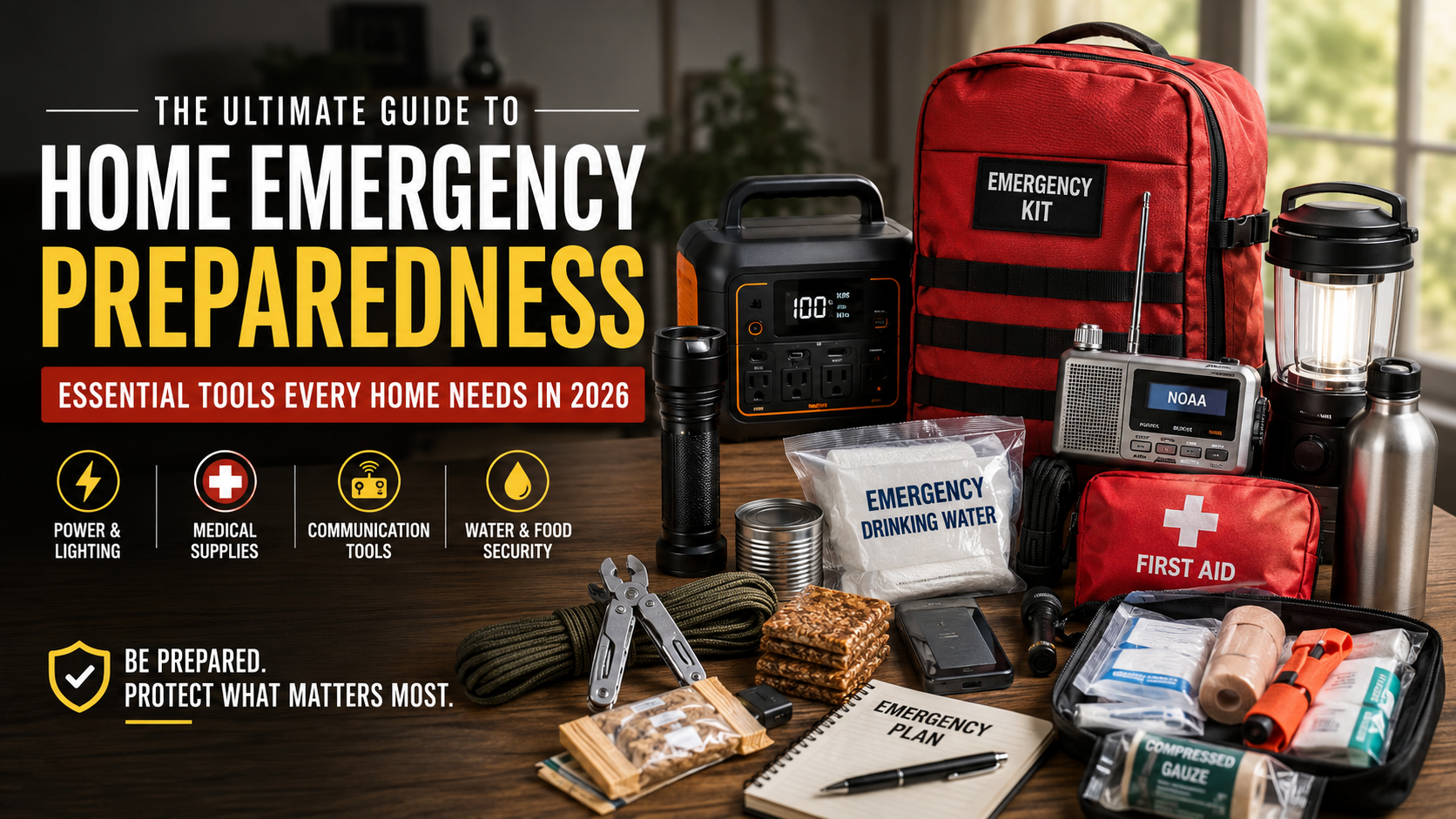
Essential Emergency Tools Every Home Needs in 2026
Natural disasters happen without warning. Because of this, building a reliable preparedness kit is vital. If you want to protect your family, you need the right gear on hand. Having the essential emergency tools readily available can make a life-saving difference during a sudden blackout or severe storm.
To get started, you can review the official disaster preparedness guidelines at Ready.gov. However, we are taking those basic concepts a step further in this guide. We have updated our recommendations for 2026.
Why does this topic matter so much today? The global climate changes rapidly. Weather patterns remain unpredictable. A basic flashlight simply will not cut it anymore. Today, you need smart power solutions, advanced water filtration, and reliable communication devices. Evaluating your essential emergency tools ensures true household security.
In this comprehensive guide, we will break down exactly what you need. We will cover power backups, critical first aid necessities, and modern communication gear. You will learn how to build a kit that actually works when you need it most.
What Are 10 Items in an Emergency?
When an unexpected crisis occurs, you need a reliable set of supplies to protect yourself and your family. Having a well-prepared emergency kit ensures you are ready for power outages, severe weather, or other disasters. The right supplies help you meet your basic needs during the critical first 72 hours, when emergency services may be delayed.
Start with water, which is the highest priority. Store at least one gallon per person per day for drinking and basic hygiene. Pack non-perishable food that requires little or no preparation, along with a manual can opener for canned goods. Include a fully stocked first aid kit to treat minor injuries until medical help is available.
You should also carry a flashlight with extra batteries or a rechargeable option. A battery-powered or hand-crank radio keeps you updated with weather alerts and emergency instructions if phone service fails. Add personal hygiene items, including soap, hand sanitizer, tissues, and sanitary products, to maintain cleanliness.
A multi-tool is useful for simple repairs, cutting materials, and opening packages. Emergency blankets help retain body heat during cold weather or unexpected outdoor conditions. Finally, keep copies of important documents, such as identification, insurance information, and emergency contacts, in a waterproof bag. Together, these ten essentials provide a strong foundation for effective disaster preparedness.
Essential Gear Organization and Storage Best Practices
Owning emergency supplies is only part of being prepared. Organizing and storing them properly ensures you can find everything quickly when every second matters. Place your emergency preparedness kit in a durable, waterproof container or backpack that is easy to carry during an evacuation.
Store your kit in a cool, dry location that every household member can access. Review your supplies at least twice a year. Replace expired food, rotate stored water, and test flashlights and radios regularly. Change batteries annually unless you use rechargeable alternatives.
Keep similar items together to avoid wasting time searching for equipment. Store medical supplies in clearly labeled pouches and protect important documents in waterproof sleeves. If your household has children, older adults, or pets, include supplies that meet their specific needs. Good organization makes your emergency kit more reliable and ensures it is ready whenever an unexpected disaster occurs.
What Are Emergency Tools?
Emergency tools are specialized items designed to help you solve problems, stay safe, and respond effectively during disasters. They support tasks such as clearing debris, making temporary repairs, accessing blocked areas, and handling basic survival challenges when professional assistance is unavailable.
One of the most valuable tools is a heavy-duty multi-tool, which combines several functions in one compact device. A crowbar helps open jammed doors or move heavy debris after storms or structural damage. Heavy work gloves protect your hands from broken glass, sharp metal, and splintered wood while working in hazardous conditions.
Other useful tools include duct tape for temporary repairs, a utility knife for cutting ropes and materials, and a compact hand saw for clearing fallen branches. A bright LED headlamp provides hands-free lighting, making repairs safer in dark environments. Finally, carry waterproof matches or fire starters to create heat and light when needed. Together, these emergency tools improve your ability to respond safely and effectively during unexpected situations.
Selecting Durable and Reliable Survival Hardware
The quality of your emergency tools matters just as much as the tools themselves. Durable equipment is more likely to perform when you need it most. Choose products made from hardened stainless steel, reinforced plastics, or other materials designed to withstand heavy use and harsh weather.
Avoid purchasing the cheapest options if reliability is a priority. Read reviews, inspect build quality, and select tools with comfortable grips and secure locking mechanisms. Store your equipment in a dry location to prevent rust and damage over time.
Regular maintenance is equally important. Clean tools after use, sharpen cutting edges when necessary, and replace damaged equipment immediately. Investing in dependable survival hardware helps reduce the risk of equipment failure during an emergency and gives you greater confidence in your preparedness.
What to Buy in Case of War?
Preparing for war, civil unrest, or other major emergencies starts with securing the essentials that help you stay safe and self-reliant. The right emergency preparedness supplies can reduce the impact of supply chain disruptions, power outages, and limited access to basic services.
Focus on long-lasting food, clean water, medical supplies, lighting, and backup power first. Shelf-stable food, heavy-duty water filtration systems, high-quality flashlights, and comprehensive trauma kits should be among your first purchases. Backup generators, hand-crank radios, and emergency communication devices also become valuable when electricity and mobile networks are unavailable.
Keep a supply of cash in small denominations in case digital payment systems stop working temporarily. You should also store heavy-duty duct tape, plastic sheeting, and suitable personal protective equipment for environmental hazards where appropriate. Prioritize practical, widely useful supplies instead of buying specialized gear that you may never need.
Securing Long-Term Water and Medical Supplies
Reliable access to clean water and medical care is the foundation of every emergency preparedness plan. Water systems can become disrupted or contaminated during disasters. Because of this, every household should have multiple ways to produce safe drinking water.
Store enough bottled water for several days and keep a high-quality gravity water filter with water purification tablets as a backup. These options provide flexibility if your primary water source becomes unavailable.
Medical supplies deserve equal attention. A well-stocked first aid kit should contain bandages, antiseptic, pain relievers, prescription medications, burn dressings, and trauma supplies such as tourniquets and hemostatic gauze if you know how to use them. Regularly inspect expiration dates and replace used or outdated items.
Learning basic first aid is just as important as owning medical equipment. Proper training helps you respond more effectively during emergencies while waiting for professional assistance.
What Are 20 Items in an Emergency Kit?
A well-prepared emergency kit should include essential items that support hydration, nutrition, communication, warmth, hygiene, and basic medical care. Rather than packing unnecessary equipment, focus on versatile supplies that are useful during many different emergency situations.
A complete emergency kit should include:
- Bottled water
- Non-perishable food
- Manual can opener
- Battery-powered or hand-crank radio
- Bright flashlight
- Extra batteries
- First aid kit
- Multi-tool
- Whistle
- Dust masks
- Moist towelettes
- Plastic sheeting
- Duct tape
- Local paper map
- Pocket knife
- Emergency thermal blankets
- Waterproof matches
- Change of clothes
- Sturdy work gloves
- Prescription medications
These items cover many of the most common needs during natural disasters, extended power outages, and evacuation scenarios.
Balancing Practicality and Portability in Storage
An emergency kit is only useful if you can access it quickly. Store your supplies inside durable waterproof backpacks or heavy-duty storage containers that are easy to carry during an evacuation.
Place kits in locations that every family member can reach without difficulty. Consider keeping one at home, one in your vehicle, and a smaller version at your workplace if practical.
Review your emergency supplies every six to twelve months. Replace expired food, batteries, medications, and damaged equipment. Keeping your kit current ensures everything works when you need it most.
What Should I Have in My House for Emergencies?
Preparing your home for emergencies means storing supplies that support shelter-in-place situations lasting several days or even weeks. Build your inventory gradually by focusing on necessities instead of buying everything at once.
Store several gallons of drinking water per person, along with canned food, dry grains, protein bars, and other shelf-stable groceries. Keep fire extinguishers on every level of your home and regularly test smoke and carbon monoxide detectors.
Maintain cleaning supplies such as household bleach for sanitation, heavy-duty trash bags for waste disposal, and extra blankets for warmth. A portable camping stove with appropriate fuel allows you to prepare meals safely during power outages. Don’t forget spare phone chargers, batteries, and essential personal hygiene products.
Review your household supplies regularly and rotate stored food before it expires to reduce waste.
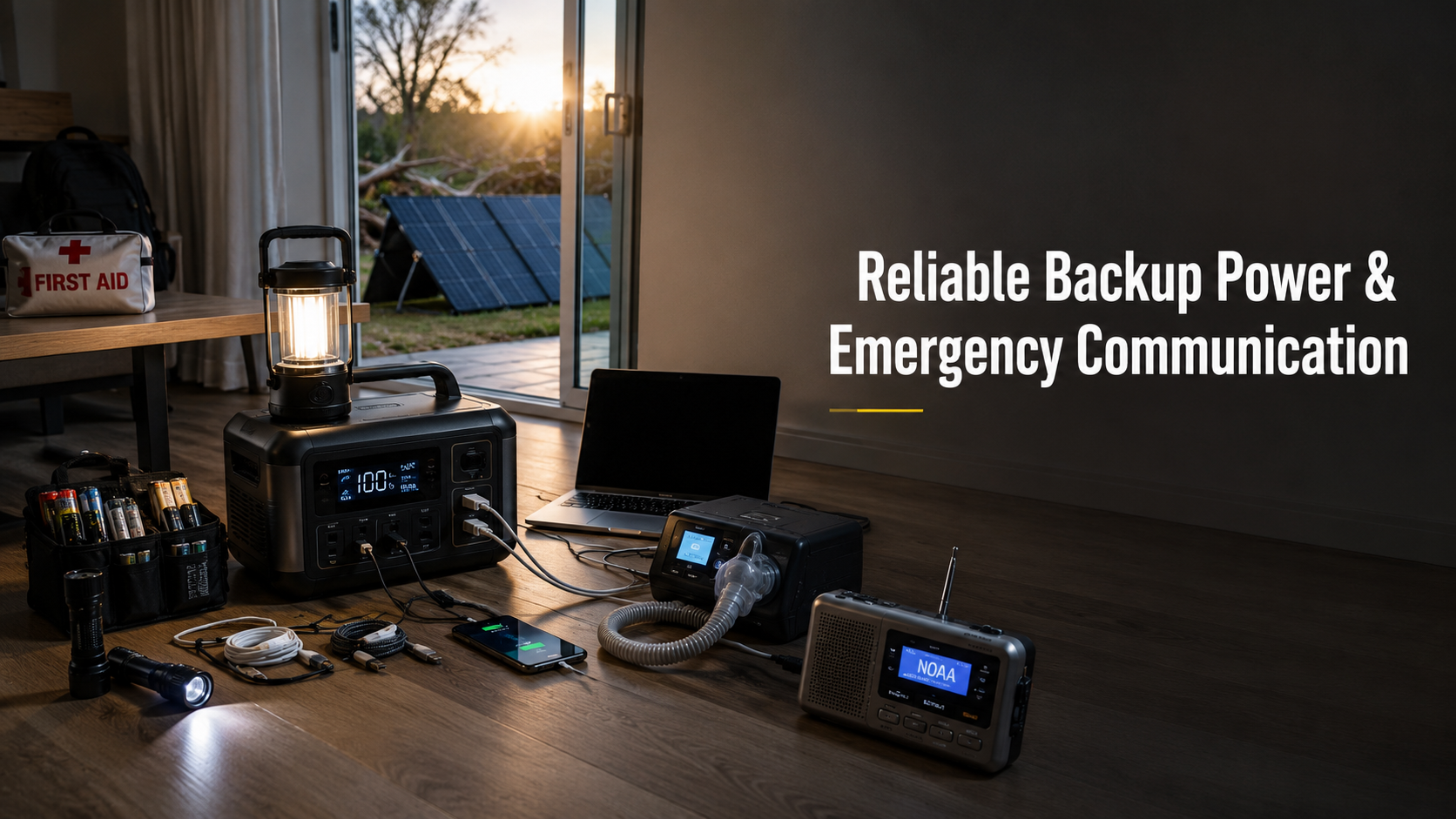
Home Hardening and Power Backup Solutions
Strengthening your home improves safety during severe weather, extended power failures, and other emergencies. Portable solar generators or inverter generators can provide electricity for lighting, refrigeration, communication devices, and essential medical equipment.
Secure heavy furniture, bookshelves, and large appliances to wall studs to reduce injury risks during earthquakes or structural movement. Install surge protectors for valuable electronics and keep emergency lighting in frequently used areas.
Simple improvements such as weatherproofing doors, maintaining roofing, trimming hazardous trees, and storing emergency tools can also improve your home’s resilience without requiring major renovations.
What Are the 7 Essential Survival Items?
The seven essential survival items cover the basic human needs required during almost any emergency. These supplies provide the greatest benefit when resources become limited and outside assistance is delayed.
The seven essentials are:
- Clean drinking water
- Non-perishable food
- First aid supplies
- Emergency thermal protection
- Reliable flashlight or lighting
- Multi-purpose cutting tool
- Communication device or emergency radio
Together, these items help maintain hydration, nutrition, warmth, medical care, visibility, and communication. While additional equipment may be helpful, these essentials should always receive the highest priority when building an emergency preparedness kit.
Prioritizing Water and First Aid in Crisis
Among all emergency supplies, water and first aid remain the highest priorities. People can survive only a few days without safe drinking water, and severe injuries require immediate treatment to reduce complications.
Store at least one gallon of water per person per day for several days, with additional supplies for hot climates, children, and pets. Keep multiple methods of water purification in case stored supplies run out.
Your first aid kit should include supplies for treating cuts, burns, sprains, and more serious injuries. Review your kit regularly, replace expired items, and ensure family members know where it is stored. Combining quality medical supplies with basic first aid knowledge significantly improves your ability to respond safely during an emergency.
FAQ
How often should I check my emergency supplies?
You should inspect your emergency supplies, including your essential emergency tools, at least twice a year. Check food expiration dates, replace expired items, rotate stored water, and test flashlights and radios. Replace worn batteries, inspect your essential emergency tools for damage or rust, and confirm that medical supplies remain usable. Many people schedule these inspections during daylight saving time changes to make the routine easier to remember.
Where is the best place to store an emergency kit?
Store your emergency kit in a cool, dry, and easily accessible location that everyone in your household knows. Hallway closets, garage shelves, and mudrooms are common choices. Avoid damp basements and extremely hot attics because moisture and temperature changes can damage food, batteries, medications, and other emergency supplies.
Do I need cash in an emergency situation?
Yes. Keeping a small amount of cash in small denominations is recommended for emergency preparedness. During widespread power outages, ATMs, card readers, and electronic payment systems may stop working. Having cash allows you to purchase fuel, food, medications, or other essential supplies when digital payment options are unavailable.
How much water should I store per person?
Store at least one gallon of water per person per day for a minimum of three days. Approximately half should be reserved for drinking, while the remaining water supports cooking, hygiene, and basic sanitation. If you live in a hot climate, have young children, or expect higher activity levels, consider storing additional water to meet increased daily needs.
Conclusion
Building a truly resilient home requires proactive planning and purchasing the right equipment in advance. You simply cannot wait until dark storm clouds gather to start shopping.
By actively acquiring the essential emergency tools we discussed today, you protect your family. You transform your standard house into a highly prepared, safe haven against unpredictable disasters.
Remember to prioritize absolute universal human needs first. Secure reliable lithium power stations to keep your lights on. Invest in advanced medical gear to handle unexpected physical injuries. Long emergencies can also be stressful, making comfort items like noise-cancelling headphones valuable for reducing distractions, improving focus, and helping family members stay calm during extended power outages or shelter-in-place situations.
Purchase durable off-grid communication devices to stay informed when local cell towers drop offline. Finally, ensure you have robust gravity water filtration systems to maintain daily hydration.
Disaster preparedness simply requires highly logical, step-by-step action. Identify the gaps in your primary survival kit today. Then, purchase high-quality, durable essential emergency tools to fill those critical voids immediately.