
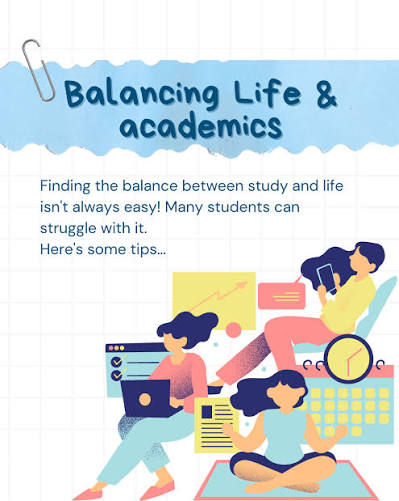
Balance College Life and Studies

Entering university is an exciting milestone, but figuring out how to balance college life and studies often feels completely overwhelming to new students. Between attending daily lectures, completing long assignments, making new friends, and perhaps holding down a part-time job, your weekly schedule fills up fast. In fact, managing this major transition properly is about much more than just getting good grades. Developing effective learning habits and applying proven study hacks and tips for becoming a great student can help you stay organized, reduce stress, and create a better balance between academics and personal life.
According to the World Health Organization, protecting your mental well-being during these formative years is absolutely crucial for long-term success and healthy development. If you push yourself too hard academically without enjoying the broader social experience, you risk severe burnout. Conversely, if you prioritize socializing over academics, your grades will inevitably slip.
Finding the right equilibrium matters because it allows you to enjoy the best years of your life while building a rock-solid foundation for your future career. You do not have to sacrifice fun for good grades, nor do you have to neglect your coursework to have an active social life.
This comprehensive guide will walk you through proven strategies to manage your time effectively. We will cover smart scheduling, setting boundaries, adopting efficient study habits, and maintaining your physical health. Let us dive into the ultimate blueprint for thriving on campus.
How to Balance College Life and Studies? Complete Beginner’s Guide
Why You Must Balance College Life and Studies Properly
Finding a way to successfully balance college life and studies remains the biggest challenge for freshmen. University life demands a high level of independence. You no longer have parents or teachers tracking your daily progress. Therefore, you must take full responsibility for your routine.
Failing to find this equilibrium often leads to chronic stress. You might skip meals, lose sleep, and eventually face academic burnout. However, when you manage your schedule well, you unlock a highly rewarding experience. You will perform better on exams, build lifelong friendships, and develop crucial soft skills that modern employers love.
The Risks of Academic Burnout
Burnout happens when you dedicate all your energy strictly to textbooks. It drains your motivation completely. To prevent this, you must treat relaxation and social activities as mandatory appointments. A well-rested brain simply retains complex information much better than a heavily exhausted one.
Beginner’s Guide to Balance College Life and Studies: Proven Time Management Strategies for Students
Time management acts as your strongest defense against feeling overwhelmed. Every student gets the same 24 hours. The way you divide those hours dictates your overall campus success.
Create a Realistic Weekly Schedule
Start by mapping out your fixed commitments. Block out your class times, lab sessions, and work shifts. Then, schedule specific blocks for studying and completing assignments.
-
Be specific: Do not just write “study.” Write “read chapter four for biology.”
-
Include breaks: Pencil in time for meals, gym sessions, and hanging out.
-
Stick to the plan: Treat your study blocks like unmissable doctor appointments.
Use the Pomodoro Technique
Staring at a laptop for four hours straight rarely produces good results. Instead, try the Pomodoro technique. You study with intense focus for 25 minutes, then take a five-minute break. After four cycles, you take a longer 15-minute break. This method keeps your mind incredibly fresh. Consequently, you get more done in less time, freeing up your evenings for social events.
Time-Saving Study Strategies for Balancing College Life and Studies
You can easily balance college life and studies if you study smarter, not just harder. Passive reading wastes countless hours. You need active engagement to master your coursework quickly.
Active Recall and Spaced Repetition
Instead of simply highlighting textbook pages, test yourself constantly. Create flashcards or write down everything you remember on a blank sheet of paper. This method forces your brain to actively retrieve information. Moreover, use spaced repetition. Review your notes periodically over several weeks rather than cramming the night before an exam.
Join a Focused Study Group
Collaborating with classmates offers a fantastic way to blend academics with socialization. A good study group helps clarify confusing topics quickly. Furthermore, it holds you accountable to your goals. Just ensure the group stays on topic rather than gossiping for hours.
How to Balance College Life and Studies with Friends and Extracurricular Activities
Your college experience extends far beyond the library walls. Joining clubs, attending campus events, and making friends profoundly shape your personal growth.
Prioritize Quality Over Quantity
You cannot attend every single party or join every club on campus. Choose one or two extracurricular activities that genuinely interest you. Quality engagement matters much more than spreading yourself too thin. When you hang out with friends, be fully present. Put away your phone and enjoy the moment.
Health and Well-being: The Core of Campus Life
You cannot balance college life and studies if you constantly feel sick or exhausted. Physical health directly impacts your mental sharpness.
-
Sleep: Aim for seven to eight hours of sleep every single night. Pulling all-nighters destroys your focus for the next few days.
-
Diet: Avoid living entirely on instant noodles and energy drinks. Eat balanced meals rich in protein, vegetables, and complex carbohydrates.
-
Exercise: Walk around campus, hit the student gym, or play an intramural sport. Physical activity naturally lowers stress hormones.
When you prioritize your health, your energy levels soar. This makes tackling difficult assignments and enjoying late-night talks with roommates much easier.
Utilizing Campus Resources Effectively
Many students struggle unnecessarily because they ignore the free help available right on campus. Universities invest heavily in student support systems designed to help you succeed.
-
Academic advisors: Meet with your advisor early to map out your degree path. They can help you avoid taking unnecessarily heavy course loads.
-
Tutoring centers: If you struggle with a specific subject, visit the tutoring center before you fall dangerously behind. Getting help early saves you hours of frustrated studying later.
-
Professor office hours: Instructors set aside time specifically to help students. Visiting them clarifies difficult concepts and builds valuable professional relationships.
By leaning on these resources, you drastically reduce your academic stress. This proactive approach makes finding a healthy routine significantly easier, leaving you with more free time to enjoy campus activities.
FAQ (Frequently Asked Questions) SECTION
How Many Hours Should You Study Per Week to Balance College Life and Studies?
Generally, professors recommend studying two to three hours outside of class for every credit hour you take. If you take 15 credit hours, you should aim for roughly 30 to 45 hours of study time weekly. However, this rule varies wildly depending on your specific major, course difficulty, and personal learning speed. To balance college life and studies efficiently, distribute these hours evenly across your week. Do not leave everything for the weekend. Breaking your study sessions into daily, manageable chunks prevents severe exhaustion and leaves your evenings open for crucial relaxation and social activities.
Can I work a part-time job while attending college?
Yes, many students successfully manage a part-time job alongside their degree. Working provides extra income, builds your resume, and teaches excellent time management skills. However, you must keep your work hours reasonable. Experts generally suggest working no more than 15 to 20 hours per week as a full-time student. Exceeding this limit often causes your grades to drop significantly. Communicate your academic schedule clearly to your employer. Prioritize on-campus jobs when possible, as university employers naturally understand the need to navigate classes and exams effectively during busy seasons.
How do I handle overwhelming stress during finals week?
Finals week naturally brings intense pressure, but you can manage it with strategic planning. Begin reviewing your materials several weeks in advance to avoid last-minute, panicked cramming sessions. Stick strictly to your regular sleep schedule, as sleep deprivation completely destroys your memory retention. Take frequent, short walks outside to clear your head and naturally lower your cortisol levels. Do not hesitate to use campus resources, such as writing centers or mental health counselors, if you feel overly anxious. Taking short, guilt-free breaks improves overall productivity and keeps your daily stress manageable. This proactive balance prevents severe burnout.
Is It Okay to Skip Class While Trying to Balance College Life and Studies?
Skipping one class to study for another usually creates a frustrating cycle of falling behind. When you miss a lecture, you lose valuable explanations, professor announcements, and context that textbooks rarely provide. Catching up takes significantly more time than simply attending the class in the first place. Instead of skipping, plan your week proactively using a detailed digital calendar. Allocate specific study blocks for your upcoming exam days well in advance. Consistent class attendance serves as the most effortless way to absorb information, reducing the total amount of heavy studying you need to do later.
How can I socialize if my major is extremely demanding?
Even the most rigorous majors require breaks for mental recovery. You can integrate socialization into your daily routine without sacrificing academic success. Try studying with classmates from your challenging courses, allowing you to bond while remaining highly productive. Grab meals with friends in the dining hall instead of eating alone at your desk. You can also join a campus club that meets only once a week or every two weeks. The key involves planning your social interactions just as diligently as your study sessions. Scheduling short, meaningful catch-ups ensures you maintain vital connections without losing focus.
CONCLUSION
Transitioning into higher education requires patience, discipline, and a willingness to adapt. Learning how to successfully balance college life and studies takes time, and you will likely make a few mistakes along the way. That is completely normal. The secret lies in building a structured yet flexible routine that honors both your academic goals and your personal well-being.
By implementing smart time management techniques, utilizing active study methods, and protecting your physical health, you set yourself up for lasting success. Remember to use a planner to visualize your week and carve out dedicated time for friends and relaxation. You do not have to choose between getting exceptional grades and having a memorable university experience. You truly can achieve both without sacrificing your peace of mind.
Ultimately, knowing how to balance college life and studies empowers you to graduate with an excellent degree, a strong professional network, and cherished memories. Start small today. Try organizing your calendar for the upcoming week or testing out the Pomodoro study technique. Take control of your schedule right now, and step confidently into your best and most balanced campus life.