RAM Prices 2026: Why They’re Skyrocketing Now
RAM prices in 2026 are rising rapidly, and this has become a major concern for PC users, gamers, and professionals. The keyword RAM prices in 2026 is now trending because memory costs are no longer stable like before. Instead, prices are increasing due to global demand shifts and technology changes.
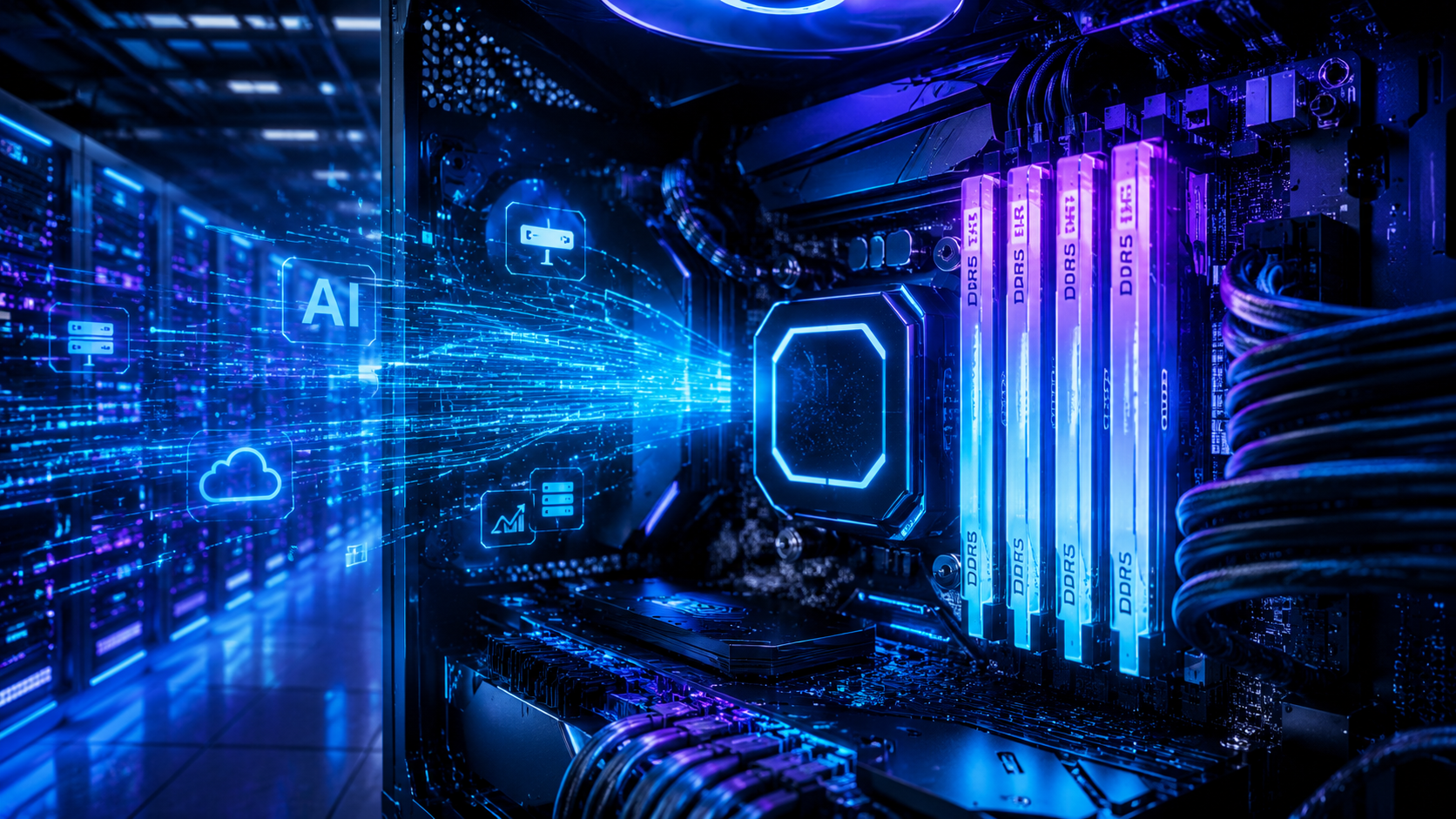
In 2026, RAM is not just used in personal computers. It powers AI systems, cloud servers, and massive data centers. Therefore, demand has grown much faster than supply. Moreover, manufacturing limitations and supply chain pressure have made things even worse. This global shift is strongly tied to the growing demand for AI infrastructure and high-performance computing platforms like those developed by NVIDIA AI Computing.
In this article, you will learn why RAM prices are increasing, whether 32GB is still enough, and if prices will ever come down. Additionally, we will also help you decide whether you should buy RAM now or wait. As a result, you will get a clear and practical understanding before making your next upgrade decision.
Main Reasons RAM Prices Are Rising in 2026
1. AI & Data Center Demand Explosion
Modern AI models require massive memory bandwidth and capacity. Cloud providers and AI companies are consuming large volumes of DRAM, leaving less supply for consumer markets.
2. Slow Manufacturing Expansion
Semiconductor fabs take 3–5 years to build. Demand increased much faster than production capacity, creating a structural shortage.
3. DDR5 Transition Costs
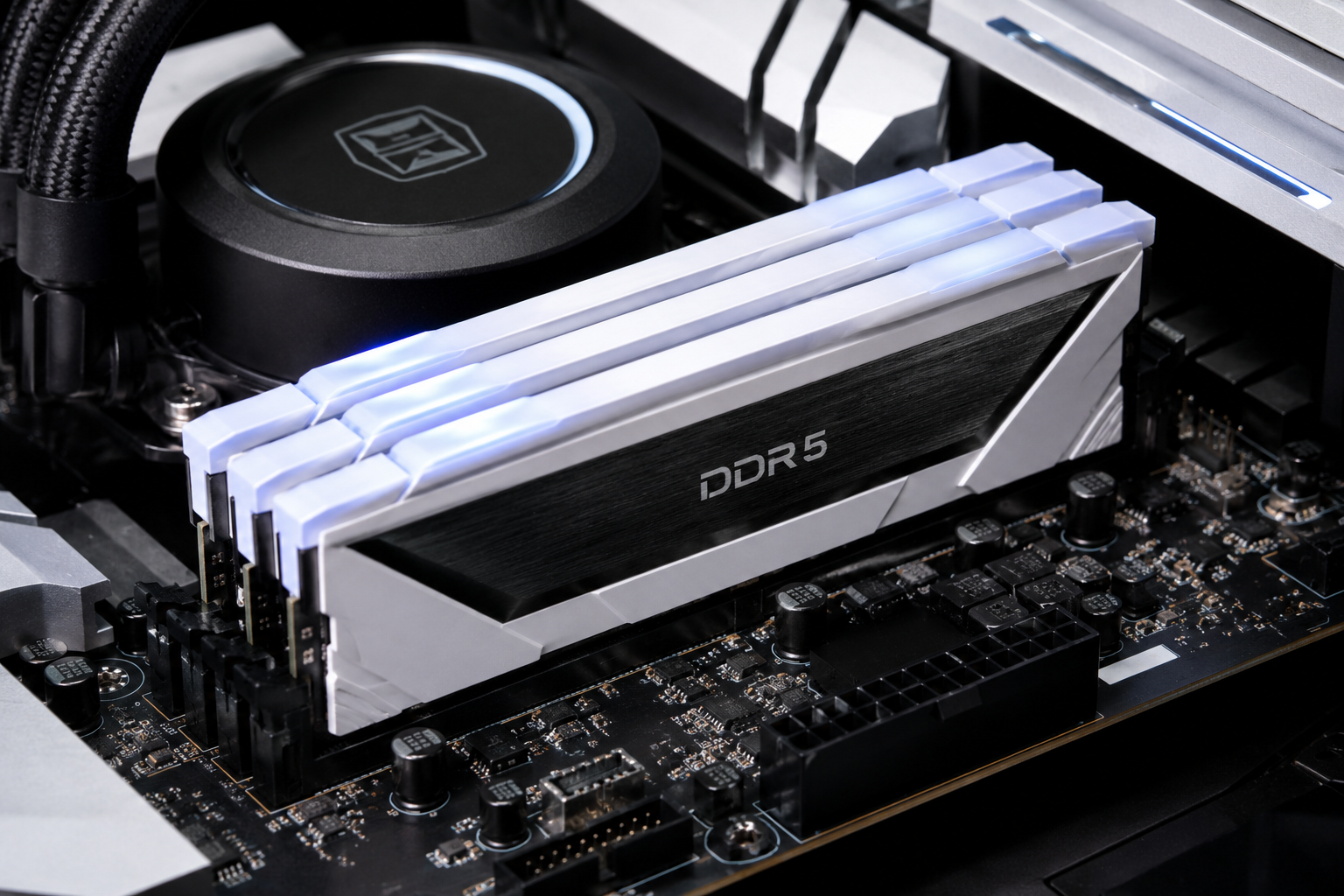
The global shift from DDR4 to DDR5 has increased production complexity, testing requirements, and manufacturing costs, keeping RAM prices higher overall.
4. Global Supply Chain Pressure
Geopolitical tensions, shipping delays, and raw material dependencies continue to affect DRAM supply stability.
5. Enterprise Priority Allocation
Manufacturers prioritize high-margin enterprise customers (servers, AI clusters) over consumer RAM markets, tightening retail supply.
Market Impact in 2026
- Consumer RAM availability is tighter than before
- Discounts and seasonal price drops are less common
- Enterprise demand dominates global DRAM allocation
- Prices remain structurally high rather than temporarily spiking
Frequently Asked Questions
Will RAM prices increase in 2026?
Yes, RAM prices in 2026 will likely stay high and may rise at times. Strong demand from AI systems, cloud computing, and large data centers drives this trend. These industries consume massive amounts of DRAM and often secure bulk supply ahead of retail buyers.
At the same time, semiconductor manufacturers cannot expand production quickly because new fabrication plants take years to build and scale. This creates a gap where demand grows faster than supply.
Manufacturers also prioritize high-margin enterprise contracts, which reduces availability for consumers. As a result, consumers will likely face higher RAM prices throughout 2026, with only short-term fluctuations rather than sustained drops.
Why is RAM so expensive now?
RAM costs remain high because demand from AI and data-heavy computing has surged. Modern AI models and cloud platforms require large memory capacity and bandwidth, far beyond typical consumer workloads.
This shift pushes manufacturers to allocate more DRAM production to enterprise customers like data centers and large tech companies. That reduces supply for the retail market.
Production costs also stay high due to advanced fabrication processes and the transition to newer standards like DDR5. In addition, supply chains face pressure from logistics constraints and geopolitical factors.
When demand rises faster than supply, prices increase—and that is exactly what is happening in the current market.
Is 32GB RAM overkill in 2026?
No, 32GB RAM no longer counts as overkill for many users in 2026. Gamers, content creators, and professionals increasingly rely on it for smooth performance.
Modern AAA games, video editing software, and 3D tools use large amounts of memory. Even web browsers consume more RAM when you run many tabs or extensions.
For basic users who only browse, stream, or use office apps, 16GB still works well. However, 32GB offers better future-proofing and smoother multitasking.
Will RAM prices go down?
RAM prices may stabilize, but large long-term drops look unlikely in 2026. AI workloads, cloud infrastructure, and enterprise computing continue to absorb much of the global DRAM supply.
Even when production increases, demand usually catches up quickly. That prevents sustained price declines.
You may still see temporary discounts or seasonal deals, but the overall market will likely move sideways with gradual fluctuations rather than sharp price crashes.
Should I buy RAM now or wait?
Your decision depends on how your system performs today. If your PC struggles with multitasking, gaming, or creative work, upgrading now makes sense because prices are unlikely to fall significantly in the near term. Waiting may not save much money and could delay performance gains.
If your current setup still meets your needs, you can wait and watch for occasional discounts or sales. However, given ongoing AI-driven demand and limited supply growth, major price drops remain unlikely in 2026.
Conclusion
RAM prices in 2026 are rising due to strong global demand, especially from AI and cloud computing industries. At the same time, supply is limited because manufacturing cannot scale quickly.
As a result, users are seeing higher prices and fewer discounts compared to previous years. Moreover, 32GB RAM is now becoming a practical standard for gaming and professional workloads.
Therefore, understanding market trends is important before upgrading your system. If you need performance, buying now makes sense. However, if you can wait, monitoring prices may help.
Ultimately, RAM prices in 2026 reflect a long-term shift in global technology demand rather than a temporary spike.
For more insights on future-ready tech careers and opportunities, you can explore this guide on gaming and digital careers: Gaming Jobs for a Secure Future