Category Archives: Technology

Posts are related to technology.

The Fundamentals of SEO

Are you a parent looking to boost your online presence and attract more readers to your family activity, photography, or parenting blog? Look no further than search engine optimization (SEO). In this post, we’ll cover the fundamentals of SEO in a conversational tone that’s easy to understand. With these tips and tricks, you’ll be on your way to higher rankings and increased visibility in no time!


SEO

The Fundamentals of SEO (Search Engine Optimization)

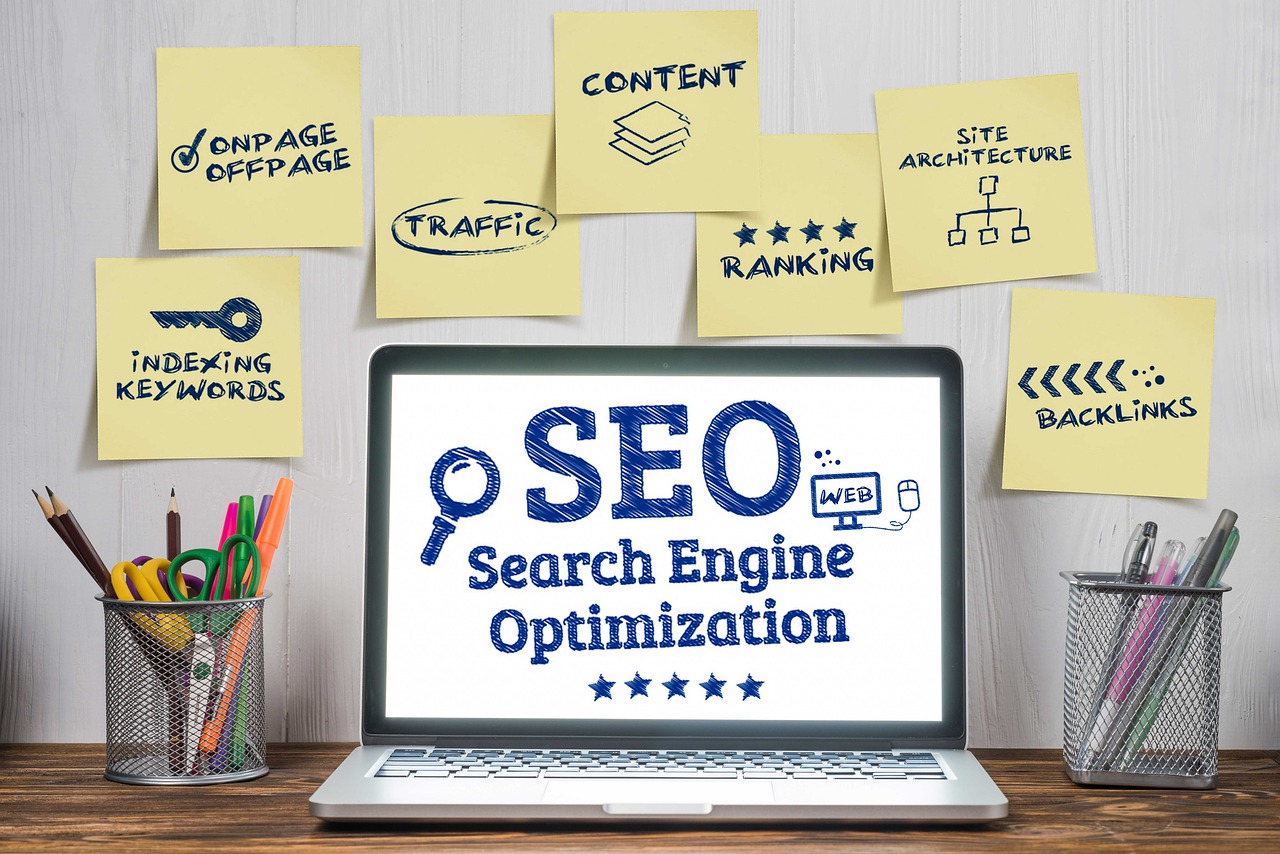
Search engine optimization (SEO) is the process of optimizing a website to improve its visibility and ranking in search engine results pages. The goal of SEO is to increase organic traffic to a website by improving its quality and quantity. This involves various practices such as optimizing web pages, conducting keyword research, building links, and creating high-quality content.

SEO involves optimizing a website to improve its visibility & ranking in search engine results pages, which can increase organic traffic to the site over time.

To optimize a website for search engines like Google, it’s important to understand how they work. Search engines use algorithms that analyse websites based on various factors such as page content, relevance, authority, trustworthiness and more. By implementing both on-page and off-page optimization techniques while providing valuable content that meets user needs – websites can rank higher in search engine results pages resulting in increased visibility which ultimately leads to more traffic over time.

What is Search Engine Optimization?

Definition and Explanation: Search Engine Optimization, or SEO, is the process of optimizing a website’s content and structure to improve its organic visibility in search engine results pages (SERPs). The goal of SEO is to increase traffic quantity and quality by ranking higher on relevant search queries.

History of SEO: The practice of optimizing websites for search engines dates back to the early days of the internet, when webmasters realized that they could manipulate search results by stuffing keywords into their pages. However, as search engine algorithms became more sophisticated, these black-hat practices fell out of favour in favour of more white-hat techniques like link building and creating quality content. Today, SEO is an essential part of any digital marketing strategy aimed at boosting online visibility and driving traffic to your site.

Why is Search Engine Optimization (SEO) important?

Search Engine Optimization is crucial for businesses as it helps in increasing their website’s organic visibility and drives more traffic to their page. It allows companies to rank higher on Google’s search results, exposing them to a larger audience and potential customers. By implementing effective optimization practices, such as improving the quality of content, using relevant keywords, and optimizing website presentation, businesses can significantly enhance their online presence.

SEO has a significant impact on website traffic as it ensures that websites are optimized according to search engine algorithms. This means that when users type in specific keywords related to the business or service they offer, the company appears at the top of search results pages rather than being buried beneath competing sites. As SEO focuses on both quantity and quality of traffic by targeting specific demographics while also improving user experience through better page presentation and loading times; resulting in increased engagement from visitors who are likely to convert into loyal customers.


Search Engine Optimization

How Search Engines Work in SEO

Crawling and indexing are the main processes by which search engines find and organize websites. When a search engine crawls a website, it scans all of its pages to determine what the site is about. The indexed information is then analysed to create an algorithm that ranks the website’s relevance in relation to specific keywords or phrases.

The ranking algorithm considers both quantity and quality when determining where a page will appear on search engine results pages (SERPs). Factors like content relevancy, presentation, traffic patterns, organic keyword density, links from other high-quality websites can affect rankings. Employing sound SEO practices can increase visibility for your website by ensuring it conforms to these factors.

On-Page Optimization Techniques in SEO

Title Tags and Meta Descriptions are essential elements in on-page optimization techniques. They serve as a presentation for your website’s content to the search engine and users, affecting your organic ranking and visibility. It is crucial to optimize these tags by incorporating relevant keywords that reflect the web page’s contents.

Header Tags aid in structuring content for both readers and search engines. H1 tag stands out as the most important header tag; it should be used once per webpage, reflecting its central theme or topic of discussion. Content Optimization also includes using internal linking strategies by interlinking related pages within your website, keeping visitors engaged while improving site navigation.

In summary,

  • On-Page Optimization Techniques play a critical role in Search Engine Optimization practices.
  • Optimizing Title Tags and Meta Descriptions can improve ranking results.
  • Using Header Tag structures can help with presenting quality content
  • Incorporating Internal Linking Strategies will keep visitors engaged while optimizing site navigation

Off-Page Optimization Techniques

To improve your website’s ranking on search engine results pages, it is important to implement effective off-page optimization techniques. Backlink building strategies are one such technique that involves getting other websites to link back to your site. High-quality links from authoritative sites can increase the organic traffic and visibility of your website, as well as signal quality content to search engines like Google.

Another key off-page optimization technique is social media marketing for SEO. By sharing relevant and engaging content on social media platforms, you can drive more traffic to your website while also improving its reputation with search engines. Social signals such as likes, shares, and comments can indicate the quality and relevance of a page’s content which in turn impacts its ranking on results pages according to algorithmic practices developed by these search engines like Google or Bing.

In summary: Effective backlink building strategies and strategic use of social media platforms are essential components of successful off-page optimization techniques that aim at driving organic traffic through improved visibility in relevant searches made through various Search Engines including Google or Bing based upon their respective algorithms measures several factors including quantity and quality metrics around linking domains pointing towards a particular page amongst others for determining the priority rank order presented when displaying SERP (Search Engine Results Pages).

Importance of Content in SEO

To achieve visibility and increase organic traffic to your website, it is crucial to optimize your content for search engines. The role of keywords in content creation cannot be overstated as they help search engines understand the topic and relevance of the page. However, it is equally important to focus on creating high-quality, relevant, and engaging content that provides value to readers.

Search engine algorithms are constantly evolving and favoring pages with quality over quantity. Thus, implementing best practices in content creation such as using targeted keywords strategically while maintaining readability and presentation can significantly improve ranking on search engine results pages (SERPs). Ultimately, investing time and effort into creating valuable content increases visibility without resorting to unethical tactics for manipulating rankings.

Keyword Research and Analysis

Tools for Keyword Research are essential in search engine optimization because they allow you to identify the words and phrases that people use when searching for your website. Google AdWords Keyword Planner is a popular tool that helps with keyword research by showing you the quantity and quality of traffic each keyword can bring. It also provides suggestions on related keywords, which can help expand your reach.

Competitor Analysis using Keywords is another crucial aspect of SEO. By looking at what keywords your competitors are ranking for, you can create an effective strategy that improves your visibility on search engines. You can use tools like SEMrush or Ahrefs to analyze competitor data and gain insights into their content presentation and ranking results. Incorporating these practices into your SEO efforts will help improve the organic traffic to your website while maintaining high-quality content pages for better rankings on search engines’ algorithms.

Link Building Strategy in SEO

To improve website visibility and increase organic traffic, it’s crucial to have a strong link building strategy. Natural link building tactics are essential for boosting search engine ranking, which can be achieved by creating high-quality content that people want to share or linking with relevant websites in your industry. Guest posting opportunities also provide an effective way of gaining more backlinks and increasing the quality of your website.

However, it’s important not to focus solely on quantity over quality when implementing these practices. Google’s algorithm is designed to prioritize sites that demonstrate expertise, authority and trustworthiness – factors that come with presenting well-written content and establishing relationships with authoritative sources in your niche. By following these fundamentals of search engine optimization through natural link building tactics and guest posting opportunities, you’ll see improved results in terms of traffic and page ranking over time.

Measuring SEO Success

Google Analytics Metrics to Measure Success

To determine the effectiveness of your search engine optimization (SEO) efforts, there are several Google Analytics metrics you should track regularly. These include organic traffic, bounce rates, time on page, and conversion rates. By measuring these factors over time, you can see whether your SEO practices are leading to better visibility in search engine results pages (SERPs), as well as improved website traffic and engagement.

Traffic Conversion Rates

While high website traffic is great for exposure and brand recognition, ultimately what matters most is how many visitors convert into customers or take some other desired action on your site. Traffic conversion rates measure the percentage of users who complete a specific goal on your site after clicking through from an SERP or another source. For example, if 100 people visit a page on your site via Google search and five of them sign up for a newsletter or make a purchase within that session, then the conversion rate would be 5%. Monitoring this metric can help you identify areas where improvements could be made to increase conversions such as optimizing landing pages or changing calls-to-action placement.

  • Regularly monitor Google Analytics metrics like organic traffic and bounce rates.
  • Track time spent on-page by visitors to understand engagement levels.
  • Use analytics data to improve overall website content quality with relevant keywords.
  • Monitor visitor behaviour by tracking click-throughs from SERPs using useful tools like SEMrush.
  • Check frequently that link-building strategy aligns with recent changes in google algorithm updates.
  • Check frequently that link-building strategy aligns with recent changes in google algorithm updates Search engine optimization, or SEO, is a crucial aspect of any online presence. By optimizing your website for search engines, you can increase your visibility and attract more visitors to your site. But with so many different strategies and techniques out there, it can be difficult to know where to start. That’s why in this blog post, we’ll be going over the fundamentals of SEO, and giving you some tips on how to get started. Search engine optimization, or SEO for short, is the process of improving your website’s visibility and ranking on search engine results pages. This can be achieved through a variety of techniques, including optimizing your content with relevant keywords, building high-quality backlinks, and improving your website’s overall user experience.

One of the most important aspects of SEO is understanding your audience and what they’re searching for. By conducting keyword research and analysing search trends, you can identify the keywords and phrases that your target audience is using, and optimize your content accordingly. Additionally, regularly monitoring your website’s analytics can help you identify areas where you need to improve, such as high bounce rates or low conversion rates. By implementing these strategies and constantly refining your approach, you can improve your website’s visibility and attract more visitors to your site.

How can I improve my website’s visibility in search engines?

Improving your website’s visibility in search engines can be a bit of a challenge, but there are several things you can do to increase your chances of ranking higher in search results. Here are a few tips to get you started:

1. Optimize your website for search engines: This means using relevant keywords in your content, tags, and meta descriptions. Make sure your website is mobile-friendly and loads quickly.

2. Focus on high-quality content: Create useful and engaging content that will keep your visitors interested and coming back for more. Use headings, subheadings, and bullet points to make your content easy to read and scan.

3. Use social media: Social media platforms can be a great way to promote your website and increase your visibility. Share links to your website on your social media accounts and engage with your followers.

4. Build backlinks: Getting other websites to link back to your site can improve your search engine rankings. Look for opportunities to guest post on other websites or participate in online communities related to your niche.

5. Monitor your analytics: Keep track of your website’s traffic and search engine rankings. This will help you identify areas where you need to improve and measure the effectiveness of any changes you make.

Remember, improving your website’s visibility in search engines takes time and effort, but implementing these tips can help you get started on the right track.

Read More
iPhone and Android apps to help you manage your everyday life
What Is an SEO Article?

SEO 101: Boost Your Websites Visibility with These Easy Tips

Search Engine Optimization

SEO 101: Boost Your Websites Visibility with These Easy Tips

If you’re a parent with a website dedicated to family activities, photography or parenting advice, then SEO is vital to ensure your site gets found by the right audience. But where do you start? In this blog post, we’ll walk you through the basics of SEO and provide some easy tips on how to boost your website’s visibility in search engine results pages (SERPs). Whether you’re an SEO newbie or just looking for ways to take your web presence up a notch, read on!

Understanding SEO

To understand SEO, you first need to know that it stands for Search Engine Optimization. This is the practice of optimizing your website to rank higher on Google search results pages. By creating valuable content and making sure your website is technically sound, you can improve your chances of ranking well for keywords relevant to your business.

Google search algorithms are constantly changing, so it’s important to stay up-to-date with best practices. For example, focusing on high-quality content rather than keyword stuffing will generate better results in the long run. By understanding these basic principles and staying current with updates from Google, you can optimize your website and increase its visibility in search engine rankings.

What is SEO?

SEO stands for search engine optimization, and it refers to the process of improving the quantity and quality of traffic to a website through organic search engine results. There are different types of SEO strategies, including on-page SEO, off-page SEO, technical SEO, and local SEO.

An effective SEO strategy involves several key components such as keyword research, content creation, link building, user experience optimization and tracking performance through analytics tools like Google Search Console. By optimizing your website for search engines like Google you can increase visibility online which in turn drives more organic traffic to your site.

  • Keyword research
  • On-page optimization
  • Off-page optimization
  • Technical Optimization
  • Local Optimization

Why is SEO important?

Having a good ranking on search engines like Google is crucial for driving traffic to your website and increasing sales or engagement. By optimizing your content with relevant keywords, titles, and descriptions, you increase the likelihood of appearing in top search results. This not only increases visibility but also boosts credibility as users are more likely to trust websites that rank higher on Google Search.

A strong SEO strategy can significantly impact brand credibility and authority by building trust and encouraging visitors to engage more deeply with your content.

In addition to these benefits, having a strong SEO strategy can significantly impact brand credibility and authority. When users see your website consistently ranking high in search results, they associate it with being an authoritative source in their field of interest. This positive association builds trust and encourages visitors to stay longer on your site while engaging more deeply with its content – ultimately leading to better conversion rates and customer loyalty over time.

How search engines work

Understanding how search engines work is essential to optimizing your website for better visibility. The first step in the process is crawling, where Google and other search engines discover new web pages by following links from existing ones. Once a page has been crawled, it’s then indexed, meaning the content is analyzed and categorized based on keywords and other factors like content quality. Finally, when someone conducts a search query on Google Search or another platform, pages are ranked based on various algorithms that consider dozens of ranking factors including relevance and authority.

Keywords play an important role in ensuring your website ranks highly within search engine results pages (SERPs). By incorporating relevant keywords throughout your site’s content – titles, meta tags descriptions – you can help ensure that Google understands what your site is about. However relying too heavily on certain keywords can hurt you more than it helps as Google penalizes “keyword stuffing”. Other key factors impacting rankings include user experience elements such as mobile-friendliness and page speed along with high-quality backlinks to authoritative websites.

Overall understanding SEO best practices will give parents looking for tips related to family activities or parenting techniques greater access to helpful resources online through boosting their website’s visibility with these easy tips!

Keyword Research in SEO

When it comes to SEO, finding the right keywords is crucial. Start by thinking about what your target audience might be searching for and use tools like Google Keyword Planner to see which keywords have high search volumes. But don’t forget about long-tail keywords – these are more specific phrases that may not have as much traffic but can still drive quality leads to your website.

Once you’ve identified your main and long-tail keywords, strategically incorporate them into your website’s content. This includes page titles, meta descriptions, headers, and body copy. Avoid overstuffing with too many repetitive or irrelevant keywords – instead focus on creating valuable content that naturally incorporates the chosen keywords in a meaningful way. With some research and planning, mastering keyword selection can greatly improve your website’s visibility in search results.

Finding the right keywords

To improve your website’s visibility, it’s crucial to find the right keywords. Understanding your target audience and their search intent is key in selecting relevant keywords that will bring traffic to your site. Take time to conduct competitor research and identify gaps in their keyword strategy that you can fill.

Google’s Keyword Planner tool is a great resource for generating new keyword ideas based on search volume and competition. Use this tool to find long-tail keywords – specific phrases with low competition but high relevance – that can help boost your rankings even further. By taking these steps, you’ll be well on your way to improving the SEO of your website and attracting more visitors who are interested in what you have to offer.

Using long-tail keywords

Focus on specific, niche topics related to your website. Don’t try to rank for broad and competitive keywords like “parenting advice” or “family activities.” Instead, focus on long-tail keywords that are more targeted towards your niche.

Include natural language phrases that match user search queries. Think about the questions people might ask when searching for information related to your website’s topic. Use these natural language phrases in your content to improve its relevance and visibility.

Long-tail keywords have less competition and higher conversion rates. By targeting these more specific keyword phrases, you’ll be able to compete with other websites more easily while also attracting visitors who are more likely to convert into customers or subscribers.

  • Focus on narrow, niche topics
  • Use natural language phrases in content
  • Target long-tail keywords for less competition and better conversions

On-Page SEO

To boost your website’s visibility, implementing on-page SEO strategies is essential. Start by optimizing title tags and meta descriptions to accurately depict the content of each page. This helps search engines understand what your pages are about and rank them accordingly.

Creating quality content is another important on-page SEO tactic. Make sure your content is informative, engaging, and relevant to your target audience. Use header tags (H1-H6) to organize your content into sections that are easy for both humans and search engines to navigate.

By focusing on these simple yet effective tactics, you can improve the visibility of your website in search engine results pages (SERPs). Stay tuned for more practical tips on how to optimize off-page SEO factors as well!

Optimizing title tags and meta descriptions for SEO

To improve your website’s SEO, there are a few things you can do with your title tags and meta descriptions. First, make sure to include your primary keyword in the title tag. This will help search engines understand what your page is about and rank it accordingly.

Secondly, write a compelling and unique meta description that accurately describes the content of the page while also encouraging users to click through. A well-crafted meta description can increase click-through rates and ultimately drive more traffic to your site.

Finally, be sure to limit character count in both title tags and meta descriptions to avoid truncation. This ensures that all important information is visible in search engine results pages (SERPs) without being cut off or truncated, potentially leading users away from clicking on your site. By optimizing these elements of your website’s content, you’ll be well on your way towards improving its visibility online!

Creating quality content

When it comes to creating quality content, there are a few things you should keep in mind. First and foremost, research relevant topics that will interest your audience. This will ensure that your content is engaging and informative for readers. Additionally, using subheadings can help organize your writing into digestible sections that are easy to navigate.

Another important aspect of creating quality content is incorporating multimedia such as images or videos. Not only do these elements break up the text and make it more visually appealing, but they also help reinforce key points by providing additional context or examples. By following these tips, you can create compelling content that not only resonates with your target audience but also improves your website’s SEO visibility.

Using header tags

The proper use of header tags is an essential aspect of optimizing your website’s SEO. When structuring the content hierarchy, always start with an H1 tag for the main heading of the page and follow it up with H2, H3, and other header tags to convey a clear and concise message. However, be aware that using multiple H1 headers on a single page can harm your SEO ranking as search engines may find it difficult to determine which one represents the primary topic.

Proper use of header tags not only enhances user experience by making it easier to navigate but also helps search engines understand what your content is about. Remember to structure your content in a logical order using different levels of heading tags while avoiding multiple uses of H1 headers on one page. This way, you can improve both readability and visibility online while boosting your website’s overall performance in search engine results pages (SERPs).

Off-Page SEO

Building backlinks is an essential off-page SEO technique for increasing your website’s visibility. By acquiring links from other reputable websites, you can improve your search engine ranking and drive more traffic to your site. However, it’s important to focus on quality over quantity when building backlinks. Aim for links from relevant and authoritative sources that will benefit both your audience and search engines.

Guest blogging is another effective way to improve your off-page SEO. By contributing high-quality content to other blogs in your industry or niche, you can establish yourself as an authority while also earning valuable backlinks. Just make sure that the blog you’re guest posting on has a similar target audience and aligns with the values of your brand. With these two simple techniques, you can start boosting the visibility of your website today!

Building backlinks

Reaching out to industry influencers for collaboration opportunities is a smart way to build backlinks. By working with influencers in your niche, you can tap into their audience and gain exposure for your website. Plus, if they link back to your site within their content, it can boost your SEO ranking.

Submitting your website to relevant directories and online communities can also help build backlinks. Look for directories or forums that align with the topic of your website and submit accordingly. Often times these directories will allow you to include a link back to your site which can improve visibility on search engines.

Creating valuable content that people would want to link back to is key when building quality backlinks. This means producing high-quality blog posts, infographics or videos that provide value by answering questions or solving problems within the industry niche you are part of. If done correctly, this type of content creation will attract links naturally from other websites looking for insights and information on similar topics related so SEO should be incorporated into all aspects of the creative process!

Guest blogging

When it comes to guest blogging, the first step is finding reputable websites in your niche that accept guest posts. This not only helps with SEO by building backlinks to your website but also establishes you as an authority in the industry. Once you’ve found a suitable platform, craft high-quality and informative posts that provide value to readers while subtly promoting your own brand or website through a link back.

But don’t stop there – engaging with the community is equally important. Be sure to respond promptly and thoughtfully to comments on your guest post, sparking conversations and showing that you care about their feedback. By demonstrating expertise and establishing relationships within your industry’s community through guest blogging, you can boost both visibility and credibility for yourself or your brand online.

Technical SEO

In the world of SEO, technical optimization is crucial to increasing your website’s visibility. One important aspect to focus on is site speed. Slow-loading pages can harm your search rankings and turn off potential visitors. Ensure that your images are optimized and use a reliable hosting service to improve site speed.

Another important technical factor for SEO success is making sure your website is mobile-friendly. With more people using their phones for browsing than ever before, it’s essential that your site adapts easily and loads quickly on smaller screens. Use responsive design techniques or consider creating a separate mobile version of your site to enhance user experience and boost search engine rankings.

Improving site speed with SEO

When it comes to improving site speed, every little bit counts. By taking a few easy steps, you can help ensure that your website loads quickly and efficiently for visitors. Here are some tips to boost your site’s speed:

  • Minimizing HTTP requests:
  • Reduce the number of requests made by the browser by combining files and using CSS sprites.
  • Optimizing images:
  • Optimize your images for web use by compressing them without sacrificing quality.
  • Enabling compression:
  • Use GZIP compression to reduce file sizes and improve load times.

By implementing these techniques, you’ll be well on your way to a faster loading website that provides a better user experience. Remember, a speedy website is key when it comes to SEO – so take these steps seriously!

Making your site mobile-friendly

Having a mobile-friendly website is essential for SEO in today’s digital landscape. One of the easiest ways to do this is by using a responsive design, which automatically scales your website to fit any device. This not only improves user experience but also boosts your site’s search engine rankings.

When creating a mobile-friendly site, it’s important to avoid pop-ups and interstitials on mobile devices as they can be frustrating for users and negatively impact your SEO. Instead, focus on clear and concise messaging that guides visitors through the site without interruptions.

Lastly, ensure font sizes are legible on smaller screens. Text that’s too small will make it difficult for users to read your content and may lead them to leave your site altogether. A simple solution is adjusting the font size or using responsive text that adjusts based on screen size – making it easy for visitors to navigate around your mobile-optimized website.

Measuring Success with SEO

Measuring success in SEO is crucial to improving your website’s visibility and organic traffic. Using analytics tools, you can track important metrics, such as click-through rates and bounce rates, to identify areas where you need to improve. By analyzing this data regularly, you can make informed decisions about your content strategy and adjust it accordingly.

Tracking keyword rankings is another effective way of measuring the success of your SEO efforts. By monitoring how well your target keywords are performing in search results over time, you can see which keywords are driving traffic to your site and optimize accordingly. It’s also helpful for identifying new opportunities for content creation that will further boost your website’s visibility.

Using analytics

Setting up Google Analytics on your website is a crucial step in understanding how users interact with your site. By analyzing user behavior and identifying popular pages, you can make informed decisions about where to focus your efforts for improving SEO. Here are some tips:

  • Ensure that you have installed the tracking code correctly
  • Set up goals to track actions such as form submissions or purchases
  • Use segments to analyze specific groups of users

Tracking the source of traffic to your site is also essential for optimizing SEO. By knowing which channels are driving the most traffic, you can allocate resources accordingly. Here’s what you need to do:

  • Use UTM parameters when sharing links on social media or other platforms
  • Monitor referral traffic from other sites
  • Analyze organic search keywords and landing pages

In summary, using analytics tools like Google Analytics can help improve your website’s visibility by providing insights into user behavior and traffic sources. Take advantage of these features by setting up tracking codes properly and regularly analyzing data trends.

Tracking keyword rankings in SEO

Selecting relevant keywords for your website content is crucial to improving your SEO. Monitoring changes in search engine rankings for targeted keywords will help you track the effectiveness of your keyword strategy and identify areas that need improvement. By identifying opportunities to improve content based on keyword performance, you can increase traffic to your website and boost its visibility.

Here are some tips for tracking keyword rankings:

  • Use a tool like Google Analytics or SEMrush to monitor changes in search engine rankings for targeted keywords
  • Regularly review the data from these tools to identify trends and patterns
  • Focus on high-performing keywords and consider adding them strategically throughout your website’s content
  • Analyze low-performing keywords and adjust or remove them as necessary

By staying on top of changes in search engine rankings, you can continuously improve the performance of your website’s SEO.

Conclusion

In conclusion, optimizing your website’s SEO may seem daunting at first glance. However, by implementing these easy tips and tricks, you can improve your website’s visibility and attract more traffic to your site. Remember to use relevant keywords, optimize meta descriptions and titles, create high-quality content regularly, and build backlinks from reputable sources.

In summary, SEO is a crucial aspect of running a successful website in today’s digital age. By focusing on creating user-friendly experiences with valuable content that search engines can easily crawl and index for better visibility in the results pages means you’re not only improving rankings but also providing value to potential customers in need of what you offer. Keep up-to-date with the latest trends in the industry while actively monitoring performance metrics such as organic search traffic growth rates or conversion rates – so take action promptly if something isn’t working as intended!

Read More
How to organize a joint office: See tips
References:

About SEO.ai

AI for SEO: The Guide to Optimize Your Website

SEO Google

AI for SEO: The Ultimate Guide to Optimize Your Website

As a website owner, you’re always looking for ways to improve your site’s visibility and reach more potential customers. That’s where AI for SEO comes in. In this ultimate guide, we’ll take a deep dive into how artificial intelligence can help optimize your website to improve search engine rankings and attract more traffic. We’ll also explore some of the top tools available for AI-powered SEO and look ahead at what the future might hold for this exciting technology. So buckle up, grab a cup of coffee, and let’s get started!

Understanding AI for SEO

AI for SEO involves the use of artificial intelligence algorithms to analyze and optimize websites for search engines. By understanding how AI works, you can improve your website’s visibility on search engine results pages (SERPs) and attract more traffic.

There are various types of AI that can be used to enhance SEO efforts, such as natural language processing (NLP), machine learning, and predictive analytics. These tools allow for in-depth analysis of user behavior, keyword trends, and content performance so that you can make data-driven decisions about optimizing your website. By leveraging the power of AI in SEO, you’ll have a better chance at outranking your competitors and reaching new audiences online.

What is AI for SEO?

In the world of digital marketing, AI for SEO is a game changer. Artificial intelligence refers to machines that can learn and perform tasks that typically require human intelligence, such as reasoning and problem-solving. In the context of SEO, AI can analyze vast amounts of data and make predictions about what content will perform best in search results.

AI works through algorithms that are designed to process information in a way similar to the way humans do. These algorithms use machine learning techniques such as neural networks or decision trees to identify patterns within data sets. As more data is analyzed, these algorithms become increasingly accurate at predicting outcomes.

The history of AI in SEO dates back several years but has gained momentum in recent years due to advances in technology and an increase in available data. Today, many businesses are using AI-powered tools like chatbots, predictive analytics software, and even voice search assistants like Alexa or Siri to optimize their websites for search engines.

Key takeaways:

  • Artificial intelligence (AI) refers to machines that can learn from experience.
  • AI uses algorithms that analyze vast amounts of data.
  • The evolution of AI has led businesses towards using chatbots and predictive analytics software for optimizing their website’s performance on search engine result pages (SERPs).

How does AI help with SEO?

AI technology has revolutionized the world of search engine optimization (SEO) by providing advanced algorithms that can analyze data better than humans. By optimizing websites using AI, businesses can improve their online presence and reach a wider audience. Here are some benefits of using AI for website optimization:

  • Better analysis:
  • AI algorithms can analyze large amounts of data in a shorter amount of time, making it easier to identify patterns and trends.
  • Personalization:
  • With machine learning capabilities, AI technology can personalize content based on user behavior or preferences.
  • Improved user experience:
  • Through natural language processing (NLP), chatbots powered by AI can provide quick and accurate responses to customer inquiries.

Successful implementation of AI for SEO is visible in several case studies:

  • Hubspot increased their leads generated through organic traffic by 63% after implementing an optimized blog strategy with the help of topic clustering via an AI algorithm called “Content Strategy.”
  • MOZ utilized OpenAI’s GPT2 model within its keyword research tool to offer more relevant long tail keywords as part

of its continuous offering when it comes to SEO tools.

Overall, incorporating artificial intelligence into your SEO strategy allows you to stay ahead of the competition while delivering personalized experiences for customers.

Types of AI used in SEO

Machine learning algorithms are a popular type of AI used in SEO for predictive analytics. By analyzing and understanding historical data, machine learning algorithms can help predict future outcomes and assist in making data-driven decisions. These algorithms can analyze large sets of data to identify patterns or trends that are not immediately visible to humans, enabling more accurate predictions.

Natural language processing (NLP) tools are another effective way to optimize content for search engines. With NLP technology, websites can improve their content creation process by analyzing how users interact with text. This means optimizing pages based on user preferences and behaviors rather than just keywords alone.

Computer vision technology is an emerging field within the realm of artificial intelligence that has great potential for improving image search results. By training machines to recognize visual elements such as colors or shapes, computer vision algorithms can effectively categorize images according to specific criteria – even those devoid of textual descriptions – resulting in better image optimization on webpages

Optimizing Your Website with AI for SEO

Optimizing your website with AI for SEO can make a huge difference in driving traffic to your site. Through sophisticated analysis and algorithms, AI tools can help you find the most relevant keywords for your content, ensuring that search engines will rank it at the top of their results pages. By using these tools to create high-quality content and optimize it effectively on-page, you’ll give yourself an edge over competitors who are still using outdated methods.

Using AI for SEO can help you find the most relevant keywords for your content and streamline link building efforts, ultimately improving search engine ranking positions and driving more traffic to your site.

One of the biggest benefits of using AI for SEO is its ability to streamline link building efforts. With automated processes that identify high-value backlink opportunities, you can save time while increasing your domain authority and improving search engine ranking positions. By incorporating these strategies into your overall SEO plan, you’ll be well-positioned to attract more visitors, generate leads or sales conversions – all while staying ahead of changing trends in the digital marketing landscape.

Keyword Research with AI

Using AI-powered tools for keyword research is essential to staying ahead of the competition in SEO. These tools can quickly and accurately identify relevant keywords with high search volume that your target audience is searching for. With AI, you no longer have to manually sift through mountains of data or rely on guesswork.

Another benefit of using AI for keyword research is its ability to find long-tail and LSI (latent semantic indexing) keywords. Long-tail keywords are more specific phrases that tend to have lower search volumes but higher conversion rates, while LSI keywords help search engines understand the context and relevance of a page’s content. By incorporating these types of keywords into your strategy, you can drive targeted traffic to your website.

Analyzing competitor keywords with AI also allows you to stay one step ahead in the SEO game. With access to information about your competitors’ top-performing pages and most valuable organic traffic sources, you gain insight into what works best in your industry, helping inform decisions for optimizing your own site’s content and improving overall ranking performance.

Content Creation with AI

Generating content ideas using AI is a game-changer for content creators. With machine learning algorithms, AI can analyze search data and identify the most popular topics related to your website or industry. This saves you time on research and provides relevant insights into what your audience wants to read about.

Creating unique and high-quality content with natural language generation (NLG) technology allows you to produce compelling articles in a fraction of the time it would take to write them manually. NLG uses advanced algorithms that understand context, style, tone and grammar rules, ensuring that each piece of generated text sounds human-like while being free from errors.

Optimizing content for voice search is essential as more people are relying on voice assistants like Siri, Alexa or Google Assistant when browsing the internet. An SEO-focused chatbot can help ensure that your website’s copy is optimized for conversational queries by providing answers in a naturalistic way – just like how one would speak out loud instead of typing a query in writing format. By adding this feature to your site’s arsenal via AI integration, you will give yourself an advantage over competitors who have not adapted yet when it comes to optimizing their websites’ performance through artificial intelligence technologies such as natural-language processing (NLP).

On-page Optimization with AI

Optimizing your website for search engines is essential to reach a larger audience and improve user engagement. With AI, on-page optimization has become more efficient than ever before. Natural Language Processing (NLP) allows AI to automate meta tags, descriptions, headers and other important elements of your content with ease.

AI can also analyze images on your website using computer vision technology to optimize them for speed. This improves the overall experience for users by reducing load times and improving site performance. Additionally, sentiment analysis is used to optimize copy on your pages based on the emotions it evokes in readers. By understanding how users react emotionally to content, you can tailor messaging that resonates better with them.

With these advancements in AI technology, optimizing your website has never been easier or more effective. Incorporating these techniques into your SEO strategy ensures that you stay ahead of the competition while providing an exceptional experience for users visiting your site.

Link Building with AI

Data-driven link prospecting through machine learning algorithms is revolutionizing the way we approach link building. By analyzing vast amounts of data, AI can identify the most relevant and authoritative websites for your brand to target. This not only saves time but also ensures that each outreach effort has a high probability of success.

Another way AI is improving link building is through A/B testing of different anchor texts. With machine learning algorithms, you can quickly determine which anchor text variations are most effective at driving traffic and increasing search engine rankings.

Lastly, automating personalized emails with an appearance of non-automation increases outreach efficiency by allowing you to contact more websites in less time without compromising on personalization. AI-powered technology can analyze past email communications and personalize future messages based on templates that have been successful in the past – without sounding robotic or generic.

Tools for AI-powered SEO

Creating a strong online presence is crucial for businesses, and the use of AI-powered tools in SEO can be incredibly helpful. SEMrush is one such tool that offers keyword research, site audits, and backlink analysis to help website owners improve their rankings on search engines. Another option is Google’s own AI-powered tools such as Google Analytics and Google Search Console which provide valuable insights into user behavior and website performance.

MarketMuse is another powerful tool that utilizes AI to optimize content creation and ensure relevance across all pages. By analyzing existing content from competitors, MarketMuse suggests topics for new content creation while also providing optimization recommendations for existing pages. Using these advanced tools can greatly enhance your SEO strategy resulting in increased traffic and ultimately better business outcomes.

SEMrush

Keyword research using AI can save you time and effort while providing valuable insights into the most effective keywords to target. SEMrush’s AI-powered keyword tool can analyze search volumes, competition level, and user intent to identify high-performing keywords for your website.

Competitor analysis with machine learning is another feature offered by SEMrush that can help boost your SEO efforts. By analyzing data on your competitors’ websites, you can gain a better understanding of their strengths and weaknesses in terms of content optimization, backlink profiles, and overall online presence.

SEO content optimization utilizing natural language processing (NLP) is becoming increasingly important as search engines continue to prioritize high-quality content. With SEMrush’s NLP-powered writing assistant tool, you can improve your website’s readability score and ensure that your content meets the needs of both search engines and human readers.

Google’s AI-powered Tools

SEO

Google’s AI-powered tools have revolutionized the way websites approach their search engine optimization (SEO) strategies. These tools include automated meta tag generation, which helps improve click-through rates by creating more compelling descriptions that entice users to click on a website’s link in search results.

Another powerful tool is AI-based search intent analysis, which optimizes on-page content by understanding and targeting user intent based on relevant keywords. This feature ensures that the website’s content resonates with its audience and drives higher engagement rates.

Finally, predictive analytics uses machine learning algorithms to forecast website traffic and optimize conversions. By analyzing past data and trends, this tool provides insight into how best to allocate resources for future campaigns while staying ahead of market changes.

By utilizing these AI-powered tools from Google, businesses can better understand their customers’ needs and behaviors while improving their online visibility through SEO practices.

MarketMuse

When it comes to optimizing your website for search engines, AI can be a game-changer. MarketMuse is one such tool that leverages the power of artificial intelligence algorithms to conduct content gap analysis. By identifying topics and keywords missing from your site, you can create new content that fills those gaps and boosts your SEO rankings.

Semantic SEO optimization through topic modeling and entity recognition is another area where AI excels. With tools like MarketMuse, you can analyze your existing content to identify entities (such as people, places, or things) and understand which topics are most relevant to them. This allows you to optimize your content for both search engines and users.

Finally, Natural Language Generation (NLG) tools are becoming increasingly popular for automated content creation. By using machine learning algorithms to generate human-like text based on data inputs and templates provided by users, these tools can save time while still producing high-quality written material. Incorporating AI into your SEO strategy with these powerful MarketMuse features could give you the competitive edge needed in today’s ever-changing digital landscape!

AI for SEO in the Future

As we look towards the future of SEO, it’s clear that AI will play an increasingly important role. Machine learning algorithms can analyze vast amounts of data to identify patterns and trends, helping website owners optimize their content for search engines more effectively than ever before. Voice search is also becoming more popular, and with the help of AI-powered natural language processing tools, businesses can create content that caters specifically to user queries in this format.

Personalization is another key trend that has emerged in recent years. By leveraging AI technology to deliver customized experiences based on user behavior and preferences, businesses can improve engagement and drive conversions. From personalized product recommendations to tailored landing pages optimized based on a user’s browsing history or location – AI makes it all possible.

Overall, as we continue into the age of AI-driven SEO optimization strategies are sure to become even more advanced – offering unprecedented levels of accuracy and customization for both users and site owners alike.

Machine Learning and SEO

Machine learning has become an essential aspect of modern SEO as it can help website owners and marketers to understand user behavior and preferences. Leveraging data analysis is crucial for better keyword targeting and content creation, which is why AI algorithms are becoming increasingly popular in the industry. Here are some ways you can use machine learning to optimize your website:

  • Understand how machine learning works in search engines
  • Leverage data analysis for better keyword targeting and content creation
  • Use AI algorithms to improve website speed, user experience, and engagement

By utilizing these methods, you can enhance your SEO strategy with up-to-date tools that will help increase traffic to your site. Whether you’re a newbie or an experienced marketer, AI implementation is necessary for staying ahead of the game in today’s digital landscape.

Voice Search Optimization with AI

Creating natural language content that matches voice queries is essential for effective Voice Search Optimization with AI. This means using conversational language and long-tail keywords to align with how people typically speak when using voice search. Additionally, optimizing meta tags, schema markups, and local business listings for voice search can also greatly improve your website’s performance in this area. By providing clear and concise information about your business on these platforms, you increase the likelihood of being featured in a potential customer’s voice search results.

Another important aspect of Voice Search Optimization with AI is implementing chatbots or virtual assistants to answer common voice queries. These tools can provide instant answers to frequently asked questions while freeing up time for actual human interaction with customers who have more complex needs. Utilizing artificial intelligence in this way not only improves the user experience but also increases efficiency for businesses by reducing workload and increasing productivity.

Personalization with AI for SEO

With the rise of AI in SEO, personalizing your website has become easier than ever before. By developing personalized landing pages based on user behavior and preferences, you can create a tailored experience for each visitor. This not only increases engagement but also improves conversion rates. Additionally, using predictive analytics to suggest relevant products or services based on customer history can further enhance the personalization experience.

Another way to incorporate personalization into your SEO strategy is by utilizing location-based targeting through AI-powered geofencing techniques. This allows you to target specific audiences in certain areas with more relevant content and promotions that are specific to their location. With these techniques, you’ll be able to provide a more customized experience for each visitor while improving your overall site performance and search engine rankings.

Read More
iPhone and Android apps to help you manage your everyday life
References:

About SEO.ai

iPhone and Android apps to help you manage your everyday life

iPhone and Android apps to help you manage your everyday life

Managing the numerous facets of our daily lives effectively can be challenging.  In your busy schedule, you tend to forget things. Smartphones comes in handy now. iPhone and Android apps can be really helpful in sorting your everyday life.  But amidst the mushroom growth of iPhone and Android apps, one needs a little selection and sorting. We are here to help you. In this article, check out some iPhone and Android apps to help you manage your everyday life.

It might be exhausting to manage your home’s organization, your calendar, your appointments, and so many other things. It gets really difficult to prioritize them all. There’s an app for that, as they say, so there. And there are quite a few when it comes to enhancing your productivity and organizing.

 24me: iPhone And Android Apps

As a virtual personal assistant, 24me serves as a single resource for managing to-do lists, calendars, notes, and projects.

This useful organization program may assist you in managing a variety of chores, like giving gifts to friends, setting up event reminders, integrating your social networks, and paying payments.

ChoreMonster

IMAGE CREDITS: Unsplash.com

“Your kids will beg to perform their tasks,” the app’s website boldly asserts. Although it might seem a stretch, ChoreMonster offers youngsters ages 4 to 12 a fun and exciting way to organize their homes.

To-do lists for the house are added by parents, along with incentives like an extra hour of video game time or ice cream for the kids, as well as awards for each task. Once they’ve signed in, kids can review the tasks that still need to be done and the incentives that await them.

This user-friendly organization app, a three-time Mom’s Choice Award winner, makes daily life easier for the whole family.

Cozi Family Organizer

Organize schedules, make and share to-do lists and shopping lists, set reminders for events and appointments, and see the complete family’s daily schedule at a glance.

Everyone in your family can see the same information thanks to this practical communication tool. This implies that any updates made to the app on one device will update the app on all other devices.

Wunderlist: iPhone And Android Apps

IMAGE CREDITS: Unsplash.com

Wunderlist assists you in managing each activity, whether it be organizing a trip, overseeing projects at work, or collaborating on a grocery list. Make sure nothing slips between the cracks by setting reminders for due dates and appointments.

LastPass: iPhone And Android Apps

Keeping track of the numerous usernames and passwords we use these days can be a hassle, especially in light of the fact that it’s a good idea to change your passwords semi-regularly due to internet security concerns.

LastPass is an alternative solution if the device’s built-in password manager isn’t to your taste. You can manage all of your login information in one app with a master password.

Also greatly simplified is online shopping. Additionally, you can configure the app to grant specific members of your family or friends’ access to your protected information in case of an emergency.

Our Groceries Shopping List

The best productivity apps are easy to use, and Our Groceries Shopping List is no exception. Make grocery lists that your family members may access on their devices. Simply mark an item off the list after purchasing it so that everyone is aware of the purchase.

If necessary, make notes about specific objects. Additionally, you may add recipes to the app, and it makes it simple to add necessary goods to your shopping list.

Closet+: iPhone And Android Apps

IMAGE CREDITS: istockphoto.com

One practical technique to make it simpler to choose what to wear is to keep your closet organized. You can organize clothing and keep track of your possessions with applications like Closet+.

Keep a record of the last time you wore each outfit and which pieces go best together. This can give you a clearer idea of the value your outfit is providing.

BrightNest: iPhone And Android Apps

Try BrightNest if you’re looking for organization applications to keep you on top of your housework. This program assists you in creating and adhering to a regular maintenance schedule for maintaining a tidy and organized house.

For impending cleaning duties, set a reminder. The software also provides advice for particular tasks you need to complete, drawing on the tens of thousands of articles on BrightNest.com about home care.

Evernote: iPhone And Android Apps

The tagline of the app is “Meet Evernote, your second brain” on its home page. With Evernote, you can sync notes, tasks, ideas, inspiration, photographs, and anything else you find online and organize it.

You may quickly share your notes and ideas from the app with your friends, family, and co-workers.

HealthTap

IMAGE CREDITS: istockphoto.com

Concerns regarding your health? Search over 700,000 topics and articles and more than 2.6 million medical answers regarding 850 different ailments. You can pay to visit a doctor right away or ask a question for free and receive a private response from a doctor within around 24 hours.

ShopWell: Better Food Choices

Utilize ShopWell to simplify nutrition labels and locate foods that go well with your healthy diet. Input your dietary objectives, allergies, health issues, and dislikes into a food profile to receive tailored nutrition rankings when you scan a label. Other features include suggestions for foods to consume and directions to products in your neighborhood grocery shop.

Elevate: BrainTraining

IMAGE CREDITS: Unsplash.com

This brain-training program aims to boost your concentration, verbal fluency, processing speed, memory, math prowess, and other abilities. Get a customized training plan that adapts as you use it more to enhance your outcomes.

Fabulous: Self Care

Create wholesome habits with Fabulous for a longer, healthier life. The app’s all-encompassing strategy encourages you to be more productive. Just follow the app’s instructions, and you’ll have more energy, focus, lose weight, and get better sleep.

Health Pal: iPhone And Android Apps

IMAGE CREDITS: istockphoto.com

All the tools you may possibly need to maintain a healthy lifestyle are available in Health Pal. The Health Pal app is a daily companion tool to support your journey toward a holistically healthy lifestyle, with features including a step counter, diet reminders throughout the day, and food and exercise trackers. It compiles information about your exercise, food, and numerous other health resources in one location.

USEFUL LINKS:

We’ve for you some productivity apps to help you out everyday, click below:

Check out some productivity apps to manage your life

Organize your life and schedule with these apps, click:

See best organization and working apps

Establish a good relationship with your employer with these simple steps

Know how to establish good relationship with your employer 

Become excellent by reading these books, see:

Books to assist you in the quest in the quest of excellence 

Acquire entrepreneurial skills to become expert, see:

Your complete business guide in entrepreneurial skills