Category Archives: Architecture

Posts are related to architecture.

Tips on modernizing your home

Modern house design is one of the hottest trends in interior design right now, with minimalist furnishings, standout pieces, and a subdued colour scheme. Modernizing your home is a terrific way to update its appearance and feel while also incorporating the newest smart home technology and appliances.

These house décor and home automation ideas will immediately give your property a modern feel, whether you’re getting ready to sell or you just feel like changing things up.

Keep what’s essential

Eliminating unnecessary clutter and concentrating exclusively on décor that enhances your house’s overall appeal is one of the finest ways to update it. Choose a few statement pieces that go with the colour scheme of your home rather than filling your shelves with a tonne of small trinkets or displaying all of your coffee table books. As always, less is more.

Smart home appliances

(Photo from iStock)

Advance your home’s technology beyond simple cosmetic updates. Your phone and your home technology are integrated via smart home hubs to simplify home automation and lifestyle management. Your smart home gadget, whether you go with Google Home, Amazon Echo, or Apple’s Home-pod, can play music, dimmer lights, monitor security systems, and set alerts for you.

Prefer natural materials

Organic materials are a terrific option if you’re remodelling your house and want to attain a modern aesthetic. Your kitchen and dining area can be completely transformed by adding dark wood cabinets and stone countertops; alternatively, bamboo flooring or exposed brick walls are ideal for giving your home an industrial chic appearance.

Using glass creates space
(Photo from iStock)

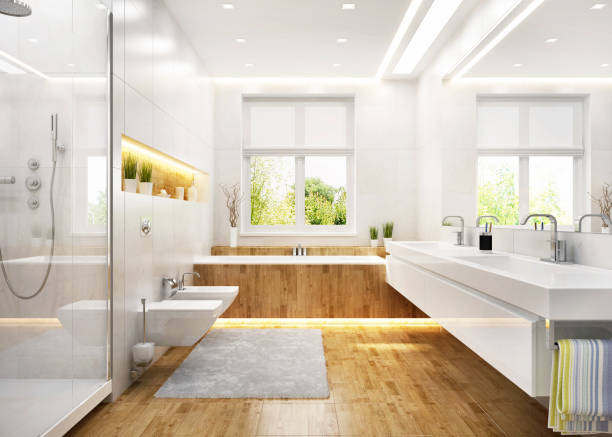
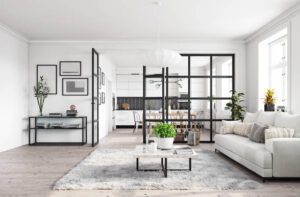
Glass and contemporary home design are inseparable, but you don’t have to use it as furniture; instead, use it to let more light into your living, dining, and bathroom spaces. To give your bathroom a contemporary feel, swap out any shower curtains or patterned screens with clear ones. You could also add glass walls with panels to divide your living and eating areas while still maintaining a semi-open floor plan.

Smart lightening

Upgrades to your lighting can transform the look of your interior design, especially if you’re looking for low-cost home automation solutions. Your home’s décor can be greatly influenced by lighting. You can set your lights to come on or go off after work, dim them using your phone or voice commands, and change the colours to match your mood thanks to smart lighting solutions. Make sure your smart lighting systems are Bluetooth-compatible with smart home hubs before installing the rest of your home.

Use statement colours

One popular misconception about modern house design is that it is only based on black, white, and grey colour palettes. Pops of colour brighten up a space and give a little individuality and flair. These are some of the best home décor ideas. Use vibrant wall art to add colour to your interior design, or choose a daring bright colour scheme for your pillows or carpets. If in doubt, utilize a colour wheel tool to help you pick the ideal colour scheme for your home. Regardless of the hues you select, just make sure they work well together.

Say yes to floorboards

(Photo from iStock)

Although they provide excellent insulation and are comfortable underfoot, carpets may be challenging to keep clean and may eventually begin to appear shabby. If you’re ready and eager to make some significant changes to your home, now might be a good time to switch to floorboards because they not only appear more contemporary but also are more durable and easier to maintain. Your choice of color will mostly rely on the size of your room and the style you want to achieve. Lighter colours make rooms appear larger and sunnier, while darker colours give homes a more dramatic and rustic feel.

Open shelving

If you want to add more usable storage space to your house and have a blank wall, open shelving is the ideal solution. Add open shelves behind your sofa to exhibit artwork or collectibles, or use open shelves to create more storage in your kitchen and keep your favorite glasses and dinnerware there.

A clean coat of paint

Modern homes are light and airy, and painting the inside is one of the simplest ways to give them a new look. For a simple, clean aesthetic, go with white hues, or if you want to be a little braver, pick a vibrant colour and make a statement wall.

Be careful about shapes

Modern design is characterized by strong shapes like squares and rectangles. Here, a palette of brilliant white makes the floating sink’s design stand out. The modest space is made more spacious. And peaceful with the help of a floor-to-ceiling backlit mirror. And a straightforward white colour palette.

Do not overdo

Traditional design is the polar opposite of modern design, which emphasizes clean lines. A restrained use of color, and minimal decoration. The kitchen, dining area, and living room. Are all connected by an open floor plan in this tastefully decorated living space. In stark contrast to the room’s dazzling white walls, the two-story fireplace serves as a focal point.

Simplicity is best
(Photo from iStock)

Modernism and minimalism complement one another. This modern bedroom’s bleached hardwood flooring, low, neutral furniture, and crisp white walls. All work together to create a sparse atmosphere. A classic example of mid-century modern furniture. The Eames rocker was created by Charles. And Ray Eames in 1948 for a competition at the Museum of Modern Art. It blends in beautifully with the streamlined style.

High contrast of high style

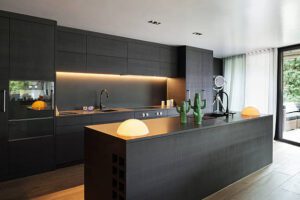
In order to create this urban black-and-white kitchen, a limited colour scheme and recurring materials were used. A waterfall countertop in dazzling white covers the sleek black island. Philippe Stack’s Louis Ghost chairs. Which skilfully combine Baroque and cutting-edge modern design, are combined with a lower floating counter. Long, white cabinets with a glossy finish give the space height and brightness.

Purposeful designing

Modern design is for you if you thrive on simplicity. This approach requires you to choose carefully. Looking for items that can truly stand alone while still having a significant effect. For instance, in this elegant hallway. A sleek table is combined with a striking black-and-white poster. An exquisite arrangement and a piece of coral offer splashes of vivid colour.

Reference:

HGTV

Searching for tips to recycle the construction waste, what are you waiting for, click on the link below:

How to recycle and reuse construction waste


How to sell your own house

Selling a property can be a challenging and time-consuming process, especially if you’re a first-time seller. However, with the right approach and some strategic planning, you can make the process smoother and more successful. In this comprehensive guide, we’ll explore the key considerations that can help you sell your house quickly and get the best deal possible.

  • Following are a few tips to sell your own house:

Understand the Market and Trends

(Photo from iStock)

Before you embark on selling your property, it’s crucial to take the time to analyse the market and understand the current trends. This step will ensure that you don’t regret selling at a lower rate or miss out on potential buyers. Here are a few things you should do:

Research Similar Properties

Start by researching properties similar to yours in your locality. Look for properties that are currently for sale and compare their pricing, carpet area, and facilities with your property. This will give you an idea of how much you should list your house for. Setting a higher price in a lower-priced neighbourhood may deter potential buyers, while a significantly lower rate may result in undervaluing your property.

Consider getting a detailed property valuation to have a clearer picture of your house’s worth. A certified valuation can help you negotiate the selling price with potential buyers and ensure you get the amount you deserve.

Choose the Right Market Climate and Season

(Photo from iStock)

Timing is crucial when it comes to selling your house. Avoid selling in a declining market unless you’re in urgent need of money. Declining markets are characterized by an excess of sellers and a shortage of buyers, leading to falling prices. It’s best to wait for seasons when the market is more favourable and buyers are actively looking for properties. Festive seasons, for example, are considered auspicious for making investments and can attract more buyers.

Understand the Demand in Your Locality

The demand for housing varies from region to region, and it’s important to understand the demand in your locality. Factors such as proximity to good schools, job opportunities, medical facilities, and amenities like restaurants and shops can influence the demand for properties. Consider the upcoming projects in your locality that may impact the value of your property. By taking these factors into account, you can price your property accordingly and attract potential buyers.

Leverage Online Advertising of your house

In today’s digital age, online advertising is one of the most effective ways to attract potential buyers. Listing your house online can save you time and effort by eliminating the need for multiple in-person showings. It also allows you to reach a wider audience, increasing your chances of finding the right buyer. Here are some tips to make your online listing stand out:

Capture High-Quality Photos

Invest in professional-quality photos that showcase your property in the best light. Take well-lit photos of each room, including the living room, kitchen, bedrooms, garden (if applicable), and other amenities. The main photo should highlight the property’s best features and entice potential buyers to click on your listing.

Ensure that your property is clean and organized before taking photos. A cluttered and messy house can discourage buyers from considering your property.

Create a Video Tour

Consider creating a video tour of your property to provide potential buyers with a virtual walk-through experience. This can help them visualize themselves in the space and make a more informed decision.

Write a Compelling Description

Craft a short and precise description that highlights the unique selling points (USPs) and attractive features of your property. Be clear and specific, focusing on what sets your house apart from others in the market.

Provide Detailed Information

(Photo from iStock)

Include all relevant details about your property, such as the carpet area, number of rooms, type of furnishing, flooring, water supply, and other amenities provided by the building. Providing comprehensive information can improve your ranking in search results and attract more interested buyers.

Respond Promptly to Inquiries

Be prompt in responding to buyer inquiries to maintain their interest and move closer to finalizing a deal. Delayed responses may lead buyers to lose interest and consider other properties.

Make Repairs and Enhancements

Before putting your house on the market, it’s essential to address any necessary repairs and consider making enhancements. Fix electrical faults, water leaks, and other damages that may deter buyers. Small renovations such as a fresh coat of paint or simple updates can significantly improve the appeal of your property. However, avoid overdoing decorations and personalization, as buyers often prefer to design the space according to their own preferences.

Getting a Bid for house as Soon as Possible

(Photo from iStock)

If no serious bids are received, set a deadline for lowering the asking price. Many house sellers overprice their property. Then they keep them artificially high for an inordinately long period of time, all while paying for maintenance, improvements, and property taxes.

Make a plan for how you will reduce the price of your home if no offers are received before you begin. Having a per-determined plan for lowering the price in the absence of bids will help remove emotion from the decision, allowing you to sell your house faster.

Dealing with the Buyer for selling house

Most sellers believe that the buyer has been through the process and understands the stages involved in purchasing a home. The truth is that this is one of many valuable services that a Realtor would normally provide; however, it is now up to you, the seller, to assist them in selecting a mortgage broker and getting to the closing table.

By first collaborating with a local mortgage agency, you are giving leads to the loan officer in exchange for transaction support, resulting in a virtual win-win situation. Mortgage brokers generally have authorized clients who have yet to purchase a home; utilizing their client list to find a potential buyer is an excellent way to acquire access to their client base.

Selling your house quickly and successfully requires careful planning and strategic execution. By understanding the market, leveraging online advertising, and making necessary repairs, you can attract potential buyers and secure the best deal possible.

Remember to highlight the unique selling points of your property, maintain flexibility, and present your house in the best possible light. With these tips in mind, you’ll be well-equipped to navigate the selling process and achieve your desired outcome.

Reference:

wikiHow

Searching for tips to recycle the construction waste, what are you waiting for, click on the link below:

How to recycle and reuse construction waste

How to work with an Interior Designer

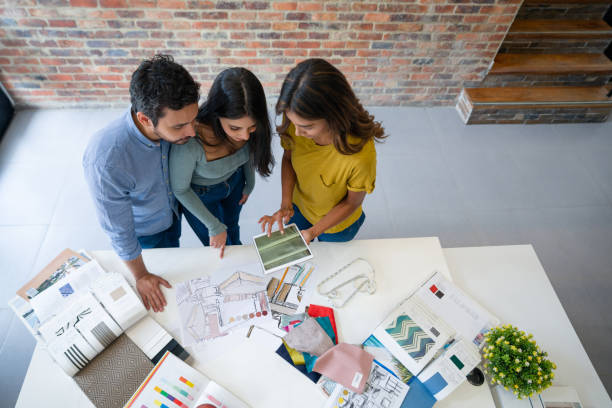
Working with an interior designer can be an exciting and rewarding experience. Whether you’re looking to transform your entire home or simply revamp a specific room, a skilled designer can help bring your décor dreams to life. But where do you start? In this comprehensive guide, we will explore the key steps and considerations involved in collaborating with an interior designer. From initial discussions and vision boards to the dos and don’t s of working together, we’ll provide you with valuable insights from industry experts to ensure a successful partnership.

Finding the Right Interior Designer

Before embarking on your interior design journey, it’s crucial to find the right designer who aligns with your vision and style. Just like dating, the designer-client relationship should be based on trust and compatibility. Here are some essential steps to follow when searching for the perfect match:

1. Research and Interview

(Photo from iStock)

Take the time to research and interview multiple designers to find the one that suits your needs. Look for designers who have experience in the type of project you have in mind, whether it’s residential, commercial, or a specific style. Check their portfolios, read client testimonials, and ask for references from recent clients to gauge their expertise and professionalism.

2. Compatibility and Communication

During the interview process, pay attention to how well you connect with the designer on a personal and professional level. Communication is key throughout the design process, so it’s essential to find someone who understands your goals, listens to your ideas, and communicates effectively. You should feel comfortable collaborating and expressing your preferences, as this will lead to a more successful outcome.

3. Budget and Fees of interior designer

Discuss your budget upfront and ensure that the designer is transparent about their fees and any additional costs that may arise during the project. Ask questions about how they handle revisions, changes in design, and the ordering and installation process. Understanding the financial aspects of the collaboration will help manage expectations and avoid surprises down the line.

Establishing Project Scope and Vision

Once you’ve chosen your interior designer, it’s time to dive into the details of your project. Clear communication and a shared vision are crucial in ensuring that the design aligns with your expectations. Here are some key considerations during this phase:

1. Define the Scope of Work

(Photo from iStock)

Start by discussing the scope of work with your designer. Identify which spaces you want to work on, the level of construction involved, and any specific timelines or deadlines you have in mind. Becca Roderick, director of One Kings Lane Interior Design, emphasizes the importance of addressing these details upfront to ensure a holistic understanding of the project.

2. Share Your Lifestyle and Preferences

To facilitate the design process, provide your designer with insights into your lifestyle, including any factors that may influence the design, such as children or pets. Discuss your preferences for furniture, colour palettes, and overall aesthetic. A designer with expertise in interior design and decoration, suggests involving your significant other in these discussions to ensure a shared vision.

3. Create a Vision Board for interior designer

(Photo from iStock)

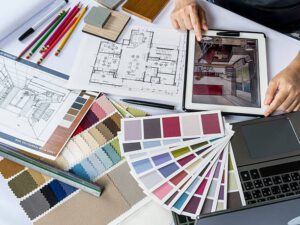
A vision board is an incredibly efficient way to communicate your ideas to your designer. Gather inspiration images, fabric swatches, and magazine clippings that represent your desired aesthetic. By visually conveying your preferences, you can avoid miscommunication and ensure that your designer understands your vision accurately.

The Do’s and Don’ts of Collaboration with interior designer

Collaborating effectively with your interior designer requires clear communication, trust, and a willingness to be open and honest. Here are some dos and don’ts to keep in mind throughout the process:

Do’s:

  1. Be Direct and Decisive: Make decisions promptly and communicate your preferences clearly. This will help your designer be efficient in meeting your design needs.
  2. Trust Your Designer’s Expertise: Remember that you hired a designer for their expertise. If they recommend something or express concerns about your vision, trust that they have your best interests in mind.
  3. Be Honest and Transparent: Share your budget, likes, dislikes, concerns, and even your wildest design aspirations. Being honest and transparent will help your designer understand your expectations and tailor the design accordingly.

Don’ts:

  1. Expect Miracles: While designers are natural problem-solvers, it’s important to be realistic about what can be achieved within the constraints of your project. Understand that a designer can enhance a space but cannot fundamentally change its inherent characteristics.
  2. Make Last-Minute Changes: Making changes after the design has been finalized can compromise the integrity of the design, delay the implementation, and incur additional costs. Avoid unnecessary changes by thoroughly discussing and finalizing the design before moving forward.

Overcoming Challenges in the Design Process

(Photo from iStock)

The design process can sometimes present challenges that require patience and understanding from both the client and the designer. Here are a few common challenges and tips for overcoming them:

1. Patience with the Evolution of the Space

As items start to arrive and the space takes shape, it’s common for clients to have concerns or doubts. Becca Roderick highlights the importance of giving the room a chance to come together before making judgments about individual items. Trust the process and allow the space to evolve as intended.

2. Clear Decision-Making and Timely Communication

Indecisiveness and delayed communication can significantly impact the design process. Clients to be clear about their preferences and make decisions in a timely manner. Prompt responses and effective communication will help keep the project on track and avoid unnecessary delays.

Working with an interior designer can transform your home and bring your décor dreams to life. By finding the right designer, establishing a clear vision, and maintaining open communication, you can create a truly personalized and stunning space. Remember to trust your designer’s expertise, be honest about your preferences, and stay actively involved in the decision-making process. With these guidelines in mind, you’ll be well-equipped to navigate the exciting journey of collaborating with an interior designer.

Reference:

The Design Files

Searching for tips to recycle the construction waste, what are you waiting for, click on the link below:

How to recycle and reuse construction waste

How to buy your dream house on your own

Many people dream of owning a house. Nothing compares to owning a piece of real estate that you can truly call your own and that is registered in your name. The majority of people’s first home is not their ideal residence. It has a decent beginning.

However, starter homes have a tendency to feel a little… crowded as time passes and your family expands. However, you must first prepare yourself and your finances before making a real estate investment. By doing so, you can ensure that you make the best financial decisions along the road and that you are properly prepared for the costs that will undoubtedly arise.

Don’t, however, be too harsh on your current residence. Because it not only provided you with a dry, secure place to sleep at night, but it also prepared you to one day possess your ideal home.

We’ll walk you through the process and demonstrate how everything works so you can move into the home of your dreams—one you can truly afford! Let’s first talk about the financial fundamentals you’ll need to address so your dream home is a blessing for your family—not a curse—before we get into more detail about those processes.

Consider your Financial Position

(Photo from iStock)

You should take a close look at your finances before you begin looking for the ideal home. It’s not simple to buy a house because there will be bills when you move in. Make sure you have an emergency reserve that can pay for your expenses for at least six months.

Unexpected expenses can arise along the way, so having money on hand will help you avoid being caught off guard. Currently, it might be challenging to concentrate on clearing debt or setting aside money for an emergency fund before you make improvements to your house if you have house fever—especially if you’re feeling the strain of rising home prices and interest rates.

Make a plan what you Dream

What motivates your desire to buy a home? What kind of home do you envision for yourself? Do you envision yourself residing in a metropolis or one of the nearby provinces? It is crucial to ask yourself these questions so that you can set clear, attainable goals that will direct your home-buying process.

These can also assist you in developing a workable budget and a savings strategy that can keep you on track. The actual action begins at this point. You’re finally prepared to begin the home search after working so hard to build up your equity.  But keep your attention. Make a list of characteristics that help a home meet your budget, lifestyle, and dream to stay focused.

Prepare Patiently before buying a house

(Photo from iStock)

Buying a house and land is just one part of investing in a property. It also entails planning your budget to pay for household necessities like furniture, appliances, and your regular water and power bills. Keep in mind that your expenses can increase as the room gets larger.

Make sure to account for these expenses in your budget so that you will be ready to make the necessary purchases and payments when the time comes. Be patient even though we know you’re eager to move into your new place. Await the ideal home at the ideal moment. Do not waste your money on a subpar house just because you have given up looking.

Take advice from professional Real Estate Agent

In addition to helping you choose your ideal property based on your budget and requirements, a professional real estate agent may also assist you with the administrative responsibilities involved in home purchase, such as submitting the required paperwork to banks and government organizations.

You can have confidence in your investment’s soundness and legality by working with a seasoned agent. But keep in mind that the agent might charge service fees, so make sure you both understand the scope of work and associated costs so that expectations are appropriately managed.

The trick is to select a good real estate agent that understands your budget and will not accept “good enough.” They are as dedicated to your dream as you are and will support you throughout the entire process. No matter what. In addition to working with a quality real estate agent, you can take a few extra steps to ensure you’re ready to strike when the ideal home comes up for sale.

Properly consider the Location

(Photo from iStock)

As a working professional, location should be one of your top priorities when buying a property. While houses outside of the city are slightly less expensive than those within the city. You must also consider if the location in which you want to buy property is accessible and will not keep you stopped in traffic for hours on end.

Check out the surrounding community as well – will your future house be close to business areas, schools, and hospitals? You should examine the neighbourhood because this will be your new house in the future.

Is the house close to a fault line? Do the roads flood when it rains heavily? You should also analyse how natural factors affect the area. You wouldn’t want to buy an inexpensive house only to discover later that it’s located in a landslide-prone area.

Do you have children or intend to have children? If you do, you should consider which schools are nearest to your home. Is it safe for youngsters to play outside? Is there a hospital close by? When you buy a house, you are purchasing more than just the building. You’re relocating to a new neighbourhood.

Survey the Market for your house

While it is beneficial to seek professional assistance, you should also arm yourself with sufficient information. What are the current market trends in the housing and real estate markets? Examine websites and listings. Seek advice from friends and family members who have purchased property in the past. You can only make informed decisions if you have the necessary information. Do not be scared to ask probing inquiries.

Following these tactics will make the procedure much easier, so be sure you use them correctly. However, keep in mind that buying a house is only the first step.

The next hurdle is being able to cultivate your home, click on the link below:

The beginners guide for vegetable gardening in your backyard

Reference: 

Allianz PNB Life Insurance


How to build your architectural career through gamification

The Age of Digitalization started roughly 40 years ago with the advancement of information technology. With the exception of education, it fundamentally altered how people interacted and how businesses operated. In spite of the rapidly evolving technologies all around us, classroom instruction hasn’t changed much in a very long time. But, with change gamification is emerging as a powerful alternative.

The lecturer stood in front of the class and used the usual methods of reading, speaking, and writing on the chalkboard to impart knowledge. The same has up until now been true of architectural education. But times are changing. Kids of today can benefit from cutting-edge teaching techniques like gamification that will challenge their cognitive capacities because they have grown up with digital technologies all around them.

Advantages of Gamification

One advantage of games is that they produce “timeline-less environments.” Time doesn’t actually exist in a game world. Despite the lack of time, things keep moving. Instead, games function by creating “triggers” that start a chain of events. For instance, if you step on a gold coin in a game, the “pick up” command will likely be activated. Your character then collects the coin.

(Photo from iStock)

For instance, when your perspective is close enough to, let’s say, a bush, a trigger will activate the front door. Customers are given the freedom of mobility and space exploration that gamers take for granted all the time thanks to this interactivity.

Gamification and interactive design’s portability are further advantages. Design choices should be easily transferred between portable devices when using interactive design tools, rather than being restricted to a desktop computer. Real-world freedom is made possible via portability.

 To Promote Architectural Specialization

Gamification is the process of integrating game-specific elements into environments that are not games, such as role-playing, challenges, levels, and rewards. Studies show that gamification techniques used in education help students learn. By letting them use their imaginations to build real-world scenarios in a virtual simulation. In a field as technical and design-focused as architecture, this hands-on approach to learning appears to be nearly essential.

Gamification in Architecture in the Future 

(Photo from iStock)

In the very near future, you will witness people “working” in virtual workplaces, “living” in virtual residences. Or “playing” in virtual classrooms in order to test the suitability of a design before it is finalized. Another use case involves visualizing a room’s utility while creating a space for people with physical or mental limitations.

The study “A Gamification Engine Architecture for Enhancing Behavioural Change Support Systems” explores the potential of using gaming as “a flexible and scalable ICT solution architecture”. That is highly personalized for dementia patients, for teaching cognitive skills, and for assisting professionals and caregivers.

“What we’re really looking for is the freedom and ability for a prospective client to move through their building exactly as they would after the project is done being built”. In other words, a space’s design will be fully developed and “experienced” practically before any building work starts.

In other words, there are countless opportunities. By making architecture more game-like, designers can put themselves in other people’s shoes and improve a design’s use, liveability, and durability.

How can gamification help you advance your career as an architect?

There are a few things to consider if you want to use gamification to advance your career in architecture. You must first decide what objectives you hope to accomplish through gamification. To assist you in achieving those objectives, you must secondly choose the appropriate game mechanics and elements. Third, you must create a learning experience that uses these game principles and aspects effectively.

Gamification, when used effectively, has the potential to help you advance your architectural career. So, if you’re seeking for a more fun and dynamic learning experience, think about how gamification might help you advance your career in architecture.

In the field of participatory design for architecture and urban design. VR has recently come to be recognized as a transformational tool that enables varied stakeholders. To actively participate in design and planning processes.

Participatory design has acquired a lot of popularity as a way to make sure that designs are more inclusive, sustainable, and receptive to user demands. Participatory design involves end-users and stakeholders in the development of architectural and urban settings. Immersive, interactive experiences made possible by the incorporation of VR. In participatory design processes enable users to visualize, explore, and offer input on design suggestions in an interesting and realistic way.

New Advancements in Technology

(Photo from iStock)

Thanks to improvements in VR technology, the fields of architecture and urban design now have access to a number of tools and platforms. These resources, such as VR plugins for BIM software and gaming engines like Unity and Unreal Engine.

They provide immersive experiences that feature realistic visual and audio sensations. As well as the freedom to move around in the virtual environment. Which gives the experience motion and balance. As the use of VR in participatory architecture and urban design expands, it is crucial to evaluate how various VR technologies. Such BIM and gamification, might foster meaningful involvement and improve the entire design process.

Purpose of Gamification in Architecture

Virtual reality (VR), which has developed significantly over the past few decades, is defined as a “computer-generated environment that closely resembles reality to the person experiencing it.” Beyond the constraints of conventional visual aid, virtual reality allows you to feel as though you are literally present in a three-dimensional world.

VR takes into account the complexity of human perception, including a wide variety of senses. Like hearing, balance, smell, temperature, emotion, and panic. Even if sight is the primary sense used to receive information. By utilizing VR, which duplicates these sensory experiences. Users may interact with and explore the virtual universe in a way that is very comparable to the real world, making the experience more realistic and engaging.

Reference:

decofice

Click on the link below, to grab some amazing ideas for decoration:

Share homemade holiday decorations ideas

How to install DIY removable wallpaper

Traditional wall coverings can be replaced with DIY-friendly, reasonably priced peel-and-stick wallpaper. Since the self-adhesive backing doesn’t require any messy paste, you may remove it and start over if you apply it incorrectly. Instead, this item includes a backing made of adhesive material that may easily cling to walls.

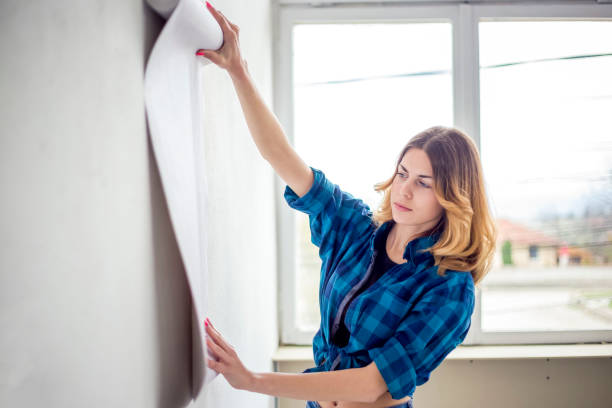
Simply measure the space, align the wallpaper, remove the backing, and apply the removable or peel-and-stick wallpaper to the wall, smoothing any bubbles with a smoothing tool. You can learn how to hang peel and stick it by following the more in-depth instructions that are provided below, even if this is the fundamental method.

But applying temporary wallpaper is more complicated than just removing the backing and adhering it to the wall. To make sure it sticks to the wall properly, you’ll need to conduct some preparation work. You’ll also need a few tools and techniques to create the best finish you can. Apply peel-and-stick wallpaper according to these detailed directions for bubble-free, long-lasting results.

How to Install Peel-and-Stick Wall-coverings

(Photo from iStock)

Before you begin, remember that peel-and-stick wallpaper frequently adheres to walls best when they have a smooth texture and an eggshell, satin, or semi-gloss finish. Check the manufacturer’s directions to make sure the wallpaper will stick to the specific type of walls you have.

To ensure you obtain the appropriate amount of removable wallpaper, carefully measure the area you intend to cover. Buy a little bit more  than you think you’ll need to allow for errors and tricky locations like windows, doors, or little nooks.

Following are a list of directions that you need to follow to install wallpaper:

  • Prepare the Wall Surface

(Photo from iStock)

Before you start hanging the wallpaper, make sure the wall has been sufficiently prepped. Before trimming the wallpaper to suit the aperture, remove the face-plates from any switches or outlets. With a damp sponge or cloth and a mild, non-abrasive cleaner, clean the wall’s surface. Give the area at least 24 hours to totally dry.

Observe the directions that the manufacturer has supplied. Additionally, some temporary wallpaper needs to match the decor of the space. Use a mild cleaning solution and a sponge or towel to wipe off the surface of the walls to avoid debris from getting in the way of the  glue.

  • Set up a guideline

Making a guideline for the first strip of wallpaper is one of the most crucial phases in the installation process. This will act as a guide to make sure every other strip of wallpaper is lined up correctly. You can begin in the middle of a wall or at the corner, but the guide must be straight.

To determine the wallpaper’s width, use a steel ruler. (Its usual width is 20 1/2 inches.) Measure 20 1/2 inches (or the width of the wallpaper) starting from the room’s leftmost corner or from a predetermined location in the wall’s middle.

From here, use a level or another straight edge to create a vertical guideline that is perpendicular to the ceiling and the baseboard. However, some homes may have a small variation due to the fact that baseboards, ceilings, and even room walls are not always perfectly straight and level.

Remember that if you began your measurement in the middle of the wall, it could be helpful to draw a second guideline to show where you began. This will make it easier to guarantee that the wallpaper is absolutely straight when it is applied.

  • Apply Peel-and-Stick Wall-coverings

(Photo from iStock)

Peel around 12 inches of the wallpaper’s adhesive backing starting at the tallest point you plan to wallpaper, and then align the wallpaper with your lines. Working your way from top to bottom, smooth and press the wallpaper to the wall while removing the remaining backing.

After drawing the guideline on the wall, you are now ready to hang the first strip of wallpaper. In order to overlap the baseboard and the border of the ceiling, the wallpaper strip needs to be somewhat longer than the height of the wall. Utilize a smoothing tool and, if necessary, a ladder to flatten, smooths, and removes any air bubbles or air pockets from the wallpaper.

  • Pattern matching and repetition

When adding additional pieces, align the wallpaper’s design for a seamless effect. Overlap the second piece just a little bit with the first piece to ensure that the seam lays as flatly as possible. Repeat as necessary, cutting the bottom as necessary, to cover the entire surface.

If the wallpaper drapes over a door-frame, window frame, electrical outlet, light switch, or any other type of permanent obstruction, just cut the wallpaper so that it may be fitted around the obstruction. This method should be used to hang each wallpaper strip until the room is complete.

  • Don’t Avoid Windows and Outlets at All Costs

(Photo from iStock)

Let the wallpaper overlap any window frames, door frames, or outlet when you come to them. Using a straightedge and utility knife. Trim and remove any extra material once the piece has been applied. The paper should then be smoothed against the wall all the way around the outlet or window. Use a utility knife to carefully cut away the paper covering the aperture. While keeping the power off for electrical outlets and switch plates. The switch plate or outlet cover will conceal the majority of flaws. So don’t worry about the rough edges around the hole. For a seamless appearance, you can also cover flat plates with paper.

  • Look for Air Bubbles

If there are still any air bubbles. Poke a tiny hole in the centre of each one with a pin or the point of your utility knife. After that, press firmly to expel any trapped air and smooth the wallpaper.

  • Clean the walls and reinstall the face-plates

(Photo from iStock)

Reinstall the face-plates on the electrical outlets and light switches throughout the room once you have completed cutting, applying, and trimming the wallpaper and are pleased with the results. The freshly put wallpaper should next be cleaned. With a moist cloth or sponge. Just be careful not to get the cloth too wet because that could ruin the peel-and-stick wallpaper.

Reference:

Better Homes and Gardens

Click on the link below, to grab some amazing ideas for decoration:

Share homemade holiday decorations ideas


Construction Wastes: Types, Causes and Recycling Strategies

The term “construction waste” refers to the relatively clean, heterogeneous building materials that are left over after finishing a project. Ecology is seriously endangered by construction trash. This has increased pressure on the construction industry to think about appropriate environmental protection strategies for all sectors of the economy, including building.

Depending on the circumstances and the kinds of materials employed, different projects will produce different amounts and types of construction waste.

Construction waste types and recycling techniques

  • Brick

(Photo from istock)

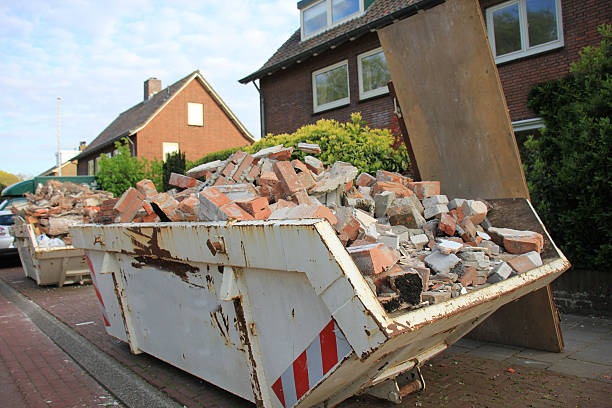
During demolition, the production of brick waste occurs, often containing plaster and mortar contaminants. Construction crews occasionally combine these leftovers with other materials like wood and concrete. They currently recycle bricks by crushing them and utilizing the resulting material as filler.

  • Concrete

Concrete wastes may result from activities like evaluating concrete samples and tearing down old buildings. Recycling procedures for concrete waste frequently employ this crushed concrete as aggregate.

In addition to building road bases and trenches, this crushed concrete aggregate has been utilized to replace natural aggregate in fresh concrete.

  • Ferrous Metal

(Photo from istock)

Another sort of waste that is both very valuable and capable of being recycled almost entirely is ferrous metal. Ferrous metal can also be recycled numerous times.

  • Masonry

Using recycled masonry aggregate to make thermally insulating concrete is a unique use. The use of recycled masonry aggregate as a filler in conventional clay bricks is an additional possible usage.

  • Non-ferrous Metal

(Photo from istock)

Aluminium, copper, lead, and zinc are among the nonferrous materials that are dumped at building sites. Almost all of these materials can be recycled.

  • Paper and Cardboard

Another sort of waste, estimated to make about one-third of the volume of construction and demolition wastes, is paper and paper board. To create new paper goods, these waste components are recycled and reprocessed.

  • Plastic

Gathering and cleaning these items individually enables efficient recycling of plastic waste. Combining plastic trash with other plastics or pollutants complicates the recycling process.

Manufacturers can reuse plastic in various products, including street furniture, roof and floor coverings, PVC window noise barriers, cable ducting, and panels specifically designed for using recycled plastic.

  • Timber

(Photo from istock)

After cleaning, de-nailing, and sizing, whole timber from construction and demolition projects can be quickly and immediately utilized for reuse in other construction projects.

Sources of Construction Waste Generation

  • Design origin
  • Source for purchases
  • Source handling of materials
  • Action source
  • Remaining source
  • Extra sources
Problems with Construction Waste
  • Waste is a byproduct of industrial and human activity that has no further use.
  • Want for comprehensive control of construction trash at every location.
  • Every employee, from management to operational levels, should contribute to the management of construction waste.
Vitality of Recycling

(Photo from istock)

  • Reduce the demand for new resources.
  • Low the cost and effort of transportation and production.
Recycling Obstacle
  • Lack of recycling facilities at the construction locations.
  • Lack of the necessary technology act as obstacle.
  • Absence of knowledge

Consideration for Recycling Construction Waste

  • Economy
  • Relationship to other materials
  • Material characteristics

Here’s a list of Sustainable Building Materials for Eco-Friendly Construction.

  • Sustainable building materials are becoming more and more popular as environmental preservation becomes a top issue for more people.

As they look for methods to improve their procedures, architects, builders, and homeowners can reduce their environmental effect by using sustainable building materials.

  • Bamboo

(Photo from istock)

Bamboo is a sturdy, long-lasting, and significantly lighter alternative to traditional wood than hardwood.

  • Hempcrete

This organic substance is perfect for environmentally friendly building because it may take the place of elements like concrete, wood, and insulation. The building’s usage of Hempcrete enables resource conservation and lessens the impact of construction on the environment.

  • Cork

(Photo from istock)

Cork is a superb insulator in addition to being fireproof, waterproof, and mold-resistant. It doesn’t produce any damaging air pollutants and emits less CO2 than other materials. It offers outstanding acoustic insulation and is a fantastic choice for soundproofing purposes. Due to its strength, light weight, and ease of molding, cork is an excellent material for many applications.

Cork flooring is comfortable and has a unique, lovely, and magnificent appearance. Cork is an excellent wall covering since it not only gives each room a unique decorative aspect, but also helps to regulate the temperature inside and absorb extra moisture.

  • Straw Bales

Because of its inherent insulating qualities, straw bales are a sustainable building material from an environmental point of view. With an R-value comparable to cellular insulation, straw bales may significantly save energy expenditures and insulate homes.

  • Recycled Plastic

(Photo from istock)

Recycled plastic is becoming increasingly popular as a sustainable building material. This recycled plastic is a sustainable option since it lessens plastic pollution and preserves natural resources.

A building project can employ recycled plastic for a variety of components, including window frames, decking, and outdoor furniture in addition to siding, roofing, and insulation. It is a robust and long-lasting substance that withstands extreme weather, UV exposure, mold, rot, and water. Recycled plastic building materials also endure a very long time; some estimation put it at up to 50 years. The utilization of recycled plastic materials also has a number of positive environmental effects.

Conclusion

In conclusion, construction waste is a significant concern in the building industry, with diverse types and causes. From demolition debris to excess materials, the impact on our environment and resources is undeniable. However, there is hope on the horizon through the implementation of effective recycling strategies.

By categorizing waste materials, segregating them on-site, and promoting responsible disposal practices, we can minimize the environmental footprint of construction projects. Recycling and reusing materials, such as concrete, steel, and wood, not only conserve natural resources but also reduce the volume of waste sent to landfills. Additionally, embracing innovative technologies.

It is imperative that all stakeholders, including contractors, builders, and policymakers, work in unison to establish stringent regulations and promote awareness about the importance of waste reduction and recycling in the construction industry.


Reference:

The Constructor

A COMPLETE GUIDE FOR YOUR WARDROBE:

How to Style Your Wardrobe


How to reduce Construction Sites Waste

Reducing waste on construction sites by implementing effective waste material management techniques would benefit the environment. While saving the project owner money and time. Being environmentally conscious, accountable, and sustainable also helps a company’s reputation in the construction sector. Which helps it win more business since most clients today, expect environmentally friendly construction practices.

A strong framework is established by creating or implementing an active waste management module. Which helps to significantly reduce waste on building sites as well as cost overruns brought on by excess orders.

Here are some suggestions for lowering the amount of construction trash on job sites and implementing sustainable methods to lessen the impact on the environment:
  • Waste reduction during the planning and implementation stages

(Photo from iStock)

Reduce source reduction, or planning to remove waste even before it is generated. By including waste material minimization techniques into the project’s initial planning stage. More money is saved on the cost of materials. And less waste is produced during the course of a building project when the resources needed are estimated more precisely.

Effective waste management techniques should be used during the planning stage, including pinpointing the area. Where waste generation is anticipated to be at its highest, pinpointing locations where recycling bin installation will be most effective. Identifying situations where recyclable materials can replace non-recyclable ones, determining the overall quantity of material that will be used, and training contractors and staff on the proper waste material segregating and disposal methods.

  • Vendors and Selling Techniques

The vendors should be chosen based on their commitment to environmental preservation, support for construction waste management procedures, and ability to supply recyclable or recycled materials in order to improve sustainability through the use of materials and waste management techniques.

Environmentally conscious partners who can aid in the prompt waste material treatment of the building site trash during and after the project must also be identified, in addition to ethical vendors. Contractor and supplier should encourage the use of products with little to no packaging, especially cardboard and plastic, as these materials must eventually be disposed of.

  • Avoid Demolition and Instead, Use Deconstruction

(Photo from iStock)

Instead of dismantling buildings, deconstruction is a novel reuse strategy that has been implemented to maximize material recovery for recycling or reuse while minimizing waste. One of the realistic strategies that can be used to minimize waste and lessen the ecological impact is the deconstruction of leftover materials and construction trash.

Deconstructing is carefully picking apart a building piece by piece in order to save usable components and reduce waste. It is possible to repurpose the salvaged materials or turn them into valuable components that can be sold for use in later construction projects. In some circumstances. The previous structure might be integrated into the new one without being completely dismantled, which can assist reduce trash production.

Normal demolition differs from deconstruction because during demolition, time is of the essence and the structural components are finally disposed of rather than salvaged, as is the case during deconstruction.

Deconstruction, as opposed to demolition, benefits the environment, improves public health and safety, and allows for a genuine profit margin to be made off the components and materials that are purchased. When working on a construction project, designers should concentrate on building a structure in a way that it can be easily disassembled in the future to extract as much salvageable material as feasible.

  • Correct Material Identification

Identifying materials according to their usage and disposal techniques is one of the most crucial processes in waste management on a building site. Materials can be distinguished depending on whether they are recyclable. Or reusable and the recycling techniques that can be applied to them. When purchasing supplies, attention can be paid to eco-friendly products that have a high degree of recyclability and potential for reuse. Which will reduce the amount of waste produced on the job site.

Concrete, wood, metal, plastic, glass, drywall, asphalt components, etc. are a few elements that are likely to be recycled or utilized again. Concrete is a waste that is produced on building sites in large quantities—far more than metal, wood, asphalt, gypsum, and drywall put together.

  • Placement of Waste Containers Correctly

(Photo from iStock)

Dustbins and other containers for disposing of rubbish should be put in strategic locations. To make it easy for staff to do so without any problems. To provide everyone on site with the opportunity to dispose of waste. Containers for all sorts of waste being generated. Including wood, metal, concrete, etc., must be placed in various areas throughout the building site.

Contractors and staff must be informed of and encouraged to use these containers. After the proper number of receptacles have been put in key places. To avoid waste in these containers, routine disposal services should be planned.


  • Utilize scraps

When leftover pieces of the prior materials are still available. And can be put to use in specific tasks. New material supplies are frequently utilized. The best strategy to control waste on a construction site is to reuse leftover material and salvage leftovers that are produced.

It is necessary to be aware of the policies of the suppliers. In order to understand how surplus materials must be returned to them.

It is possible to give instructions to subcontractors to gather and store scraps at the cutting and fabricating units. Gaining information about resources that can be recycled in addition to not using new materials.

  • Percentage of Recovered or Reclaimed Materials

It is advisable to set a minimum proportion when purchasing materials for the use of recycled. Recovered, or recyclable materials that can lessen their negative effects on the environment and lower their cost. Even the Environmental Protection Agency (EPA). Has established a minimum quantity of recycled or salvaged materials that must be purchased for a few particular categories.

  • Management of Hazardous Construction Waste

Given how challenging it is to properly dispose of hazardous waste generated on construction sites. Building businesses place a high priority on doing so. Hazardous waste can significantly harm the ecology if it is not properly disposed of.

Reference:

Powerplay

A COMPLETE GUIDE FOR YOUR WARDROBE:

How to Style Your Wardrobe


How to choose the right design for your bathroom

As you create your ideal place, keep in mind these bathroom design suggestions and ideas. Find the layouts that work best, spa-like elements to add, and bathroom colour schemes that will make you feel relaxed after a hard day.

Your bathroom ought to be a welcoming area that is both practical and simple to use. It takes attention to detail and a practical mindset to design a bathroom that meets your needs. Decide on the bathroom’s layout before anything else.

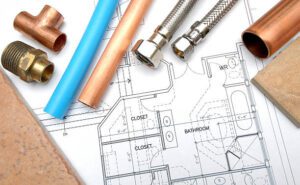
Select the bathroom’s plumbing elements, such as the toilet, sink, and shower or tub, as well as the décor, such as baskets for storage, shelving, and a mirror. Then, design the bathroom according to your demands so that it may be built.

Following are a few tips of how you can choose your right bathroom design:

  • Plan Your Bathroom Layout

(Photo from iStock)

You have more options with a bathroom plan with two walls. On one wall, the tub and shower can be plumbed, and on the other, the sink and toilet. The most adaptable plan is a three-wall configuration, but it is also the most time- and money-consuming.

Making the most use of space and avoiding costly errors are both benefits of working with a licensed bathroom designer or architect. The area around the tub or right outside the shower is known as the “wet zone,” where the floor may become wet. The area designated as the “dry zone,” such as near the door or towel rack, will keep the floor dry. To avoid having to go through damp areas, leave enough of distance between the dry and wet areas.

  • Add windows for some natural light

Install a small window near the toilet or beside the sink to let in natural light. So that no one can see inside the bathroom, frost the window glass.

If you decide to add a small window to the shower, make sure it can be covered or is frosted.

As an alternative, you might put in a skylight, which is a lovely and useful decision. You won’t need to worry about privacy either.

  • Create a bathroom lighting design

(Photo from iStock)

The mirror is where bathroom illumination is most important. A third light should ideally be mounted above the mirror in addition to wall-mounted lights on either side of it at eye level. This setup eliminates shadows by illuminating your face from above, on both sides, and in between.

Use ceiling-mounted fixtures for regular bathroom illumination. Chandeliers or pendant lights can enhance both style and mood. Vapor-proof down lights must often be enclosed in showers and bathtubs. Accent lighting can draw attention to a display or an architectural feature.

  • Plan Your Bathroom Sink:

It is simple to wipe spills from the counter into the sink with under mount bathroom sinks and integral bathroom sinks that are one piece with the vanity counter. On the other side, self-rimming bathroom sinks are the least expensive and the simplest to install, but the surrounding lip can accumulate dirt.

  • Install a statement Bath Tub

(Photo from iStock)

Bathtubs are a bathroom’s natural main point and have a significant influence on the décor. Freestanding bathtubs might have claw-and-ball feet, a pedestal base (like this one), or they can have sleek, straight sides that resemble a piece of art.

If you enjoy taking soothing baths, choosing a tub that is not mounted to the wall can be a wise choice. For an opulent style, go for a tub with rounded edges or claw feet. Before purchasing a free-standing tub, make sure you have enough space for it in the room.

An incomplete platform bathtub drops into a box-like supporting structure. Typically, a waterproof material like tile, marble, or limestone is used for the top or decking, and the sides may be panelled in wood or coated in tile or stone to match the top or decking.

Moreover:

To enhance your level of relaxation in the bath, select between a soaking tub and a whirlpool tub. If you have a tiny space, choose a sink with rounded sides. If you want it to float and take up less space, you might mount it to the wall.

For a small space, a floating sink in the shape of a trough is an excellent choice. A room that is wide rather than small is an excellent candidate for a rounded sink on a thin pedestal. To conserve space and add more storage, search for sink vanities with shelves.

  • Style your own Cabinetry

A wide range of alternatives, including double-sink vanities, custom storage hutches, and wall-mounted cabinets, have replaced the simple single-sink vanity cabinet.

Bathroom cabinets combine form and function while conveying the desired aesthetic, whether it is modern, traditional, vintage, or Old World. Bathroom cabinets are available in standard sizes or with semi-custom alternatives, just like kitchen cabinets.

They can be created and developed specifically for you. The least priced cabinets are often off-the-shelf, while custom cabinets are the most expensive. Depending on the material, construction, finish, and extras, each has a different price. Installing shelves above the toilet to store candles, toilet paper, and other goods is an additional choice.

  • Choose your Bathroom Floors wisely

(Photo from iStock)

Bathroom floors must be durable, water-resistant, and slip-resistant. They must also be visually appealing. Ceramic and stone tiles are the most opulent options, but highly polished stone is dangerously slick when wet.

For increased traction, use flooring with a honed finish. More grout lines and smaller tiles feel nicer underfoot. For bathroom use, ceramic tiles with the rating “impervious” are the most waterproof.

Floor tiles are incredibly tough, resistant to wear, stains, and water, and simple to clean. Another long-lasting flooring choice for bathrooms is vinyl plank flooring.

  • Tips for Bathroom Colour Design

Colours have the power to uplift and calm, to energize and quiet. Before choosing your material palette, think about the feeling you want to generate with your bathroom design.

Keep in mind that colour comes from sources other than wall paint and textiles when you choose the colour plan for your bathroom. A lot goes into developing a room’s overall colour personality, including the shades of the wood used for the cabinets and the stone or tile you select for the floors and walls. Even the sink and tub, whether they are constructed of white porcelain, coloured concrete, or stone, add to the bathroom’s colour scheme.

Reference:

Better Homes and Gardens

Starting up a online selling business, click on the link below for some amazing insights:

How to sell homemade goods at local markets and on Facebook

How to design your kitchen that is ideal for entertaining

Are you fond of hosting parties at home? Your kitchen needs to be practical enough to accommodate events, whether they involve regular dinner parties, barbecues, or drink nights. You’ll want your kitchen to be a fashionable room where guests will want to spend time in addition to offering the space needed to prepare and cook for a crowd.

When planning your kitchen’s design or remodelling, it’s a good idea to keep these ideas in mind. Here are some suggestions for transforming this practical room into a place that’s suitable and enjoyable for meetings.

(Photo from iStock)

A cramped kitchen that doesn’t appear to function or flow is not suitable for entertaining? Little room at the kitchen counter is also a problem? Being confined to the kitchen while the rest of the family congregates in the living room?

Simply put, your kitchen is broken, which turns entertaining from enjoyable to frustrating. All of those entertaining concerns can be taken care of when you’re ready for a kitchen remodel. Crowds typically gather in the kitchen during parties. With these creative suggestions, you can create the ideal kitchen for entertaining and turn your area into a hub for gathering.

Following are a few ways of designing your kitchen ideal for entertaining:

  • Plan Open Kitchens

(Photo from iStock)

When there is a gathering in your kitchen, it’s crucial to make sure that everyone is at ease and can move around and interact without difficulty. Avoid layouts that feel cramped, such as those with tight corners or islands that are situated too close to the walls.

The ideal kitchen is one with no doors and an open layout since it exudes warmth and space. The greatest design for entertainment is unquestionably an open floor plan. This arrangement makes it simple to move food and beverages to other rooms in your house where visitors may be present. You might want to think about demolishing a wall if your kitchen is walled off in order to make it easier to move between rooms.

  • Create Connectivity and Circulation

Consider the interactions you and your visitors will have in and around the kitchen. Making ensuring that people can move easily from the kitchen to the living and dining areas, and vice versa, is crucial.

Place your kitchen next to (or near) any patios, gardens, balconies, or courtyards you have so that outside dining is an option. You won’t have to worry about your kitchen being too crowded if you build it with strong circulation and connectedness since the throng will naturally spill over to other sections of your house.

  • Put a beverage station

(Photo from iStock)

For those who enjoy entertaining, a beverage station is a dream comes true because it enables you to set up a small area where guests can help themselves.

Without drinks, whether they are adult cocktails or homemade lemonade for the kids, the celebration wouldn’t be complete. So, take into account providing a wet bar where visitors may loiter and mingle. You can wash glasses more quickly because most wet bars have a sink and glassware storage, which reduces the time you have to wait for drinks. Additionally, it can be utilized to prepare some espressos after supper.

  • Install a Coffee machine

All hosts dream of serving properly prepared coffee to their guests with the least amount of hassle or work. A built-in coffee machine comes with an easy-to-clean foaming system that makes cappuccinos, lattes, and espressos in the barista style. Many coffee makers have various bean grinding settings and may brew two cups at once. A built-in coffee maker can be put in your kitchen or entertaining area.

  • Plan perfectly for Kitchen Storage

(Photo from iStock)

When your home is crowded with guests and a meal is about to be served the last thing you want to do is search across the house for the extra-large dish. Remember the less glamorous subject of kitchen storage when designing your ideal entertaining kitchen.

Make a place for all of the plates, pots, pans, glasses, and serve ware you use frequently when entertaining. Consider the functionality of your current pantry and any modifications that would make it more user-friendly. Additionally, you could want to include cabinets that make it simple to conceal equipment like your coffee maker or blender that are often kept on your countertop.

  • Go Discreet Wherever You Can

Keep your kitchen from appearing too much like a place for cooking to give it a more comfortable “living room” feel. Set up streamlined or discrete cook tops, ranges, hoods, ovens, or other “hidden” kitchen appliances.

  • Increase Seating

An eat-in eating area will encourage visitors to linger. Friends and family can easily move between the kitchen and dining areas in this house. Thanks to the combination of a banquette, a dining table and chairs, and island seating. Additionally, a built-in bench’s base offers additional linen storage.

  • Set Up an Island

(Photo from iStock)

A kitchen island is ideal for days when you’re hosting since it provides more prep room and extra seats when you need it. A warming drawer, wine refrigerator, or a second oven is just a few of the appliances that every host imagines having someplace to hide them.

Don’t forget to factor in any additional elements that will make the island more useful, like additional outlets or shelving. If you have two islands, you will have plenty of room. To make meals and host guests at the same time. When cooking a lot of food, two islands come in quite handy. You can utilize islands with your family at any time of the week for eating, working, or studying.

  • Get a Warming drawer

It may take several hours of cooking before your guests come to prepare for a dinner party. You should get as much done as you can. If you want to be able to start entertaining as soon as the doorbell rings.

You can prepare dishes and keep them warm until it’s time to eat by using a warming drawer. The temperature range that a warming drawer may accommodate is 90 to 250 degrees. Additionally, it preserves the quality of the food you have cooked from the time of preparation. Till the time of serving. Some drawers can be used as a slow cooker, while others feature dry and moist settings.

Reference:

designer appliances

Starting up a online selling business, click on the link below for some amazing insights:

How to sell homemade goods at local markets and on Facebook